The Best Breakfast Pupusas
A Guide to Salvadoran Morning Delights
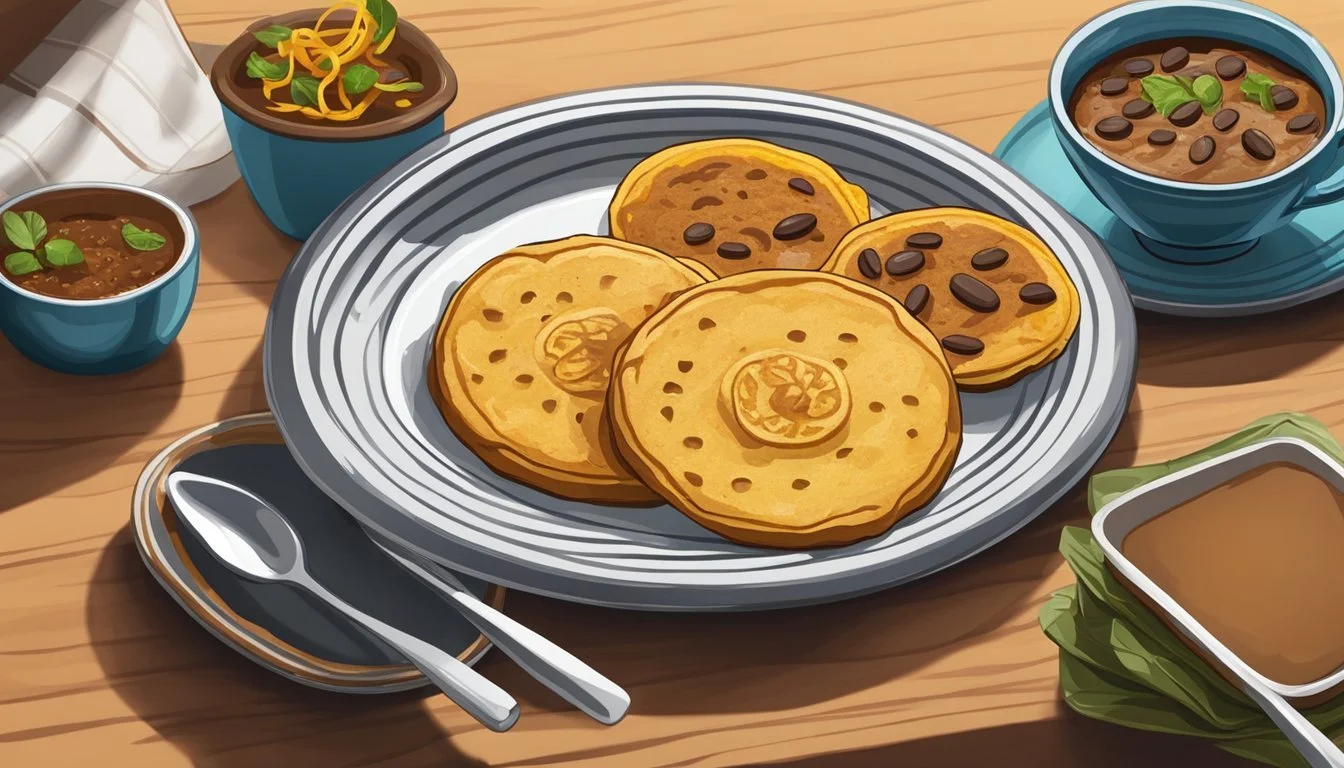
Pupusas, the beloved traditional dish of El Salvador, have won hearts around the globe with their simple yet satisfying flavors, and they make for an outstanding breakfast option. As thick corn tortillas stuffed with a variety of fillings such as cheese, beans, or pork, they provide a hearty meal to start the day. They encapsulate the essence of Salvadoran cuisine, which is marked by its hearty and comforting flavors that draw families and friends to the table, especially in the morning hours.
The versatility of pupusas makes them ideal for breakfast; they can cater to diverse palates with fillings ranging from savory to slightly spicy. A typical Salvadoran breakfast featuring pupusas is often complemented by curtido, a tangy fermented cabbage slaw with a crunch that contrasts delightfully with the softness of the pupusa. The addition of a simple tomato sauce adds a savory moisture, enhancing each bite with its rich flavor.
Serving pupusas as a breakfast meal is a satisfying way to start the day. It not only provides a delicious taste experience but also offers a glimpse into Salvadoran culture and culinary practices. Whether at a family gathering or a solo morning meal, enjoying a pupusa is to partake in a tradition that has been cherished for generations within El Salvador.
The Cultural Significance of Pupusas
In El Salvador, pupusas are not just about satiating hunger; they are a symbol of national identity and pride. They have become a celebrated dish that brings families and communities together, especially on Sunday mornings. Considered a Sunday morning staple, Salvadorans often start their day with these warm, delightful pockets of corn dough, stuffed with various fillings.
Pupusas carry historical significance, with origins dating back to the indigenous Pipil culture, and they have been heartily embraced by the country's populace. This traditional dish is versatile—from breakfast to party food, pupusas have a revered place in Salvadoran festivities and daily life. Simple, yet rich in flavor, they provide not only nourishment but also happiness, creating joyful and convivial mornings.
Elements Relevance to Pupusas Community Shared during family and community gatherings Tradition Passed down through generations Versatility Adaptable as a meal for any time of the day
While they have gained popularity internationally, through platforms such as Food52, and among various expatriate communities, the pupusa remains an undeniable emblem of Salvadoran culinary heritage. Whether served plain or accompanied by tangy curtido (cabbage slaw) and salsa roja, pupusas offer a taste of joy and cultural connection with every bite.
In recognition of their significance, El Salvador honors this culinary treasure annually, on National Pupusa Day, reaffirming the beloved status of this staple in the heart of Salvadoran culture. The tradition of making and enjoying pupusas carries the essence of Salvadoran joyful and satisfied mornings across continents.
Essential Ingredients for Authentic Pupusas
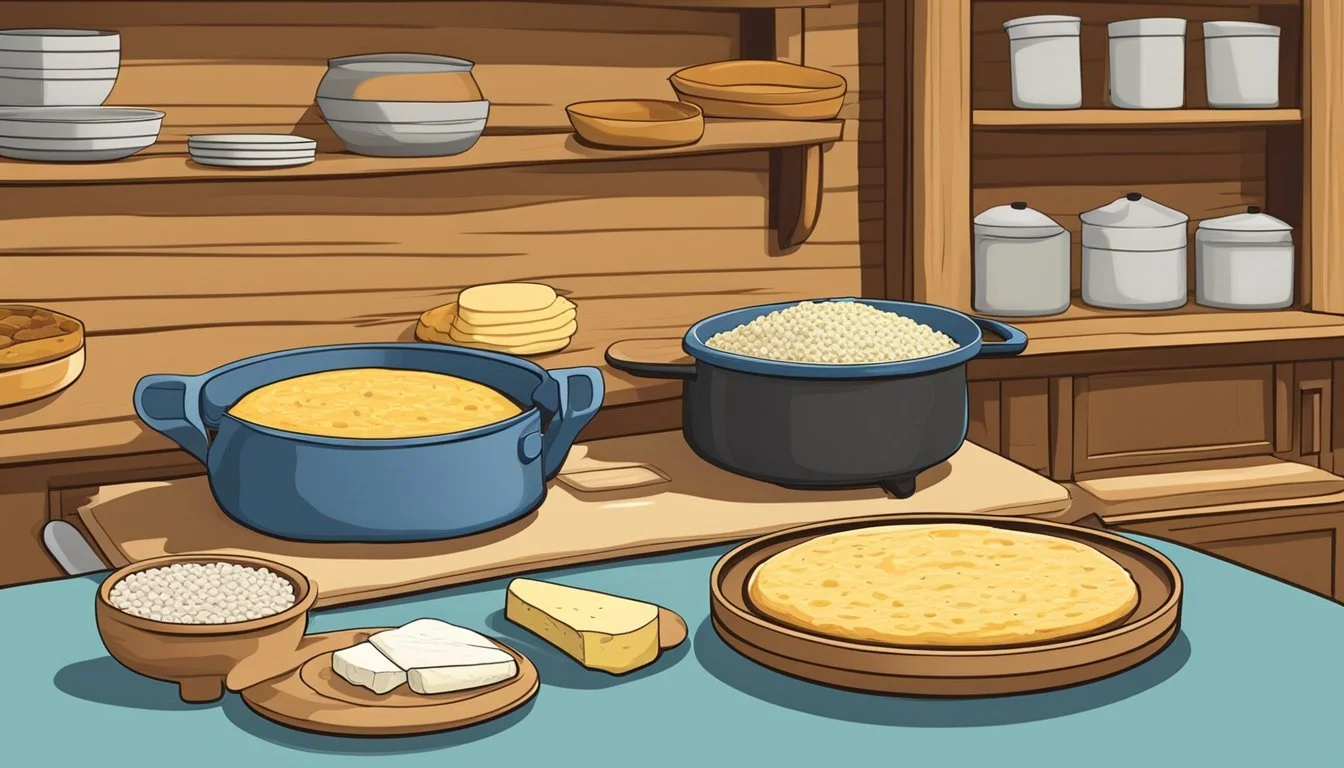
Creating authentic Salvadoran pupusas starts with assembling the right ingredients. The foundation of any pupusa is the dough, which is traditionally made from corn flour (masa harina), but some variations use rice flour as a substitute or addition, catering to different dietary needs and textures.
A standard pupusa dough consists of:
2 cups of masa harina
1.5 cups of water (adjust as needed for dough consistency)
To achieve the perfect pupusa, water is incrementally added to the corn flour until a soft dough forms, which can be shaped and stuffed easily.
For the filling, a variety of cheeses can be used. Typical choices include:
Queso duro blando: a firm Salvadoran cheese
Queso fresco: a soft, fresh cheese with a mild flavor
Cotija cheese: a saltier, crumbly Mexican cheese that can be used if Salvadoran cheeses are unavailable
The cheese is often combined with refried beans to create a hearty and traditional pupusa filling.
While preparing authentic pupusas, chefs may also use sour cream to add a tangy richness to the beans or as a topping to serve alongside the pupusas.
Here is a simple tabulation of the ingredients used for the dough and filling:
Dough Components Filling Components Corn flour (masa) Queso duro blando (or similar cheese) Water Refried beans (Rice flour, optional) Queso fresco Cotija cheese (as a substitute)
With these essential ingredients, one can embark on making a traditional Salvadoran meal that is both satisfying and reflective of the rich culinary culture of El Salvador.
Mastering the Pupusa Dough
To begin the journey of crafting the perfect breakfast pupusa, one must start with the quintessential component: the dough. Pupusas, at their core, are made from a simple, yet versatile mixture of masa harina (corn flour) and water. Masa harina, a nixtamalized corn flour, is the traditionally used base for pupusa dough and imbues the dish with its authentic flavor profile.
The dough is typically composed of:
2 cups of masa harina
A pinch of salt
Approximately 1.5 cups of warm water (to adjust for the dough's consistency)
In the making of pupusa dough, one aims for a balance that results in a soft texture that's firm enough to hold a filling but pliable enough to be shaped. Rice flour can be incorporated into the mixture to cater to a gluten-free diet or to alter the texture for varying preferences.
The preparation is straightforward:
Mix 2 cups of masa harina with a pinch of salt in a large bowl.
Gradually add warm water, kneading continuously, until the dough comes together in a smooth, non-sticky ball.
Allow the dough to rest, covered, for 15 minutes to fully hydrate the flour.
One's confidence in the kitchen will grow as the subsequent batches of pupusa dough evolve. Experimentation can lead to subtle flavor and texture variations. A neutral oil like canola may be added as an optional ingredient for a richer consistency and golden finish upon grilling. Through a clear and uncomplicated process, one can master the art of the pupusa dough, creating a delicious canvas for a plethora of savory breakfast fillings.
Exploring Pupusa Fillings
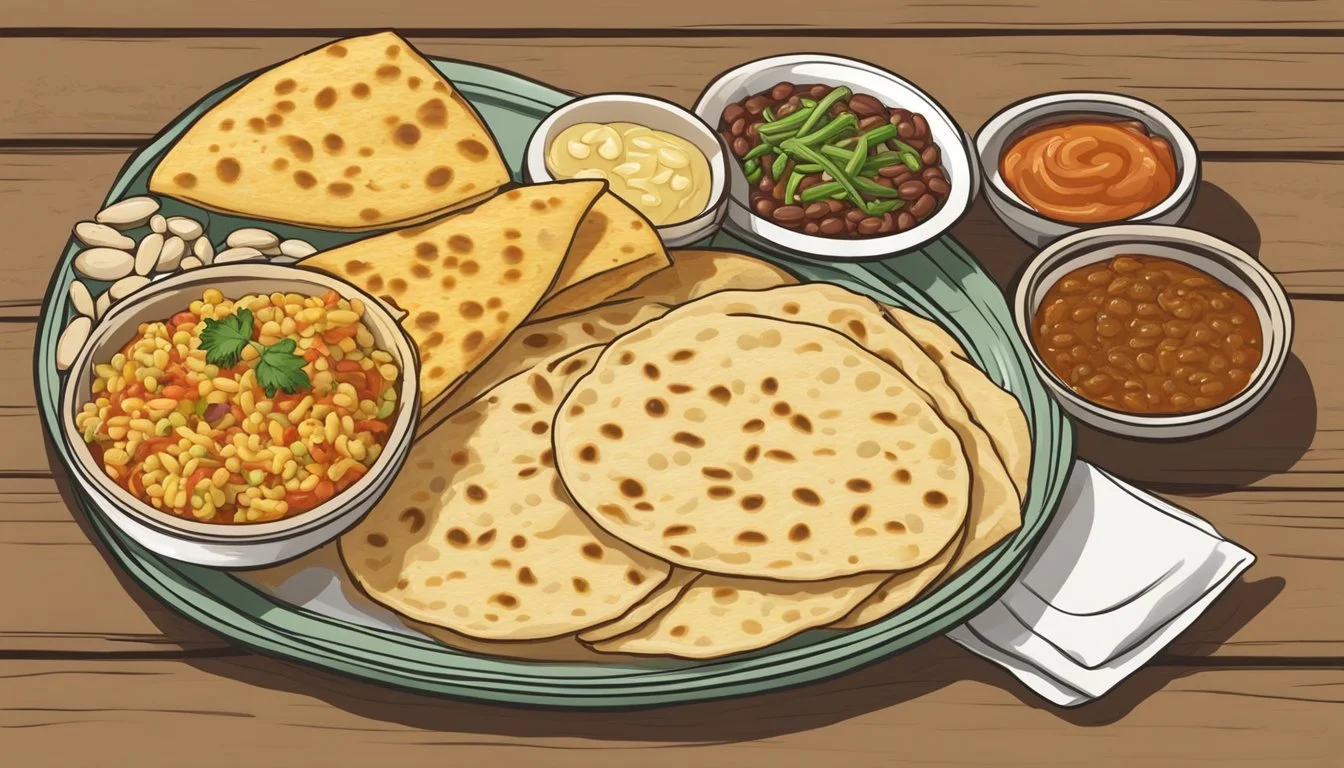
Pupusas, a traditional Salvadoran dish, are renowned for their versatility in fillings which range from various cheeses to hearty beans and inventive blends that cater to different tastes, including vegetarian and vegan preferences.
Cheese Variations
Traditional Salvadoran pupusas often feature a quesillo or quesadilla salvadoreña, a creamy, soft cheese known for its excellent melting qualities. For a richer flavor, some may opt to incorporate cotija or parmesan cheese, offering a salty and savory edge. While hard cheeses are less common due to their lack of meltability, they can still be utilized when finely grated. Alternatives like Oaxacan cheese mirror a stringy, mozzarella-like pull, which blends well with the masa.
Common Cheese Options:
Salvadoran quesillo
Cotija
Parmesan
Oaxacan cheese
Mozzarella
Those following plant-based diets can swap out traditional cheese for vegan cheese options, ensuring a similar melty experience without any animal products.
Bean Fillings
Beans are a hearty and nutritious choice for pupusa fillings. Refried beans are a staple, smoothly blending with cheese or enjoyed on their own. They introduce a creamy, earthy component into the pupusa. Black beans are another popular choice, often whole or slightly mashed, providing a distinct texture and flavor profile.
Popular Bean Fillings:
Refried beans
Whole or mashed black beans
Creative Combinations
For those seeking adventurous and diverse flavors, combining multiple ingredients can create a delightful pupusa experience. Merging shredded cheese with ingredients like mashed avocado, garlic, lime, and jalapeno delivers a refreshing zest with a kick of spice. Each addition should be finely chopped or smoothly incorporated to maintain the pupusa's integrity during cooking.
Inventive Filling Mixes:
Cheese with avocado and lime
Cheese with garlic and jalapeno
Vegan cheese blends with vegetable infusions
Creating the filling is a balance of flavors and textures, tailored to personal preference while maintaining respect for Salvadoran culinary traditions. Whether sticking close to classic fillings or branching out into new concoctions, there's an array of possibilities for every palate.
Cooking Techniques
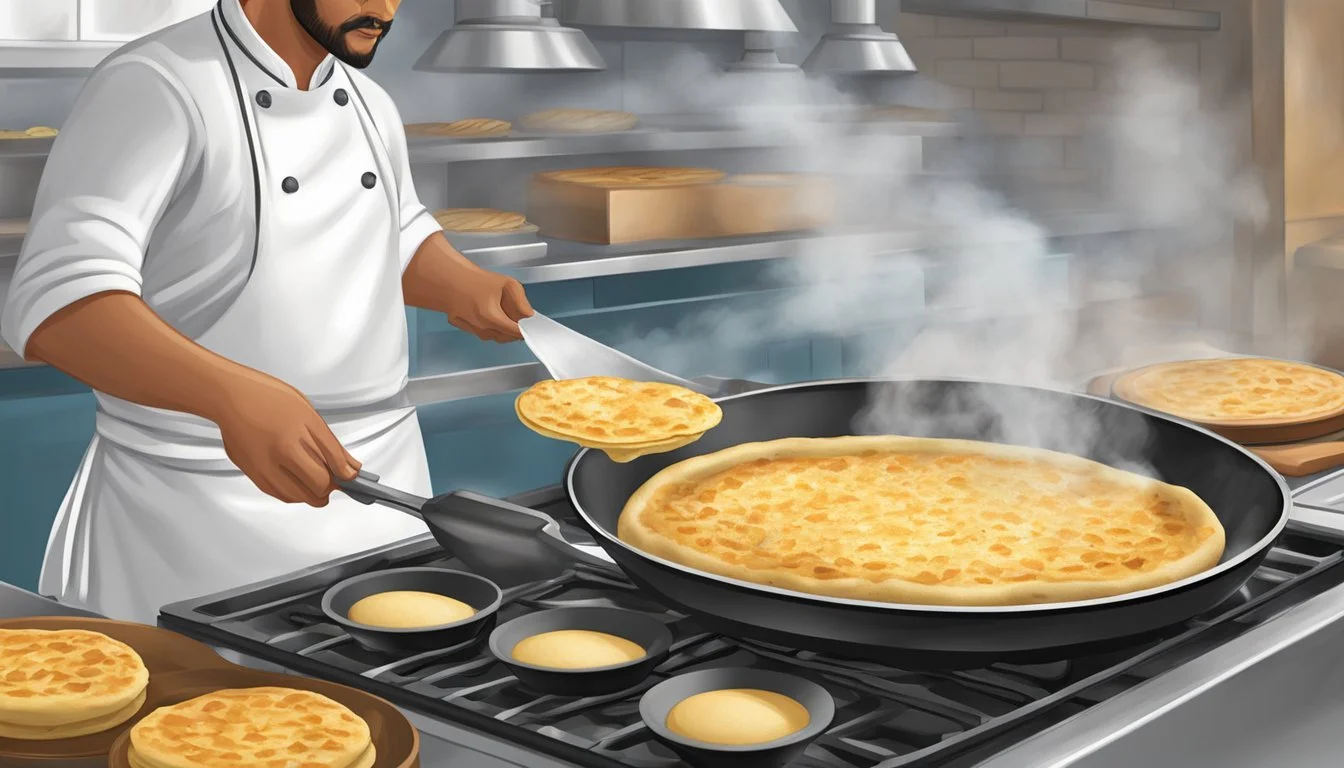
Crafting the perfect breakfast pupusa requires a mastery of specific techniques, particularly in shaping the masa dough and choosing the right cooking method. These skills greatly influence the texture and taste of the pupusas, setting the stage for a truly authentic Salvadoran breakfast experience.
Shaping the Pupusas
To begin, the cook must divide the masa dough evenly into balls—roughly the size of a golf ball—to ensure a consistent cook time and even filling distribution. They then create a pocket within each ball for the filling, which might include a mixture of refried beans, cheese, or other ingredients. The dough is then carefully folded over the filling and patted into a flat, round shape.
Griddling vs. Baking
When it comes to cooking pupusas, one has two main options: griddling on a cast iron skillet or baking in an oven.
Griddling:
Prep Time: It involves minimal prep time since only light brushing of the skillet with vegetable oil is necessary.
Cook Time: Typically, 3-5 minutes per side on a preheated skillet lead to a desired crispy exterior.
Tools: A cast iron skillet is essential for even heat distribution.
Procedure:
Preheat the cast iron skillet over medium heat.
Brush the skillet with oil.
Place the pupusas onto the skillet.
Grill each side until brown and crispy.
Baking:
Prep Time: Slightly longer prep time due to the need to preheat the oven and preparation of the baking sheet.
Cook Time: Variable depending on oven strength but offers a hands-off approach while pupusas cook.
Tools: An oven, parchment paper, and baking rack for optimal heat circulation.
Procedure:
Preheat the oven to a recommended temperature.
Line a baking tray with parchment paper and place the pupusas on a rack.
Bake until they are golden brown, flipping halfway through the cook time for an even bake.
The method chosen can impact the texture and flavor, with griddling offering a more traditional, crispy exterior, and baking providing a somewhat softer texture. Both techniques yield a delicious meal, and the choice ultimately depends on the cook's preference and the available kitchen tools.
Quesadilla Salvadoreña: A Sweet Breakfast Cake
The Quesadilla Salvadoreña is not a typical quesadilla but rather a rich and delightful sweet cheese pound cake, relished as a breakfast cake in El Salvador. This traditional treat is known for its unique combination of savory cheese and sweet batter, creating a fusion of flavors that are both indulgent and comforting in the morning hours.
Ingredients:
Cheese: Typically, hard cheese like parmesan is preferred for its robust flavor.
Eggs: They contribute to the cake's structure and richness.
Sugar & Butter: Are creamed together for sweetness and a tender crumb.
Leavening: Baking powder ensures a proper rise.
Preparation Steps:
Preheat the oven—often set at 350°F (175°C)—to ensure a consistent baking environment.
Cream sugar and butter together until light and fluffy.
Separate the eggs. The yolk enriches the batter, giving it a golden hue, while the whisked whites help aerate the mixture.
Blend cheeses to ensure a smooth incorporation into the batter.
Combine dry ingredients such as rice flour and baking powder in another bowl.
Mix all components together to form a thick, smooth batter.
When baked, the Quesadilla Salvadoreña presents a golden crust with a slightly crispy edge, contrasting the moist, tender crumb inside. This pound cake variant is commonly served with coffee, turning an ordinary morning into a special occasion with a slice of El Salvador’s culinary heritage.
Recipes for a Salvadoran-Inspired Morning
For a Salvadoran-inspired breakfast, Pupusas are a classic choice. They make a filling morning meal that can be enjoyed with various fillings and sides, providing a nutritious start to the day.
Pupusa de Queso Recipe:
Serving: Makes 8 pupusas
Ingredients:
2 cups Masa Harina
1 1/2 cups warm water
1/2 cup shredded mozzarella cheese
1/2 cup shredded cheddar cheese
1/4 cup finely chopped onion
1/4 teaspoon salt
Vegetable oil for cooking
Steps:
Mix Masa Harina and warm water in a bowl until dough forms.
Divide dough into 8 balls, flatten, and fill with cheeses and onion.
Seal fillings inside, shape into discs, and cook on a hot surface with oil until golden brown.
Variations: Pupusas can be stuffed with refried beans, chicharrón (pork), or loroco (flower bud), adjusting the flavor and nutrition profile.
Nutrition: Each pupusa has approximately 150-200 calories, providing a good balance of carbohydrates and proteins, especially when cheese is used as a filling.
For a visual guide, a video tutorial can be helpful for beginners to see the pupusa-making process step by step.
Curtido and Salsa Roja are traditional accompaniments for pupusas that add a tangy and spicy dimension to the meal. They are easy to prepare and essential for an authentic experience.
A Salvadoran breakfast with pupusas is both hearty and delightful, offering a taste of Central America's rich culinary heritage right at your table.
Serving and Pairing Suggestions
When preparing breakfast pupusas, one should consider the traditional sides and toppings that complement the dish along with the beverages that round out the meal. The sides should enhance the flavors without overshadowing the pupusas, and the beverages chosen should be refreshing and capable of cutting through the richness of the dish.
Traditional Sides and Toppings
Curtido:
Type: Fermented cabbage relish
Flavors: Tangy, slightly spicy
Calories: Low
Pairing: Adds crunch and zest
Salsa Roja:
Type: Tomato-based sauce
Flavors: Savory
Pairing: Contributes moisture and complements the masa
Sour Cream:
Consistency: Creamy
Flavors: Slightly tangy, rich
Pairing: Balances the heartiness with its coolness
Hot Sauce:
Varieties: Ranging from mild to extremely spicy
Usage: Sparingly for a kick of heat
Lime Wedges:
Purpose: To spritz over pupusas
Benefit: Enhances flavors with a burst of acidity
Serving these items alongside pupusas allows individuals to customize their breakfast experience to their liking with varying levels of spice, tang, and richness.
Beverage Pairings
Coffee:
Type: Strong, preferably Salvadoran or Central American origin
Role: Complements the meal with its robust flavor
Calories: Low without added sugar or cream
Serving Suggestion: Serve coffee black or with a small amount of milk to appreciate its full flavor while enjoying the pupusas.
By thoughtfully combining pupusas with these traditional sides and beverage pairings, one can create an authentic and satisfying Salvadoran-inspired breakfast experience.
Dietary Adaptations for Pupusas
Adapting traditional pupusas to accommodate various dietary restrictions is simple and doesn't compromise on the rich, savory flavors that make them a delightful breakfast meal. Below are specific ways to modify pupusas for both gluten-free and vegan diets.
Gluten-Free Options
To cater to those with gluten sensitivities, rice flour can replace the traditional maize flour. Rice flour is gluten-free and yields a similarly pliable dough that can be shaped and stuffed with ease. Here is a concise breakdown for creating gluten-free pupusas:
Flour: Substitute equal parts rice flour for maize flour.
Preparation: Mix rice flour with warm water and a pinch of salt until achieving a pasty consistency.
Cooking: Form patties with the dough and fill with chosen ingredients. Cook as usual.
Vegan Alternatives
For individuals following a vegan diet, breakfast pupusas can be equally enticing with the replacement of animal products with plant-based alternatives. Staples such as vegan cheese and refried beans maintain nutritional value while aligning with vegan principles. Consider this simple guide:
Cheese: Use vegan cheese as a substitute for traditional cheese fillings.
Filling: Utilize refried beans made with olive oil rather than lard to ensure they are vegan.
Oil: Opt for olive oil or another plant-based oil for forming the dough and cooking the pupusas.
By following these adaptations, pupusas can be an inclusive meal option that respects gluten-free and vegan dietary preferences while delivering a nutritious and satisfying breakfast experience.
Storing and Reheating Leftovers
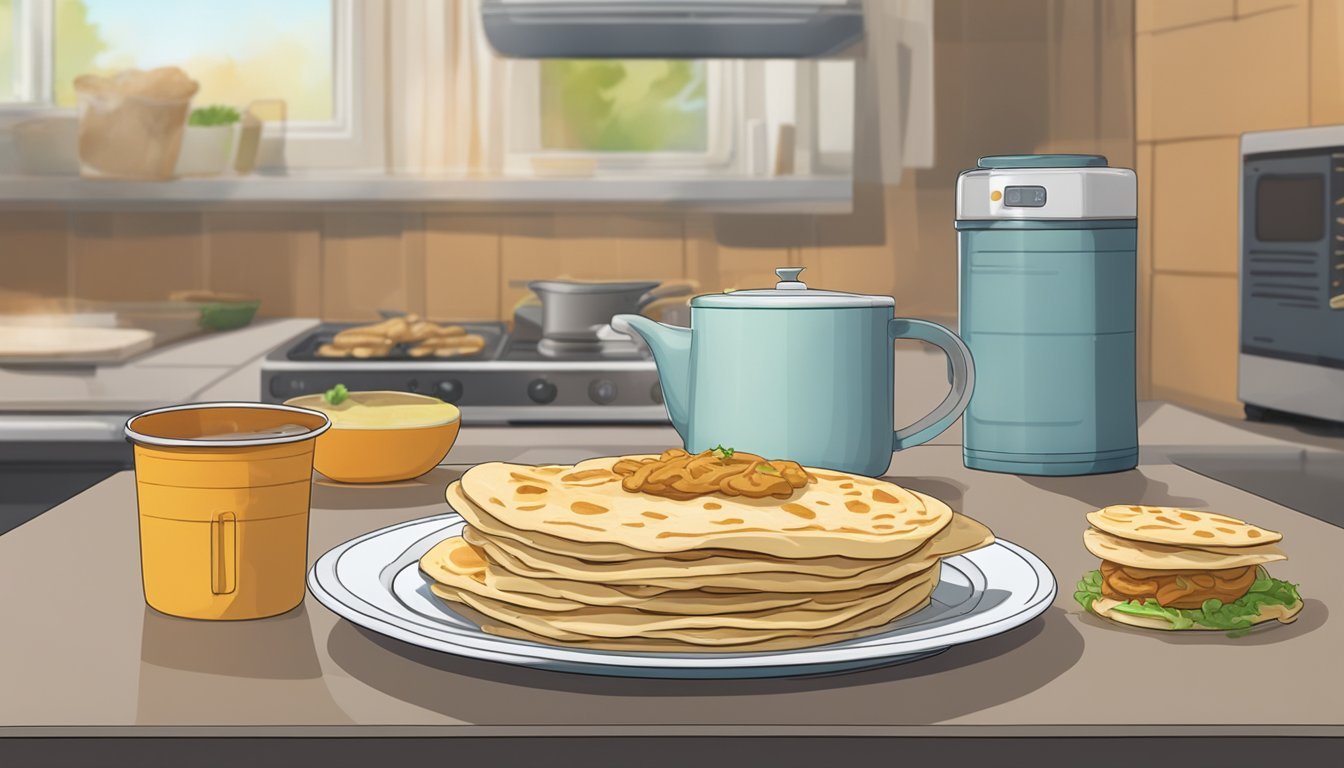
When it comes to protecting the flavor and texture of leftover breakfast pupusas, proper storage is key. Refrigeration is essential—pupusas should be sealed in an airtight container and can be stored in the refrigerator for up to three days. For longer preservation, they can be tightly wrapped and frozen, with a recommended freezer life of up to three months.
Reheating methods:
Method Temperature Time Oven 350°F (175°C) 10-15 minutes Microwave Medium power setting 30-second intervals until heated Skillet Medium heat 2-3 minutes per side
To ensure that the pupusas retain their original taste and texture, reheating them the right way is critical. Using an oven gives pupusas a crisp exterior and warm center. Preheat the oven and place the pupusas on a baking sheet for 10 to 15 minutes.
For those in a hurry, the microwave can be fitting. Heating pupusas in 30-second intervals on a medium power setting will warm them quickly, but it may slightly compromise their crispness.
The skillet provides a great balance by warming the pupusas thoroughly and restoring their crisp exterior. A few minutes on medium heat on each side should suffice. No additional oil is necessary, as it may change the flavor profile.
Remember, whichever method chosen, leftover pupusas should be consumed as soon as they’re warmed to enjoy their hearty, comforting flavors, just like when they were first made.
The Science of Pupusa Making
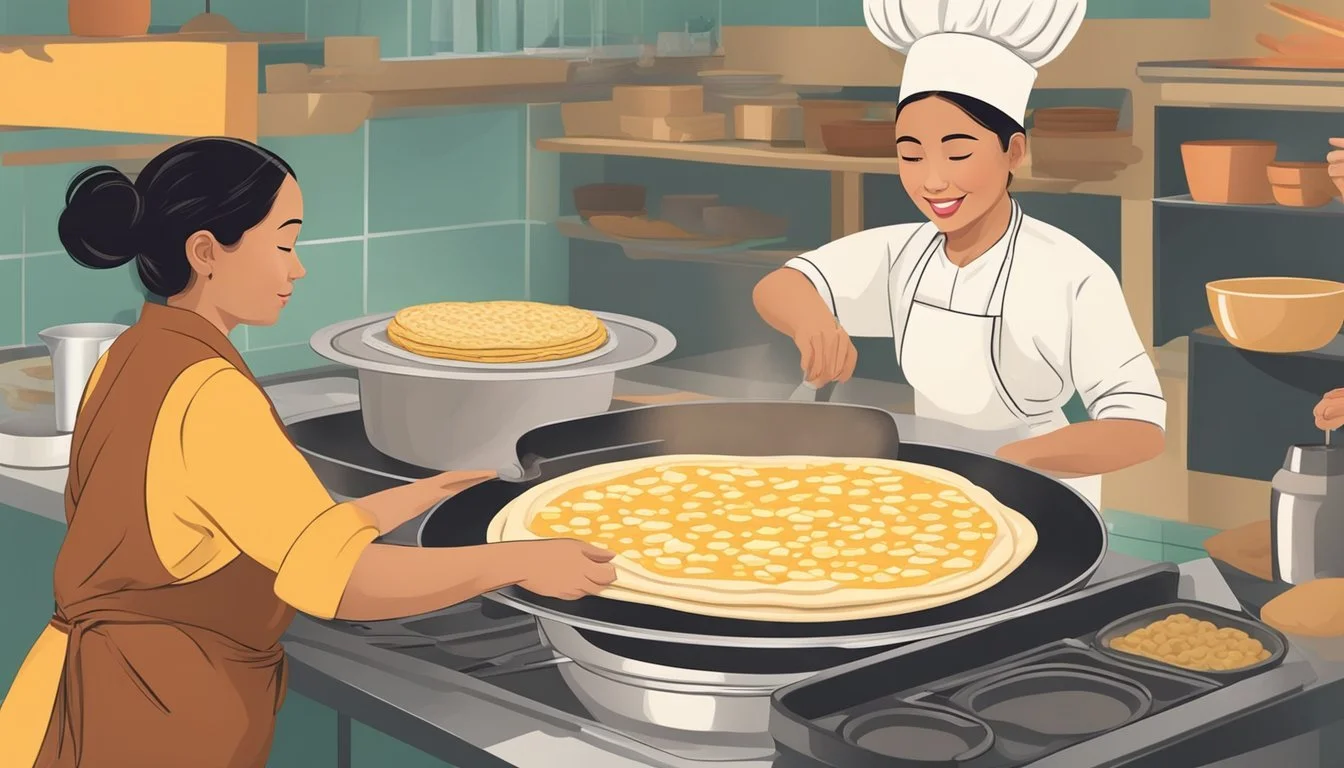
In the pursuit of creating the perfect breakfast pupusa, understanding the fundamental principles of its making is crucial. The dough, often a blend of masa harina and water, is the foundation. It requires precision—the right proportions ensure a pliable and non-sticky texture that can envelop the filling effectively.
Dough Preparation:
Proportions: Standard ratio is 2 cups masa harina to 1.5 cups water.
Resting: Allowing the dough to rest, covered, for about 5-10 minutes helps in hydrating the masa particles fully, leading to a cohesive mass.
Filling Choices:
Variety: Traditional fillings include cheese, beans, or a mix known as "revuelta."
Proportion: The balance of filling to dough is critical. A tablespoon of filling is typically sufficient for one pupusa.
Batter Absence:
Unlike other stuffed bread, pupusas do not utilize a batter. They rely solely on the dough's quality.
Cook Time:
Skillet Heat: A medium heat setting allows for an even cook without burning.
Duration: Cooking each side of the pupusa for approximately 3-5 minutes achieves a crispy exterior.
Efficiency Metrics:
Prep Time: Ranges from 15 to 30 minutes depending upon dough complexity and filling preparation.
Total Time: The process from start to finish can take anywhere from 45 minutes to 1 hour.
Each step, from dough mixing to the final skillet flip, is steeped in culinary science. Adhering to these principles ensures a delightful result suited for a Salvadoran-inspired breakfast table.
Conclusion
Pupusas, the heart of Salvadoran breakfast cuisine, provide a delightful and satisfying start to the day. These corn dough pockets filled with a mix of ingredients such as cheese, beans, or chicharrón, are not only a staple food in El Salvador but have also gained popularity worldwide.
To truly enjoy pupusas in the morning, one might consider the balance of flavors and textures—a combination of the soft and warm corn masa with the tangy kick of curtido and the smooth, rich tomato sauce on top. Each bite delivers a comforting, flavorful experience that sets a positive tone for the rest of the day.
Breakfast pupusas are versatile and can cater to various tastes. Whether one prefers the simple yet classic cheese filling or a heartier bean and pork option, the meal adapts to the diner's preference. The meal's communal and customizable nature often brings people together, contributing to a happy and convivial morning atmosphere.
For those eager to embark on a gastronomic journey, making pupusas at home can be a delightful venture. The cooking process involves shaping the masa, stuffing it with fillings, and cooking it to a golden perfection, an activity that can add joy and engagement to morning routines.
In short, starting the day with pupusas ensures a meal that is rich in tradition and flavor. It’s a practice that not only honors Salvadoran culinary customs but also provides an enjoyable and heartening breakfast experience.