
Best Cooking Oils for the Carnivore Diet: Animal Fats Only Guide
Embarking on a carnivore diet brings forth numerous questions, particularly regarding cooking oils. While many may assume olive oil is the optimal choice for cooking, the carnivore diet specifically restricts consumption to foods from the animal kingdom. This means the selection of cooking oils must align with this dietary approach.
The ideal cooking oils for those following a carnivore diet come exclusively from animal sources. These include tallow (beef fat), lard (pork fat), duck fat, bacon grease, butter, and ghee. These fats are predominantly saturated, making them remarkably stable under heat and resistant to oxidation. Contrary to popular belief, saturated fats have not been conclusively linked to arterial clogging, and upcoming dietary guidelines may reflect this changing understanding.
Key Takeaways
Animal-derived fats like tallow, lard, and butter are optimal cooking choices for carnivore dieters due to their stability and resistance to oxidation.
Vegetable oils such as canola, soybean, and corn oil should be avoided completely as they oxidize easily under heat.
While not strictly carnivore, fruit-derived oils like olive and avocado oil represent a middle ground that may be acceptable depending on individual sensitivity.
Understanding the Carnivore Diet

What Foods Are Included
The carnivore diet consists exclusively of foods from the animal kingdom. This nutritional approach includes all types of meat, fish, and animal products such as eggs. Adherents to this diet avoid plant-based foods entirely and focus on obtaining nutrients solely from animal sources.
Animal fats play a crucial role in the carnivore diet cooking process. These include:
Tallow (beef fat)
Lard (pork fat)
Duck fat
Bacon grease
Butter
Ghee (clarified butter)
These fats share a common characteristic - they're solid at room temperature because they contain primarily saturated fat. Contrary to popular belief, there isn't solid scientific evidence supporting the theory that saturated fat consumption clogs arteries. In fact, saturated fats offer greater stability when cooking compared to other fat types.
Cooking oils to avoid on the carnivore diet include all plant-derived options such as canola, soybean, corn, grapeseed, safflower, sunflower, and cottonseed oils. These polyunsaturated fats oxidize easily when exposed to heat, light, and oxygen, potentially causing health problems.
There exists a gray area regarding certain fruit-derived oils like olive, avocado, coconut, and palm oils. While not technically carnivore-compliant, these oils resist oxidation better than vegetable oils. Individuals without severe sensitivities might include these occasionally, but those managing autoimmune conditions through the carnivore diet should typically stick with animal fats only.
Choosing the Best Cooking Fats for Carnivore Eating

The carnivore approach to eating focuses exclusively on foods from animal sources, including various meats, fish, and animal products like eggs. This dietary restriction naturally affects which cooking fats are appropriate. When following this animal-based eating pattern, selecting the right cooking oils becomes particularly important for both adherence to the diet and optimal food preparation.
Animal-Based Fats for Optimal Cooking
Animal fats represent the foundation of cooking options for those following a carnivore eating approach. These fats include tallow (rendered beef fat), lard (rendered pork fat), duck fat, and bacon grease. These options align perfectly with carnivore principles since they come directly from animal sources.
One notable characteristic of animal fats is that they typically remain solid at room temperature, indicating their high saturated fat content. While saturated fat has historically been criticized, current scientific evidence doesn't support the theory that it clogs arteries. In fact, these fats offer significant cooking advantages:
Stability at high heat: Less prone to oxidation
Extended shelf life: Naturally resistant to rancidity
Rich flavor profile: Enhances the taste of meats
Animal fats withstand cooking temperatures exceptionally well without breaking down into harmful compounds. This stability makes them ideal for searing steaks, frying eggs, or any high-temperature cooking method.
Dairy-Based Fats: Butter and Ghee
Dairy fats provide excellent alternatives that remain within carnivore guidelines while offering unique culinary benefits.
Butter contains both butterfat and milk proteins, making it suitable for moderate-heat cooking applications. Its rich flavor enhances meats and creates a beautiful brown crust on steaks and other proteins. Butter works best for:
Low to medium-heat cooking
Adding at the end of cooking to finish dishes
Creating flavorful pan sauces
Ghee (clarified butter) contains only the pure butterfat component of butter, with milk solids removed. This composition gives ghee several advantages:
Property Butter Ghee Smoke point Lower (350°F/175°C) Higher (485°F/250°C) Lactose content Contains traces Virtually none Shelf stability Refrigeration needed Stable at room temperature Best uses Low-heat cooking, finishing High-heat searing, frying
Ghee's higher smoke point makes it particularly versatile for various cooking methods while still adhering to carnivore principles. The removal of milk solids also makes ghee an option for those sensitive to certain dairy components but who still want the rich flavor of butter in their cooking.
Health Misconceptions About Saturated Fat

The notion that saturated fat leads to clogged arteries has been widely accepted for decades, but this belief is based more on theory than solid scientific evidence. Many health professionals now recognize that the demonization of saturated fat was premature and potentially misguided. In fact, there are indications that dietary guidelines may soon remove the upper limit recommendations for saturated fat consumption.
Saturated fats have several beneficial properties that make them superior for cooking. They remain solid at room temperature and demonstrate remarkable stability when exposed to heat, light, and oxygen. This stability is crucial because it means saturated fats resist oxidation much better than other fat types.
Common sources of healthy saturated fats include:
Tallow (beef fat)
Lard (pork fat)
Duck fat
Bacon grease
Butter
Ghee (clarified butter)
Ghee deserves special mention as it has a higher smoke point than butter since the milk proteins have been removed, leaving only the butterfat. This makes it particularly suitable for high-heat cooking methods.
Fats to avoid for optimal health:
Oil Type Why Avoid Canola oil High in polyunsaturated fats that oxidize easily Soybean oil Unstable when heated Corn oil Oxidizes quickly Safflower oil Highly processed Sunflower oil Fragile molecular structure Cottonseed oil Not heat-stable Generic "vegetable oil" Usually a blend of unstable oils
Polyunsaturated fats, the primary component in most vegetable oils, are extremely fragile and sensitive to heat, light, and oxygen. When these oils oxidize during cooking, they can create compounds that may be harmful to health.
Some plant oils fall into a middle category that, while not ideal, are significantly better choices than standard vegetable oils. These include olive oil, avocado oil, coconut oil, and palm oil. All derived from fruits, these oils contain more monounsaturated fats and are more resistant to oxidation than typical vegetable oils.
Oils to Avoid on Carnivore Diet
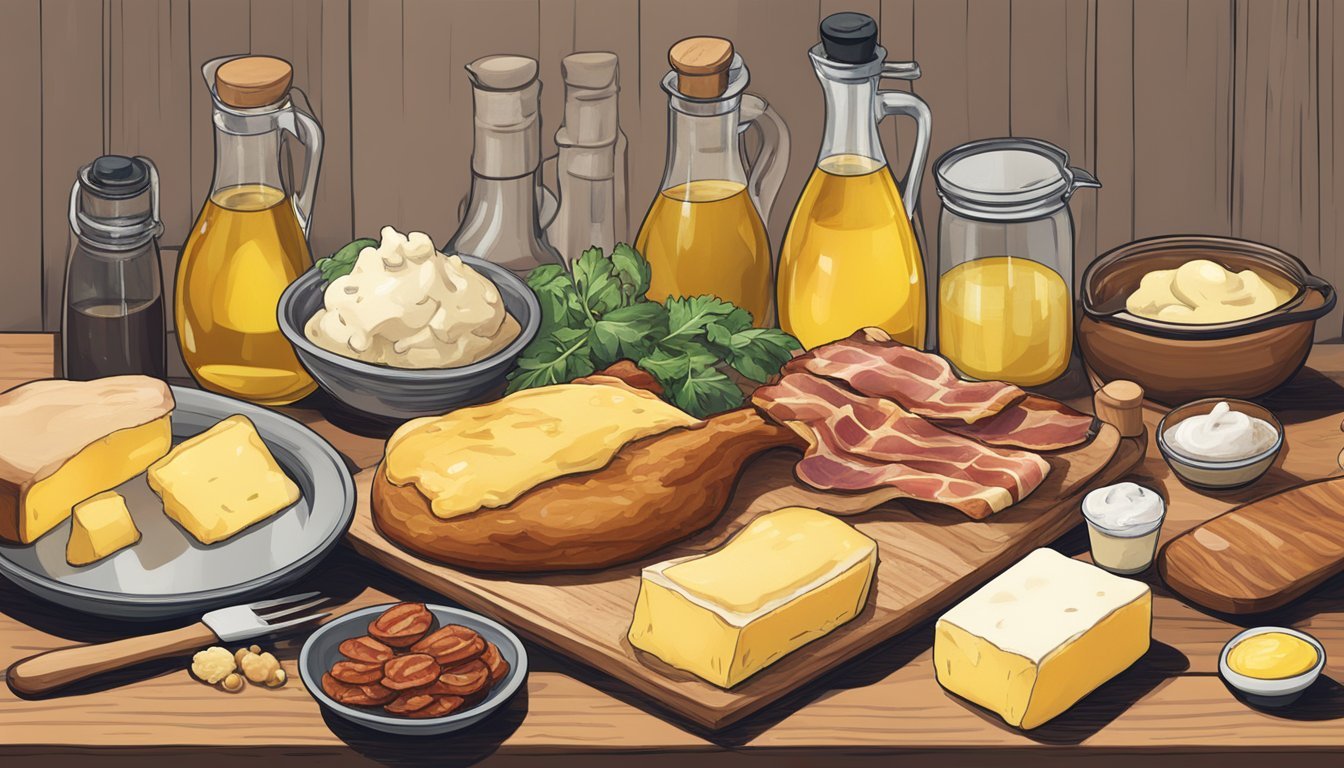
The carnivore diet focuses exclusively on animal products, which naturally limits cooking oil options. When following this dietary approach, choosing the right fats for cooking becomes essential not only for adherence but also for health benefits.
Dangers of Vegetable and Plant Oils
Vegetable oils present significant concerns for those following a carnivore diet. These plant-derived oils include canola, soybean, corn, grapeseed, safflower, sunflower, and cottonseed oils. Any product labeled simply as "vegetable oil" should also be avoided.
The primary issue with these oils is their chemical structure. Most vegetable oils contain high amounts of polyunsaturated fats, which are extremely fragile and susceptible to damage from:
Heat (during cooking)
Light exposure
Oxygen contact
This vulnerability makes these oils prone to oxidation, creating harmful compounds when exposed to cooking temperatures. Unlike saturated fats, which remain stable under heat, polyunsaturated fats break down easily and can form potentially toxic byproducts.
Best avoided oils:
Canola oil
Soybean oil
Corn oil
Grapeseed oil
Safflower oil
Sunflower oil
Cottonseed oil
These oils should be eliminated not only on a carnivore diet but arguably on any dietary approach focused on optimal health. Their instability makes them poor choices for cooking regardless of one's specific nutritional philosophy.
It's worth noting that the traditional concerns about saturated fats and heart health lack solid scientific backing. Current research indicates saturated fats may be far less problematic than previously believed, with some evidence suggesting dietary guidelines may soon remove upper limits on saturated fat consumption.
The Middle Ground: Oils That May Be Compatible
The question of which oils to use on a carnivore diet has some gray areas. While strict carnivore eating prioritizes animal-derived fats, certain plant-based oils might be tolerable depending on individual sensitivities and dietary goals.
Fruit-Based Oils and Their Properties
Some plant oils derived from fruits may be more acceptable than heavily processed vegetable oils when following a carnivore-adjacent approach. These include:
Olive Oil: Primarily composed of monounsaturated fats, olive oil offers more stability than polyunsaturated vegetable oils but less than animal fats.
Avocado Oil: With a high smoke point and monounsaturated fat profile, avocado oil represents one of the more heat-stable fruit-derived options.
Coconut Oil: Contains primarily saturated fat, making it more resistant to oxidation and heat damage than many plant oils.
Palm Oil: Rich in saturated fats, palm oil demonstrates greater stability when exposed to heat.
These fruit-derived oils share important characteristics that distinguish them from industrial seed oils:
Oil Type Fat Composition Oxidation Resistance Carnivore Compatibility Olive Mostly monounsaturated Moderate Gray area Avocado Mostly monounsaturated Moderate-high Gray area Coconut Mostly saturated High Gray area Palm Mixed saturated/unsaturated Moderate-high Gray area
While not derived from animals, these oils generally contain fewer problematic compounds than industrial seed oils. Those attempting carnivore for autoimmune conditions may want to exclude even these fruit oils during initial phases, adding them back cautiously to test tolerance.
For those following a more flexible approach, these oils might serve as practical alternatives when animal fats aren't available. Their relative stability makes them less inflammatory than highly processed vegetable oils.
Final Thoughts on Fat Choices
Selecting appropriate fats for cooking on a carnivore diet requires understanding which options align with the diet's principles. Animal-derived fats represent the optimal choice for carnivore enthusiasts. These include tallow (beef fat), lard (pork fat), duck fat, bacon grease, butter, and ghee.
These animal fats offer more than just alignment with carnivore principles—they provide superior cooking properties. Most animal fats remain solid at room temperature, indicating their high saturated fat content. This characteristic makes them remarkably stable when exposed to heat during cooking.
The stability of saturated fats is a significant advantage. They resist oxidation when exposed to heat, light, and oxygen, making them safer for high-temperature cooking. This resistance to oxidation distinguishes them from less stable fat varieties that can form harmful compounds when heated.
Plant-based oils should generally be avoided on a strict carnivore regimen. The following oils fall into this category:
Canola oil
Soybean oil
Corn oil
Grapeseed oil
Safflower oil
Sunflower oil
Cottonseed oil
Generic "vegetable oil"
These polyunsaturated fats are highly susceptible to oxidation when heated, potentially creating unhealthy compounds. Their avoidance is recommended not only for carnivore dieters but for anyone concerned with optimizing their health.
Some plant-derived oils occupy a middle ground and may be acceptable depending on individual tolerance. Fruit-derived oils like olive oil, avocado oil, coconut oil, and palm oil aren't technically carnivore-compliant but are less problematic than industrial seed oils. Those with autoimmune conditions might benefit from avoiding even these moderate options and sticking exclusively with animal fats.
When choosing between butter and ghee, consider that ghee has had milk proteins removed, resulting in a higher smoke point. This makes ghee particularly suitable for high-heat cooking methods compared to regular butter.

