
Carnivore and Longevity: A Paradox? Examining the Science Behind Meat-Based Diets and Lifespan

Current research shows that a meat-heavy carnivore diet is not associated with longer lifespans in populations known for exceptional longevity. While advocates of a carnivore or meat-based diet claim benefits for health and wellness, areas called "Blue Zones"—where people routinely live longer—tend to have diets low in animal products and high in plant-based foods.
Despite rising interest in animal-based nutrition for muscle gain and short-term health, the long-term effects on aging and lifespan present a complex picture. Experts caution that emphasizing red and processed meats may conflict with evidence linking plant-centric diets to improved longevity. This paradox drives ongoing debate and curiosity about how a carnivore diet truly impacts health and aging.
Understanding the Carnivore Diet
The carnivore diet is structured around exclusive consumption of animal products, emphasizing a high intake of protein and certain micronutrients. By eliminating plant foods, followers seek specific health effects, but the dietary pattern raises significant questions regarding its nutrient adequacy and long-term safety.
Foundational Principles
The main guideline of the carnivore diet is to consume only animal-based foods such as beef, pork, fish, poultry, eggs, and some dairy. There is total exclusion of plant-based foods, including grains, fruits, and vegetables.
Proponents argue this approach aligns with human evolutionary eating habits. They cite studies of early human diets and anecdotal reports of benefits like reduced inflammation and weight loss. Critics, however, highlight a lack of long-term data supporting exclusive animal food consumption.
Elimination of carbohydrates is central. Followers typically consume 0 grams of fiber and little to no vitamin C from food. This strictness sharply contrasts with many traditional omnivorous or even keto diets.
Animal-Based Foods and Protein Intake
Meat, fish, eggs, and dairy are the primary foods allowed. This results in a diet exceptionally high in animal protein and fat while being extremely low in carbohydrates.
A typical meal plan might include steak, eggs, bacon, or sardines. Animal protein provides all essential amino acids, as well as nutrients such as vitamin B12 and zinc, which are often less abundant in plant foods.
Protein intake often exceeds the recommended dietary allowance. These high levels may support muscle maintenance and satiety, especially for those engaged in resistance training. At the same time, the relationship between high protein intake and long-term health, such as effects on longevity, remains debated among experts.
Nutrient Profile and Deficiencies
While animal foods are rich in certain nutrients, the carnivore diet can result in deficiencies. The table below outlines nutrients typically delivered and commonly lacking:
Nutrients Abundant Common Deficiencies Protein Vitamin C Vitamin B12 Fiber Zinc Vitamin E Iron (heme) Magnesium
Followers may meet needs for vitamin B12 and zinc but can struggle with nutrients such as vitamin C and fiber, which are mostly found in plants. Long-term avoidance of plant foods may increase the risk of certain deficiencies if the diet is not closely monitored. Supplements or dietary adjustments may be necessary to mitigate these risks.
The Science of Longevity and Aging
Longevity and healthy aging are shaped by many interconnected biological, lifestyle, and environmental factors. Science continues to investigate how diet, genetics, and molecular changes impact life expectancy and the aging process.
Biological Mechanisms of Aging
Aging involves gradual changes at the cellular and molecular levels. Hallmarks of aging include genomic instability, mitochondrial dysfunction, telomere shortening, loss of proteostasis, and cellular senescence.
Cellular damage accumulates over decades, impacting tissues and organ function. Chronic inflammation, disruptions in metabolic pathways, and reduced cellular repair contribute to the aging phenotype.
Recent research suggests that diet, physical activity, and stress influence these mechanisms. The interplay between oxidative stress, DNA repair efficiency, and energy metabolism helps determine how quickly or slowly a person ages.
Markers of Healthy Aging
Healthy aging is measured by specific biological and clinical indicators. Common biomarkers include levels of inflammatory markers (e.g., C-reactive protein), insulin sensitivity, and cholesterol profiles.
Functional markers—such as grip strength, cognitive performance, and mobility—are frequently tracked in longitudinal studies. Table 1 summarizes key markers:
Marker Description Telomere length Shortening indicates cell aging Inflammatory proteins High levels = higher disease risk Physical performance Declines with unhealthy aging
Systematic reviews have found that maintaining favorable biomarker profiles is associated with higher life expectancy and reduced disability.
Dietary Patterns and Life Expectancy
Diet has a significant, evidence-based role in influencing longevity. Plant-based diets and Mediterranean-style eating patterns are consistently linked with longer life expectancy in large-scale studies and systematic reviews.
Blue Zones, known for high rates of centenarians, are characterized by low intakes of red and processed meats and higher consumption of vegetables, whole grains, and legumes. Diets high in animal protein, especially red and processed meats, are often associated with higher risks of chronic diseases and mortality.
Nutritional diversity, moderate caloric intake, and balance between macro- and micronutrients support healthy aging and promote longer, healthier lives.
Carnivore Diet and Cardiovascular Health
The effects of the carnivore diet on cardiovascular health involve several factors, including how animal-based foods influence blood cholesterol, arterial plaque risk, and inflammatory markers. Current evidence draws distinctions between short-term biomarkers and long-term risk, and diet composition plays a significant role in these health outcomes.
Heart Health and Cholesterol
Cholesterol management is a critical aspect of cardiovascular disease prevention. The carnivore diet, consisting almost exclusively of animal products, often results in increased intake of saturated fats and dietary cholesterol.
Studies indicate that some individuals may experience elevated LDL (“bad”) cholesterol levels on this diet, while HDL (“good”) cholesterol can also rise. However, the broader effect on heart disease risk remains debated. While higher HDL is generally positive, consistently high LDL is still a primary risk factor for heart attack and coronary artery disease.
Important Considerations:
Individuals with genetic predispositions (e.g., familial hypercholesterolemia) may be more adversely affected.
The balance of LDL to HDL, along with the presence of other risk factors, determines overall risk.
Atherosclerosis and Vascular Constriction
Atherosclerosis, the buildup of plaque inside arteries, is a leading cause of heart attacks and strokes. Diets high in saturated fats may accelerate this process in susceptible individuals.
Several observational and clinical studies have found that high consumption of red and processed meats is associated with increased atherosclerotic plaque formation. These animal-based diets can also affect vascular flexibility and cause vascular constriction by influencing nitric oxide production and endothelial function.
Key points for atherosclerosis risk include:
Excess saturated fat intake may promote arterial plaque buildup.
Limited intake of plant compounds reduces antioxidant protection, potentially increasing oxidative stress within blood vessels.
Blood Fats and Inflammation
The carnivore diet impacts blood lipids—including triglycerides and other fats—as well as markers of systemic inflammation. Triglyceride response varies; some see improvement with carbohydrate restriction, while others may develop higher blood fats, especially with heavy saturated fat consumption.
Inflammatory markers such as C-reactive protein (CRP) have mixed responses in those eating carnivore-style diets. Some report reductions, while others see little to no improvement. The absence of anti-inflammatory phytochemicals from plants could put certain individuals at risk for persistent low-grade inflammation.
Risk for chronic inflammation is influenced by:
Dietary fatty acid composition
Lack of fiber, which modulates gut-derived inflammation
Presence or absence of micronutrients with anti-inflammatory properties
Metabolic Effects of High Animal Protein Diets
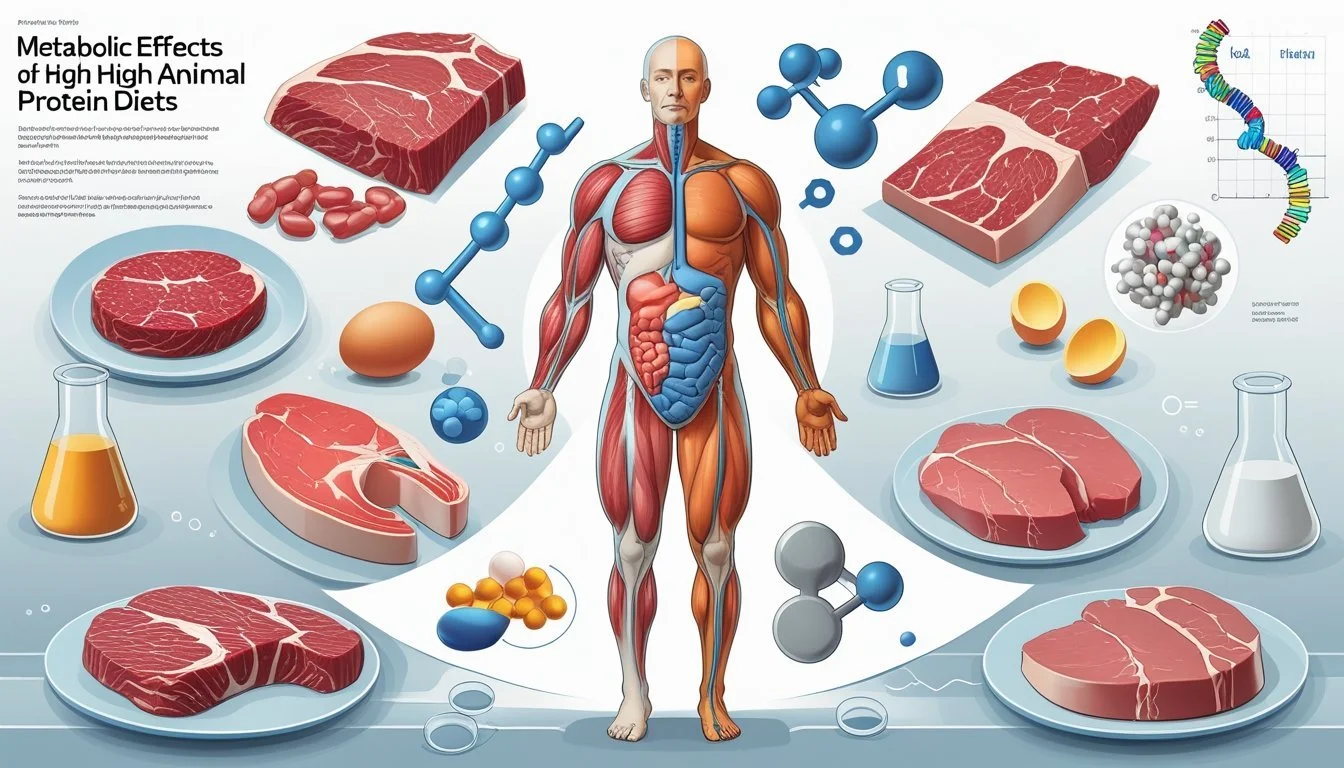
Animal protein-rich diets, such as those seen in the carnivore dietary approach, can affect human metabolism in several important ways. Evidence suggests both benefits and risks for weight management, insulin response, and the body's capacity to regulate energy.
Obesity and Body Weight
High animal protein intake often leads to reduced appetite and greater satiety compared to high-carbohydrate diets. As a result, some individuals experience weight loss or better weight maintenance because protein helps control hunger.
However, the calorie density of foods rich in animal protein can vary. While some studies note short-term reductions in body weight, long-term effects may depend on caloric balance rather than protein content alone. If overall calorie intake exceeds energy expenditure, weight gain can still occur.
Animal protein may help preserve lean muscle mass during weight loss. Yet, there are concerns about the sustainability and cardiovascular impact of consuming mainly animal-derived nutrients, especially in high quantities.
Insulin Sensitivity and Diabetes Risk
Diets high in animal protein may influence insulin sensitivity, an important factor in type 2 diabetes risk. While some short-term studies suggest that high-protein intake can improve blood sugar control due to lower carbohydrate consumption, the source of protein matters.
Red and processed meats, for example, are linked to reduced insulin sensitivity and a higher risk of type 2 diabetes over time. The mechanism may involve increased production of inflammatory compounds, changes in gut microbiota, and higher levels of saturated fat.
Unlike plant-based proteins, animal-derived proteins often lead to activation of mTOR and IGF-1 pathways, both associated with accelerated aging and possible deterioration in insulin signaling. This biological activation has been reported as a potential contributor to metabolic diseases.
Metabolic Health and Caloric Intake
The impact of a high animal protein diet on metabolic health extends beyond weight and insulin effects. Protein intake is closely related to total caloric intake. High-protein diets can result in spontaneous reductions in calorie consumption for some, due to increased fullness.
However, if paired with high fat intake—as is common in many carnivore diets—total calorie intake can still be excessive, negating any metabolic advantage from protein. This can contribute to metabolic disorders over time, particularly if fiber and micronutrient intake is low.
Animal protein sources vary in saturated fat and cholesterol, both of which can impact lipid profiles and cardiovascular risk. Balancing protein intake with calorie needs, micronutrients, and fiber is essential for supporting overall metabolic health and minimizing disease risk.
Nutritional Comparisons With Plant-Based Diets
Plant-based and carnivore diets have major differences in fiber content, micronutrient variety, and dietary sources. These distinctions affect digestion, nutrient absorption, and the body’s overall metabolic health.
Dietary Fiber and Gut Bacteria
Dietary fiber is almost exclusively found in plant-based foods such as vegetables, fruits, and whole grains. Fiber plays a central role in the digestive system by promoting regular bowel movements and supporting a diverse microbiome.
Plant-based diets are linked to greater populations of beneficial gut bacteria. These bacteria ferment fiber, producing short-chain fatty acids like butyrate, which are important for colon health. A carnivore diet, reliant on animal products, lacks fiber and often leads to lower gut microbial diversity.
Emerging research suggests that reduced fiber intake may be associated with increased inflammation and metabolic risk factors. Individuals on strict carnivore diets could miss the synergistic benefits of fiber for both gastrointestinal and immune function.
Micronutrients and Vitamins
Plant-based diets are typically rich in antioxidants, folate, vitamin C, and a range of phytonutrients. These nutrients contribute to cellular protection, DNA synthesis, and immune support. For example, vitamin C is plentiful in citrus fruits and green vegetables, while folate is high in leafy greens and legumes.
Carnivore diets provide ample vitamin B12, iron (heme form), and zinc, which are sometimes lower in vegetarian or vegan diets unless supplemented. However, some vitamins like vitamin C and many antioxidants are present only at low levels in an all-meat diet.
Deficiencies in key micronutrients are a risk for both extremes. Supplementation or careful planning is essential, especially for restrictive approaches. Studies like The China Study have highlighted correlations between dietary patterns, nutrient intake, and chronic disease risk.
Role of Fruits, Vegetables, and Whole Grains
Fruits, vegetables, and whole grains form the foundation of most plant-based eating patterns. They deliver not just vitamins and fiber but also minerals, polyphenols, and plant sterols. Regular consumption of these foods has been associated with reduced cardiovascular risk and better metabolic outcomes.
A table comparing common benefits:
Food Group Key Nutrients Health Impact Fruits Vitamin C, potassium, fiber Immunity, cell repair, digestion Vegetables Folate, vitamin K, fiber Vascular health, gut function Whole Grains B vitamins, fiber, magnesium Satiety, blood sugar regulation
Carnivore diets exclude these groups altogether, which removes potential exposures to anti-nutrients (as suggested in works like The Plant Paradox), but also removes many health-promoting compounds found consistently beneficial in long-term studies such as EPIC-Oxford.
Red Meat, Processed Meats, and Cancer Risks
Research examining the relationship between red and processed meat and health focuses on direct links to various cancer types. Most findings highlight concerns about colorectal and prostate cancer risks, as well as molecular effects from byproducts like advanced glycation end products.
Colorectal Cancer Evidence
The most consistently reported risk associated with red and processed meats involves colorectal cancer. Numerous population studies and meta-analyses indicate a statistically significant link between higher consumption of these meats and increased colorectal cancer incidence.
For example, data suggest that consuming 50 grams of processed meat daily elevates colorectal cancer risk by 17% (relative risk = 1.17; 95% CI = 1.08–1.26). Processed meats often contain preservatives such as nitrates and nitrites, which can form carcinogenic compounds during digestion.
Red and processed meats may also increase exposure to heme iron, which can promote the formation of N-nitroso compounds in the gut, another potential driver of cancer risk.
Prostate Cancer Associations
The evidence for a connection between red or processed meat intake and prostate cancer is more mixed than for colorectal cancer, but some studies show modest associations. The cooking method, portion size, and frequency all seem to influence the strength of this association.
High-temperature cooking methods, such as grilling or frying, can produce heterocyclic amines (HCAs) and polycyclic aromatic hydrocarbons (PAHs), which have been linked to DNA changes in prostate tissues in experimental studies.
Not all studies find a definitive link, and some population-level reviews note confounding factors such as genetics and overall dietary patterns. However, some data show that men who eat larger amounts of processed meat may face increased prostate cancer risk compared to those with lower intakes.
Advanced Glycation End Products and DNA Damage
Red and processed meat can be significant sources of advanced glycation end products (AGEs), particularly when cooked at high temperatures. AGEs form through a reaction between proteins and sugars during cooking processes like grilling, broiling, or frying.
AGEs can trigger chronic inflammation and oxidative stress, two factors implicated in the development of multiple types of cancer. In addition, AGEs—and other cooking-related compounds—can damage DNA. DNA damage is a critical step in the development of tumors, as it can initiate genetic mutations that allow abnormal cells to proliferate.
Laboratory research shows that both AGEs and compounds like N-nitroso can induce genetic instability, raising the possibility that these mechanisms link high meat consumption to cancer risk beyond the established effects seen in large epidemiological studies.
Immune Function and Systemic Health
The carnivore diet eliminates plant-based foods, which removes many sources of dietary antioxidants and polyphenols. This unique approach to nutrition has raised questions about its effects on immune function, systemic inflammation, and potential risks associated with immune system impairment.
Impact on Immune System
The immune system relies on a variety of nutrients to function effectively. Animal-based foods provide certain essential nutrients, including zinc and vitamin B12, which are important for white blood cell formation and immune cell signaling.
However, excluding fruits and vegetables cuts out dietary sources of antioxidants such as vitamin C and phytochemicals. While animal products contain some antioxidants, most are found in plant foods. This lack of plant-derived micronutrients may reduce the body’s ability to counteract oxidative stress, which plays a role in immune defense.
Some advocates note that reducing sugar and processed food intake on a strict carnivore diet may lower certain pro-inflammatory markers. Yet, the long-term implications of missing key vitamins and antioxidants are uncertain.
Systemic Inflammatory Effects
Chronic inflammation is linked to various diseases, including cardiovascular disease and autoimmune disorders. Removing processed foods and vegetable oils, which are sources of omega-6 fatty acids, might reduce inflammatory triggers for some individuals on a carnivore diet.
However, the near-total absence of polyphenols and dietary fiber could compromise gut health and alter inflammatory pathways. Plant compounds like polyphenols help regulate inflammation and contribute to a balanced immune response.
Some research has noted that diets low in antioxidants and micronutrients may increase markers of systemic inflammation over time. The relationship between an all-animal diet and inflammation remains an area that needs more well-controlled study.
Impaired Immune Function Risks
Vitamin C, vitamin E, and other antioxidants primarily come from fruits and vegetables. On a carnivore diet, these nutrients are mostly absent, which may raise the risk for impaired immune surveillance and slower wound healing.
A table of Potential Nutrient Deficiencies highlights the issue:
Nutrient Role in Immunity Carnivore Sources Vitamin C Antioxidant, infection defense Minimal (trace in organ meats) Polyphenols Modulate inflammation None Fiber Gut microbiota support None
Individuals may also face higher susceptibility to infections and increased oxidative damage. Reduced intake of plant-based nutrients that support broader immune mechanisms warrants consideration for anyone evaluating the health impacts of a carnivore diet.
Hormonal Pathways: mTOR, IGF-1, and Hypertrophy
The carnivore diet often increases intake of animal protein, which impacts several hormonal pathways involved in muscle growth, aging, and disease risk. Understanding how the mTOR and IGF-1 systems function helps clarify the connections between dietary choices, hypertrophy, and longevity.
mTOR and Accelerated Aging
The mammalian target of rapamycin (mTOR) is a central cell signaling pathway that regulates growth and metabolism in response to protein and amino acid intake. High-protein diets, common with carnivore eating patterns, consistently activate mTOR.
While mTOR activation supports muscle repair and growth, chronic stimulation is associated with accelerated aging. Overactive mTOR signaling increases cell proliferation, which may contribute to earlier tissue senescence and the development of age-related diseases, including cancer and cardiovascular problems.
Research suggests that mTOR inhibition—such as through caloric restriction—tends to extend lifespan in animal models. The balance between muscle benefits and the potential for accelerated aging through persistent mTOR activity is a critical consideration for those considering a high-meat diet.
IGF-1, Protein, and Cancer Risk
Insulin-like growth factor 1 (IGF-1) is another hormone sensitive to dietary protein intake, especially from animal sources. IGF-1 levels rise with increased protein consumption, especially from meat, which is typical in a carnivore diet.
Elevated IGF-1 promotes cell growth and proliferation, aiding muscle hypertrophy, but it also appears to heighten the risk for certain cancers. Mechanistically, high IGF-1 activity can accelerate the growth of both healthy and potentially malignant cells.
Long-term studies in humans link high circulating IGF-1 with a greater incidence of age-related diseases such as cancer. Individuals aiming for longevity may need to consider moderating dietary protein to balance the benefits to muscle with the hormonal impacts on long-term health.
Muscle Growth and Bodybuilding
High activation of mTOR and increased IGF-1 are both linked—directly and indirectly—to skeletal muscle hypertrophy. This explains why bodybuilders and strength athletes often favor diets rich in animal protein.
Resistance training itself can boost local IGF-1 expression and activate mTOR, leading to more efficient repair and growth of muscle fibers. Diets that are consistently high in protein further amplify these anabolic signals, promoting speedier muscle gains.
However, these benefits come with trade-offs. Prolonged, unregulated activation of these pathways may support muscle building at the expense of higher risks associated with accelerated aging or chronic disease, emphasizing the need for an informed and balanced dietary strategy.
Short-Term Health and Mental Clarity

A carnivore diet often leads to notable physical and mental changes that are observed early in dietary adoption. Increased energy, mental focus, and rapid shifts in nutritional intake are among the main reported impacts in the initial weeks.
Short-Term Nutrition Benefits
The carnivore diet provides high levels of protein and fat while eliminating carbohydrates almost entirely. For many people, this shift can help regulate blood sugar and support rapid satiety. Essential amino acids are readily supplied by meat, which may be important for muscle growth and tissue repair.
A common effect is diminished cravings for processed foods. As nutrient density is high, micronutrients like vitamin B12, iron, and zinc are usually sufficient. However, the lack of plant-based nutrients—such as fiber and vitamin C—is a clear limitation and may require monitoring or supplementation.
Energy Levels and Mental Clarity
Many individuals report experiencing increased energy shortly after starting a carnivore diet. Stable blood sugar levels due to the absence of carbohydrates may reduce energy crashes. This often translates to steady energy throughout the day with fewer fluctuations.
Supporters also mention improved mental clarity and focus. Mechanisms sometimes cited include reduced inflammation and simplified digestion, which, for some, may lead to less brain fog. These benefits often appear within the first few weeks but can be variable based on individual tolerance and metabolic adaptation.
Short-Term Risks and Potential Downsides
Despite these positives, several short-term risks are noted. Some people experience headaches, gastrointestinal changes (like constipation or diarrhea), and fatigue in the transition period. This adaptation phase, often called the “keto flu,” is thought to occur as the body adjusts to ketosis and reduced carbohydrate intake.
Rapid weight loss can initially occur due to water loss and glycogen depletion, which may be mistaken for fat loss. The absence of dietary fiber can also increase the risk of digestive issues. For those with preexisting health concerns, there may be risks in elevating saturated fat intake and cholesterol, warranting medical supervision.
Comparisons With Other Popular Diet Patterns
Dietary patterns like keto and Mediterranean differ significantly in macronutrient composition, food variety, and potential impact on long-term health. Important distinctions emerge in how each approach affects metabolism, longevity markers, and chronic disease risk.
Keto Diet Versus Carnivore
Both carnivore and keto diets are low in carbohydrates, but the keto diet retains flexibility by allowing some non-starchy vegetables, nuts, and limited dairy. The focus is on high fat, moderate protein, and a strict carbohydrate ceiling (typically under 50 grams per day).
The carnivore diet excludes all plant foods, relying solely on animal products. This can lead to higher intake of saturated fat and cholesterol, while minimizing plant-based fiber and phytonutrients.
Diet Food Groups Included Main Macronutrient Focus Plant Foods? Carnivore Meat, Eggs, Animal-based only Protein, Fat No Keto Meat, Eggs, Dairy, Plants Fat, Protein Limited (Some)
Some experts highlight the potential for micronutrient shortfalls with carnivore compared to keto, especially regarding vitamin C, magnesium, and phytonutrients. While both diets may support short-term weight loss and metabolic improvements, only the keto diet provides plant diversity linked to better gut health and longevity.
Mediterranean and Health Outcomes
The Mediterranean diet is based on whole grains, fruits, vegetables, legumes, fish, nuts, and olive oil. It emphasizes plant-based protein and healthy fats, while limiting red and processed meats.
Research links this pattern to lower rates of heart disease, stroke, and all-cause mortality. Unlike carnivore, the Mediterranean diet provides high amounts of fiber, antioxidants, and micronutrients. It also has the backing of long-term epidemiological studies for healthy aging and longevity in various populations.
In contrast, the evidence supporting a carnivore approach for sustained health benefits is weaker. A lack of plant foods in the carnivore diet may contribute to increased long-term risks, including cardiovascular disease and nutrient deficiencies, based on current research comparing these dietary patterns.
Controversies, Epidemiological Evidence, and References

Debate continues over the relationship between lifelong meat consumption and human longevity. Some research draws attention to possible risks, while others challenge broad generalizations and highlight questions about methodology, population differences, and outcome measures.
Epidemiological Studies on Meat Consumption
Epidemiological studies have often linked higher meat consumption, especially red and processed meat, to increased risks of cardiovascular disease, specific cancers, and overall mortality. These conclusions typically emerge from large-scale observational cohorts across diverse populations.
However, many such studies rely on self-reported dietary data, which is vulnerable to recall biases and misreporting. Moreover, confounding factors, such as physical activity levels, smoking, and overall lifestyle, can influence results.
Recent systematic reviews have pointed out that while some associations exist, the evidence supporting a direct cause-and-effect relationship remains limited. For instance, one cross-sectional analysis found only weak epidemiologic associations between total meat intake and lifespan, suggesting that the impact of a meat-based diet on longevity may be context-dependent.
Contradictions and Paradoxes in Research
Research into the carnivore diet specifically is sparse, with only a few published studies and many anecdotal reports. While some advocates and preliminary reports claim health benefits, established nutrition bodies caution that a strict meat-based diet may elevate long-term health risks, especially in the context of chronic disease prevention.
Conflicting evidence has given rise to what some call the "protein paradox"—where protein-rich diets appear to enhance short-term health metrics and muscle hypertrophy but may present adverse side effects over time. Additionally, noted limitations in self-reported studies on habitual carnivore diet consumers complicate interpretations.
Researchers emphasize the need for long-term clinical trials rather than reliance on observational correlations. Until then, referencing meta-analyses and systematic reviews is advised to contextualize individual findings and avoid overstating claims.

