
Carnivore Diet and Osteoporosis
Examining the Impact on Bone Health

The carnivore diet, consisting almost entirely of animal products like meat, eggs, and fish, has sparked debate over its effects on conditions such as osteoporosis. Osteoporosis is a disease characterized by decreased bone density and an increased risk of fractures, traditionally managed with diets high in calcium and vitamin D. Current evidence does not show that the carnivore diet is a proven solution for osteoporosis, but some proponents report improvements in symptoms and bone health when paired with exercise and adequate nutrient intake.
Healthcare professionals often urge caution with restrictive diets, especially when managing a complex condition like osteoporosis. While anecdotal stories of benefit exist, clinical research is limited and results may vary from person to person. Readers interested in bone health and considering major dietary changes should be aware of both the potential benefits and uncertainties of adopting a carnivore diet for osteoporosis.
Understanding Osteoporosis
Osteoporosis is a condition marked by reduced bone strength that increases the risk of fractures. Its development involves genetic, hormonal, lifestyle, and age-related factors that affect bone density and structure.
Causes and Risk Factors
Osteoporosis often results from an imbalance between bone resorption and bone formation. Age is a significant risk factor; bone mass typically peaks in early adulthood and declines with advancing years.
Key Risk Factors:
Reduced estrogen levels, especially after menopause in women.
Family history of osteoporosis or fractures.
Sedentary lifestyle and lack of weight-bearing exercise.
Low intake or absorption of calcium and vitamin D.
Chronic use of corticosteroids or certain other medications.
Frailty and loss of muscle mass can also contribute to greater bone loss. Men are affected as well, though typically at an older age and often due to lower testosterone or secondary causes.
Diagnosis and Assessment
Osteoporosis is usually diagnosed through a combination of clinical history, risk assessments, and imaging techniques. Dual-energy X-ray absorptiometry (DXA) is the standard test, providing a quantitative measure of bone mineral density (BMD) at critical sites such as the spine and hip.
The T-score derived from DXA compares a patient’s BMD to that of a healthy young adult, aiding in evaluating fracture risk. A T-score of -2.5 or lower typically indicates osteoporosis.
Doctors may also use other assessments, including blood tests to rule out secondary causes and evaluate calcium or vitamin D status. Fracture risk tools, like FRAX, support clinical decision-making and long-term management planning.
Bone Density and Bone Mineral Density
Bone density refers to the amount of mineral content per area or volume of bone. Bone mineral density (BMD) is a key measurement because it correlates with bone strength and fracture risk.
BMD is influenced by factors such as age, sex, hormonal status, and nutritional intake. Estrogen plays a central role in maintaining bone mass, and its decline sharply accelerates bone loss in postmenopausal women.
Measurement of BMD, typically by DXA, helps classify individuals as having normal bone mass, osteopenia (mild bone loss), or osteoporosis. Maintaining or improving BMD is critical to reducing fracture risk and preserving quality of life.
Overview of the Carnivore Diet
The carnivore diet consists almost entirely of animal-based foods, often excluding most or all plant-derived products. Its structure, food choices, and focus on nutrient density set it apart from other dietary approaches.
What Is the Carnivore Diet?
The carnivore diet is a restrictive eating pattern in which followers consume exclusively animal products. Plant foods such as grains, fruits, and vegetables are omitted completely. The approach is sometimes described as a form of the ketogenic diet but is even more limited since it allows no carbohydrates from plant sources.
Proponents claim that basing one’s diet solely on meat and other animal products aligns with certain evolutionary patterns and may reduce inflammation or support metabolic health. However, it remains controversial due to its highly restrictive nature and lack of long-term research evidence.
Typical Foods and Dietary Patterns
A standard carnivore diet centers on foods such as beef, pork, lamb, poultry, and fish. Red meat is a mainstay, but many people also include organ meats like liver or kidney for added nutrients. Eggs and various types of seafood may also be consumed freely.
Some followers incorporate high-fat dairy, like butter, cream, or cheese, while others avoid dairy entirely. Bone broth is another common item, valued for its concentration of minerals and amino acids.
There is no universal set of rules, but most versions avoid all starches, fruits, vegetables, legumes, and processed foods with plant ingredients.
Animal Products and Nutrient-Rich Foods
Animal products provide essential nutrients, notably protein and fat, as well as vitamins like B12, iron, zinc, and choline. Organ meats are especially dense sources of vitamin A, folate, and other micronutrients that may be less abundant in muscle meat alone.
Dairy items, when included, deliver calcium and vitamin D, important for bone health. Bone broth offers minerals such as magnesium and phosphorus, though specific nutrient levels can vary.
By focusing on whole animal foods, the diet emphasizes nutrient-dense options but can also make it difficult to obtain certain nutrients commonly found in plants, such as vitamin C and dietary fiber. This highly specialized focus shapes both the nutrient profile and health effects of the carnivore diet.
Nutrients for Bone Health
Bone health depends on critical nutrients like calcium, vitamin D, magnesium, and vitamins K and K2. Sufficient intake and absorption of these nutrients support strong, resilient bones and help to prevent osteoporosis.
Calcium and Calcium Absorption
Calcium is the primary mineral found in bones. Bones act as a reservoir for calcium, making steady intake essential for maintaining bone strength. Dairy products, fish with bones (such as sardines), and certain cuts of meat are significant animal-based sources of calcium.
However, the body’s ability to absorb calcium is as important as intake. High protein diets, like the carnivore diet, have raised concerns about potential calcium loss, but recent research finds that protein from animal sources does not harm bone health if calcium intake is adequate.
Vitamin D, magnesium, and adequate stomach acid are all factors that help improve calcium absorption. Some carnivore foods, such as organ meats and bone broths, also provide collagen and other minerals that support skeletal structure.
Vitamin D and Sunlight Exposure
Vitamin D is necessary for calcium absorption from the gut. Without it, even high calcium intake may not translate to increased bone density. The body mainly produces vitamin D when skin is exposed to sunlight, but it can also be obtained from animal-based foods like fatty fish, egg yolks, and liver.
In climates or situations where sunlight exposure is limited, individuals on strict carnivore diets should monitor vitamin D status to reduce osteoporosis risk. Blood testing for 25-hydroxyvitamin D can help assess vitamin D sufficiency.
Supplementing vitamin D may be necessary for some, especially those with limited sun exposure or darker skin tones. Bone health guidelines commonly recommend maintaining serum vitamin D at levels that optimize calcium absorption and minimize parathyroid hormone secretion.
Magnesium, Vitamin K, and Vitamin K2
Magnesium facilitates the activation of vitamin D and helps direct calcium into bones rather than soft tissues. Foods like beef, pork, and some seafood contain moderate magnesium, though levels may be lower compared to plant sources.
Vitamin K and its form, vitamin K2, play specific roles in bone metabolism. Vitamin K activates osteocalcin, a protein that binds calcium in the bone matrix. Vitamin K2, found in animal products like liver, egg yolks, and certain cheeses, helps transport calcium to where it is needed in the bone, supporting bone mineralization and strength.
Deficiency in these nutrients can lead to improper calcium placement and weaker bones. Attention to dietary sources or supplementation may be warranted when following restrictive diets that exclude many plant-based sources.
Protein Intake, Animal Protein, and Bone Strength
Protein from animal sources is a major component of the carnivore diet and plays a significant role in bone strength and muscle mass. High protein diets affect calcium balance, while different sources of protein may vary in their impact on bone and overall health.
High Protein Diets and Bone Health
High protein intake, especially from animal sources, has been linked to both positive and negative effects on bone strength. Protein supports the formation of bone structure by increasing levels of insulin-like growth factor 1 (IGF-1), which stimulates bone formation.
Consuming more protein can also help increase calcium absorption in the intestine. However, some studies indicate excess animal protein may increase calcium excretion through urine, raising questions about possible long-term effects on bone density.
It is important for those on high-protein diets to ensure adequate calcium and vitamin D, since the balance between these nutrients and protein intake is critical for maintaining healthy bones.
Animal Versus Plant-Based Protein
Animal protein—such as beef, poultry, fish, and eggs—differs from plant-based protein in amino acid profile and nutrient content. Animal sources are known for providing all essential amino acids and higher levels of nutrients like vitamin B12, iron, and zinc, which also play roles in bone health.
On the carnivore diet, only animal protein is consumed, so intake of certain nutrients found mainly in plants, such as magnesium or vitamin K1, may be lower. This could potentially impact bones, though evidence is limited and individual results can vary.
While both animal and plant proteins support bone development, some research suggests animal protein leads to greater increases in bone mineral density, especially when paired with sufficient calcium intake.
Impact on Muscle Mass and Strength
Maintaining and building muscle mass is closely tied to protein consumption, particularly from animal sources. Muscle mass and strength directly support the skeletal system and may help prevent falls and fractures, which is especially relevant for people at risk of osteoporosis.
Animal protein is rich in leucine and other essential amino acids, which are critical for muscle protein synthesis. Higher muscle mass has been linked to better bone density and protection against osteoporosis.
For those following the carnivore diet, protein-rich animal foods help preserve lean body mass. This, in turn, enhances physical function and the ability to remain active as they age.
Potential Benefits of a Carnivore Diet for Bone Health
A carnivore diet emphasizes animal-sourced foods, which can provide a range of vital nutrients involved in bone formation and maintenance. Eating patterns that prioritize protein and certain micronutrients may also influence weight and appetite.
Nutrient Density and Essential Nutrients
Animal-based foods supply key nutrients for bone health. These include protein, calcium, vitamin D, vitamin K2, magnesium, and phosphorus. Lean meats, fish, and organ meats are notable sources of highly bioavailable forms of these nutrients.
Table: Nutrients Found in Animal Foods
Nutrient Role in Bone Health Sources Protein Bone structure, repair Beef, poultry, fish Calcium Bone mineralization Sardines, dairy Vitamin D Calcium absorption Egg yolks, fish Vitamin K2 Bone metabolism Liver, cheese Phosphorus Bone strength Meat, fish
Compared to some plant-based diets, a carnivore diet can reduce the risk of deficiencies in these nutrients, which are important for overall bone strength and reducing the risk of osteoporosis.
Improved Satiety and Weight Loss
The high protein and fat content in a carnivore diet can enhance satiety, reducing the likelihood of overeating. People often report feeling fuller for longer periods, which may support weight loss efforts.
Weight management is a factor in bone health. Excess body weight can strain the skeleton, while intentional weight loss—if achieved with sufficient protein and nutrients—may contribute to better overall health and bone strength.
A nutrient-dense, satiating eating plan may help maintain muscle mass during weight loss, which is important for the preservation of bone density. Maintaining a healthy weight can also limit risk factors associated with osteoporosis.
Risks and Concerns of the Carnivore Diet Related to Osteoporosis
The carnivore diet has become popular, but potential risks exist for bone health, especially osteoporosis. Several concerns focus on missing nutrients, possible health complications, and the exclusion of plant foods.
Nutrient Deficiencies on a Carnivore Diet
People following a strict carnivore diet may not get adequate calcium, vitamin D, or magnesium—nutrients that are critical for bone strength and density. Meat alone is not a rich source of calcium, and eliminating dairy or bone-in fish makes it difficult to meet daily requirements without supplements.
Low intake of these nutrients may increase the risk of osteoporosis or accelerate bone loss. Most people also get vitamin K2—another bone health nutrient—from eggs or dairy. Without these, deficiencies can develop over time.
Monitoring blood levels and considering supplementation may be necessary for those on a long-term carnivore diet, especially if they are at risk for osteoporosis. Regular medical supervision is advised for anyone with a personal or family history of bone disease.
Lack of Fiber, Fruits, and Vegetables
A carnivore diet completely omits all plant foods, leading to zero fiber intake. Fiber is vital for digestive health, helping prevent constipation—a common complaint among people limiting or avoiding plant foods.
Fruits and vegetables also provide antioxidants, magnesium, potassium, and vitamin C, all of which have supportive roles in bone health. Vitamin C is required for collagen production, a protein that gives bones flexibility and strength.
Without these plant-based nutrients, the body may lack the resources necessary to build or maintain healthy bone tissue. Some evidence links low fruit and vegetable intake to a higher risk of osteoporosis and fractures.
Kidney Stones and High Blood Pressure
High animal protein intake can increase calcium loss in the urine, raising the risk of kidney stones. This risk is higher when the diet lacks fruits and vegetables, which provide alkaline substances to offset acid from meat.
A diet high in red meat and salt—common on unrestricted carnivore diets—also raises concern for high blood pressure. Elevated blood pressure is linked to both cardiovascular risks and the loss of calcium in urine, which may contribute to poorer bone health over time.
Those with a history of kidney stones, hypertension, or osteoporosis should consult a healthcare provider before starting a carnivore diet. Hydration, monitoring salt intake, and occasional lab testing can help minimize these risks.
Red Meat and Heart Disease Risk
Eating large amounts of red and processed meat has been associated with a higher risk of heart disease in several studies. Heart disease is not directly related to osteoporosis, but people with both conditions may face increased complications.
Saturated fat and cholesterol, found in high levels in red meat, can negatively impact heart health. Some research suggests that cardiovascular disease and osteoporosis share several risk factors, including inflammation and poor diet.
Limiting processed meats and choosing lean cuts may help reduce heart disease risk. However, the absence of protective nutrients from plant-based foods may compound health risks in those on a strict carnivore diet.
Calcium Sources and Supplementation Strategies
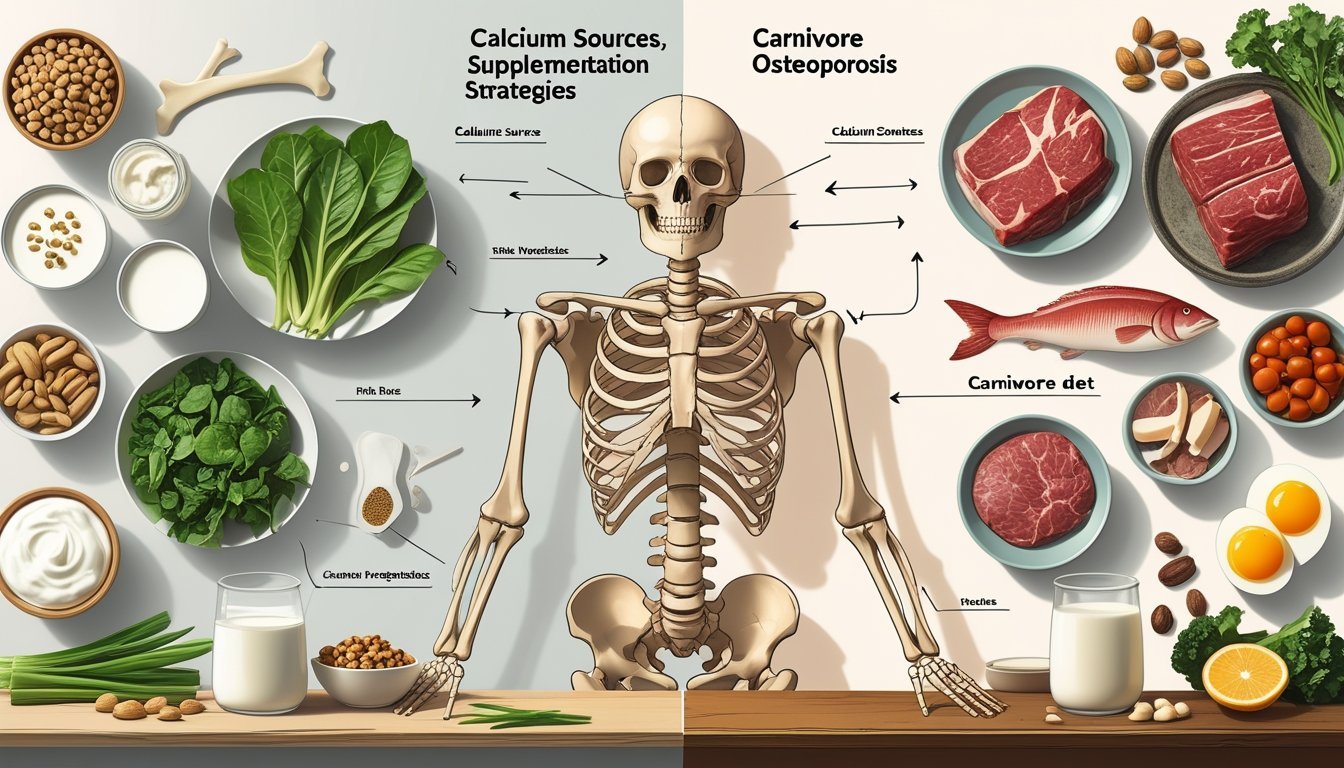
Calcium is essential for bone health, and individuals following a carnivore diet must pay careful attention to ensuring adequate intake. The primary animal-based sources, absorption factors, and the interplay between calcium, phosphorus, magnesium, and other micronutrients all influence bone maintenance.
Dairy, Bone Broth, and Organ Meats
Dairy remains the most reliable animal source of dietary calcium. Products such as milk, cheese, and yogurt deliver high concentrations of calcium that are well-absorbed by the body. For those who avoid dairy, bone-in fish like sardines or salmon can provide meaningful amounts, though intake may be inconsistent.
Bone broth, although thought of as a calcium source, typically contains low amounts of calcium per serving unless it is prepared from long-simmered, vinegar-acidified bones. Organ meats, such as liver and kidney, do not offer significant calcium but do contain other nutrients that support bone health, such as vitamin K2 and trace minerals.
A table of common animal-based calcium sources:
Food Item Calcium (mg per 100g) Milk 120 Cheddar Cheese 721 Sardines (with bones) 382 Bone Broth 10–30 Beef Liver 11
Supplementation Considerations
For carnivore dieters with low or no dairy intake, calcium supplementation may be necessary to reach recommended daily levels. The choice of supplement—such as calcium citrate or calcium carbonate—affects absorption. Calcium citrate is better absorbed and less likely to cause digestive discomfort.
Supplementation should be coordinated with dietary habits to avoid excessive intake and potential risks, including kidney stones or vascular calcification. Regular blood tests may help monitor calcium levels and guide safe supplementation. Vitamin D status also plays a key role, as it regulates how much calcium the body can absorb from both food and supplements.
Phosphorus Balance
Animal protein sources offer high levels of phosphorus, especially in meats, dairy, and organ meats. The balance between calcium and phosphorus intake is critical because phosphorus excess, in the face of low calcium, can lead to bone resorption and decreased bone mineral density.
Most meat contains much more phosphorus than calcium, often by a factor of 10:1 or more. This imbalance means calcium intake must be sufficient to maintain healthy ratios. In diets with high phosphorus load, the risk of negative bone outcomes increases if calcium intake is too low, particularly in the absence of dairy.
Magnesium and Micronutrients
Magnesium supports bone health by facilitating both calcium absorption and proper bone mineralization. Many animal foods, such as red meat and organ meats, contain small to moderate amounts of magnesium. However, intake may not always meet recommended levels.
A shortage of magnesium can impair calcium metabolism, and thus, some carnivore dieters may need to monitor or supplement magnesium as well. Other micronutrients, such as vitamin K2, zinc, and vitamin D, are present in organ meats and fatty fish, helping to maintain bone strength and optimize calcium utilization.
A list of key micronutrients critical for bone health includes:
Magnesium: Red meat, organ meats, supplementation if needed
Vitamin K2: Liver, egg yolks, certain aged cheeses
Zinc: Beef, lamb, shellfish
Vitamin D: Fatty fish, egg yolks, sunlight exposure
Physical Activity, Strength Training, and Bone Health
Exercise plays a significant role in maintaining and improving bone density, especially for people at risk of osteoporosis. Regular strength training and physical activity can support both muscle and bone health, reducing the likelihood of fractures.
Weight-Bearing and Resistance Exercises
Weight-bearing activities force the body to work against gravity, encouraging bones to remain strong. Examples include brisk walking, running, stair climbing, and hiking. These types of exercises stimulate bone-forming cells, helping preserve or improve bone mineral density.
Resistance training, such as using resistance bands or bodyweight movements (like squats or push-ups), is also effective. It increases muscle mass, which in turn exerts beneficial mechanical stress on bones. Both methods can be especially beneficial for older adults aiming to combat age-related bone loss.
A mixture of weight-bearing and resistance exercises is often recommended for optimal skeletal support. Consistency—engaging in these exercises several times per week—is more important than intensity alone. Even moderate activity levels can produce meaningful improvements over time.
Weightlifting and Deadlifts
Weightlifting incorporates movements like squats, bench presses, and deadlifts, which recruit multiple muscle groups and apply substantial loads to the skeleton. These exercises not only build muscle strength but also stimulate bone remodeling, particularly in areas vulnerable to osteoporosis such as the hips and spine.
The deadlift stands out for its effectiveness. It requires stabilizing the entire posterior chain—muscles along the back—while significantly loading the bones of the legs and pelvis. Proper form is essential to minimize risk.
Classic resistance exercises such as:
Exercise Primary Bones Worked Deadlift Spine, pelvis, legs Squat Hips, femur, spine Bench press Upper arms, shoulders
Incorporating weightlifting into an exercise routine, with appropriate supervision or instruction, can be a practical way to build both strength and bone density.
Role of Physical Activity in Osteoporosis Prevention
Physical activity helps not only in treating bone loss but also in preventing osteoporosis before it develops. Regular movement increases or maintains bone mass and improves balance, which lowers the risk of falls—a leading cause of fractures in those with osteoporosis.
Strength training is particularly effective because it targets the sites most susceptible to osteoporotic fractures, such as the lumbar spine and hips. When combined with weight-bearing activities, resistance training can significantly slow or even reverse bone loss in some individuals.
Experts recommend consistent, varied activity that targets both balance and muscular strength. Activities should be tailored to individual abilities, but the key is establishing a lifelong habit of movement. This proactive approach remains one of the most evidence-backed strategies to defend against osteoporosis.
Balanced Approaches and Professional Guidance
Adopting a carnivore diet for osteoporosis requires attention to nutrient intake, hydration, and the role of expert support. Individuals aiming to support bone health can benefit from practical dietary adjustments and reliable professional guidance.
Combining Carnivore and Plant-Based Foods
Including a range of animal foods such as beef, fish, and organ meats may supply key nutrients like protein, vitamin D, and calcium. However, plant-based foods often provide fiber, magnesium, vitamin K, and antioxidants, which are also important for bone health.
A balanced approach could involve integrating low-oxalate, nutrient-rich vegetables or fermented foods to provide missing vitamins and minerals. For those following strict carnivore diets, these additions might be limited, but even minimal inclusion can help fill potential gaps.
Those who cannot or choose not to include plants should pay special attention to variety in their animal sources. This can help address the risk of micronutrient deficiencies. Monitoring nutrient status through blood tests may help individuals determine whether their diet is meeting their bone health needs.
Role of Hydration and Omega-3 Fatty Acids
Proper hydration is essential because dehydration can impact mineral absorption and overall bone health. A high-protein diet can increase fluid requirements, so drinking enough water each day is important for anyone on a carnivore or high-meat diet. Electrolyte balance, including adequate sodium and potassium intake, also deserves attention.
Omega-3 fatty acids, found in fatty fish like salmon and sardines, may be especially valuable. These nutrients support bone metabolism and protect against inflammation. While some carnivore followers exclude fish, including seafood regularly can help maintain healthy omega-3 levels.
People can use the following table to assess daily basics:
Nutrient Primary Source Importance Water Plain water, broths Hydration, mineral balance Omega-3 fatty acids Fatty fish, eggs Bone metabolism, inflammation Electrolytes Salt, organ meats, seafood Hydration, muscle function
Consulting with a Healthcare Professional
Seeking advice from a healthcare professional before making major dietary changes is important for those with osteoporosis. Physicians, registered dietitians, or endocrinologists can help assess current nutrient intake and recommend supplementation if needed.
Bone mineral density scans, regular lab work, and personalized dietary evaluations help track bone health over time. A professional can also identify medication interactions, address underlying causes of osteoporosis, and offer safer alternatives if the carnivore approach raises concerns.
Professional guidance is particularly important for individuals with other medical conditions, those at risk of nutrient deficiencies, and those who have experienced fractures. This helps ensure a balanced, evidence-based plan tailored to individual needs.
Considerations for Specific Populations
A carnivore diet may affect various groups differently, especially those with bone health risks or chronic health conditions. Nutritional needs and hormonal influences play critical roles in determining how this diet interacts with osteoporosis risk.
Women and Postmenopausal Bone Health
Women, particularly after menopause, face a sharper decline in estrogen levels. Reduced estrogen increases bone resorption, raising the risk for osteoporosis. High intake of animal protein, such as in a carnivore diet, does not seem to harm bone health directly, but supporting nutrients—like calcium, magnesium, and vitamin D—are often lower in such restrictive eating patterns.
Key considerations:
Dairy, organ meats, and bone-in cuts may help provide needed calcium and vitamin D.
Without plant foods, dietary fiber and phytoestrogens (which may support bone health) are absent.
Excessive meat, especially without counterbalancing minerals, can potentially increase calcium loss in urine.
Women following this diet should monitor bone density and consider blood tests for vitamin and mineral status.
Individuals with Diabetes or Mental Health Conditions
People with diabetes may experience changes in bone metabolism due to hyperglycemia and insulin resistance. The carnivore diet’s very low carbohydrate intake may help regulate blood sugar levels, but the exclusion of plant foods removes many sources of magnesium and other micronutrients essential for bone strength.
Those with mental health conditions, such as depression or anxiety, should consider that restrictive eating patterns may worsen or trigger symptoms in some individuals. Nutrient diversity supports brain chemistry and bone metabolism. The absence of certain vitamins, like folate and vitamin C, is possible when plant-based foods are omitted.
Suggestions for these populations:
Consider supplementing magnesium, vitamin C, and other nutrients typically found in plants.
Regular checkups for bone mineral density and nutrient levels can help address deficiencies early.
Consultation with a healthcare professional experienced in both metabolic and mental health is important when adopting a restrictive diet.
Summary and Future Research Directions
Available research on the carnivore diet and osteoporosis remains limited, but emerging studies and anecdotal experiences have contributed to ongoing discussions. Understanding the risks and benefits compared to the standard American diet is key for those concerned with bone health and overall health.
Current Evidence and Research Gaps
Most available data on osteoporosis prevention and treatment recommend diets rich in calcium, vitamin D, and diverse nutrients, often sourced from a variety of animal and plant foods. The carnivore diet excludes most plant foods and focuses exclusively on animal foods, raising questions about long-term micronutrient adequacy.
Scientific studies directly linking the carnivore diet to osteoporosis risk or prevention are scarce. Nutrient analysis of various versions of the carnivore diet shows potential deficiencies in vitamins C and K, fiber, and some micronutrients commonly found in plant-based foods. Long-term impacts on bone density have not been well established in clinical research.
Key gaps remain around how strict animal-based diets affect calcium absorption, bone remodeling, and fracture risk compared to mixed dietary patterns or the standard American diet. More large-scale, controlled studies are needed before strong recommendations can be made, especially for vulnerable populations.
Anecdotal Reports and Ongoing Studies
Some individuals following the carnivore diet report perceived improvements in inflammatory conditions or overall health. These self-reported stories have prompted new research interest but lack rigorous scientific validation. Surveys and case studies describe mixed outcomes regarding energy, inflammation, and musculoskeletal health.
There are ongoing studies investigating nutrient status, metabolic health, and self-reported complications in carnivore diet populations. Researchers are particularly interested in markers of bone turnover and how these compare to those eating more varied diets, including the standard American diet. At present, results are preliminary and insufficient for clinical guidance.
Anecdotal reports should be interpreted with caution, as they are prone to selection bias and do not replace controlled studies. Still, they highlight important questions and guide future research priorities.
Practical Takeaways
For people with osteoporosis or elevated fracture risk, standard recommendations emphasize sufficient calcium and vitamin D, balanced nutrition, and regular weight-bearing exercise. The carnivore diet may not provide all nutrients required for optimal bone health, particularly if intake of specific micronutrients is low.
Healthcare providers should assess the dietary patterns, laboratory markers, and risk factors for each individual, recognizing both the theoretical benefits and possible risks of a restrictive, meat-only diet. Those considering this approach should monitor nutrient intake and bone health parameters with professional guidance.
Research is ongoing to better understand how animal-exclusive diets compare with the standard American diet in supporting bone health and overall health. Until more data are available, cautious, individualized recommendations are warranted.

