
Carnivore Diet During Pregnancy: Safety, Risks & Twin Pregnancy Nutrition Guide
The journey of pregnancy brings both joy and challenges, especially when it comes to maintaining a healthy lifestyle. For expectant mothers who follow specific dietary regimens like carnivore or keto diets, the news of pregnancy—especially with twins—raises important questions about nutrition and wellness. The balance between personal health goals and providing optimal nourishment for developing babies becomes a delicate consideration that requires careful research and possibly adaptation of eating habits.
When comparing different dietary approaches during pregnancy, nutrient density becomes particularly important. While a strict carnivore diet may provide excellent amounts of protein, vitamin B12, and choline, it could potentially lack adequate levels of other critical nutrients like vitamin C, folate, potassium, calcium, and magnesium. A more flexible ketogenic approach that incorporates low-carb vegetables appears to offer a more complete nutritional profile, even before considering prenatal supplements.
Key Takeaways
Pregnancy may require adaptation of dietary choices to ensure complete nutrition for both mother and developing babies.
Adding nutrient-dense foods can significantly improve micronutrient profiles while maintaining a low-carb approach.
Consulting resources from medical professionals who specialize in low-carb nutrition during pregnancy provides valuable guidance for expectant mothers.
Our Twin Pregnancy Journey

As seen in the recent announcement video, the couple revealed their most significant surprise of 2024 - they're expecting twins! The expectant parents shared their joy and shock at discovering they would be welcoming not one but two babies into their family this year.
Seeking Twin Parenting Advice
The couple is openly requesting help from experienced twin parents. They specifically mentioned they'll need "survival tips" as they prepare to have three children under the age of three. Anyone with twin parenting experience is encouraged to share their wisdom in the comments section of their announcement video.
Twins Arriving Summer 2024
The twins are due in July 2024, which will significantly change their family dynamics. This pregnancy follows their previous experience with their first son, Wyatt, who was born prematurely at 31 weeks due to severe preeclampsia. He weighed only 2 pounds, 4 ounces and spent over a month in the NICU.
The mother has been proactive about her health before this pregnancy, losing 60 pounds over the past eight months through dietary changes. This weight loss was specifically aimed at reducing pregnancy complications, as being overweight is a significant risk factor for preeclampsia.
For this twin pregnancy, she plans to follow a keto-based diet rather than her previous carnivore diet after analyzing the nutritional benefits of both approaches. Her research using the MacroFactor app showed that a keto diet provides better coverage of essential nutrients needed during pregnancy.
Her pregnancy goals include:
Maintaining a high-protein, low-carb diet
Avoiding seed oils and processed carbohydrates
Limiting pregnancy weight gain to 10-15 pounds
Staying active with modified workouts as energy allows
The first trimester has been particularly challenging with extreme fatigue, but she's beginning to regain some energy as she moves forward in her pregnancy journey.
Impact on Weight Loss During Pregnancy

Weight Loss Challenges During First Pregnancy
The journey through pregnancy presented significant health obstacles initially. During the first pregnancy, severe preeclampsia developed, necessitating delivery at just 31 weeks. The baby weighed only 2 pounds 4 ounces and required over a month in the NICU for monitoring and care. Medical professionals identified being overweight as one of the primary risk factors for developing preeclampsia, though the exact cause remains unknown. This challenging experience created motivation for dietary changes before considering future pregnancies.
Successful Pre-Pregnancy Weight Management
Before conceiving twins, significant progress occurred on the weight loss journey. Over an eight-month period, a total of 60 pounds was lost through following a carnivore and ketovore approach to eating. This weight reduction represented a substantial improvement in overall health status. While not reaching the ultimate goal weight before conception, the considerable weight loss placed the body in a much healthier position for pregnancy compared to the previous experience.
Health Goals for Twin Pregnancy
The twin pregnancy brings specific nutritional considerations and health objectives:
Primary Nutrition Goals:
Maintain high protein intake
Follow low-carbohydrate eating patterns
Avoid seed oils completely
Eliminate processed carbohydrates
Weight Management Target:
Aim for 10-15 pounds of pregnancy weight gain (reasonable for twins)
Activity Goals:
Continue appropriate exercise including modified CrossFit workouts
Maintain physical activity despite first-trimester fatigue
Rather than strict carnivore eating, a more flexible ketogenic approach is planned during pregnancy to ensure adequate nutrients for fetal development. This decision came after comparing micronutrient profiles between carnivore and keto diets, finding the latter provided better coverage of essential pregnancy nutrients like folate, vitamin C, potassium, calcium, and magnesium.
Dietary Choices During Pregnancy
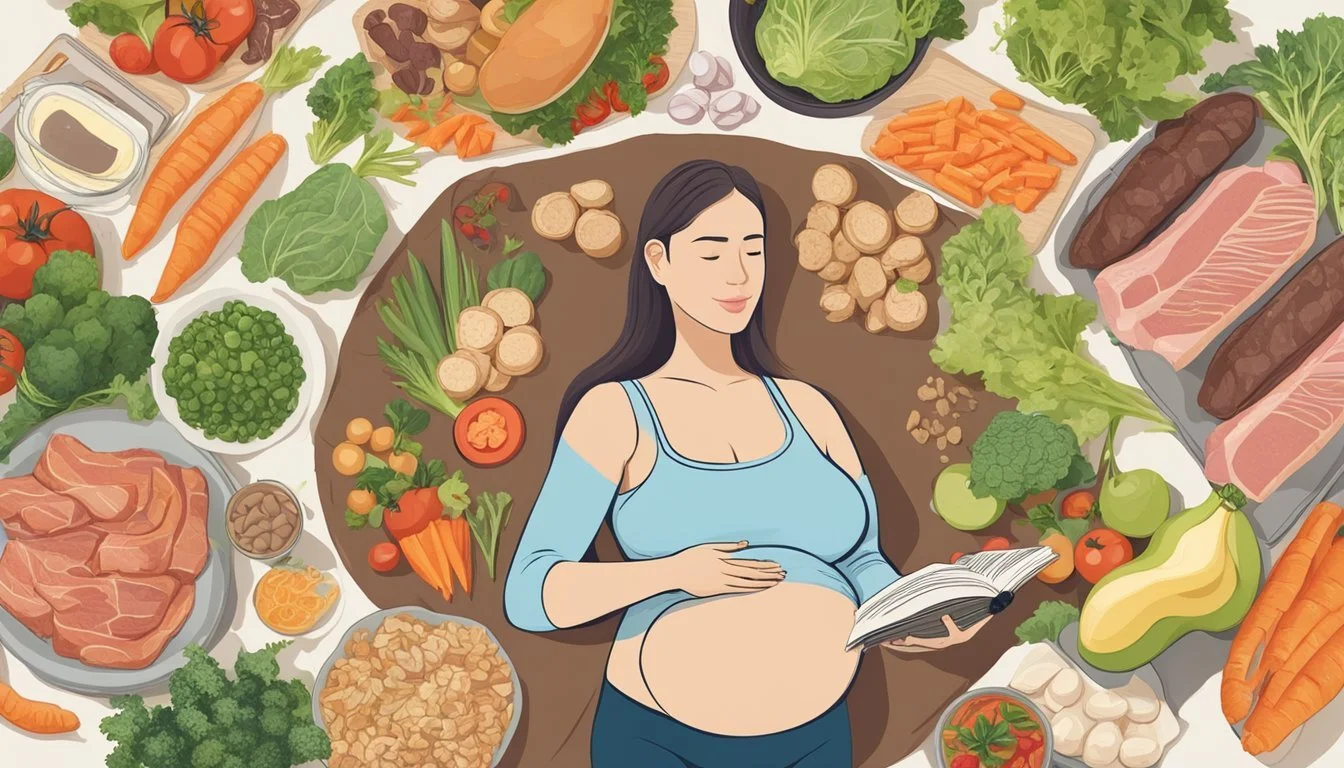
Pregnancy nutrition plays a crucial role in supporting both maternal health and fetal development. For expectant mothers, especially those carrying multiples, dietary decisions become even more significant.
Nutritional considerations change when pregnant, with some women reconsidering their pre-pregnancy eating patterns. Those who previously followed specialized diets like carnivore or ketogenic approaches may need to evaluate the nutritional adequacy of these plans.
A nutritional analysis comparing carnivore and ketogenic diets during pregnancy reveals important differences. The carnivore diet, even when supplemented with organ meats like liver, shows deficiencies in several key nutrients:
Nutrient Status on Carnivore Diet:
✅ Adequate: Protein, Vitamin B12, Choline
❌ Deficient: Vitamin C, Folate, Potassium, Calcium, Magnesium
In contrast, a well-formulated ketogenic diet that includes vegetables appears more nutritionally complete for pregnancy:
Nutrient Status on Ketogenic Diet:
✅ Adequate: Protein, Vitamin B12, Choline, Vitamin C, Folate, Calcium
⚠️ Slightly Low: Potassium, Magnesium
While prenatal vitamins can help address nutritional gaps, starting with a more nutritionally complete diet minimizes reliance on supplements. Many pregnant women find a moderate low-carbohydrate approach provides better nutritional coverage than more restrictive options.
Health experts like registered dietician Lily Nichols have contributed significant research on low-carbohydrate approaches during pregnancy. Her work supports the concept that there's no minimum carbohydrate requirement during pregnancy, provided nutrient needs are met through food choices.
For twin pregnancies, maintaining adequate nutrition while managing appropriate weight gain becomes particularly important. A reasonable weight gain target for twin pregnancies falls between 10-15 pounds, supported by high-protein, low-carb food choices that avoid seed oils and processed carbohydrates.
Physical activity remains beneficial during pregnancy when energy levels permit. Many women find their energy fluctuates significantly, particularly during the first trimester when fatigue can be overwhelming.
The primary goal for pregnancy nutrition should focus on obtaining necessary nutrients while following an eating pattern that supports maternal wellbeing and healthy development of the baby or babies. Individual tolerance and nutritional needs should guide these choices, rather than strict adherence to any particular dietary label.
Carnivore Diet Analysis

The carnivore diet presents unique challenges for pregnant women. After examining nutrient profiles through the MacroFactor app, significant nutritional gaps become apparent when following a strict meat-only approach during pregnancy.
A typical carnivore diet day provides adequate protein, vitamin B12, and choline. However, it falls short in several critical nutrients: vitamin C, folate, potassium, calcium, and magnesium—all essential for fetal development.
Even adding beef liver to a carnivore regimen fails to correct these deficiencies. The nutrient analysis still shows concerning shortfalls in the same five key micronutrients.
In contrast, a ketogenic diet that includes select plant foods offers superior nutritional coverage. While small deficiencies in potassium and magnesium remain, all other tracked nutrients reach target ranges, creating a more balanced foundation for pregnancy nutrition.
Some advocates point to anecdotal evidence of healthy pregnancies on carnivore diets. One notable example involved a woman following the Lion Diet (ruminant meat, salt, and water) throughout pregnancy. While her baby was born at a healthy weight of 7 pounds, the early delivery raises questions about potential connections to the restrictive eating pattern.
Medical consensus generally discourages ketogenic diets during pregnancy. However, modified low-carb approaches have gained support from certain health professionals:
Dr. Berry provides guidance on keto during pregnancy
Registered dietician Lily Nichols has written extensively on low-carb pregnancy nutrition
Nichols' research has influenced international carbohydrate guidelines for pregnant women
For twin pregnancies, maintaining nutrient density becomes even more critical. A modified approach focusing on high protein, low carb, and avoiding seed oils and processed carbohydrates represents a more balanced strategy than strict carnivore.
Reasonable pregnancy goals include:
Consuming nutrient-dense foods
Managing appropriate weight gain (10-15 pounds for twins)
Maintaining physical activity as energy levels permit
First trimester fatigue often presents significant challenges to maintaining dietary consistency, regardless of the specific approach chosen.
Beef Liver's Effect on Nutrient Intake
Adding beef liver to a carnivore diet does increase certain nutrient profiles, though it may not fully address all nutritional needs during pregnancy. When beef liver was added to a standard carnivore meal plan and analyzed through MacroFactor, the nutrient profile showed improvements but still fell short in several key areas.
Specifically, a carnivore diet with beef liver remains deficient in vitamin C, folate, potassium, calcium, and magnesium. These nutrients are particularly important during pregnancy for proper fetal development.
In comparison, a ketogenic diet that includes vegetables and diverse food sources provides a more complete nutrient profile. When analyzed, the keto approach only showed minor deficiencies in potassium and magnesium, making it easier to supplement effectively.
This nutrient analysis helps explain why many pregnant women might choose a ketogenic approach over strict carnivore eating during pregnancy. While a prenatal vitamin can help address nutritional gaps on any diet, starting with a more nutritionally complete eating pattern reduces reliance on supplements.
For twin pregnancies, nutritional considerations become even more critical as the body must support multiple developing babies. The data suggests that more dietary flexibility may provide better nutritional coverage than strictly meat-based approaches.
Some medical professionals, including registered dietician Lily Nichols, have extensively researched low-carb approaches during pregnancy and advocate for nutrient-dense food choices rather than focusing solely on carbohydrate intake. Her research suggests that carbohydrate minimums during pregnancy may be unnecessary if nutrient needs are being met through other foods.
Keto Diet During Pregnancy: A Consideration
Nutritional Comparison: Low-Carb Approaches in Pregnancy
When examining dietary approaches during pregnancy, comparing nutritional profiles becomes essential for maternal and fetal health. Analysis through nutrient tracking applications reveals significant differences between strict animal-based and more flexible low-carb approaches.
A strictly animal-based diet shows adequate levels of protein, vitamin B12, and choline—all crucial during pregnancy. However, this approach creates potential deficiencies in several key nutrients:
Nutrient Status in Animal-Based Diet Status in Low-Carb Diet Vitamin C Deficient Adequate Folate Deficient Adequate Potassium Deficient Slightly low Calcium Deficient Adequate Magnesium Deficient Slightly low
Adding organ meats like beef liver to an animal-based diet improves nutritional density but still leaves gaps in the same nutrients. In contrast, a low-carb diet that includes non-starchy vegetables shows adequate levels for most nutrients, with only minor shortfalls in potassium and magnesium.
Importance of Micronutrients
Pregnancy increases nutritional demands significantly, making micronutrient adequacy a priority for fetal development. While prenatal supplements can help address deficiencies, obtaining nutrients from whole foods provides optimal bioavailability.
The medical community generally doesn't recommend very low-carb diets during pregnancy, but modified approaches with sufficient nutrient-dense foods may present a reasonable middle ground. Registered dietician Lily Nichols has contributed research suggesting that rigid carbohydrate minimums during pregnancy may be unnecessary if nutrient needs are met.
For twin pregnancies, nutritional needs are further amplified, making diet quality even more critical. A protein-focused, nutrient-dense approach that maintains stable blood sugar while providing sufficient calories supports maternal health and appropriate weight gain.
Physical activity also plays an important role alongside dietary considerations, though first-trimester fatigue may temporarily limit exercise capacity. Gradual return to appropriate physical activity as energy levels improve can support a healthy pregnancy progression.
The Impact of Diet on Pregnancy
Restrictive Diets and Baby Health Outcomes
Some mothers have successfully followed highly restrictive diets throughout pregnancy while still delivering healthy babies. In one documented case, a mother adhered strictly to the lion diet—consisting only of ruminant animal meat, salt, and water—throughout her entire pregnancy. Her baby was born at a healthy weight of 7 pounds, though notably one month premature. It remains unclear whether the early delivery was related to dietary choices or resulted from other pregnancy complications that commonly occur.
While this example shows a positive outcome is possible on a restrictive diet, it represents an individual case rather than a recommended approach. Most nutrition experts suggest a more balanced approach to prenatal nutrition.
Dietary Factors and Premature Birth Risk
Certain dietary patterns may influence the risk of preterm birth, particularly for those with pre-existing conditions. Women who developed severe preeclampsia in previous pregnancies—a condition that can necessitate early delivery—may benefit from dietary modifications before subsequent pregnancies.
Weight management through nutritional approaches appears to be beneficial, as excessive weight is a significant risk factor for conditions like preeclampsia. Women who achieved substantial weight loss (around 60 pounds) through low-carb approaches before conception reported feeling better prepared for pregnancy and potentially at lower risk for complications.
Nutritional analysis of different dietary approaches reveals important differences:
Nutrient Carnivore Diet Keto Diet Protein Sufficient Sufficient Vitamin B12 Sufficient Sufficient Choline Sufficient Sufficient Vitamin C Deficient Sufficient Folate Deficient Sufficient Potassium Deficient Slightly low Calcium Deficient Sufficient Magnesium Deficient Slightly low
Even adding organ meats like beef liver to a carnivore approach still results in several nutritional gaps that could be relevant to pregnancy outcomes. A more flexible low-carb approach that includes vegetables typically provides better nutrient coverage, though supplementation with prenatal vitamins remains important regardless of dietary choice.
Nutritional Approaches During Pregnancy
Adapting Food Choices in Early Pregnancy
During the first trimester, many expectant mothers face significant challenges with food preferences and nausea. It's important to give yourself grace during this period when keeping food down might be the primary goal. For those following specialized diets like carnivore or keto before pregnancy, flexibility becomes essential as the body's needs and tolerances change. Some women find that foods they previously enjoyed become unappetizing, while unexpected cravings emerge. This natural adjustment period typically improves by the second trimester, when more intentional nutrition planning becomes easier.
The focus should remain on maintaining adequate protein intake while listening to your body's signals. Many pregnant women temporarily modify their dietary approaches during this challenging phase rather than adhering strictly to pre-pregnancy patterns.
Focusing on Nutrient-Rich Food Selection
Comparing nutritional profiles of different dietary approaches reveals important considerations for pregnancy nutrition. A standard carnivore diet may show deficiencies in vitamin C, folate, potassium, calcium, and magnesium - all critical nutrients during pregnancy. Even adding organ meats like beef liver doesn't fully address these potential gaps.
Nutrient Carnivore Diet Status Keto Diet Status Vitamin C Deficient Sufficient Folate Deficient Sufficient Potassium Deficient Slightly low Calcium Deficient Sufficient Magnesium Deficient Slightly low Protein Sufficient Sufficient B12 Sufficient Sufficient Choline Sufficient Sufficient
A more flexible ketogenic approach that includes low-carb vegetables tends to provide better nutritional coverage during pregnancy. While medical consensus generally doesn't support strict ketogenic diets during pregnancy, a well-formulated low-carb approach with ample vegetables can address most nutritional needs.
Key principles for pregnancy nutrition include:
High protein intake for healthy development
Avoidance of seed oils and processed carbohydrates
Regular prenatal supplementation to fill any remaining gaps
Inclusion of nutrient-dense foods regardless of dietary philosophy
For those interested in low-carb pregnancy nutrition, resources from registered dietitian Lily Nichols, particularly her books on real food approaches to pregnancy and gestational diabetes, offer evidence-based guidance that has influenced international guidelines.
Physical activity should continue as energy levels permit, with adjustments made as the pregnancy progresses, especially for those carrying multiples.
Managing Nutritional Transitions in Pregnancy
Navigating Dietary Preferences and Challenges
The first trimester often presents unique nutritional challenges for pregnant women. Many experience significant nausea, food aversions, and fatigue that can drastically alter their eating patterns. During this difficult period, the priority shifts from maintaining a specific dietary approach to simply consuming foods that can be tolerated. For women who previously followed structured eating plans like carnivore or ketogenic diets, this may require temporary modifications.
Most nutrition experts recommend focusing on protein-rich foods whenever possible during this phase. However, flexibility becomes key as the body undergoes hormonal changes that affect appetite and food preferences. Many women find relief by eating smaller, more frequent meals rather than adhering to strict meal timing protocols.
Optimizing Nutrient Intake for Fetal Development
Nutritional analysis of various dietary approaches reveals important considerations for pregnancy. A nutrient comparison between carnivore and ketogenic diets shows that a more flexible low-carb approach typically provides better coverage of essential pregnancy nutrients:
Key Nutrient Comparison:
🥩 Carnivore diet shows potential deficiencies in vitamin C, folate, potassium, calcium, and magnesium
🥦 Ketogenic diet with vegetables addresses most deficiencies except slight shortfalls in potassium and magnesium
Including a variety of nutrient-dense foods becomes particularly important for twin pregnancies, which have increased nutritional demands. While strict ketogenic diets are not generally recommended by mainstream medical organizations during pregnancy, a well-formulated low-carb approach that prioritizes nutritional adequacy can be appropriate for many women.
Prenatal supplements remain important regardless of dietary approach, but relying exclusively on supplements to correct major dietary deficiencies isn't ideal. Instead, focusing on nutrient-dense whole foods provides the foundation, with supplementation filling any remaining gaps.
For women with previous pregnancy complications like preeclampsia, maintaining healthy weight gain becomes particularly important. Weight gain targets for twin pregnancies typically range from 10-15 pounds more than singleton pregnancies, though individual recommendations vary based on pre-pregnancy weight and medical history.
Physical activity, adjusted for pregnancy and energy levels, continues to play an important role in maternal health throughout pregnancy.
Role of Prenatal Vitamins
Prenatal vitamins play a crucial part in ensuring maternal and fetal health during pregnancy. These supplements help fill nutritional gaps that might exist even in well-planned diets. When comparing different dietary approaches during pregnancy, vitamin supplementation becomes particularly important.
For pregnant women following restrictive diets like carnivore or ketogenic diets, prenatal vitamins become essential. Nutrient tracking tools like MacroFactor can reveal potential deficiencies across different eating plans.
A typical carnivore diet analysis shows adequate levels of:
Protein
Vitamin B12
Choline
However, it often falls short in critical nutrients:
Vitamin C
Folate
Potassium
Calcium
Magnesium
Even adding nutrient-dense foods like beef liver to a carnivore approach doesn't fully resolve these deficiencies. In contrast, a well-formulated ketogenic diet typically shows fewer nutritional gaps, though slight deficiencies in potassium and magnesium may still exist.
Prenatal vitamins serve as nutritional insurance, especially important for twin pregnancies which have higher nutritional demands. When selecting prenatal supplements, focus on those containing adequate folate, iron, calcium, vitamin D, and DHA—nutrients particularly vital during pregnancy.
Healthcare professionals like registered dietitian Lily Nichols emphasize that while low-carb approaches can be compatible with pregnancy, nutrient density should always be the priority. Her books provide guidance on balancing macronutrients while ensuring micronutrient adequacy during pregnancy.
For women with specific health concerns like previous preeclampsia, working with healthcare providers to develop an appropriate supplementation strategy becomes even more important. Prenatals should complement—not replace—efforts to consume nutrient-dense whole foods whenever possible.
Recommended Resources for Keto Pregnancy
Maintaining a low-carb or ketogenic diet during pregnancy requires careful consideration of nutritional needs. For those seeking reliable information about this approach, several trusted resources are available.
Expert Authors and Books:
Lily Nichols, RD - Her books Real Food for Pregnancy and Real Food for Gestational Diabetes provide comprehensive guidance for low-carb eating during pregnancy.
Dr. Ken Berry - Offers informative videos discussing ketogenic approaches during pregnancy with medical context.
Nutritional Tracking Tools:
Macr Factor - This app helps monitor micronutrient intake, allowing pregnant women to identify potential deficiencies in important nutrients like folate, calcium, potassium, and magnesium.
Important Nutrients to Monitor:
Nutrient Importance During Pregnancy Folate Critical for neural tube development Calcium Supports skeletal development Potassium Maintains fluid balance Magnesium Supports muscle function Vitamin C Promotes immune function Choline Supports brain development
A prenatal vitamin is recommended regardless of dietary approach to ensure comprehensive nutritional support. Most women find that a modified keto approach provides better micronutrient coverage than strict carnivore.
When considering keto during pregnancy, focus on these key principles:
High-quality protein sources
Nutrient-dense whole foods
Elimination of processed carbohydrates
Avoidance of seed oils
Appropriate weight management (10-15 pounds for twin pregnancies)
Maintaining physical activity as energy levels allow can support overall health during pregnancy. First trimester fatigue often improves as pregnancy progresses.
Personal Goals and Health Strategies for Twin Pregnancy
Nutritional Approach and Activity Guidelines
Maintaining optimal nutrition becomes especially crucial during a twin pregnancy. Based on nutrient analysis comparisons, a modified ketogenic approach offers better micronutrient coverage than a strict carnivore diet. While a carnivore diet shows deficiencies in vitamin C, folate, potassium, calcium, and magnesium (even with liver added), a well-formulated ketogenic diet meets most nutrient targets with only minor shortfalls in potassium and magnesium.
For twin pregnancies, focusing on high-protein, nutrient-dense foods while avoiding seed oils and processed carbohydrates creates a solid foundation. Supplementation with a quality prenatal vitamin helps address any remaining nutritional gaps. Many pregnant women find that dietary flexibility, particularly during the challenging first trimester, helps maintain adequate nutrition when food aversions are common.
Recommended resources for pregnancy nutrition:
Dr. Berry's videos on ketogenic diets during pregnancy
Lily Nichols' books: Real Food for Pregnancy and Real Food for Gestational Diabetes
Women should always select the dietary approach that makes them feel best during pregnancy, while ensuring they obtain sufficient nutrients for fetal development.
Weight Gain Management
For twin pregnancies, weight management requires a balanced approach. A reasonable target falls between 10-15 pounds of total weight gain, which supports fetal development while minimizing complications.
Starting pregnancy at a healthier weight (after significant weight loss of 60 pounds prior to conception) creates a stronger foundation for managing twin pregnancy weight gain. This preparation is particularly important for those with previous pregnancy complications like preeclampsia, which has been associated with higher maternal weight.
Maintaining physical activity throughout pregnancy further supports weight management goals. While first-trimester fatigue often reduces exercise capacity significantly, continuing modified workouts when energy levels permit provides numerous benefits for both maternal health and pregnancy outcomes.
Twin pregnancy activity guidelines:
Continue modified exercise as energy allows
Focus on maintaining strength and mobility
Adjust workout intensity based on changing energy levels and physical capacity
Consistent monitoring of weight gain trajectory with healthcare providers ensures appropriate progress throughout the twin pregnancy journey.
Closing Remarks
The unexpected news of twins has created a significant shift in the pregnancy journey. With twins due in July 2024, the family will soon have three children under three years old—a situation that many parents might find challenging yet rewarding.
Weight management remains an important focus during this twin pregnancy. After losing 60 pounds before conception through a carnivore approach, the nutritional strategy is now shifting toward a ketogenic diet rather than a strict carnivore regimen. This decision was made after careful nutrient analysis using the MacroFactor app.
The nutrient comparison revealed that a carnivore diet, even with beef liver added, showed deficiencies in vitamin C, folate, potassium, calcium, and magnesium—all crucial during pregnancy. In contrast, a ketogenic approach covered most nutritional needs with only minor deficiencies in potassium and magnesium.
Three primary goals have been established for this twin pregnancy:
Maintain high protein, low carb nutrition without seed oils or processed carbohydrates
Limit pregnancy weight gain to 10-15 pounds, which is appropriate for a twin pregnancy
Stay physically active despite first-trimester fatigue, continuing modified CrossFit workouts
For those interested in ketogenic approaches during pregnancy, resources from Dr. Berry and registered dietician Lily Nichols (author of "Real Food for Pregnancy" and "Real Food for Gestational Diabetes") provide valuable information on low-carb nutrition during pregnancy.
The first trimester has brought extreme fatigue, but energy levels are beginning to improve as the pregnancy progresses. Despite the challenges of carrying twins, the focus remains on maintaining nutritional health through a modified approach rather than strict carnivore eating.

