
Carnivore Diet Weight Gain: Causes, Solutions & Expert Analysis
Weight fluctuations on a carnivore diet can be frustrating for many individuals, especially after experiencing initial success. Despite strict adherence to meat-based eating, some people find themselves gaining weight or hitting plateaus that seem difficult to overcome. Metabolic differences play a significant role in how bodies respond to dietary changes, with some individuals requiring complete consistency while others maintain flexibility.
Several factors contribute to weight gain on a carnivore diet, including inconsistent adherence patterns and weekend carbohydrate consumption. When the body switches between fat-burning and carb-burning metabolic states, progress may stall. Additionally, dietary choices such as excessive dairy consumption, continuous snacking without substantial meals, or including high-carbohydrate fruits can impact weight management efforts, particularly for those with insulin resistance or metabolic health challenges.
Key Takeaways
Individual metabolic differences significantly impact weight loss success on a carnivore diet, with some people requiring stricter adherence than others.
Consistency is crucial, as regular "off-plan" meals can keep the body switching between metabolic states and prevent sustained fat burning.
Both overeating calorie-dense foods like dairy and processed meats and undereating can contribute to weight gain or stalled progress.
Potential Causes for Weight Gain on a Carnivore Diet

Weight gain or stalled progress on a carnivore diet can occur despite initial success. Understanding the underlying factors can help address these challenges effectively.
Inconsistency in diet adherence is a primary culprit. Following the carnivore approach strictly during weekdays but relaxing rules on weekends creates metabolic confusion. When consuming carbohydrates, the body shifts from fat-burning to carb-burning mode, requiring 2-10 days to return to ketosis. This transition period varies significantly between individuals.
People with a history of metabolic issues or insulin resistance typically need longer to re-establish ketosis after consuming carbohydrates. For some, it may take a full week or more, essentially preventing fat loss if weekend indulgences occur regularly.
Food choices within the carnivore framework matter significantly. Adding fruit to an otherwise meat-based diet might work for highly active individuals with efficient metabolisms but can hinder progress for those with insulin resistance or significant weight to lose.
Eating patterns represent another important factor:
Overeating - While difficult to consume excessive amounts of plain meat, adding dairy products (cheese, heavy cream) and processed meats can lead to caloric surplus
Undereating - Insufficient caloric intake can trigger metabolic adaptations that preserve body fat
Snacking patterns - Continuous grazing rather than defined meals can disrupt metabolic processes
Individual metabolic differences play a crucial role in how the body responds to the carnivore approach. The source of dietary information also impacts outcomes, as different teachers emphasize various aspects of the diet based on their personal experiences and target audiences.
Expert Opinions and Influences on Dieting Practices
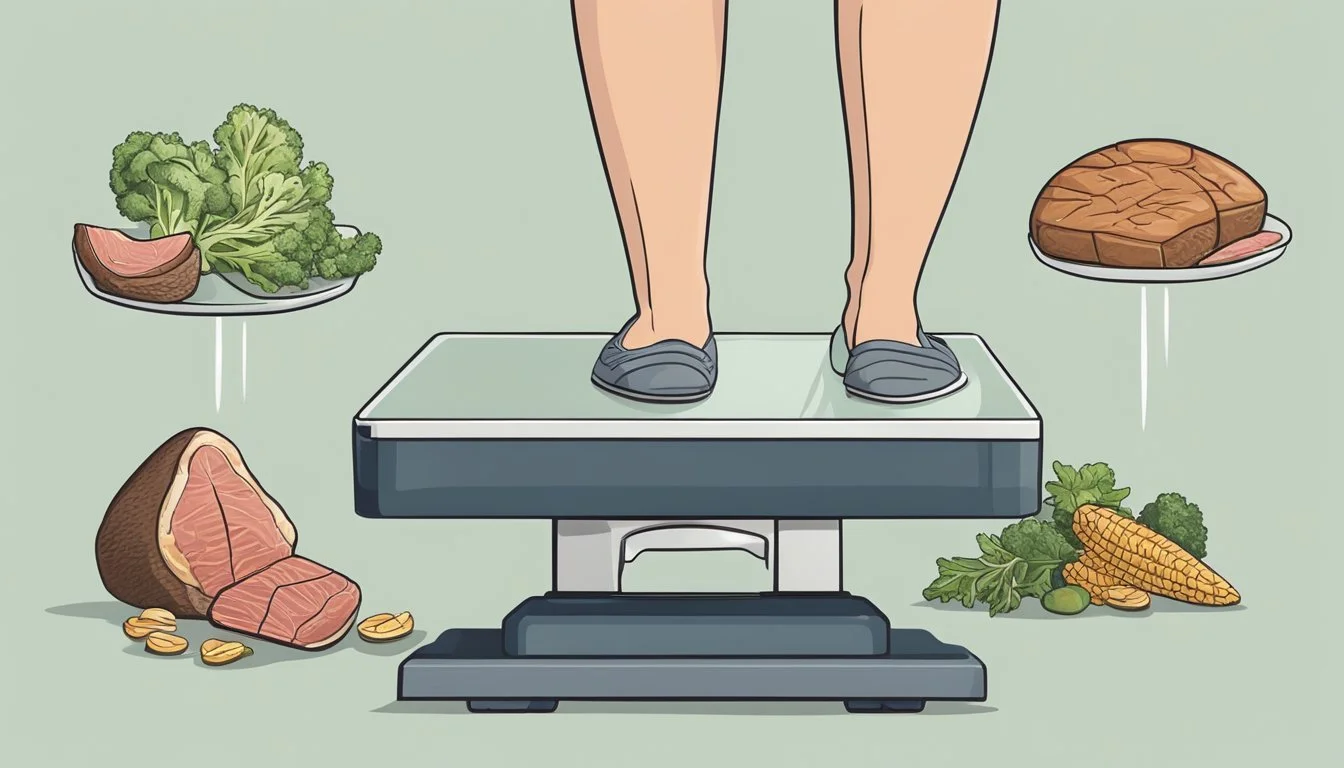
Weight fluctuations on specialized diets like carnivore or keto can be frustrating for many individuals. The initial period often shows rapid weight loss, but plateaus or even weight gains can occur later. These changes depend largely on individual metabolic factors and previous dietary history.
Where people learn their dietary information significantly impacts their success. Different sources may emphasize various aspects of the diet, creating confusion about what truly matters for weight management. Those who come from a Paleo or "clean eating" background might focus too much on food quality (like grass-fed beef) rather than maintaining consistently low carbohydrate intake.
Consistency emerges as a critical factor in diet success. Many individuals follow strict protocols during weekdays but relax their standards on weekends. This pattern creates metabolic confusion as the body switches between fat-burning and carbohydrate-burning modes.
Research shows that after consuming carbohydrates, the time required to return to ketosis varies dramatically between individuals:
Most people: 2-3 days
Some individuals: 7-10 days
Those with lifelong dieting challenges often take longest to re-enter ketosis. For these individuals, even a single weekly deviation can prevent meaningful progress.
The "meat and fruit" approach works well for some but not others. This combination typically succeeds for:
Metabolically healthy individuals
Highly active people
Those with efficient metabolisms
However, for people with insulin resistance, elevated blood sugar, or significant weight to lose, adding fruit can stall progress or cause weight gain.
Both overeating and undereating can create problems. Surprisingly, consuming excessive amounts of meat alone proves difficult for most people. Overconsumption typically happens through:
Excessive dairy products
Too many processed meats
Constant snacking throughout the day
High consumption of heavy cream
These patterns often lead to caloric surpluses without the satiety benefits of whole-food protein sources.
Factors That Influence Weight Change on a Carnivore Diet

Maintaining Dietary Adherence
Consistency plays a crucial role in weight management for those following a carnivore diet. Many individuals experience initial weight loss when transitioning to this eating pattern, particularly if they previously consumed highly processed foods. However, this progress can stall or reverse if adherence wavers.
Weekend variations in dietary choices can significantly impact results. When someone follows a strict carnivore approach during weekdays but incorporates carbohydrates or alcohol on weekends, their body must repeatedly switch between fat-burning and carbohydrate-burning metabolic states. This metabolic cycling can slow or completely halt weight loss progress.
For many people with insulin resistance or metabolic challenges, returning to ketosis after consuming carbohydrates may take 2-10 days. This means that even a single non-compliant meal weekly could prevent fat-burning for a substantial portion of the week.
Common adherence issues include:
"90% compliance" mentality
Weekend carbohydrate consumption
Mixing carnivore with fruit consumption
Following influencers without considering metabolic differences
Individuals who combine meat with fruit may be successful if they have excellent metabolic health and high activity levels. However, those with insulin resistance or significant weight to lose may find that this approach prevents progress.
Metabolism and Its Impacts on Weight Management
Metabolic factors significantly influence weight change on a carnivore diet. Different individuals experience varying responses based on their metabolic health, activity levels, and dieting history.
Key metabolic considerations:
Previous dieting history - Those with extensive yo-yo dieting backgrounds often face greater challenges
Nutrient status - Some may experience initial weight gain as their bodies restore nutrient balance
Metabolism type - Individual variations affect how quickly someone returns to fat-burning after consuming carbohydrates
Both overeating and undereating can impact weight management on a carnivore diet. Contrary to expectations, excessive meat consumption is rarely the primary issue. Instead, over-consumption typically involves:
Common Sources of Excess Calories Impact Dairy products (cheese, cream) Can significantly increase calorie intake Processed meats Often contain additives that may affect metabolism Continuous snacking Prevents fasting periods that support fat burning
While the carnivore diet appears simple—focusing primarily on meat consumption—individual metabolic factors create significant variation in results. Understanding these differences helps explain why some people gain weight despite following what appears to be the same dietary approach as others who successfully lose weight.
Impact of Cheat Meals and Carb Intake

Weight gain on a carnivore diet can occur for several reasons, even among experienced dieters. Many individuals initially experience rapid weight loss when transitioning from a standard diet high in processed foods to a meat-based approach. However, this progress can stall or reverse over time.
Consistency plays a crucial role in maintaining fat-burning metabolism. When someone follows the carnivore diet strictly during weekdays but relaxes on weekends with carbohydrates or alcohol, their body constantly switches between fat-burning and carb-burning modes. This metabolic switching can significantly slow weight loss progress or even lead to weight gain.
The body's response to carbohydrate intake varies significantly between individuals. Some people can return to ketosis within 2-3 days after consuming carbs, while others may require 7-10 days to resume fat-burning. Those with lifelong dieting challenges often fall into the latter category, requiring stricter adherence to see results.
Key Factors Affecting Weight on a Carnivore Diet:
Metabolic flexibility (how quickly you return to fat-burning)
Activity level
Insulin sensitivity
Previous dieting history
The "meat and fruit" approach works well for metabolically healthy, highly active individuals who can quickly burn through the carbohydrates in fruit. However, those with insulin resistance or significant weight to lose may find that fruit consumption prevents fat loss or contributes to weight gain.
Overeating on a carnivore diet typically doesn't come from consuming too much meat. Instead, it often results from excessive dairy consumption, processed meats, and frequent snacking rather than substantial meals. Foods like cheese, pepperoni, and heavy cream can quickly add up calorie-wise when consumed throughout the day without adequate fasting periods.
Diet Selection and Exercise Patterns
Consuming Animal Products and Fruits
Individuals on meat-focused diets often experience initial weight loss, particularly when transitioning from processed foods. However, weight changes can vary based on individual metabolic conditions. While some people see immediate results, others might notice a slight weight increase at first as their bodies establish a new nutritional baseline.
The inclusion of fruit in a primarily meat-based diet affects different people in different ways. Those with high activity levels and efficient metabolisms can often incorporate fruit without significant weight management issues. These individuals typically burn through the sugar content quickly due to their elevated energy expenditure.
For those trying to maximize fat loss, it's important to understand that:
The body burns what you eat first before accessing stored body fat
Fruit contains natural sugars that must be metabolized
High-intensity exercise helps utilize fruit sugars more effectively
Considerations for Different Metabolic Types
Metabolic variations among individuals significantly influence dietary outcomes. Some people can incorporate occasional higher-carbohydrate meals without disrupting their progress, while others experience prolonged metabolic effects from even minimal carbohydrate intake.
Research has shown that after consuming carbohydrates, the time required to return to fat-burning metabolism varies dramatically:
Metabolic Type Time to Return to Fat-Burning Standard 2-3 days Insulin resistant 7-10 days
Consistency becomes especially crucial for those with insulin resistance or blood sugar regulation issues. People with lifelong weight management challenges often fall into the category requiring stricter adherence to low-carbohydrate approaches.
The frequency of meals also matters. Some individuals experience better results with structured, substantial meals rather than constant grazing throughout the day. Dairy products and processed meats can sometimes contribute to calorie excess when consumed without attention to portion sizes.
Weight Management on Carnivore Diets
Balancing Meat Consumption
Following a carnivore diet requires understanding how much meat to eat. People with different metabolisms respond differently to protein and fat intake. Some individuals may initially lose weight quickly, especially when transitioning from a high-carb diet.
Others might experience a slight weight increase at first as their bodies adjust to the new nutritional pattern. This temporary weight gain can be discouraging but often resolves as the body establishes a new baseline. Consistency becomes crucial for success.
When weight loss stalls, it's important to examine eating patterns. Those who alternate between strict carnivore during weekdays and more relaxed eating on weekends may struggle. This pattern forces the body to continuously switch between fat-burning and carbohydrate-burning modes, potentially slowing or reversing weight loss progress.
Managing Caloric Intake with Meat
Eating too much meat can contribute to weight gain, but this is less common than people expect. The high satiety factor of protein makes overconsumption difficult for most people. However, certain eating patterns can lead to excessive calories:
Constant grazing throughout the day rather than defined meals
Too many processed meat products (salami, pepperoni, etc.)
Excessive dairy consumption, especially high-fat options
Inadequate fasting periods between meals
Research suggests different metabolic responses occur in different individuals. Some can process occasional non-carnivore foods without issue, while others may take 7-10 days to return to optimal fat-burning after consuming carbohydrates. Those with insulin resistance or longstanding weight issues typically benefit from stricter adherence.
For those struggling with weight management on a carnivore diet, evaluating both food quantity and timing provides valuable insights. The goal is finding the right balance for your unique metabolism.
Final Thoughts from Dr. Eric Westman
Weight fluctuations on a carnivore diet aren't uncommon, even for experienced practitioners. When examining why someone might gain weight or stall on this approach, I look at several key factors.
First, I always ask patients where they learned their carnivore approach. Different sources provide different guidance, and this significantly impacts results. Someone learning from paleo communities might prioritize food quality over carb restriction, missing a crucial element for success.
Consistency remains essential for metabolic adaptation. Some individuals can handle occasional carbohydrate meals, but many cannot. Our research shows some people need 2-3 days to return to ketosis after consuming carbs, while others require 7-10 days. For these individuals, weekly carb consumption prevents sustained fat-burning.
The meat-and-fruit approach works well for metabolically healthy, active individuals but can derail progress for those with insulin resistance or significant weight to lose. This isn't about permanent restriction but understanding metabolic priorities when trying to burn body fat.
Both overeating and undereating present challenges. While difficult to overeat protein, excessive dairy, processed meats, and constant snacking can push calories too high. Conversely, severe calorie restriction signals the body to conserve energy, potentially stalling weight loss.
Remember that individual metabolic responses vary significantly. What works for a fitness influencer may not work for someone with longstanding metabolic challenges. Personalization matters tremendously in this approach.

