
Elon Musk on the Carnivore Diet: Health Benefits, Energy Levels & Environmental Impact
The carnivore diet has gained significant attention recently, particularly after Elon Musk's appearance on Joe Rogan's podcast. During their conversation, Musk shared his positive experience with a meat-based breakfast regimen, describing it as a "power up" that provides sustained energy without the crashes associated with carbohydrate consumption. He also addressed environmental concerns, asserting that properly managed animal agriculture has negligible impact on climate change—a statement that challenges prevailing narratives about meat consumption.
Beyond celebrity endorsements, many individuals report transformative health benefits after adopting animal-based nutrition. Former vegans describe significant improvements in energy levels, hormonal balance, and overall vitality after incorporating meat into their diets. These personal testimonials highlight how dietary choices can profoundly affect physical wellbeing, cognitive function, and even recovery patterns, suggesting that traditional dietary wisdom about animal products may deserve reconsideration.
Key Takeaways
A protein-rich, low-carbohydrate breakfast can provide sustained energy without the typical crashes associated with carbohydrate consumption.
Properly managed regenerative farming practices can minimize the environmental impact of animal agriculture.
Many individuals report significant improvements in physical and mental health after transitioning to an animal-based diet.
Elon Musk's Perspective on Animal-Based Eating
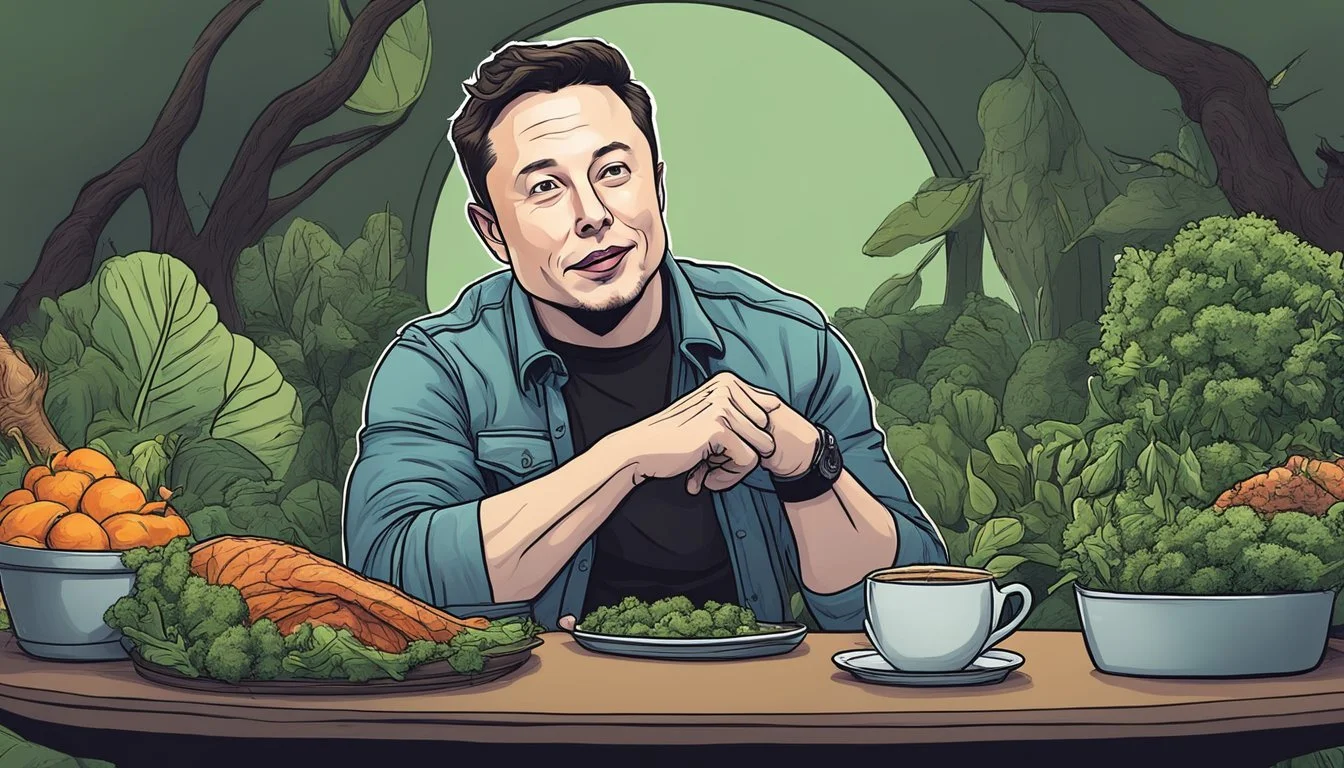
Revealing Candid Observations on Popular Podcast
During his appearance on Joe Rogan's podcast in early 2025, Elon Musk shared straightforward observations about his dietary choices. The Tesla and SpaceX CEO described his preference for steak and eggs for breakfast, calling it a "power up" for his day. He noted that this high-protein, high-fat breakfast helps maintain steady energy levels throughout the day.
"When you eat primarily high protein and high fat, your body runs on ketosis," Musk explained. He contrasted this with carbohydrate-heavy meals that cause energy spikes followed by crashes.
Musk also highlighted the natural presence of creatine in meat, mentioning its benefits for mental performance, particularly when sleep-deprived. This naturally occurring compound provides cognitive advantages that many overlook when discussing animal-based nutrition.
Effects on Nutritional Discourse
Musk's comments about environmental impacts have sparked significant conversation. He firmly stated that animal agriculture makes negligible difference to global warming, challenging popular narratives about meat consumption's environmental footprint.
"If people eat steaks, it doesn't matter. It's irrelevant," he stated, emphasizing that the effect is "not even measurable." Musk distinguished between factory farming and regenerative farming practices, noting that the latter can be carbon neutral.
These statements contrast sharply with mainstream messaging promoting plant-based diets for environmental reasons. Many individuals who've tried both dietary approaches have reported:
Improved energy stability throughout the day
Enhanced exercise performance and recovery
Better hormonal balance, particularly beneficial for women
Reduced need for sleep while maintaining alertness
The conversation has encouraged many to reconsider their assumptions about meat consumption, both from health and environmental perspectives. For those struggling with energy fluctuations on carbohydrate-heavy or plant-exclusive diets, Musk's experience offers an alternative viewpoint worth consideration.
Health Benefits of a Meat-Based Diet

Cognitive Enhancement Through Meat-Rich Foods
Meat naturally contains creatine, a compound that can significantly improve mental performance, especially during periods of sleep deprivation. When individuals supplement their diet with creatine-rich foods like steak, they often experience measurable cognitive benefits. This natural component primarily occurs in animal-based products and serves as an excellent energy source for the brain.
For those seeking mental clarity and sustained focus throughout the day, incorporating creatine through natural food sources may be more beneficial than synthetic supplements. The body utilizes this compound to support various cognitive functions, including memory, attention, and reasoning skills.
Real Results: Morning Protein-Rich Meals
Many individuals report significant improvements when switching to a protein-focused breakfast. A morning meal consisting of steak and eggs without carbohydrates like bread acts as a natural "power-up" for the body and mind. Unlike carbohydrate-heavy breakfasts that can cause energy spikes followed by crashes, high-protein and high-fat morning meals help maintain steady energy levels throughout the day.
This approach allows the body to operate primarily through ketosis, where it burns fat for fuel rather than relying on glucose. People who adopt this breakfast routine often report:
Increased and more stable energy levels
Enhanced workout performance
Reduced need for sleep
Improved body composition
Fewer food cravings
Many who try this approach note that their exercise capacity improves significantly. They often need to increase workout intensity as their endurance and strength naturally develop with this nutritional foundation.
Debunking Common Misconceptions About Meat Consumption and Environmental Impact
Conventional Agriculture vs. Industrial Livestock Production
The relationship between meat consumption and climate change is often misrepresented in popular discourse. Many environmental concerns stem from industrial livestock operations rather than all animal agriculture. This distinction is crucial when examining environmental impacts.
Industrial livestock facilities focus on maximum production at minimum cost, often creating concentrated pollution sources. These operations differ significantly from traditional animal husbandry practices that have existed for thousands of years.
Research indicates that the greenhouse gas contributions from animal agriculture are more nuanced than commonly portrayed. When examining atmospheric carbon dioxide levels, the impact of individual dietary choices related to meat consumption appears minimal compared to other sectors like transportation and energy production.
Source Approximate CO2 Equivalent Emissions Global Transportation 14-15% Energy Production 25% All Agriculture (plants and animals) 10-12%
Experts note that the focus on meat consumption often diverts attention from larger contributors to climate change. Many environmental scientists suggest that policy changes in energy and transportation would yield more significant climate benefits than dietary modifications.
Regenerative Agriculture and Carbon Balance
Regenerative farming practices represent a promising approach to meat production that can minimize or even neutralize environmental impacts. These methods work with natural ecosystems rather than against them.
Key principles of regenerative livestock management include:
Rotational grazing that mimics natural herbivore patterns
Soil carbon sequestration through proper land management
Reduced dependence on chemical inputs and fossil fuels
Enhanced biodiversity on agricultural lands
Properly managed grazing can stimulate plant growth and improve soil health. This process can sequester atmospheric carbon in soil, potentially offsetting emissions from the animals themselves.
Recent field studies suggest that regeneratively managed livestock systems may achieve carbon neutrality. Animals raised in these systems participate in natural carbon and nutrient cycles that have evolved over millions of years.
The environmental impact of meat consumption varies dramatically based on production methods. The growing evidence suggests that regenerative animal agriculture could be part of climate solutions rather than exclusively a problem.
Scientists emphasize that focusing exclusively on removing meat from diets may distract from implementing more effective climate strategies. A comprehensive approach to climate change must consider all major emission sources and their potential solutions.
Navigating Media Narratives in Dietary Discussions

Examining Misinformation in Nutritional Dialogues
The public conversation around meat consumption has become increasingly clouded by simplistic narratives that often lack scientific nuance. Recent high-profile discussions between industry leaders have highlighted how certain dietary choices are frequently misrepresented in mainstream discourse.
Many individuals report significant improvements in energy levels and cognitive function when switching to protein-rich, low-carbohydrate breakfast options. These benefits include stabilized energy throughout the day without the typical crashes associated with carbohydrate-heavy meals. Some describe this dietary shift as a notable "power up" in their daily performance.
Personal testimonials reveal compelling health transformations:
Increased sustainable energy levels
Improved exercise capacity
Enhanced mental clarity
Better hormonal balance
More stable blood sugar levels
Women's health appears particularly responsive to dietary protein adequacy. Many who previously followed plant-exclusive diets report experiencing hormonal disruptions, including amenorrhea and fertility concerns, which subsequently improved after reincorporating animal proteins.
Financial and Ideological Motivations
The push against animal product consumption stems from multiple sources that warrant critical examination. Various stakeholders have significant economic incentives to shape public opinion against meat consumption, particularly as plant-based alternatives represent growing market opportunities.
Primary sources of anti-meat messaging:
Source Potential Motivation Plant-based product companies Market growth and profit Certain environmental organizations Ideological commitment to specific solutions Media outlets Controversy generates engagement Policy advocates Alignment with particular political positions
The environmental impact of animal agriculture requires more nuanced discussion than typically presented. Regenerative farming practices can achieve carbon neutrality, yet these distinctions often disappear in mainstream environmental messaging. When examining meat consumption's environmental impact, proponents argue the effect is so minimal it would be unmeasurable against broader climate factors.
This disconnect between common narratives and nuanced reality creates significant confusion for consumers attempting to make informed dietary choices. Many individuals report feeling shame or social pressure when adjusting their diets based on personal health needs rather than popular environmental messaging.
Human Technology | Relevant @2025
Personal Experiences: From Plant-Based to Meat-Focused Diets
Health Challenges on Plant-Only Diets
Many individuals who adopted plant-based diets have reported significant health deterioration over time. For women, the consequences can be particularly severe. Some report losing their menstrual cycles after months or years on vegan diets, effectively experiencing temporary infertility during what should be their most reproductive years.
The decline in health isn't always immediate. Many former vegans describe a gradual progression of worsening symptoms that developed over several years. Despite full commitment to the lifestyle and proper supplementation, some individuals eventually reached points where their bodies simply couldn't thrive.
Common health issues reported include hormone disruption, mental health challenges, and declining energy levels. Many stayed with the diet despite these warning signs due to strong ideological beliefs or community pressure.
Health Transformations with Animal-Based Eating
Switching to animal-based diets has produced remarkable turnarounds for many former vegans. Energy levels typically stabilize without the carbohydrate-induced spikes and crashes that characterized their previous eating patterns. As one former vegan noted after 72 days on a meat-based diet, their exercise capacity increased significantly—requiring higher incline and speed settings during workouts.
Sleep efficiency often improves, with many reporting they need fewer hours while feeling more rested. This aligns with observations about the natural creatine in meat, which some find enhances mental performance even during periods of sleep deprivation.
Body composition changes are frequently reported benefits. Many experience:
Reduced body fat percentage
Improved muscle tone
Better skin appearance
More stable energy throughout the day
Morning meals appear particularly important in this dietary approach. Starting the day with protein-rich foods like steak and eggs—without bread or other carbohydrates—provides what many describe as a noticeable "power up" effect that carries through the day.
Power of Animal-Based Nutrition
Animal-based nutrition offers significant benefits that many people overlook. Eating foods rich in animal proteins can transform energy levels, physical performance, and overall well-being. Recent discussions between influential figures have highlighted how meat-centered diets provide unique advantages that plant-based alternatives simply cannot match.
Stabilized Energy Levels and Improved Fitness
A high-protein, high-fat diet centered around animal products provides remarkable stability in energy levels throughout the day. Unlike carbohydrate-heavy meals that cause blood sugar spikes followed by crashes, animal-based nutrition helps maintain consistent energy.
Starting the day with protein-rich foods like steak and eggs—without bread or other carbohydrates—acts as a natural "power up" for the body. This approach helps the body rely on ketosis for energy, which many find superior to glucose-based metabolism.
The natural creatine found in meat supports enhanced mental performance, particularly when sleep-deprived. This naturally occurring compound in animal products contributes to improved cognitive function and physical capabilities. Many athletes report needing to increase workout intensity after transitioning to animal-based diets due to enhanced performance capacity.
Freedom from Food Cravings and Anti-aging Effects
Animal-based nutrition often leads to liberation from the constant food cravings experienced on other diets. People who previously struggled with sugar addiction while following ketogenic or other dietary approaches frequently find relief when adopting a meat-centered eating style.
The benefits extend beyond just hunger control:
Reduced body fat percentage
Decreased need for sleep
Improved hormone balance
Enhanced fertility (particularly important for women)
Visible anti-aging effects on skin and appearance
Women who transition from plant-based diets to animal-centered nutrition frequently report significant improvements in hormonal health. Many who previously lost menstrual function while eating plant-based diets experience restoration of normal cycles after introducing animal products, supporting long-term reproductive health.
The physical transformation can be remarkable—numerous individuals appear to age in reverse after making this dietary change, with improvements in skin quality, muscle tone, and overall vitality becoming increasingly evident over time.
The Rise and Mainstream Acceptance of Meat-Based Diets
Growing Public Recognition and Scientific Support
High-profile endorsements have significantly boosted the visibility of meat-centered dietary approaches in recent years. Tech innovator Elon Musk's candid discussion with Joe Rogan about his positive experiences with a steak and eggs breakfast has introduced these eating patterns to mainstream audiences. During their conversation, Musk described this protein-rich, carbohydrate-free morning meal as a "power up" that provides steady energy without the crashes associated with carbohydrate consumption.
The nutrition community has taken note of how naturally occurring compounds in meat, such as creatine, may contribute to improved mental performance. This recognition has helped shift the conversation from viewing meat-based diets as extreme to considering them as potentially beneficial approaches. Many adopters report significant improvements in energy levels, exercise performance, and overall vitality.
Women's health has become a particularly important focus in discussions about dietary choices. Many women who previously followed plant-based diets have shared experiences of hormonal disruptions and health challenges, finding restoration through reincorporating animal products. These personal testimonials have played a crucial role in challenging previously dominant nutritional narratives.
The Evolving Perspective on Environmental Impact
The environmental conversation surrounding meat consumption has undergone significant transformation. Contrary to widespread messaging about animal agriculture's climate impact, influential voices now distinguish between factory farming and regenerative practices. Regenerative farming approaches are increasingly recognized as carbon-neutral alternatives that can mitigate environmental concerns.
Musk explicitly addressed this during his conversation with Rogan, stating that meat consumption makes negligible difference to global warming or atmospheric CO2 levels. He emphasized this point by noting that the impact is "not even measurable" - challenging the prevailing narrative that reducing meat consumption is essential for environmental protection.
This perspective represents a dramatic shift from messaging that has dominated environmental discussions for years. The distinction between different livestock raising methods (factory versus regenerative) has become increasingly important in nuanced conversations about sustainable food systems.
Former plant-based diet adherents have begun speaking about their experiences transitioning to meat-inclusive diets. Many report that their initial environmental concerns were balanced against unexpected health benefits they experienced after reincorporating animal products. This has contributed to a more balanced dialogue about dietary choices that considers both personal health and planetary wellbeing.

