
How to Build Muscle on the Carnivore Diet: A Complete Training Guide
Weightlifting on a carnivore diet offers unique advantages that many traditional trainers may overlook. The approach is remarkably straightforward: consume fatty meat until satiated, typically twice daily, with post-workout meals being optimal for recovery. This eating pattern supports lean muscle development while minimizing inflammation and soreness, potentially allowing for more frequent training sessions.
Historical evidence supports meat-centric approaches to strength training. Notable bodybuilders from the pre-steroid era, including Vince Gironda and Serge Nubret, achieved impressive physiques while primarily consuming steak and eggs. Modern sports physiologists, including Professor Tim Noakes with his extensive research background, have demonstrated that athletes can perform at peak levels without carbohydrate loading, as the body efficiently accesses its fat stores for energy during exercise—even at high intensity levels.
Key Takeaways
A properly implemented carnivore diet can support muscle development while minimizing unnecessary fat, glycogen, and water retention.
Athletes can effectively train and recover without carbohydrates, as the body efficiently utilizes stored fat for energy.
Numerous elite combat sports athletes and bodybuilders have demonstrated exceptional performance while following meat-centered dietary approaches.
Carnivore Diet for Strength Athletes

Fundamentals of Meat-Based Nutrition
The carnivore diet focuses on consuming animal products while eliminating plant foods. For weightlifters, this approach centers on eating fatty meats to satiation, typically twice daily. The key principle is simple: consume animal-based foods until you feel satisfied, then stop. This nutrition strategy emphasizes high-quality protein sources and natural fats while avoiding carbohydrates. Many strength athletes find this approach helps maintain steady energy levels throughout training cycles.
Meat-based nutrition provides complete proteins with all essential amino acids needed for muscle repair and growth. Athletes following this protocol should prioritize nutrient-dense options like:
Beef (ribeye, chuck, ground)
Organ meats (liver, heart, kidney)
Seafood (salmon, sardines, oysters)
Eggs and dairy (optional for some practitioners)
Traditional bodybuilders like Vince Gironda and Serge Nubret consumed primarily steak and eggs, demonstrating impressive physiques before the steroid era became widespread.
Meal Timing and Workout Synchronization
The timing of meals plays a crucial role in maximizing training benefits on a carnivore diet. Research suggests training in a fasted state may optimize performance and recovery for many athletes. Most practitioners find better results by avoiding food before workouts and consuming meat afterward.
This approach to meal timing offers several advantages:
Enhanced workouts - Training fasted may improve energy utilization
Better recovery - Post-workout protein supports muscle repair
Reduced soreness - Many report less muscle soreness compared to carb-based diets
Increased training frequency - Faster recovery enables more frequent training sessions
Different training philosophies exist regarding volume and frequency. Some advocate for higher training loads across multiple weekly sessions, while others prefer intense, infrequent workouts followed by extended recovery periods. The carnivore approach accommodates either philosophy while supporting recovery through optimal nutrition.
Protein Power for Muscle Development
Muscle development on a carnivore diet differs from traditional high-carbohydrate approaches. While carb-heavy diets can create rapid weight gain, much of this comes from water retention, glycogen storage, and fat accumulation rather than true muscle tissue. Each molecule of glycogen binds with two water molecules, creating temporary size increases that diminish during cutting phases.
The carnivore approach tends to build leaner muscle mass without excessive water retention or fat storage. This offers several benefits:
Carnivore Muscle Gain Carb-Heavy Approach Primarily lean tissue Includes water weight and fat Consistent appearance Fluctuates with glycogen levels Less cutting required Requires dedicated cutting phases Steady energy levels Potential energy crashes
Sports physiologists like Professor Tim Noakes have demonstrated that athletes maintain glycogen stores even without dietary carbohydrates. Studies show ketogenic athletes recover muscle glycogen efficiently, sometimes faster than carb-fueled competitors. The body accesses its fat stores for energy, providing approximately 100,000 calories of potential energy even in lean athletes with just 5% body fat.
Many combat athletes including UFC fighters, boxers, and Brazilian Jiu-Jitsu practitioners have adopted this approach with notable improvements in performance and recovery.
Weight Training Philosophies: Contrasting Approaches

Weight training encompasses diverse methodologies, each with distinct principles about optimal muscle development and strength gains. Different training approaches can yield varying results depending on individual goals, recovery capacity, and physiological responses.
Higher Volume Training Methods
This approach emphasizes using substantial weight loads combined with multiple sets to stimulate muscle growth. Proponents believe that increasing the total training volume creates greater mechanical tension on muscle fibers, leading to enhanced hypertrophy.
Training frequency tends to be higher with this methodology, allowing athletes to work muscle groups more frequently throughout the week. This frequent stimulation may provide consistent protein synthesis signals to muscles, potentially accelerating growth.
Many coaches who favor this system point to successful bodybuilders who trained with higher frequency and volume to develop their physiques. Research suggests that increased training volume can correlate with greater muscle gains when properly structured and supported with adequate nutrition.
Intense Workouts with Recovery Focus
This philosophy centers on high-intensity training sessions followed by extended recovery periods. Rather than frequent stimulation, this approach prioritizes maximum muscle fiber recruitment during workouts, then allows complete regeneration before the next training session.
The key principles include:
Training to muscular failure or near-failure
Fewer but more intense workouts per week
Complete recovery between sessions for the same muscle group
Avoiding training while still experiencing soreness
Advocates of this method highlight that muscle growth occurs during rest periods, not during workouts themselves. They argue that inadequate recovery leads to diminished performance, hormonal disruptions, and potentially increased injury risk.
This approach may be particularly beneficial for athletes who need explosive power, individuals prone to overtraining, or those with limited recovery capacity. Performance metrics rather than training frequency become the primary measure of progress.
Athletes following this methodology often report reduced overall soreness and improved performance quality when they return to training specific muscle groups after proper recovery intervals.
Challenging Popular Carbohydrate Beliefs
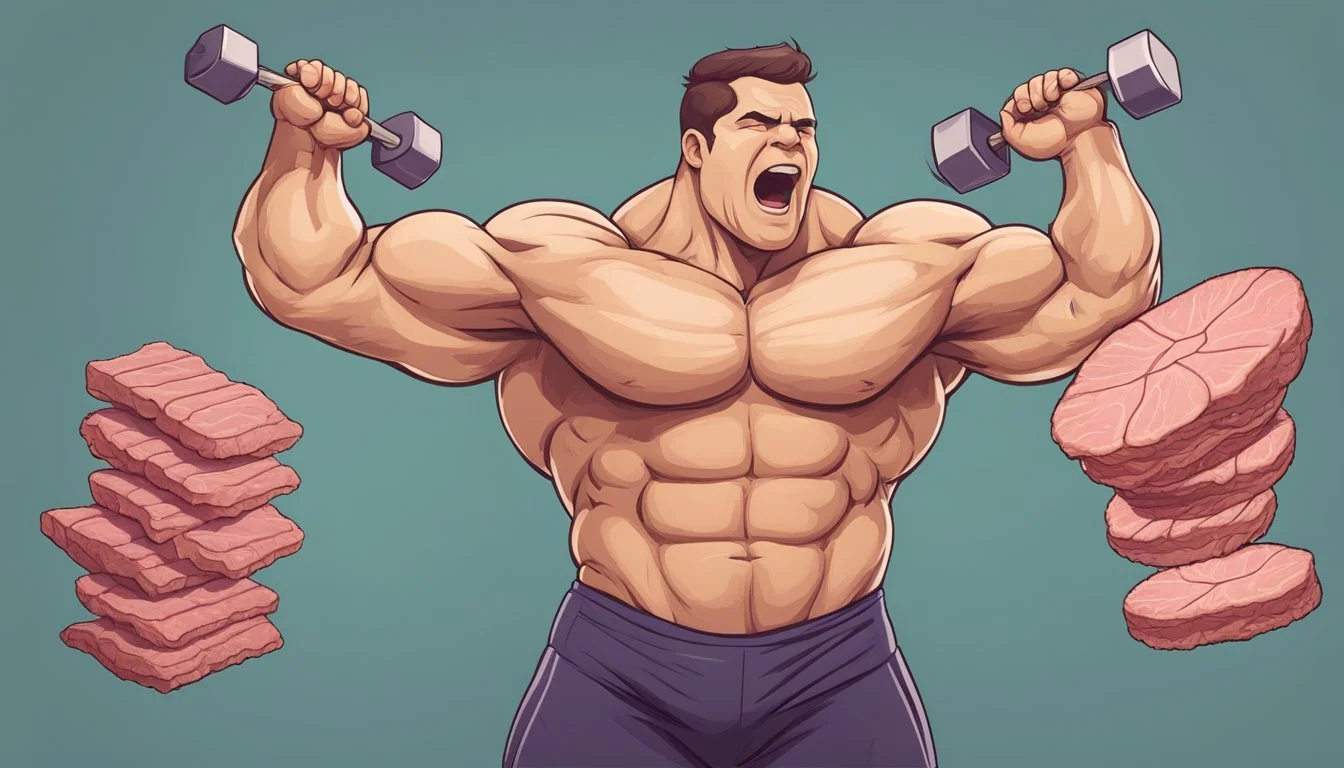
Carbohydrate Excess and Fat Storage
The relationship between carbohydrate consumption and body composition is often misunderstood. When excessive carbohydrates are consumed, the body faces a metabolic challenge. High blood sugar levels can be dangerous, which is why the body works quickly to remove glucose from the bloodstream.
This excess is primarily stored as glycogen in muscles and the liver. Importantly, each glycogen molecule binds with two water molecules, leading to significant water retention in these tissues. This creates what appears to be larger muscles, but much of this volume is simply water weight rather than functional tissue.
Beyond glycogen storage, excess carbohydrates promote fat deposition within muscle tissue (myosteatosis), liver (intrahepatic fat), and other organs. This type of fat infiltration is considered pathological and appears frequently in medical imaging. It represents unwanted fat accumulation rather than healthy muscle development.
Muscle Performance and Glycogen Facts
Athletes don't require carbohydrate loading to maintain glycogen stores. Research contradicts the common belief that carbohydrates are essential for athletic performance or muscle development. Even in very lean individuals with only 5% body fat, approximately 100,000 calories of energy remain available in fat stores.
Top sports physiologists, including Professor Tim Noakes who has published over 750 academic works, confirm that elite athletes perform equally well or better without carbohydrate supplementation. Once fully fat-adapted, athletes access nearly unlimited energy potential through fat oxidation.
The 2016 FASTER study revealed surprising findings about ultramarathoners on ketogenic diets:
Measurement Keto Athletes Carb-Fueled Athletes Pre-exercise glycogen Similar levels Similar levels Post-exercise glycogen Higher levels Lower levels Glycogen recovery rate Faster Slower 3-hour recovery glycogen Similar to carb group Required sugar supplementation
This research demonstrates that properly adapted athletes maintain appropriate glycogen levels without carbohydrate intake. The traditional belief that muscles primarily require glycogen has been challenged by evidence showing fat oxidation can fuel performance up to maximum exertion levels.
Numerous combat athletes, including UFC fighters, boxers, and practitioners from the Gracie jiu-jitsu family, report improved performance and training capacity while following meat-based nutrition protocols. Their real-world results provide practical validation of these physiological principles.
Historical Evidence of Meat-Focused Dietary Approaches

The Golden Era Bodybuilders' Nutritional Strategy
During bodybuilding's golden era, elite athletes like Vince Gironda emphasized meat-centric nutrition regimens. These physique pioneers built impressive physiques primarily through steak and egg protocols, demonstrating that substantial muscle development was achievable without carbohydrate-heavy approaches. While Gironda occasionally incorporated weekly carbohydrate refeeds based on the biochemical understanding of his time, modern sports physiology research has since shown these carbohydrate loading phases weren't necessary for glycogen replenishment.
Top athletes of this era achieved remarkable muscularity before widespread steroid use became common. Their results challenge the modern assumption that muscle gain requires simultaneous fat accumulation. The performance and physiques of these athletes provide practical evidence that protein-rich, meat-focused diets supported significant muscle development.
Serge Nubret's High Meat Consumption
French bodybuilding legend Serge Nubret exemplified extreme dedication to meat consumption, regularly consuming 4-6 pounds of horse meat daily. This extraordinary protein intake supported his development of an elite physique that remains admired decades later.
Nubret's nutritional approach contrasts sharply with modern bodybuilding protocols that emphasize carbohydrates during building phases. His success demonstrates several key points:
Significant muscle development occurred without reliance on carbohydrates
Protein was prioritized as the primary macronutrient
Consistent high meat intake supported both training performance and recovery
Performance data from contemporary research supports these historical approaches. Studies like the 2016 FASTER study showed that fat-adapted athletes maintain equivalent or superior glycogen stores compared to carbohydrate-fueled competitors, and experience faster glycogen recovery without carbohydrate refeeding.
Scientific Research on Meat-Based Diets and Performance
Professor Tim Noakes's Athletic Research
Professor Tim Noakes stands as one of the world's foremost authorities in sports medicine and physiology, with over 750 published papers, studies, and books. His research clearly demonstrates that elite athletes do not require carbohydrates for optimal training performance. Instead, his studies reveal that athletes can achieve the same or better performance levels when fully adapted to a ketogenic state.
The professor's clinical trials with both recreational and elite athletes have debunked the myth that carbohydrates are essential for high-intensity exercise. Contrary to traditional beliefs that suggest only carbohydrates can fuel performance above 85% VO2 max, his research shows that properly adapted athletes efficiently burn fat at all intensity levels.
Keto Adaptation and Athletic Performance
When transitioning to a meat-based diet, athletes experience significant improvements in energy utilization. Even individuals with very low body fat (around 5%) store approximately 100,000 calories of energy in their fat tissues, providing nearly unlimited energy potential compared to limited glycogen reserves.
Training considerations for meat-based athletes include:
Optimal meal timing: Eating after training rather than before
Recovery benefits: Reduced muscle soreness and faster recovery
Training frequency: Ability to maintain more frequent workouts
Many elite competitors across various disciplines report improved performance metrics after adapting to this dietary approach. For example, notable figures in combat sports like Holland Gracie of the renowned Gracie jiu-jitsu family have experienced significant performance enhancements through meat-based nutrition.
The FASTER Study by Volek
Dr. Volek's landmark FASTER study (2016) examined ultramarathon runners who had maintained ketogenic diets for over six months. This research produced several surprising findings about glycogen utilization in fat-adapted athletes:
Measurement Keto-Adapted Athletes Carbohydrate-Fueled Athletes Pre-exercise glycogen Similar levels Similar levels Post-exercise glycogen Higher levels Lower levels Glycogen recovery rate Faster Slower 3-hour post-exercise glycogen Similar (without refeed) Similar (with carb refeed)
These results challenge conventional wisdom about muscle glycogen requirements. The study demonstrated that keto-adapted athletes not only maintained similar glycogen levels before exercise but actually preserved more glycogen during exercise and recovered it faster afterward—all without carbohydrate consumption.
For strength athletes specifically, a meat-based approach supports lean muscle development without the additional water weight, intramuscular fat deposits, and glycogen-associated water retention that often accompany high-carbohydrate nutritional strategies.
Real-World Results and Athletic Support
Combat Sports Performance Gains
Athletes engaged in high-intensity training can significantly benefit from meat-based nutrition protocols. Research indicates that individuals on carnivore-style eating plans often experience enhanced recovery between training sessions and reduced muscle soreness. This allows for more frequent and productive workouts. The body's adaptation to using fat as fuel provides nearly unlimited energy potential, even for lean athletes with minimal body fat percentages.
When comparing muscle development approaches, the evidence suggests interesting distinctions. Traditional carbohydrate-heavy bulking methods produce size increases partly through water retention and glycogen storage. Each glycogen molecule binds with two water molecules, creating temporary muscle volume that diminishes during cutting phases. In contrast, meat-focused nutrition tends to build leaner muscle tissue without the accompanying fluctuations.
Scientific studies support these observations. The 2016 Volek research examined ultramarathoners who had maintained ketogenic diets for over six months. The results were revealing: these athletes showed similar pre-exercise glycogen levels as carbohydrate-fueled competitors, better glycogen preservation during exercise, and faster recovery afterward - even without carbohydrate refeeding.
Testimonials from Elite Fighters
The practical application of meat-based nutrition has gained traction among professional combat athletes. Several UFC competitors have publicly embraced this approach, with some receiving sponsorships from carnivore-focused companies. Their endorsements stem from personal performance improvements rather than theoretical benefits.
Holland Gracie, head of Gracie Jiu-Jitsu in San Francisco and member of the renowned Gracie family, reports substantial performance enhancements since adopting this nutritional strategy. His training capabilities have "gone through the roof" according to his testimonials on various podcasts.
Other notable examples include:
A professional boxer in Perth experimenting with the approach
Multiple MMA fighters across various weight classes
Practitioners of Muay Thai and other striking disciplines
These athletes typically emphasize improved energy consistency throughout training sessions and competitions. Unlike carbohydrate-dependent approaches that can lead to energy crashes, the fat-adaptation process enables sustained performance during extended high-intensity periods, which proves particularly valuable in combat sports with unpredictable energy demands.

