
Liver Capsules: Scam or Legitimate Tool?
Evaluating the Health Claims and Evidence
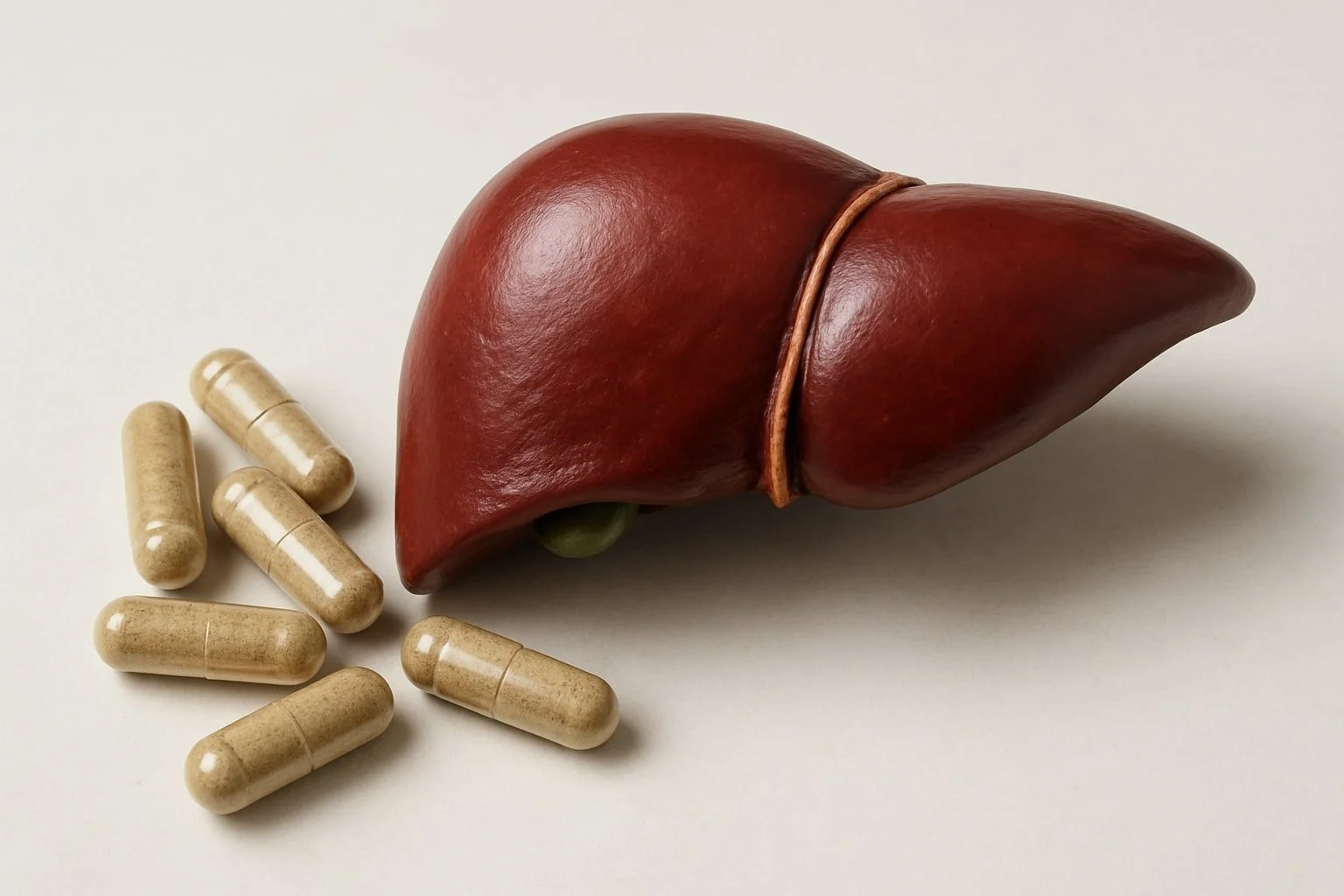
Liver capsules are increasingly marketed as products that claim to boost liver health, remove toxins, or provide essential nutrients missing from modern diets. The popularity of these supplements has led many consumers to wonder if they are truly effective or just another health fad.
There is currently no strong clinical evidence that liver capsules provide significant health benefits for most people with a healthy liver. Reputable medical sources warn that some supplements marketed for liver health can even cause harm or interact with medications.
Despite bold marketing claims, individuals should approach liver capsules with caution and consult healthcare professionals before adding them to their routine. A clearer understanding of what these products actually do—and don't do—can help people make informed choices about their liver health.
What Are Liver Capsules?
Liver capsules are a type of dietary supplement marketed to support or enhance liver health. These supplements typically contain animal-derived or herbal ingredients and are available from various brands.
Ingredients Commonly Found in Liver Supplements
Liver capsules often include desiccated beef liver, which is beef liver that has been dried and made into powder. This ingredient is a natural source of nutrients such as iron, vitamin A, vitamin B12, and copper.
Some products add herbal extracts like milk thistle (silymarin), artichoke leaf, and dandelion root. These herbs are believed to have potential antioxidant or liver-protective properties, though clinical research is limited.
Other common ingredients found in liver supplements may include turmeric, N-acetyl cysteine (NAC), and alpha-lipoic acid. Each aims to support cellular health or the body’s natural detox processes.
The majority of liver capsules avoid artificial additives, but users should always check the label for fillers or allergens. Product quality varies widely, depending on sourcing and manufacturing practices.
How Liver Capsules Work in the Body
Liver capsules are taken orally and designed for daily use. When consumed, the nutrients or herbal compounds are absorbed through the digestive tract.
Beef liver capsules work by supplying natural vitamins and minerals found in fresh liver, especially vitamin A and B12, which are essential for red blood cell formation and immune function.
Herbal supplements, such as those with milk thistle or dandelion, are thought to support liver function through antioxidant effects and by promoting bile production. The scientific evidence for these effects is mixed, and not all claims are backed by strong human studies.
The body does not use these supplements as a replacement for healthy habits. They are intended to work alongside a balanced diet and should not be seen as a cure or direct treatment for liver disease.
Popular Brands and Products on the Market
Several brands offer liver capsules, each with its own blend and ingredient focus.
Popular beef liver supplements include Ancestral Supplements Grass-Fed Beef Liver and Vital Proteins Beef Liver. These tend to highlight sourcing from grass-fed cows and claim high nutrient content.
For herbal-based liver supplements, brands such as Nature’s Bounty Milk Thistle and NOW Liver Refresh are widely available. They often combine multiple herbal extracts with added antioxidants.
Some products combine animal and herbal ingredients. Buyers should compare ingredient lists, third-party testing certifications, and reputation before choosing a supplement.
Consumer reviews and independent lab tests can provide insight into actual product content and potential contaminants. Quality assurance varies, so not every supplement will deliver the same results or purity.
Evaluating Claims: Do Liver Capsules Really Work?
Liver capsules are marketed with claims of supporting liver health, enhancing detoxification, and providing antioxidant protection. Examining their effectiveness requires looking at scientific evidence, head-to-head efficacy comparisons, and the specific role of ingredients like antioxidants and curcumin.
Scientific Evidence and Human Studies
Most claims about liver capsules are based on animal research or laboratory studies rather than well-controlled human trials. Evidence directly linking liver capsules to improved liver function or disease prevention in humans is limited.
A review of published research shows that, while ingredients such as milk thistle and curcumin demonstrate antioxidant and anti-inflammatory properties, consistent results in people are lacking. For instance, several small studies suggest milk thistle might reduce certain liver enzyme levels, but these findings are not universal, and long-term safety remains uncertain.
Human studies on liver detox or “cleansing” are sparse. Major health organizations, including Johns Hopkins and the American College of Gastroenterology, state there is no strong evidence that liver supplements reverse or prevent liver damage in people. Since supplements are not strictly regulated, ingredient quality and potency can vary.
Efficacy Comparing Liver Capsules to Other Methods
Liver capsules are sometimes compared to lifestyle interventions and prescription medications for liver health. Diet, regular exercise, and limiting alcohol have robust evidence supporting their role in improving or preserving liver function.
Prescription treatments for liver diseases, such as antiviral drugs for hepatitis, are clinically proven to alter the course of disease. In contrast, data show liver supplements have mainly anecdotal support and lack equivalence to established therapies.
Many “detox” products, including capsules, are marketed as solutions, but reputable medical sources advise relying on proven lifestyle changes rather than unregulated supplements. The most effective way to support liver health remains avoiding toxins, managing conditions like diabetes, and eating a balanced diet.
Role of Antioxidants and Anti-Inflammatory Effects
Liver capsules often contain antioxidants such as silymarin (from milk thistle), N-acetylcysteine, and sometimes curcumin. These ingredients are thought to reduce oxidative stress and inflammation in cells, which are processes involved in chronic liver disease.
Antioxidants may offer potential benefits by neutralizing free radicals, and anti-inflammatory compounds might theoretically lower the risk of liver injury. However, available evidence in humans does not firmly support that supplementing with these compounds prevents or treats meaningful liver conditions.
Curcumin, found in turmeric, is commonly included for its anti-inflammatory effects, but its poor bioavailability and limited human trial data challenge its real-world efficacy. Overall, while theoretically promising, actual clinical results for liver capsule ingredients remain inconclusive.
Ingredients Spotlight: Silymarin, Milk Thistle, and More
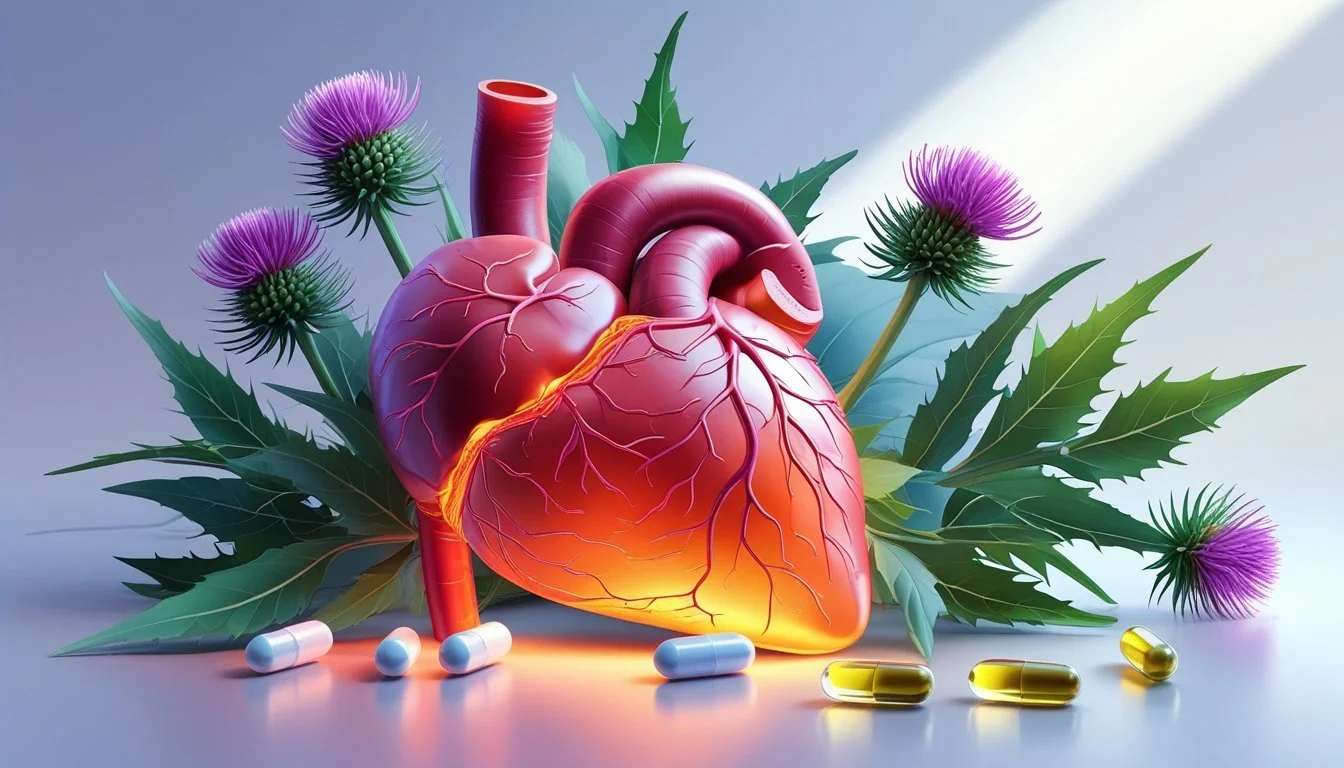
Several ingredients in liver capsules are promoted for their potential effects on liver function, antioxidant capacity, and support for detoxification. Each ingredient has specific origins, chemical properties, and evidence profiles that can impact its effectiveness.
Milk Thistle and Silybum Marianum
Milk thistle (Silybum marianum) is a plant native to the Mediterranean region. It has been used in herbal medicine for hundreds of years, particularly for liver-related ailments. The main active compounds in milk thistle are a complex of flavonolignans known as silymarin.
Whole milk thistle and its extracts are found in many liver supplement formulas. Commonly, supplements source the seeds, as these contain the highest concentration of silymarin. Silybum marianum is generally well tolerated, though some mild digestive side effects have been noted. Researchers have studied milk thistle mostly for its potential role in supporting liver cell health and as an antioxidant.
Silymarin and Milk Thistle Extract
Silymarin refers to a group of flavonoids—primarily silybin, silydianin, and silychristin—extracted from milk thistle seeds. Silymarin is best known for its antioxidant, anti-inflammatory, and possible antifibrotic (anti-scarring) actions in liver tissue. Results from clinical trials are mixed, but some suggest silymarin may help normalize elevated liver enzyme levels in select populations.
Most standardized milk thistle extracts contain 70–80% silymarin by weight. The table below shows common features:
Feature Silymarin/Milk Thistle Extract Active compounds Silybin, silydianin, silychristin Concentration 70-80% silymarin (standardized) Common dose 140–450 mg/day
Silymarin supplements are usually considered safe at standard doses, but efficacy varies based on individual health status and specific liver condition.
Turmeric and Turmeric Extract
Turmeric (Curcuma longa) is a yellow-orange root used both as a culinary spice and traditional medicine. The main active ingredient in turmeric is curcumin, a polyphenol with antioxidant and anti-inflammatory properties. Some liver supplements include turmeric or turmeric extract with the intent to support healthy inflammatory responses in liver tissue.
Turmeric extract is more concentrated than the whole root and typically standardized for curcumin content. Despite promising preclinical findings, human data linking turmeric or curcumin directly to improved liver markers is limited. Some people may experience gastrointestinal symptoms, particularly at high doses or with concentrated extracts.
Dandelion Root and Dandelion Powder
Dandelion root, derived from Taraxacum officinale, has a long history in folk and traditional medicine for promoting digestion and as a mild diuretic. Dandelion root and dandelion powder are sometimes used in liver support supplements due to traditional beliefs that they encourage healthy liver and bile function.
Both forms contain various compounds, including polysaccharides and phenolic acids. Scientific evidence for dandelion’s effectiveness in liver support is less robust than that of milk thistle or silymarin. Safety studies suggest dandelion is generally safe when used in moderation but may interact with certain medications, like diuretics or lithium.
Liver Function and Supplementation
The liver plays a central role in processing nutrients, breaking down toxins, and aiding digestion. Understanding how supplements can interact with these essential tasks helps clarify their potential benefits and risks.
Liver Enzymes: Understanding AST and ALT
Liver enzymes, such as aspartate aminotransferase (AST) and alanine aminotransferase (ALT), are crucial indicators of liver health. When liver cells are damaged, both AST and ALT levels often rise in the bloodstream.
Routine blood tests measure these enzymes to assess liver function. Normal levels vary, but persistent elevation can signal conditions like hepatitis, fatty liver disease, or response to medication and supplements.
Some supplements may potentially affect these enzymes. Individuals taking liver support products should consult a healthcare provider and periodically monitor liver enzyme levels to detect any unintended changes.
Role in Detoxification and Bile Production
The liver’s detoxification process involves phase I and phase II pathways that convert fat-soluble toxins into water-soluble compounds for excretion. Enzymes in the liver help neutralize drugs, alcohol, and metabolic byproducts.
Bile production is another fundamental liver function. The liver synthesizes bile, which is then stored in the gallbladder and released into the intestine to emulsify fats, aiding in fat digestion and absorption.
Certain supplements claim to boost these processes, yet scientific evidence for their effectiveness remains limited. Misuse or overuse of supplements can sometimes place additional strain on detoxification systems rather than supporting liver health.
Connection With Digestive Health
The liver’s relationship with the digestive system is direct and multifaceted. By producing bile, the liver supports the breakdown and absorption of dietary fats and fat-soluble vitamins (A, D, E, K).
Impairment in liver function can lead to digestive problems such as fat malabsorption, bloating, or nutrient deficiencies. Changes in bile flow, caused by liver disease or excessive supplement use, may disrupt gut function and intestinal health.
Most reputable health organizations recommend caution with "liver detox" supplements, as some products have been linked to liver injury. Maintaining a balanced diet and protecting liver function are central to overall digestive well-being.
Health Risks and Benefits of Liver Capsules
Liver capsules are marketed as a supplement for liver health, but they come with both potential benefits and risks. Consumers should consider adverse reactions, possible medication interactions, and the rare, but real, risk of liver injury before using these products.
Potential Side Effects and Safety Concerns
Most commercially available liver capsules contain ingredients such as milk thistle, artichoke extract, or desiccated beef liver. While generally considered safe for many adults, these supplements can cause mild to moderate side effects.
Common side effects include:
Nausea
Upset stomach
Diarrhea
Allergic reactions such as itching or rash
Some individuals may be at higher risk, especially those with pre-existing liver disease or allergies to supplement ingredients. The Food and Drug Administration (FDA) does not regulate supplements as strictly as medications, so contaminants and inaccurate labeling are possible. Choosing products from GMP-certified manufacturers can reduce, but not eliminate, these risks.
Possible Interactions With Medications
Liver capsules may interact with a range of prescription or over-the-counter medications, altering their effectiveness or increasing side effect risks. Milk thistle, for example, can affect drugs metabolized by the liver, including statins, blood thinners (like warfarin), and certain psychiatric medications.
Anyone taking immunosuppressants, antiepileptics, or hormone therapies should consult their healthcare provider before starting liver supplements. Some herbal ingredients can enhance or block the liver’s ability to metabolize drugs, leading to unintended consequences.
It's important to maintain a current list of all supplements and medications and share it with a healthcare provider. This helps avoid negative interactions that could harm liver function or compromise treatment plans.
Liver Injury and Damage Risk
Despite their liver health claims, some liver capsules have been linked with rare cases of acute liver injury. These cases typically involve idiosyncratic reactions, meaning the liver injury is unpredictable and not dose-dependent.
Reported symptoms of supplement-induced liver damage include:
Jaundice (yellowing of the skin or eyes)
Fatigue
Abdominal pain
Dark urine
Documented cases often occur with supplements containing multiple herbs or those produced in facilities with poor quality controls. The lack of FDA approval for effectiveness or safety increases the need for caution.
Consumers should immediately discontinue use and seek medical attention if symptoms of liver damage develop. Reporting suspected supplement-related liver injury to the FDA's MedWatch program can help improve safety data for others.
Liver Capsules in the Context of Liver Diseases
Liver capsules are often marketed toward people worried about liver health, especially those at risk of liver diseases such as fatty liver, cirrhosis, or hepatitis. Their role, ingredients, and effectiveness can vary for different liver conditions.
Non-Alcoholic Fatty Liver Disease
Non-alcoholic fatty liver disease (NAFLD) is characterized by fat buildup in the liver not caused by alcohol use. This condition affects millions and can progress to inflammation, fibrosis, or even cirrhosis if left unmanaged.
Liver capsules promoted for NAFLD often contain antioxidants like milk thistle, N-acetylcysteine, or artichoke extract. These ingredients are believed to reduce oxidative stress and support metabolic function. However, clinical evidence remains limited, and there is no established supplement that can reverse fatty liver on its own.
Dietary changes, weight management, and control of blood glucose remain the main approaches for addressing NAFLD. It is important to note that some supplements can actually harm the liver, especially when used in excess or without medical supervision.
Alcoholic Liver Disease and Cirrhosis
Alcoholic liver disease (ALD) results from chronic alcohol Intake, which can cause inflammation, fatty deposits, and eventually cirrhosis—a severe, irreversible scarring of liver tissue. People with ALD sometimes seek liver capsules for support.
Manufacturers often claim their products help protect cells from alcohol damage or support liver regeneration. Some capsules include silymarin (milk thistle extract) or amino acids, but high-quality studies showing benefit in established cirrhosis or advanced ALD are lacking.
For individuals with cirrhosis or advanced liver disease, some supplements may actually worsen the condition or interact with medications. Abstaining from alcohol and pursuing medical care remain the foundation of treatment.
Viral Hepatitis and Chronic Liver Disease
Chronic viral hepatitis, mainly hepatitis B and C, causes long-term liver inflammation that can lead to cirrhosis or liver cancer. Many people with viral hepatitis turn to supplements, hoping to lessen liver damage or improve outcomes.
Liver capsules sometimes market ingredients said to “detoxify” or “strengthen” the liver, but no supplement can cure hepatitis viruses. Prescription antiviral medications are necessary for effective management.
Some supplements have shown potential to cause liver injury, especially when quality control is poor. For those with chronic hepatitis or other ongoing liver diseases, consulting with a healthcare provider before using any liver capsule is essential.
Common Myths: Liver Detox and Cleanses
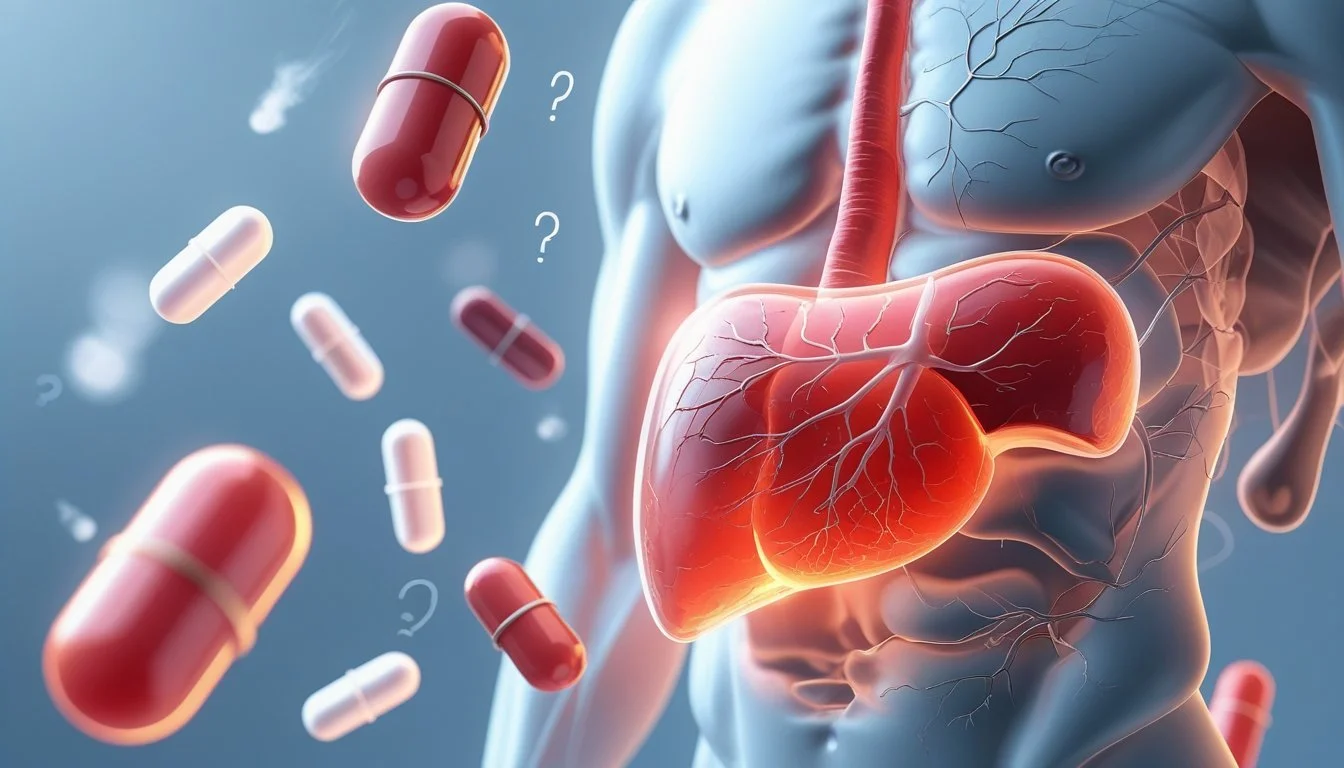
Many products and diets claim to detoxify the liver or boost its function, but these statements often mislead consumers. It is essential to understand how the liver’s natural detoxification works and the actual impact of supplements and cleanses.
Detoxification Claims Versus Reality
The liver is equipped with a built-in detoxification system. Through complex chemical reactions, it breaks down toxins, drugs, and waste, making them easier for the body to eliminate.
Despite claims from various liver cleanse products, there is no scientific evidence that detox diets or liver detox supplements speed up or enhance these natural processes. Johns Hopkins Medicine and similar authorities have emphasized that the liver does not need external help for detoxifying after overindulgence in alcohol or food.
Common claims associated with liver detox and cleanses include:
Flushing toxins from the liver
Reversing damage from unhealthy habits
Quick fixes for liver health
Most of these benefits lack credible scientific backing.
Role of Dietary Supplements in Detox
Many dietary supplements on the market are labeled as “liver detox,” “liver cleanse,” or “liver detoxification” products. They often contain ingredients like milk thistle, dandelion, or artichoke extract. However, research has not proven that these ingredients detoxify the liver or deliver a clear benefit for healthy individuals.
The liver naturally processes substances without additional supplements. Taking unregulated or unnecessary detox supplements may pose health risks, such as allergic reactions or liver damage from excessive or unknown ingredients. According to experts, the best way to support liver health is through a balanced diet, regular exercise, and avoiding excessive alcohol and toxins—not through supplements.
Key points to consider:
Supplements Evidence of Detox Effect Risks “Liver detox” pills Not supported Possible liver toxicity Herbal cleanses Insufficient data Allergic reactions
Misconceptions About Liver Renew and Detoxify Products
Products advertised as “Liver Renew” or “Detoxify” often promise significant improvements in detoxification and toxin removal. Many of these claims are based on marketing rather than science.
Manufacturers sometimes suggest that their pills can reset or cleanse the liver after exposure to toxins or unhealthy habits. In reality, the liver’s enzymatic pathways already manage detoxification continuously, with no evidence that these products accelerate the process.
The public should be cautious of brands and products that convey the idea of a quick or easy “liver cleanse.” Many such products lack FDA regulation, and effectiveness is rarely demonstrated in peer-reviewed studies. Instead, improving lifestyle factors is the safest and most effective way to support liver health.
Who Should Consider Liver Capsules?
Liver capsules are marketed for various health purposes, but their benefits and necessity depend heavily on each individual's medical condition and needs. Specific groups may be more inclined to consider these supplements, depending on their health status and risk factors.
People With Existing Liver Problems
Individuals diagnosed with liver issues, such as hepatitis, fatty liver disease, or cirrhosis, may question if liver capsules can help. There is currently limited scientific support showing that liver supplements, such as those containing milk thistle or desiccated beef liver, can reverse or significantly improve liver damage.
Common conditions linked with liver dysfunction include elevated liver enzymes, chronic alcohol intake, and nonalcoholic fatty liver disease (NAFLD). These conditions are best managed through medical supervision, proper diet, and lifestyle changes. Some liver supplements may interact with medications or add extra strain to the liver.
A gastroenterologist or liver specialist should be consulted before starting any supplement. Self-treating liver problems without professional guidance may delay critical medical treatments.
Obesity and Type 2 Diabetes Patients
People with obesity or type 2 diabetes are at an increased risk for developing liver problems, especially nonalcoholic fatty liver disease (NAFLD). These individuals may be drawn to liver capsules based on claims they support liver detoxification or repair.
There is no solid clinical evidence that liver supplements prevent or treat fatty liver disease in obesity or diabetes patients. The most effective ways to reduce liver risk in these populations are weight loss, blood sugar control, and a balanced diet. Exercise and regular monitoring of liver function also play critical roles.
Supplements like liver capsules should not substitute prescribed treatments. For people with metabolic conditions, discussing any supplement use with an endocrinologist or primary care provider is necessary to prevent unwanted interactions.
Guidance From Healthcare Professionals
Professional medical advice is essential for anyone considering liver capsules, regardless of health status. A gastroenterologist can provide a thorough assessment and determine if supplements are safe or beneficial as part of treatment.
Certain supplements can interact with prescription medications, increase side effect risk, or even worsen liver damage in people with underlying disease. Health professionals base recommendations on patient history, lab results, and the latest research—not on unverified marketing claims.
Routine self-prescription is discouraged. Informed use of supplements should always be guided by specialists familiar with liver health and drug interactions.
Lifestyle and Diet for Liver Health
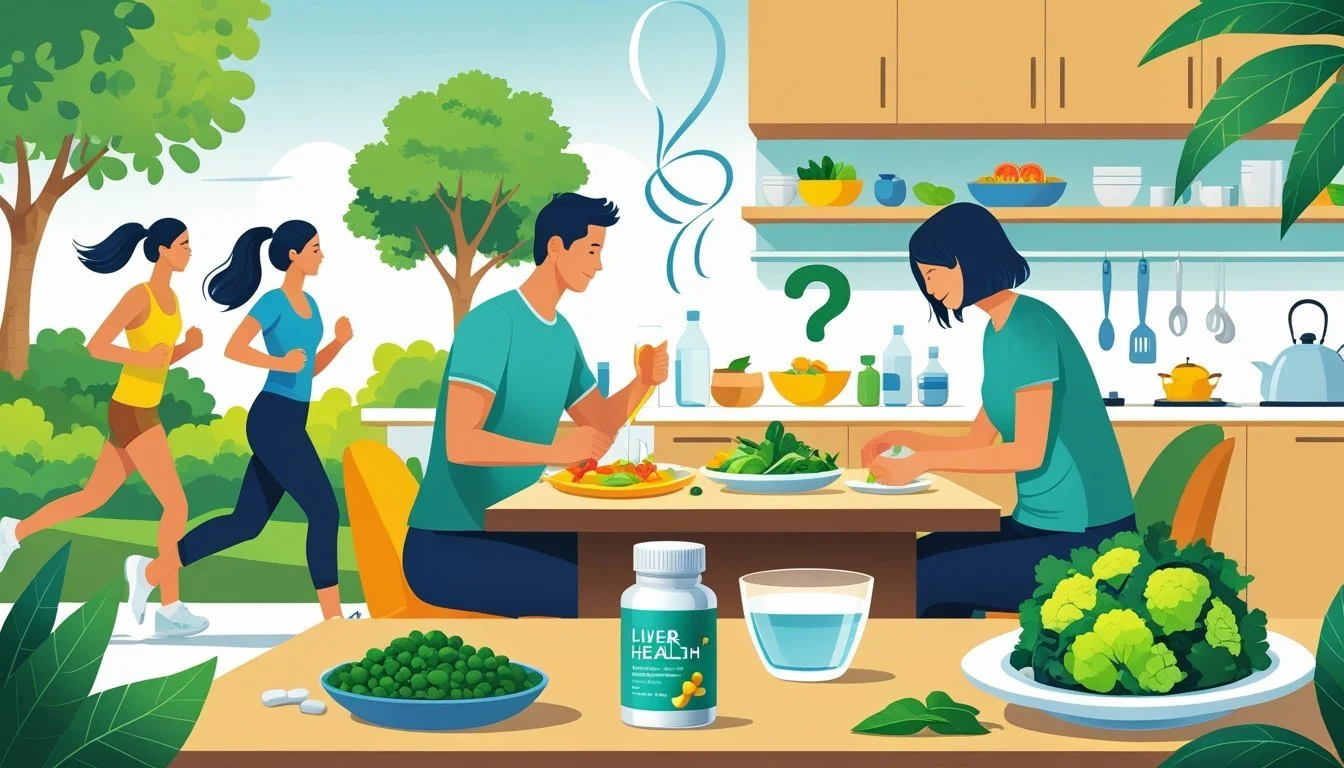
Liver health is closely connected to day-to-day habits, including specific foods, nutrients, and physical activity. Dietary choices and lifestyle factors can influence not only liver function but also energy levels and risks of fatigue.
The Role of a Healthy Diet and Vitamins
Eating a balanced diet plays a significant role in liver function. Diets rich in vegetables, fruits, whole grains, and lean proteins provide key nutrients that support the liver's ability to filter toxins and process nutrients.
Certain vitamins, such as vitamins A, C, E, and B-complex, contribute to liver cell regeneration and repair. However, supplementation with high doses of some vitamins—especially vitamin A—can cause harm and increase liver workload. Natural food sources generally offer safer and more effective support.
A table of foods beneficial for liver health includes:
Food Group Key Examples Nutrients Provided Vegetables Broccoli, spinach Vitamins C, E, K Fruits Berries, oranges Vitamin C, fiber Whole Grains Oats, brown rice B vitamins, fiber Lean Protein Chicken, fish, beans Amino acids, iron
Limiting processed foods, saturated fats, and added sugars helps reduce liver stress and fatigue over time.
Exercise and Other Lifestyle Choices
Regular exercise supports liver health by improving blood flow, reducing fat buildup, and supporting a healthy weight. Activities like walking, cycling, or swimming for at least 150 minutes per week are recommended.
Alcohol consumption should be minimized, as excessive intake is a major contributor to liver disease. Staying hydrated also assists the liver in processing waste products.
Adequate sleep and stress management are important as chronic stress and sleep deprivation can impact metabolic health and contribute to fatigue. Avoiding unnecessary exposure to environmental toxins or chemicals also reduces the liver's workload.
Supplementing vs. Natural Approaches
There is limited scientific evidence that over-the-counter liver supplements, including liver capsules, provide significant benefits for most people without diagnosed deficiencies. Whole foods deliver a complex mix of vitamins, antioxidants, and fiber not easily replicated in a pill.
Supplements can sometimes lead to excessive intake of certain nutrients, increasing the risk of toxicity and liver injury. Individuals should consult a healthcare provider before starting any supplement, especially if experiencing fatigue, digestive changes, or underlying health conditions.
Natural approaches that focus on dietary improvements, regular exercise, and careful lifestyle management remain the most widely recommended strategies for maintaining liver health. Most major health authorities do not endorse liver "cleanses" or detoxes for normal, healthy individuals.
Additional Natural Ingredients in Liver Capsules
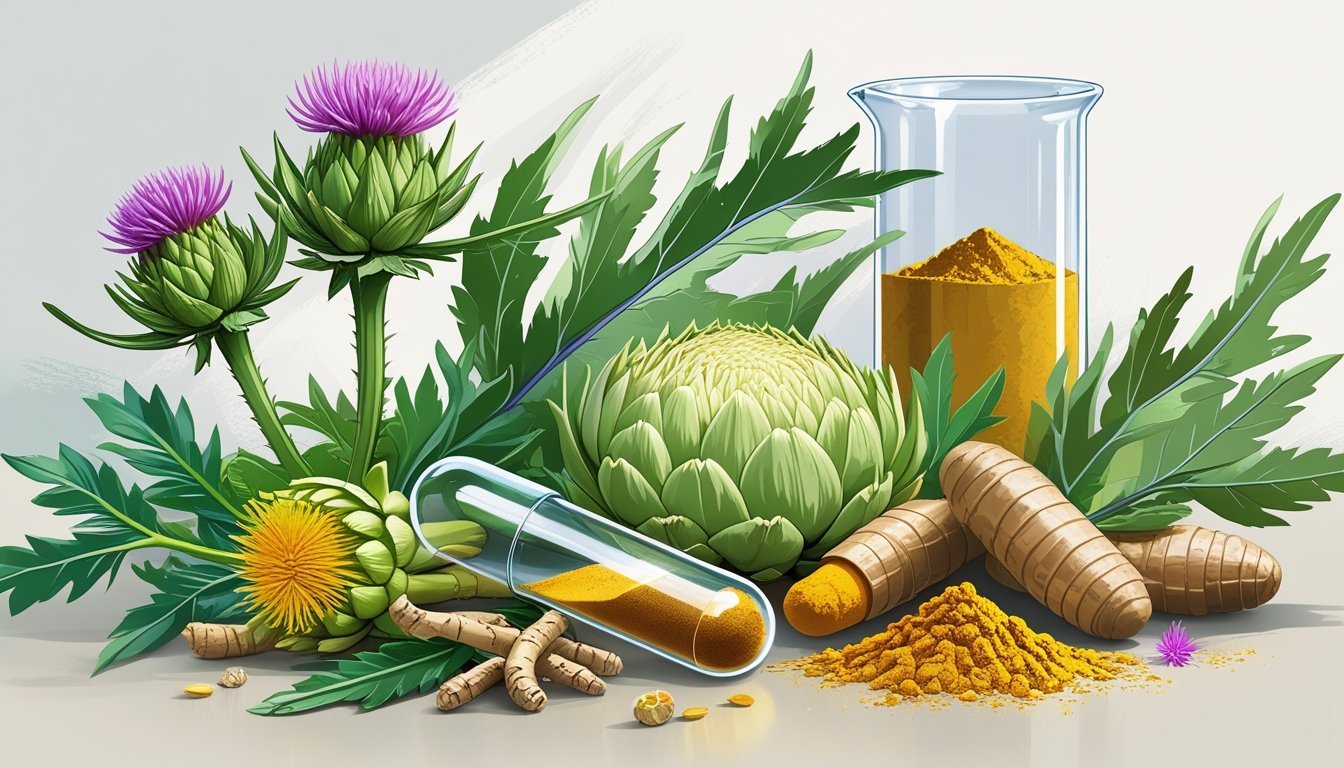
Some liver capsule formulas include herbal and botanical ingredients beyond beef liver powder. These additions may target liver support, digestion, or antioxidative benefits, though scientific evidence varies by ingredient.
Artichoke, Artichoke Extract, and Artichoke Leaf
Artichoke (Cynara scolymus) and its extracts are sometimes added for their potential liver-supporting effects. Artichoke leaf contains compounds such as cynarin and chlorogenic acid, which have been studied for effects on bile flow and lipid metabolism. Research is limited, but some small studies have suggested artichoke extract may help support healthy cholesterol levels and may promote mild detoxification processes in the liver.
The form used—leaf, extract, or whole artichoke—can affect potency. Extracts are standardized to specific active compounds, making dosing more reliable than unprocessed artichoke leaf powders. Despite popularity, the evidence for artichoke’s liver benefits remains modest, with ongoing debate in the medical community.
Consumers should note potential allergens and the need for more thorough research. Artichoke is generally recognized as safe in moderate amounts typically found in supplements.
Dandelion and Other Herbal Botanicals
Dandelion root and leaf are frequent additions to liver supplement products. Dandelion (Taraxacum officinale) has a long history in traditional medicine, where it is used for its mild diuretic effects and as a digestive stimulant. Some supplements promote dandelion as a liver cleanser, although current clinical research does not conclusively support these claims.
Other botanicals sometimes included are milk thistle and turmeric. Milk thistle contains silymarin, which is under investigation for potential liver-protective effects. Turmeric may add antioxidant properties, but its relevance for liver health specifically is less clear.
Individuals considering products containing dandelion or similar herbs should be aware of possible allergic reactions and digestive side effects. Most herbal ingredients in liver capsules have not been robustly proven to affect human liver function.
Ginger and Less Common Additives
Ginger (Zingiber officinale) appears in some liver capsule blends for its anti-inflammatory and digestive benefits. Small studies suggest ginger can help with nausea and gastrointestinal comfort, so its inclusion may support digestive well-being rather than directly influencing liver health. The bioactive compounds in ginger, including gingerol and shogaol, are considered safe in dietary amounts.
Occasionally, manufacturers add less common ingredients like burdock root, schisandra, or beetroot. These botanicals are used for their traditional roles in wellness, but strong scientific evidence connecting them to measurable liver benefits is lacking.
Consumers should review ingredient lists carefully. A product with multiple herbal additives raises the potential for interactions and adverse effects, especially for those with underlying health issues.
Consumer Considerations: Scam or Legitimate Tool?
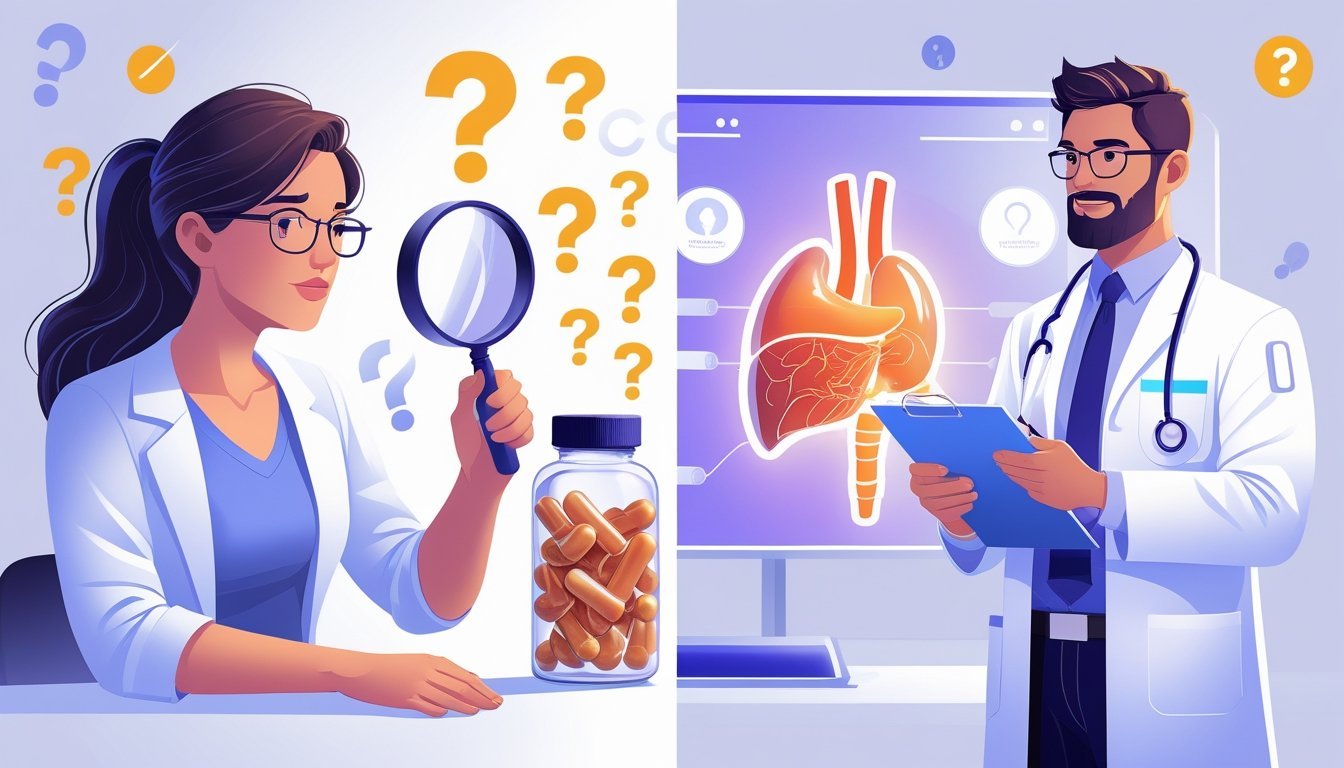
Consumers face a crowded market with many claims about liver capsules. Accurate information about product safety, effectiveness, and potential risks is vital for anyone considering these supplements.
Red Flags and Confusion in the Market
Numerous liver supplements are sold online and in stores, often with bold claims of "detoxification," "cleansing," or "repair." The lack of FDA approval for supplements means companies are not required to prove their products work before selling them.
Some products use misleading before-and-after images or fake testimonials. According to a review, a significant portion of online product reviews for liver supplements are not genuine, complicating consumer trust.
Supplements may contain undisclosed ingredients or doses that vary from batch to batch. Some formulas can interact negatively with medications, while others risk liver injury instead of protecting it. Red flags include non-transparent labeling, vague promises, hidden ingredient lists, and aggressive sales tactics.
Evaluation Criteria for Efficacy and Safety
Consumers should check if liver capsules have undergone clinical testing published in peer-reviewed journals. Ingredients like milk thistle show inconsistent results in research, with systematic reviews reporting no meaningful clinical benefit for most liver health claims.
Key questions to ask:
Are the active ingredients backed by credible studies?
Does the brand disclose ingredient sources and doses?
Are there warnings about potential interactions or side effects?
A safe supplement should list all ingredients, use clear dosing information, and avoid extraordinary claims. Always consult a healthcare provider before starting any liver supplement, especially for those with existing liver conditions or using other medications.

