
Teaching Kids the Value of Animal Foods for Healthy Growth and Nutrition

Many children today are curious about where their food comes from and how it fits into their daily lives. Understanding the value of animal foods helps kids develop an appreciation for both the nutrition these foods provide and the important role they play in cultures and traditions around the world. Teaching kids about the sources and benefits of animal foods can foster a connection to their meals and encourage mindful eating.
Activities such as visiting farms, exploring the differences between herbivores, omnivores, and carnivores, or helping prepare simple meals can engage children in meaningful conversations about food. By involving kids in learning about where animal foods come from and how animals are raised, parents and teachers can share important lessons about responsibility, respect for nature, and healthy eating.
Understanding the Nutritional Value of Animal Foods
Animal foods provide a dense source of nutrients that are important for children’s physical growth and brain development. Including options such as milk, eggs, cheese, and yogurt can help meet daily nutritional needs not easily supplied by plant foods alone.
Key Nutrients in Animal Foods
Animal foods offer complete proteins, meaning they contain all the essential amino acids required for proper body function. These proteins are key for building and repairing tissues as children grow.
Dairy products like milk and yogurt provide high-quality protein, as well as calcium and vitamin D, which support bone health. Eggs are rich in vitamins such as B12, biotin, and choline, the latter being essential for brain development.
Meats, fish, and poultry are natural sources of iron and zinc. The iron from these foods is more easily absorbed by the body than that from plant sources. These nutrients assist in forming healthy red blood cells and supporting immune function.
Animal Foods vs. Other Food Sources
While both animal and plant foods provide important nutrients, some are either more abundant or more easily absorbed from animal sources. Protein in animal foods is usually more complete and bioavailable.
Iron from meat (heme iron) is absorbed at a much higher rate than non-heme iron from plant foods. Dairy foods supply significant amounts of calcium, which can be difficult to obtain in the same quantity from non-animal foods without fortification.
Plant foods offer fiber, antioxidants, and some vitamins that are less prominent in animal foods, so a mix of both food groups is necessary for a balanced diet. Children who avoid animal foods may need extra planning to avoid nutrition gaps.
Role of Animal Foods in Balanced Diets
Animal foods play an important role in supporting a balanced diet for children. They offer key nutrients that are vital for growth, immune function, and overall health.
Including a variety of options—such as milk, yogurt, eggs, cheese, lean meats, and fish—can help ensure that children's diets are nutrient-dense and diverse. Even small daily servings of these foods can make a significant contribution to meeting recommended dietary allowances.
For children with dietary restrictions, nutrition from animal foods can sometimes be replaced by fortified products or supplements, but careful attention is needed to match the full spectrum of nutrients provided naturally by animal foods.
Why Teaching Kids About Animal Foods Matters
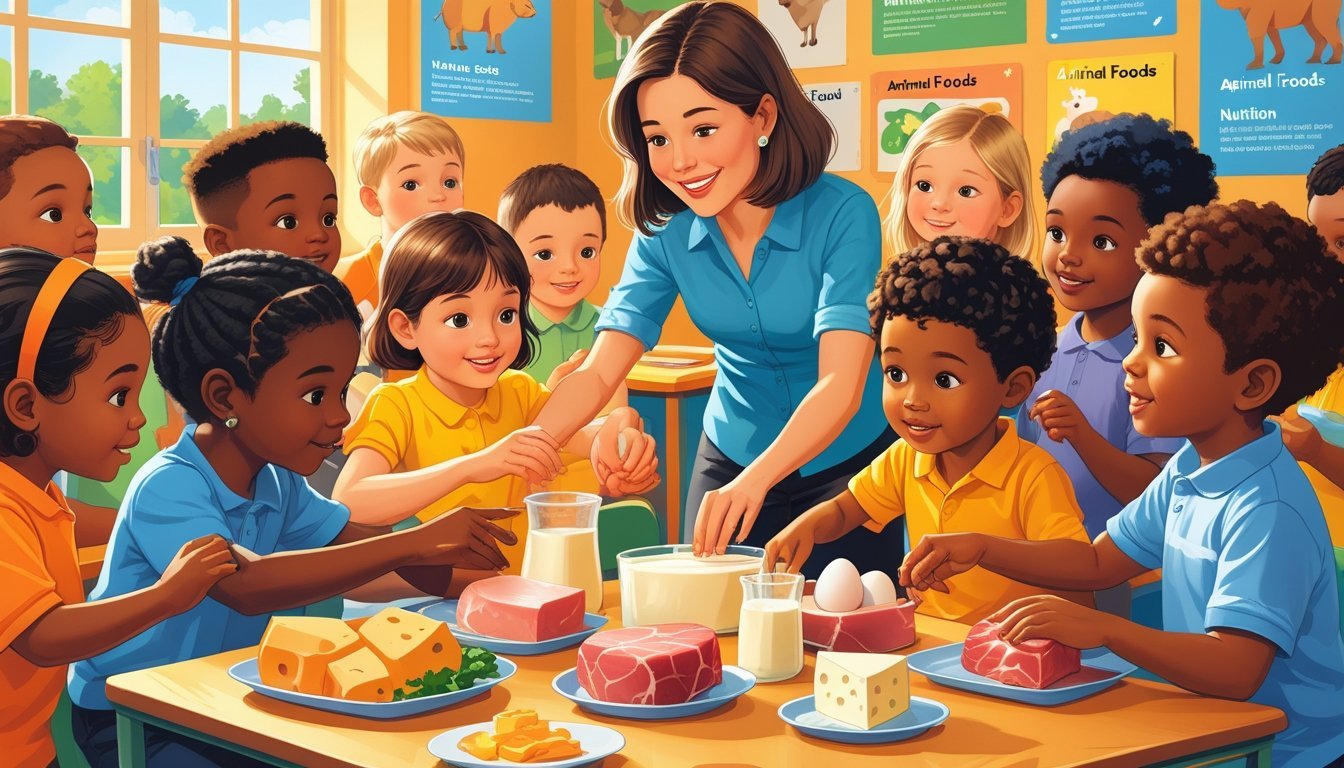
Teaching children about animal foods shapes their lifelong relationship with nutrition, guides their purchasing decisions, and equips them to make informed choices in diverse food environments. Focusing on these topics ensures that children understand the value, sources, and ethical considerations surrounding animal-based foods.
Building Healthy Eating Habits
Children who learn early about the nutritional value of animal foods are more likely to adopt balanced diets. Animal foods like eggs, dairy, poultry, and lean meats provide essential nutrients such as protein, iron, vitamin B12, and calcium that support growth and cognitive development.
Introducing a variety of animal foods helps children appreciate different tastes and textures. When parents or educators present facts about portion sizes, preparation methods, and moderation, it encourages kids to enjoy these foods responsibly.
Educational activities, such as tasting sessions or meal planning, can make learning about animal foods engaging. This hands-on approach is shown to increase acceptance of nutritious options, reducing the risk of common childhood nutritional deficiencies.
Instilling Conscious Consumerism
Understanding the journey of animal foods from farm to plate helps children become more conscious consumers. They learn about farming methods, animal welfare, and the environmental impact of food choices.
Exposure to topics such as local sourcing and ethical farming gives children the tools to ask critical questions about food labels and sourcing. Lists of food certifications (like Organic, Free Range, or Certified Humane) can be introduced to help children recognize standards.
Awareness of these topics fosters respect for the effort that goes into sustainable animal production. It also encourages children to value the resources and people involved, making them more thoughtful about waste and supporting responsible producers.
Understanding Food Choices
Children benefit from education about how personal, cultural, and economic factors influence food choices. Exploring why some families eat more fish, others focus on dairy, or avoid certain meats helps develop empathy and open-mindedness.
Discussions about dietary restrictions, religious practices, and preferences make children more aware of diversity around animal foods. Parents and teachers can use simple comparison tables to show differences in animal food availability and use worldwide:
Food Item Common Regions Dietary Factors Fish Coastal areas Cultural, religious Beef Many regions Cost, religion, health Eggs Global Vegetarian options
Students gain skills to make informed choices that fit their needs and values. Teaching them to evaluate sources of information, such as packaging or advertisements, sets the stage for responsible, independent decision-making regarding animal foods.
Exploring Where Animal Foods Come From
Animal foods such as meat, eggs, and dairy products rely on the work of farm animals and the people who care for them. Understanding these origins helps children learn to appreciate what goes into producing their food and the roles played by farmers, animals, and local communities.
Farm Animals and Food Production
Cows, chickens, pigs, goats, and sheep are the most common farm animals raised for food. Each animal produces different types of foods:
Cows: Beef and milk (which is then used for cheese, yogurt, and butter)
Chickens: Eggs and meat
Pigs: Pork products like bacon and ham
Goats/Sheep: Milk, cheese, and meat
Family farms and larger-scale operations both play roles in raising these animals. Proper housing, feeding, and care are essential for the well-being and productivity of the animals. Local farmers often focus on responsible animal welfare, which leads to healthier animals and often better-tasting foods.
Many children may not realize that animal foods do not simply appear in stores. They begin with farm animals cared for by dedicated farmers who work daily to ensure animals are healthy and comfortable.
The Farm-to-Table Journey
Animal foods go on a journey before reaching the table. After animals are raised and cared for on the farm, their products—like milk, eggs, and meat—are collected and often processed nearby.
For example, milk from dairy cows is sent to creameries for pasteurization and packaging. Eggs are sorted and cleaned before distribution. Meat is sent to processing facilities to be safely prepared for stores.
Farm-to-table programs highlight the path food takes, sometimes using charts or visits to local farms. Meeting local farmers can help children connect what they eat to real people and animals. These experiences make the process more real and can encourage respect for the work involved in food production.
Connecting Kids With Animal Foods Through Hands-On Learning
Hands-on experiences help children gain a deeper understanding of the origins of animal foods and the work involved in bringing these foods to the table. By engaging directly with the environment, community efforts, and local producers, kids can form real connections that extend beyond the classroom.
Outdoor Learning Opportunities
Outdoor learning allows kids to see firsthand how animal foods are produced. Activities like observing chickens, collecting eggs, feeding livestock, or watching beekeepers at work give children an up-close view of animal husbandry. These experiences can illustrate the important roles animals play in producing eggs, milk, and meat.
Simple lessons can be built around the lifecycle of animals. For example, using charts, pictures, or real-life observation, kids learn how cows mature and begin to produce milk, or how hens lay eggs daily.
Teachers and parents can organize garden plots that incorporate compost from animal manure, linking animal care with plant growth. Regular opportunities to interact with animals, even in small schoolyards or community parks, reinforce respect and curiosity about animal foods.
Community Gardens and School Programs
Community gardens are a practical way for kids to engage with both plant and animal food sources. Many gardens involve composting or keep chickens for eggs, letting children take part in feeding and cleaning routines. Direct participation helps kids understand responsibility, food cycles, and sustainability.
School programs often collaborate with local farmers to bring in eggs, milk, or even baby animals for special lessons. Such programs may offer hands-on workshops where kids learn cheese making, egg handling, or the basics of beekeeping. Teachers can set up regular tasting sessions so students experience animal foods directly.
Key benefits include:
Learning the link between local agriculture and daily meals
Understanding animal care as part of healthy food production
Gaining respect for farmers, family farms, and sustainable practices
Visiting Local Farms
Farm visits offer an immersive introduction to animal food production. Children can tour dairy barns, poultry coops, and pastures, watching farmers care for animals and harvest products. Local and family farms are usually open to questions, explaining practices like ethical animal care and why they matter.
Kids are often invited to try simple farm tasks such as gathering eggs or brushing animals. These activities create lasting memories and knowledge about where food comes from.
Visits often include Q&A sessions where children can ask about animal diets, health, and how foods like milk or meat make it to stores. This transparency fosters trust and appreciation for local farmers and the hard work involved in farming responsibly.
Sustainable and Ethical Approaches to Animal Foods
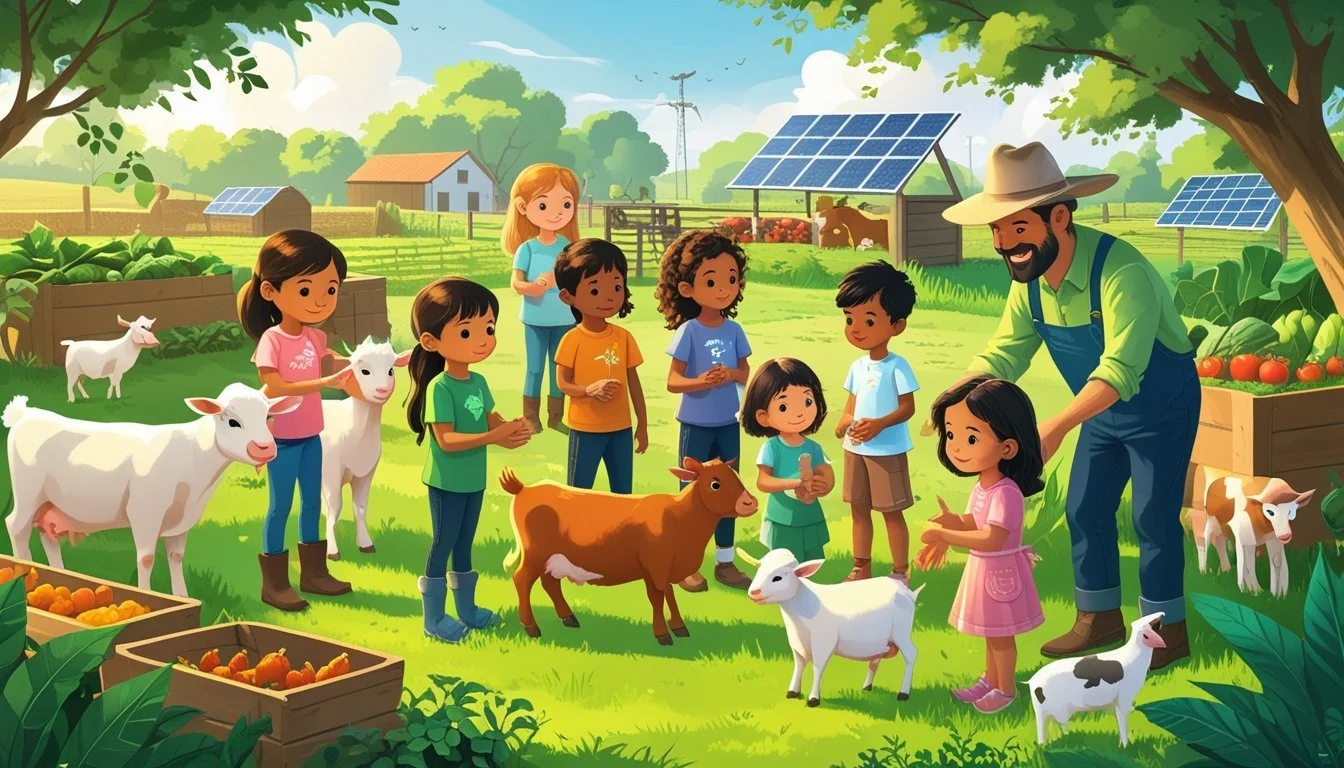
Using animal foods responsibly means considering their environmental footprint, how they are produced, and their impacts on health. Attention to both farming methods and product choices helps children understand food systems and ethical decision-making.
Supporting Sustainable Agriculture
Sustainable agriculture refers to farming practices that protect natural resources, enhance biodiversity, and maintain ecosystem balance. When raising animals for food, farmers can use rotational grazing, integrated pest management, and manure recycling to improve soil health and reduce pollution.
Choosing animal foods from local farms and producers often supports better treatment of animals and preservation of rural ecosystems. Certified labels such as Certified Humane or Global Animal Partnership signal higher animal welfare standards.
It’s helpful to explain to kids how their food choices affect water use, greenhouse gas emissions, and land conservation. This awareness builds respect for the environment and the value of responsible animal farming.
Understanding Organic and Processed Food Differences
Organic animal foods come from animals raised without synthetic pesticides, hormones, or antibiotics. Organic standards also encourage animal welfare and access to the outdoors, often resulting in fewer chemical residues and more environmentally friendly practices compared to conventional farming.
Processed animal foods, like deli meats and some frozen meals, usually contain added preservatives, sodium, or artificial flavors. Frequent consumption of these foods can contribute to poor dietary habits and increase environmental burdens due to extra manufacturing and packaging processes.
Teaching the distinctions helps children recognize why whole, minimally processed, and organic options generally support healthier diets and ecosystems. Simple comparisons can be made with tables or charts to show differences in inputs, animal care, and sustainability outcomes.
Integrating Animal Foods Into Family Diets

Incorporating animal foods into family routines supports children’s nutritional needs and can be achieved with practical, everyday steps. Attention to food choices, creative meal planning, and respect for dietary preferences help ensure that all family members benefit.
Encouraging Balanced Food Choices
Prioritizing nutrient-dense options like meats, fish, dairy, and eggs is important for growth and development in children. Families can introduce these foods by making small swaps, such as replacing highly processed snacks with cheese cubes or yogurt.
Serving a variety of animal-sourced foods—such as grilled chicken, eggs, or beef—at meals exposes children to different nutrients. Family farms or local producers can be good sources for fresher animal foods and may support sustainable practices.
Tips for promoting balance:
Pair lean meats with vegetables and whole grains.
Offer eggs or cheese with fruit for snacks.
Rotate protein choices throughout the week.
Creative Ways to Include Dairy Products and Eggs
Dairy products and eggs are versatile and generally accepted by most children. Greek yogurt with berries or sliced bananas can be a snack or breakfast, while an omelet with vegetables makes for a protein-rich meal.
Using cheese in sandwiches, casseroles, or baked dishes adds calcium and protein. Hard-boiled eggs, string cheese, and individual yogurt cups fit easily in lunchboxes and encourage independent eating. Baking with eggs also provides a subtle way to add animal-sourced protein.
Sample dairy and egg ideas:
Food Simple Serving Idea Yogurt Mixed with fresh fruit Cheese Rolled in deli meat slices Eggs Scrambled or hard-boiled Cottage cheese Topped with sliced peaches
Navigating Special Diets Including Carnivore Preferences
Some families may choose to follow special diets, such as a carnivore approach that emphasizes animal foods exclusively. For children on this type of diet, variety should still be considered within animal sources—offering beef, poultry, fish, eggs, and dairy.
Meal planning is key to ensure energy and micronutrient needs are met. It is recommended to consult health professionals when making significant dietary changes for kids.
Ways to address preferences and dietary needs:
Clearly label and organize animal-based ingredients at home.
Involve children in meal prep to increase acceptance.
Be mindful of school policies when packing animal-based lunches.
Open dialogue with teachers and caregivers helps ensure that special dietary approaches are respected, especially in group settings.
Understanding the Role of Animal Foods in the Natural World
Animal foods play a significant part in both environmental systems and cultural diets. Recognizing their place helps children see how food choices connect to ecosystems and human traditions.
The Food Chain and Ecosystem Connections
In the natural world, animals serve as both predators and prey, making them vital links in the food chain. Herbivores, carnivores, and omnivores each fill specific roles, helping keep populations balanced and nutrients cycling through the environment.
When animals eat plants or other animals, nutrients are transferred across different levels of the food chain. For example:
Level Example Role Producer Grass Turns sunlight into energy Primary Consumer Cow Eats producers Secondary Consumer Human, fox Eats consumers
This flow ensures energy moves from plants to animals and eventually to people. Removing animal foods from an ecosystem can disrupt these cycles and reduce biodiversity.
Animal manure also supports soil by providing nutrients, which helps plants grow. Healthy populations of farm and wild animals contribute to a balanced and productive ecosystem.
Animal Foods in Traditional and Modern Diets
Across cultures, animal foods such as milk, eggs, and meat have been staples for centuries. These foods provide protein, vitamins (like B12), and minerals (such as iron and zinc) that are important for health.
In traditional diets, communities raised livestock or hunted wild animals according to local environments. For example, dairy products have long fed people in Europe, while fish are vital for coastal communities.
Today, animal foods remain a common part of many diets, but choices and sources can vary widely. Modern farming, changes in food preferences, and plant-based alternatives all play a role in what people eat.
Teaching children where animal foods come from and how they are produced helps them understand the connection between farming, animal care, and the food on their plates. This knowledge supports more informed and thoughtful decisions about diet and the environment.
Promoting a Lifelong Appreciation of Animal Foods
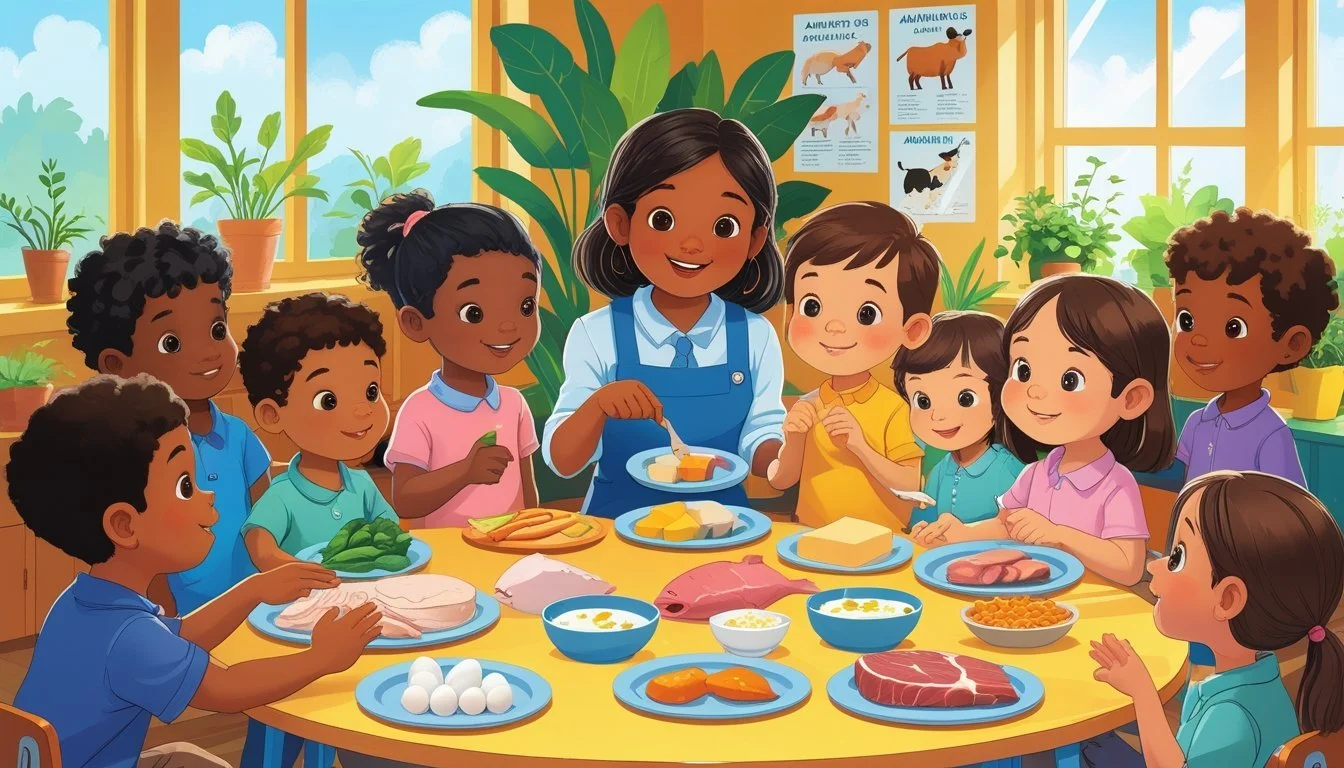
Instilling respect for animal foods in childhood shapes lasting attitudes about nutrition, sustainability, and responsible choices. Children who understand where their food comes from are more likely to value both animal welfare and healthy eating.
Fostering Awareness and Responsibility
Teaching children about animal foods involves more than naming products like milk, eggs, and meat. It’s vital they recognize how these foods reach their plate and the multiple steps involved, such as farming, transportation, and preparation.
Hands-on experiences—like farm visits, simple cooking, or meeting local farmers—help them connect with the process. Discussion about responsible sourcing, humane treatment, and environmental impacts can reinforce their awareness.
Encouraging children to ask questions, participate in food choices, and explore nutritional facts increases their confidence as conscious consumers. Checklists and visual aids such as tables showing nutrition from various animal foods can help them compare and make informed decisions.
Animal Food Key Nutrients Examples of Use Eggs Protein, Choline Breakfast, Baking Meat Iron, Zinc, B12 Stir-fry, Grilling Milk Calcium, Vitamin D Cereal, Smoothies Cheese Protein, Calcium Sandwiches, Snacks
Through direct experiences and open conversation, children gain practical knowledge and respect for animal foods as part of a balanced diet.

