
The 30-Day Carnivore Diet Challenge: Results, Benefits and What Really Happened
Exploring the carnivore diet reveals an intriguing nutritional approach that eliminates all plant-based foods in favor of animal products. This zero-carb diet restricts consumption to meat, fish, poultry, and eggs, removing vegetables, fruits, nuts, and grains entirely from one's eating regimen. While proponents cite benefits such as weight loss, improved mental clarity, and better blood sugar regulation, the extreme restrictiveness of this dietary protocol raises questions about its long-term viability.
Following the journey of individuals who commit to 30 days of strict carnivore eating—consuming only meat and water—provides valuable insights into the practical realities of this diet. The simplicity of meal planning becomes immediately apparent, with shopping limited to selecting high-quality, fatty cuts of meat. However, challenges emerge as dietary monotony sets in, social meals become complicated, and the absence of carbohydrates creates a transitional period of mental adjustment for the body.
Key Takeaways
The carnivore diet simplifies eating by restricting food choices to animal products only, though it requires careful selection of fatty meats.
Mental fog and energy fluctuations can occur during transition periods as the body adapts to zero carbohydrate intake.
Dietary monotony and social meal complications present significant challenges despite the simplicity of meal preparation.
The Meat-Only Approach: Understanding the Carnivore Lifestyle
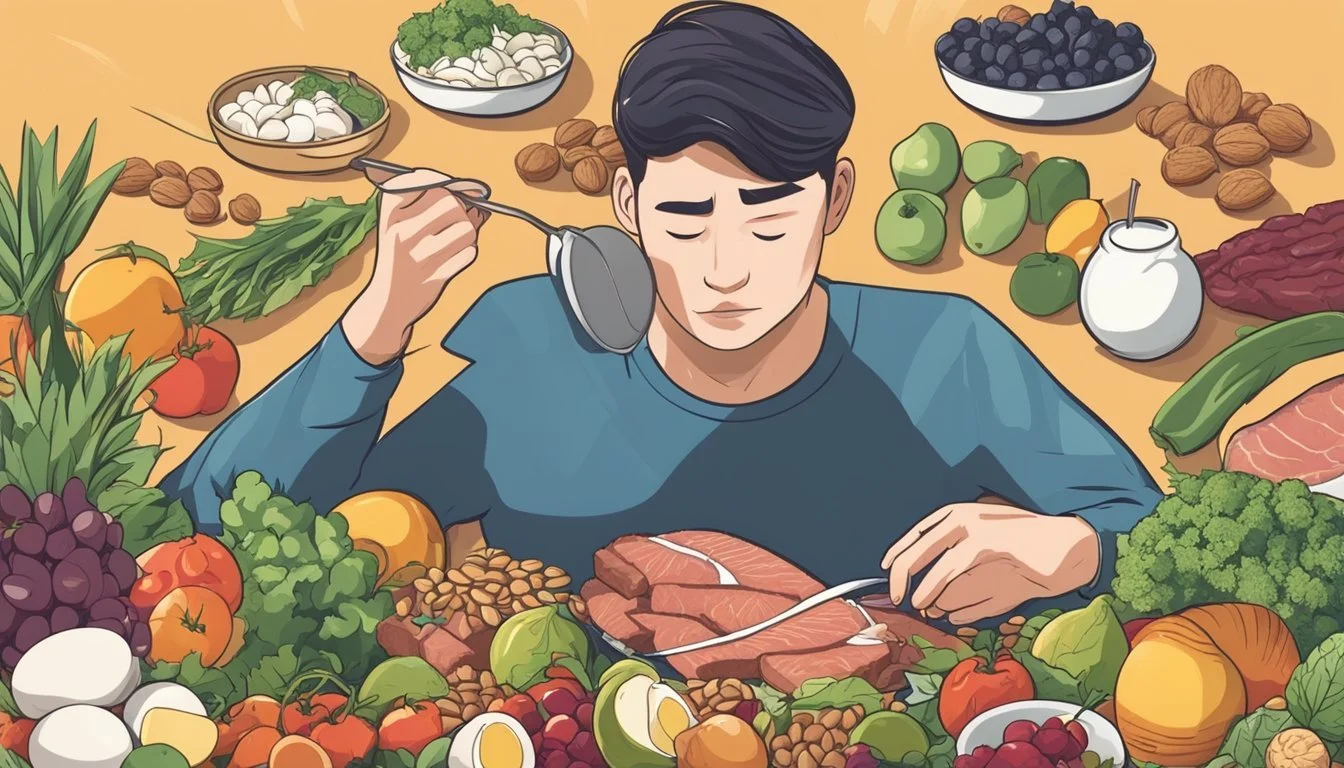
What Is the All-Meat Diet and Its Fundamental Concepts
The carnivore diet represents an extremely restrictive eating approach that eliminates all plant foods entirely. This diet consists exclusively of animal products—primarily beef, fish, poultry, and eggs. Unlike other low-carbohydrate approaches, the carnivore diet takes restriction to the ultimate level by eliminating all fruits, vegetables, grains, nuts, seeds, and legumes.
The strictest versions of this diet permit only meat and water, though some practitioners include animal-derived products like butter, cheese, and heavy cream. The fundamental premise is straightforward: consume only foods from animal sources while eliminating all plants and their derivatives.
Reported Advantages of the All-Meat Approach
Proponents of the carnivore diet report several potential benefits that make this challenging approach appealing to some individuals:
Weight management - Many followers experience significant weight loss
Mental clarity - Some report improved focus and reduced brain fog
Mood enhancement - Advocates claim better emotional stability
Blood sugar control - The absence of carbohydrates may help stabilize glucose levels
The simplicity of the diet represents another perceived advantage. Shopping becomes straightforward with only a few food categories to consider, and meal planning requires minimal effort. For those who appreciate routine and simplicity in their eating patterns, this aspect can be appealing.
Medical Considerations for Extended Adherence
Despite enthusiastic support from some practitioners, health professionals express significant concerns about the carnivore diet's long-term viability. The complete elimination of plant foods means potentially missing crucial nutrients, phytochemicals, and fiber that play essential roles in maintaining health.
The extremely restrictive nature of the diet can also create practical and social challenges. Dining with others becomes complicated, and the monotony of eating the same limited selection of foods may lead to diet fatigue and potential nutrient imbalances over time.
Nutritional concerns include:
Nutrient Category Potential Impact Fiber Significant reduction may affect digestive health Phytonutrients Complete elimination of plant-based protective compounds Vitamin Variety Limited range of vitamins typically obtained from diverse food sources
The diet's high saturated fat content also raises questions about cardiovascular health impacts with extended adherence, though individual responses vary considerably.
Research Framework and Methodology

Our experimental approach required careful planning to effectively evaluate the carnivore diet over a 30-day period. We established clear parameters to track physical and mental changes while experiencing this restrictive eating pattern from two distinct life perspectives.
Pure Animal Products Protocol
The experiment followed a strict meat and water only approach for maximum clarity in results. This meant complete elimination of all plant foods, including vegetables, fruits, nuts, and grains. No condiments, spices, or plant-based additives were permitted during the testing period. Shopping became remarkably straightforward but required careful attention to ingredient labels, as many processed meat products contain hidden sugars or additives. We prioritized high-fat cuts like ribeye and wild-caught salmon to maintain adequate caloric intake and proper fat-to-protein ratios in the absence of carbohydrates.
Comparative Lifestyle Analysis
The research examined the carnivore diet through both family and single adult perspectives to provide more comprehensive insights. Each living situation presented unique challenges and observations. The family man constantly encountered temptation as spouse and children maintained their regular diverse diets, highlighting social and practical difficulties of maintaining such a restricted regimen within a household. Holiday gatherings proved especially challenging when others enjoyed varied traditional foods. The bachelor experience demonstrated different advantages, notably the simplicity of meal preparation and reduced decision fatigue when eating identical meals daily. Both perspectives reported initial mental fog during adaptation, similar to ketogenic diet transitions, as their bodies adjusted to glucose absence.
Alternative Diet Options

Meat-Based Fruit and Vegetable Substitutes
Buff Foods Farms has developed an innovative solution for those following meat-based diets who miss the visual appeal and variety of plant foods. Their creative team has crafted meat-based replicas of popular fruits and vegetables, allowing carnivore dieters to enjoy familiar shapes and colors without deviating from their animal-based nutrition plan.
The artisans at Buff Foods use primarily natural ingredients to recreate familiar produce items. Their banana replica captures the distinctive curved shape and yellow exterior that many former fruit-eaters miss. The attention to detail in these meat-based creations is remarkable, with textures and colors carefully designed to mimic the original plants.
Their apple substitutes are particularly noteworthy, offering a firm bite that attempts to recreate the crisp experience of biting into fresh fruit. These meat-based alternatives provide visual variety for people who have eliminated plant foods but sometimes miss the aesthetic diversity of a colorful plate.
While these substitutes aim to provide visual novelty, they simplify shopping since they're made from the same animal-based ingredients that form the foundation of a carnivore diet. For those committed to eating only animal products but missing the visual diversity of produce, these meat-based replicas offer an interesting alternative.
Buff Foods acknowledges that their products might seem unusual to some, but they've found a niche market among strict carnivore dieters looking for visual variety without compromising their dietary principles. These substitutes align with the zero-carb approach while adding visual interest to meals that might otherwise consist only of plainly presented animal proteins.
Shopping for the Carnivore Diet

The carnivore diet simplifies grocery shopping considerably by limiting food choices to animal products. When preparing to follow this dietary approach, understanding what to purchase and what to avoid becomes essential for success. Knowing how to select the right meats and animal products will make a significant difference in your experience.
Choosing Fatty Cuts
When shopping for a carnivore diet, fat content becomes critically important. Since carbohydrates are eliminated, your body needs sufficient fat for energy. Lean meats like chicken breast (which can be 99% protein) may not provide enough fat to sustain energy levels. Instead, focus on naturally fatty cuts that offer a healthier protein-to-fat ratio.
Recommended fatty options:
Ribeye steaks
Salmon (wild-caught preferred)
Bacon (check ingredients)
Ground beef (80/20 or 75/25 ratio)
Eggs (excellent breakfast staple)
The ideal approach is to maintain a balance where fat intake is higher than protein intake. This helps your body adjust to using fat as its primary energy source in the absence of carbohydrates.
Grass-Fed Meat Selection
Quality matters significantly when animal products constitute your entire diet. Grass-fed and free-range options provide better flavor profiles and nutritional benefits.
Benefits of grass-fed meats:
Enhanced taste
Better fatty acid profile
Fewer additives and hormones
Higher nutrient density
Since meat will form the foundation of every meal, investing in quality becomes more important than when following a mixed diet. Wild-caught salmon offers superior nutrition compared to farm-raised alternatives. Similarly, grass-fed beef typically contains more beneficial nutrients than grain-fed options.
Avoiding Hidden Ingredients
One of the most challenging aspects of shopping for a carnivore diet is identifying and avoiding hidden non-animal ingredients. Many processed meat products contain additives that violate carnivore principles.
Watch out for:
Common Hidden Ingredients Where They're Found Sugar Bacon, sausage, cured meats Starches Processed meats, some ground products Preservatives Packaged meats Fillers Cheaper meat products
Always check ingredient labels carefully. A good rule: if there's more than one ingredient listed, scrutinize it carefully or consider looking for an alternative. Pure meat products should contain only meat - nothing else. This approach helps maintain the zero-carb nature of the diet and prevents accidental consumption of plant-based ingredients.
Dietary Routine and Simplicity
Following a carnivore eating pattern significantly streamlines meal planning and grocery shopping. The diet focuses exclusively on animal products, eliminating the need to purchase or prepare vegetables, fruits, grains, and other plant foods.
The shopping process becomes remarkably straightforward with only a few key items on the list. When selecting meats, it's important to prioritize those with higher fat content since the absence of carbohydrates requires sufficient fat intake for energy. Grass-fed options are preferable for better taste, especially considering these will be dietary staples.
Daily Meal Structure:
Breakfast: Bacon and eggs
Lunch: Ground beef
Dinner: Ribeye steak
This simplified eating pattern eliminates the need for calorie tracking after the initial adjustment period. The repetitive nature of the meals creates a predictable routine that some might find appealing, particularly those who prefer not to spend time thinking about food choices.
Shopping Tips:
Choose fattier cuts of meat (ribeye over leaner options)
Select wild-caught fish like salmon for healthy fats
Verify ingredient lists - avoid products with added sugars
Prioritize single-ingredient animal products
By day 15, the monotony of eating the same foods repeatedly can become challenging. The repetitive nature of ground beef, in particular, might become unappetizing over time. This presents a unique challenge for those with families eating diverse diets, especially during holidays and gatherings where food variety is traditionally important.
Despite these challenges, the straightforward approach to eating can be beneficial for those who value simplicity and structure in their dietary habits. The meal preparation process becomes more efficient with fewer ingredients and cooking techniques to manage.
Challenges Encountered
Transitioning from Plant-Based to Animal-Only
The shift from a vegan lifestyle to the carnivore diet created a significant adjustment period. The complete reversal in eating patterns required mental fortitude and practical adaptations. Shopping habits changed dramatically, with focus shifting to selecting high-quality, fatty cuts of meat rather than plant foods.
When selecting meats, the priority became finding grass-fed options with higher fat content to compensate for the absence of carbohydrates. Simple protein sources like chicken had to be reconsidered in favor of fattier alternatives such as salmon and ribeye steaks.
The Outdoor Cooking Confusion
A memorable mishap occurred during a planned three-day outdoor excursion. There was a significant miscommunication about the current dietary experiment, resulting in a situation where no appropriate food was available. The well-intentioned supplier had brought spinach, assuming the carnivore dieters were still following their previous vegan regimen.
This confusion led to genuine concern about food availability for the duration of the trip. The lack of preparation and communication highlighted how dietary restrictions can create logistical challenges, especially in group settings or when traveling.
Bodily and Cognitive Changes
By day ten, physical and mental adaptations became apparent. The complete absence of carbohydrates triggered gluconeogenesis, where the body must create glucose from non-carbohydrate sources. This metabolic shift caused a noticeable mental fog and decreased energy levels.
The experience resembled the ketogenic diet transition but seemed more intense due to the zero-carb nature of the carnivore approach. Despite these challenges, feelings of satiety were surprisingly strong, contradicting expectations that meat-only meals would leave one hungry.
Workout performance suffered with:
Decreased motivation
Reduced strength
Absence of the typical "pump" feeling
Lower overall energy
Resisting Special Occasion Temptations
A birthday celebration during the experiment created significant temptation to break the carnivore protocol. The presence of traditional cake and celebratory foods tested willpower and commitment to the dietary challenge.
By day 15, monotony became a serious issue. The repetitive nature of the diet, particularly eating ground beef regularly, led to sensory fatigue. The dieter reported:
Persistent meat smells
Dreams about ground beef
Burping with meat flavors
Overall ground beef overload
Family gatherings like Thanksgiving amplified the challenge, as others enjoyed diverse foods while the carnivore dieter remained limited to meat options. The contrast between family members' varied plates and the restricted carnivore selections created both practical and emotional hurdles.
Eliminating Ground Beef from the Diet
By day 15 of the carnivore diet journey, one major challenge emerged with ground beef. Despite its initial appeal as a staple protein source, it became increasingly unappetizing over time. The constant cooking process created significant grease splatter throughout the kitchen, leaving behind a lingering aroma that permeated clothing and even invaded dreams.
The repetitive consumption of ground beef for lunch every day quickly led to sensory fatigue. This experience highlights one of the fundamental challenges of highly restrictive diets - the limited food variety can create significant menu fatigue over time.
When following a carnivore diet, protein options become remarkably limited. While ribeye steaks and bacon with eggs remained palatable options, ground beef needed to be eliminated from the meal rotation due to overwhelming sensory burnout.
The family dynamic created additional challenges. Watching family members enjoy diverse meals with vegetables, grains, and other non-animal foods heightened the sense of dietary restriction. Special occasions like Thanksgiving became particularly difficult when everyone else enjoyed varied dishes while the carnivore dieter remained limited to meat options.
For meal preparation, the carnivore diet initially seemed advantageous due to its simplicity. With only meat on the menu, planning became straightforward. However, this simplicity eventually transformed into monotony, especially when removing ground beef from the rotation.
Daily Carnivore Menu Before Elimination:
Breakfast: Bacon and eggs
Lunch: Ground beef
Dinner: Ribeye steak
Challenges with Ground Beef:
Excessive grease during cooking
Persistent odor on clothing
Flavor fatigue from repetition
Limited seasoning options (no spices allowed)
The contrast between the bachelor lifestyle versus family life became evident during this dietary experiment. A single person might find the simplicity more manageable, while those in family settings face additional social challenges when eating differently from household members.
Family Dynamics and Social Interactions on the Carnivore Diet
The carnivore diet introduces unique challenges when living with family members not following the same eating plan. By day 15, the contrast between personal dietary choices and family meal patterns becomes increasingly apparent. Family meals and celebrations highlight these differences most prominently.
Special occasions present particular difficulties. During Thanksgiving, while family members enjoyed a traditional spread with various dishes, the carnivore diet restrictor found themselves limited to meat options only. Birthday celebrations also require adaptation - traditional cakes must be replaced with meat-based alternatives.
Shopping habits change dramatically when following this diet. The focus shifts to selecting high-quality, fatty cuts of meat rather than the typical diverse grocery list. Important considerations include:
Prioritizing grass-fed options for better taste
Selecting fattier cuts rather than lean meats
Checking ingredient labels carefully for hidden additives
Avoiding any products with sugar or non-animal ingredients
Family camping trips and outings require careful planning. One memorable outdoor excursion highlighted the communication challenges when a family member mistakenly brought vegetables instead of meat, having confused this dietary experiment with a previous vegan one. This miscommunication left the carnivore dieter without appropriate food options for the trip.
The limited food selection also impacts social dynamics at home. While other family members continue eating varied meals with vegetables, grains, and other foods, the carnivore dieter must stick to their restricted menu. This creates a sense of isolation during what would normally be communal eating experiences.
Day-to-day meals become extremely predictable, with the same rotation of foods: bacon and eggs for breakfast, ground beef for lunch, and ribeye for dinner. This simplicity offers convenience but eventually leads to food fatigue, particularly with ground beef becoming unappealingly repetitive by the midpoint of the experiment.
The contrast between the simplicity of the carnivore approach and family life creates a persistent tension. While the straightforward meal planning might suit a bachelor lifestyle perfectly, it fits awkwardly within the context of family dining where variety and shared food experiences traditionally strengthen bonds.
The Variety Challenge versus Meat-Only Restrictions
Living on the carnivore diet presents a stark contrast to the colorful variety most people enjoy in their meals. After 15 days of consuming only animal products, the repetitive nature of the diet becomes one of its most challenging aspects.
The shopping process simplifies dramatically. With only meat, eggs, and water allowed, grocery trips focus on selecting high-quality proteins with sufficient fat content. Grass-fed beef, wild-caught salmon, and bacon become staples, though careful label reading is essential since many packaged meats contain hidden sugars or additives.
Meal planning becomes almost automatic when limited to the same foods daily. A typical day might include:
Breakfast: Bacon and eggs
Lunch: Ground beef
Dinner: Ribeye steak
The monotony can become overwhelming around the two-week mark. Ground beef often becomes the first casualty, with the constant smell and taste becoming unpleasant. Family gatherings like Thanksgiving highlight this limitation, as everyone else enjoys diverse dishes while the carnivore dieter remains limited to meat options.
Physical and mental adjustments occur gradually. The first 10 days bring a mental haziness as the body adapts to zero carbohydrates through gluconeogenesis—the process of converting non-carbohydrate sources into glucose. This transition period resembles the keto adaptation phase but feels more intense due to the complete absence of carbs.
Surprisingly, meals prove quite satisfying despite their simplicity. The high protein and fat content create satiety, though workout performance typically decreases with reduced energy and diminished "pump" feeling during exercise.
For single individuals, the simplicity offers certain advantages in meal preparation. However, for those with families, watching others enjoy colorful, diverse foods creates a constant reminder of the diet's restrictions. The contrast between the varied "spice of life" and the carnivore diet's limitations becomes most apparent in social settings.

