
The Carnivore Diet Controversy: Why Nutrition Experts Question Coach Cam's All-Meat Approach
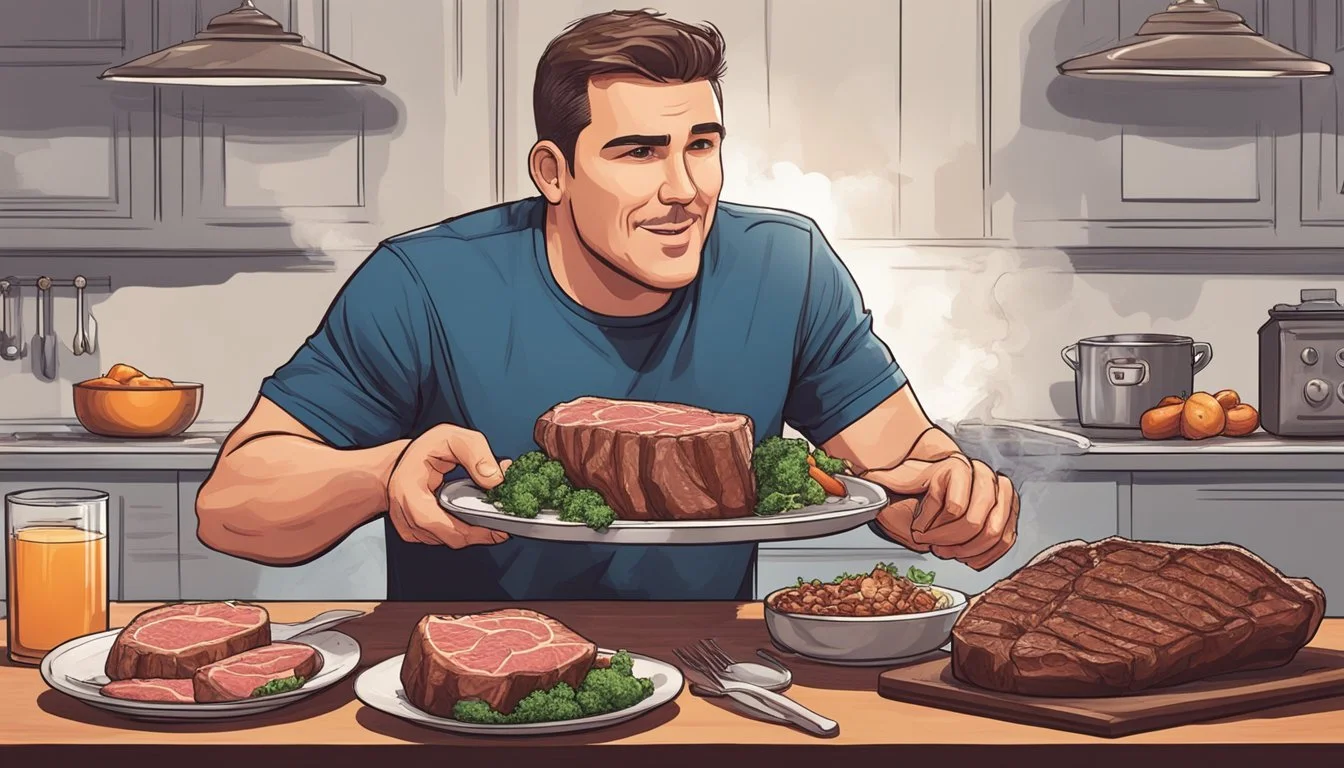
The carnivore diet has gained attention in recent years, with some advocates taking extreme approaches to their animal-based eating regimen. One such proponent, Coach Carnivore Cam, has built his personal brand around consuming exclusively animal products—no vegetables, fruits, or carbohydrates. His content typically showcases quick meal preparations that align with his dietary philosophy, from simple ground beef dishes to creative alternatives for traditional foods.
While Coach Cam enthusiastically claims his meals provide "all essential nutrients," nutrition experts would likely question the long-term sustainability of such a restrictive eating pattern. His inventive approaches to recreating everyday items like bagels and wraps using only animal products demonstrate his commitment to the carnivore lifestyle, even when dining out at fast-food establishments or preparing packed lunches for work. These unconventional food choices naturally raise eyebrows among conventional eaters.
Key Takeaways
The carnivore diet restricts food choices to animal products only, eliminating all plant foods and carbohydrates from the diet.
Advocates create alternative versions of common foods using eggs, cheese, and meat to replace traditional ingredients like bread and grains.
Quick meal preparation is emphasized, but the nutritional completeness of this restrictive eating pattern remains questionable among mainstream health experts.
Nutritious Quick Meal

Hot Skillet Technique
Begin by heating a cast iron skillet over high heat. The pan's heat retention properties make it ideal for this quick preparation method. Once the pan is properly heated, add approximately 500 grams of high-fat ground beef. The higher fat content helps retain moisture and adds flavor to this simple dish. Allow the meat to begin cooking for about 30 seconds before moving to the next step.
Protein Combination Method
While the beef begins to cook, crack two eggs directly into the pan with the meat. Using a spatula or cooking utensil, thoroughly combine the eggs with the beef. This creates a binding effect that helps the mixture hold together while adding additional protein and nutrients. Add a generous pinch of high-quality salt to enhance the natural flavors. Continue cooking until the meat is browned and eggs are fully incorporated, approximately 2-3 minutes.
Final Preparation Technique
Once the meat and egg mixture is thoroughly cooked, transfer it to a serving bowl. While the mixture is still hot, place a substantial piece of butter on top, allowing it to melt from the residual heat. The melting butter creates a rich sauce that coats the meat mixture. This simple preparation provides a concentrated source of protein and fat in a single dish that can be prepared in under 5 minutes with minimal ingredients and equipment.
Carnivore Cam's Culinary Approach

The All-Animal Diet Explained
The carnivore diet represents an extreme nutritional approach where adherents consume only animal products. Practitioners eliminate all plant-based foods including fruits, vegetables, grains, and carbohydrates from their meals. Instead, they focus exclusively on meat, eggs, and dairy products as their sole sources of nutrition.
Proponents of this diet claim it provides all essential nutrients needed for optimal health. However, nutritional experts generally recommend balanced diets that include plant foods for fiber, vitamins, and antioxidants. The long-term effects of excluding entire food groups remain a subject of debate in nutritional science.
Kitchen Demonstrations
Coach Cam regularly shares quick-preparation meals that align with his animal-based philosophy. His demonstrations typically feature high-fat content and minimal cooking techniques.
Featured Recipes:
5-Minute Beef Bowl: 500g high-fat ground beef mixed with eggs, salt, and topped with raw butter
Alternative "Bagels": Blended chicken breast, Parmesan cheese, and eggs baked in bagel molds
Breakfast Wrap: Cottage cheese and egg mixture baked as a wrap, filled with sausage, bacon, and additional eggs
Restaurant Order: Six plain beef patties from Burger King (no buns, condiments, or sides)
Many of these preparations substitute traditional ingredients with animal-based alternatives. For instance, rather than using bread, Coach Cam creates wraps from baked egg mixtures or transforms blended meat into bagel-shaped items.
Perceptions of British Culinary Traditions
Coach Cam's cooking style has invited comparisons to stereotypical views of British cooking. Critics note that his minimalist preparation methods and emphasis on unseasoned meat dishes inadvertently reinforce outdated perceptions about British cuisine's supposed blandness.
His alternative "meal deal" proposal particularly stands out against typical British lunch customs:
Traditional Meal Deal Carnivore Version Sandwich on bread Egg and cheese "bread" Crisps/chips Dried meat snacks Soft drink Raw milk
This stark contrast to conventional eating habits often elicits strong reactions from viewers. While Coach Cam presents his approach with conviction, his methods challenge mainstream culinary norms and cultural food traditions.
Carnivore Diet Bagels

Protein and Cheese Foundation
The carnivore diet bagels offer a meat-based alternative to traditional grain products. These bagels use chicken breast as the primary ingredient, creating a protein-rich base that aligns with carnivore diet principles. For preparation, cook and chop chicken breast before adding it to a blender with approximately 60 grams of Parmesan cheese and three eggs. This combination creates a workable dough-like consistency while maintaining the all-animal-product requirement of the carnivore approach. The Parmesan adds flavor depth and helps bind the mixture together, while the eggs provide structure similar to traditional bagel dough.
Baking Approach
The baking process for carnivore bagels requires careful preparation to achieve the right texture. Begin by greasing a bagel mold thoroughly to prevent sticking. Pour the blended chicken and cheese mixture into the mold, distributing it evenly to create consistent bagel shapes. Bake in a preheated oven until the bagels are firm and lightly browned on the outside. The cooking time may vary based on the thickness of the bagels and your oven's efficiency. These bagels won't have the same chewy texture as traditional bread bagels, but they offer a protein-focused alternative for those following a strict animal product diet.
Dairy Topping Options
Once baked and cooled, these carnivore-friendly bagels pair well with cream cheese as a topping. The cream cheese adds moisture and richness to balance the dense protein base. For variety, consider using different types of cream cheese, such as:
Plain cream cheese
Herb-infused (if herbs are permitted in your version of the diet)
Butter (as an alternative topping)
The finished product creates a meat-based alternative to traditional bread products while maintaining the familiar bagel shape and eating experience. This approach allows carnivore dieters to enjoy sandwich-like foods without consuming plant-based ingredients.
Carnivore Diet Breakfast Wrap
Egg and Cheese Foundation
The foundation of this protein-rich breakfast wrap begins with simple ingredients. Combine 250g of cottage cheese with two eggs in a blender until smooth. This mixture creates a flexible, protein-dense base that replaces traditional flour-based wraps. Pour the blended mixture onto a baking sheet lined with parchment paper, spreading it evenly to form a thin, rectangular shape. The combination provides essential fats and proteins while maintaining zero carbohydrates, aligning perfectly with carnivore diet principles.
Protein-Rich Interior Components
The filling consists of classic breakfast proteins layered strategically for optimal flavor. Cook sausage and bacon separately until they reach desired crispness. Prepare scrambled eggs as another component of the filling. These animal-based proteins deliver complete amino acid profiles and healthy fats. The combination of different textures—crispy bacon, juicy sausage, and fluffy eggs—creates a satisfying mouthfeel that makes this wrap enjoyable without plant-based ingredients.
Assembly and Serving Suggestions
Once the cottage cheese wrap base has finished baking, remove it carefully from the oven. Layer the cooked sausage as the first component, followed by strips of bacon. Add the scrambled eggs as the final layer before folding. The wrap should be folded in half, creating a half-moon shape that contains all ingredients securely. This preparation method ensures all components stay together during consumption. The result is a portable, nutrient-dense breakfast option that adheres strictly to carnivore diet principles while providing a satisfying alternative to conventional breakfast wraps.
Other Fast Food Options
Fast food venues offer varying choices for different dietary needs. While many people assume all fast food is unhealthy, some establishments provide better alternatives than others.
Visiting Burger King
Burger King offers several options for those seeking lower-carb meals. Their menu includes lettuce-wrapped burgers as an alternative to traditional buns.
Many locations are willing to accommodate special requests if you ask politely. The staff can often prepare items that aren't explicitly listed on their standard menu boards.
Single Beef Patty Request
When watching your carbohydrate intake, consider ordering just the beef patty. This simple approach eliminates bread entirely from your meal.
Most Burger King locations will sell you:
Plain beef patties
Patties with cheese
Patties with specific toppings
Simply ask for "just the patty" at the register. While prices vary by location, this is typically an inexpensive option compared to full sandwiches.
Meal Deal Rethink
Abandoning Conventional Lunch Options
Traditional meal deals have come under scrutiny from advocates of specialized diets. Critics argue these packaged lunch options typically contain processed foods, vegetable oils, grain products, and added sugars. Some nutritional purists have gone as far as filming themselves in supermarket aisles, expressing visible disappointment at the standard lunch selections available to consumers.
Alternative approaches to midday nutrition have emerged from various dietary philosophies. These alternatives often emphasize whole foods and specific macronutrient profiles that differ significantly from typical sandwich-drink-snack combinations found in retail establishments.
Animal-Based Alternative Preparation
Those following animal product-exclusive diets propose substitutes for conventional meal deal components. For bread alternatives, some recommend a simple preparation using two eggs mixed with raw cheese, baked at 200°C for 15 minutes on parchment paper. The resulting flatbread resembles a firm omelet in texture and appearance.
For the snack portion, dried meat products containing only meat and salt are suggested as replacements for conventional potato chips or corn-based snacks. These meat-based snacks come in various flavors, including chicken breast.
Protein-Heavy Main Dishes:
High-fat ground beef with eggs
Chopped chicken breast blended with Parmesan and eggs
Sausage and bacon combinations
Instead of typical beverages containing sugar, unpasteurized milk is recommended as the drink component. Proponents suggest packing these items together for workplace lunches.
Nutritional Claims and Visual Presentation
The finished alternative meal deal presents a dramatically different appearance from conventional options. Proponents claim these animal-based meals provide "all essential nutrients" needed for optimal function, though this assertion contradicts mainstream nutritional guidance that emphasizes dietary variety including fruits and vegetables.
Some preparation methods involve unique approaches to traditional foods:
Creating bagel-shaped items from blended chicken and cheese
Forming wrap-like structures from baked egg mixtures
Ordering plain burger patties without buns or toppings
These preparations raise questions about nutritional completeness. While high in protein and fat, these meals lack fiber, phytonutrients, and certain vitamins found in plant foods. Nutritional science generally recommends balanced diets incorporating diverse food groups rather than exclusive reliance on animal products.
Social considerations also arise, as unconventional lunch choices may attract attention in workplace settings. The visual presentation of these alternative meals differs significantly from typical lunch norms, featuring egg-based flatbreads rather than conventional bread products.

