
What You Really Need to Know
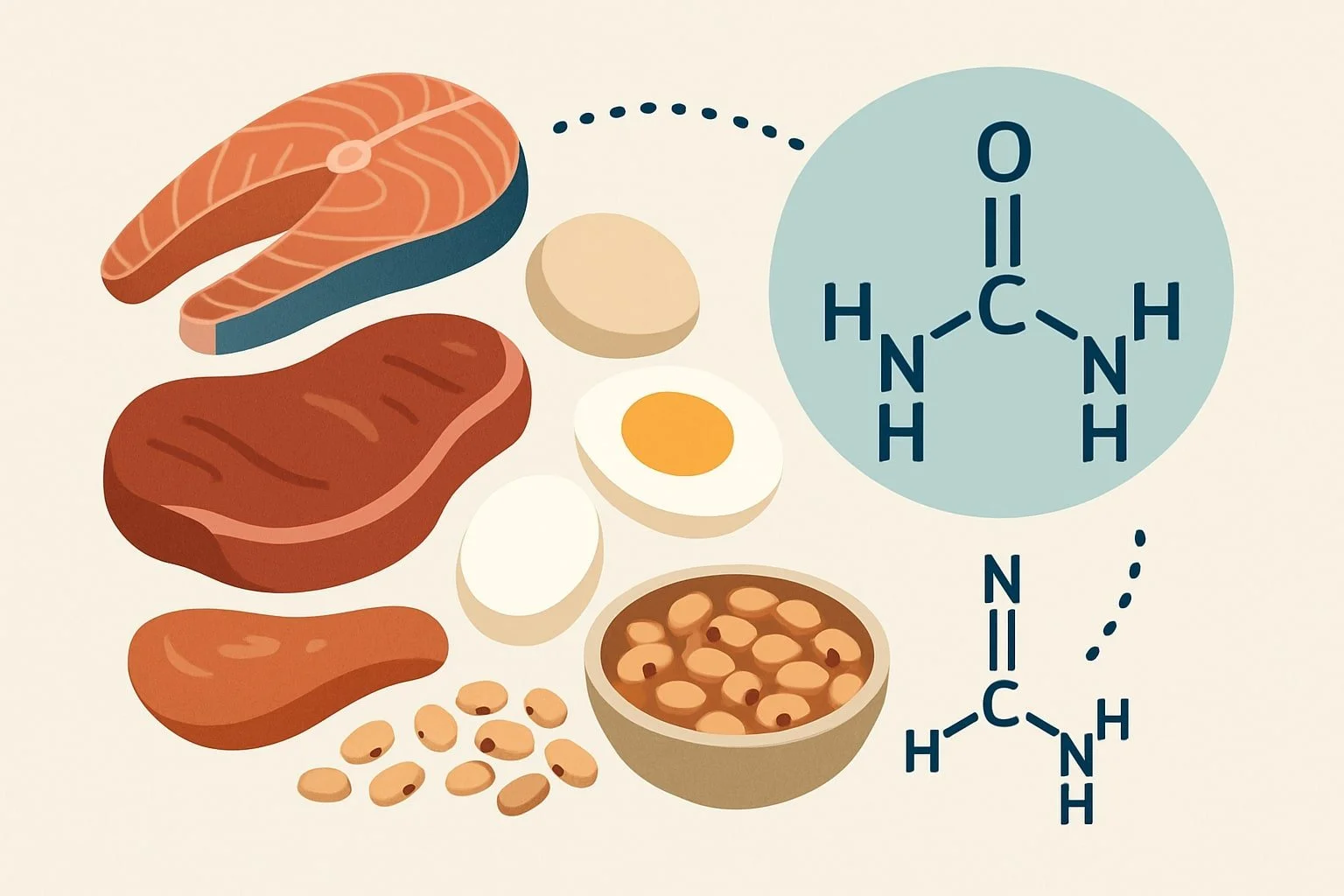
Urea is a major byproduct of protein metabolism, and its levels directly reflect how much protein a person consumes. When dietary protein intake increases, the body breaks down more amino acids, leading to increased urea production, which is then excreted through urine. This process is a normal part of how the body manages excess nitrogen from protein.
People often wonder if high-protein diets put stress on their kidneys or if elevated urea levels are harmful. Research shows that while protein intake does raise urea levels, these changes are generally well-tolerated in healthy individuals. For most people, the body efficiently handles the increased urea that comes with higher protein consumption.
Understanding the relationship between protein intake and urea may help people make informed decisions about their diet. Myths and misconceptions circulate widely, but grounding expectations in facts allows individuals to choose their protein sources and amounts with greater confidence.
Understanding Urea and Protein Metabolism
Urea plays a vital role in removing excess nitrogen from the body, mainly produced during protein metabolism. Protein digestion, absorption, and the conversion of ammonia through the urea cycle are key to maintaining a safe metabolic environment.
What Is Urea?
Urea is a small, non-protein nitrogen compound primarily produced in the liver. It serves as the main end product of protein breakdown and is excreted in urine.
After proteins are digested into amino acids and further metabolized, nitrogen is released as ammonia. The liver quickly converts this ammonia to urea, which is less toxic. Urea comprises about half of the nitrogen found in blood that is not bound to proteins and is a critical marker of kidney function, commonly measured as blood urea nitrogen (BUN).
How the Body Metabolizes Protein
Protein metabolism starts in the stomach and small intestine, where digestive enzymes break proteins down into amino acids.
Table: Key Steps in Protein Metabolism
Step Location Outcome Digestion Stomach/Intestine Proteins → Amino acids Absorption Small intestine Amino acids enter bloodstream Deamination Liver Ammonia produced Urea formation Liver Ammonia → Urea
After absorption, cells use amino acids to build new proteins or for energy production. Excess amino acids are deaminated in the liver, producing ammonia, which is then converted to urea via the urea cycle to prevent toxic buildup.
The Urea Cycle and Ammonia Detoxification
The urea cycle is a series of biochemical steps, mostly in the liver, that converts toxic ammonia into urea.
Main Points:
Ammonia arises from amino acid breakdown.
The liver uses several enzymes to combine ammonia with carbon dioxide, ultimately producing urea.
Urea travels in the blood to the kidneys, where it is filtered out and excreted in urine.
This process prevents ammonia accumulation, which can lead to uremia and neurological symptoms. Disruption of the urea cycle, as seen in some inherited disorders, results in elevated blood ammonia and requires dietary management to reduce protein intake.
The Relationship Between Protein Intake and Urea Levels
Dietary protein directly affects the body’s production of urea. Changes in protein intake are often reflected in blood urea nitrogen (BUN) levels and overall urea excretion.
How Protein Intake Impacts Urea Production
When protein is consumed, the body breaks it down into amino acids for various functions. Any excess amino acids are processed in the liver, converting the nitrogen portion into urea, which is then transported by the blood to the kidneys for excretion.
Higher total protein intake leads to higher rates of urea production and excretion. Studies in both humans and animal models show that as protein intake increases, urea and creatinine production also increases.
The body’s ability to adjust urea excretion based on protein consumption helps maintain nitrogen balance. However, the amount excreted can serve as a marker for recent dietary protein intake.
Blood Urea Nitrogen: What Does It Mean?
Blood urea nitrogen (BUN) is a laboratory measurement that reflects the concentration of urea nitrogen in the blood. Normal BUN levels typically range from about 7–20 mg/dL in adults, though specific values can vary.
BUN levels are influenced by protein intake, kidney function, hydration, and certain medical conditions. An increase in dietary protein often leads to higher BUN levels, as more nitrogen is converted into urea.
Elevated BUN is not always a cause for concern, especially in healthy individuals with high protein consumption. Persistent high BUN, however, may indicate underlying problems like impaired renal function.
Excessive Protein Intake and High Urea Levels
Consuming protein above recommended amounts—such as regularly exceeding 2.0 g/kg of body weight—can result in excessive urea production. For most healthy people, kidneys are able to excrete the extra urea without problems.
Increased urea excretion can be measured with 24-hour urine tests, which may show elevated levels in people with high or excessive protein intakes. Some research links long-term excessive protein diets to accelerated kidney function decline in individuals with pre-existing kidney disease.
Those without kidney problems generally tolerate higher urea levels well, but regular monitoring is important for people at risk of renal dysfunction. A high-protein diet should be approached cautiously, especially for those with known kidney concerns.
Urea, Protein, and Kidney Function
Urea is created in the liver as a byproduct of protein metabolism and excreted in urine by the kidneys. Protein intake directly influences urea production, making kidney health an essential factor in managing urea levels.
Kidney Function and Urea Excretion
The kidneys filter blood, removing urea and other nitrogenous waste produced when the liver breaks down protein. This filtration relies on an effective glomerular filtration rate (GFR), which measures how well the kidneys clean the blood.
A healthy kidney maintains normal urea and creatinine levels by excreting waste efficiently. If kidney function is compromised, urea can accumulate, signaling problems with renal function. Laboratories often use blood urea nitrogen (BUN) tests to assess if kidneys are working properly.
Physicians use changes in GFR and urea concentration to monitor for conditions such as chronic kidney disease (CKD) or acute kidney injury. Early identification of reduced kidney function is essential for timely management.
High-Protein Diets and Kidney Health
A diet high in protein increases urea production, which puts extra demand on the kidneys to eliminate the excess waste. Research shows that as dietary protein intake rises, kidneys respond by increasing filtration rate and excreting more urea.
For individuals with healthy kidney function, there is little evidence that a high-protein diet causes kidney damage. However, nephrologists often caution that prolonged high-protein intake in people at risk for renal dysfunction may accelerate kidney decline.
Key considerations for high-protein diets and kidney health:
Increased urea and GFR: Both rise with higher protein intake
Limited harm in healthy people: No strong evidence of long-term damage
Risks for vulnerable groups: Those with undiagnosed CKD may experience increased stress on renal function
Risks of Elevated Urea in Kidney Disease
In people with chronic kidney disease (CKD) or other forms of kidney dysfunction, the kidneys cannot efficiently excrete urea. Elevated blood urea and BUN levels are common in these patients, often signaling worsening renal disease.
High urea levels can lead to symptoms such as fatigue, nausea, confusion, and appetite loss. In advanced CKD, dietary protein restriction is often recommended to lower urea production and ease the kidneys’ workload.
Close monitoring by a nephrologist is important for anyone with kidney disease. Individualized nutrition plans and regular GFR assessments help reduce risks of further kidney damage. The balance between adequate protein for nutrition and limiting urea accumulation is essential for maintaining health in CKD.
Dietary Guidelines and Protein Recommendations
Protein requirements are not the same for everyone. Factors such as age, sex, activity level, and health status can influence how much protein a person needs to consume each day for optimal nutrient intake.
Recommended Dietary Allowance for Protein
The Recommended Dietary Allowance (RDA) for protein helps guide how much protein is needed for most healthy individuals. According to the 2015-2020 Dietary Guidelines for Americans, the RDA for adults is 0.8 grams of protein per kilogram of body weight per day. This amount is designed to meet the needs of nearly all healthy people and supports essential bodily functions such as muscle maintenance, enzyme production, and hormone regulation.
For most adults, this usually translates to about 46 grams daily for women and 56 grams for men. The National Health and Nutrition Examination Survey (NHANES) data shows that most Americans meet or exceed these recommendations, but some groups like older adults and adolescent females may not reach optimal intake. Protein sources should be varied, including lean meats, dairy, legumes, nuts, and seafood to enhance nutrient density.
Assessing Protein Needs for Individuals
Individual protein needs depend on factors such as age, body weight, health status, and physical activity. Certain life stages increase requirements—for example, growing children, pregnant women, and older adults typically need higher protein intake to support growth, recovery, or to offset age-related muscle loss.
People with specific medical conditions, such as urea cycle disorders, may need tailored guidelines that limit total protein intake to avoid metabolic complications. Registered dietitians often use dietary recall tools and consider nutrient density from different foods when estimating optimal intake for each person. A person's daily protein intake should balance adequate nutrition with any medical or metabolic restrictions they may have.
Choosing Protein Sources for Optimal Health
Selecting appropriate protein sources is essential for meeting the body's amino acid needs, supporting muscle maintenance, and promoting metabolic health. Different foods contribute unique nutrients, flavors, and effects on health, making it beneficial to include a range of options in the diet.
Animal-Based Proteins
Animal-based proteins such as poultry, fish, eggs, and red meat are considered complete proteins because they contain all nine essential amino acids. These sources often provide high-quality protein in substantial amounts per serving, supporting muscle growth and repair.
Red meat offers iron, zinc, and B vitamins but is higher in saturated fat compared to leaner animals like fish or chicken. Fish supplies omega-3 fatty acids, which can help support heart health. When including animal proteins, choosing lean cuts and moderate portions can maximize benefits while limiting excess saturated fat and cholesterol intake.
Cooking methods matter; baking, grilling, and steaming are healthier than deep-frying. For those with kidney concerns or at risk for heart disease, balancing animal protein with plant proteins may be recommended.
Plant-Based Proteins
Plant-based proteins include legumes (beans, lentils, peas), tofu, tempeh, and certain vegetables like kale, spinach, and cabbage. While not all are complete proteins, combining two or more such as beans and rice creates a full amino acid profile.
High-protein plant foods are typically rich in fiber, antioxidants, and phytonutrients. This makes them advantageous for digestive and long-term health. Soy products like tofu and tempeh also stand out for being high in protein and offering all essential amino acids.
Leafy greens (e.g., kale and spinach) and vegetables like cabbage or watermelon contribute smaller amounts of protein. However, their micronutrients and fiber add important diversity to the diet. Prioritizing a broad range of plant proteins can help individuals reduce saturated fat and achieve balanced nutrition.
Dairy Products, Nuts, and Seeds
Dairy products such as milk, yogurt, cheese, and whey protein are complete protein sources and also deliver calcium and probiotics. Whey protein is often used in supplementation for athletes or those needing efficient, high-quality protein.
Nuts and seeds—including almonds, sunflower seeds, chia seeds, and flaxseeds—are nutrient-dense and provide both protein and healthy fats. These foods are linked to improved cardiovascular health when eaten in reasonable amounts. Though nuts and seeds do not generally contain all essential amino acids, their protein quality is enhanced when consumed alongside other protein sources.
Incorporating dairy, nuts, and seeds can support bone and heart health while adding variety and texture to meals. Opt for unsweetened and low-sodium versions, and be mindful of portion sizes, especially with calorie-dense nuts and full-fat dairy products.
Health Risks and Considerations Linked to Protein and Urea
High protein intake can affect the body's urea levels, impacting kidney health and hydration. Excessive dietary protein may also influence heart health and blood pressure, particularly if the source is animal-based protein.
Kidney Stones and Protein Intake
Eating a lot of protein, especially from animal sources, can increase urea production and the amount of certain waste products excreted by the kidneys. Elevated urea and uric acid levels may lead to a greater risk of kidney stone formation.
Animal protein raises calcium excretion in urine, creating an environment where kidney stones are more likely to develop. People with a history of stones or reduced kidney function should monitor protein intake and consult a healthcare provider for tailored recommendations.
A high-protein diet increases the kidneys' workload as they filter byproducts like urea and uric acid. This may not pose immediate risks for healthy kidneys, but can potentially accelerate problems in those with existing kidney issues.
Hydration and Dehydration Effects
Protein metabolism generates urea, which is eliminated through the urine. Increased protein intake means more urea must be excreted, resulting in greater water loss by the kidneys.
Adequate hydration is essential when consuming high-protein diets. If fluid intake does not match increased urinary output, dehydration can develop. Signs of dehydration include headaches, dark urine, and dizziness.
Athletes or those following high-protein regimens should make sure to drink enough water throughout the day. Proper hydration supports kidney function and helps maintain electrolyte balance, reducing the risk of complications.
Blood Pressure and Heart Health
Red and processed meats, common sources of dietary protein, often contain high levels of saturated fat and sodium. These components may negatively affect blood pressure and increase the risk of cardiovascular problems.
Replacing some animal proteins with plant-based alternatives can help lower saturated fat intake and may support better heart health. Some research links high animal protein consumption to increased inflammation markers and higher blood pressure.
Individuals with hypertension or heart disease should monitor both the type and amount of protein in their diets. Prioritizing lean proteins and plant-based sources may offer cardiovascular benefits and help manage risk factors like high blood pressure.
Balancing Protein Intake: Practical Dietary Strategies
Balancing protein intake is essential for maintaining metabolic health, supporting muscle function, and managing certain medical conditions. Choosing the right dietary approach depends on individual goals, health status, and preferences.
Low-Protein and Protein-Restricted Diets
A low-protein or protein-restricted diet is commonly used for individuals with impaired kidney function or urea cycle disorders. By limiting protein to recommended guidelines, the body produces less urea, reducing strain on the kidneys and improving metabolic stability.
Typical dietary strategies limit daily protein to 0.6–0.8 g per kilogram of body weight, focusing on the inclusion of high-quality protein sources such as eggs, dairy, and lean meats in controlled amounts. A balanced diet remains important—adequate intake of calories from carbohydrates and fats prevents muscle loss and malnutrition.
Key considerations:
Monitor portion sizes closely
Select nutrient-dense, low-protein foods
Work with a registered dietitian for individualized planning
Building Muscle Mass and Resistance Training
For individuals focused on muscle growth and strength, protein needs are higher. Regular resistance training increases muscle protein synthesis, making dietary intake important for recovery and hypertrophy. The recommended protein intake often ranges from 1.2 to 2.2 g per kilogram of body weight per day, depending on activity levels and training intensity.
Consuming protein soon after exercise—especially 20–40 g of high-quality protein—can optimize muscle repair. Both plant and animal protein sources provide benefits; a mix may help meet amino acid requirements. Spacing protein evenly across meals supports muscle protein synthesis throughout the day.
Checklist for muscle building:
Eat adequate calories to support workouts
Combine resistance training with protein-rich meals
Include lean meats, dairy, legumes, tofu, nuts, and whole grains
Dietary Choices for Special Populations
Certain groups require careful attention to protein intake and dietary choices. Individuals with urea cycle disorders, chronic kidney disease, or metabolic conditions may benefit from protein restriction under medical supervision. Children, pregnant women, older adults, and athletes each have specific needs relating to growth, development, or performance.
In cases of weight management or weight loss, moderate protein intake can help preserve muscle mass during caloric deficits. Older adults should ensure sufficient protein—often 1.0–1.2 g/kg—to reduce age-related muscle loss and support daily function.
Table: Special Populations and Protein Needs
Population Recommended Protein Intake Key Considerations Chronic kidney disease 0.6–0.8 g/kg Limit excess protein, monitor kidney function Older adults 1.0–1.2 g/kg Prevent muscle loss Athletes 1.2–2.2 g/kg Support muscle recovery Weight management 1.0–1.5 g/kg Preserve lean mass
Dietary choices should be tailored to both medical needs and personal preferences, with input from healthcare professionals when conditions affect protein metabolism.
Nutritional and Lifestyle Factors Influencing Protein and Urea
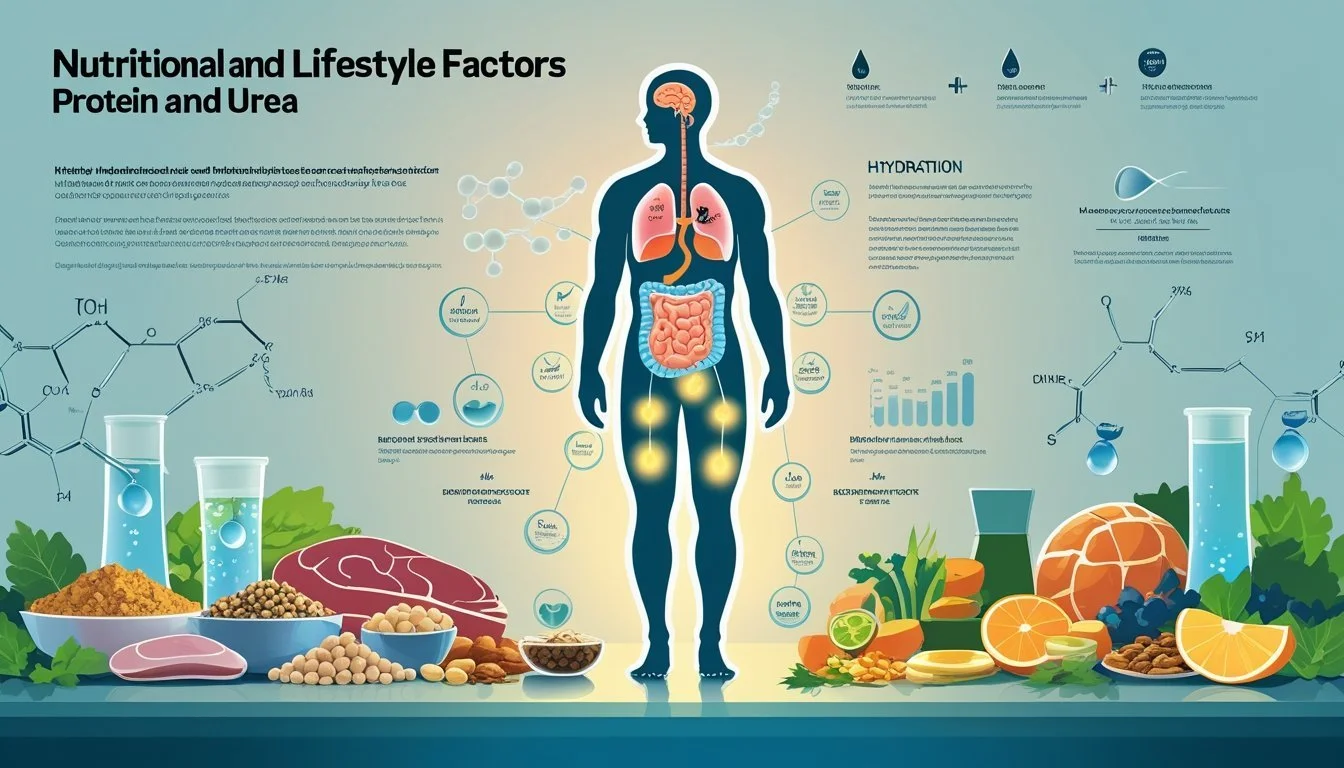
When dietary protein increases, urea production and excretion through the kidneys usually rise as well. However, other nutritional and lifestyle choices—such as the type of fat consumed, hydration habits, and micronutrient intake—can have significant effects on protein metabolism and kidney health.
Saturated Fats and Overall Diet Quality
A diet high in saturated fats, often found in red meats and processed foods, may interact negatively with increased protein intake. This combination can increase cardiovascular risk factors, including elevated cholesterol levels and inflammatory markers.
Research suggests that diets richer in unsaturated fats, whole grains, and vegetables—such as the Mediterranean diet—can help offset some concerns about high protein intake. These patterns provide antioxidants and phytochemicals, which may help protect kidney and cardiovascular health.
Dietary patterns that combine high protein with high saturated fat may place extra strain on renal function. It's advisable to prioritize lean protein sources such as fish, poultry, legumes, and low-fat dairy.
Fat Type Example Foods Health Consideration Saturated Fats Sausages, butter, beef May worsen heart/liver stress Unsaturated Fats Olive oil, nuts Can reduce inflammation
Alcohol, Herbal Teas, and Hydration
Alcohol consumption can increase serum urea levels by causing dehydration and impairing kidney function. Even moderate alcohol use may affect how efficiently the body excretes urea, especially when paired with high protein intake.
Proper hydration supports kidney filtration and urea elimination. Drinking sufficient water helps the kidneys handle the increased nitrogen load from protein-rich diets.
Some herbal teas—such as green tea and hibiscus—provide antioxidants and may help improve vascular health. However, certain herbal products contain compounds that can strain the kidneys or interact with medications. It is important to choose herbal drinks wisely and discuss them with a healthcare provider if there are any kidney concerns.
Potassium and Bone Health Considerations
Potassium-rich foods (bananas, potatoes, leafy greens) support cellular function and may offset some acid load from high-protein diets. Adequate potassium intake is linked with a lower risk of hypertension and may also be beneficial for kidney health.
There are epidemiological studies suggesting that high animal protein without enough fruits and vegetables may have a negative impact on bone health. This could be due to increased calcium excretion in the urine and the body’s need to maintain acid-base balance.
A balanced intake of potassium and plant-based foods can help protect both bone and renal health. Diets emphasizing vegetables, fruits, and nuts not only provide potassium but also beneficial antioxidants and fiber.
Monitoring and Managing Urea and Protein Metabolism
Urea and protein metabolism are closely linked to kidney health and overall metabolic balance. Monitoring key biomarkers helps detect issues early and guides dietary and medical management.
Regular Blood Tests for Urea, Creatinine, and BUN
Routine blood tests are essential for tracking urea, blood urea nitrogen (BUN), and creatinine levels. These measurements help assess how well the kidneys are filtering waste products from protein metabolism.
Typical reference ranges for adult blood urea nitrogen are 7–20 mg/dL, and for creatinine, 0.6–1.3 mg/dL. Levels outside these ranges may indicate impaired kidney function, dehydration, or excessive protein intake. Patterns in these markers, rather than a single reading, provide more insight into metabolic and renal status.
Consistent elevations in BUN and creatinine suggest reduced kidney clearance capacity. It is important to retest if results are abnormal and to evaluate dietary protein sources if persistent imbalances are detected.
Understanding GFR and Renal Monitoring
The glomerular filtration rate (GFR) estimates how efficiently the kidneys are filtering waste, including urea and creatinine, from the bloodstream. GFR is typically calculated using creatinine measurements, age, sex, and sometimes race.
A GFR above 90 mL/min/1.73m² is considered normal. Values below 60 mL/min/1.73m² for three months or longer suggest chronic kidney disease. Changes in GFR may precede more obvious health symptoms.
Monitoring GFR along with urea and creatinine levels offers a comprehensive picture of renal function. Early detection of GFR decline allows healthcare providers to adjust protein intake and prescribe treatments to slow progression of kidney damage.

