
The Ultimate Carnivore Diet Weight Loss Guide: My 30-Day Meal Plan and Results (Part 1)
Embarking on a carnivore diet can be an effective approach for weight loss when implemented with intention and structure. This dietary journey involves strategic meal planning and listening to your body's needs. For those curious about how this lifestyle works in practice, seeing real-world examples provides valuable insight into the day-to-day realities of carnivore eating.
When pursuing weight loss on a carnivore diet, meal frequency often decreases while the focus shifts to nutrient-dense animal proteins. The balance between fasting and feasting becomes crucial, allowing practitioners to enjoy occasional indulgences at places like Brazilian steakhouses without derailing progress. Family dynamics also play a role, as children can adapt to modified versions of this protein-centered approach while maintaining their nutritional needs.
Key Takeaways
The carnivore diet can support weight loss goals through strategic meal timing and protein selection.
Intermittent fasting complements carnivore eating by creating metabolic flexibility and hunger regulation.
Adapting meals to include various animal proteins provides sustainable satisfaction while maintaining weight loss progress.
Carnivore Diet For Weight Loss

Weight Management Goals
The carnivore diet can be adapted to various fitness objectives, including weight loss. When focusing on weight reduction rather than maintenance, significant adjustments must be made to meal frequency, portion sizes, and food choices. The approach differs substantially from a maintenance-focused carnivore regimen, particularly when exercise levels decrease. These adaptations create the caloric deficit necessary for sustainable weight loss.
Implementing intermittent fasting often complements a weight-loss carnivore diet effectively. Many practitioners find success with a 48-hour fasting protocol, consuming only water and electrolytes during this period. This strategy helps manage hunger signals and creates natural caloric deficits without constant food restriction.
Effective Weight Loss Strategies
When implementing the carnivore diet for weight reduction, several practical approaches can enhance results. Replacing one high-calorie protein source with a leaner option (such as substituting a second steak with shrimp) while maintaining satisfaction through added fats like butter creates a more sustainable caloric deficit. This modification allows for volume eating while reducing overall energy intake.
Food selection plays a crucial role in successful weight management. Options include:
Protein Selections:
Ribeye steaks
Beef short ribs
Skirt/flat steaks
Chicken wings
Grilled shrimp
Eggs and bacon
Complementary Items:
Butter (for added fat and flavor)
Limited cheese (best minimized for weight loss)
Occasional sour cream
Balancing fasting and feasting cycles creates flexibility within the weight loss journey. This approach allows for occasional higher-calorie meals (like at a Brazilian steakhouse) following a fasting period without derailing progress. Many find this rhythm helps sustain the approach long-term while steadily moving toward weight goals.
My Weekly Eating Patterns
Planning Meals and Fasting Periods
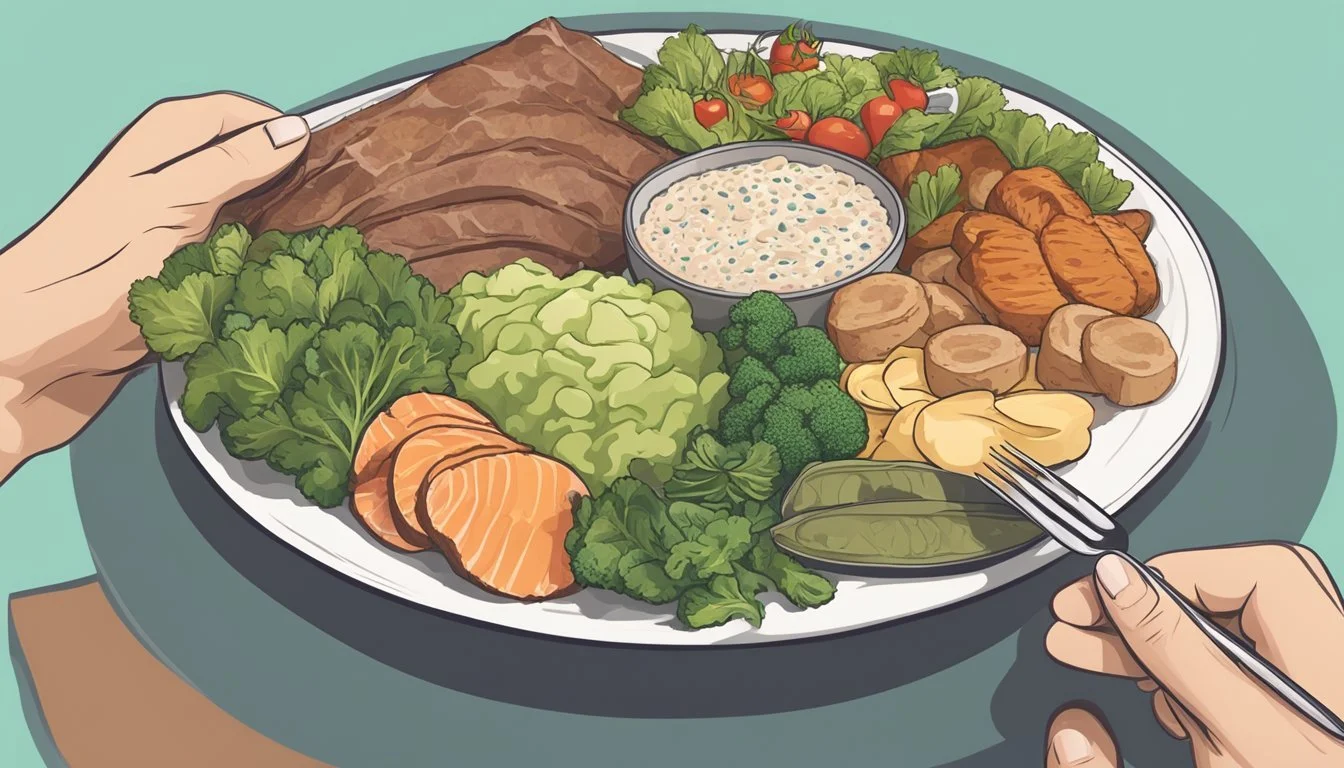
The current approach involves cycling between feasting and fasting to facilitate weight loss on a carnivore diet. Most days feature one substantial meat-centered meal, which provides adequate calories while allowing for extended fasting periods. The fasting schedule typically includes regular 48-hour fasts, which help create calorie deficits for weight loss. When not fasting, meals often consist of fatty cuts like ribeye steaks or beef short ribs, sometimes supplemented with leaner options like shrimp or eggs for variety.
During eating windows, portion control becomes important. Rather than consuming two steaks, a typical weight-loss meal might include one steak with leaner protein additions. For example, a one-pound ribeye might be paired with half a pound of shrimp, or a single large steak might be accompanied by a fried egg. Butter is frequently added to increase fat content and enhance flavor.
Adaptability to Stress and Hunger
The eating schedule remains flexible to accommodate physical and emotional needs. When stress levels rise, the planned fasting periods may be adjusted or shortened. For instance, during particularly stressful workdays, a simple meal of bacon and eggs might replace a scheduled fast to prevent anxiety-induced snacking on less optimal foods.
Hunger signals are also respected rather than rigidly following a preset schedule. After smaller meals like bacon and eggs, hunger often returns more quickly than after larger, fattier meals. This natural feedback helps guide meal timing and composition.
Special occasions, like dining at a Brazilian steakhouse, are integrated into the approach by timing them to break longer fasts. This strategic timing allows for enjoying larger meals without disrupting overall weight loss progress. However, for those new to extended fasting, breaking a fast with smaller portions is recommended before attempting larger meals.
Daily Meals for Weight Loss with Carnivore Diet
Starting with Short Ribs
I began my weight loss journey with beef cross-cut short ribs, which are harder to find in regular grocery stores. These delicious cuts feature small circular bones surrounded by fatty beef. After grilling three pounds of ribs on a hot grill to get a nice char while keeping the inside tender, I ended up consuming about two pounds (minus the bones).
There's certainly no elegant way to eat these ribs, but that's part of the enjoyment. The meal was incredibly satisfying and filling.
Incorporating Halloumi Cheese
While not ideal for weight loss goals, halloumi cheese needed to be removed from the house, so I fried some in butter. This cheese contributed to previous weight gain due to overconsumption.
The combination of fatty short ribs and halloumi cheese made for a high-calorie meal, which led to a decision to follow this with a 48-hour fast.
Bacon and Eggs When Needed
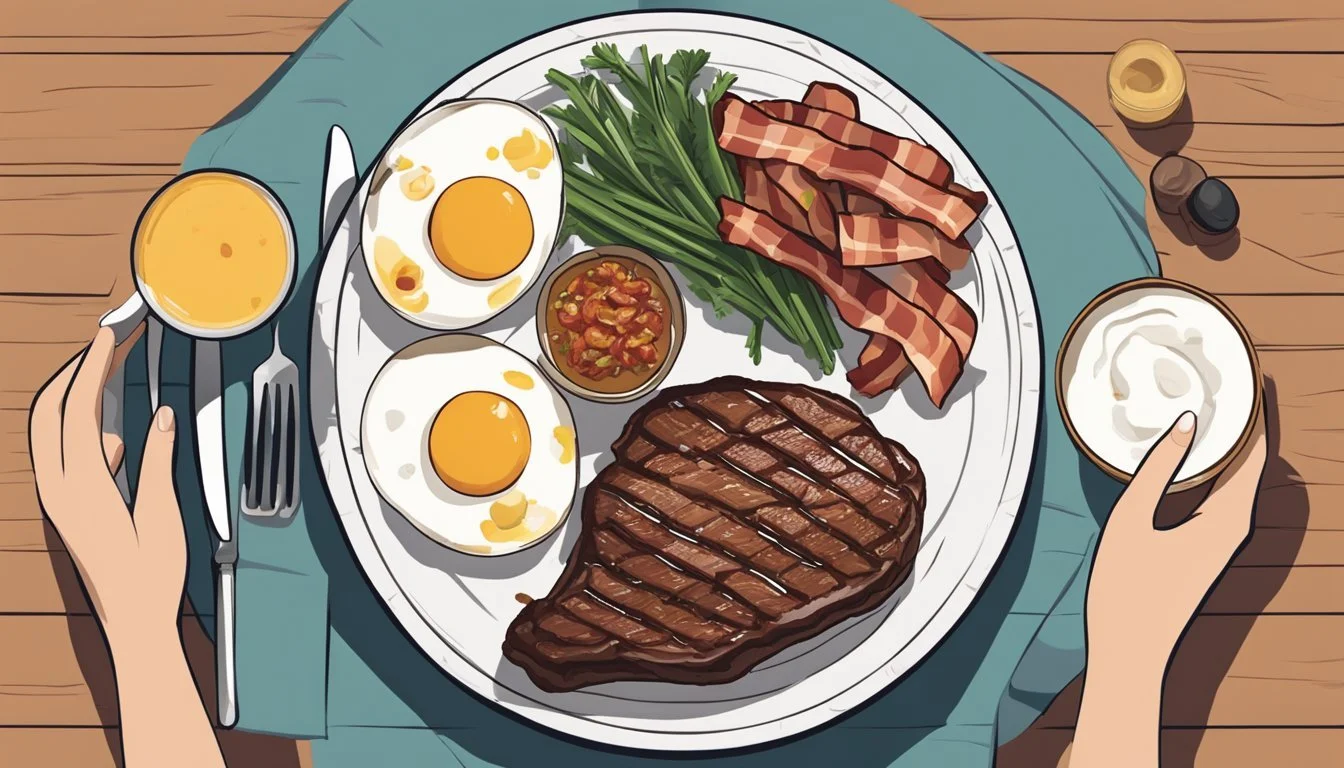
Despite planning a 48-hour fast, stress and anxiety prompted a change in strategy. Instead of potentially snacking on unhealthy options, a simple meal of bacon and eggs provided a better alternative.
The meal consisted of:
Several strips of bacon
Eggs cooked in butter and bacon grease
This smaller meal highlighted an important point: bacon and eggs, while satisfying, don't provide enough calories for sustained energy when practicing one meal a day.
Rib Eye and Shrimp Combination
For weight loss, replacing two steaks with one steak plus leaner protein works effectively. A one-pound ribeye from the smoker (finished with a sear) paired with half a pound of jumbo grilled shrimp created a perfect balance.
Adding butter to the shrimp compensates for their leanness while maintaining reasonable calories. This combination proved both satisfying and aligned with weight loss goals.
Chicken Wings and Flat Meat
Another satisfying meal consisted of about a pound of flat meat (similar to skirt steak) and smoked chicken wings. The flat meat pairs well with a small amount of shredded cheese and sour cream, giving it a fajita-like quality.
The wings require minimal seasoning—just salt works perfectly, though sour cream can be added for extra flavor. While other family members might use sugar-free barbecue sauce or low-carb wing sauce, keeping it simpler supports cleaner eating for weight loss.
This type of meal can be followed by another 48-hour fast, especially when spending time away from home helps avoid the temptation to snack.
Family Food Strategies
Children's Meat-Focused Meal Options
Children can enjoy a variety of animal-based foods as part of their meal plan. When crafting meals for little ones, balance and enjoyment are key factors to consider.
Children often appreciate simple, recognizable foods. My children have shown preferences for particular meat options that combine taste and nutrition. During a recent mealtime, they selected from several protein-rich choices.
Sample Children's Meal Selections:
Child Main Protein Sides Additional Items Child 1 Chicken wing, butcher sausage Green beans Cup of shredded cheese Child 2 Burger, chicken tip Zucchini Shredded cheese
These meals demonstrate how children can enjoy animal proteins while incorporating some vegetables and dairy. The portions are appropriate for younger appetites while providing necessary nutrients.
For families who enjoy dining out together, Brazilian steakhouses can be an excellent option. These restaurants offer a wide variety of meats that appeal to both adults and children, allowing each family member to select options according to their preferences.
When preparing sauces for children's meals, options include:
Salt-only seasoning
Sugar-free barbecue sauce
Low-carb wing sauces
Sour cream as a dipping option
The choice of seasonings depends on individual health goals and taste preferences. Children often appreciate having some control over their food selections, which can make mealtime more enjoyable for everyone involved.
Fasting Experiences
Office Fasting with Electrolytes
During weight loss journeys, strategic fasting can be an effective tool. Many individuals find that fasting at the office rather than at home helps avoid the constant temptation of passing by the refrigerator. A typical approach involves implementing 48-hour fasts with proper electrolyte support. While plain water with a pinch of salt and potassium chloride (often branded as "No Salt") provides basic electrolyte balance, some people experiment with flavored electrolyte supplements.
Flavored electrolyte products may cause initial stomach discomfort, especially for those unaccustomed to strong flavors despite the absence of artificial sweeteners. Unflavored versions might be more suitable for sensitive individuals. Maintaining proper electrolyte intake during fasting periods helps manage energy levels and reduce common fasting symptoms.
Balancing Fasting with Feasting
The concept of alternating between fasting and feasting can create sustainable patterns for weight management. This approach allows for occasional indulgent meals without compromising overall weight loss progress. Brazilian steakhouses and similar all-you-can-eat establishments can be incorporated into this strategy, particularly after completing a fasting period.
Breaking a Fast - Guidelines:
For beginners: Start with smaller portions of protein
Experienced fasters: Can handle larger meals after adaptation
Common options:
Simple steak meal
Bone broth (for sensitive digestive systems)
Fried eggs (personal preference varies)
It's worth noting that breaking a 48-hour fast with an all-you-can-eat meat buffet works well for experienced fasters but isn't recommended for newcomers to fasting. The body adapts over time to processing larger meals after fasting periods, making this balance between restriction and satisfaction sustainable for many.
Personal Reflections
My Carnivore Journey
The carnivore diet has proven to be an effective approach for weight loss when implemented with strategic eating patterns. Balancing periods of fasting with nutrient-dense, protein-rich meals has created a sustainable framework for achieving weight management goals.
Adapting meal frequency and portion sizes has been crucial to success. While maintaining weight might allow for multiple meals daily, weight loss efforts benefit from a more concentrated eating window—often one meal a day provides optimal results. This approach naturally reduces overall caloric intake while maintaining satiety.
Food selection plays a significant role in the journey. Ribeye steaks, beef short ribs, and chicken wings provide satisfying options, while incorporating leaner proteins like shrimp helps create balance. Adding healthy fats through butter enhances flavor and satiety without compromising weight loss goals.
Fasting has become a powerful tool in this approach. The 48-hour fasts, supported by proper electrolyte intake, create metabolic flexibility and enhance the body's ability to utilize stored energy. This fasting-feasting balance allows for occasional indulgences at places like Brazilian steakhouses without derailing progress.
The mental component cannot be overlooked. Stress and emotional factors sometimes necessitate adjusting plans—switching from a planned fast to a controlled meal of bacon and eggs represents the kind of flexibility that ensures long-term sustainability rather than perfectionism.

