Guide to Food Co-Ops in Costa Mesa, CA
Your Local Shopping Solution

Costa Mesa, California, is a vibrant community that places a strong emphasis on local, sustainable food sources. One of the cornerstones of this health-conscious city is its range of food cooperatives and farmer's markets. Food co-ops in the area notably offer consumers access to organic products, fresh produce, and artisanal goods, often sourced directly from local farms and producers. These co-ops are not just retail outlets; they operate on principles of community ownership and shared benefits, fostering a closer connection between consumers and their food sources.
Residents and visitors alike can explore a variety of food co-ops in Costa Mesa, indicative of a larger movement towards supporting sustainable agriculture and the local economy. For instance, venues like the Fermentation Farm offer more than just grocery items—they often emphasize education about the benefits of fermented foods and other healthful products. These co-ops are integral to the community, providing a platform for local farmers and artisans to reach a wider audience and engage directly with their customers.
In addition to the co-ops, the popularity of weekly farmer's markets, such as the ones at Huntington Beach, contributes to the city's reputation as a hub for fresh and locally sourced food. These markets often feature seasonal specialties, organic fruits and vegetables, and free-range animal products, reflecting Costa Mesa's commitment to quality and sustainability. While each food cooperative or farmer's market has its unique charm, they all share the goal of nurturing a healthier, more connected community through good food.
What Is a Food Co-Op?
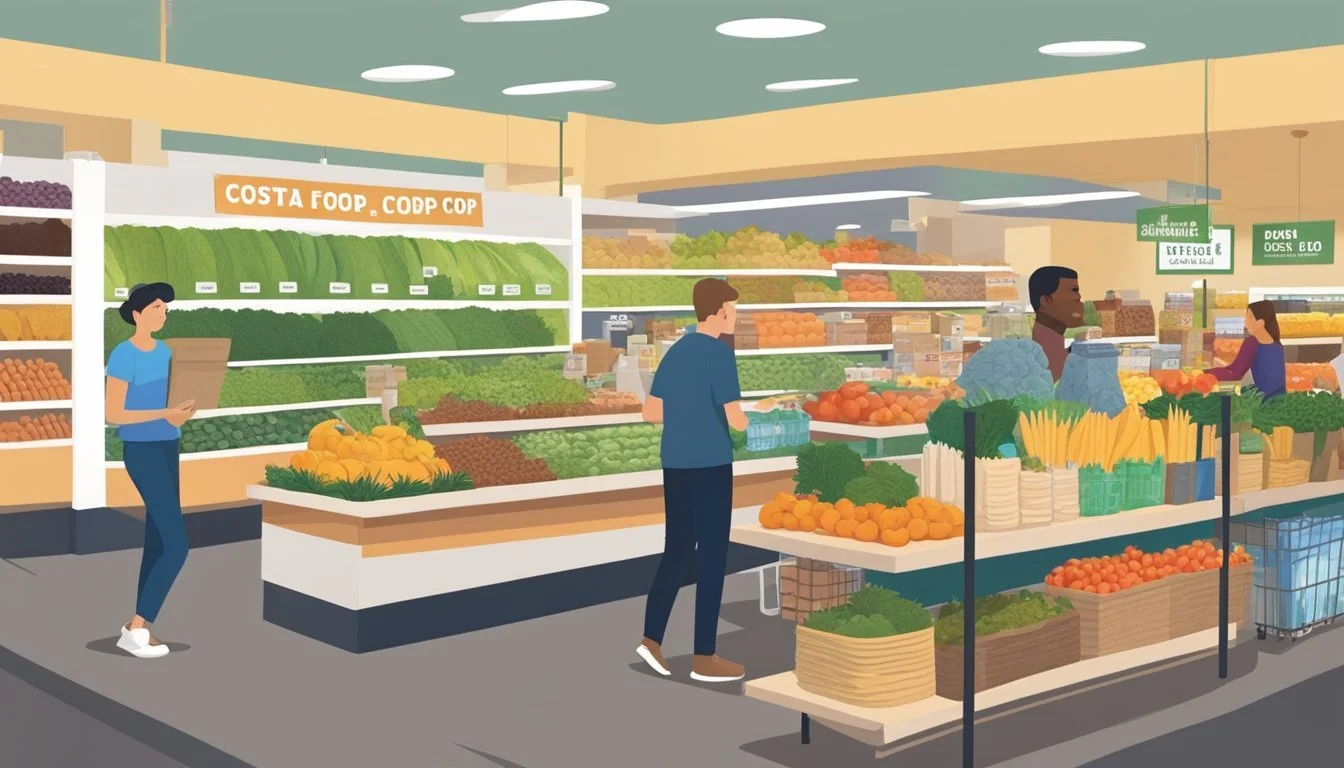
Food cooperatives offer a distinctive shopping experience firmly rooted in community involvement and informed by democratic principles.
Definition and Principles
Food co-ops, or cooperatives, are grocery stores owned and governed by members who often participate in decision-making processes. Members usually buy a share to join, and they have the advantage of influencing product selection, business practices, and other crucial aspects of the operation. Cooperatives operate on a democratic model, meaning each member has one vote, ensuring equal power distribution. They emphasize transparency and aim to serve their members rather than maximizing profits. Two pervasive principles in food co-ops are the commitment to community well-being and a focus on sustainability.
Types of Food Co-Ops
Food cooperatives can generally be categorized into two main types:
Consumer Co-Ops: Owned by individual shoppers who opt to become members. They benefit from discounts and have a say in the governance of the store.
Worker Co-Ops: Owned and self-managed by the workers. They partake in both the gains and responsibilities of the business.
Pros include a more personalized shopping experience and potential cost savings for members. Cons may entail a higher upfront cost to join and the need for active participation in cooperative governance for success. Each type of co-op reinforces community bonds and provides a platform for education and engagement on food issues.
Benefits of Joining a Food Co-Op
When considering joining a food co-op in Costa Mesa, CA, prospective members can anticipate several tangible benefits. These advantages range from the economic to enhancing sustainability and supporting the local community.
Economic Advantages
Joining a food co-op often results in economic benefits for members. Co-ops generally provide an array of groceries at competitive prices. Moreover, members may receive discounts on produce and other items as part of member-only deals. Investment in a co-op can also mean sharing in profits through patronage dividends, fostering a sense of ownership and direct benefit from the cooperative's success.
Quality and Sustainability
Food co-ops in Costa Mesa prioritize quality and sustainability. They are likely to offer an assortment of organic and locally-sourced groceries, including fruits and vegetables. By emphasizing sustainable methods, these co-ops ensure that their inventory supports not only the health of consumers but also the environment. This business model is designed to provide nourishment that is as beneficial to the earth as it is to the human body.
Community Impact
Food co-ops have a unique role in bolstering the local economy and social fabric. They support small businesses by sourcing goods locally, thereby channeling income back to the community. Additionally, co-ops are known to engage in practices that benefit their workforce, including offering reasonable wages and benefits. These actions collectively strengthen the economic and social networks within Costa Mesa, making co-ops a vehicle for positive community impact.
Challenges and Considerations
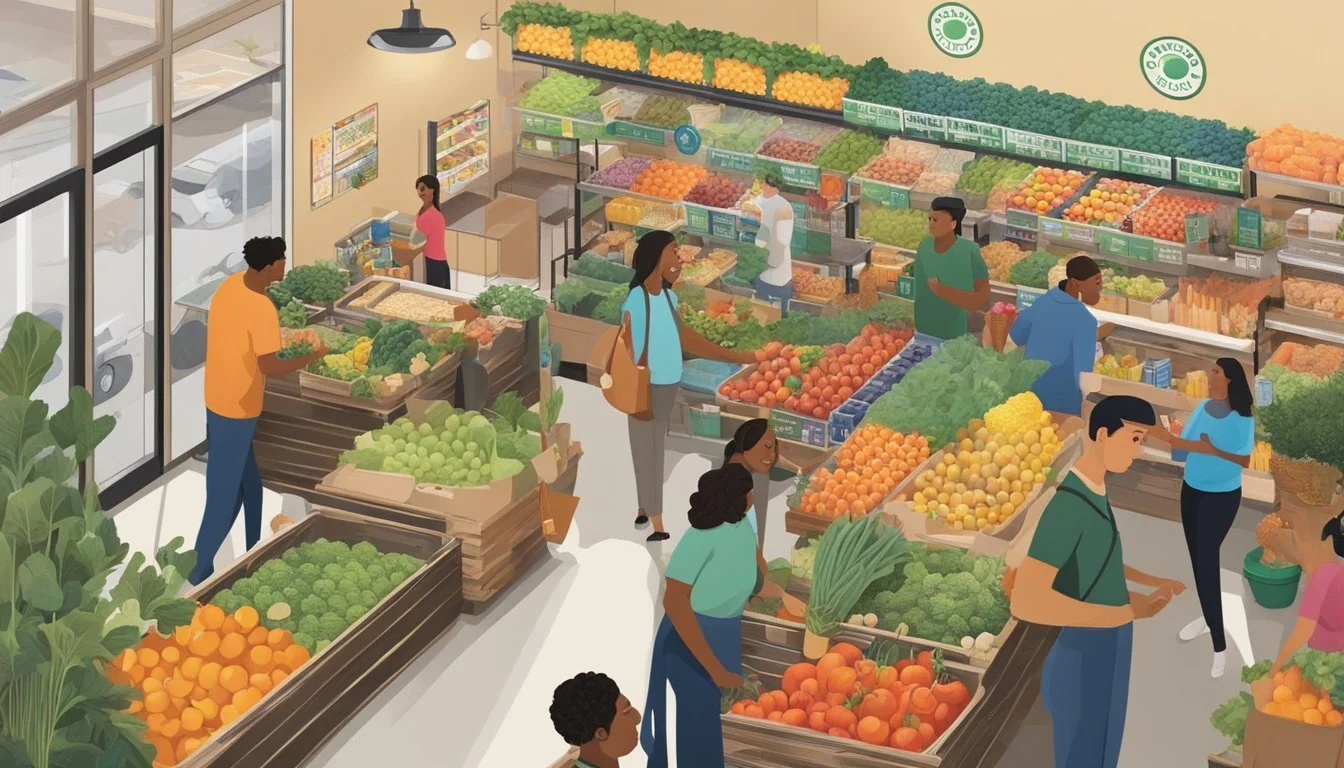
In Costa Mesa, CA, food co-ops face a variety of challenges and considerations that affect their operation and sustainability. These factors range from competitive market pressures to the practicalities of running a cooperative enterprise efficiently.
Market Competition
Food co-ops in Costa Mesa operate in a competitive environment where they contend with various food outlets including farmers' markets, traditional grocery stores, and specialty food shops. As markets evolve, these co-ops must differentiate themselves to maintain a steady customer base. They must ensure product quality stands out, as discerning consumers have abundant choices for their food purchases. Marketing efforts often focus on promoting unique product offerings and the benefits of supporting local economies.
Operational Overheads
Operating a food co-op comes with significant overhead costs. Rent, utilities, employee wages, and inventory management are constant concerns. Food co-ops typically seek to prioritize fair pay and sustainable practices, which can lead to higher operational costs compared to traditional grocers. They must balance these ethical standards with the need to remain fiscally viable in a market trend that favors lower costs.
Scale and Efficiency
Efficiency and scale are pivotal for the survival of food co-ops amidst the vibrant competition in Costa Mesa’s food industry. Smaller co-ops may struggle to compete on price with larger stores due to a lack of buying power. They need to achieve economies of scale through collaboration and strategic partnerships without compromising their autonomy or the quality of their offerings. Maintaining efficiency in operations, from supply chain management to inventory turnover, is crucial in reducing waste and improving profitability.
Starting a Food Co-Op in Costa Mesa
Starting a food co-op in Costa Mesa requires a sound understanding of local regulations and a robust financial strategy. Securing an appropriate property and complying with zoning laws lay the foundation, while fundraising and financial planning ensure the co-op's sustainability.
Legal and Zoning Requirements
In Costa Mesa, a food co-op organizer must identify a property that complies with applicable zoning laws. The city's planning department oversees these regulations, which dictate where retail establishments can operate. It is vital to consult with local authorities early in the planning stage to navigate any special permits needed or restrictions. Additionally, one is advised to acquire legal counsel to assist with incorporating the business as a 501(c)(3) nonprofit, which may provide benefits such as tax deductions and down payment assistance through various programs.
Fundraising and Financial Planning
To establish a food co-op, a comprehensive budget must be developed. This includes an initial down payment for the property and operating costs. Fundraising strategies might involve community-based crowdfunding campaigns, membership fees, and seeking donations from supporters who understand the co-op's value to the community. Financial planning should also incorporate ongoing costs such as employee wages, insurance, and inventory supply. Effective financial planning and transparent management practices are crucial for the long-term stability and growth of a food co-op in Costa Mesa.
Running a Food Co-Op
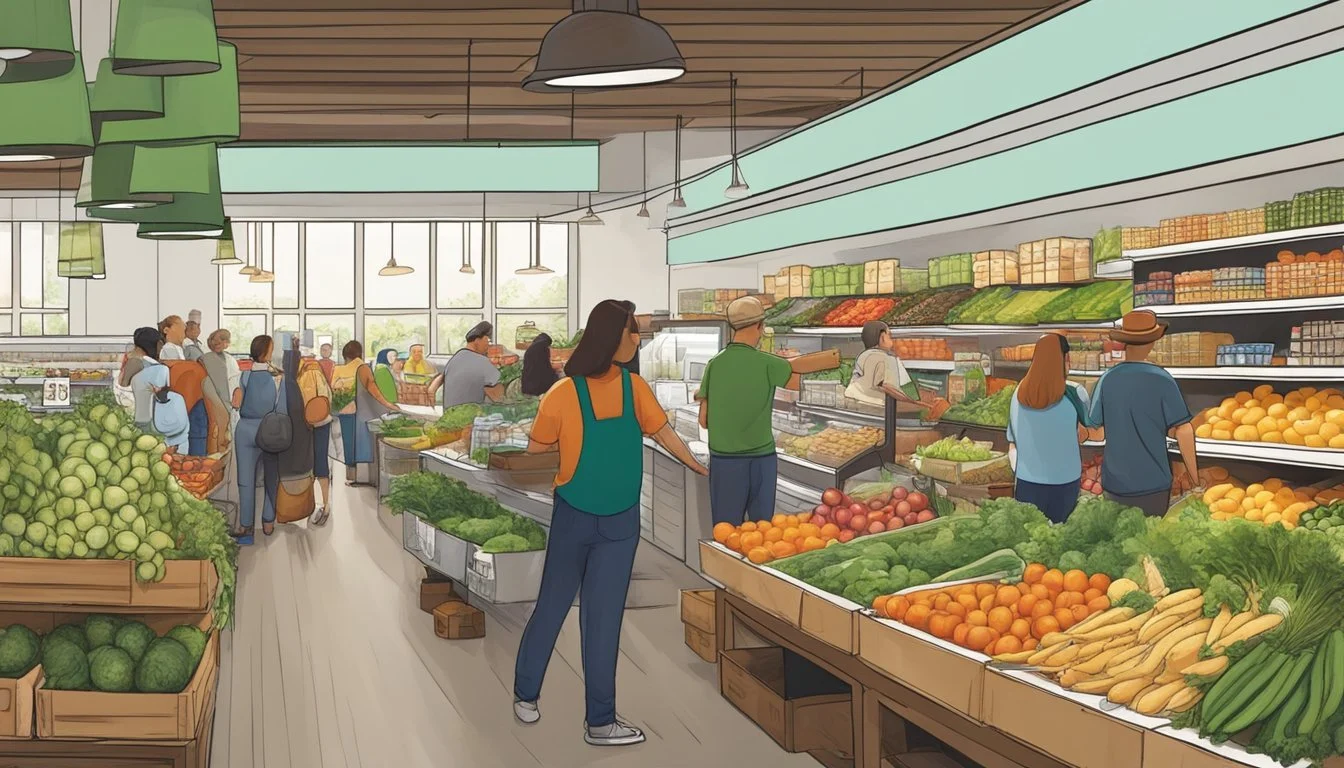
When running a food co-op in Costa Mesa, CA, one must focus on efficient management, maintaining a robust inventory, and ensuring effective outreach to its member base. Utilizing the internet effectively is critical in streamlining operations and engaging with the community.
Management and Staffing
A food co-op requires a dedicated team to oversee its operations. This involves selecting a knowledgeable management staff capable of handling daily routines and making key decisions. Staff members are typically responsible for various roles, from managing finances to organizing volunteer schedules. Members play a vital role in electing this management and often contribute to the workforce of the co-op.
Inventory and Supply Chain
Ensuring a steady supply of products is crucial for a food co-op's success. Inventory management involves coordinating with local producers and suppliers to stock a diverse range of fresh and high-quality goods. Reliable internet plans are essential for managing the supply chain effectively, enabling real-time communication with vendors and tracking inventory levels.
Marketing and Member Outreach
Marketing strategies for a food co-op must focus on member engagement and attracting new customers. The co-op can leverage social media and their internet presence, such as a well-maintained website, to keep members informed and involved. Activities such as newsletters, member-only events, and outreach programs can help maintain a strong relationship with the current member base and extend its reach in the Costa Mesa community.
Location and Facilities
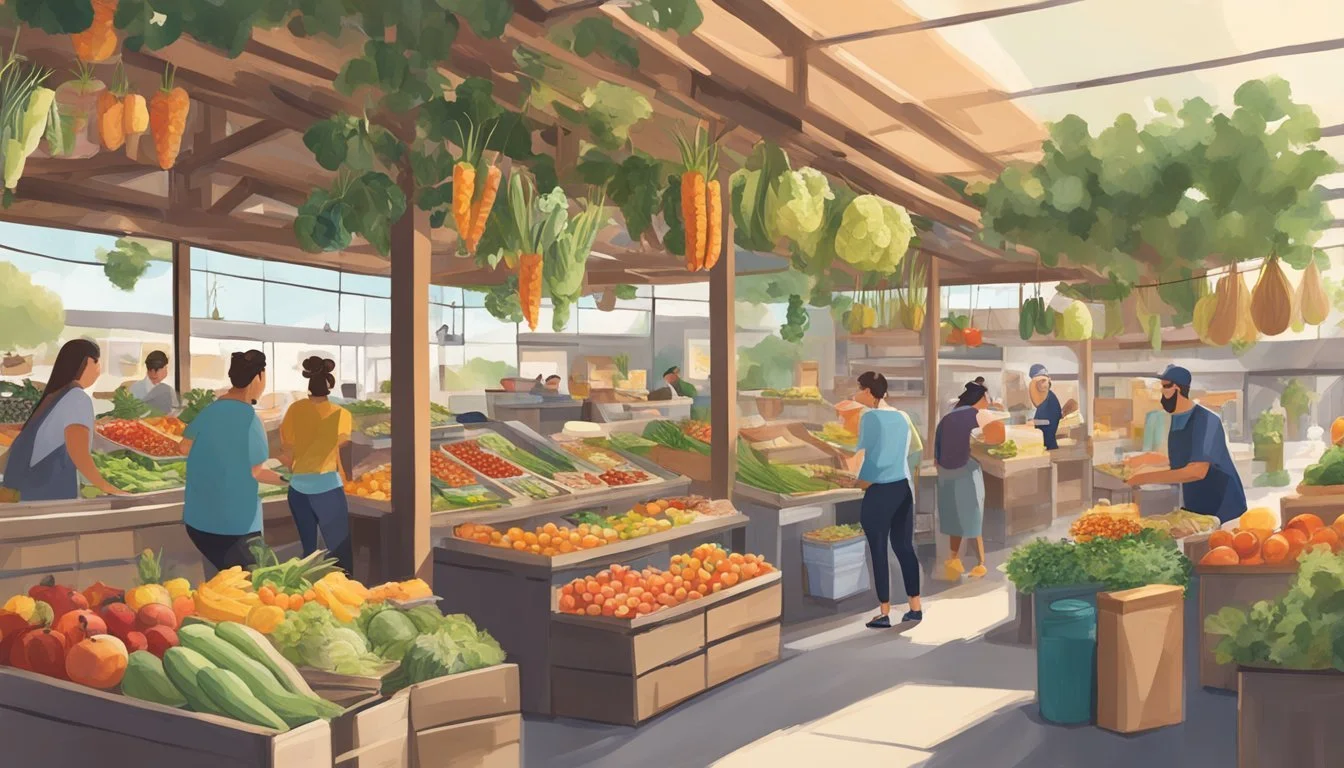
Costa Mesa's commitment to providing local, sustainable food options is evident in its range of food co-operatives. These facilities are strategically located to support easy access while offering a variety of services tailored to community needs.
Site Selection Criteria
When selecting sites for food co-ops in Costa Mesa, key factors include visibility, accessibility, and proximity to consumers. Co-ops often prioritize central locations within the city to ensure they're easily reachable by the majority of residents. Additionally, parking availability is a crucial criterion, as ample parking spaces facilitate convenient access for shoppers. The chosen site must also accommodate the co-op's anticipated size and growth to serve the community adequately.
Design and Layout
The design and layout of food co-ops in Costa Mesa emphasize functionality and shopper experience. Storage areas are scaled to both the size of the facility and the expected inventory turnover. Shopping spaces are designed to optimize flow and create a pleasant shopping environment. Proper signage and lighting are implemented to enhance visibility of products and ensure a safe, welcoming atmosphere.
Environmental Considerations

Food Co-ops in Costa Mesa, CA contribute to environmental sustainability efforts by addressing climate-related risks and promoting energy efficiency. They are actively involved in implementing measures that aim to protect the local food system against climate volatility while reducing their carbon footprint through the adoption of renewable energy sources and efficient utilities management.
Climate Risks and Protections
The climate in Costa Mesa presents certain risks such as drought and fluctuating weather patterns that can impact local food production. Food Co-ops often support agricultural practices that build resilience against these climatic challenges, employing methods such as:
Water conservation: Tailoring irrigation techniques to reduce water usage.
Crop selection: Favoring plants that are more tolerant to local climate extremes.
These strategies not only enhance protection against climate risks but also ensure that the community has a steady supply of fresh produce.
Energy Efficiency and Utilities
Energy efficiency is paramount for Food Co-ops in Costa Mesa. They frequently evaluate their energy usage and make concerted efforts to reduce electricity consumption, which in turn decreases estimated energy costs. This is accomplished by investing in:
Solar energy solutions: Installing solar panels to harvest California's abundant sunshine for solar savings.
Energy-efficient appliances: Using LED lighting and ENERGY STAR-rated equipment.
Strategies for Energy Savings Impact on Co-op Solar panel installation Reduces reliance on the grid Upgrading to efficient appliances Lowers electricity usage
Through these actions, Food Co-ops demonstrate their commitment to sustainability and environmental responsibility, benefiting both the community and the planet.
Financial Aspects
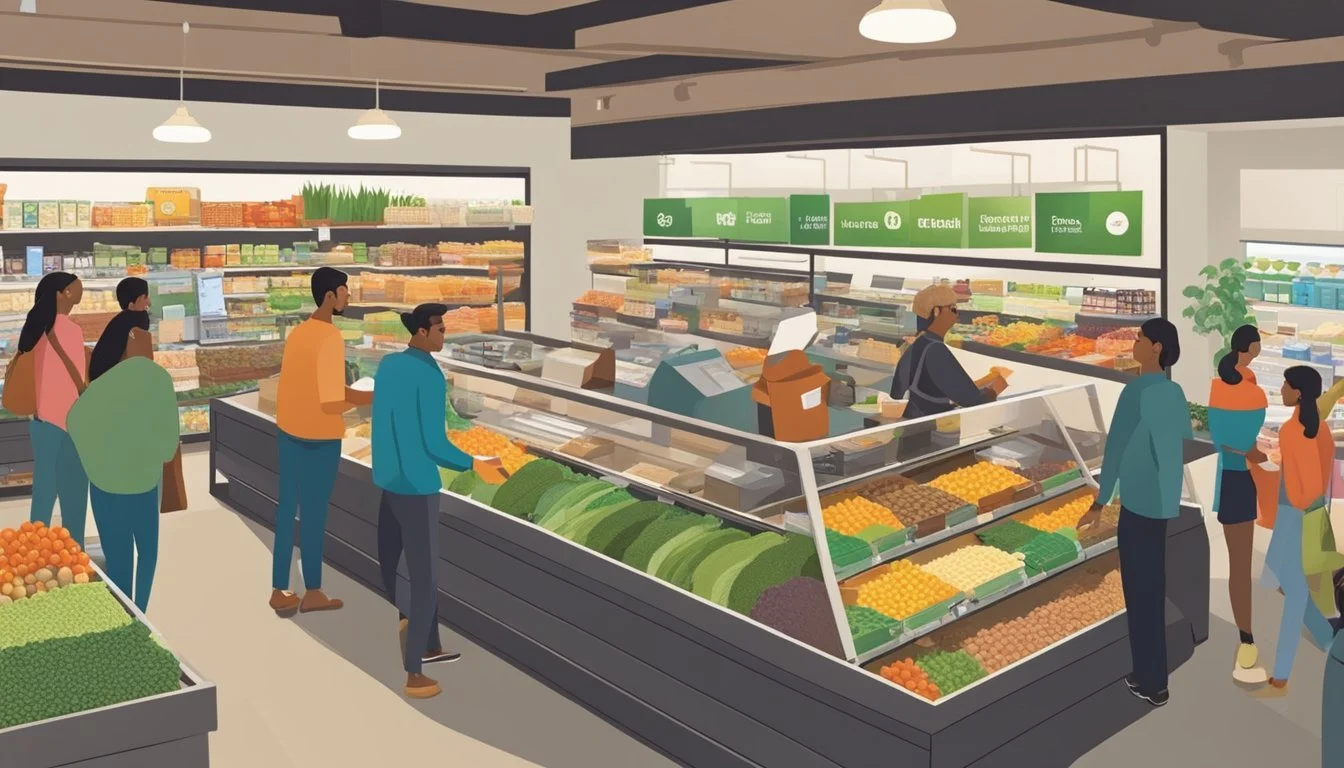
Food co-ops in Costa Mesa, CA, operate on economic principles that differ from traditional grocery stores. The financial health of a co-op depends on factors like membership fees, rental earnings, and the economics of property ownership.
Understanding Co-Op Economics
Food co-ops typically require a membership fee, which gives members a stake in the business and a say in its operations. The financial structure can also include patronage dividends, where profits are returned to members based on their purchases. A payment calculator can often be available to help members understand their financial commitments and potential returns.
Members invest in the co-op with the understanding that their funds will be used to further the co-op's mission and operations. Sale history can be an important indicator for potential investors to assess the co-op's financial trends and sustainability.
Rental Earnings and Ownership Costs
Rental Earnings: If a food co-op owns its property, it might generate rental earnings from subletting a portion of the space to other businesses or community initiatives. These earnings can be a vital source of revenue, supporting the co-op's broader financial goals.
Ownership Costs: Owning a property involves various costs: mortgage payments, maintenance, taxes, and utilities. Co-ops need careful financial planning and management to balance these expenses with income from member fees, store sales, and any rental earnings. The sustainability of a co-op depends greatly on maintaining control over these costs.
Member Services and Benefits
Cooperative grocery stores in Costa Mesa offer a range of member services designed to enrich the shopping experience and provide added value. These services extend beyond the checkout line, providing both tangible and intangible benefits.
Educational Programs and Events
Co-ops take pride in their connections to the community, often reflected in their educational outreach. They may provide various programs tailored to enhance members' and the community's understanding of food, health, and sustainability. These could involve cooking classes, nutrition workshops, and events that revolve around food education. Typically, the schools in the area may also benefit from these initiatives, as co-ops often provide educational materials or host school trips to teach students about healthy eating habits and local sourcing.
Rewards and Loyalty Programs
Members of food co-ops generally gain access to exclusive rewards and loyalty programs. Such programs might offer:
Discounts on products or services
Special member pricing on selected items
Accumulation of points that can be redeemed for groceries or other rewards
Early access to sales or events
As part of these programs, members often receive regular updates on upcoming deals, new product lines, and co-op developments, ensuring they stay informed and engaged with their local food cooperative.
Local Food Systems

Costa Mesa, CA, embraces a dynamic local food system that bolsters regional agriculture and provides residents with fresh, seasonal produce. This section delves into the essential components of supporting local farmers and CSAs, and the benefits of seasonal and fresh food offerings.
Supporting Local Farmers and CSAs
Community Supported Agriculture (CSA) programs play a pivotal role in sustaining local farmers throughout Costa Mesa. They enable consumers to purchase a share of the harvest directly from local farms, fostering a more intimate connection between producer and consumer. Customers typically receive a box containing a variety of locally grown produce, which might also include other farm-based goods such as eggs, meats, cheeses, and grains. By participating in CSAs, individuals directly contribute to the viability of local farms and ensure the continuity of agricultural diversity in their region.
Seasonality and Freshness
Costa Mesa's local food scene is characterized by an emphasis on seasonality and the freshness of its produce. When residents shop at farmers' markets or through food cooperatives, they encounter an array of fruits and vegetables that reflect the current growing season. This not only enhances the flavor and nutritional content of the meals but also educates the community about the natural agricultural cycles. Seasonal purchasing supports the ecological health by reducing the need for long-distance transportation and storage of goods, thus diminishing the associated carbon footprint.
Community Engagement
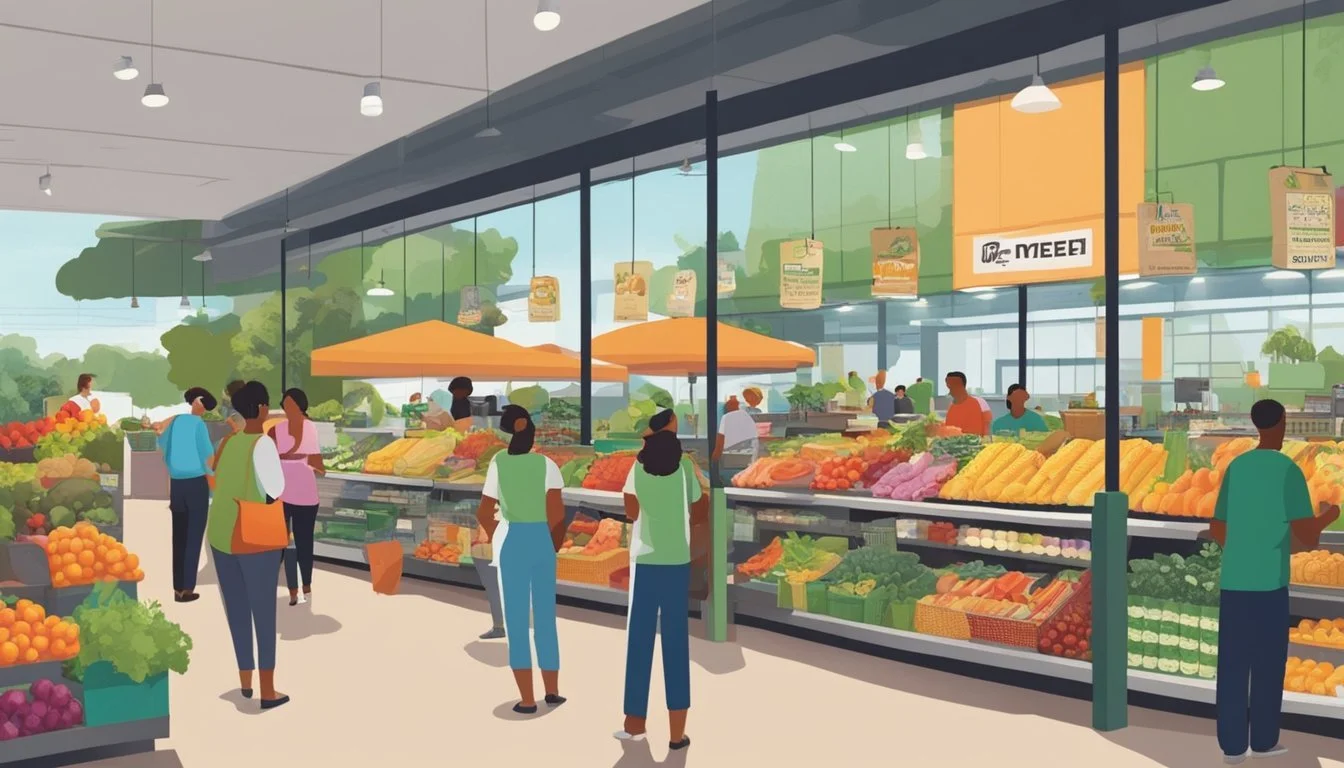
Community engagement in Costa Mesa is integral to the success of food co-ops and encompasses fostering strong relationships between the co-ops and the local area through various outreach initiatives and educational programs.
Outreach and Partnerships
Food co-ops in Costa Mesa actively engage with the community through strategic outreach and partnerships. They collaborate with local producers and businesses to create a tightly-knit network that supports the local economy. For instance, the city believes that personal connections, facilitated through one-on-one interactions, are foundational to addressing broader community issues, such as homelessness.
Education and Workshops
Education is another pillar of Costa Mesa food co-ops' community engagement efforts. They often conduct workshops aimed at informing the public on the importance of local, sustainable agriculture and healthy eating practices. These sessions serve not only as a means to spread knowledge but also as a platform for community members to connect and share their experiences.
Comparison with Other Retail Models
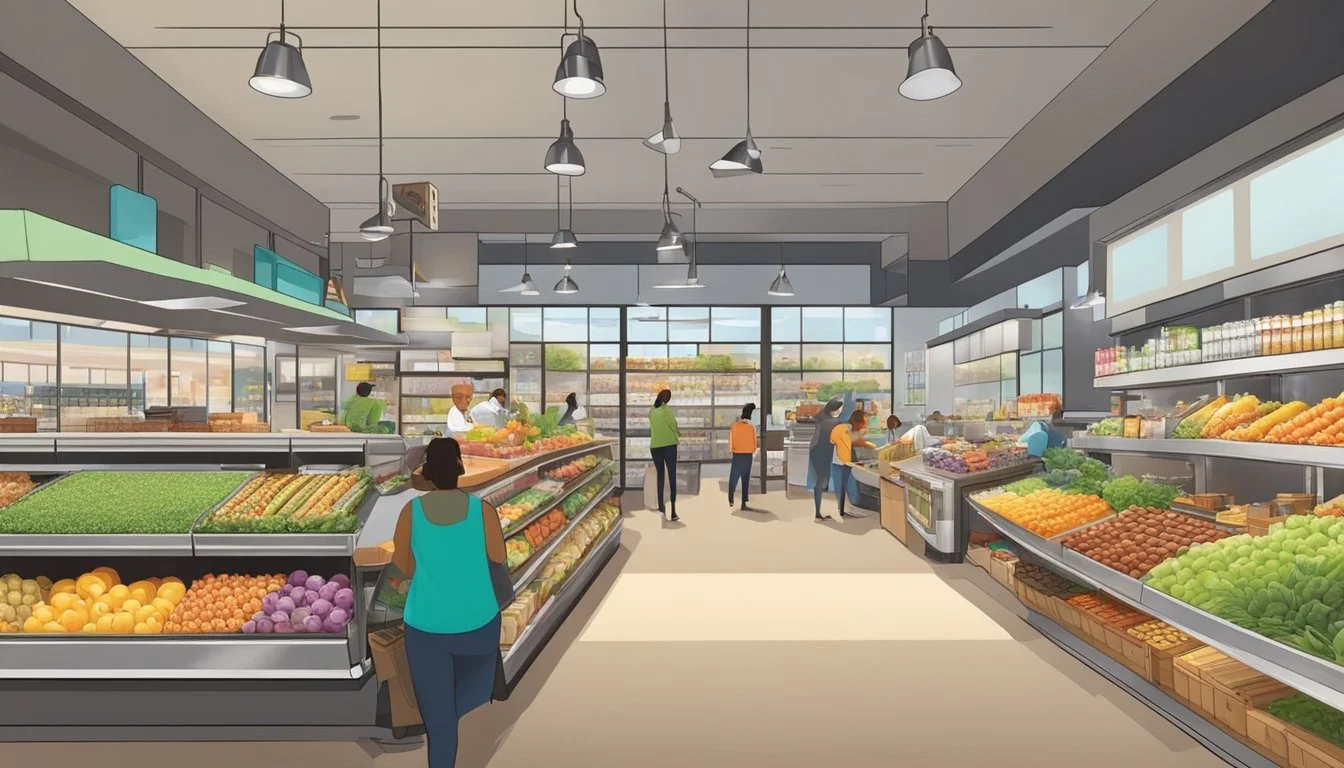
This section will compare the food cooperative model commonly found in Costa Mesa, CA with conventional grocery stores and online marketplaces, including buying clubs. The comparison highlights the unique characteristics and advantages that each retail model offers to consumers.
Conventional Grocery Stores
Conventional grocery stores are typically part of a larger corporate chain or a standalone business entity. They operate on a for-profit basis, prioritizing shareholder interests. Here, purchasing decisions and product range are determined by the store management with the aim to maximize profits. At a regular grocery store, customers do not influence inventory or share in the profits; instead, revenue is reinvested into the business or distributed to stakeholders.
Ownership: Corporations or private owners.
Decision-Making: Centralized control.
Profit Sharing: Shareholders or owners.
Buying Clubs and Online Marketplaces
Buying clubs and online marketplaces offer alternative purchasing opportunities for consumers. They are formed by individuals or groups who come together to achieve better purchasing power. Often, these clubs focus on bulk purchases and may split large orders among members to secure lower prices from suppliers. In contrast to a food cooperative, buying clubs do not necessarily operate a physical retail space.
Ownership: Members or organizers.
Decision-Making: Member-driven, often democratic.
Profit Sharing: Generally, profits are savings passed on to members rather than distributed.
Sustainability Practices
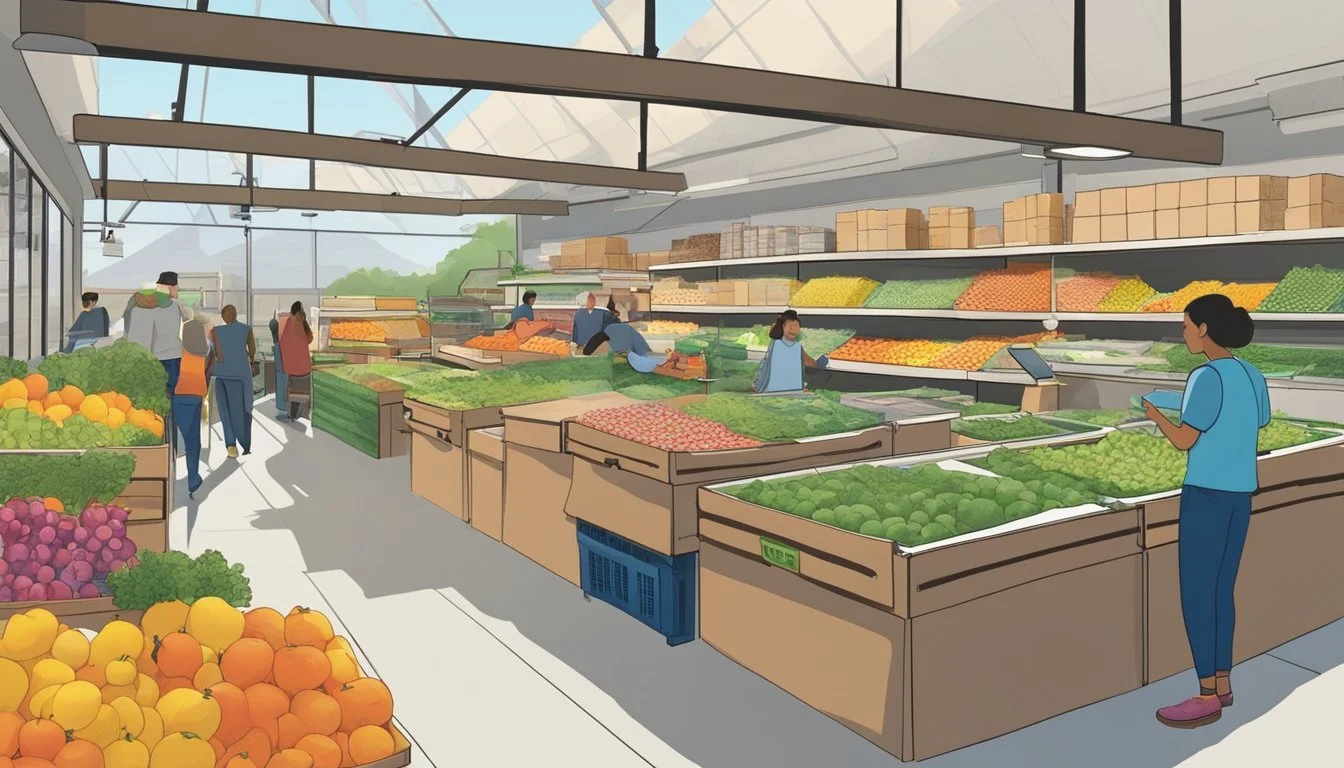
Food Co-Ops in Costa Mesa have implemented several strategies to enhance sustainability, notably focusing on waste management and environmentally-friendly packaging options.
Waste Reduction and Recycling
The co-ops prioritize waste reduction by implementing comprehensive recycling programs and encouraging the minimization of food waste. They often partner with local organizations to compost organic waste and provide education to consumers on how to reduce waste at the source.
Composting: Co-ops work with local compost facilities to ensure organic waste is turned into nutrient-rich soil.
Recycling Programs: These establishments have distinct bins for recyclables, reducing the amount of waste sent to landfills.
Education: They host workshops and seminars on reducing personal waste and the importance of recycling.
Encouraging Eco-Friendly Packaging
Eco-friendly packaging is another cornerstone of the co-op's sustainability efforts, with a keen focus on reducing single-use plastics and offering sustainable alternatives.
Bulk Buying: Customers are encouraged to buy in bulk, reducing the need for individual packaging and enabling them to use their own containers.
Reusable Bags: The usage of single-use plastic bags is discouraged, while reusable bags and containers are promoted.
Certifications: Packaging that is biodegradable, compostable, or made from recycled materials is often highlighted, with some products featuring sustainability certifications like Fair Trade and Certified Humane.
Legal and Ethics

In Costa Mesa, CA, food co-ops are subject to a framework of legal and ethical standards that ensure fair practices and the safety of the community. These include adherence to food safety protocols and compliance with relevant regulations, ensuring co-ops abide by the terms of equitable conduct and the protection of consumer rights.
Adherence to Food Safety Standards
Food co-operatives in Costa Mesa must strictly adhere to food safety standards to protect consumer health. They are required to implement Hazard Analysis and Critical Control Points (HACCP) policies which help in identifying and managing potential hazards in food production. Regular inspections by health officials ensure that co-ops maintain the highest level of hygiene and handle food in compliance with the California Retail Food Code.
Compliance with Regulations
Food co-ops are bound by various regulations, including the Fair Housing Act and the Equal Opportunity Act, to ensure that they do not discriminate against any individual or group. They must also rigorously follow their Terms of Use and Privacy Policy to protect the rights and privacy of their members and the community. Compliance with these regulations is non-negotiable and critical for the lawful operation of food co-ops in Costa Mesa.
Support and Resources
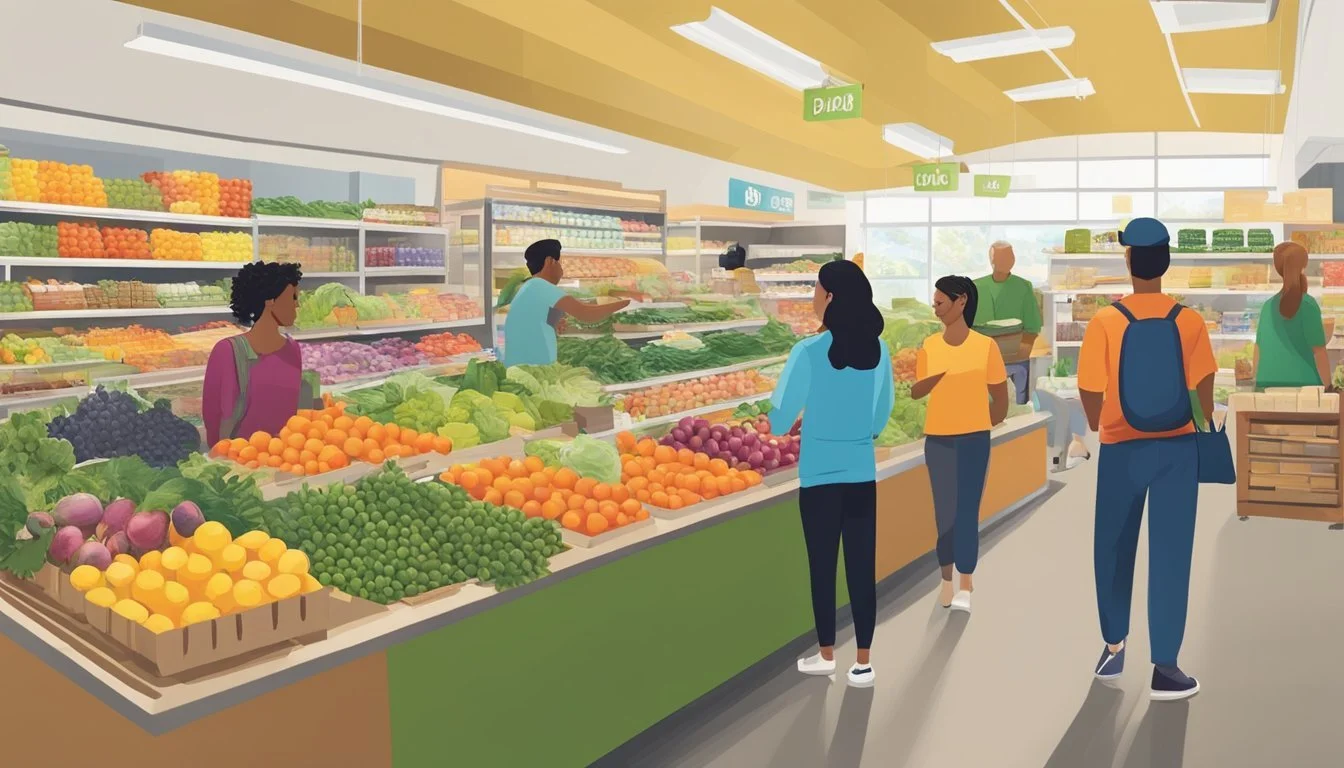
Aspiring and established food cooperatives in Costa Mesa, CA, can leverage a variety of grants, government programs, and the backing of non-profit organizations and educational institutions. These resources are vital for strengthening the local food co-op network and ensuring sustainable operations.
Grants and Government Programs
Government initiatives often provide financial support crucial for food co-ops' growth and stability. Food co-ops may qualify for federal or state grants aimed at supporting local agriculture, community development, or food security. Programs under the U.S. Department of Agriculture (USDA), for instance, offer various funding opportunities for local food projects. Additionally, the State of California might also provide grants through the California Department of Food and Agriculture, which supports projects that enhance the competitiveness of specialty crops.
Federal Support: USDA grants, loans, and programs
State Support: California-specific agriculture and food grants
Non-Profit and Educational Support
Non-profits and educational entities in Costa Mesa provide an array of resources, including expertise, training, and sometimes funding. Second Harvest Food Bank of Orange County and local university extension programs offer knowledge and operational assistance. Non-profits can also act as a bridge between food co-ops and the community, fostering partnerships and educational outreach to bolster local food systems.
Second Harvest Food Bank of Orange County: Partnership and training opportunities
Education Support: Workshops and courses from local colleges and universities
Frequently Asked Questions
What is a food co-op?
A food co-op, or cooperative, is a member-owned grocery organization that operates for the benefit of its members according to common economic, social, and cultural needs. In Costa Mesa, CA, food co-ops focus on supplying a variety of fresh, local, and often organic products.
How does a food co-op benefit the local community?
Food co-ops in Costa Mesa are known to support local suppliers. This commitment to local businesses helps circulate money within the community and can lead to a more robust local economy.
Are non-members allowed to shop at food co-ops?
Most food co-ops allow non-members to shop, but members often enjoy additional benefits such as discounts or voting rights in organizational decisions.
How can I join a food co-op in Costa Mesa?
Interested individuals can typically join a food co-op by purchasing a share of the cooperative, paying any required fees, and abiding by the co-op's membership rules. Details differ per co-op, so contacting them directly would be advisable.
Where can I find a food co-op in Costa Mesa?
There are several options for those looking for a food co-op in Costa Mesa, with some popular choices including Fermentation Farm and Mother’s Market & Kitchen. Each has a unique focus and offering, catering to various dietary needs and preferences.
What are the operating hours of Costa Mesa food co-ops?
Operating hours vary. Establishments like Mother's Market & Kitchen typically operate daily with hours conducive to grocery shopping, while others may have more specialized hours. It's best to check directly with the co-op for accurate times.