Guide to Food Co-Ops in Peoria, IL
Your Essential Resource for Local Cooperative Groceries
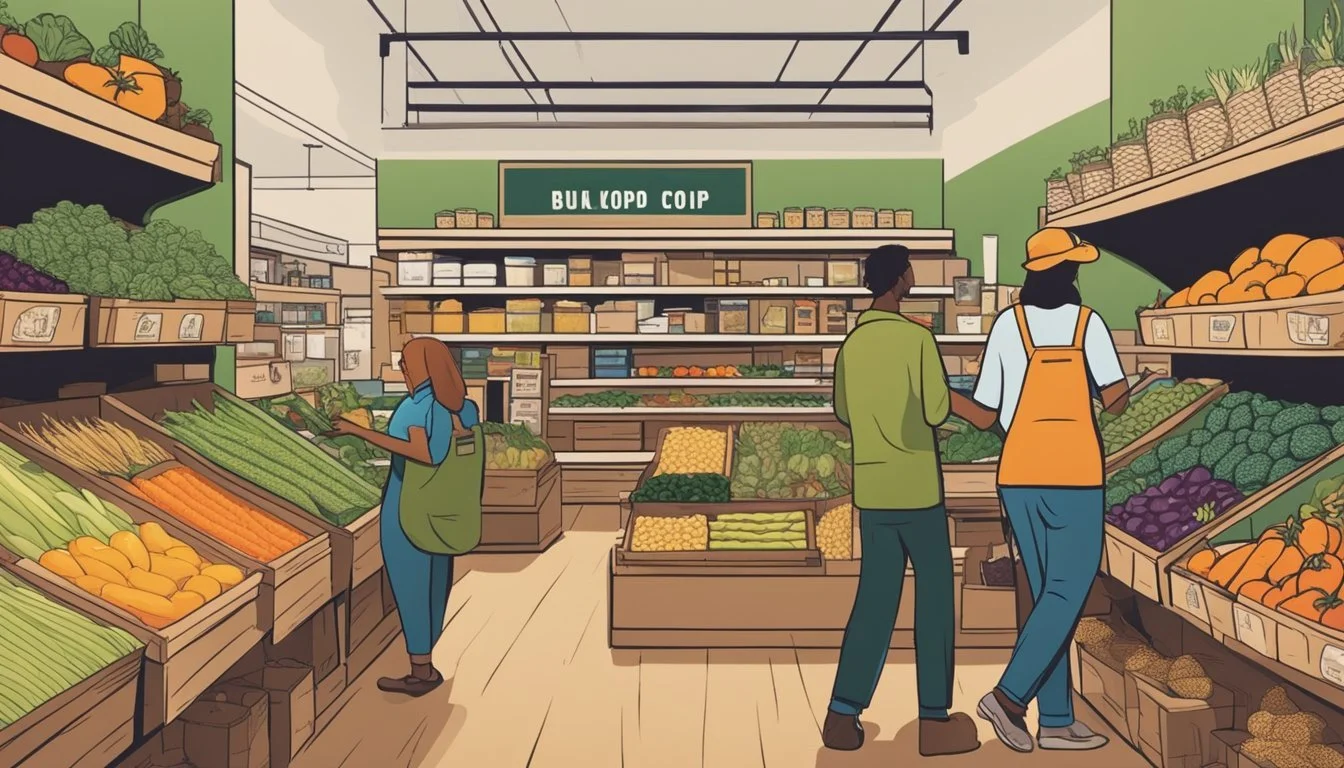
Peoria, Illinois, has become a focal point for those seeking locally sourced food through cooperative models. These food co-ops not only provide access to high-quality, often organic products but also embody the community's collective spirit. Engaging in a food co-op allows residents to take an active role in their food sourcing, supporting local farmers and enjoying the benefits of members' control over the varieties and types of food offered.
The emergence of food co-ops like Green Top Grocery in nearby Bloomington demonstrates the region's commitment to community-engaged food systems. These initiatives serve as both grocery options and community centers, promoting local economic growth and ensuring consumers have a voice in their food systems. Peoria's landscape of cooperative food options reflects a larger trend toward sustainability and health consciousness, and the area’s residents have shown robust support for these endeavors.
While the Peoria Harvest Co-Op is anticipated to further add to the community-supported agriculture scene, existing grocery options and healthy food resources mark a shift towards mindful consumption. The cooperative model not only supports local producers but also fosters educational opportunities regarding nutrition and the benefits of locally-grown produce, thereby strengthening the bond between the people of Peoria and the food on their tables.
History of Food Co-Ops in Peoria
As an emergent hub for the cooperative food movement, Peoria, Illinois, is seeing significant advancements that connect consumers directly to the richness of local farms. These community-focused efforts are grounding Peoria firmly in the evolving narrative of food co-ops.
Early Beginnings
Food co-operatives in Peoria claim their roots in a larger movement that saw individuals joining forces to access quality, locally-sourced food at fair prices. These collective ventures provided members with the opportunity to purchase goods, especially organic and nutritious offerings, directly from local farmers. The early stages of Peoria's co-op scene focused primarily on creating a system that supported both the consumers and producers within the community.
Growth and Expansion
As interest in healthy, sustainable eating has risen, so has the footprint of food co-ops in Peoria. One of the most ambitious projects, the Peoria Harvest Co-Op, aims to be more than just a store; it is envisioned to serve as a community hub. It is designed to meet the community's need for affordable and healthy food choices while also bolstering the local economy by featuring produce supplied by area farmers. The Peoria Harvest Co-Op's anticipated opening highlights the growth and community investment in such cooperative food ventures.
Understanding Food Co-Ops
Food co-ops in Peoria offer a community-centric approach to grocery shopping, where emphasis is placed on local products and member engagement. They provide a platform for education on food-related issues and enable individual members to purchase ownership shares.
What is a Food Co-Op?
A food co-op, or cooperative, is a member-owned grocery store that focuses on providing high-quality products and values consumer education and community support. In general, these stores offer a variety of grocery items and prioritize locally sourced goods. Each member of a co-op typically owns a share of the business, having a say in its operations and sharing in the benefits it brings to their local community.
How Do Food Co-Ops Work?
In essence, food co-ops operate on the principle of democratic control, with each member having an equal vote in decision-making processes. Ownership shares are often sold to individuals to raise capital for the cooperative's start-up or operational costs. These shares typically come with the benefit of a say in the co-op's governance, potential discounts on purchases, and a portion of any profits, based on the co-op's financial performance and policies.
Funding and Ownership: Members buy shares to fund the co-op, which gives them ownership and a voice in the co-op's activities.
Member Benefits: Benefits can include product discounts, educational opportunities, and a share in any profits.
Local Support: Co-ops often contribute to local economies by providing a market for local producers and engaging in community-oriented initiatives.
The operability of a food co-op in Peoria extends beyond commerce, as it serves as a hub for education on food sustainability, nutrition, and ethical consumer practices.
Benefits of Joining a Food Co-Op
By joining a food co-op in Peoria, IL, members enjoy a multitude of advantages, from bolstering local farm economies to gaining access to food that often surpasses conventional grocery standards in freshness and nutritional value.
Supporting Local Agriculture
Members of a food co-op directly support local agriculture, as co-ops typically source a significant portion of their products from local farms. This patronage helps sustain farmers and preserve farmland within the community. Local food tends to have a smaller carbon footprint due to shorter transportation distances.
Access to Fresh and Healthy Foods
Food co-ops prioritize offering fresh food and healthy options, including organic produce and non-GMO items. The benefits of such offerings include higher nutritional content and better taste, as the foods usually go from farm to shelf more quickly than they would through traditional grocery supply chains.
Educational Opportunities
Co-ops often provide educational opportunities to their members and the general public. This might take the form of cooking classes, nutritional workshops, or informational sessions about the benefits of sustainable food systems. These opportunities enhance members' understanding of what they eat and how it impacts their health and the environment.
Economic and Social Benefits
Joining a food co-op brings both economic and social benefits to an individual and their community. Members might receive shopping discounts or patronage refunds, and the community benefits from the jobs created and the reinvestment in the local economy. Socially, members often find a sense of camaraderie and shared purpose in improving access to healthy, sustainable food options.
How to Participate in Food Co-Ops
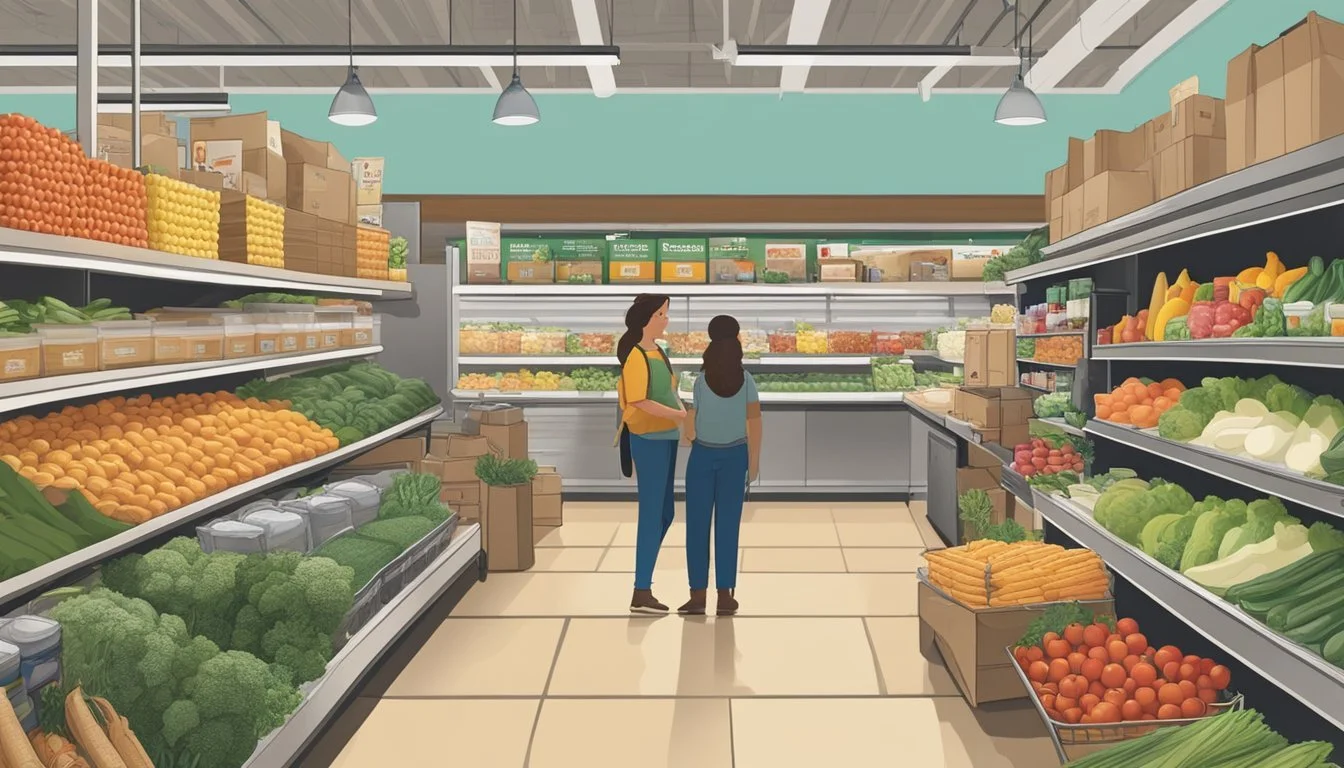
Food co-ops in Peoria, IL offer consumers a unique way to shop for groceries, emphasizing community involvement and sustainable practices. Participation is typically possible through both membership and volunteering within the organization.
Membership and Ownership
Individuals interested in joining a food co-op often purchase shares, which grants them ownership and a say in the co-op’s operations. The specifics of membership vary from one co-op to another, but here are common steps involved:
Acquire Membership: Consumers need to express their interest by filling out a membership application, often available both in-store and on the co-op's website.
Purchase Shares: Ownership usually requires buying a share or paying an equity fee. This could be a one-time payment or installments, ensuring financial accessibility.
Enjoy Benefits: Members often gain access to special discounts, members-only events, and can participate in the governance of the co-op by voting on important matters.
Volunteer Opportunities
Co-ops thrive on community support, and volunteering is crucial for their operation. Volunteer opportunities allow participants to contribute to the co-op while sometimes receiving benefits such as discounts on purchases.
Find Opportunities: Inquire at the co-op about volunteer needs. Positions could range from stocking shelves to assisting at community events.
Commitment: Understand the commitment required. Some co-ops may offer a flexible schedule, while others might need a regular volunteering slot.
Training: Volunteers typically undergo training to familiarize themselves with the co-op’s practices and values. This ensures everyone contributes effectively to the organization's goals.
The Role of Food Co-Ops in the Community
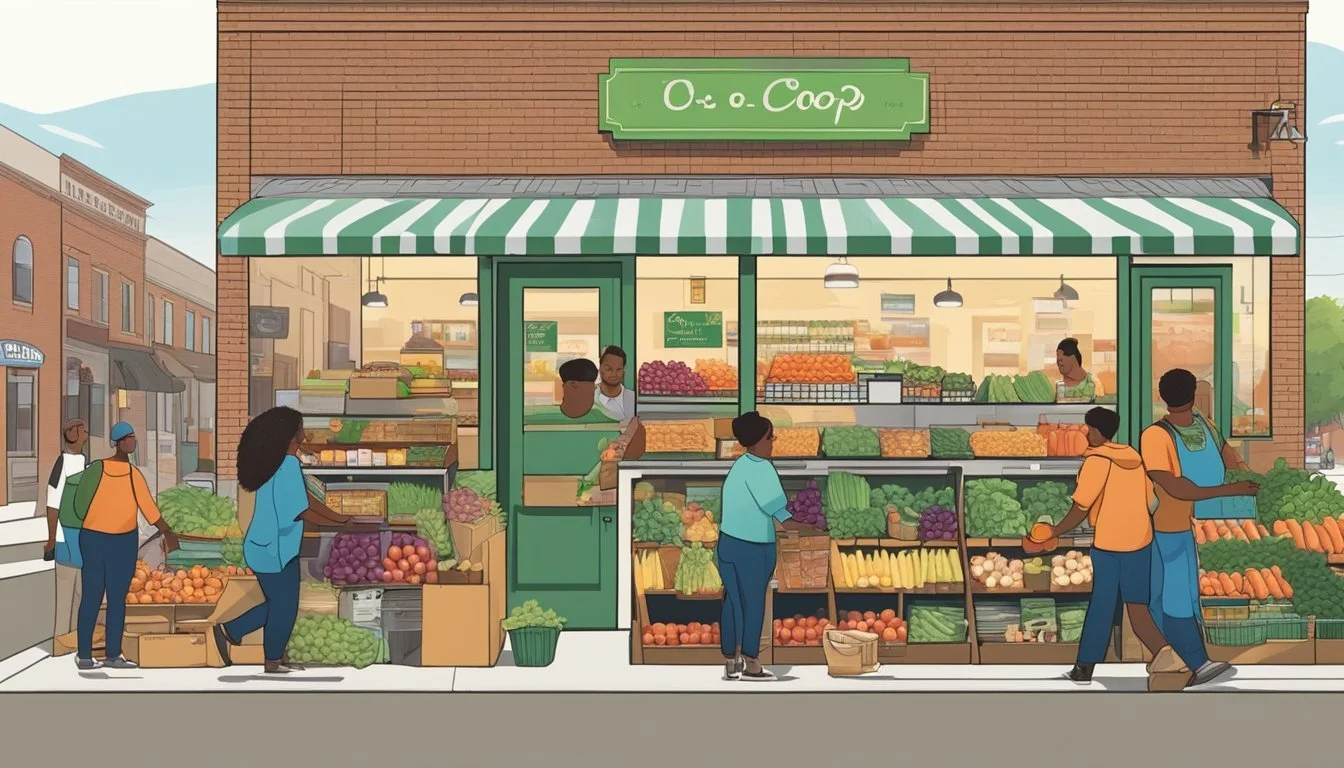
Food co-ops in Peoria serve as essential hubs for nourishment and community engagement, providing a framework for local economic growth and communal solidarity.
Community Building
Food co-ops function as more than just places to purchase groceries; they are centers for community building. By offering a space for members and non-members alike to engage with one another, these co-ops foster a sense of belonging and mutual support among residents. They often host events and workshops that align with their members’ values and interests, which contributes to a robust communal fabric.
Events and Workshops: Monthly calendars featuring cooking classes, sustainability talks, and more.
Participation: Opportunities for community members to volunteer and contribute to the co-op's mission.
Local Economic Impact
Food co-ops are substantial players in the local economy. They support regional agriculture by purchasing from local farmers and producers, thereby keeping the financial benefits within the community. This direct relationship helps to sustain a diverse, regional food system and encourages entrepreneurship.
Local Sourcing: A steadfast commitment to buy from local growers, enhancing Peoria's agricultural business landscape.
Job Creation: Employment opportunities at the co-op contribute to the economic well-being of community members.
Local Sourcing:
Product Type Local Providers Vegetables Peoria farms Meats Regional butchers Bakery Local bakeries
Co-ops also reinvest profits back into the community, differentiating them from traditional businesses, which may send their profits out of the local area. This reinvestment can take many forms, from educational initiatives to infrastructure improvements within the co-op, all designed to serve the public's needs better.
Challenges Faced by Food Co-Ops
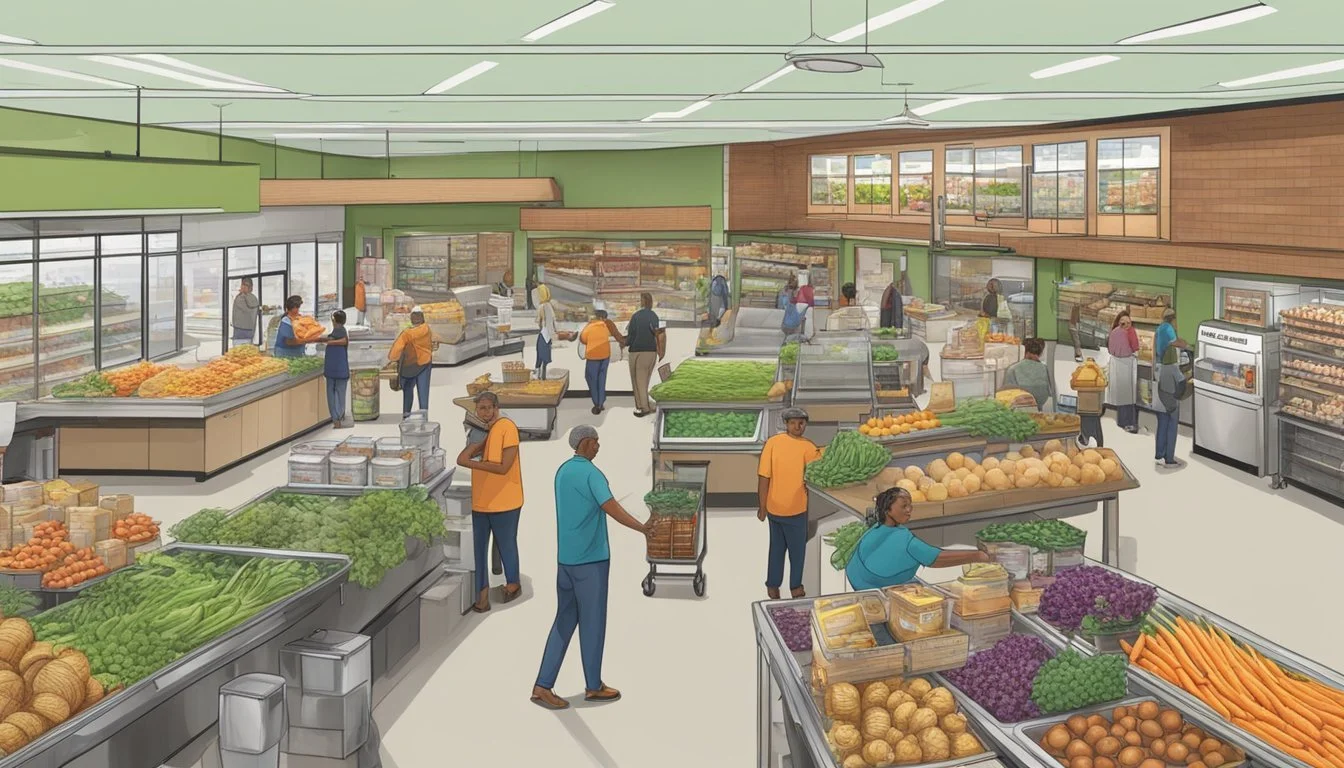
Food Co-Ops face significant challenges, primarily due to intense competition from established grocery stores and the continual pursuit of financial sustainability.
Competition with Grocery Stores
Food co-ops often find themselves in direct competition with large grocery stores which can offer a wider variety of products, often at lower prices due to their economies of scale. These grocery stores have the advantage of extensive distribution networks and established supplier relationships that allow for a consistent and diverse inventory. For a food co-op, matching the breadth of products found in these stores can be daunting, putting them at a competitive disadvantage.
Economies of Scale: Grocery stores purchase in bulk, reducing costs.
Product Variety: Larger inventory satisfies diverse customer needs.
Supply Chain: Established networks ensure steady product availability.
Financial Sustainability
Maintaining financial stability is a key challenge for food co-ops. They often operate on thin profit margins, making them particularly vulnerable to fluctuations in the market. Investment in community benefits such as providing livable wages and healthcare adds to their expenses, further straining their financial resources. Moreover, food co-ops must balance their ethical commitments with their need to generate enough revenue to cover their operational costs and invest in growth.
Profit Margins: Thin margins necessitate careful financial planning.
Community Commitments: Ethical practices can incur higher costs.
Revenue Generation: Essential to sustain operations and enable growth.
Key Players in Peoria's Food Co-Op Scene

The landscape of Peoria's community-focused food scene has been shaped by the involvement of crucial organizations that provide access to nutritious food. Two prominent entities stand out for their efforts and commitment to combating food deserts and fostering local food security.
Green Top Grocery
Green Top Grocery operates as a beacon of local, sustainable food sourcing and community empowerment. As a cooperatively-owned store, it not only emphasizes providing reasonably-priced, nutritious and organic food but also engages in supporting the regional agriculture by favoring produce grown on local farms. It positions itself as part of the solution to food deserts in the area.
East Bluff Community Center
A pivotal institution addressing Peoria’s food challenges is the East Bluff Community Center. Through diverse initiatives, particularly around food education and access, the Center plays an instrumental role. It fosters a strong community connection by facilitating programs that ensure residents in the vicinity have access to fresh, affordable food options, thus empowering the neighborhood.
Operating a Food Co-Op
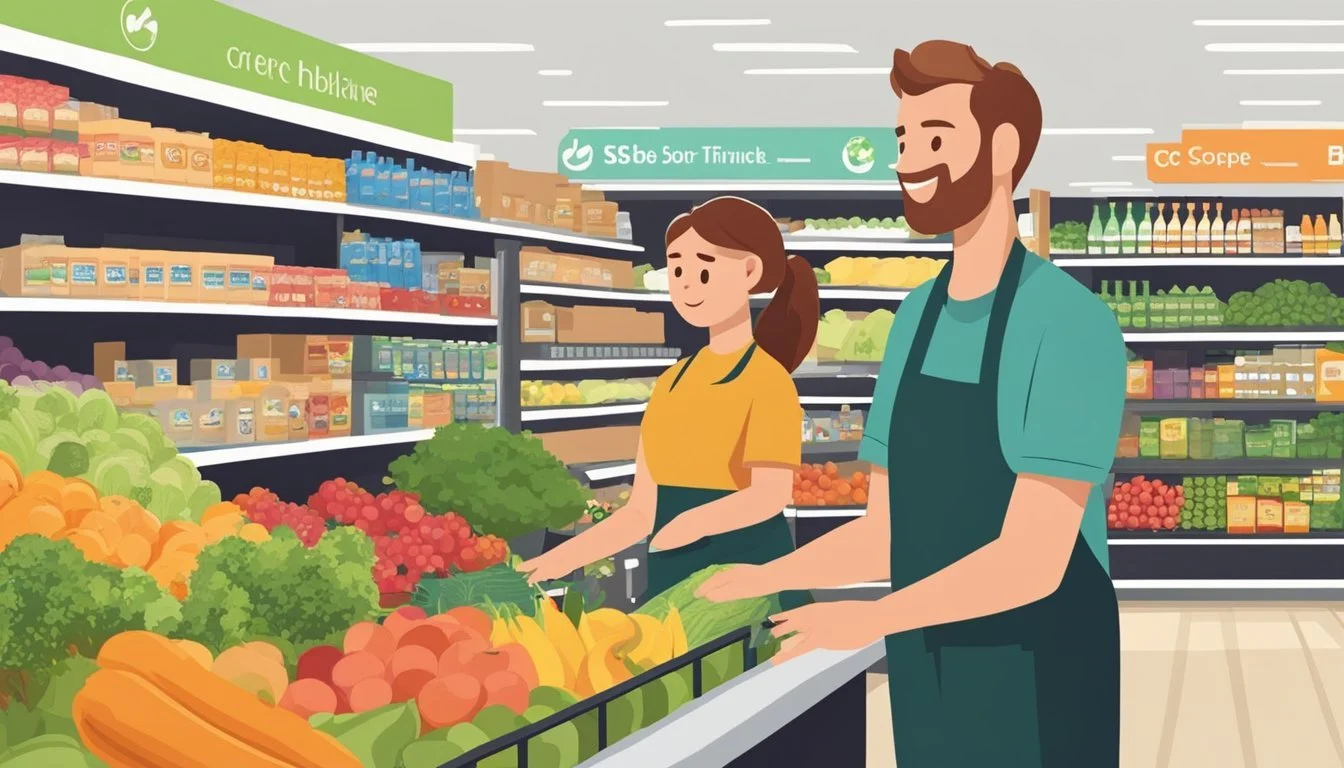
Operating a food co-op in Peoria requires strategic management and a solid governance structure to ensure its success and adherence to its mission as a community-focused organization.
Management and Organization
The management of a food co-op is responsible for the day-to-day operations. This typically involves tasks such as sourcing products, maintaining the retail space, hiring and managing staff, and overseeing financial procedures. Effective management ensures the co-op adheres to its values of providing high-quality food options to its members and supporting local producers. As a nonprofit entity, the co-op's management often works closely with its Board of Directors to align operational activities with the overall mission.
Key Management Functions:
Product Sourcing
Retail Space Maintenance
Staff Management
Financial Oversight
Board of Directors and Governance
The Board of Directors in a non-profit food co-op like Peoria's oversees the governance of the organization, ensuring that it operates within legal bounds and adheres to its stated mission and values. They are typically members of the co-op and are elected by the co-op's membership, symbolizing a democratic process in the organization's leadership. The Board sets long-term strategies and makes critical business decisions, shaping the co-op's future.
Governance Roles:
Legal Oversight
Mission Adherence
Strategic Planning
Business Decision Making
Sourcing and Partnerships
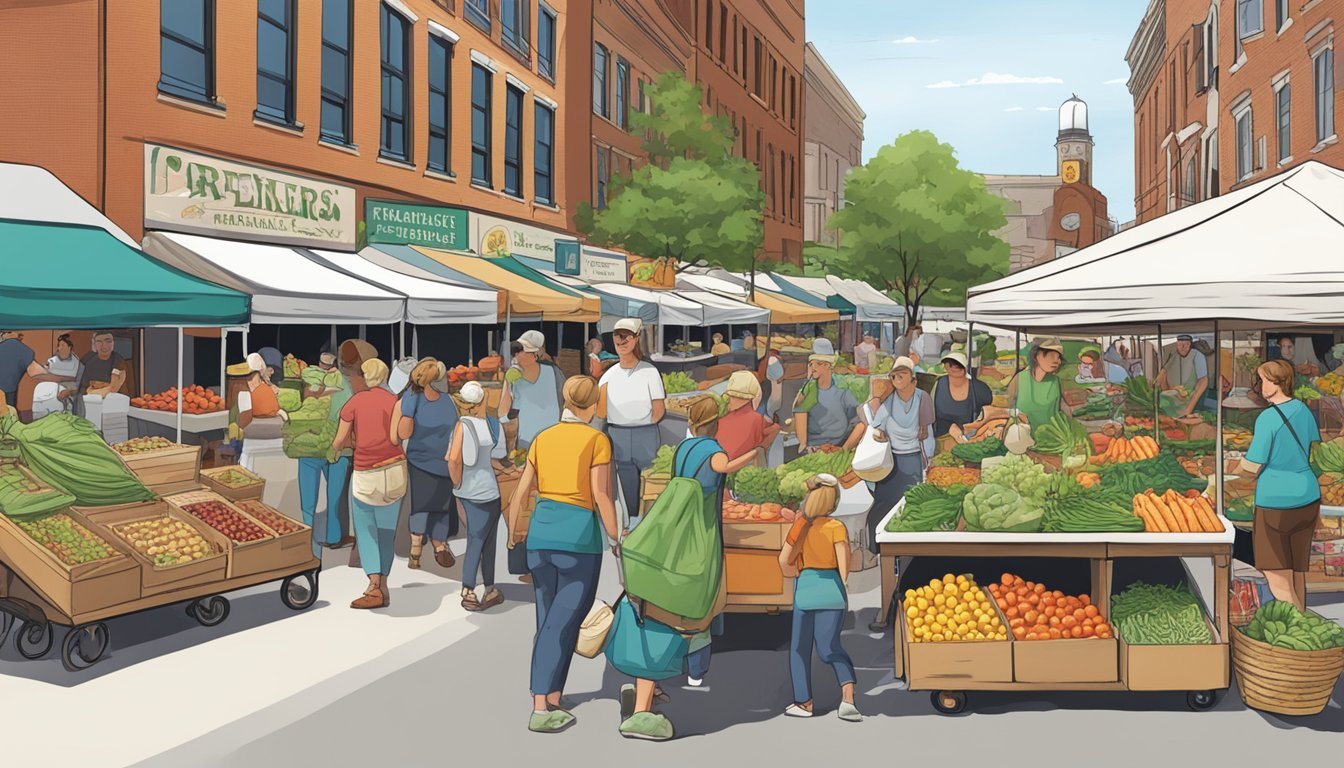
In Peoria, IL, food cooperatives establish robust connections with regional small-scale farmers and community entities to enhance local food systems and foster economic collaboration.
Working with Small-Scale Farmers and Suppliers
Food co-ops in Peoria have anchored their sourcing strategies in the partnership with small-scale farmers across Central Illinois. With a strategic intent to fortify the local supply chain, the Sous Chef grocery store stands out as a prime example, sourcing staples and produce from within a 60-mile radius. These partnerships often include a diverse array of farms, where the closest might be within just 10 miles of the store. Such proximity not only supports Illinois farmers but also guarantees fresher goods for consumers.
Notable Partnerships and Supplier Distance:
Partnering Farm Distance to Peoria Farm A 10 miles Farm B 60 miles
Community Partnerships
Food co-ops in Peoria actively collaborate with community-based programs to restore local food systems and address food scarcity issues. An instance of such community involvement is highlighted by Peoria's participation in the U.S. EPA's "Local Foods, Local Places" program, directed at boosting local food procurement and improving health outcomes. Similarly, the cooperative movement in Illinois extends towards initiatives like the creation of food cooperatives that are specifically designed to serve and uplift communities, echoing the co-ops’ commitment to equitable food systems.
Key Community Initiatives:
Initiative Objective "Local Foods, Local Places" Improve local food systems and health New Cooperative Creation Efforts Support regional small farmers elevating equity in food access
Impact of the Covid-19 Pandemic on Food Co-Ops
Food co-ops in Peoria, IL faced significant operational hurdles during the Covid-19 pandemic, yet they also saw commendable community support aiding in recovery.
Operational Challenges
During the pandemic, food co-ops experienced reduced foot traffic and supply chain disruptions, which led to inventory shortages and operational stress. Stricter health and safety protocols increased operating costs and added complexity to daily operations. To adapt, some co-ops implemented online ordering systems to maintain sales and support social distancing efforts.
Community Support and Recovery
The community rallied to support food co-ops through various fundraising initiatives and local volunteer programs. Increased awareness about the importance of local food systems translated to a boost in membership and local shopping. Recovering from the initial shock of the pandemic, food co-ops began to serve as essential pillars in maintaining food security and fostering community resilience.
Future Trends in Food Co-Op Development
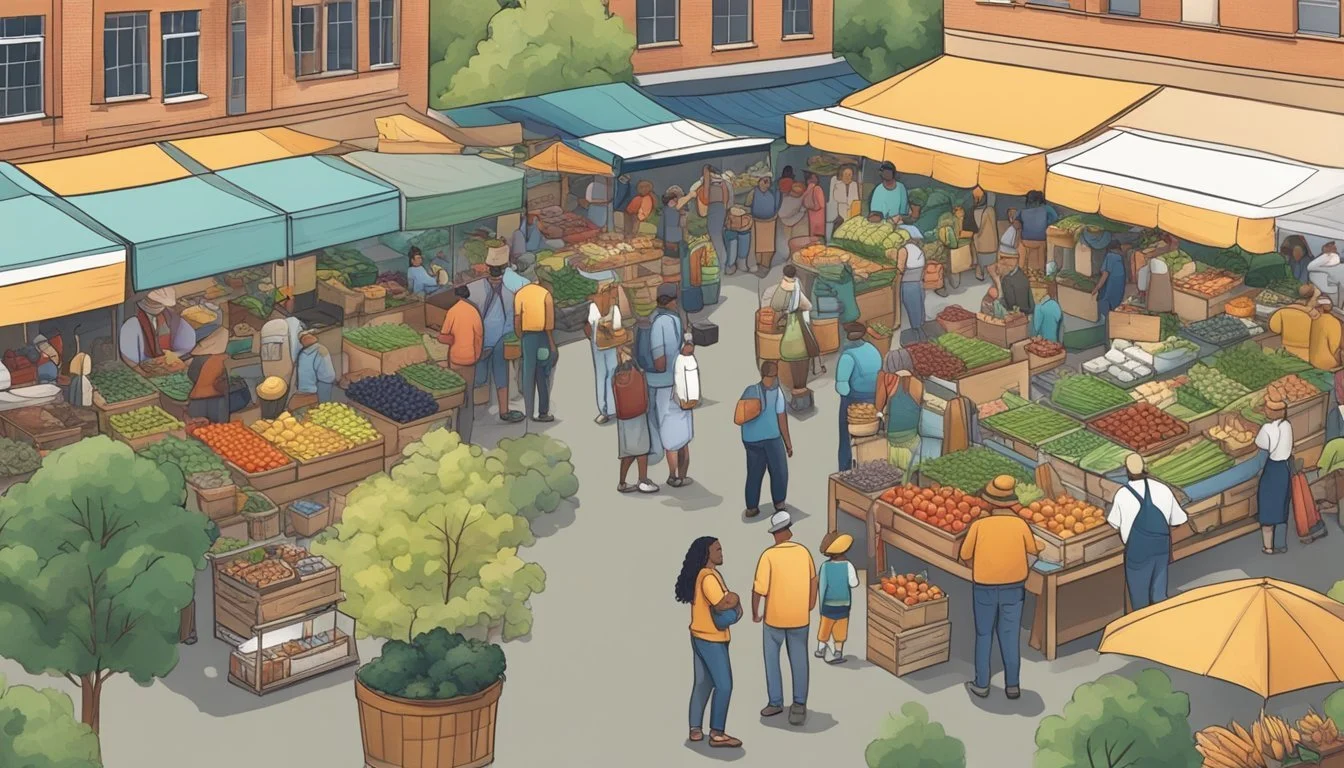
As the food co-op model evolves, technological advancements, and collaboration with other organizations are set to play pivotal roles in shaping their future landscape.
Technological Advances
Technological innovation is essential for food co-ops to sustain growth and efficiency. The integration of inventory management systems will streamline operations and reduce waste by predicting shopping patterns and managing stock in real-time. They are expected to harness E-commerce platforms, allowing customers to shop for their local, high-quality groceries online, further extending their market reach. Additionally, mobile applications will enable better engagement with members, providing them with personalized offers, store updates, and an easier membership management process.
Collaboration with Other Food Organizations
Food co-ops are increasingly recognizing the value of partnerships with local food systems and other environmentally-focused entities. These collaborations might involve shared resources to support sustainable agriculture or joint marketing campaigns to educate the community on the benefits of cooperative models. By pooling resources and knowledge, food co-ops can amplify their impact, increase their purchasing power, and support larger, system-wide changes within both the local and global food systems.
Additional Resources for Further Reading
In this section, readers will find curated educational content and digital communities to enhance their understanding of food co-operatives in Peoria, IL.
Educational Material
The reader may find comprehensive guides and reports that aid in understanding the nuances of starting and maintaining a food co-op. The Food Co-op Initiative offers a range of materials that are aimed at facilitating an efficient startup process for new food co-ops. Moreover, The FCI Guide to Starting a Food Co-op provides valuable insight into the foundational aspects of cooperative grocery businesses.
Websites and Online Communities
For ongoing updates and insights into the regional food system surrounding Peoria, one may subscribe to newsletters from the Regional Food Council of Central Illinois. This source also engages with the community by sharing information on shelf management and access to capital for food systems. Additionally, LocalHarvest represents an online community where readers can learn more about food co-operatives, different operational models, and the emphasis on high-quality product offerings in the Peoria area.