Dexter Cattle
Evaluating Benefits and Drawbacks for Small-Scale Farming
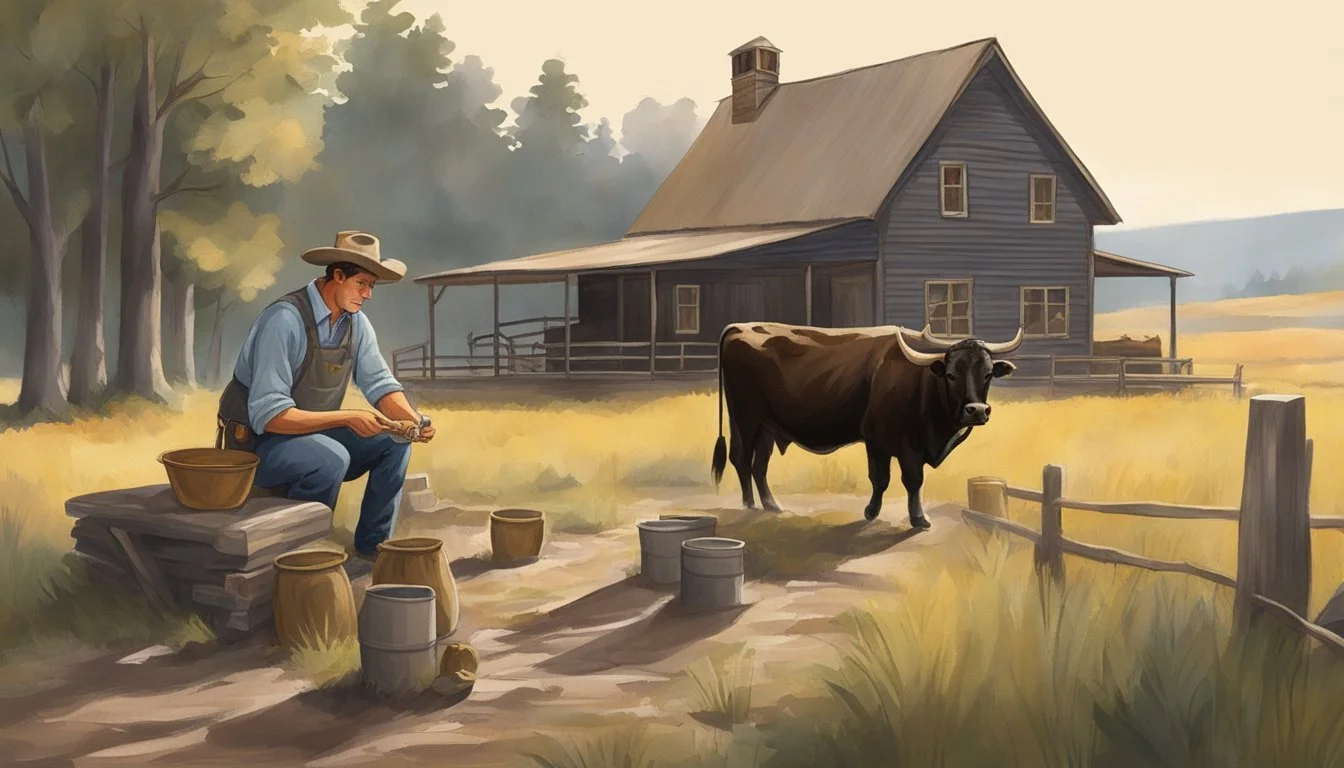
Dexter cattle, a versatile and compact breed, have become increasingly popular among homesteaders. Originating from Ireland, Dexters are one of the smallest cattle breeds, making them particularly well-suited for smaller farms with limited acreage. Their hardy nature allows them to adapt to varying climates and conditions, while their gentle demeanor and dual-purpose capabilities offer a sustainable and multifunctional livestock option. These characteristics align well with the goals of many homesteaders seeking self-sufficiency and efficient land use.
On the positive side, Dexters are known for their efficient feed conversion, often yielding more meat than other breeds of comparable size due to their muscular build. They provide not only meat but also rich milk with a high butterfat content, which is ideal for cheese and butter production. Additionally, their smaller size requires less pasture and can be easier on the land, reducing the environmental footprint of the homestead.
However, potential homesteaders must consider a range of factors before committing to raising Dexter cattle. While their size can be an advantage, it may also pose challenges in terms of finding suitable equipment and infrastructure designed for larger breeds. Moreover, understanding and meeting the specific health and nutritional needs of Dexter cattle is crucial for maintaining a healthy and productive herd. Ensuring they thrive requires careful management and a thorough understanding of their temperament and care needs.
History and Origin of Dexter Cattle
Dexter cattle are a unique breed with a storied past, which can be traced back to Ireland in the 18th century and has since witnessed global expansion.
Origins in Ireland
Dexter cattle originated in the southern regions of Ireland, with their history dating back to the 18th century. The breed is named after Mr. Dexter, an agent of Lord Hawarden, who started improving the local cattle using Kerry cow genetics. They garnered a reputation for being a hardy and versatile, dual-purpose breed with roots entrenched deeply in Irish agriculture.
Global Spread
The breed's adaptive qualities and compact size led to its global spread. In 1924, the English Kerry and Dexter Cattle Society shifted focus exclusively to Dexters. The significance of this breed dominated the narrative, with a substantial increase in recorded bulls and cows by 1926. In the United States, the American Kerry and Dexter Club, founded in the early 20th century, became the American Dexter Cattle Association by 1957. Although facing near extinction in the USA in the mid-1970s, interest renewed, and the number of Dexter cattle grew due to re-importations from Britain during the 1950s-1970s.
Characteristics of Dexter Cattle
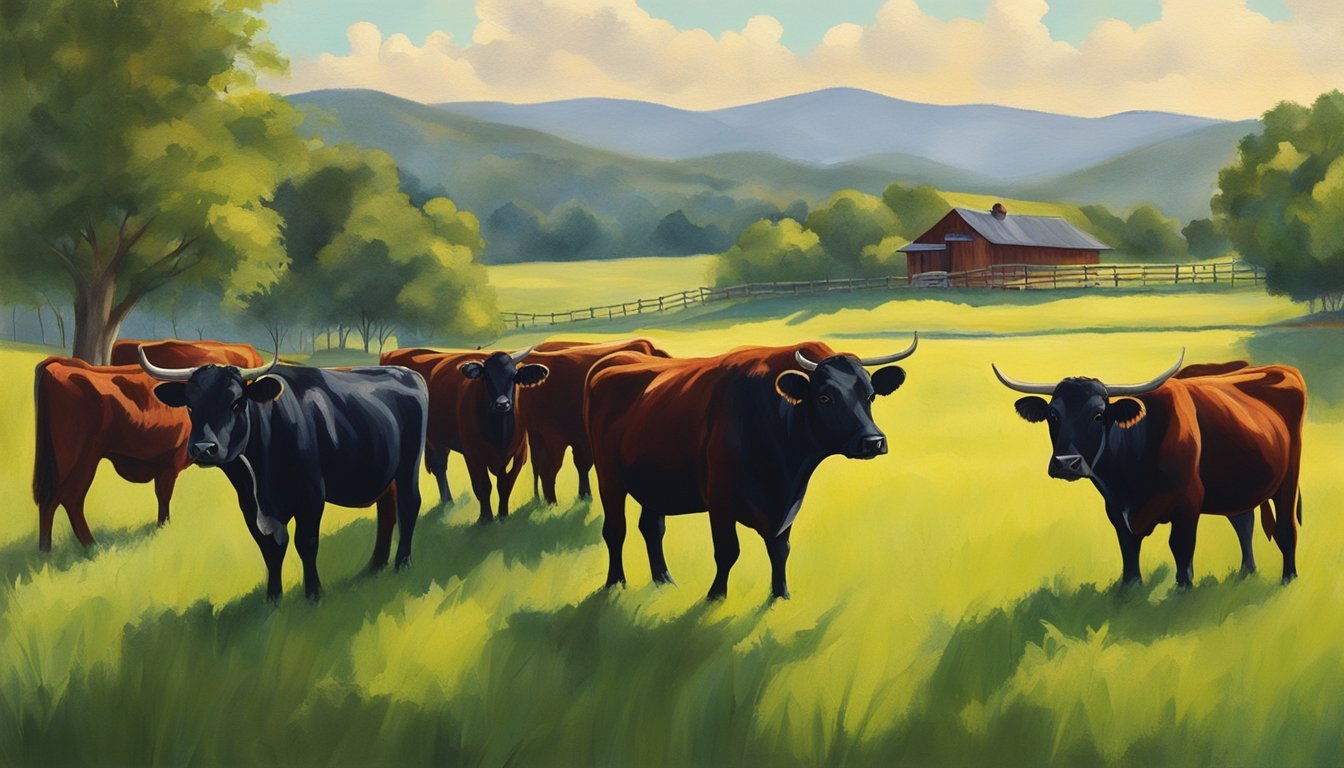
Dexter cattle are a versatile breed, small in stature but with a build that belies their size. They are known for their robust physical characteristics and come in a variety of colors.
Size and Weight
Height: Bulls and cows typically range from 36 to 44 inches in height at the shoulder.
Weight: Live weight averages up to 750 pounds for mature animals.
These dimensions make Dexter cattle particularly suitable for smaller farms or homesteads, where space and handling facilities might constrain the use of larger breeds.
Color Variations
Black: The most common color for Dexter cattle, known for its deep and rich tone.
Red: A warm, sometimes coppery shade visible in the breed, though less common than black.
Dun: A pale brown or grayish color that can vary in intensity and is also a recognized color variant.
The breed standard allows for these three main color variations, each with a consistent and even coat that contributes to the breed's hardy nature. Dexter cattle's coloration is not just for aesthetics; it can often influence a farmer's choice based on climate adaptability and market preference.
Behavioral Traits
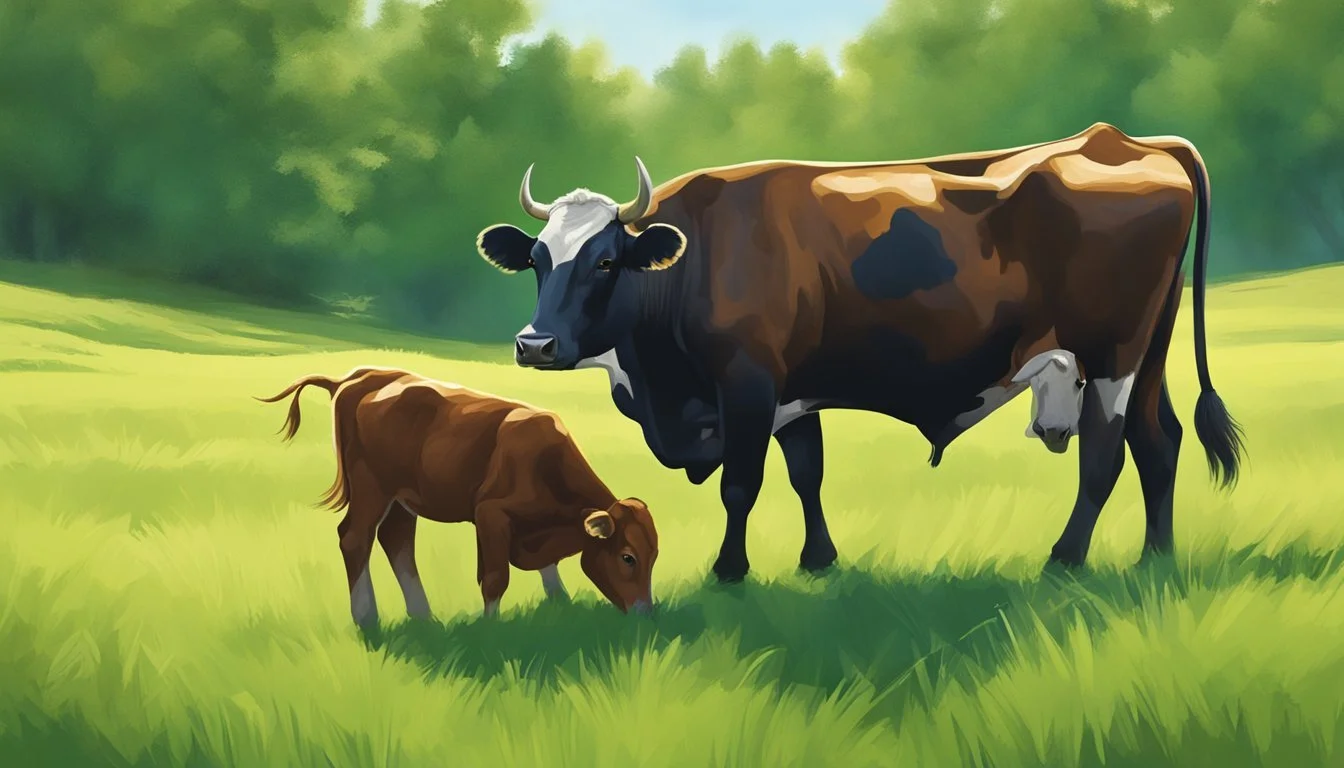
When considering Dexter cattle, it is crucial to understand their behavioral characteristics, as these can significantly impact their management and integration into small homesteads.
Temperament
Dexter cattle generally exhibit a docile temperament, which makes them suitable for small homesteads and beginner farmers. They are known to be gentle creatures, often displaying a calm demeanor that eases daily handling and care. Their docility is appreciated among farmers, especially when tasks such as milking or routine veterinary care require close interaction.
Maternal Instincts
Dexter cows display strong maternal instincts, often ensuring the safety and well-being of their calves with attentive care. Their nurturing behavior is evident from calving through weaning, providing their offspring with a protective and supportive environment. This inherent characteristic contributes to their reputation as reliable breeders within small-scale agricultural operations.
Housing and Maintenance
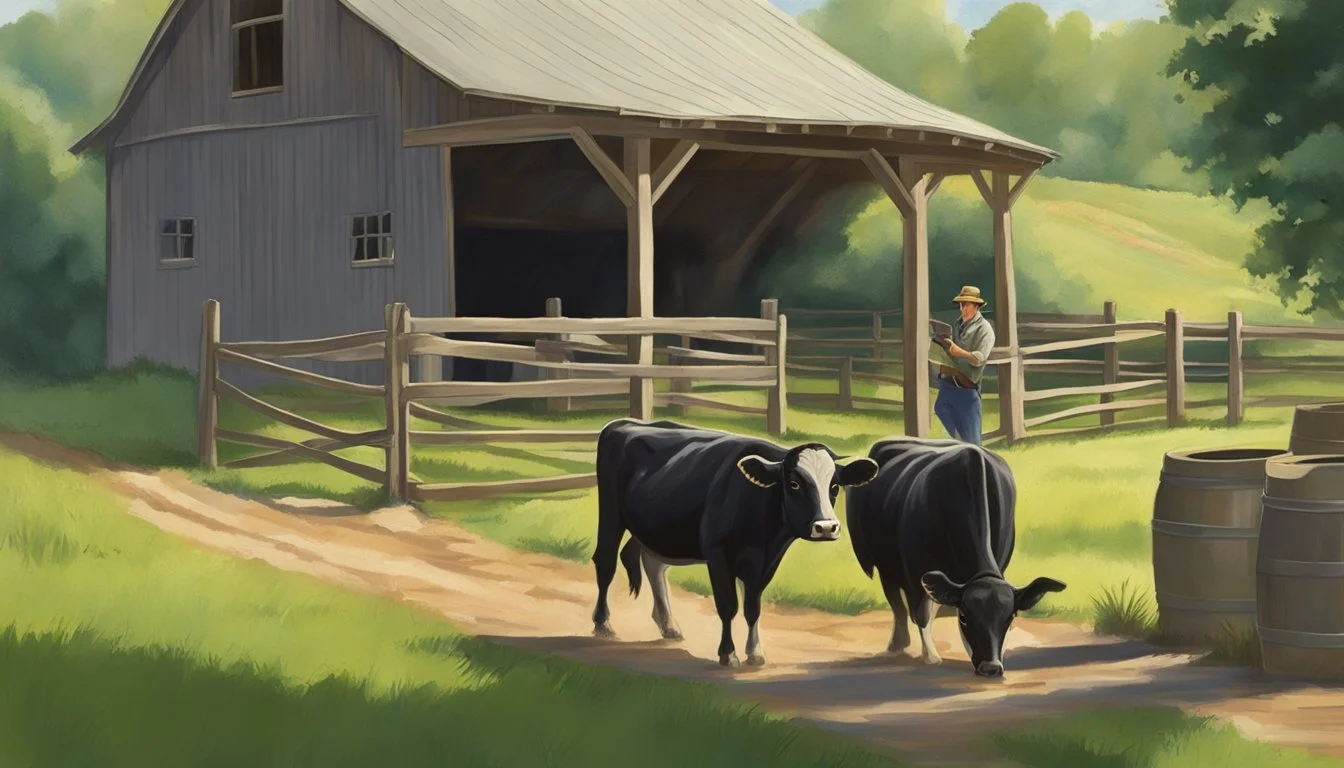
Dexter Cattle require appropriate housing and maintenance to ensure their health and productivity. Adequate shelter and efficient pasture management are critical components in their care.
Shelter Requirements
Dexter Cattle demand a shelter that provides protection from extreme weather conditions. A simple barn or three-sided shed can suffice, ensuring that it is well-ventilated, dry, and free from drafts. The shelter should be spacious enough to allow for the natural behavior and comfort of the Dexter herd, adhering to the following specifics:
Space per Cow: Provide at least 50 square feet per animal within the shelter.
Bedding: Use straw or similar material to ensure the surface is dry and comfortable.
Ventilation: Incorporate openings or vents at a high level to facilitate air flow without creating drafts at the level of the animals.
Fencing and Pasture Management
The fencing for Dexter Cattle should be secure and sturdy to prevent escapes and protect against predators. Electric fencing or four-foot-high woven wire fences are commonly recommended options. Pasture management is equally essential and includes rotational grazing to maintain grass health and availability. Here are the specifics for effective pasture management:
Fencing Details
Height: Minimum of 4 feet
Type: Electric or woven wire
Maintenance: Regular checks for damage or gaps
Pasture and Grazing Management
Rotational Grazing: Dividing the pasture into sections and rotating the cattle to allow grass recovery.
Feeding: Supplementing with hay during the winter or when pasture is insufficient.
Water Access: Providing clean and abundant water at all times, refilling as necessary.
By addressing shelter needs and enforcing rigorous fencing and pasture management protocols, Dexter Cattle can be raised successfully and with relative ease on small homesteads.
Health and Hardiness
When discussing the health and hardiness of Dexter Cattle, their notable disease resistance and impressive longevity stand out as key benefits for small homesteaders who seek resilient livestock.
Disease Resistance
Dexter cattle are known for their robust immune systems which contribute to their overall hardiness. Their genetics offer a natural resistance to many common bovine diseases. This trait is particularly advantageous as it translates to potentially lower veterinary costs and less need for medical interventions, making them an ideal choice for small-scale operations.
Common Bovine Diseases: Dexter cattle exhibit resistance against common ailments that often affect other cattle breeds.
Lifespan
Longevity is another hallmark of Dexter cattle, with many individuals living significantly longer than the average beef breed. It's not unusual for Dexter cattle to be productive for up to 12-14 years or more, which is a testament to their hardiness.
Typical Productive Lifespan:
Dexter Cattle: 12-14+ years
Other Beef Breeds: 6-10 years
Given their longer lifespan, Dexter cattle can be a cost-effective investment for homesteaders, providing value over a longer period compared to breeds with shorter lifespans.
Reproduction and Calving
In the realm of small homestead livestock, Dexter cattle offer notable reproduction and calving characteristics that warrant consideration. They typically exhibit a fuss-free breeding cycle and calving process, to the benefit of the homesteader.
Breeding Practices
Breeding stock selection is a critical step. Homesteaders should prioritize health and genetic diversity in their breeding bulls and cows. Dexter bulls are known for their vigor and can often begin breeding at a younger age than larger breeds. Homesteaders usually expect Dexter cows to have a gestation period of approximately 283 days, although bull calves might extend the average gestation slightly longer. It is not uncommon for Dexter calves to be born 10 days before or after their due date. Effective breeding practices ensure that cows are observed for accurate heat detection and timely insemination, whether naturally or through artificial methods.
Calving Ease
Dexter cattle are generally prized for their calving ease, making them a suitable choice for novice farmers. The smaller frame size of the breed contributes to a lower incidence of dystocia, commonly known as difficult calving. Calving ease is such that most Dexter cows can give birth without human intervention. Nevertheless, it is essential for homesteaders to monitor their expectant mothers closely as the due date approaches to swiftly address any rare complications. Farmers can typically expect a straightforward calving season with Dexter cattle, who are well-regarded for their mothering ability and for producing hardy calves.
Cattle as Livestock: Pros and Cons
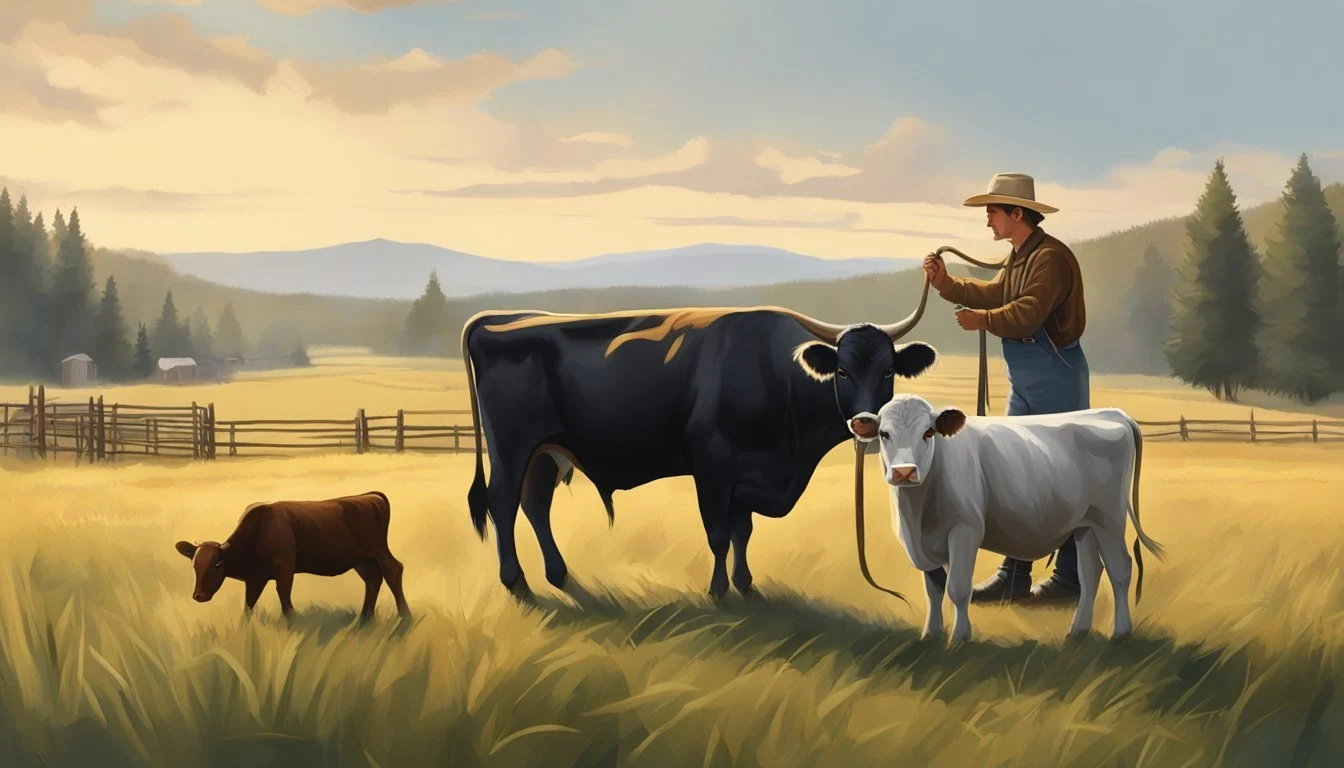
Within the realm of small-scale farming, Dexter cattle present unique opportunities and obstacles for homesteaders. Their compact size and dual-purpose utility offer an efficient and potentially sustainable option for those managing limited acreage.
Advantages of Dexter Cattle on Homesteads
Compact Size: One of the defining benefits of Dexter cattle is their small stature. Standing 36-44 inches tall and weighing up to 750 pounds, they require less space and consume less feed compared to larger breeds, making them an economical choice for small homesteads.
Beef and Milk Production: Dexters are a dual-purpose breed, providing homesteaders with both quality beef and milk. Despite their size, they are efficient converters of feed into meat, with yield rates surpassing 60% — a notable advantage over some dairy breeds.
Temperament: Known for their docile nature, Dexters are often easier to handle and manage, which is especially beneficial for novice farmers or those with family-friendly operations.
Longevity: Dexter cows are prolific breeders and can continue to produce offspring well into their advanced years, ensuring a long-term return on investment for the farm.
Challenges Faced by Homesteaders
Despite the benefits, Dexter cattle also bring specific challenges:
Market Familiarity: The breed is less common than other commercial breeds, which may present marketing challenges when selling meat or milk. Awareness and demand can vary greatly by region.
Genetic Management: With any small breed population, maintaining genetic diversity can be a challenge, requiring attentive breeding practices to avoid inbreeding.
Health and Hardiness: While generally hardy, the breed may be predisposed to certain health issues that require vigilance on the part of the homesteader to manage effectively.
Small homesteaders must weigh these pros and cons carefully to determine if Dexter cattle align with their farming goals and capabilities.
Nutritional Aspects of Dexter Cattle Products
Dexter cattle products offer both quantifiable and qualitative benefits in terms of nutrition, with their milk having a notably high butterfat content and their beef being lean yet rich in protein. This section examines the specifics of milk and beef quality from Dexter cattle.
Milk Production and Quality
Dexter cattle are not only prized for their meat but are also considered a dual-purpose breed that provides rich dairy produce. Their milk stands out with a high butterfat content, which can average around 4%. This substantial butterfat percentage results in milk that is creamier and ideal for processing into high-quality dairy products such as butter and cheese. The protein content in Dexter milk is also commendable, contributing to its nutritional richness.
Butterfat content: Approximately 4%
Dairy products: Ideal for making butter and cheese
Protein: High levels contributing to nutritional value
Beef Production and Quality
The beef yielded from Dexter cattle is known for its superior quality, often described as lean with a high meat-to-bone ratio that can exceed 60%. This efficient meat production translates into more servings of protein-rich food from each animal — a significant advantage for small homesteaders. Quality beef from Dexter cattle is characterized by its tenderness and flavor, which is a direct result of the breed's optimum conversion rate and fleshy physiology.
Meat-to-bone ratio: Over 60%
Protein-rich food: Efficient meat production for more servings
Quality: Tenderness and flavor due to optimal conversion rate
Breed Management and Care
Proper management and care are crucial for maintaining the health and productivity of Dexter Cattle. This section delves into their specific feeding needs and the best practices for handling and training these compact animals to ensure a harmonious farm environment.
Feeding Regimen
Dexter Cattle thrive on a grass-fed diet, which aligns well with their heritage as a hardy, foraging breed. They require less feed compared to larger breeds due to their small stature. It is essential to provide high-quality grass or hay, especially during winter months when fresh grass is not plentiful. For optimal health, their diet can be supplemented with grain, but this should be done cautiously to prevent obesity and other health issues. A typical feeding regimen for Dexter cattle would include:
Daily: Access to fresh, clean water and mineral supplements.
Spring and Summer: Fresh pasture that is rotated to promote regrowth.
Fall and Winter: High-quality hay to maintain condition through colder months.
As needed: Grain supplements for additional calories, particularly for lactating cows or during extreme cold.
Handling and Training
The docile temperament of Dexter Cattle makes them easy to handle and train, which is a significant advantage for small homesteaders. Their manageable size and disposition are helpful for routine tasks such as veterinary care, hoof trimming, and milking. Training should start early to acclimate them to human interaction, which can include:
Gentle Touching: Acclimating calves to human touch to reduce stress during future handling.
Lead Training: Introducing a halter and lead rope early to teach them to be led for various farm activities.
With consistent and gentle handling, Dexter Cattle can become even-tempered partners on a small homestead, responding well to their caretakers and exhibiting cooperative behavior.
Contribution to Small-Scale Farming
Dexter cattle offer small farms and homesteaders a compact and versatile livestock option that fits well within sustainable agriculture practices.
Suitability for Small Farms and Homesteads
Dexter cows, a miniature cattle breed, are an excellent fit for small farms and homesteading scenarios. Their compact size makes them easier to manage and requires less space compared to larger breeds, which is especially beneficial for operations with limited acreage. Dexters have been shown to be hardy and adaptable to a variety of environments, a trait valued by those with smaller parcels of land.
Space-efficient: Due to their smaller stature, Dexters are an ideal choice for those lacking the extensive acreage required for larger cattle breeds.
Dual-purpose: This breed offers both meat and milk, providing homesteaders with multiple streams of potential income or self-sustenance.
Role in Sustainable Agriculture
In the context of sustainable agriculture, Dexter cattle contribute effectively due to their efficient pasture utilization and lower environmental impact. Their ability to thrive on pasture-based diets means that they can be raised with fewer inputs, reducing the reliance on grain supplements. Furthermore, their hardiness translates to potentially lower veterinary costs and less need for medicinal interventions.
Forage adaptability: Dexter cows can maintain proper health and productivity on a variety of pasture types, which is significant for maintaining ecological balance within a farm's ecosystem.
Grain supplementation: While they can benefit from grain supplementation, it is not a necessity, allowing for more sustainable and cost-effective farming practices.
By incorporating Dexters into small-scale farming endeavors, homesteaders can benefit from the breed's contribution to efficiency and sustainability.
Economic Considerations
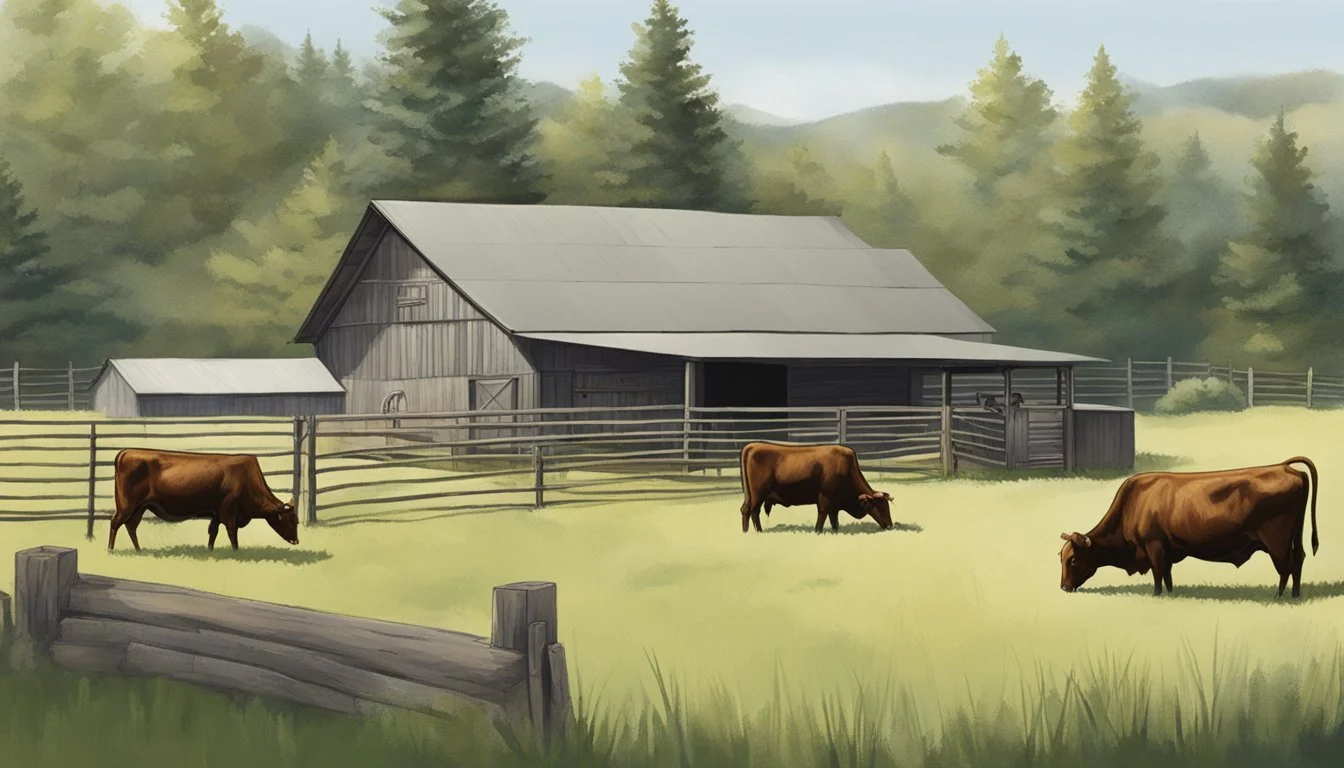
For small homesteaders, evaluating the economic viability of Dexter cattle involves assessing both the costs of their upkeep and the potential revenue they can bring. These considerations influence the decision to include Dexters in a farming enterprise.
Costs of Rearing Dexter Cattle
Input and Maintenance: Dexter cattle are known for their hardiness and ability to thrive on forage, reducing input costs for feed. However, initial investments include the purchase of breeding stock and infrastructure for housing and fencing. Regular expenses encompass veterinary care, hoof trimming, vaccinations, and potential supplementary feed during harsher seasons.
Feed: Primarily foragers, Dexter cattle can subsist on lower-quality forage but may require supplemental feeding.
Veterinary Care: Routine health checks and emergency care contribute to ongoing maintenance costs.
Housing: While sturdy, shelter is necessary to protect from extreme weather.
Fencing: Secure fencing is crucial for safe containment and rotational grazing.
Labor: Dexter cattle require less labor due to their smaller size and docile nature.
Efficiency: Their size and efficient feed conversion rates are attractive for those seeking an economic breed. A Dexter will often yield more meat from less feed compared to larger breeds.
Revenue from Dexter Cattle Farming
Meat Production: Dexter cattle offer a higher meat production efficiency. Their carcass yield can exceed 60%, which is substantial for their size, resulting in a profitable meat output for small-scale farms.
Market Prices: The meat from Dexter cattle can fetch competitive prices, especially if marketed as premium or grass-fed.
Milk Output: While not as prolific as specialized dairy breeds, Dexter cattle are adequate for small-scale dairy operations. Their ability to produce a reasonable quantity of milk with high butterfat content can be a source of modest income.
Direct Sales: Farmers can sell Dexter milk or value-added dairy products locally.
Niche Markets: Specialty markets for Dexter products can offer higher returns.
Farming Dynamics: Dexters are suited for mixed-use farms, providing both meat and milk. Their versatility and adaptability make them a fitting choice for diversified farming aimed at self-sufficiency or niche marketing.
Homesteading: Dexter cattle contribute to self-sufficiency through their dual-purpose nature.
Small Farms: Their small stature makes them ideal for smaller acreages where larger breeds are impractical.
Community and Resources
For homesteaders and preppers interested in Dexter cattle, a robust community and comprehensive resources are essential for successful breeding and husbandry. The support networks and associations dedicated to this breed offer valuable information and fellowship that can greatly enhance the experience of raising Dexter cattle.
American Dexter Cattle Association
The American Dexter Cattle Association (ADCA) is a pivotal resource for Dexter cattle owners in the United States. It provides a registry for purebred animals to ensure the preservation of the breed's quality and genetic diversity. Members have access to:
Educational materials: Guidelines on care, breeding, and management.
Networking opportunities: Events and forums for connecting with fellow breeders.
The ADCA also plays an instrumental role in promoting the Dexter breed through education and conservation efforts.
Support Networks for Homesteaders
Homesteaders looking to raise Dexter cattle can turn to various support networks for guidance and practical advice. These networks may include:
Local farming groups: Sharing of best practices and experiences.
Online communities: Forums and social media groups providing day-to-day support and resources.
By tapping into these networks, homesteaders can gain insights and tips from seasoned Dexter cattle owners, enhancing their capabilities in managing a small-scale cattle operation.
Conclusion
Dexter cattle present themselves as a beneficial addition to small homesteads. Their small stature is advantageous in terms of space and manageability. They require less feed compared to larger breeds, translating into cost savings for homesteaders.
In terms of their dual-purpose qualities, Dexter cattle can yield over 60% meat conversion from live weight, which is higher than many dairy breeds. For homesteaders interested in dairy, these cattle also provide a satisfactory milk supply, though not as substantial as specialized dairy breeds.
Challenges do exist with Dexters, such as finding the right market for their meat and managing their calving, if one is inexperienced. However, their hardy nature tends to offset these concerns, as they are well-suited to diverse weather conditions and can be easier to handle due to their size.
Homesteaders should consider the pros and cons in relation to their specific circumstances, ensuring that Dexter cattle integrate well within their operation. The adaptability and temperament of Dexters potentially make them a perfect fit for those operating on smaller scales who are looking for a breed that doesn’t require the same resources as larger cattle.
Caring for Dexter cattle is a long-term commitment, and success hinges on a homesteader's dedication to understanding and meeting the needs of these animals. This consideration will ensure that their presence on small homesteads remains both a pleasurable and profitable venture.