Fasting Windows
Optimize Your Eating Schedule for Health and Vitality
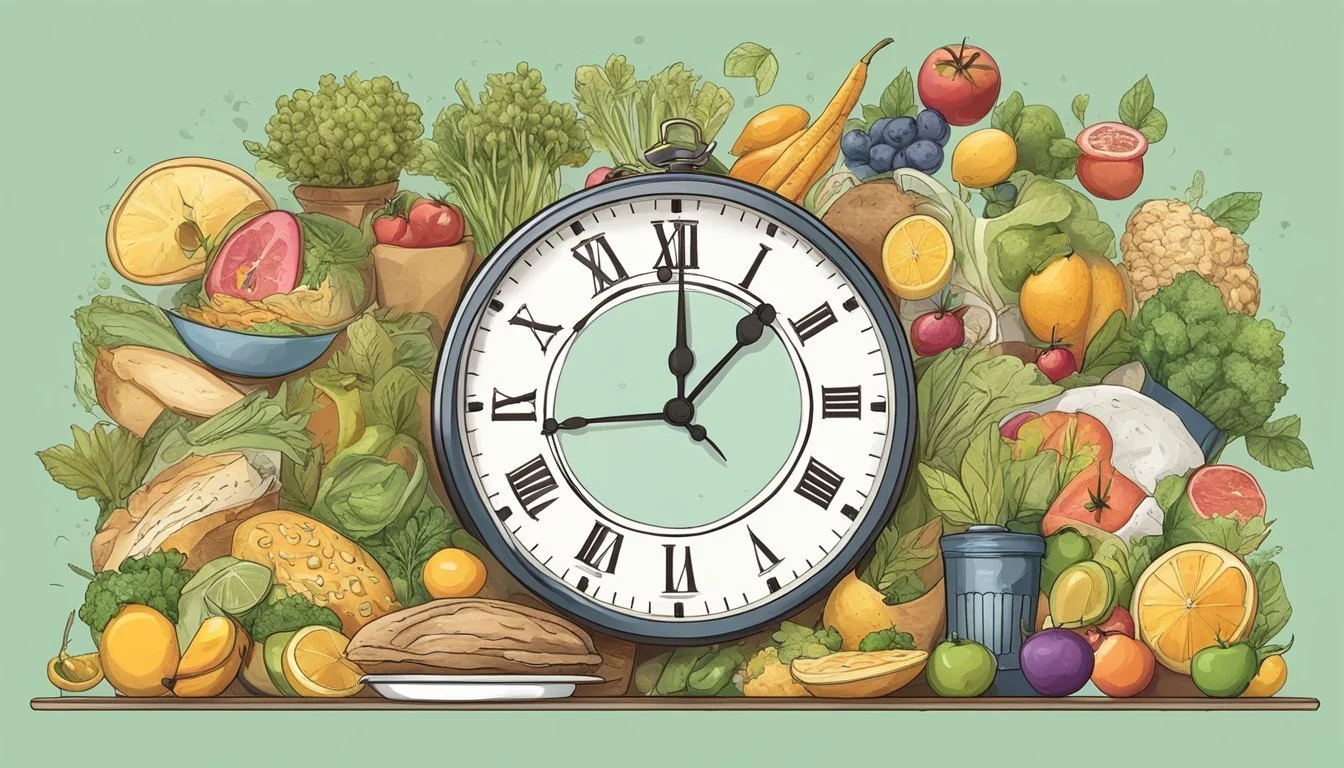
Intermittent fasting is a dietary approach that alternates between periods of fasting and eating. Unlike traditional diets that focus on what to eat, intermittent fasting is centered around when to eat, creating a pattern that many find more achievable and flexible. The various schedules allow individuals to adjust their eating windows to suit their lifestyle, offering a range of health benefits when practiced correctly. This method has gained popularity for its potential to aid in weight loss, improve metabolic health, and in some cases, contribute to longevity.
The core element of intermittent fasting is the fasting window, which is the period during which no calories are consumed. The length of these windows can vary, most commonly ranging from 14 to 20 hours of fasting within a 24-hour period. The remaining hours make up the eating window, time allocated for consuming meals. Some popular schedules include the 16:8, which involves 16 hours of fasting followed by an 8-hour eating window, and the 20:4, also known as the Warrior Diet, with a more restrictive 4-hour window for food intake.
Selecting the right fasting window is crucial to the success of intermittent fasting and hinges on individual preferences, daily routines, and health goals. It is essential to approach fasting with a clear understanding of personal nutritional needs and to be mindful of the body's response to different fasting lengths. Through trial and adaptation, individuals can identify the optimal schedule that not only contributes to their health goals but also integrates seamlessly with their lifestyle.
Understanding Fasting Windows and Schedules

In exploring various fasting strategies, it's key to understand the concept of fasting windows and how different fasting schedules can be adapted to individual lifestyles and health goals.
Defining Intermittent Fasting and Fasting Windows
Intermittent fasting (IF) is a dietary approach that alternates between periods of eating and fasting. A fasting window refers to the duration in which a person refrains from caloric intake, and conversely, an eating window is the period they are allowed to consume food.
Types of Fasting Schedules
Several fasting schedules exist, each with its structure:
16/8 method: A daily approach with 16 hours of fasting and an 8-hour eating window.
5:2 diet: Eating normally for five days of the week and significantly reducing calorie intake for the remaining two.
Alternate day fasting: Alternating between days of normal eating and days of either no caloric intake or a reduced calorie intake.
Eat-Stop-Eat: Involves 24-hour fasting periods once or twice a week.
Warrior Diet: Eating small amounts of raw fruits and vegetables during the day and one large meal at night within a 4-hour window, known as 20/4 fasting.
Time-Restricted Eating: Similar to the 16/8, with variations that might extend the fasting window to 14 or 18 hours, leaving a shorter window for eating.
Choosing Your Optimal Fasting Window
The choice of fasting window should:
Be synchronized with an individual's lifestyle and energy demands.
Consider personal health goals, such as weight loss or improved metabolic health.
Be sustainable long-term to ensure compliance and benefit maximization.
The Role of Circadian Rhythm in Fasting
The circadian rhythm, or the body's internal clock, plays a significant role in fasting. Aligning eating windows with daylight hours can:
Enhance metabolic processes.
Improve digestive and hormonal functionality.
Support the natural cycle of the body's fasting and feeding state.
Finding the optimal eating schedule involves understanding the different approaches to IF, evaluating one's lifestyle and goals, and considering the body's natural rhythms for maximum effectiveness.
Benefits and Risks of Fasting
Fasting, when done properly, can lead to significant health benefits such as weight loss and improved metabolic health; however, it is not without its potential risks. Below, we explore the advantages and possible adverse effects of fasting to help determine the optimal eating schedule.
Physical Health Benefits
Weight Loss: Fasting can lead to a calorie deficit, driving weight loss and the reduction of body weight, particularly beneficial in managing obesity.
Insulin Sensitivity: It enhances insulin sensitivity, potentially reducing the risk of metabolic syndrome and type 2 diabetes.
Heart Health: Some studies suggest intermittent fasting may improve heart health by lowering triglyceride levels and blood pressure.
Inflammation and Blood Sugar Levels: Fasting can reduce inflammation and improve blood sugar control, contributing to overall health benefits.
Potential Risks and Side Effects
Disordered Eating: There's a risk that fasting could trigger disordered eating behaviors in susceptible individuals.
Side Effects: One may experience side effects such as fatigue, headaches, or dizziness, particularly when first starting a fasting regimen.
Chronic Diseases and Conditions: Individuals with certain chronic diseases or health conditions should approach fasting cautiously and under medical supervision.
Pregnant or Breastfeeding: Fasting is typically not recommended for those who are pregnant or breastfeeding, due to increased nutritional needs.
Psychological Aspects of Fasting
Appetite Control: Fasting can help regulate appetite, aiding in healthy weight maintenance.
Mental Clarity: Some individuals report increased mental clarity during fasting periods.
However, fasting can be mentally challenging and may not be suitable for everyone, including those with a history of an eating disorder.
Nutritional Guidelines During Eating Windows
During eating windows in intermittent fasting, it is crucial to focus on optimal nutrition through well-managed caloric intake and balanced macronutrient ratios, while not neglecting essential micronutrients.
Managing Caloric Intake
To maintain or achieve fat loss, an individual needs to manage their calorie intake to ensure it aligns with their energy needs and goals. Here are a few key points:
Consuming fewer calories than expended will lead to weight loss.
Nutrient-dense foods should be prioritized to provide the body with essential nutrients without excessive calories.
Monitoring portions can help prevent inadvertent overeating, especially when the eating window is limited.
Importance of Macronutrient Balance
A balanced diet within the eating window should include a mix of protein, healthy fats, and carbohydrates:
Protein: Lean protein sources, such as chicken, turkey, fish, and plant-based options like beans and lentils, should be incorporated for muscle repair and satiety.
Healthy Fats: Avocados, nuts, seeds, and olive oil provide essential fatty acids and support overall health.
Carbohydrates: Focus on fibrous, whole-grain options and minimize ultra-processed foods to maintain steady energy levels and digestion.
Micronutrients and Fasting
Micronutrients — vitamins and minerals — are just as important during eating windows:
A variety of raw fruits and vegetables can supply a range of vitamins, minerals, and fiber, supporting bodily functions and promoting fullness.
Supplements may be considered if dietary intake is not sufficient, but food sources are preferred for better absorption and effectiveness.
Implementing Fasting in Daily Life

When incorporating intermittent fasting into one's routine, it's crucial to adjust exercise habits, ensure long-term sustainability, and understand the interplay with medication. Each aspect contributes significantly to a successful fasting schedule compatible with a healthy lifestyle.
Incorporating Exercise and Physical Activity
Incorporating exercise while on a fasting regimen can enhance both health benefits and physical performance. Those who exercise during their eating window may experience increased energy levels, while training in a fasted state might encourage favorable changes in body composition. It's advisable to:
Start with light to moderate intensity workouts and observe how the body responds.
Schedule high-intensity or long-duration workouts during eating periods to optimize performance and recovery.
Adapting Fasting for Long-Term Sustainability
For fasting to contribute to sustainable weight loss and a healthy lifestyle, it must be adaptable. Tailoring the fasting schedule to personal needs and circumstances is essential. One might consider:
Beginning with a less restrictive fasting method, such as the 16:8 approach (16 hours fasting, 8 hours eating), and adjusting as needed.
Ensuring proper nutrition during the eating window with a balanced intake of proteins, carbohydrates, and fats.
Fasting and Medication
It's vital for individuals on medication to consult healthcare providers before starting a fasting routine. Certain medicines require food intake to avoid digestive problems or other adverse effects. Key points to remember are:
Discuss with a doctor the implications of fasting on medication schedules.
Carefully time medication with eating windows to maintain efficacy and reduce potential side effects.
By considering these factors, one can seamlessly integrate fasting into daily life, achieving health goals with convenience and without compromising wellbeing.
Monitoring and Adjusting Your Fasting Plan

Adapting a fasting plan to individual needs is crucial for success. Monitoring key health markers and being willing to adjust the schedule ensures sustainability and effectiveness of the fasting regimen.
Tracking Progress and Health Markers
Individuals should set clear targets for their fasting schedules and track progress systematically. Keeping a daily journal can be useful, noting hours fasted, calories consumed, and any hunger or appetite changes. Regularly monitoring blood glucose levels and noting times of metabolic switching, where the body begins burning fat for energy, provides insights into the body's adaptation to fasting. Importantly, people should watch for signs of overeating during eating windows, which can negate the benefits of fasting.
Health Marker Baseline 1 Month 3 Months Blood Glucose (mg/dL) 90 85 80 Weight (lbs) 200 195 190 Fasting Hours Daily 12 14 16 Calories Consumed Daily 2500 2300 2100
When to Modify Your Fasting Schedule
Modifications to a fasting schedule should be considered if an individual's health markers are not improving or if they consistently experience difficulty such as excessive hunger or a lack of focus. If fasting causes significant disruption to social or occupational roles, especially during the 5:2 approach—where two days involve a significant calorie reduction—alterations are advised. Flexibility in the schedule is key, allowing for adjustments such as shifting the eating window to include breakfast if it's preferred or expanding the window to mitigate hunger.
Fasting and Personalized Health
Fasting plans ought to account for personal health variables. For instance, someone with a sedentary lifestyle may require a different fasting strategy compared to an active individual. Incorporating calorie-free beverages can aid in appetite control and make it easier to extend the fasting period. The plan should also be capable of accommodating changes, such as hormonal fluctuations that affect hunger and satiety levels. Systematic reviews may suggest the efficacy of a particular fasting approach, but personalization is key—what works for one may not work for another.
By focusing on individual responses to various fasting schedules, making data-driven adjustments, and privileging personal health, one optimizes their chances of sustaining a healthy and effective fasting routine.
Common Questions and Misconceptions
In this section, we navigate through several pivotal aspects, such as debunking myths related to fasting, understanding its impact on weight management, and considering its application across diverse groups of people.
Addressing Fasting Myths
Myth: Fasting always results in overeating and intense hunger. Fact: Although some people may experience increased hunger initially, intermittent fasting can lead to a reduction in overall hunger levels over time. Strategic eating schedules like the 16/8 intermittent fasting method train the body to feel satisfied with fewer, more controlled eating periods.
Myth: Fasting is detrimental to cognitive function. Fact: Research indicates that fasting may improve focus and memory. The brain can function efficiently on ketones, which are produced during longer fasting periods.
Fasting and Weight Management
Managing Insulin Levels: Intermittent fasting can help manage insulin levels, which is crucial for individuals with type 2 diabetes. When insulin levels are well-regulated, it's easier to control body weight because the body is less likely to store excess glucose as fat.
The Role of Diet: It's not just the fasting window that's important, but also what one eats during the eating period. Incorporating leafy greens and healthy fats into meals can increase satiety and support weight management efforts.
Fasting for Different Populations
Individuals with Diabetes: Those with diabetes must approach fasting cautiously, particularly in terms of monitoring blood glucose levels and potential medication adjustments. It's vital that they consult healthcare professionals before starting any fasting regimen.
Impact on Different Age Groups: The elderly may have different nutritional and caloric needs, and therefore, fasting protocols such as fast diet or others may need to be adjusted to ensure they're meeting their needs without compromising nutrition.
Remember, each individual’s experience with fasting will vary, and customization of fasting plans according to personal health and lifestyle is essential.