Food Truck Laws Akron, Ohio
Your 2024 Regulatory Guide
Operating a food truck in Akron, Ohio, involves navigating specific statutes and regulations to ensure legal compliance. Each food truck entrepreneur must fulfill the state-mandated requirements concerning food safety and operations from mobile units. Ohio law is clear that any individual or entity planning to prepare, serve, or sell food from a movable vehicle must obtain the appropriate mobile food licenses. This commitment to regulation maintains public health standards and supports safe food service practices.

The licensing process in Akron is structured to ensure that food trucks meet all necessary health and safety conditions. Compliance with both state and local guidelines is essential. Akron's regulations mandate that food trucks contain equipment consistent with traditional food service establishments, including provisions for maintaining appropriate food temperatures and ensuring hygienic operations. The approval process involves multiple steps, ranging from vehicle inspections to food safety certifications, before a food truck can legally operate within city limits.
Understanding Food Truck Laws in Akron

Food truck operators in Akron, Ohio, must navigate a series of regulations, from permits to health compliance, to establish and maintain their mobile eateries within the city's legal framework.
Historical Background and Legislation
In Akron, Ohio, the regulation of food trucks has evolved over time, mirroring the city's growth and the increasing popularity of mobile food service. Legislation passed by the Akron City Council has developed to ensure that these businesses operate smoothly within the municipal framework.
Key Ordinances Governing Operations
The operations of food trucks in Akron are subject to local ordinances that regulate their location and business hours, especially in vibrant areas like downtown and the biomedical corridor.
Permit and License Requirements
To legally operate, food trucks need an Ohio business license and a specific food truck license. The license application involves a fee and often requires approval from multiple city departments, including the health department.
Health and Safety Regulations
Health and safety are paramount, with regular inspection by the health department. Food trucks in Akron must align with regulations covering everything from food safety training to inspection protocols.
Specific Akron Guidelines for Food Trucks
Food trucks operating in Akron must adhere to local guidelines which may include restrictions on operations in certain parks or near avidly-frequented places like Lock 3.
Local Taxation and IRS Guidelines
All food trucks must comply with the IRS guidelines, including securing an EIN and adhering to sales tax regulations. Summit County local taxation laws also apply to these mobile businesses.
Parking and Location Specifics
The city has specific rules governing where food trucks can park and operate, whether on public property or within designated zones such as downtown Akron.
Fire Safety and Compliance
Compliance with the Ohio fire code is mandatory, including provisions for propane tanks, fire extinguishers, and thorough fire inspections.
Equipment and Vehicle Standards
Every food truck must meet certain vehicle and equipment standards, which include adequate wiring, a reliable gas supply, and proper sinks for sanitation—all essential for both operation and inspection.
Food Handling and Menu Regulations
Food truck menus are regulated based on the risk level of food being handled. Regulations stipulate the necessity of a three-compartment sink and proper sourcing of produce to maintain food safety.
By abiding by these detailed legal expectations, food truck owners in Akron can ensure their businesses not only serve delicious food but do so in a safe and compliant manner.
Starting a Food Truck Business

To successfully launch a food truck business in Akron, Ohio, entrepreneurs must navigate legalities around business structuring, vehicle acquisition, financing, insurance, and building essential local partnerships.
Business Formation and Structuring
In Akron, food truck entrepreneurs have the option to structure their mobile food business as a sole proprietorship or partnership, among other entities. The choice of business structure affects tax obligations and liabilities. To operate legally, one must obtain the necessary business license and adhere to local regulations.
Acquiring a Food Truck
The initial step involves selecting a food truck or mobile food unit that meets Akron’s health and safety standards. Acquisition costs vary significantly and should be carefully considered alongside the fee for all required permits and registrations.
Securing Initial Capital and Insurance
Startup capital is vital to cover the costs of the truck, equipment, and initial inventory. Prospective owners must also secure comprehensive liability insurance to protect against potential accidents and liability claims.
Developing Partnerships and Networks
Cultivating relationships with local suppliers and joining entities like the Akron food truck coalition can provide invaluable support. Such networks aid in navigating the competitive landscape and can assist with securing prime vending locations.
Operation and Management

Proper operation and management are vital for food truck success in Akron, Ohio. Guidelines are in place to ensure that food trucks not only meet regulatory standards but also thrive in a competitive market. Effective handling of daily logistics, engaging customers, and managing compliance issues are key.
Daily Operations and Logistics
Food truck operators in Akron should establish a consistent schedule and secure ideal locations to maximize exposure and revenue. They must navigate city zoning laws to identify permissible parking spots. To operate seamlessly, it's recommended to ensure regular maintenance of the truck. Having procedures for inventory management and quick setup and breakdown can improve efficiency.
Schedule: Set and adhere to regular operating hours.
Location: Research and select high-traffic areas while adhering to zoning restrictions.
Marketing and Customer Engagement
Engaging customers goes beyond serving delicious food; it encompasses brand building and outreach. Food truck operators should leverage social media platforms to create a loyal following. Posting their schedule and actively promoting their location can boost visibility. A clear marketing strategy should include:
Brand Identity: Create a memorable food truck name and logo.
Social Media Presence: Use platforms like Facebook and Instagram to maintain customer rapport.
Handling Fines and Violations
To prevent fines and adhere to regulations, food truck operators must comply with Ohio Administrative Code and Summit County health and safety standards. Violations can incur fines or suspension. It's critical to undergo regular inspections and maintain proper food safety protocols. They should stay informed about changes in regulations through resources like Summit County Public Health.
Compliance: Regular self-inspections and adherence to the Ohio Administrative Code's health standards.
Response to Violations: Promptly address any noted violations to avoid fines and maintain operation.
Community and Environmental Impact
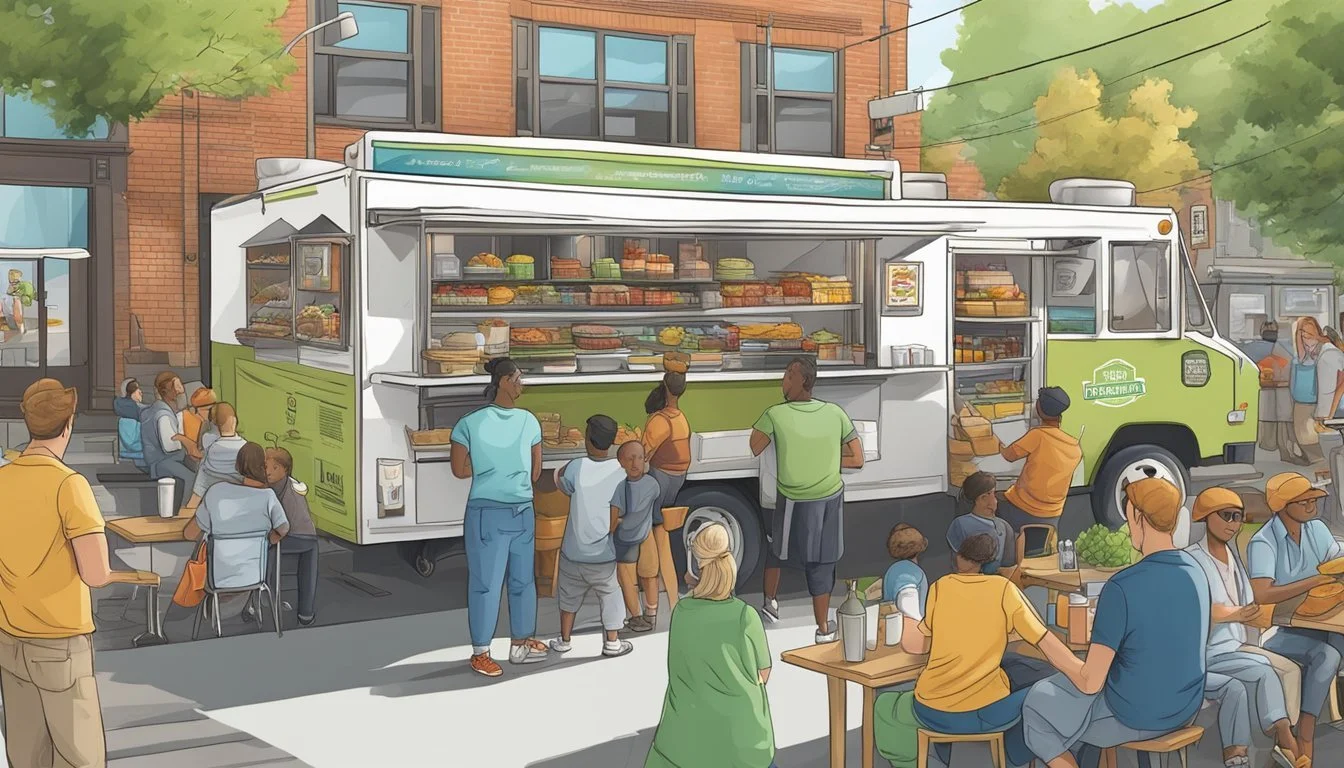
Food trucks in Akron have a dynamic influence on the community, intertwining with the local culture and economy while navigating environmental considerations. They must balance their entrepreneurial spirit with the needs and expectations of existing businesses and residents.
Relationship with Brick and Mortar Restaurants
Food trucks present both a challenge and an opportunity for traditional restaurants in Akron. On one hand, they introduce competitive pressure due to their mobility and flexible operation hours. On the other hand, food trucks can complement brick and mortar establishments by cultivating a vibrant street food culture that can increase overall foot traffic to an area. The city's mobile food license requirements help ensure that these businesses coexist with consideration.
Contribution to Local Economy and Culture
The presence of food trucks in Akron augments the local economy by creating jobs and supporting ancillary services such as food suppliers and maintenance providers. Additionally, they are cultural incubators, showcasing Akron's culinary diversity and fostering a sense of community through public events and food festivals. Food trucks often serve as a cost-effective platform for culinary entrepreneurs to introduce innovative food concepts to the market.
Sustainability and Local Sourcing
Sustainability initiatives among Akron's food trucks are gaining momentum. There is an increasing trend toward local sourcing, which reduces transportation emissions and supports the local agricultural sector. Moreover, food trucks are adopting green practices in waste management and energy usage, helping to minimize their overall environmental impact. Regulations, such as those detailed by the Summit County Public Health department, encourage food trucks to adhere to specific health and safety standards that promote sustainable operations.
Future Trends and Industry Developments

The landscape of the food truck industry in Akron, Ohio, is poised for transformative growth influenced by innovative technologies and evolving regulatory frameworks. Stakeholders can anticipate significant shifts in how food truck businesses operate and are governed.
Technological Advancements
The integration of technology is set to redefine the operational efficiency and customer experience for Akron's food truck businesses. Mobile Ordering Systems, utilizing smartphone applications, are becoming vital for streamlining order processes. Additionally, GPS Tracking features are anticipated to improve logistics, enabling customers to locate their favorite food trucks in real-time. This digital evolution extends to payment transactions where Contactless Payments are expected to dominate, prompted by both consumer preference and public health considerations.
Regulatory Changes and Forecasts
Legislative shifts are on the horizon for Akron's food truck operators. Recent discussions reveal a possible restructuring of Permitting Fees, which food truck entrepreneurs argue should reflect the industry's unique needs and the value it brings to the local economy. Furthermore, there's an ongoing debate about the Zoning Regulations that could lead to designated food truck-friendly areas promoting a more vibrant and organized street food scene. Keeping abreast of these regulatory changes is crucial for operators within the industry.
Additional Resources

For those involved in the food truck industry in Akron, Ohio, a wealth of additional resources is available to support and guide their endeavors. These resources range from professional associations tailored to the mobile food vendor community to educational workshops aimed at honing business and culinary skills.
Professional and Trade Associations
Engagement with professional and trade associations can be instrumental for food truck owners. These organizations offer industry insights, networking opportunities, and advocacy on legislative and regulatory issues. One key association is the Akron Food Truck Coalition, a collective that works to represent the interests of local mobile food entrepreneurs. It can assist with navigating the complexities of food truck regulations and foster a supportive community among vendors.
Educational Opportunities and Workshops
A variety of educational opportunities and workshops are accessible for those looking to expand their knowledge and succeed in the food truck industry. Local culinary schools may offer courses specific to mobile food service, while the Summit County Public Health department periodically conducts workshops covering safe food handling practices and licensing requirements. These workshops and courses can provide critical information and training for running a food truck business effectively.
Conclusion

In Akron, Ohio, those aiming to operate mobile food businesses are required to navigate a clear set of regulations and requirements. Comprehensive guidelines have been established to ensure food safety and operational compliance, as outlined in the Summit County Public Health documentation. These necessary stipulations include obtaining a Mobile Food Operation License and adhering to the Ohio Administrative Code.
Mobile Food Units must meet safety standards as determined by the Ohio Fire Code (Ohio Fire Code updates), which experienced updates in recent years. The revisions aim to solidify safety measures around the use of LP-Gas containers and other potential fire hazards associated with mobile food operations.
For future ventures, operators should stay vigilant regarding updates to these laws to maintain compliance. They should also anticipate potential amendments as consumer safety standards evolve and as the mobile food industry grows. Adaptation to changing regulations is crucial for the longevity of food truck ventures in Ohio.
The outlook remains promising for food truck owners who demonstrate consistent compliance with current laws and flexibility in response to new regulations. With a solid grasp of the legal framework and a proactive approach to legal adherence, mobile food businesses can thrive within Akron's culinary landscape.