Food Truck Laws Anchorage, Alaska
Regulations for Mobile Vendors

Anchorage, Alaska offers unique opportunities for food truck owners, with its bustling tourism and local foodie culture. However, operating a food truck in Anchorage requires compliance with specific regulations to ensure public health and safety. The Municipality of Anchorage mandates that all mobile food vendors have the appropriate food permits, which cover everything from food carts to full-scale mobile food units. This regulatory framework is essential for maintaining food safety standards and protecting consumers.
To further ensure these standards are met, mobile food vendors must also adhere to the general food code requirements, with additional provisions tailored for mobile units. Guidance on regulations can be found on the official guidelines for mobile food facilities provided by the Municipality of Anchorage. Aspects such as proper waste disposal, food safety ordinances, and compliance with tax laws form part of the considerations food truck owners must navigate.
Moreover, food trucks must meet infrastructural requirements like having conveniently located hand sinks in food preparation and dishwashing areas, as detailed by the Alaska Department of Environmental Conservation. Not only does this facilitate good hygiene practices, but it also helps prevent contamination, ensuring that the mobile culinary experience in Anchorage remains a safe and enjoyable one for all patrons.
Understanding Food Truck Laws in Anchorage
Operating a food truck in Anchorage involves navigating a series of regulations to ensure compliance with local laws. Food truck operators must acquire the appropriate permits, adhere to health and sanitation standards, and ensure their business aligns with municipal requirements.
Local Regulations and Code Compliance
In Anchorage, food trucks are expected to follow the Municipality of Anchorage Food Code, which reflects the standards set by the U.S. Food and Drug Administration. This includes abiding by definitions such as what constitutes a 'commissary' and relevant support services for mobile units. It also involves adhering to environmental practices that align with local waste disposal regulations and driving laws relevant to commercial vehicles.
Permits and Business Licensing
To legally operate a food truck, one must secure several permits and licenses. The Municipality of Anchorage mandates that all mobile food vendors obtain a food permit. Additionally, businesses should comply with tax laws and may need specific permits from the State of Alaska, including a business license that officially registers the food truck as a legal entity in the state.
Health and Sanitation Requirements
Food truck operators in Anchorage must adhere to strict health and sanitation regulations to serve the public safely. They are required to undergo Alaska Food Handler Training to ensure that they understand how to handle food safely and maintain a clean preparation environment. Trucks must also meet public health laws, including temperature controls for food safety to prevent the spread of foodborne illnesses. Equipment and setup must consistently meet the health department's guidelines, and regular inspections are carried out to ensure ongoing compliance.
By comprehensively understanding and meeting these requirements, food truck operators can successfully navigate the business landscape in Anchorage, contributing to the vibrant street food culture while maintaining high standards of public health and safety.
Starting Your Food Truck Business

When embarking on the journey of starting a food truck business in Anchorage, Alaska, one must engage in thorough planning and adhere to specific state-mandated certifications. It is essential to be well-prepared with a solid business plan, understand the need for obtaining a Food Worker Card, and secure a Food Protection Manager Certification.
Business Planning and Research
The initial step in launching a food truck business is crafting a comprehensive business plan. This plan should detail all aspects of the business, from financial projections to marketing strategies. Conducting in-depth research is vital to understanding the local market, identifying target customers, and scoping out potential parking locations. Entrepreneurs should explore resources like "How to Start a Food Truck in Alaska", offering valuable insights into the local food truck scene and practical steps for establishing a mobile food unit.
Acquiring a Food Worker Card
Possessing a valid Food Worker Card is mandatory for anyone involved in food preparation or service in Alaska. Individuals must complete a food safety course, pass an examination and apply for the card through the Alaska Department of Environmental Conservation. This step ensures that all food truck employees are knowledgeable about safe food handling procedures.
Food Protection Manager Certification
For a food truck business in Anchorage, at least one on-site manager must be certified with a Food Protection Manager Certification. This ensures that the business complies with food safety regulations and operates responsibly. Candidates for this certification must pass an accredited examination, which covers critical food safety practices. Resources like "Food Truck Training & Certification" provide additional information on state requirements and contact details for obtaining the necessary education.
Each step taken in adhering to these requirements solidifies the foundation of a responsible and successful food truck business in Anchorage, showing commitment to high standards and safety for the community.
Operations and Food Handling
Food trucks operating in Anchorage, Alaska, are subject to specific regulations ensuring food safety and sanitation. It's imperative that these mobile units maintain high standards of food processing, sanitation, and water access to prevent foodborne illnesses and safeguard public health.
Safe Food Processing and Storage
Proper food processing and storage are critical to preventing foodborne illness. The Anchorage Food Code, revised in December 2017, requires that food truck operators store food at safe temperatures and follow strict guidelines for food handling. Refrigeration units must keep perishable items below 40°F, while hot storage should be above 140°F to inhibit bacterial growth. All food items must be stored off the floor and in designated areas, away from any sources of contamination.
Maintaining Sanitation and Preventing Illness
Regular and thorough cleaning of the food truck's interior is mandatory to ensure a sanitary process. Surfaces that come in contact with food, such as countertops and cutting boards, need frequent sanitizing. Additionally, operators and employees are mandated to follow handwashing protocols to avert the spread of illness. Staff who show symptoms of sickness should be restricted from handling food or utensils.
Access to Running Water
Food trucks in Anchorage must provide access to running water at both food preparation and dishwashing areas. The water supply should deliver hot water—at least 100°F—and cold water under pressure. Adequate facilities for hand washing, including soap and paper towels, are essential. These measures are crucial for proper hygiene and cleaning practices, integral to food safety and preventing contamination.
Challenges and Considerations for Food Trucks

Running a food truck in Anchorage, Alaska, presents unique challenges that operators must navigate to run a successful enterprise. This section provides insights into environmental factors and market specificities crucial for food truck businesses in the area.
Weather and Environmental Conditions
In Anchorage, food truck operators face significant challenges posed by the harsh Alaskan weather, particularly during the long, cold winter months. These conditions necessitate robust preparation and adaptive strategies to maintain operations. Proper insulation and reliable heating systems are critical for both the crew's comfort and food safety. Weatherproof equipment and winterized vehicles ensure continuous service amid heavy snowfall and subzero temperatures.
To comply with local regulations, food trucks must also adhere to strict waste disposal regulations and temperature control requirements, both of which are particularly challenging to manage during extreme weather conditions.
Unique Market Characteristics in Alaska
The food truck industry in Alaska is not just about navigating the climate; it also entails understanding the unique market characteristics of the region. Anchorage has a smaller, more concentrated population than many other cities in the lower 48 states, which impacts customer volume and location choices for food truck owners.
They must be strategic in selecting spots that capture sufficient foot traffic, such as near offices, tourist attractions, or during special events. Seasonal fluctuations in population, driven by tourism in the summer and a retreat in the winter months, also affect potential revenue. Food truck operators leverage a diverse range of cuisines to cater to both locals and tourists, staying agile to the changing demands of this unique market.
Growth and Opportunities
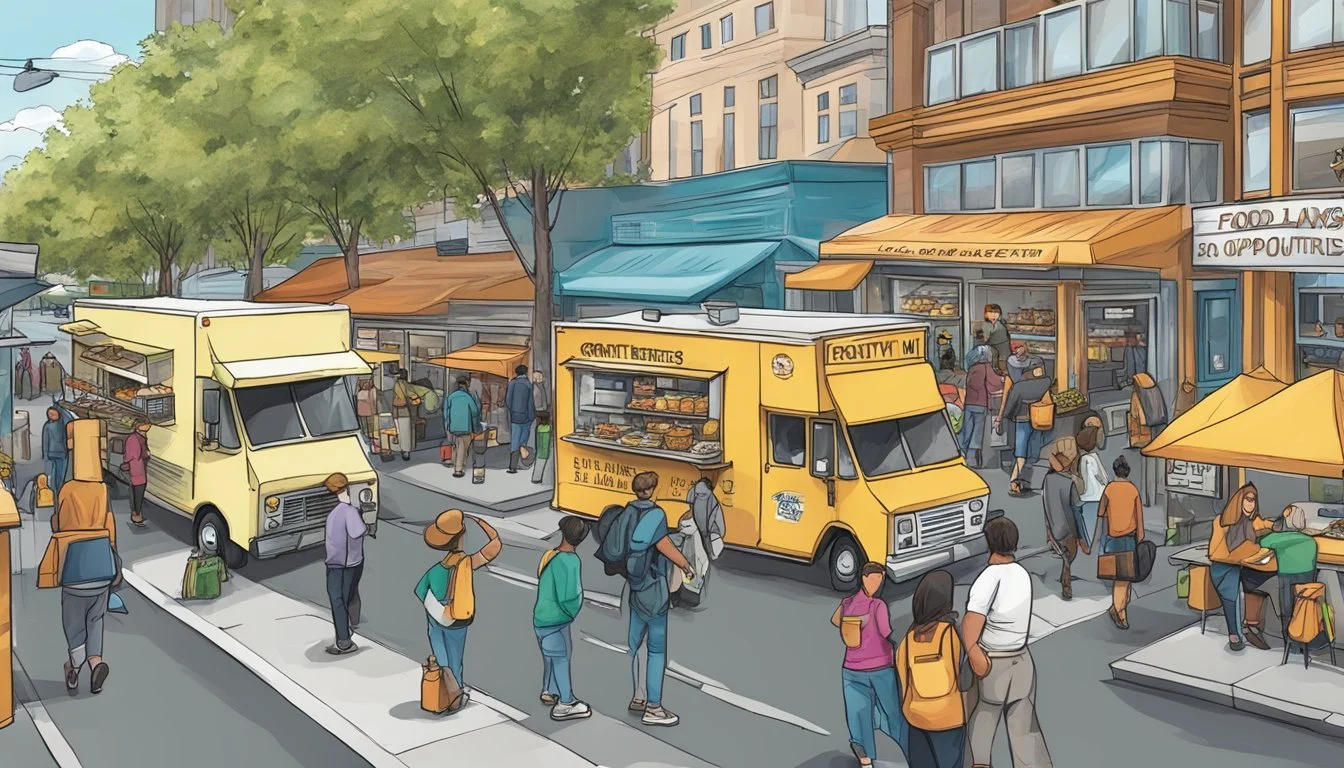
The food truck industry in Anchorage, Alaska, is poised for expansion as it capitalizes on the city’s vibrant cultural events and a growing interest in diverse culinary options. Catering services and scalability tactics play a crucial role in the sustained growth and reach of food trucks in this region.
Catering and Event Participation
Catering provides a significant opportunity for food trucks, as they can serve at corporate events, weddings, and community gatherings, tapping into a market with a need for mobile and flexible food services. Specifically, food carts and food trucks in Alaska offer a practical solution for event organizers looking for varied and high-quality food offerings. By establishing connections within the local event industry, these mobile food vendors can secure a steady stream of business that supplements their day-to-day operations.
Expansion and Scalability
The scalability of a food truck is another viable pathway to growth. Owners can expand their business by either adding more trucks to their fleet or evolving their brand into a physical restaurant location. Food trucks inherently have lower overhead costs and thus present a unique advantage in testing and adapting to market demands before any significant investment. Food trucks in Alaska, with their ability to move across locations, can strategically determine the best areas for potential market expansion and brand recognition.
Developing a scalable model also allows for adaptation to seasonal changes, which is crucial in Alaska’s variable climate. Operators can focus resources on different aspects of the business—food carts, brick-and-mortar extensions, or increased catering efforts—depending on seasonality and customer demand.
Compliance and Enforcement
In Anchorage, Alaska, food truck operators must adhere to a stringent framework of regulations to ensure public safety and environmental responsibility. Compliance with these rules is non-negotiable and is enforced through systematic inspections and potential legal ramifications for those who fail to comply.
Routine Inspections and Audits
Food trucks in Anchorage are subject to routine inspections by the Municipality of Anchorage’s Health Department. Inspectors verify adherence to food safety protocols, including the maintenance of a food worker card. They also review environmental standards, such as waste disposal and water usage. These audits ensure that each food truck meets the necessary public health requirements.
Legal Consequences of Non-Compliance
Failure to comply with Anchorage's food truck laws can result in legal consequences. Non-compliant operators may face penalties ranging from fines to suspension of permits. Repeated violations can lead to permit revocation and the shutdown of the food truck operation. It is crucial for businesses to understand and respect the permit requirements and regulations to avoid such consequences.