Food Truck Laws Arlington, Texas
Your Guide to Regulations and Compliance
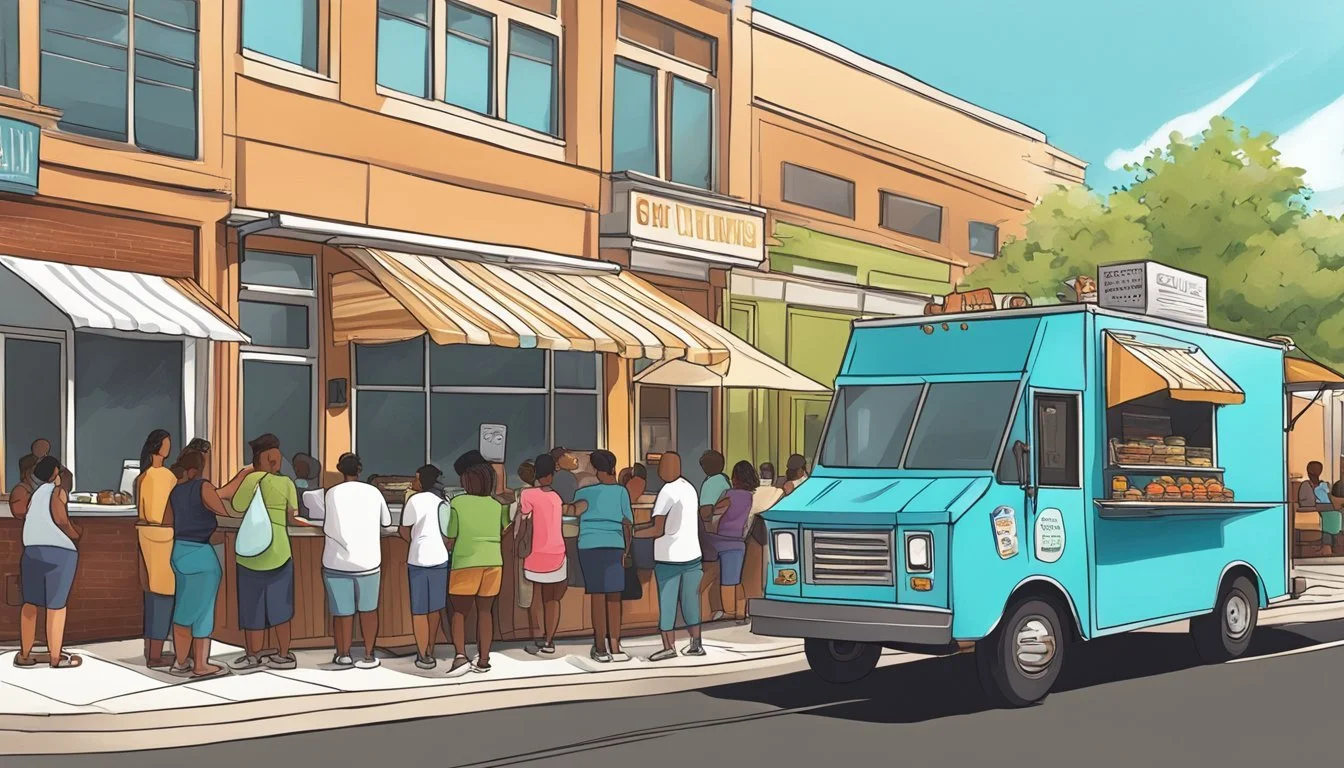
In Arlington, Texas, the food truck industry is governed by an array of regulations designed to safeguard public health and ensure fair business practices. These laws cover everything from food preparation to permits and inspections. Operators of mobile food units, including food trucks, must navigate through various compliance requirements to establish and maintain their businesses within the city limits. Compliance with these regulations is essential for the smooth operation of food trucks and for protecting consumers' wellbeing.
One essential step for aspiring food truck owners in Arlington is securing the right permits. The city mandates that food truck operators obtain health permits, which are a testament to the business's adherence to safety and hygiene standards. The process includes applying through an online portal and undergoing necessary inspections. These rules are not only vital for initial setup but also for the continuous operation of the food truck enterprise.
Fire safety is another critical aspect of food truck regulations in Arlington. The Fire Marshal's inspections and subsequent approvals can be rigorous, as these ensure that the trucks adhere to fire codes, thereby preventing potential accidents. Additionally, thorough inspections are conducted, with the food truck required to be fully operational during the examination, to give inspectors a realistic view of its functionality. Food truck owners in Arlington must also maintain current vehicle insurance and business registration with the state authorities to remain in good standing.
Starting a Food Truck Business
When embarking on the journey of establishing a food truck business in Arlington, Texas, one must navigate through the initial stages of setting up a solid business foundation and acquiring the proper identifications. These steps are critical for ensuring compliance with state and local regulations.
Business Structure and Registration
Choosing an appropriate business structure for a food truck is one of the first decisions. In Texas, many entrepreneurs opt for a Limited Liability Company (LLC) or a Partnership depending on their business needs. An LLC can offer personal liability protection and tax advantages. To register, one must file with the Texas Secretary of State and obtain a registered address for the business. Furthermore, they should establish a local phone number to facilitate communication with customers and regulatory bodies.
Obtaining an Employer Identification Number
An Employer Identification Number (EIN) is essential for tax administration purposes. To secure an EIN, the Texas food truck owner can apply to the IRS after the LLC or Partnership has been registered. This number is necessary for hiring employees, opening a business bank account, and fulfilling tax obligations. The process is free and can be done online or by phone, making it an accessible step for entrepreneurs in the food truck industry.
Local Zoning and Parking Regulations
In Arlington, Texas, food trucks must navigate a series of local zoning requirements and parking regulations to operate legally. The City of Arlington maintains a specific Unified Development Code that dictates where food trucks can set up shop.
Zoning laws in Arlington classify various geographical areas for different types of development and land use. Food trucks, as mobile businesses, are subject to these laws and must operate within the parameters set forth by the local government.
Parking regulations are particularly relevant for food trucks due to their reliance on public space. These regulations specify that food trucks:
Must comply with the city’s parking laws when serving customers.
Cannot require a permit to operate if the vehicle does not exceed 6.5 feet in width and 14.5 feet in length.
Must park at least 100 feet away from any intersection or stop sign if on the street.
Proximity to major sports complexes affects both zoning and parking. Food trucks might experience heightened restrictions or opportunities during events.
It is important for vendors to remain aware of community concerns and how it impacts local regulations. Food trucks operating near residential areas or Dallas's bustling neighborhoods need to adhere closely to the local laws to avoid any disruptions or penalties.
Operators should consult the City Code of Ordinances and check with the office of Planning & Development Services for specific zoning information in Arlington. Compliance is crucial for food truck owners to thrive within the Arlington and greater Dallas community.
Permits and Licenses

Operating a food truck in Arlington, Texas, involves navigating several legal requirements, including obtaining the necessary permits and licenses. Adherence to these regulations is essential for legal operation and public health assurance.
Health Department Requirements
To operate in Arlington, food trucks must secure a health permit from the Health Services division. This entails a detailed inspection to ensure compliance with the Texas Food Establishment Rules, which cover a wide range of health and safety standards. Every employee handling food is also required to hold a valid food handlers license, demonstrating their knowledge of safe food handling practices.
Food Establishment Permit Process
The process of obtaining a food establishment permit begins by applying through the City of Arlington's official channels. Food trucks, classified as mobile food units, must comply with specific guidelines including vehicle insurance, registration with the Texas Secretary of State, and potentially, an inspection by the local Fire Marshal. Permit fees for retail food establishments vary based on gross annual volume of food sales, with an initial application being required and subsequent renewals.
Food Safety and Handling
In Arlington, Texas, food trucks must adhere to stringent food safety regulations to ensure health and safety. Food handlers are required to prepare, serve, and sell food in compliance with the Texas Food Establishment Rules. It is paramount that all food is held at safe temperatures, with hot foods being kept at 135°F or above, and cold foods at 41°F or below.
Equipment on food trucks must be sufficient for these temperature controls. Additionally, food truck operators in Arlington are subject to regular inspections to assess their compliance with food safety standards. These inspections focus on several critical factors:
Temperature control
Equipment cleanliness
Proper food storage
Cross-contamination prevention
Food handlers are expected to pass a knowledge test confirming their understanding of food safety principles before they are allowed to work. These individuals play a crucial role in preventing foodborne illnesses by observing proper hygiene and food handling procedures.
The City of Arlington regularly publishes food establishment inspection scores, reinforcing transparency and accountability. The scores provide valuable insights into how well a food truck meets health standards.
To remain in operation, food trucks must not only pass initial inspections but also consistently maintain compliance with the rules established by health authorities. The commitment to food safety helps protect public health and allows consumers to trust the quality of the food served from these mobile establishments.
Operational Standards for Food Trucks
In Arlington, Texas, operating a food truck requires adherence to specific standards set forth for vehicles, equipment, and menus. These are enforced to ensure public safety and compliance with local, state, and health department regulations.
Vehicle and Equipment Compliance
Food trucks in Arlington must satisfy rigorous vehicle and equipment compliance regulations. The vehicle itself should be registered and in accordance with the standards of the Texas Department of Motor Vehicles. The City of Arlington and the Department of State Health Services mandate that all food trucks have access to a central preparation facility for the preparation and storage of food. This inherent partnership ensures better compliance with sanitation and safety standards.
The equipment used within a food truck must meet specific safety guidelines and is subject to regular inspections. This includes ensuring that water sources meet health codes for both cooking and handwashing, which necessitates a hot water supply. Moreover, fire safety measures should be installed, warranting an inspection from the local fire marshal.
Menu and Ingredient Regulations
Menu and ingredient regulations are vital for food truck operations, dictating the safety and quality of food provided to customers. The menu must comply with guidelines set out by the Department of State Health Services, ensuring that all ingredients are stored, handled, and prepared safely to minimize risk of foodborne illness.
Food trucks should provide clear information about ingredients, especially allergens, and should adhere to regulated food temperature ranges both in storage and preparation. It is also crucial to source water used in the food preparation process from a safe and approved public supply. The menu should outline items that can be effectively produced within the constraints of the mobile unit's food handling and storage facilities.
Special Events and Community Engagement
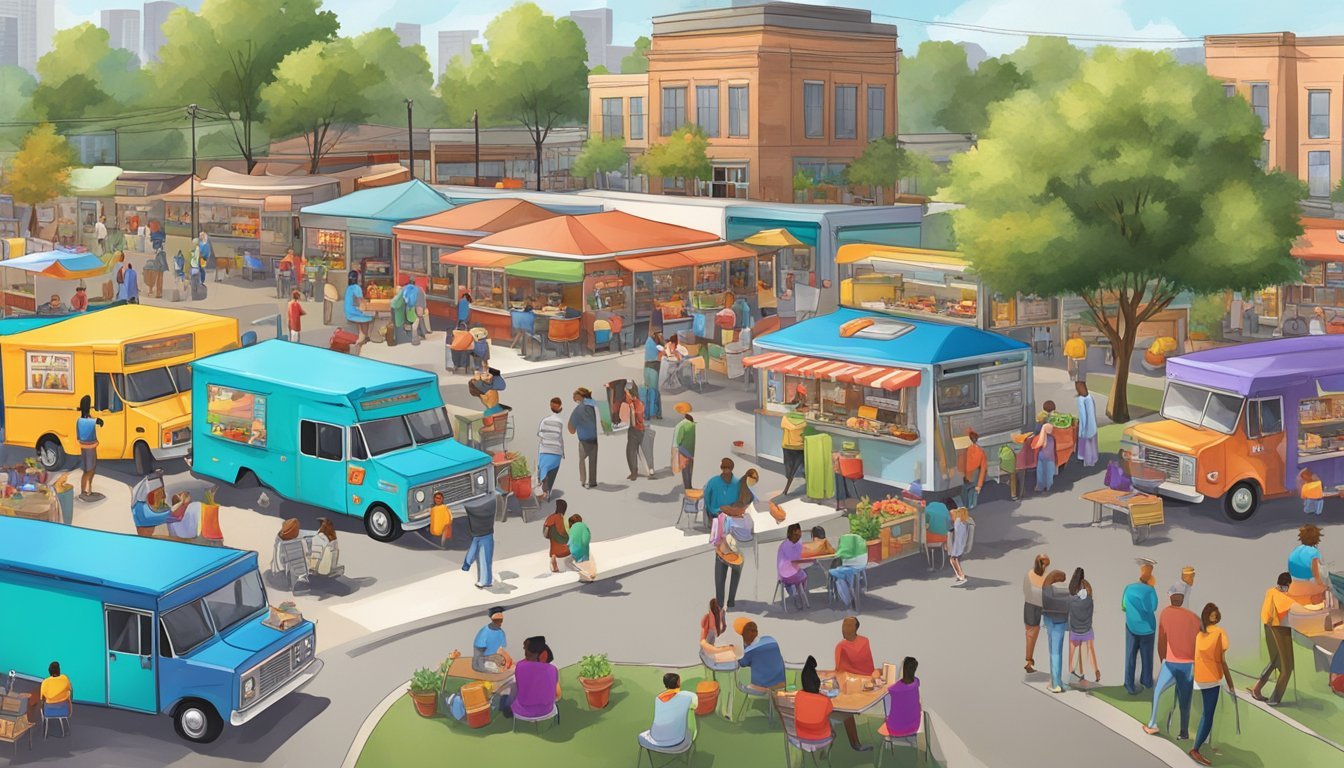
In Arlington, Texas, food trucks are an integral part of the community, often participating in special events that attract both locals and visitors from across North Texas. The Arlington Local Health Department plays a crucial role in ensuring these events run smoothly, prioritizing public health and safety.
Special times of the year, such as the Texas Food Truckin' Fest held at the Rangers Ballpark, offer a unique platform for food truck owners to showcase their culinary creations. During these events, the involvement of the local health department is heightened to maintain food safety standards.
Permit Requirements:
A special event permit is mandatory for food trucks taking part in any event.
Detailed plans must be submitted to the health department, including food safety measures.
Community Interaction:
These events emphasize building a rapport between food truck operators and the Arlington community.
Regular attendance at local events can increase brand visibility and community trust.
Inspections:
Food trucks undergo inspections by the health department to ensure compliance with food safety regulations.
Fire safety checks are often conducted in tandem, particularly when the event involves multiple food trucks.
Participants and organizers of special events must work in concert with city regulations to foster a safe and enjoyable environment. Compliance is seen not just as a legal requirement but as a commitment to the well-being of the community they serve.
Fire Prevention and Building Codes
In Arlington, Texas, food truck operators must navigate specific fire prevention and building codes to maintain compliance with safety standards. The City of Arlington adheres to the 2021 Edition of the International Fire Code, which includes mandates for mobile food units ensuring operational safety and fire prevention.
Key Areas of Compliance:
Fire Safety Inspections: Food trucks are subject to inspection by the Arlington Fire Prevention authorities, who verify compliance with fire safety standards.
Building Codes: The construction of food trucks must be in line with the enforced building codes, which regulate materials and methods to ensure safety.
Food Truck Requirements:
Materials must be flame-resistant or noncombustible wherever necessary.
Proper installation of fire suppression systems.
Adequate ventilation for cooking equipment.
Planning and Coordination:
Food truck operators should consult with the Arlington Planning Department regarding zoning and site requirements. Coordination with local planning ensures that operators are informed about permissible locations and operational constraints within the city limits.
Safety Training:
Operators and employees are encouraged to complete safety training programs. Educational initiatives serve to familiarize food truck staff with fire emergency protocols and the handling of firefighting equipment.
For further information on Arlington fire code requirements, please contact Fire Prevention at the Planning and Development Services. Compliance with these regulations plays a critical role in safeguarding public health and safety in the bustling streets of Arlington and the larger Dallas area.
Managing Health and Sanitation Inspections
In Arlington, Texas, food truck operators must navigate a series of health and sanitation inspections to ensure compliance with local regulations. These inspections are pivotal for maintaining the safety and hygiene of mobile food units.
Initial Inspection Prior to commencing operations, food trucks must pass an initial inspection. This process entails a thorough examination of the food unit to evaluate its adherence to food safety standards. Operators can arrange for an examination by contacting the Arlington Planning and Development Services.
Health Permit Acquiring a health permit is a compulsory step that follows a successful initial inspection. The City of Arlington Health Services offers guidance on applying for the necessary permits, which include options for temporary food establishments.
Regular Assessments Subsequent to launching, food trucks are subject to periodic assessments to verify sustained compliance with health regulations. These regular inspections ensure that the food trucks maintain cleanliness, proper temperature controls, and safe food handling procedures.
Important Contact Information For queries or assistance regarding health permits and inspections, food truck operators can contact the Arlington Health Services at 817-459-6693. Additionally, instructions for various permits are available on the Health Permits section of the City of Arlington website.
To stay in compliance and avoid potential service disruptions, consistency in upholding high standards of sanitation and safety is vital. Catering to these regulations showcases a commitment to public health and can enhance the reputation of a food business in Arlington's vibrant culinary scene.
Marketing and Local Presence
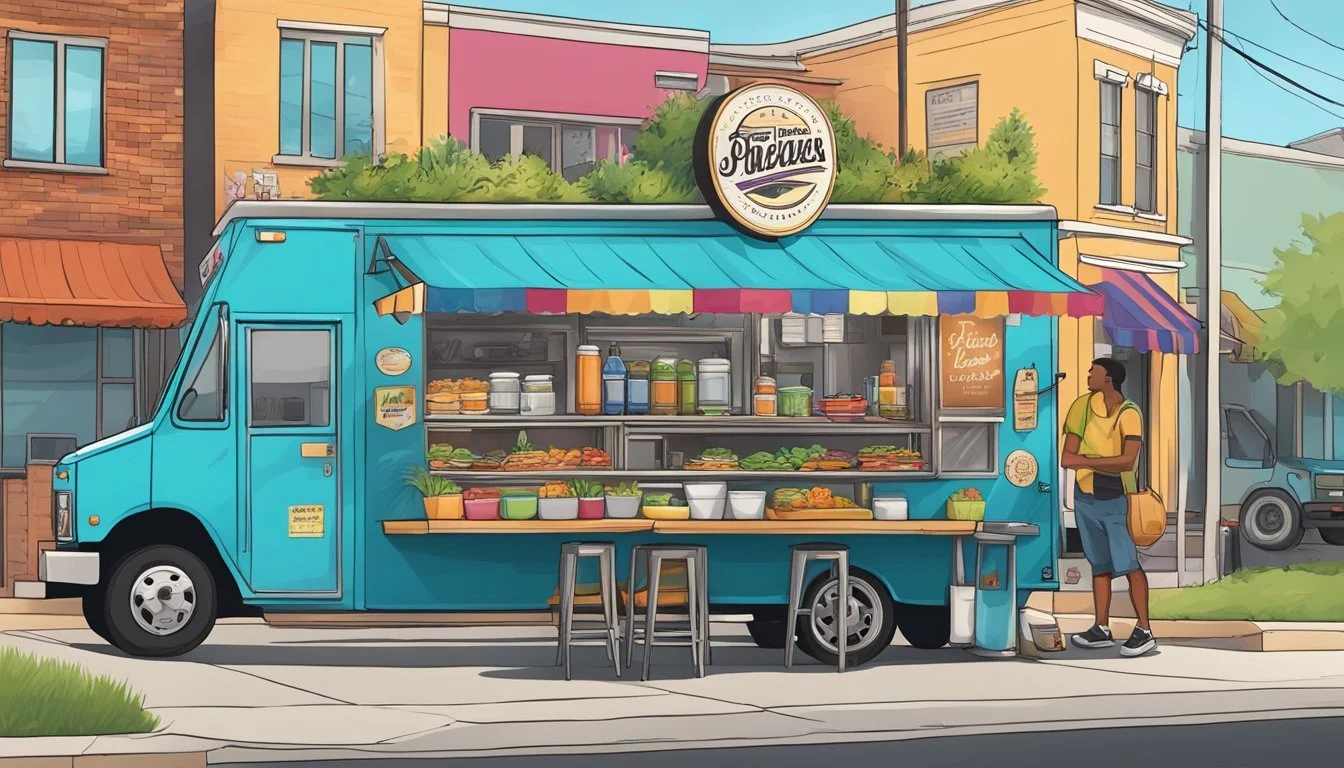
In Arlington, Texas, food trucks are an integral part of the local community. They provide a unique and diverse culinary experience for residents and visitors alike. Effective marketing strategies are vital for ensuring that these mobile eateries thrive in a competitive market.
Branding: A strong brand identity resonates with the community. Food trucks should focus on creating a memorable logo, cohesive color schemes, and a clear message that reflects their culinary style and values.
Social Media: Platforms like Instagram and Facebook are indispensable for food trucks in Arlington. These tools enable vendors to share their locations, menu specials, and engage with their customer base in real time.
Collaboration with Local Businesses: Establishing partnerships with local businesses and breweries can lead to mutually beneficial relationships. Food trucks can tap into the existing customer bases of these establishments while providing added value.
Community Events: Participation in local events, festivals, and food truck parks in Arlington and the wider Dallas area increases visibility and fosters community engagement. This is evident in how food trucks often become staples at local gatherings.
Food trucks should stay informed on the latest developments in local news and regulations to ensure compliance and capitalize on new opportunities. Regulations in Arlington have been under consideration for easing, which could further affect the local food truck scene.
A consistent presence and a strategic approach to marketing are imperatives for food trucks to establish themselves as a prominent feature of Arlington's vibrant community.
Complementary Activities and Additional Revenue Streams
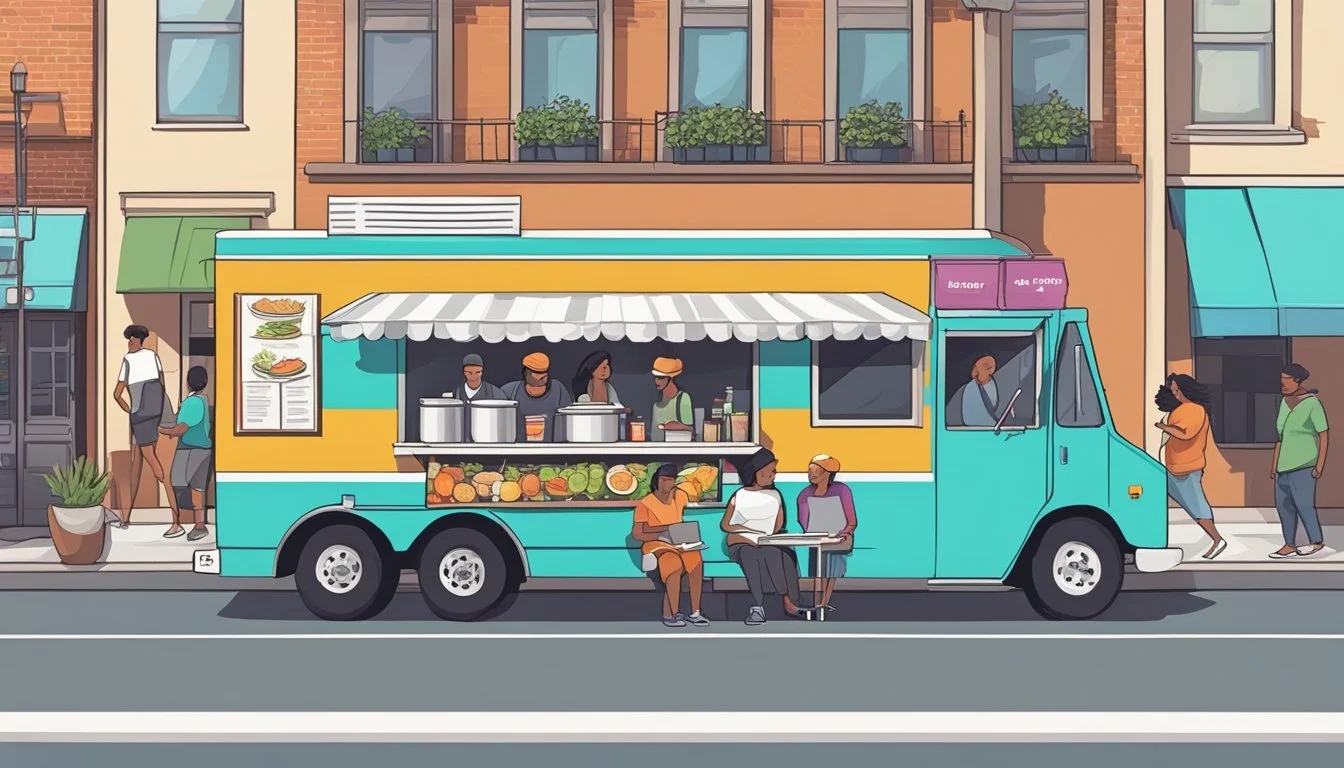
In Arlington, Texas, food truck operators can explore various complementary activities to supplement their income. Such activities not only boost revenue but also enhance customer engagement and add value to the gastronomic experience.
Special Events
Food trucks can participate in Arlington's special events, like the Arlington Foodies Farmer's Market, where they offer unique menu items tailored to the theme of the event. This is not only a way to attract new customers, but also to test new ingredients and dishes.
Promotions with Local Restaurants
Collaborations with local restaurants can lead to exciting opportunities. A food truck might partner with a brick-and-mortar establishment to offer a special that combines their strengths. For instance, a food truck specializing in tacos might work with a restaurant known for its barbecue, creating a new fusion dish.
Creative Menu Expansion
Expanding the menu to include dishes using locally-sourced ingredients can draw attention from both Arlington locals and tourists. Developing a seasonal menu that highlights fresh, local produce can turn a casual visitor into a repeat customer.
Ingredient Sourcing and Funding
Obtaining ingredients from Arlington area farms can not only improve the quality of the food but also create a farm-to-truck appeal. Financing these endeavors might require additional funding. Food truck owners may consider crowdfunding or local business partnerships to finance these expansions.
By diversifying their operations through incorporating authentic Arlington ingredients, aligning with local enterprises, engaging in community events, and creative strategizing, food trucks can amplify their revenue streams in sustainable and community-oriented ways.
Understanding Food Truck Law
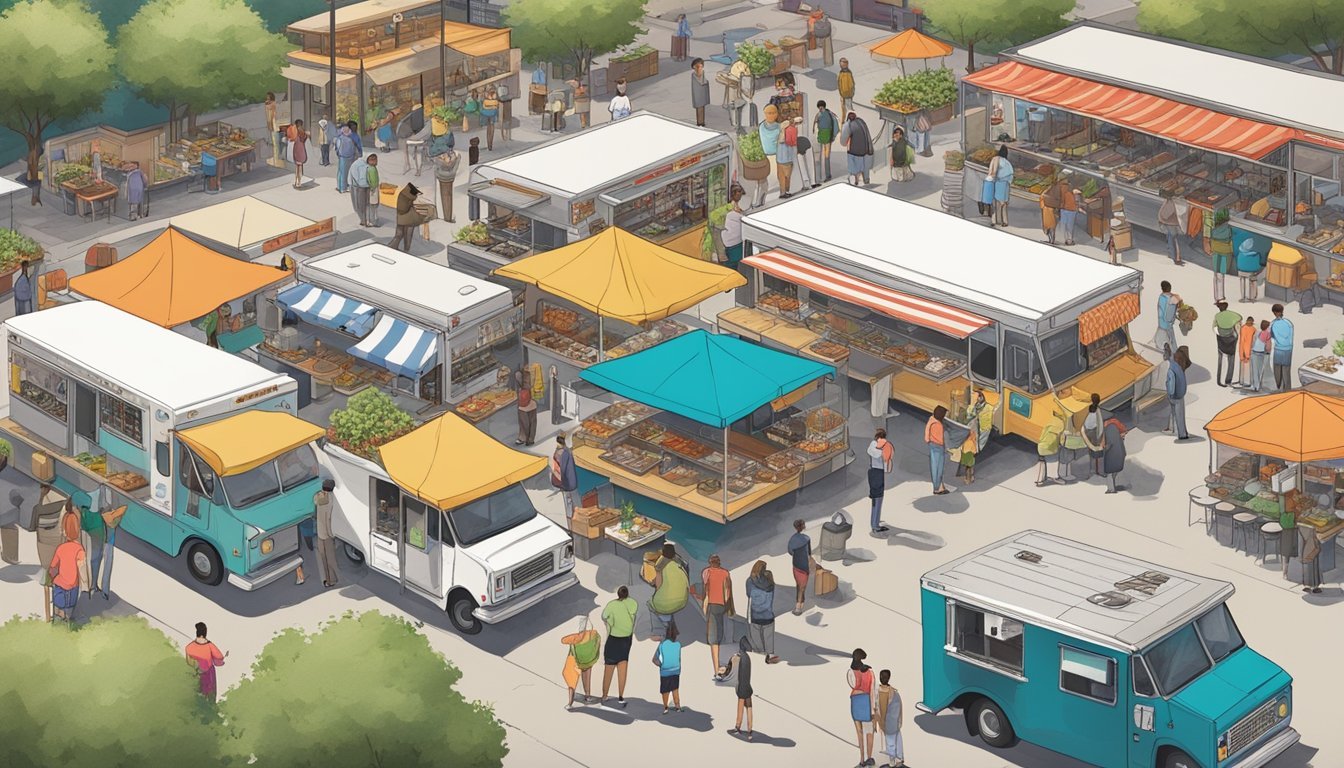
In Arlington, Texas, the operation of food trucks is governed by specific regulations to ensure public safety and business conformity. These laws encompass various aspects of running a food truck business, from zoning restrictions to health and safety standards.
Local Regulations: Each city within Texas has its own set of rules that food truck operators must follow. In Arlington, these include obtaining proper permits and ensuring that the truck complies with the city’s health codes. Food trucks must also adhere to zoning restrictions, which dictate where they can operate and for how long.
Zoning Restrictions: The location where a food truck can park is crucial. There are designated zones in Arlington where food trucks are allowed, and specific parks may have their own separate rules. For instance, trucks may be required to move after a certain period, a rule the city has considered changing.
Health and Safety: Food trucks in Arlington must ensure food safety to protect public health. They must pass health inspections just like any fixed-location eatery and follow safe food handling procedures.
Permitting Process:
Obtain a vehicle permit
Secure a food manager's certification
Get a food handler's permit for all working staff
Pass an inspection from the local Fire Marshal, if required
Compliance with these regulations facilitates a thriving food truck scene in Arlington, benefiting both the community and business owners. The evolving legal landscape frequently presents new challenges, requiring operators to stay informed about applicable laws.