Food Truck Laws Aurora, Colorado
Navigating Regulations and Permits

Operating a food truck in Aurora, Colorado requires navigating a series of regulations designed to ensure public safety and fair commerce. These laws are detailed and precise, covering aspects from obtaining the necessary licenses to adhering to fire safety requirements. Prospective mobile food vendors must secure a city business license, which includes the mandate for Aurora sales tax collection as applicable for food sales. In addition, the handling and preparation of food in mobile units involve strict guidelines, such as regular inspections and alignment with Colorado retail food establishment protocols.
The City of Aurora also mandates that food trucks undergo fire safety inspections if they cook or reheat food onboard. Compliance with the Fire Marshall Association of Colorado's guidelines is an integral part of the process, with the potential need for a Fire Inspector to conduct an inspection using the FMAC checklist. Furthermore, Aurora's updated Mobile Food Truck Ordinance introduces measures to streamline operations for food truck owners.
In addition to these requirements, food truck operators in Aurora are often required to have a formal connection to a commissary kitchen, which is a fixed, licensed food facility that provides space for assembling and storing ingredients. This partnership ensures that all food prep areas and equipment meet the necessary cleanliness and sanitization standards. These regulations demonstrate Aurora's commitment to maintaining high standards for its vibrant food truck industry while also providing a structured and supportive environment for entrepreneurs.
Starting a Food Truck Business
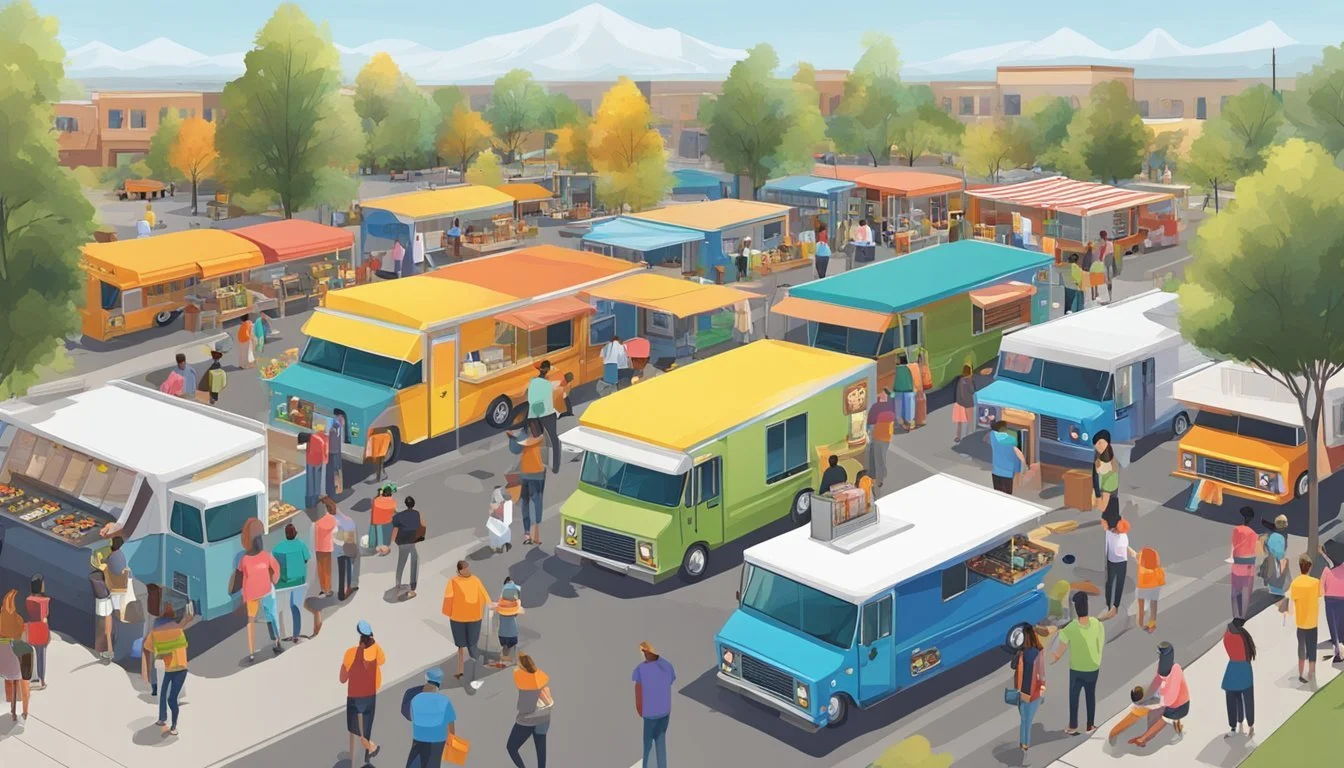
When embarking on a food truck venture in Aurora, Colorado, prospective entrepreneurs must navigate a series of legal and strategic steps to ensure their business's success. These range from crafting a comprehensive business plan, selecting an appropriate business structure, securing necessary financing, and developing a distinctive brand identity.
Developing a Business Plan
A robust food truck business plan is essential for guiding a new mobile restaurant through the complexities of the food industry. The plan should include a detailed market strategy, projected startup costs, and estimated profit margins. It must also address how the food truck will meet the City of Aurora's business license requirements and outline the team's responsibilities.
Choosing a Business Structure
Selecting the right business structure – LLC, sole proprietorship, or partnership – influences taxation, liability, and ongoing compliance requirements with the Colorado Secretary of State. An LLC can provide personal asset protection, while a sole proprietorship might suit those seeking full control. A partnership can offer shared management and financial support.
Financing the Business
Securing food truck funding is often a significant hurdle. Options range from small business loans accessible through the SBA License and Permits Portal, personal savings, to investment from partners. Calculating precise startup costs and understanding funding resources will provide a financial backdrop for the business.
Creating a Food Truck Brand
The food truck marketing strategy is pivotal to distinguish the mobile restaurant from other restaurants. It includes the menu, company name, logo, and a comprehensive marketing strategy. A strong brand reflects the food truck's unique value proposition and appeals to the intended customer base.
Linking a food truck's branding and marketing strategy to its specific offerings in the local Aurora market ensures relevance and resonance with the target audience. By constructing a strong foundation across these areas, entrepreneurs can enhance their readiness to launch and grow a thriving food truck business in Colorado.
Legal Considerations

In Aurora, Colorado, food truck vendors must navigate a series of legal requirements to ensure their business operates within the framework of local regulations. This involves securing appropriate licenses, adhering to tax and business registration protocols, and upholding health and safety standards.
Obtaining Necessary Licenses
Every food truck business in Aurora needs to obtain various licenses to operate legally. The process entails acquiring a business license and ensuring each employee has a food handler permit. Further requirements include a seller's permit and potentially additional permits if the food truck produces smoke or grease-laden vapors. It's necessary to consult the City of Aurora's Mobile Food Vendor Toolkit for the specifics of these regulations.
Sales Tax and Business Registration
Operating a food truck in Aurora also requires complying with state and local tax laws. Vendors must secure a Colorado sales tax license from the Department of Revenue and may need to apply for a business tax certificate. The process involves registering for an Employer Identification Number (EIN), which is pivotal for tax purposes. For detailed instructions on these processes, food truck owners can reference guidelines on obtaining an operational permit.
Complying with Health and Safety Codes
Food safety is paramount, and Aurora's regulations reflect this priority. Vendors must comply with the Colorado health and safety code to prevent foodborne illness. This involves undergoing regular inspections, including potential fire inspections, and acquiring a public health permit. Employees must carry a food handler card and be knowledgeable about food handling procedures, often learned through food safety training programs. Owners must also ensure that at least one individual on the truck has a food protection manager certification. For detailed health and safety requirements, vendors should reference Aurora's food truck ordinance.
Food Truck Operations
Operating a food truck in Aurora, Colorado, involves navigating a variety of legal and logistical challenges, especially since food trucks are subject to specific regulations not encountered in traditional brick-and-mortar restaurants.
Setting Up the Food Truck
Before hitting the streets, it's crucial to obtain a Mobile Food Facility Permit, ensure that your vehicle complies with all necessary safety standards, and equip it with the appropriate kitchen gear. Each food truck should have its model number and lighting approved to meet operational requirements. Initial operational costs must be calculated, including the price of outfitting the food truck and securing the necessary licenses.
Managing the Business Day-to-Day
Daily management of a food truck requires orchestrating a team to maintain high profit margins while ensuring worker safety. Procedures should be in place to prevent food-borne illness and ensure proper disposal of grease. Keeping track of inventory and managing supplies is crucial for smooth operation.
Understanding Zoning and Parking
Finding legal parking locations is a significant factor when operating a food truck. Parking regulations in Aurora dictate that food trucks must find spots that are certain distances from property lines, maintain safe setbacks from vehicular traffic, and not obstruct the community or impede access to parks. It’s necessary to understand the parking regulations to avoid violations.
Event Participation and Catering
Food trucks seeking to take part in events, including fairs or event catering, may need a temporary use permit. These permits are essential for participating in community events and private caterings, which can significantly enhance business visibility and increase revenue. Event participation often requires coordination with event organizers and compliance with specific location requirements.
Marketing and Growth Strategies

Crafting an effective marketing and growth strategy is crucial for a food truck business in Aurora, Colorado. The strategy should focus on nurturing customer relationships, maximizing online presence, considering expansion opportunities, and partnering with local events and venues to enhance visibility and increase the food truck’s customer base.
Building Customer Relationships
Engagement with the community lays the foundation for any successful food truck business. Food operators should prioritize customer service and create a memorable brand experience. Implementing a loyalty program or offering special discounts to repeat customers can significantly enhance a food truck's rapport with its patrons.
Leveraging Social Media and Online Marketing
A robust online marketing strategy can drive a food truck's brand recognition and facilitate an increase in restaurant profit margin. Utilizing social media platforms to showcase the menu, post location updates, and announce participation in events and fairs serves as a cost-effective means to attract and retain customers.
Exploring Expansion Opportunities
Food trucks considering the possibility of occupying multiple locations must conduct thorough market research. Understanding the demographics and local dining habits can help in determining the potential for successful expansion. Exploring partnership options with other food businesses can also present opportunities for growth.
Collaborating with Local Events and Venues
Participation in local events and collaborations with venues can act as powerful marketing levers. Food trucks can increase their visibility within the community by becoming a staple at local fairs, sports games, or food festivals, turning every event into a chance to grow their brand and customer base.
Insurance and Risk Management
When operating a food truck in Aurora, Colorado, it is crucial for vendors to properly manage risks through selective insurance coverage and preparedness for emergencies and liabilities. These measures are foundational to a food truck business's stability and compliance with local regulations.
Selecting the Right Insurance Coverage
Choosing the right insurance plans is essential for food truck operators. They must obtain a business license and a certificate of insurance to comply with Aurora's regulatory demands. These documents serve as proof of proper liability coverage and are indispensable for legal operation. Liability insurance is particularly important as it protects the business from claims related to property damage, injuries, or other liabilities that can occur during operation. Food truck owners should consult with insurance professionals to ensure their coverage meets both the city's requirements and their specific business needs.
Types of insurances typically required:
General Liability Insurance
Auto Insurance (for the vehicle)
Property Insurance (for equipment and inventory)
Handling Emergencies and Liabilities
Food truck owners must be prepared to handle emergencies and potential liabilities efficiently. A comprehensive plan, often required by various permits, should cover procedures for incident response and a well-thought-out strategy for managing unforeseen events. It's also wise for businesses to set aside a security deposit, which acts as a financial cushion, allowing them to address any immediate costs arising from accidents or emergencies. Quick and effective handling of such situations demonstrates responsibility and helps maintain the trust of customers and local authorities.
Emergency preparedness essentials:
Regular staff training on emergency protocols
Accessible emergency contact information
Proper maintenance of safety equipment (e.g., fire extinguishers)
Additional Considerations
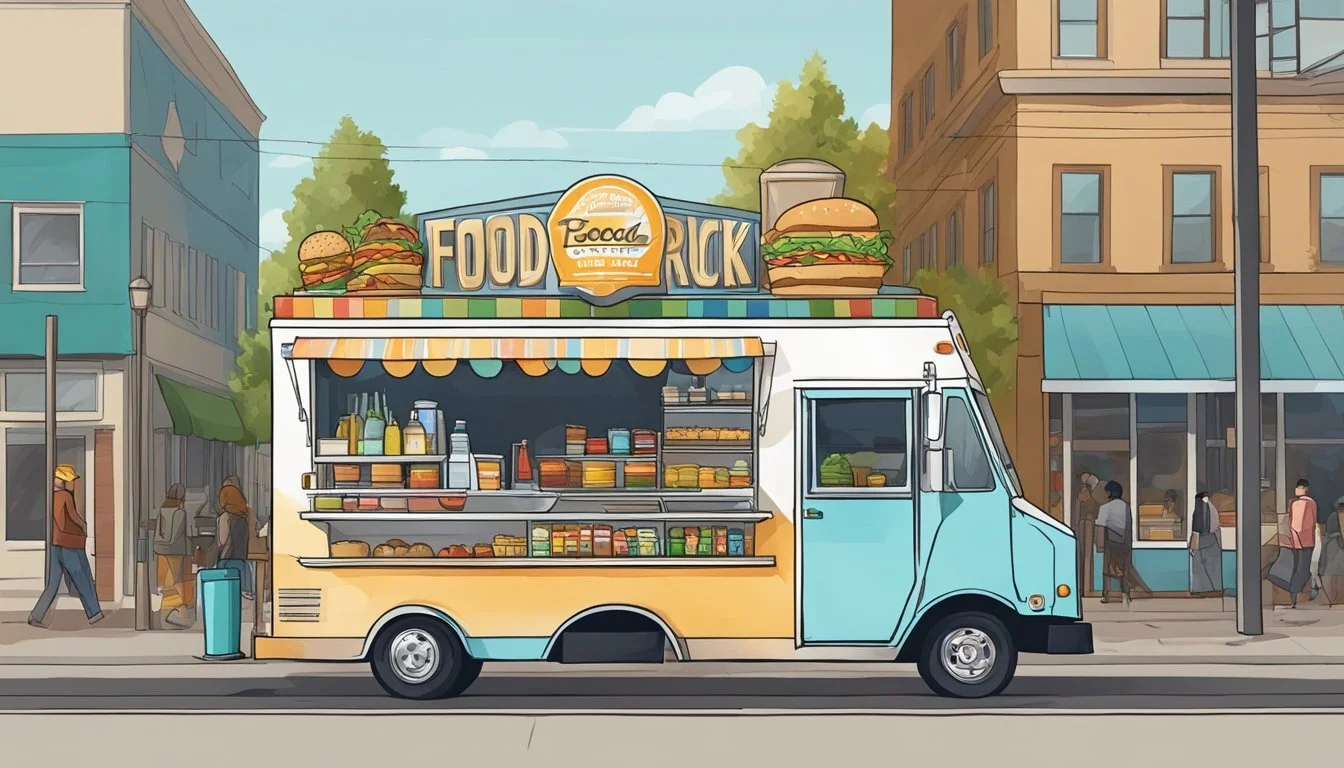
When starting or operating a food truck in Aurora, Colorado, owners must pay close attention to certain nuances beyond basic licensing and permits. These include adhering to design standards, understanding property use stipulations, participating in local events, and engaging in eco-friendly practices.
Design and Branding Elements
Every food truck in Aurora is not only a culinary venture but also a mobile advertisement for the business. Signage, including decals and wraps, must comply with local regulations. Attention to branding is key, as a unique and recognizable look can set a truck apart. The design of the truck and any accompanying tents or signs should reflect the business's aesthetic while remaining professional and within the bounds of municipal codes.
Operating on Private Property
Operating a food truck on private property in Aurora requires explicit permission from the property owner. This agreement often dictates the food truck's placement, operating hours, and sometimes even aesthetic aspects such as signage. Furthermore, a retail food establishment must ensure all local zoning and land-use regulations are respected when selecting locations to serve.
Local Festivals and Street Fairs
Participating in fairs, festivals, and street fairs presents an invaluable opportunity for food trucks to engage with the community and increase visibility. Aurora holds various events throughout the year, many of which welcome local food vendors. It's essential to secure event-specific permits and understand the individual requirements of each gathering.
Sustainable Practices and Community Engagement
Food trucks in Aurora are encouraged to adopt sustainable practices to help protect the environment. This can range from utilizing biodegradable serving materials to managing waste efficiently. Additionally, engaging with the local community through support of local causes or events can foster goodwill and generate a loyal customer base.