Food Truck Laws Columbus, Georgia
Navigating Regulations and Permits
Navigating the legal terrain for running a food truck in Columbus, Georgia, involves understanding both state regulations and local ordinances. Food trucks have become an integral part of the culinary landscape, offering creative and diverse cuisines to urban streets, festivals, and events. They operate under the scrutiny of health departments and city regulations to ensure the safety and satisfaction of customers.
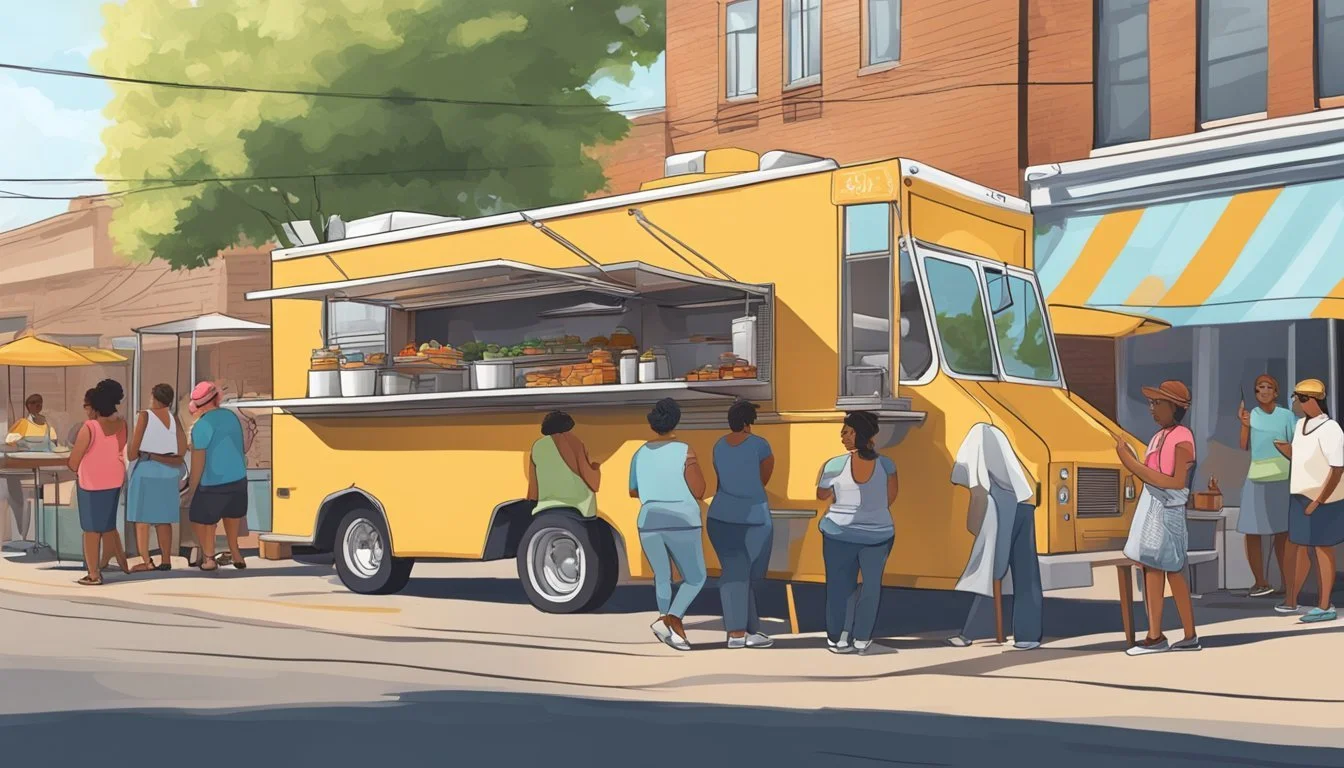
In Columbus, operators must adhere to specific guidelines that govern where food trucks can be located, the type of equipment required, and health and safety standards. Initiatives such as Georgia House Bill 1443 have aimed to simplify the permitting process, allowing for a more streamlined approach to licensing across different counties. Potential operators in Columbus must also navigate the complexities of the city's Code of Ordinances, which may have unique stipulations apart from state requirements.
Successful food truck operators in Columbus not only embrace the creative culinary aspect of the business but also exhibit diligence and attention to regulatory compliance. Staying informed about both state regulations and local Columbus ordinances is crucial for running a legally compliant food truck operation.
Legislative Background

Recent legislation in Columbus, Georgia, reflects a focused effort to streamline operations for food trucks, enhance public safety initiatives, support law enforcement, and provide for the state's service-disabled veterans and foster children.
House Bill 1443
House Bill 1443 was initiated to simplify the food truck permitting process across Georgia. The bill's sponsor, Rep. Kasey Carpenter from Dalton, proposed the main provision allowing food truck owners to obtain a single permit to operate statewide. The bill was met with unanimous approval in the state House.
Senate Bill 361
The Senate Bill 361, endorsed by Lt. Gov. Geoff Duncan, put forth measures for bolstering public safety initiatives. These initiatives are designed to support law enforcement agencies through various programs and resources.
Senate Bill 87
Known as the Senate Bill 87 or the Jack Hill Veterans' Act, this legislation aims to support service-disabled veterans. It includes provisions for police officer salary supplements, department equipment upgrades, and a co-responder program. Moreover, it bolsters the Technical College System of Georgia Foundation's capacity to serve veterans.
House Bill 424
House Bill 424 addressed the welfare of foster children in Georgia. Sponsored by Chris Harris and signed into law by Gov. Brian Kemp, this bill facilitates improved support mechanisms for foster care, as reported by Capitol Beat News Service.
Business Registration and Permitting
When starting a food truck business in Columbus, Georgia, registering the business and obtaining the necessary permits are crucial steps. These ensure compliance with local regulations and help maintain public health and safety.
Obtaining a Business License
To operate legally, food truck owners in Columbus must first acquire a business license. This involves registering the business with the local government and obtaining an Employer Identification Number (EIN) from the IRS. The process typically requires payment of specific fees and submitting required documents to the city's business licensing division.
Securing a Food Truck Permit
Securing the necessary food truck permit is essential for any mobile food vendor. In Columbus, this means applying through the local county office or the Georgia Department of Public Health database. Food truck owners should be prepared to meet the zoning and parking requirements distinct to Columbus, as well as the various operational criteria set forth by the city.
Health and Safety Inspections
Periodic health inspection is mandatory for food trucks. The Georgia Department of Public Health inspects all food service establishments to ensure they follow health and safety standards. Inspections are conducted at least once a year, but frequency may increase based on the food truck's permit level or if any violations are found.
Statewide Single Permit Proposition
Georgia food truck owners may benefit from proposed changes that advocate for a statewide single permit. Rather than seeking permits in every individual county—of which Georgia has 159—owners could operate with a single permit recognized across the state. This proposition aims to streamline the process and reduce the bureaucratic burden on business owners, allowing for operations across other counties in Georgia without the need to seek additional permits.
County-Specific Regulations
Food truck operators in Columbus, Georgia, must comprehend the nuances of how county-specific rules can affect their mobile food service establishments. As they cross jurisdictional lines within the state, these regulations are subject to change, necessitating a thorough understanding of varying county health department requirements.
Navigating Different Counties
Given the diversity of rules that govern food trucks in various counties across Georgia, food truck owners face a complex web of regulations. Each county may impose its own health codes, safety regulations, and specific operational standards that food trucks must adhere to. It is essential for businesses to regularly consult with county health departments for up-to-date information on what is required to maintain compliance.
Jurisdictional Lines: A food truck licensed in one county might not have the authority to operate in another without additional permits.
Georgia Restaurant Association: Networking with and utilizing resources from the Georgia Restaurant Association can provide vital insights and assistance in navigating these intricate regulatory environments.
Food trucks that travel between different counties in Georgia should be prepared to acquire multiple health inspections and adhere to a set of standards that may fluctuate from one jurisdiction to another. This may culminate in a challenging situation where operators need to keep meticulous records and adapt swiftly to ensure they remain within legal bounds.
Financial Aspects

Before venturing into the food truck business in Columbus, Georgia, it is imperative for entrepreneurs to understand the financial landscape, which encompasses the spectrum of fees and costs, as well as possible tax incentives. Navigating these financial waters is crucial for a food truck’s viability and growth.
Understanding Fees and Costs
Food truck operators in Columbus, Georgia face a myriad of fees which can include, but are not limited to, permit fees, health inspection charges, and costs of compliance with state laws. In 2022, Georgia House Bill 1443 was introduced to simplify the food truck permitting process across all counties, which aimed to reduce red tape and high fees associated with obtaining permits in multiple jurisdictions.
Initial costs may include:
Vehicle purchase and customization.
Kitchen equipment.
Initial inventory.
Recurring costs could encompass:
Permit renewal fees.
Supplies and food restocking.
Fuel and maintenance for the truck.
Understanding these expenses is essential for creating a sustainable business model. Fiscal conservatives, like Kyle Wingfield from the Georgia Public Policy Foundation, advocate for reducing unnecessary financial burdens on small businesses to facilitate economic growth.
Tax Credits and Economic Incentives
Georgia law provides certain tax credits and economic incentives to encourage business growth and investment. For example, the Rural Hospital Tax Credit program allows individuals and businesses to receive a dollar-for-dollar income tax credit for contributions made to rural hospital organizations.
Available Credits:
Income tax credits for qualifying food trucks, subject to a statewide cap.
Job tax credits for creating employment in specific sectors or regions.
These economic incentives are designed to stimulate the local economy and can be pivotal for a food truck business operating in Columbus, Georgia, especially when initial costs can be overwhelming. Entrepreneurs should also be aware of any new incentives or changes in Georgia's tax credits that may affect their fiscal responsibilities or opportunities for savings.
Industry and Associations
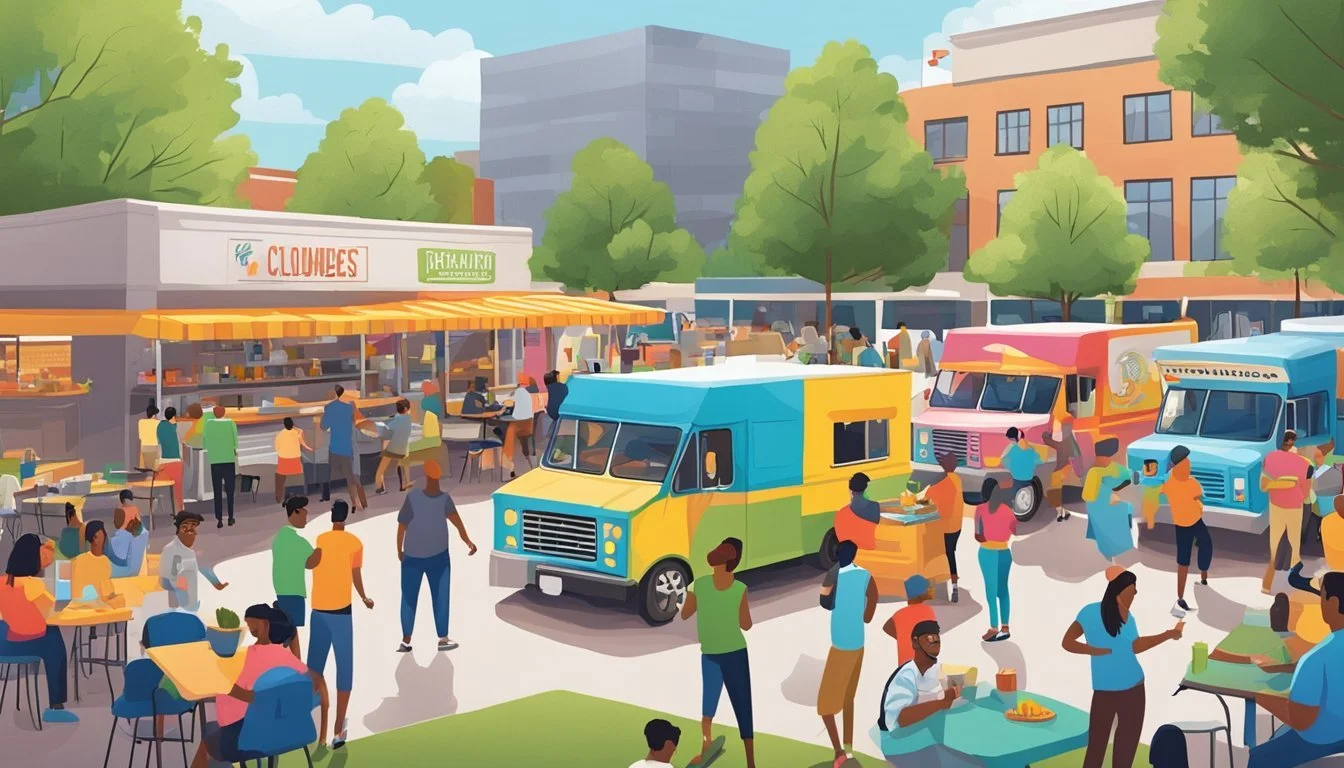
The landscape for food trucks in Columbus, Georgia, is shaped significantly by associations and partnerships, which play a crucial role in the advancement and regulation of the industry. These collaborations support the pursuit of streamlined operations for food truck owners and facilitate interaction between small business owners and local entities.
Food Truck Association of Georgia
The Food Truck Association of Georgia (FTAG) serves as a pivotal organization for food truck operators in the state. FTAG’s initiatives have proved beneficial, particularly with the legislation that streamlined the permitting process for food truck operators, allowing them to operate in multiple counties under a unified permit. This association also provides a collective voice for small business owners, advocating for their interests with the Georgia Restaurant Association, and offering resources and guidance for the food truck industry at large.
Local Partnerships
Local partnerships are essential for the flourishing of food trucks in Columbus. They often involve cooperation between food truck owners and restaurants, where both parties can benefit. Restaurants may partner with food trucks to host special events or expand their catering services, while food trucks gain access to commercial kitchens and larger customer bases. These partnerships not only support the visibility and viability of small food-related businesses but also contribute to the community's cultural and economic vitality.
Operating on Private Properties

In Columbus, Georgia, food truck operators must navigate specific regulations to conduct business on private property. The food service sector is governed by stringent rules to ensure public safety and order.
Zoning and Base of Operation:
Food trucks are typically prohibited from operating in residential zones, which includes private homes or areas designated for living or sleeping.
However, property owners may utilize their land as a Base of Operation if local zoning and other ordinances permit.
Health and Safety Regulations:
Regardless of location, food trucks must adhere to the Georgia Food Service Rules and Regulations, maintaining high standards of food safety and cleanliness.
Inspections are mandatory, and food trucks need to pass health checks before operating on any property, whether public or private.
Operational Permits:
Recent legislation propels a more unified approach to permitting. A single permit now allows food trucks to sell across state lines, subject to each county's approval.
To operate on private property, food truck owners must still acquire the necessary permits and licenses.
It is crucial for operators to ensure compliance with local ordinances before initiating operations on private property in Columbus, Georgia This preemptive step will prevent legal complications and contribute to a thriving, lawful food truck enterprise.
Public Awareness and Consumer Protection

In Columbus, Georgia, ensuring the safety of consumers and promoting transparency in food truck operations is paramount. Recent legislation and initiatives like the Inform Consumers Act signal a concerted effort to combat deceptive practices and protect consumers.
Inform Consumers Act
The Inform Consumers Act, a significant development in consumer protection, especially related to food truck laws in Columbus, Georgia, mandates online marketplaces to maintain a high level of transparency. This act specifically targets organized gangs and criminals who might use online marketing platforms to sell illicit items or engage in fraudulent activities. Under Senate Bill 332, high-volume sellers on platforms are required to disclose their identity, contact information, and other verifying details. This legislation aims to curb suspicious activity and ensure that purchasers can make informed decisions with confidence.
The act extends its protection to the food truck industry by mandating that these mobile vendors, when utilizing online marketplaces for sales or marketing, adhere to the same level of honesty and disclosure as retail stores. By promoting this directive, the act not only protects consumers from potential fraud but also strengthens the position of legitimate businesses operating in good faith.
Entities like the Georgia Press Educational Foundation have furthered public awareness by disseminating information on consumer rights and the importance of due diligence when purchasing from online vendors or mobile food services. Together, these efforts delineate a more informed and secure environment for consumers in Columbus while upholding the integrity of local commerce.
Future Prospects and Industry Growth

In Columbus, Georgia, the food truck industry faces a promising horizon with legislation fostering easier operations and creating opportunities for growth.
Potential for Expansion
Legislative changes, like the one mentioned in WRDW's coverage, enable food trucks to streamline their permitting processes, effectively reducing barriers to entry and operation across the state. This simplification can lead to a more diverse and expansive street food scene in Columbus. As food trucks thrive under these new regulations, there is potential for a wider variety of cuisines and innovative food concepts, enriching the local food culture.
Supporting Entrepreneurship
Georgia's new business-friendly laws, such as House Bill 1443 cited by The Citizen, serve as a catalyst for entrepreneurs looking to enter or expand within the food truck industry. By offering a simplified permit process for food trucks, these measures support Georgia businesses and encourage culinary entrepreneurs. Consequently, companies may witness the food truck sector not just flourish in established markets but also penetrate underserved areas, bolstering economic development and job creation.
Conclusion

In Columbus, Georgia, the environment for food truck operators has been significantly streamlined. The implementation of Georgia House Bill 1443 allows food truck owners to operate anywhere in the state with just one permit, enhancing operational flexibility and reducing bureaucratic hurdles. This legislative change is a clear indicator of the state's commitment to supporting the burgeoning food truck industry.
The Department of Public Health provides guidance for Mobile Food Services, ensuring that food truck entrepreneurs align with health and safety regulations. Operators must still obtain health inspections and adhere to local food service rules but do so within a more unified framework.
The law's impact resonates through the food truck community, simplifying the process to set up and run a food truck business and potentially fostering economic growth.
With these changes, Columbus becomes a more welcoming destination for food truck owners, empowering them to extend their reach within the state without the need for multiple permits. This development is not just favorable for businesses but is also likely to diversify dining options for residents and visitors alike.