
Food Truck Laws in Kentucky
Navigating Regulations for Mobile Vendors

Food truck entrepreneurs in Kentucky face a distinctive set of regulations that govern the operation of mobile food establishments. The appeal of food trucks is evident, offering a flexible business model and creative culinary opportunities to budding restaurateurs. Yet, it's essential for these operators to navigate Kentucky's specific legal requirements to ensure their businesses are compliant and poised for success.
The state mandates several licenses and permits that align closely with those required for brick-and-mortar restaurants. Operators must obtain a food service establishment permit from their local health department, which is a cornerstone requirement ensuring that food trucks meet health and safety standards. Every employee must also hold a valid food handler's permit, further showcasing Kentucky's dedication to food safety.
To fully adhere to these regulations, meticulous planning is crucial. A well-structured food truck business plan not only serves as a blueprint for operational success but also assists entrepreneurs in securing the necessary permits. This plan should outline the menu, equipment needs, and operational details that demonstrate compliance with the Kentucky Food Code, especially for foods that are categorized as low risk for foodborne illness. Understanding these requirements is critical for food truck operators to legally and successfully serve the community.
Starting Your Food Truck Business
Embarking on a food truck venture in Kentucky requires a detailed business plan, a carefully chosen business entity, and compliance with registration processes. Initial capital is also a crucial consideration, as precise startup costs must be calculated and sourced.
Creating a Business Plan
Every successful food truck begins with a robust business plan. This plan crystallizes the entrepreneur's concept, outlines the market analysis, and sets clear, actionable steps for the culinary journey ahead. The business plan should detail the food truck's menu offerings, marketing strategies, and financial forecasts.
Choosing a Business Entity
Selecting the right business entity impacts everything from daily operations to taxes. In Kentucky, food truck entrepreneurs often choose between a sole proprietorship, partnership, LLC (Limited Liability Company), or even a corporation, each with its own advantages and legal implications.
Registering the Business Name
The business name not only represents the brand but also has legal significance. It should be registered with the Kentucky Secretary of State to ensure exclusivity. A quick search ensures that the chosen name isn't already taken, and registration helps in protecting the name from being used by others.
Calculating Startup Costs
Startup costs for a food truck in Kentucky vary but typically range between $30,000 to $75,000. Expenses include the food truck itself, equipment, initial inventory, business licenses, and permits. Prospective owners should create a detailed budget that includes a cushion for unexpected expenses.
Please note that these steps are essential for starting a food truck business in Kentucky and will require further in-depth research and planning to fully execute. Always be sure to consult the latest local and state regulations to ensure complete compliance.
Regulations and Compliance
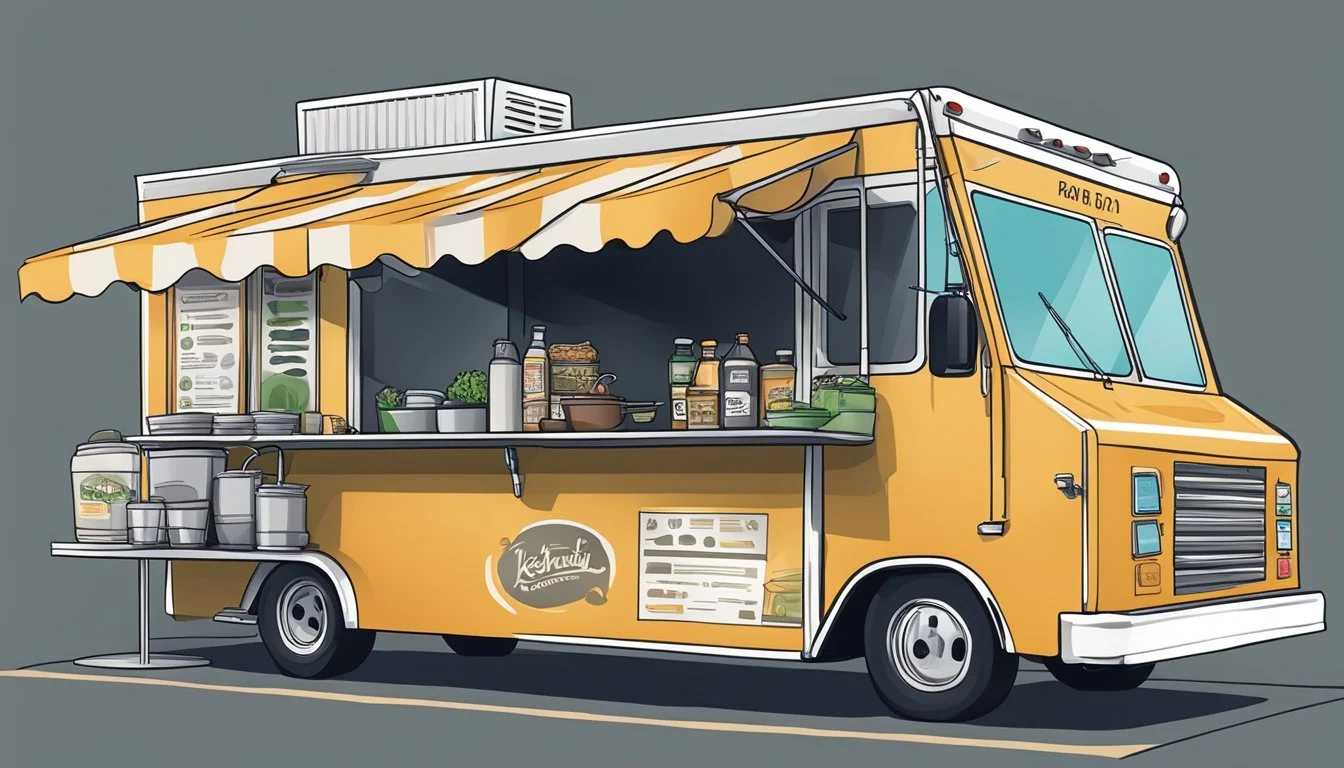
In Kentucky, running a food truck business involves understanding a multitude of regulations and ensuring compliance with both state health codes and local ordinances. Key to this process is the acquisition of proper permits and licenses, adherence to health and safety standards during inspections, ensuring staff get the necessary training and certifications, and meeting specific vehicle requirements.
Understanding Kentucky Food Laws
Food truck operators in Kentucky are required to comprehend and adhere to the food laws outlined by the Kentucky Cabinet for Health and Family Services. This includes preparing and serving food in accordance with the health and safety regulations to prevent foodborne illnesses. Notably, all menus must exclude potentially hazardous foods unless the food truck holds the necessary health department approvals.
Obtaining the Necessary Permits and Licenses
To operate legally, all food trucks in Kentucky must acquire a food service license from the local health departments and possibly additional permits including zoning and food permits. The food service establishment permit typically incurs a fee and is a critical step towards ensuring full compliance with the regulations set forth by the Kentucky Department of Public Health.
Vehicle and Food Safety Inspections
Regular inspections by health departments or authorized agencies are mandatory to ensure food trucks meet all health and safety regulations. Vehicles are expected to be equipped with a fire suppression system and other safety features to ensure a safe environment for both employees and customers.
Training and Certifications for Staff
All food truck staff in Kentucky need to hold a valid food handler’s license, which necessitates undergoing proper training in safe food handling practices. Achieving these certifications underscores the commitment to food safety and compliance with the Food and Drug Administration's guidelines.
By keeping these regulations in the forefront of operations, food truck businesses in Kentucky can confidently provide safe and legal services to their customers.
Operating Your Food Truck

Operating a food truck in Kentucky requires meticulous attention to daily operations, proper management of equipment and ingredients, adherence to food preparation and serving guidelines, and strict compliance with health and safety standards. These elements are crucial to ensuring the success and legality of your mobile food service.
Daily Operations Management
Every food truck must effectively manage daily tasks. This includes securing the right location, which is essential for attracting customers. Operators must balance the location's visibility with local zoning laws to maintain a legal presence. Additionally, efficient management involves overseeing the team, scheduling, and ensuring all operational aspects align with the Kentucky Food Code and U.S. Food and Drug Administration regulations.
Equipment and Ingredient Storage
Proper storage of equipment and ingredients is vital for a food truck's smooth operation. Food must be stored at safe temperatures to prevent spoilage or contamination, and equipment should be secured and maintained. Trucks are often subject to inspection by local health departments, which check for compliance with the requirements set by Kentucky's Food Safety Branch.
Food Preparation and Serving
Preparation and serving of food must follow Kentucky's strict guidelines to ensure safety and quality. The type of food served and the way it is prepared directly reflect the food truck reputation, necessitating consistent, high-quality standards. Training for all staff members in proper food handling techniques is key to uphold these standards.
Maintaining Health and Safety Standards
Food trucks must comply with the restaurant industry's rigorous food safety standards. Regular inspections from the local health departments ensure that food trucks meet the Kentucky Food Code's criteria for health and safety. This includes proper labeling of ingredients, availability of hand-washing facilities, and adequate storage systems. Mobile food service units, like food trucks, ensure public health by following these established protocols.
Marketing and Sales Strategies

Crafting an effective marketing strategy and mastering sales techniques are pivotal for the success of a food truck business in Kentucky. Staying abreast of state regulations, like collecting and remitting sales tax, is just as crucial as harnessing the power of local festivals and cultivating a loyal customer base.
Developing a Marketing Strategy
In Kentucky, a food truck's marketing strategy should begin with an in-depth market research. This aids in understanding the competitive landscape and determining gaps in the market that can be filled. Once the target market is identified, food trucks should leverage social media to engage with potential customers, highlighting their unique offerings on wheels. Additionally, partnering with local grocery stores for cross-promotion or setting up at temporary food operations near busy markets can increase visibility.
Expanding Customer Base
To expand their customer base, food trucks should focus on creating a memorable brand experience. This involves consistent quality, exceptional service, and creative menu items. Participating in local food truck rallies, fairs, and other community events exposes the brand to diverse audiences. Moreover, food trucks can capitalize on mobility by visiting various neighborhoods or setting up near office parks where they can tap into the lunchtime clientele.
Food Truck Events and Festivals
Food truck operators in Kentucky can significantly boost sales by participating in events and festivals. These gatherings draw large crowds and are a perfect opportunity for trucks to showcase their culinary creations. It's essential to understand the festival landscape and select events that align with the food truck's brand and menu. From art fairs to music festivals, these events can provide a platform for food trucks to connect with new customers and network with other food industry professionals.
Legal Considerations
When starting a food truck business in Kentucky, understanding the legal landscape is crucial. Owners must navigate a complex web of local and state regulations designed to promote public safety, including strict adherence to the Kentucky Food Code, while also meeting business operation standards.
Navigating Local Zoning and Parking Regulations
Food trucks operating in Kentucky must adhere to local zoning regulations that specify where they can park and do business. Each locality has its own set of rules, which often include provisions for distancing from brick-and-mortar restaurants, hours of operation, and specific areas designated for food truck operations. It is essential for food truck owners to liaise with local authorities to prevent violations that could lead to fines or shutdowns.
Local Zoning Approval: Obtain approval for designated zones where a food truck can operate.
Parking Permits: Secure necessary permits for parking in public spaces.
Complying with Statewide Business Regulations
Food truck operators in Kentucky must register their business with the Kentucky Secretary of State and comply with statewide health and safety regulations to prevent foodborne illness. These include obtaining a food service establishment permit and ensuring their vehicle passes the required health department inspections.
Business Registration: File with the Kentucky Secretary of State.
Health and Safety Regulation Compliance:
Obtain the mandatory food service establishment permit.
Pass health inspections in accordance with the Kentucky Food Code.
Understanding Alcohol Licensing and Restrictions
Serving alcohol from a food truck involves additional licensing and strict compliance with Kentucky laws. Food truck owners who wish to offer alcoholic beverages must secure a license through the state's Alcoholic Beverage Control Board, adhering to the same requirements as traditional restaurants, including responsible service and age verification protocols.
Alcohol Licensing: Acquire appropriate licensure for alcohol service.
Service Regulations: Implement age verification and responsible alcohol service practices.
Financial Management
Managing finances is critical for food truck operators in Kentucky. They must meticulously track their expenses and revenue, address tax obligations effectively, and ensure they maintain sufficient cash flow for sustainable operations.
Tracking Expenses and Revenue
Food truck owners must maintain accurate records of all expenses and revenues. Expenses can include the cost of ingredients, vehicle maintenance, and fuel, while revenues are primarily derived from food sales. A detailed ledger or accounting software can help track these financial details, providing a clear overview of the food truck’s financial health. Documentation of these figures is crucial for fulfilling tax obligations and assessing the profitability of the business.
Addressing Tax Obligations
Every food truck business must comply with the Kentucky state sales tax requirements. This entails registering for a sales tax permit, collecting the appropriate taxes from customers, and remitting them to the Kentucky Department of Revenue. The business address registered with tax authorities must be kept current to ensure that tax-related correspondence is received promptly. Additionally, food truck operators should be aware of the specific tax implications for their chosen business entity, whether that be a sole proprietorship, partnership, LLC, or corporation.
Ensuring Sufficient Cash Flow
A robust cash flow is fundamental to the food truck's ability to meet its ongoing costs and invest in business growth. Operators should plan for both the predictable and variable costs associated with running their food truck, such as permit fees, inventory purchases, and unexpected repairs. Strategies for managing cash flow include setting aside a portion of daily sales, seeking out favorable payment terms with suppliers, and keeping a reserve fund for emergencies. A keen focus on cash flow helps in ensuring the business remains operational and profitable throughout various market conditions.
Building Your Food Truck Brand

When launching a mobile food business in Kentucky, cultivating a robust brand identity is paramount. It involves a carefully crafted menu, strategic marketing, and fostering customer relationships to create a memorable food truck presence.
Brand Identity and Menu Design
A food truck's brand identity is its signature in the marketplace. It begins with a distinctive business name that captures the essence of the mobile food business. The menu acts as a direct representation of the brand, where selection and preparation of meats and other items align with the overall brand narrative. The design should reflect the personality and unique selling proposition of the food truck, keeping menu clarity and brand consistency in focus.
Social Media and Online Presence
In today's digital age, a food truck’s marketing strategy must integrate a strong social media and online presence. Platforms such as Instagram and Facebook are essential for showcasing menu items and updates. They also act as a channel to share the story behind the food truck, amplifying the brand. Using attention-grabbing visuals and hashtags can drive engagement and customer interest.
Customer Relations and Feedback Mechanisms
Positive customer relations are the lifeline of any food truck. Encourage feedback through social media channels and review platforms. Engaging with customers, addressing concerns, and showcasing reviews can enhance brand reputation. Implementing feedback mechanisms helps refine the menu and service, ensuring that customer preferences are met and fostering loyalty.
Conclusion

The regulatory framework in Kentucky is well-defined, setting clear standards for the food truck industry to thrive. Entrepreneurs entering this market should arm themselves with the necessary knowledge and comply with local laws to ensure a smooth operation. A comprehensive guide through the intricacies of licensing and permits is essential and can be found through reliable articles and state resources.
In the Bluegrass State, food truck operators are required to:
Obtain a business license
Secure food handlers permits for all employees
Acquire a seller's permit
Obtain a mobile food facility permit, often referred to as a food truck license
These prerequisites are pivotal to maintaining public health standards and promoting confidence in mobile food services. Operating a food truck encompasses not just cooking and serving but also adhering to the legal and safety protocols that protect both the business and its customers.
The upfront investment can vary, with estimated start-up costs ranging from $30,000 to $75,000. This includes expenses for licensing, the purchase of the truck, and equipping it with the necessary cooking appliances.
Kentucky's retail food regulations underscore the prohibition of potentially hazardous foods in certain concessions, emphasizing a commitment to food safety. Those venturing into Kentucky's vibrant food truck scene can look forward to a regulated yet encouraging environment. Compliance with regulations results in a better experience for consumers and a more stable business for owners.