Food Truck Laws in Maine
Navigating Regulations and Permits
The mobile cuisine industry in Maine offers an innovative and flexible dining experience, attracting both locals and tourists to the diverse flavors these food trucks provide. As the trend of gourmet food trucks has spread across the country, Maine's community has embraced this dining concept. Food truck operators in the state must navigate a variety of regulations to ensure their mobile eateries comply with local and state food safety and business laws.
Food truck laws in Maine are established to maintain high standards of food safety, protect public health, and integrate these businesses seamlessly within local communities. Entrepreneurs looking to take part in Maine's food truck culture must familiarize themselves with the necessary permits, licenses, and guidelines that govern mobile food operations. These regulations are in place to ensure food truck operators can provide their services without compromising on the safety and quality expected by their customers.
To operate a food truck in Maine successfully, understanding the legal landscape is crucial. Permits and certifications need to be obtained, which may include, but are not limited to, a Mobile Eating Place Operator's Guide compliance, local business licenses, and hazardous materials permits. This legal framework helps to preserve the integrity of the food truck industry and ensures the public that the food offered is prepared in clean, inspected, and approved facilities.
Starting a Food Truck Business
Embarking on the journey of starting a food truck business in Maine entails meticulous planning and strategic decision-making. Prospective owners must focus on a solid business plan, selecting an optimal vehicle, curating a compelling menu, and establishing a unique brand identity.
Developing Your Food Truck Business Plan
A comprehensive food truck business plan should be the first step for entrepreneurs. This document serves as a roadmap, outlining business objectives, benefits, costs, and funding options. It details operations, predicts competition, and reflects the background and experience of the owner.
Choosing the Right Food Truck
Selecting the ideal food truck is a pivotal decision that influences startup costs and operational efficiency. Factors to consider include the size of the vehicle, kitchen equipment, and layout. The chosen truck should align with the business plan and enhance the branding potential while balancing initial and maintenance costs.
Selecting the Menu and Suppliers
Menu planning is driven by creativity and understanding of the target market. It should feature items that not only reflect the business concept but also are cost-effective and easy to prepare in a mobile setting. Partnering with reliable suppliers ensures consistent quality and can contribute significantly to the operations success.
Business Name Registration and Branding
Branding plays a crucial role in setting a food truck apart from its competitors. Choosing a catchy business name and registering it is just the beginning. Effective branding encompasses the design of the truck, the style of the menu, and all marketing materials, which should all resonate with the business's core values and appeal to the intended audience.
Legal Requirements and Compliance
In the state of Maine, operating a food truck involves navigating a series of precise legal mandates. Business owners must adhere to various legal frameworks to ensure their mobile food enterprises meet the state's standards, from procuring the correct licenses to passing stringent health inspections.
Food Truck Licensing Process
Before a food truck can legally operate in Maine, the owner must obtain a Food Truck License. This process begins with submitting an application to the local city or town. The application typically includes an equipment list, menu, and layout of the truck to demonstrate compliance with the Maine Food Code. Additionally, registering the business with the Secretary of State and securing a sales tax permit are crucial steps.
Health and Safety Inspections
Health and safety are paramount in the food service industry. To ensure public safety, food trucks in Maine must pass a health inspection that assesses sanitation, utensils, and food handling practices. The mobile unit must have proper waste disposal, temperature control, and a fire suppression system. Compliance with these regulations is validated through inspections conducted by the Maine Center for Disease Control & Prevention or local health authorities.
Insurance and Liability
Maintaining adequate insurance is a legal requirement. Food truck owners must procure a Certificate of Insurance, duly issued by an insurance company approved by the Maine Department of Public Safety. This indemnifies the business against liability claims and often needs to include workers’ compensation insurance, in case of employee injury.
Zoning Regulations and Vehicle Inspection
Every food truck must align with local zoning regulations to determine where it can legally operate. Understanding and complying with these rules is necessary to avoid penalties. Each food truck is also subjected to a rigorous vehicle inspection to ensure both mechanical and operational safety on the road. Compliance with the OSHA regulations for the vehicle as a workplace is also required for full legal operation.
Operational Management
Effective operational management is crucial for the success of food truck businesses in Maine. This entails meticulous planning and adherence to state regulations to ensure smooth daily operations and maintain food safety standards.
Daily Operations and Scheduling
The day-to-day management of a food truck requires a structured schedule. Owners must ensure they have all necessary supplies and inventory to meet the day's demands. This includes prepping foods in advance and ensuring equipment is clean and functional. Food truck operators in Maine should also be considerate of their parking locations and adhere to local parking regulations. A strong business plan that includes scheduling can significantly facilitate these operations, as outlined in the guidelines provided by the Maine Food Truck Business Guide.
Food Preparation and Safety
For food safety, Maine food truck operators must follow the Maine Food Code as it stipulates how food should be stored, handled, and prepared to prevent contamination. Here's a brief overview of the safety regulations:
Storage: Foods must be stored at safe temperatures with raw ingredients separate from cooked items to prevent cross-contamination.
Handling: Workers should always maintain a clean workspace and practice proper hand hygiene.
Preparation: Cooking and preparation equipment must meet sanitation standards, and foods should reach their required temperatures as per the Maine Food Code to ensure food safety.
Ensuring clean operations and a strict adherence to sanitation protocols not only safeguards public health but also upholds the food business's reputation.
Sales and Marketing
When forging a path for a food truck business in Maine, sales and marketing are fundamental for growth. They carefully consider their target market for accurate pricing and devise marketing strategies that engage customers effectively, tapping into local events and forming strong partnerships.
Target Market and Pricing
Identifying the target market is crucial for food truck owners in Maine. They assess local demographics, preferences, and dining patterns to set competitive prices. For example, a food truck focusing on lobster (What wine goes well with lobster?) rolls might price their offerings according to the going rate of fresh lobster in the area, keeping in mind both food costs and what customers are willing to pay.
Advertising and Customer Engagement
Food truck entrepreneurs leverage various channels like social media to amplify their presence and connect with their audience. They post mouth-watering pictures of their dishes, run special promotions, and use platforms such as Instagram and Facebook to inform followers about their locations and menu updates. Additionally, they engage in direct customer engagement through feedback and interactive contests.
Leveraging Local Events and Partnerships
Effective food truck operators capitalize on networking opportunities and local events to boost sales. They align their operations with festivals, fairs, and farmers markets that attract large crowds. Furthermore, forming partnerships with local businesses and breweries can create a loyal customer base and recurring revenue streams. For instance, teaming up with a local craft beer shop could provide a steady flow of patrons.
By focusing on these key strategies, food truck businesses in Maine can optimize their sales and marketing efforts to promote sustainable growth and strong community ties.
Additional Considerations
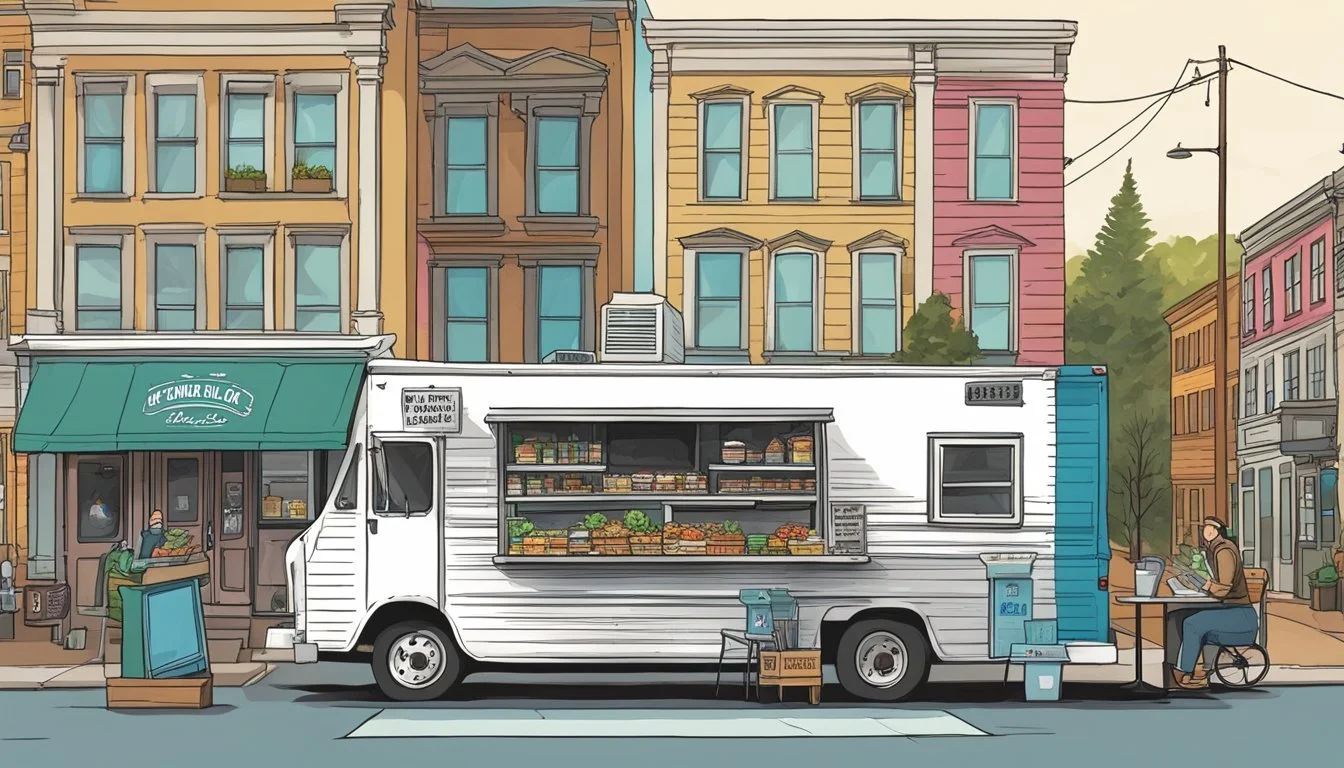
When establishing a food truck business in Maine, one must navigate additional rules pertaining to local regulations, home manufacturing, and operating at farmers' markets. Understanding these specific directives is crucial for compliance and ensuring the smooth operation of a food truck.
Local Regulations and Permits
Various municipalities may impose their own set of rules concerning food truck operation. Operators must secure a mobile vendor license from the Maine Department of Health and Human Services and may need additional permits based on the city or town's requirements. Food trucks parked on private property must ensure they have permission and meet any local zoning and land use ordinances.
Home Manufacturing and Liquor Sales
For home food manufacturing, operators should be aware that licensing through the Maine Department of Agriculture, Conservation, and Forestry is necessary if the food is prepared at the operator’s home. Selling homemade packaged food on a food truck requires compliance with home kitchen regulations. With respect to liquor sales, food truck operators intending to sell alcohol must obtain a liquor license, adhering to the strict regulations set forth by local and state laws.
Food Trucks at Farmers’ Markets
Food trucks that wish to vend at farmers’ markets must ensure they comprehend and adhere to the guidelines established by the Maine Department of Agriculture, Conservation, and Forestry. Additionally, there could be separate market-specific rules to follow, and it is often required that food items sold are sourced locally to some extent, aligning with the market’s ethos. The market organizers may also demand a separate permit on top of the food truck’s existing licenses.
Resource and Support
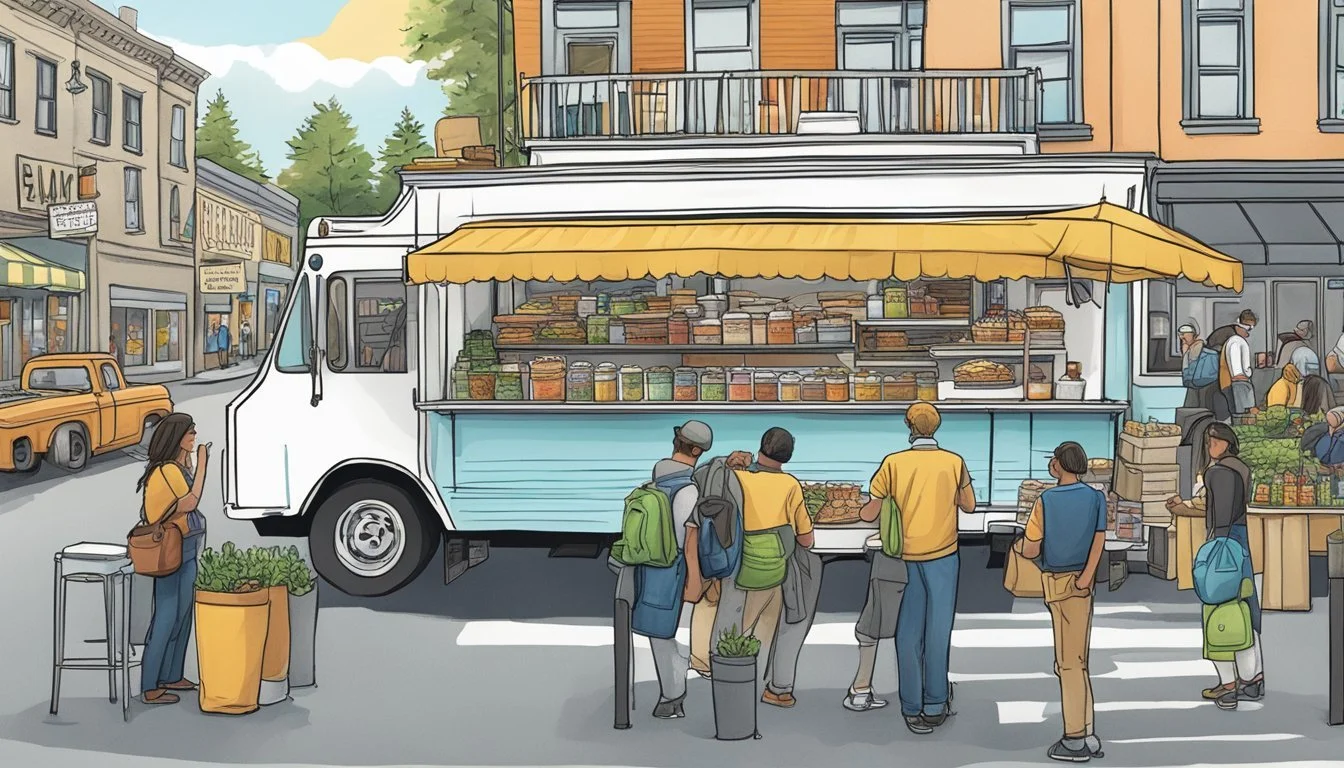
Food truck operators in Maine have various resources to tap into for guidance and support. This section outlines the specific forms of professional community support available and addresses commonly asked questions.
Professional and Community Support
Food truck entrepreneurs in Maine benefit from a supportive network that fosters creativity and business acumen. They can join local trade associations and attend community events in cities like Bangor to connect with fellow vendors. These platforms provide an opportunity to share knowledge, address common challenges and advocate for policies that allow greater flexibility on wheels.
Those starting a food truck business can also seek mentorship programs run by experienced locals in the industry. Such programs can help new entrepreneurs understand the nuances of running a mobile food business and harness their creativity effectively.
Frequently Asked Questions (FAQs)
Q: How do I get started with a food truck in Maine?
A: Beginning a food truck requires obtaining a Mobile Food Service License from the Department of Agriculture, Conservation and Forestry and a Mobile Food Unit Permit from the local health department.
Q: What regulations do I need to be aware of in Maine?
A: Food trucks must comply with the Maine Food Code and local health regulations, which include sanitation requirements and food safety guidelines.
Q: Where can I operate my food truck within Maine?
A: Operators have the flexibility to choose their locations but must check local zoning laws and regulations in places like Bangor to ensure they are permitted to sell in those areas.