Food Truck Laws in Missouri
Regulations for Mobile Food Vendors
Missouri offers a vibrant food truck scene, reflecting a growing trend of culinary entrepreneurship on wheels. Across the state, from the bustling streets of St. Louis to the state's capital, Jefferson City, food trucks serve an eclectic mix of cuisines, bringing gourmet flavors and convenience to public spaces and private events. The legal framework governing these mobile eateries is crucial for ensuring public safety and fair business practices. It outlines the necessary steps entrepreneurs must take to legally operate their businesses and the health and safety standards that are non-negotiable to protect consumers.
To embark on a food truck venture in Missouri, one must navigate a series of regulations and procure specific licenses and permits. The process can be lengthy, with multiple layers of bureaucracy to sift through. Ensuring compliance with the local food codes, zoning laws, and safety standards is not only about ticking boxes on a checklist but about embedding food safety into the very DNA of the business model. The Missouri Food Code provides a comprehensive reference, detailing food handling, storage, and preparation requirements to safeguard consumers and align with national standards.
Establishing a food truck also demands close attention to jurisdiction-specific guidelines. For instance, obtaining food truck permits in the city of St. Louis involves a series of steps including providing proof of vehicle license and registration, photos of the truck, and paying a permit fee. Each region or city may have additional or slightly different requirements that can affect the operation of food trucks. These factors together underscore the importance of understanding and adhering to Missouri's laws, ensuring that food trucks are able to operate smoothly while maintaining high standards of food safety.
Overview of Food Truck Laws in Missouri
In Missouri, food truck operators must navigate a series of laws and regulations that govern their businesses. These are designed to ensure food safety, proper business conduct, and alignment with state and local standards.
Legal Framework
Missouri's food truck regulations stem from a distinct legal framework that provides a structural basis for operation. This framework includes state laws and local ordinances which vary by city and county, therefore, potential vendors must familiarize themselves with the pertinent laws applicable to their specific location. For instance, the Food Truck Law outlined in Section 196.945 articulates the licensing requirements and operational guidelines that a food truck vendor is obliged to follow.
Importance of Compliance
Compliance with food truck laws is not merely a formality; it is essential to the viability and legality of food truck operations in Missouri. Failing to adhere to these laws can result in penalties, such as fines or the revocation of permits. Ensuring that all laws and regulations are met involves obtaining the necessary licenses and permits, submitting to health inspections, and adhering to tax registration requirements. Lodging compliance with health and safety regulations protects both the business and its customers.
Starting a Food Truck Business
Starting a food truck business in Missouri requires careful planning, selecting the right business structure, and adhering to regulatory requirements. Entrepreneurs must navigate through a series of steps to ensure their business operates legally and successfully.
Business Planning
A solid business plan is the entrepreneur's roadmap detailing the viability of the food truck business. It should include market research, a distinct concept, and a financial forecast. For success, they may investigate local food truck trends to carve out a unique niche within Missouri's vibrant food industry.
Choosing a Business Structure
Deciding on a business structure affects liability, tax obligations, and operational complexity. They can form a Limited Liability Company (LLC) for personal asset protection, a partnership if operating with others, or remain a sole proprietor for simplicity. An Employer Identification Number (EIN) is necessary if the food truck business hires employees, which can be obtained from the IRS.
Obtaining Necessary Permits and Licenses
Food trucks in Missouri need to comply with various regulations and secure appropriate permits. Among them, a business license is fundamental, alongside food safety permits and vehicle requirements. Entrepreneurs should prepare to submit detailed information including vehicle licensing and a food menu, as outlined by the City of St. Louis's requirements. Compliance with these legalities is paramount to operate within the food service industry.
Permits and Health Regulations
Operating a food truck in Missouri requires adherence to specific health and safety standards. Securing the necessary permits ensures compliance with local and state health regulations.
Health Department Permit
To operate legally, food truck vendors must obtain a Health Department Permit. This involves an assessment of the food truck for adherence to health codes, which includes checking for proper food handling, sanitation, and storage facilities. Operators must ensure their food truck passes the health inspection to receive this permit.
Food Establishment Permit
A Food Establishment Permit is essential for food truck operation. It requires a pre-opening inspection, which can only be scheduled after ensuring the truck meets the construction and equipment guidelines as set by Missouri's health regulations. Upon successful inspection and compliance with all local and county ordinances, the permit is issued. These permits are valid for 6 months and must be renewed accordingly.
Special Event Permitting
For food trucks operating temporarily at special events, a Special Event Permit is necessary. This is different from regular operation permits and may require additional criteria to be met. It's important to check with the local health department for event-specific regulations before participating in an event. The Missouri Department of Health and Senior Services provides guidelines which can include the use of refrigerated trucks or insulated containers, as referenced in the Missouri Food Code.
Safety and Inspection Requirements
In Missouri, food trucks must adhere to rigorous safety and inspection requirements to ensure public health and prevent hazards. These criteria are enforced through regular checks conducted by the local health department and the fire department to certified compliance with state regulations.
Regular Inspections
Food trucks in Missouri are subject to regular health inspections to maintain their operating licenses. These inspections ensure that food handling, cooking, and storage meet state-mandated health and safety standards. Establishments found in violation may be subject to fines or temporary closure until violations are resolved.
Health and Safety Standards
Health inspectors evaluate a number of crucial aspects according to guidelines like those detailed in the Missouri Food Code. Key points include:
Proper food temperature control to prevent bacterial growth.
Employees adhering to hygiene standards, including handwashing and glove use.
Appropriate storage to avoid cross-contamination.
The authorities require food trucks to provide safe, unadulterated, and honestly presented food to consumers, which is an essential standard for a successful inspection.
Fire Safety
Compliance with fire safety regulations is mandatory, with the local fire department conducting specific inspections to ensure each food truck is equipped with:
Properly serviced fire extinguishers.
Adequate suppression systems in the cooking area.
These measures are in place to minimize the risk of fire, one of the most significant safety concerns in food truck operations. Non-compliance can result in severe penalties and jeopardize the safety of employees and patrons.
Operational Guidelines for Food Trucks
Food truck operators in Missouri must adhere strictly to established standards for their vehicles, implement rigorous food safety practices, and manage waste effectively to ensure compliance with state regulations.
Vehicle and Equipment Standards
Missouri's food trucks must meet specific vehicle and equipment standards to operate. The vehicle should be in good repair, with all equipment properly installed to prevent accidents or injuries. Every food truck is required to have an adequate water supply for both cooking and cleaning purposes, and to maintain temperature control systems to keep food at safe temperatures during transportation and service. A designated handwashing station is mandatory, providing a hot and cold water supply for proper hygiene.
Food Handling and Safety
Food handling practices are critical in maintaining food safety and preventing contamination. Employees must have valid food handler's permits and adhere strictly to food safety guidelines. This includes maintaining the correct temperatures for food storage and preparation. Food must be kept at 41 degrees Fahrenheit or lower for cold foods, and heated to 135 degrees Fahrenheit or higher for hot foods to prevent bacterial growth. Surfaces that come in contact with food should be sanitized regularly, and clear procedures for preventing cross-contamination must be in place.
Waste Management
Effective waste management is essential for keeping Missouri's food trucks hygienic and environmentally responsible. Each truck should have separate containers for trash and recyclables. Wastewater from the food truck must not be disposed of improperly; it must be stored in a leak-proof container and disposed of at an approved waste disposal facility. Food trucks need to have procedures for the regular disposal of garbage to avoid attracting pests and minimize odors.
Financial Considerations
In starting a food truck business in Missouri, understanding the specific financial responsibilities including fees, taxes, and insurance is paramount. These costs impact the initial budget and ongoing operations, influencing the overall financial health of the venture.
Understanding Fees and Taxes
In Missouri, food truck operators must budget for various fees and sales tax obligations. The required licenses and permits come with associated costs. For instance:
Permit Fee: A Mobile Food Establishment Permit is crucial, with costs varying by location.
Sales Tax: Registration for sales tax with the Missouri Department of Revenue is mandatory.
These fees are recurring, often on an annual basis, and non-compliance can result in penalties. For precise permit fees, the costs can range significantly based on factors such as the size of the establishment and the specific municipality's regulations. For in-depth information, Starting a Food Truck Business in Missouri offers a detailed guide.
Insurance and Liability
Appropriate insurance coverage is non-negotiable to safeguard against potential liabilities. Food truck owners should consider the following:
Liability Insurance: Protects against claims arising from injuries or damages.
Certificate of Insurance: This document serves as proof of insurance, and it is often required to obtain permits.
Obtaining a certificate of insurance not only fulfills regulatory requirements but also instills confidence in landlords, event organizers, and potential business partners. The cost of starting a food truck can be influenced greatly by insurance rates, which is why it's recommended to compare different insurance providers to find the best coverage options suitable for the size and scope of the food truck business.
Marketing and Menu Planning
In Missouri, the success of a food truck hinges not only on the quality of food served but also on the strategic marketing and menu planning efforts by the business owner.
Building Your Brand
For a food truck in Missouri, creating a strong, recognisable brand is critical. A distinct brand identity helps a food truck stand out in a crowd and creates a lasting impression with customers. Key elements include a memorable name, a striking logo, and a cohesive color scheme that reflects the truck's personality and culinary theme. Effective branding extends across all marketing materials and social media platforms, ensuring a consistent image that patrons can easily identify and connect with.
Menu Development
Menu development is a balancing act, combining innovation with practicality. A good foundation begins with identifying a niche or distinctive culinary theme that resonates with the target market. The menu should showcase dishes that not only reflect the food truck's identity but also cater to the preferences of Missouri's diverse clientele. The menu items ought to be simple to prepare and serve, yet high in quality and flavor to encourage repeat business. Clear categorization of menu items, along with thoughtful pricing that meets financial targets while providing value to customers, will enhance the overall dining experience.
Resources and Additional Support
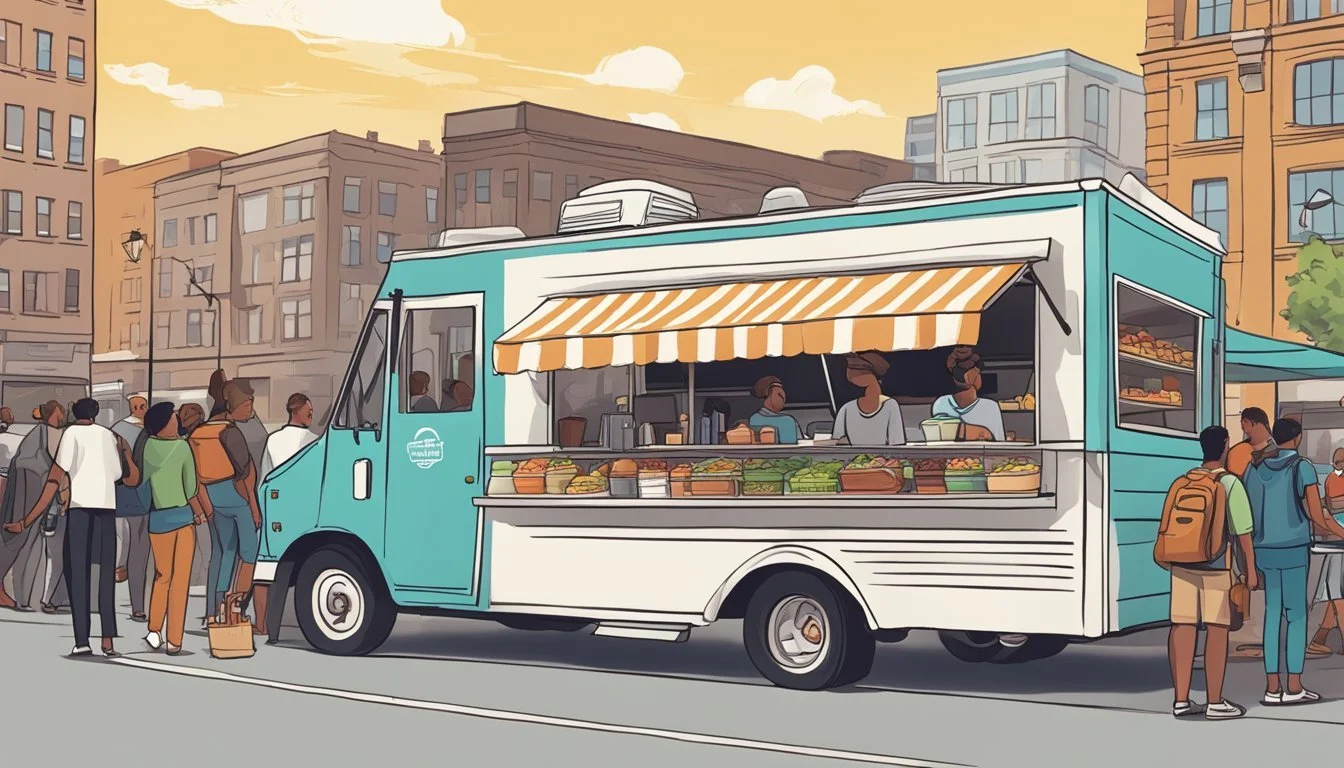
Navigating Missouri's food truck laws requires reliable resources and support systems. For those seeking guidance, there are comprehensive online platforms and local organizations dedicated to aiding food truck owners through every step of the process.
Online Resources
Missouri food truck entrepreneurs have access to a variety of online resources to assist with licensing and permits. Most notably, the Missouri Department of Health & Senior Services offers detailed FAQs and guidelines which are crucial for understanding state-specific food safety requirements. Similarly, the Food Handler's Guide maintains a bespoke section on Food Truck Requirements in Missouri, providing a thorough breakdown of cost expectations and necessary business preparations.
Local Business Support
For personalized assistance, local Missouri business support entities play a crucial role. Prospective food truck owners can visit their local health department's office in person, where they can seek clarifications and direct help concerning permitting and compliance with health regulations. Moreover, communities often have small business development centers or similar institutions that provide free or low-cost advice as well as networking opportunities. For example, ToastTab has insights specific to Missouri's industry, including a detailed article on the 5 Food Truck Licenses and Permits Required in Missouri (2024), which can serve as a helpful checklist for those in the planning phase.
Compliance for Expanding Operations
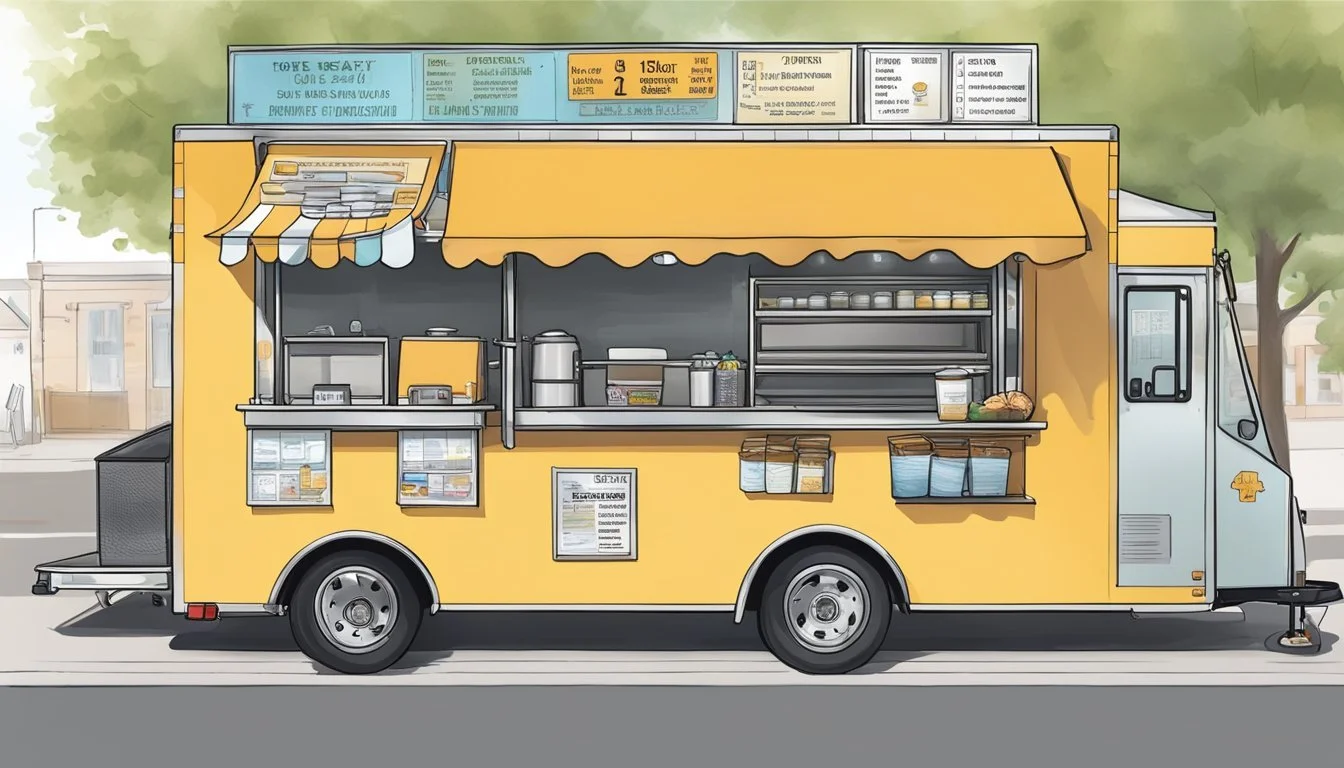
When food truck owners in Missouri decide to expand their operations to multiple locations or delve into catering and special events, they should be aware of the additional compliance requirements. These range from varied municipal ordinances to specific licenses needed for operating in different locales or at occasional events.
Multi-Location Compliance
Food truck operators looking to serve customers across different cities or counties in Missouri will encounter distinct regulations in each jurisdiction. It's crucial they:
Secure local permits: For every new location, they must obtain local permits which might include city-specific business licenses and health department approvals.
Maintain uniform standards: They should ensure that their food truck meets the Missouri Food Code regulations in all operational areas, maintaining consistency in food safety and quality across locations.
Catering and Special Events
Catering private gatherings or participating in public special events calls for a unique set of requirements:
Obtain special event permits: They must secure event-specific permits that comply with local special events ordinances.
Adhere to local health codes: Each event may enforce additional health codes, making it important for food truck operators to adapt and comply with these varied standards to avoid any violations.
Legal Processes for Non-Compliance
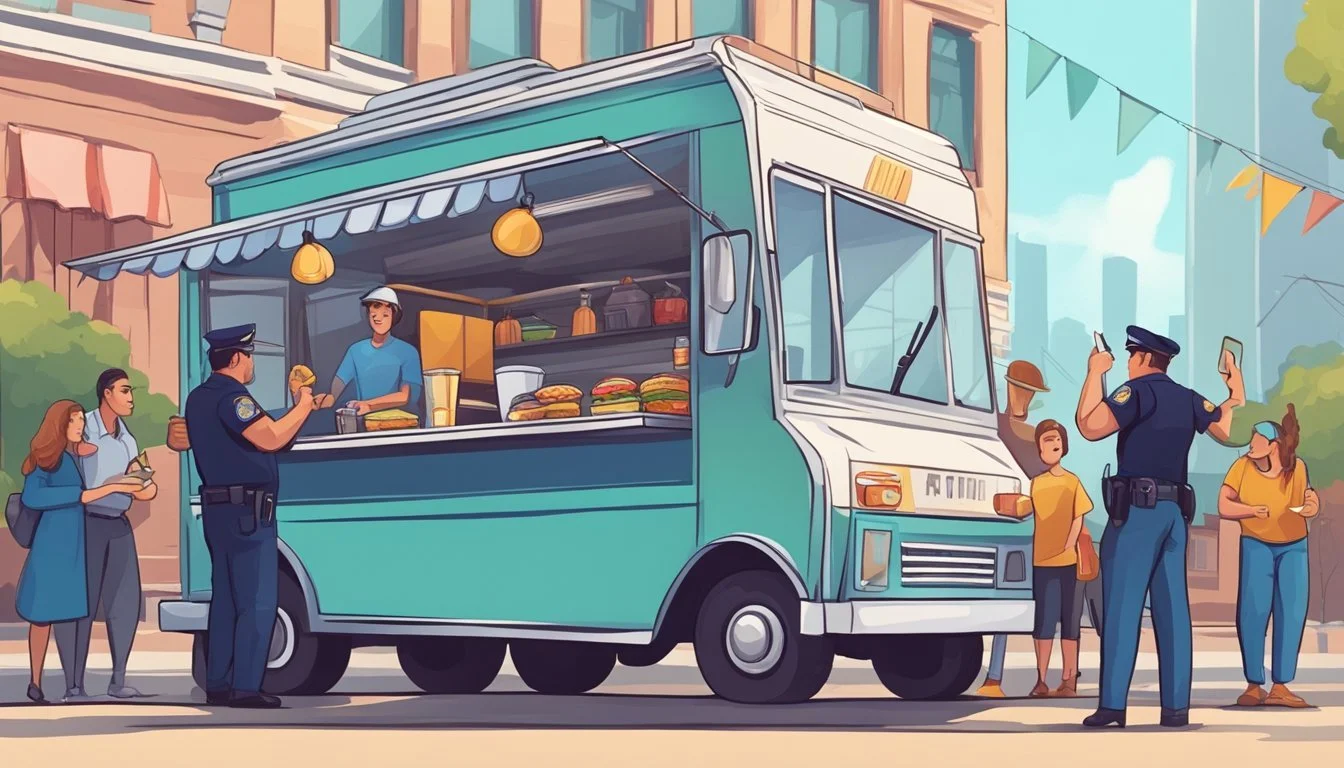
In Missouri, food trucks that fail to comply with the various state regulations are subjected to certain legal processes. These processes ensure that violations are handled appropriately and fines or penalties are resolved in accordance with Missouri law.
Handling Violations
When a food truck in Missouri is found in violation of health, safety, or other regulations, the first step often involves an official notice from the relevant authority, usually the local health department or city regulators. This notice includes details about the specific violations and often provides a deadline for rectification. In some cases, a food truck may be subject to immediate closure if the non-compliance poses a significant risk to public health or safety.
Immediate actions required by food truck operators may include:
Temporarily ceasing operations.
Making necessary adjustments to meet compliance standards.
Reapplying for permits if they have been suspended or revoked.
Compliance is critical to continue operating without further legal implications or disruptions.
Resolving Fines and Penalties
Failure to address violations can lead to fines and penalties, which escalate if non-compliance persists. The Missouri Department of Health and Senior Services indicates specific fines associated with different types of infractions. Food truck operators usually have the option to contest the fines through a legal hearing.
Typical resolution steps include:
Payment of assessed fines to the appropriate municipal or state body.
Attendance at a hearing, if disputing the violation.
Implementation of required changes to reinstate licensure.
Each penalty is aimed at enforcing regulations and ensuring the safety and well-being of consumers, as well as the integrity of the food service industry in Missouri. Compliance with regulations after a violation can often help mitigate the severity of penalties.