Food Truck Laws in Washington
Navigating Regulations for Mobile Eateries
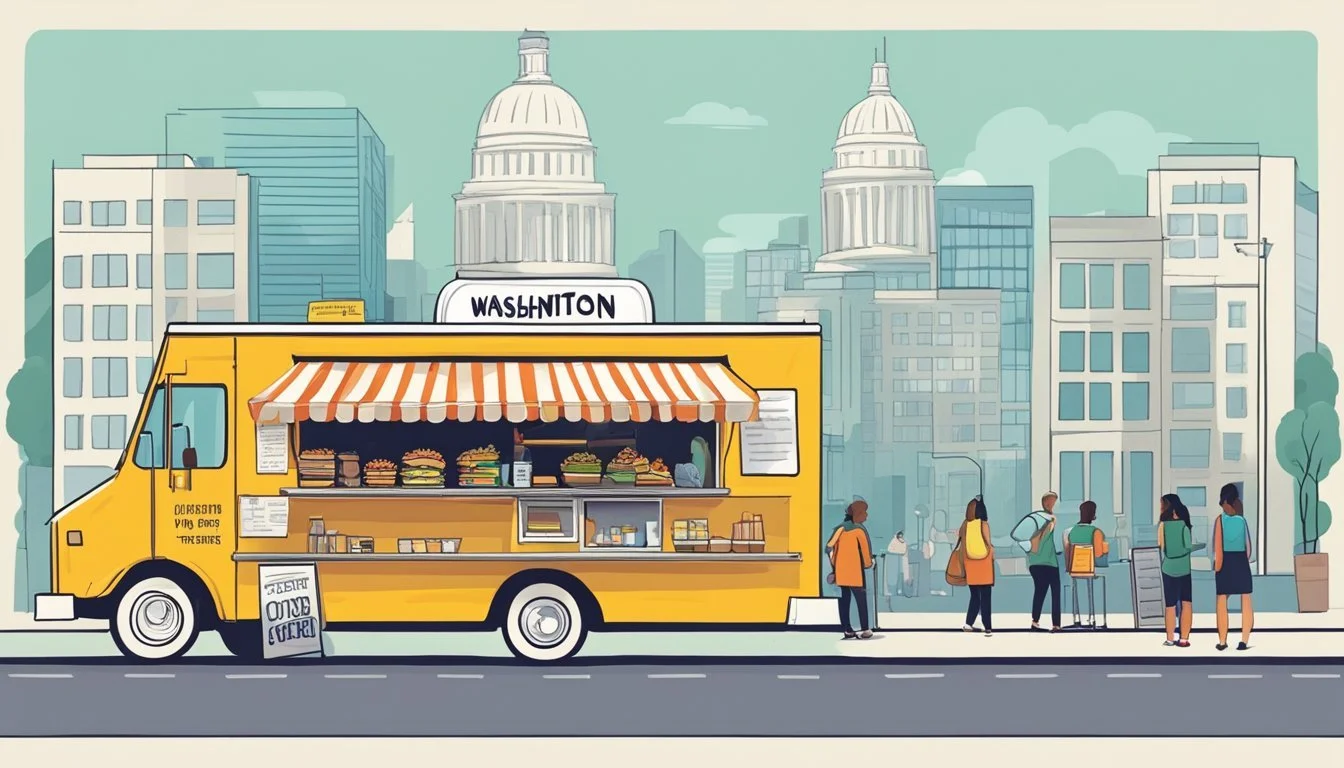
Operating a food truck in Washington State brings with it a distinct set of laws and regulations that proprietors must follow to serve their street-side cuisine legally and safely. With a dynamic food truck scene, the state lays down clear guidelines encompassing permits, health standards, and operational requirements. Prospective and existing food truck operators need to navigate through these legal frameworks to ensure their mobile eateries can hit the roads without any compliance hiccups.
The Labor & Industries (L&I) department of Washington State governs the construction and safety standards of food trucks, while the intricacies of permits and health codes fall under local health departments. Specific permits related to business licenses, food handlers, and sellers' permits align closely with those required for brick-and-mortar restaurants, reflecting the state's commitment to maintaining food safety and public health.
Being a member of the Washington State Food Truck Association provides a wealth of resources, helping food truck owners to understand and comply with the regulations. The association plays a pivotal role in laying a solid foundation for the mobile food industry by advocating for fair regulations and providing guidance to align with official standards. Compliance with these regulations is crucial as food trucks continue to be a beloved and innovative part of Washington's gastronomic landscape.
Starting a Food Truck Business in Washington
Starting a food truck business in Washington requires meticulous planning, understanding of costs, and compliance with health and safety regulations. Below are detailed steps an entrepreneur should take to launch a successful food truck enterprise.
Developing Your Food Truck Concept
The success of a food truck hinges on its concept, encompassing cuisine type and menu. Entrepreneurs should focus on unique and appealing food offerings that cater to Washington's diverse palate.
Creating a Business Plan
A robust business plan should outline the food truck's mission, cuisine, target customers, anticipated costs, and projected profit margins. This will be vital in steering the operations and securing funding.
Understanding Food Truck Costs
Initial costs include the vehicle purchase, kitchen equipment, and fire suppression system. Continuous costs cover fuel, propane, labor, and inventory. These should be meticulously calculated to manage the profit margin effectively.
Registering Your Food Truck Enterprise
Entrepreneurs must choose a legal structure such as an LLC or partnership. Registering the business involves obtaining an EIN and ensuring all paperwork, including the business's address and business license, is in order.
Insurance and Risk Management
Insurance is critical to protect against unforeseen events. Policies should cover vehicle-related risks, general liability (COI), workers' compensation, and food safety-related liabilities.
Labor and Staffing Considerations
Food trucks require a dedicated team for efficient operation. Owners must understand labor laws and foster a work environment that attracts and retains quality staff.
Building Your Food Truck Team
Creating the right team includes hiring individuals with appropriate cooking skills and an understanding of the cuisine offered. Each member should be aligned with the food truck's mission.
Food Truck Design and Equipment
The design should optimize the limited space for cooking and serving. Essential equipment will be decided based on the menu and type of cuisine being served.
Securing Financing and Managing Finances
Funding can be sourced from personal savings, loans, or investors. Effective financial management is crucial for expense tracking and maintaining a strong profit margin.
Marketing and Attracting Customers
Marketing strategies should highlight the unique aspects of the food truck’s menu and brand. Social media can be a cost-effective approach to engage and inform potential customers.
Selecting Vending Locations
Vending locations are strategic for visibility and sales. Partnerships with local communities for special events and regular spots in high-footfall areas can increase revenue.
Licenses, Permits, and Regulations
Securing the necessary permits is dictated by local government and regulatory bodies. This includes the state food code compliance, a city business license, and a county health permit.
Financial Management and Taxes
Tax obligations such as sales tax must be meticulously managed alongside regular financial obligations to maintain profitability.
Operational Challenges and Problem Solving
Food trucks encounter unique operational challenges such as location dynamics and maintenance issues. Problem-solving skills are crucial for quick and effective resolution.
Community Involvement and Local Support
Building relationships with the community can spur growth and provide support. Membership with organizations like the Washington State Food Truck Association can be beneficial for networking and advocacy.
Expansion and Growth Strategies
A food truck business can expand by diversifying its menu, adding more vehicles, or even transitioning to a permanent restaurant location. Growth strategies should be planned considering market trends and customer feedback.