Food Truck Laws in West Virginia
Navigating Regulations and Permits
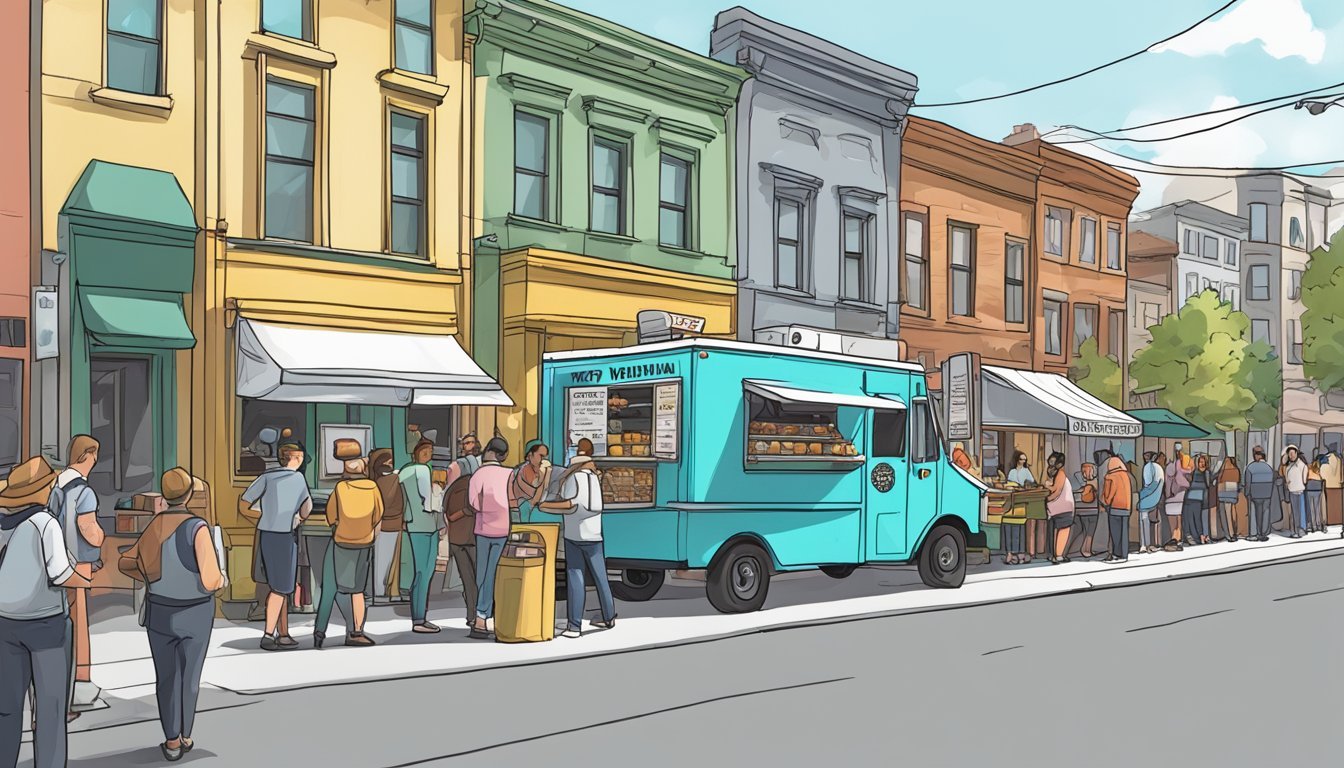
Operating a food truck in West Virginia involves navigating a set of legal requirements to ensure compliance with state and local regulations. Entrepreneurs must obtain the necessary licenses and permits which mirror many of the same ones required for traditional restaurants. This includes a business license, food handlers permits for each employee, and a seller's permit. Additionally, food truck owners are required to secure a specific food truck license, often referred to as a mobile food facility permit.
The process of setting up a food truck business also takes into account health and safety regulations. The West Virginia Food Code plays a crucial role in dictating food safety practices, and potential owners must submit a detailed floor plan of their food truck to local health departments for approval. The assurance that all food products are stored and transported correctly is not just for regulatory compliance, but also for the safety and satisfaction of customers.
When considering the location of operation, food truck vendors need to be mindful of zoning restrictions and parking regulations which can vary greatly between different cities or counties. It's imperative for these mobile businesses to conduct thorough research and comply with the legalities set forth by local authorities. A comprehensive guide on these requirements will aid prospective food truck operators in navigating the legal landscape of the mobile food industry in West Virginia.
Understanding Food Truck Laws in West Virginia
In West Virginia, food truck operators must navigate various regulations to comply with state and local laws. Licensing requirements are a crucial aspect, as food trucks need a business license and a specific food truck license or mobile food facility permit.
Permits are essential, too. Every food truck employee in West Virginia needs a food handlers permit. The state mandates that all mobile food vendors adhere to West Virginia Food Code food safety regulations. To ensure compliance, a detailed floor plan of the food truck must be submitted to the local health department for approval.
Here are the key components of West Virginia's food truck legal landscape:
Statewide Licensing: The Mobile Food-Vendor Freedom Act allows vendors to operate throughout the state with a universal license.
Local Zoning: Despite the statewide license, food trucks must still respect local zoning regulations, which can vary by city or county.
Business License: A generic license to operate a business in WV.
Food Handlers Permit: Required for all employees handling food.
Mobile Food Facility Permit: Also known as a food truck license, specific to mobile food units.
Health Department Approval: Necessary for the food truck's floor plan and operations.
Operating a food truck entails maintaining food safety practices with appropriate equipment, such as approved coolers or display units that meet health requirements, highlighted by the Food Handler's Guide.
It's also important to note that local health departments play a significant role in inspections and enforcements. They ensure food trucks meet health standards as stated by the Public Health Sanitation Division of the Bureau for Public Health. Compliance with these laws ensures a thriving food truck business in the state.
Starting Your Food Truck Business
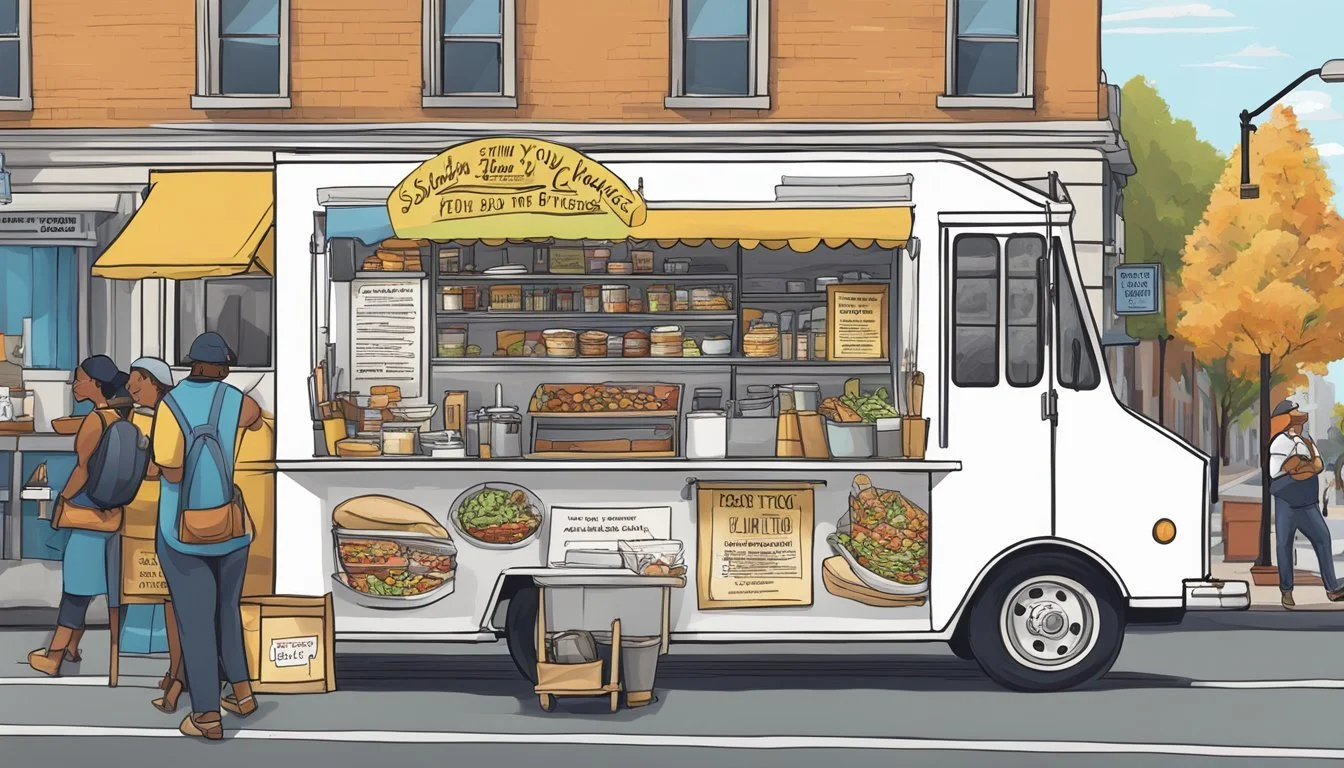
Embarking on a food truck venture in West Virginia requires meticulous planning and adherence to state regulations. From creating a solid food truck business plan to navigating public health guidelines, entrepreneurs will engage in a complex process to bring their culinary concepts to the road.
Developing a Business Plan
A well-defined business plan lays the foundation for a successful food truck business. This document should detail the business concept, menu offerings, and marketing strategy to achieve a competitive edge. It will also serve as a roadmap for operations and highlight the expected profit margin.
Financial Planning and Funding
Launching a food truck incurs various startup costs including equipment, inventory, and vehicle purchase. Entrepreneurs should explore diverse funding options such as loans, investors, or crowdfunding to cover these expenses.
Choosing the Right Location
Finding the right location is vital. It's important to research city and county guidelines as they can differ significantly. High foot traffic areas within permissible zones increase visibility and customer flow.
Registering Your Food Truck
Registering the business with West Virginia's Secretary of State is mandatory. One must choose a business name and register the entity, following all legal protocols.
Acquiring Necessary Permits and Licenses
Operating legally means obtaining the relevant permits and licenses. Requirements may include a Business License, Mobile Food Establishment Permit, and location-specific permit requirements. The process involves coordination with state and local authorities.
Commissary Agreement and Facility Requirements
Food trucks often require a commissary — a commercial space for food storage and preparation. Signing a commissary agreement ensures access to such a facility and fulfills health department mandates.
Vehicle Setup and Maintenance
Choosing a vehicle suited for the business needs, equipped with the necessary kitchen equipment, and maintaining it to meet maintenance standards is crucial for uninterrupted service.
Health and Sanitation Regulations
Food safety and sanitation are paramount. Adhering to public health and safety standards involves regular inspections by health departments to ensure compliance with regulatory guidelines.
Insurance and Risk Management
Obtaining adequate insurance coverage helps manage risks associated with vehicle operation, employee liability, and unexpected events like COVID-19.
Hiring and Training a Team
Building and training a capable team is imperative. Employees should master various tasks from customer service to food preparation.
Marketing and Promotion Strategies
Developing an effective marketing strategy is key for attracting customers. Utilizing social media, local events, and word-of-mouth are common practices.
Managing Day-to-Day Operations
Efficiently managing day-to-day operations ensures smooth business flow. This includes inventory management, customer service, and financial tracking.
Food Service and Menu Management
Consistent food service and adaptable menu management—considering fresh ingredients and customer preferences—drive repeat business and profit margin.
Coping with Industry Challenges
Finally, maneuvering through industry and economic challenges, such as market fluctuations or supply chain issues, requires agility and strategic planning.