Food Truck Laws Indianapolis, Indiana
Navigating Regulations for Mobile Vendors

The food truck industry in Indianapolis, Indiana, operates under a specific set of laws and regulations designed to ensure public safety, proper sanitation, and fair business practices. As a vibrant and growing segment of the local culinary scene, food trucks offer a diverse array of dining options to residents and visitors alike. To operate legally, food truck owners must navigate a complex framework of requirements, which includes obtaining the appropriate permits and licenses, adhering to health codes, and understanding the zoning laws that dictate where they can do business.
Navigating these regulations is a crucial step for any food truck owner. Indianapolis permits food trucks to operate in any valid parking space, allowed to cook on board, with the added provision that sales of food on public property are prohibited between 10 p.m. and 6 a.m. In addition to city rules, state codes such as the Indiana State codes 410 IAC 7-24 and 7 IAC 7-22 also lay down guidelines that must be observed. Compliance with these laws is essential not only to avoid penalties but also to ensure the safety and satisfaction of customers.
Moreover, food truck operators in Indianapolis are required to find a commissary kitchen or base of operation and secure state and city permits, licenses, and tax documents. These steps, although sometimes complex, are part of what makes the food truck scene in Indianapolis regulated and reputable. They serve to protect both the entrepreneurs who run the food trucks and the patrons who enjoy their offerings. With the industry's continued growth, adherence to these laws ensures that the food truck trend remains a valued part of Indianapolis's food culture.
Legal Foundations

When considering the operation of a food truck in Indianapolis, a firm understanding of the legal foundations is essential. Operators must navigate a complex interplay of city ordinances, state laws, permits, and regulations to maintain compliance and ensure smooth business operations.
City Ordinances and State Laws
In Indianapolis, food trucks are subject to both city ordinances and state laws. They are permitted to occupy any valid parking space and cook on board. Yet, they must abstain from the sale of food on public property between 10 p.m. and 6 a.m. This regulatory environment is supported by Indiana's Statehouse, which oversees statewide standards for such operations.
Permit and License Requirements
To commence business, food trucks require several types of permits and licenses. A Business License and Mobile Food Facility Permit are fundamental, accompanied by the attainment of an Employer Identification Number (EIN). Each operator must apply through the appropriate department, ensuring all paperwork is strictly up-to-date.
Food Safety and Health Regulations
Food safety and adherence to health codes are paramount, with regulations derived from local sanitation regulations. Inspections are conducted to promote compliance with the Indiana State codes that govern food truck operations. These health regulations ensure the well-being of consumers and the reputation of the mobile food industry in Indianapolis.
Zoning and Operating Locations
Indianapolis defines specific zones where food trucks may operate, which affects their locations and presence on public property. By identifying and adhering to these zoning regulations, food trucks can operate within the capital city without interfering with local commerce or traffic flow.
Vehicle and Equipment Standards
Finally, the standards for the vehicle and its associated equipment are carefully stipulated to ensure safety and functionality. This includes mandatory fire suppression systems and a GPS tracking device to meet safety and regulatory tracking requirements. Strict adherence to these regulations protects operators and consumers alike, fostering a responsible food truck culture in Indianapolis.
Operational Aspects
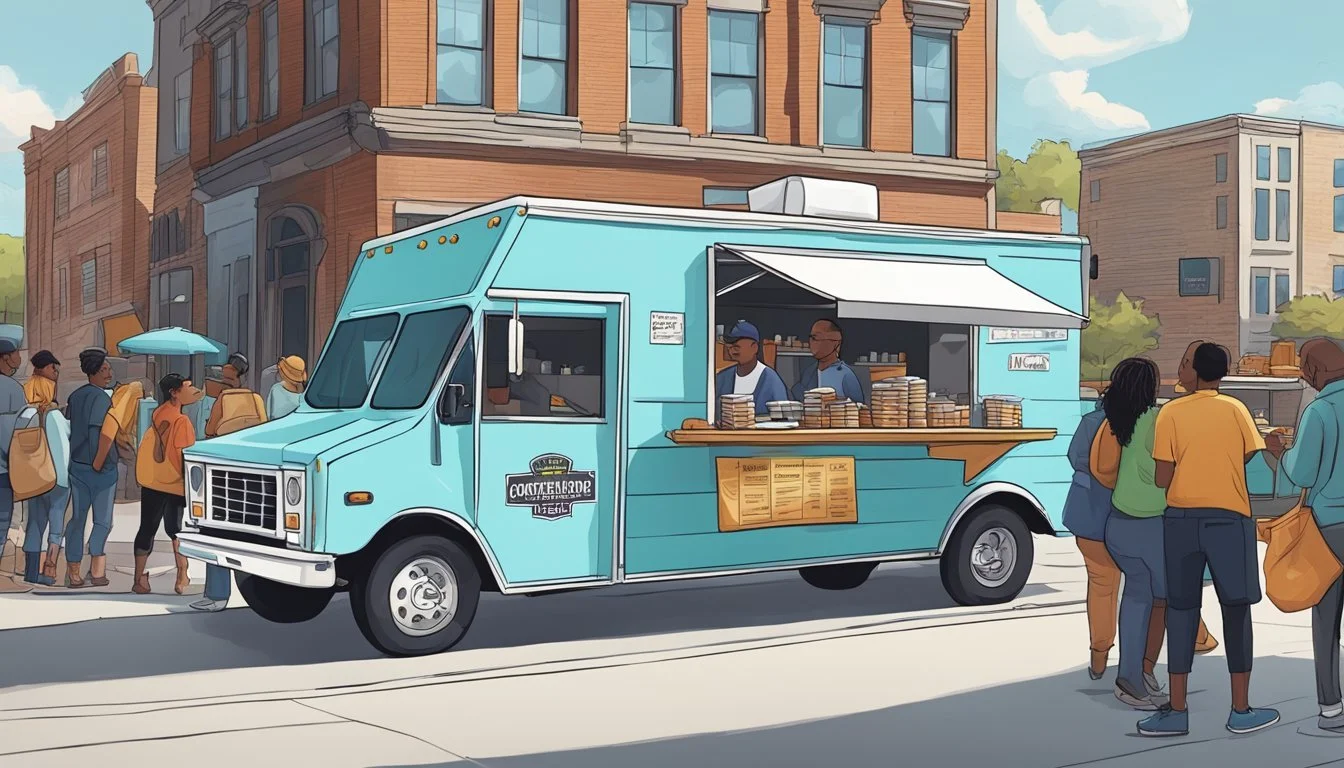
In Indianapolis, running a food truck involves understanding specific regulations, managing finances effectively, crafting a menu that meets customer expectations, and engaging with your customer base to foster growth.
Starting a Food Truck Business
To start a food truck business in Indianapolis, operators are required to navigate through several regulations, including acquiring a Business License and a Mobile Food Facility Permit. These are essential foundations before hitting the road. Additionally, understanding local labor laws and securing an appropriate insurance policy are crucial for lawful and protected operations.
Operating Costs and Financial Management
Operating a food truck comes with various costs. From initial fees for permits and licenses to ongoing expenses like ingredient purchases, fuel, and maintenance, these must be carefully managed. A solid financial plan must account for variable and fixed costs, including setting aside funds for an emergency. Prioritizing expenditures is key, as it often dictates menu choices and pricing strategies to ensure profitability.
Menu Planning and Ingredients Management
When planning a menu, food trucks in Indianapolis must consider the availability and management of ingredients. This involves balancing cost, freshness, and supply chain variables. To maintain efficiency, food trucks often limit their menus to a few well-crafted choices that allow for consistency and speed of service, thus meeting customer demand and expectations.
Customer Engagement and Marketing Strategies
For food trucks to thrive in a competitive market, proactive customer engagement and clever marketing strategies are imperative. This includes leveraging social media platforms to share location updates, menu specials, and gather customer feedback. Building a community around the food truck can create loyal customers and generate word-of-mouth marketing, which is invaluable for business growth.
Compliance and Best Practices
Operating a food truck in Indianapolis involves not only the challenge of creating a unique food experience but also ensuring strict adherence to the regulatory framework. Entrepreneurs must not only understand but incorporate routine inspections, consumer complaint handling, and labor laws into their everyday business operations.
Routine Inspections and Compliance
Food trucks in Indianapolis must pass routine inspections to ensure adherence to food safety requirements. These inspections are conducted by code enforcement officials who assess compliance with health codes, safety regulations, and permits requirements. To pass these inspections, food trucks should maintain detailed checklists that include cleaning schedules, food storage temperatures, and proper waste disposal methods.
Food Safety Checklist:
Refrigeration temperature logs
Food handling certificates
Cleanness of food preparation areas
Handling Consumer Complaints
When consumer complaints arise, food truck operators are advised to handle them promptly and professionally. A system should be in place to manage consumer feedback, which can range from concerns about food quality to service issues. Establishing an email channel dedicated to customer service is a practical step, ensuring that feedback is tracked and addressed in a timely manner.
Complaint Management Steps:
Acknowledge the complaint immediately
Investigate the issue thoroughly
Offer a solution or compensation if necessary
Follow up with the customer to confirm resolution
Adhering to Labor Laws and Employment Standards
Compliance with labor laws and employment standards is crucial for food truck owners in Indianapolis. This includes understanding the rights and responsibilities of both employers and employees, such as fair wages, working hours, and conditions of employment. Regular training sessions can help staff stay updated on their rights and company policies.
Key Employment Considerations:
Minimum wage observance
Overtime compensation
Safe working conditions
Community and Industry Integration

The integration of food trucks within the Indianapolis community has witnessed a synergy with local industry, fostering beneficial relationships, event participation, and notable collaborations with existing businesses.
Local Industry Relationships
Food trucks in Indianapolis have cultivated strong connections within the local restaurant industry. Traditional restaurateurs like the owners of Bub’s Burgers & Ice Cream recognize mobile vendors as an important aspect of the culinary landscape. This relationship is symbiotic, as food trucks offer a testing ground for potential restaurant concepts, and established eateries provide inspiration and support to these temporary ventures.
Participation in Events and Festivals
Indianapolis food trucks are an intrinsic element of city events and festivals. They provide a diverse array of dining options for attendees, whether it's a classic Chick-fil-A sandwich at a sports event or a unique taco from a local vendor at an art festival. Their presence not only enhances the festival atmosphere but also meets the high demand for convenient and varied food choices.
Collaborations with Local Businesses
Collaboration between food trucks and local businesses, including chains like Subway and Taco Bell, is not uncommon. Food trucks sometimes park at these businesses during off-peak hours, drawing a crowd that benefits all. This arrangement increases foot traffic and provides customers with a wider variety of food options, exemplifying a cooperative spirit within the Indianapolis food industry.
Resources and Legal Assistance
For food truck entrepreneurs in Indianapolis, navigating the legal landscape may require professional assistance. This section provides pathways for legal counsel, health department guidance, and supportive networks within the food truck community.
Legal Representation for Food Truck Operators
Food truck operators seeking legal representation can consult with firms like Barnes & Thornburg LLP, which is equipped to handle the intricacies of food service law and municipal regulations. Attorneys specializing in business law can provide indispensable advice on compliance, licensing, and local ordinances.
Counseling from Health and Safety Departments
Regular interaction with the Local Health Department is crucial for ensuring food safety and public health compliance. Mobile vendors can obtain guidance on the latest food codes and safety practices essential for operation. Adherence to Indiana State codes and St. Joseph County ordinances is non-negotiable for maintaining good standing and public trust.
Support from Food Truck Associations
Food truck associations offer an additional layer of support, advocating for the interests of mobile vendors. They provide educational resources, networking opportunities, and collective problem-solving for operational issues. Joining these associations can serve as a strategic move for food truck operators to stay informed and connected.
Expansion and Growth
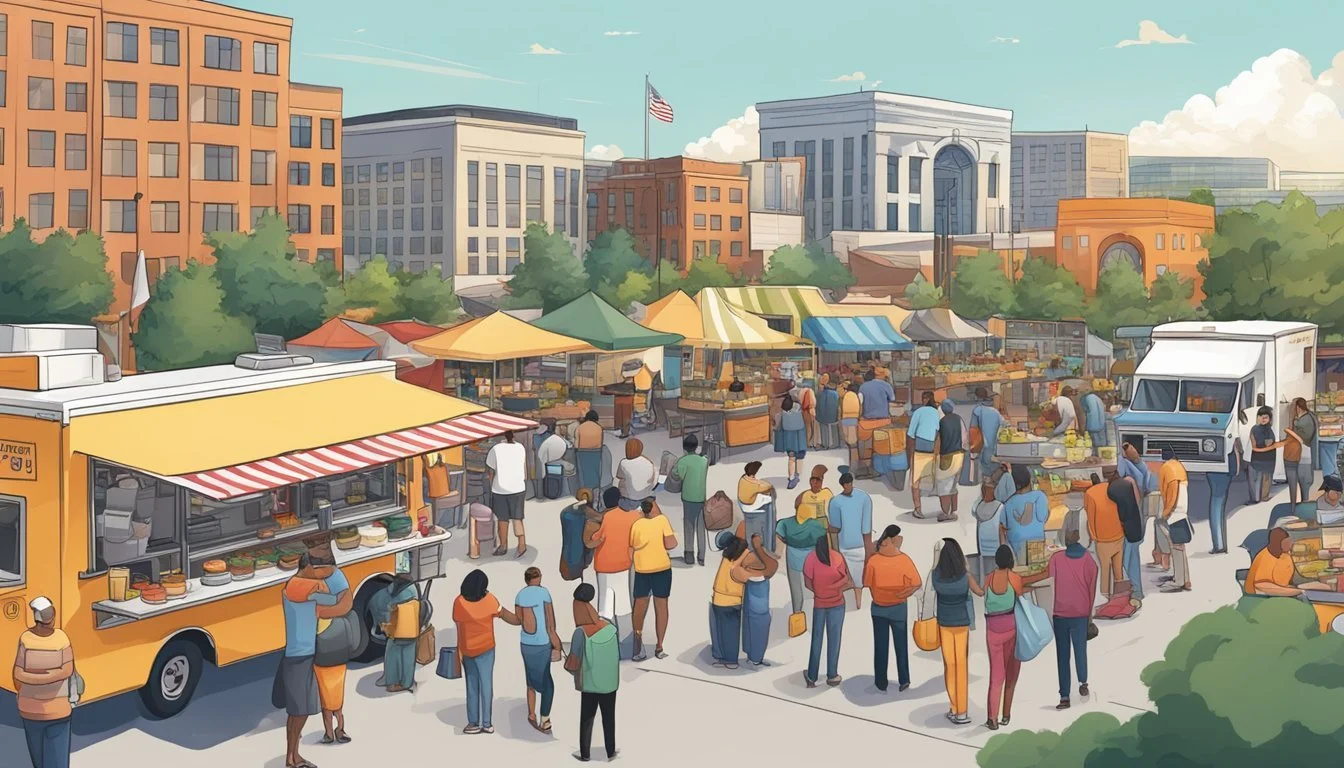
As the food truck industry in Indianapolis matures, operators are increasingly looking to scale their businesses and explore new locations.
Scaling Food Truck Operations
Food truck operators in Indianapolis have opportunities for growth by expanding their teams and enhancing operational efficiency. By investing in additional food trucks and hiring skilled staff, operators can address the increasing demand. For example, a food truck initially serving the downtown area might multiply its presence by deploying a fleet across various neighborhoods, thereby leveraging the relatively lenient regulations of Indianapolis, which allow them to station in any valid parking space and cook on board.
Exploring Additional Locations
Expanding into new locations involves navigating the specific regulations and market conditions of each area. Food truck operators might consider setting up in Hamilton County or exploring the historic streets of Noblesville, which could provide a welcoming environment for new clientele. However, they must comply with local health ordinances that can differ from one county to another, necessitating thorough research and adaptation strategies.