Food Truck Laws Lincoln, Nebraska
Navigating Regulations for Mobile Vendors
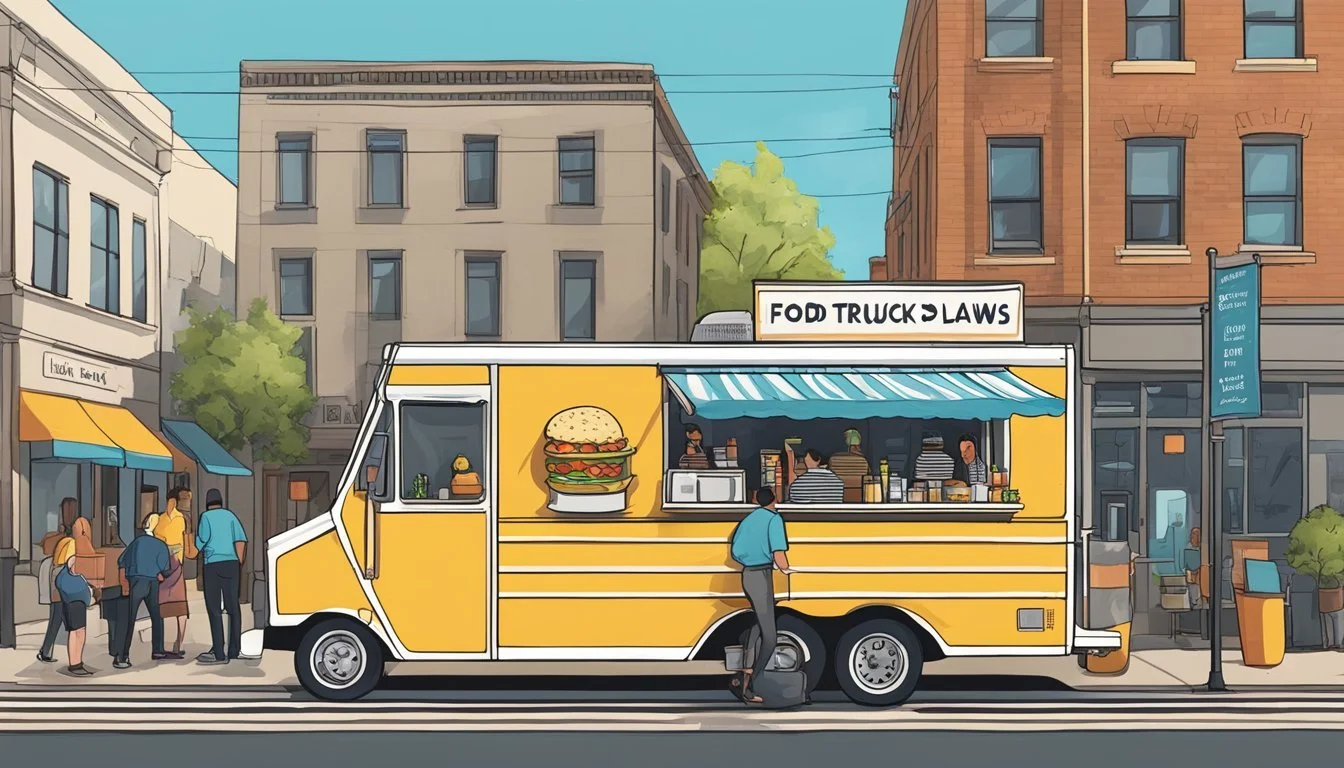
Operating a food truck in Lincoln, Nebraska requires adherence to specific regulations to ensure public health and safety. The city of Lincoln has established a Food Truck Program to streamline the process for mobile food vendors to conduct business. This framework includes the requirement for a Mobile Food Preparation Vehicle Operational Permit, which mandates an inspection within 30 days of receiving the food truck permit.
The rules governing food trucks are not only meant to provide structure but also to foster a safe and vibrant food service environment. In keeping with the Nebraska Legislature's interest in food safety, information relevant to these regulations has been made available in reports, highlighting that food safety in the United States, and specifically in Nebraska, is primarily managed at the state level.
Compliance with the local health department's standards is also critical for food trucks in Lincoln. The Lincoln-Lancaster County Health Department outlines the necessary requirements, helping ensure that all food services, including temporary establishments and food trucks, meet the city’s food code. This program is integral in protecting the community by upholding the health standards for commercially prepared food.
Foundations of Food Truck Operation
When setting out to establish a food truck business in Lincoln, Nebraska, understanding and complying with the specific regulations is essential. This groundwork ensures that your operation runs smoothly and is legally compliant.
Establishing Your Food Truck Business
Embarking on the journey of food truck entrepreneurship in Lincoln requires careful planning and decision-making. It starts with choosing a business structure, such as an LLC or partnership, which will affect everything from liability to taxes. Acquiring an Employer Identification Number (EIN) is also a critical step in legitimizing your venture and managing your financial operations.
Understanding Local Food Truck Laws
The Nebraska Legislature has laid out a patchwork of regulations for food trucks, tailored to promote public safety and consumer protection. It's vital to study the Lincoln Food Code and be aware of where food trucks are permitted to operate, including the restrictions within B-3 and B-4 zoning districts, as highlighted in the City of Lincoln's Vendor Truck Ordinance.
Navigating Permits and Licenses
Operating a food truck in Lincoln requires obtaining the necessary permits and licenses. The food establishment permit is crucial for legal operation, and navigating this process may involve multiple steps documented by agencies such as the Nebraska Department of Agriculture. Details for obtaining these permits should be meticulously followed to ensure compliance.
Health Department and Food Safety Regulations
Food safety is paramount in the food service industry. The Lincoln-Lancaster County Health Department enforces regulations to prevent foodborne illness. All food trucks must adhere to the Nebraska Pure Food Act and rules regarding bare hand contact with foods. Staying updated with the latest health department requirements maintains high standards of consumer protection and fosters trust with your customers.
Operational Considerations for Food Trucks
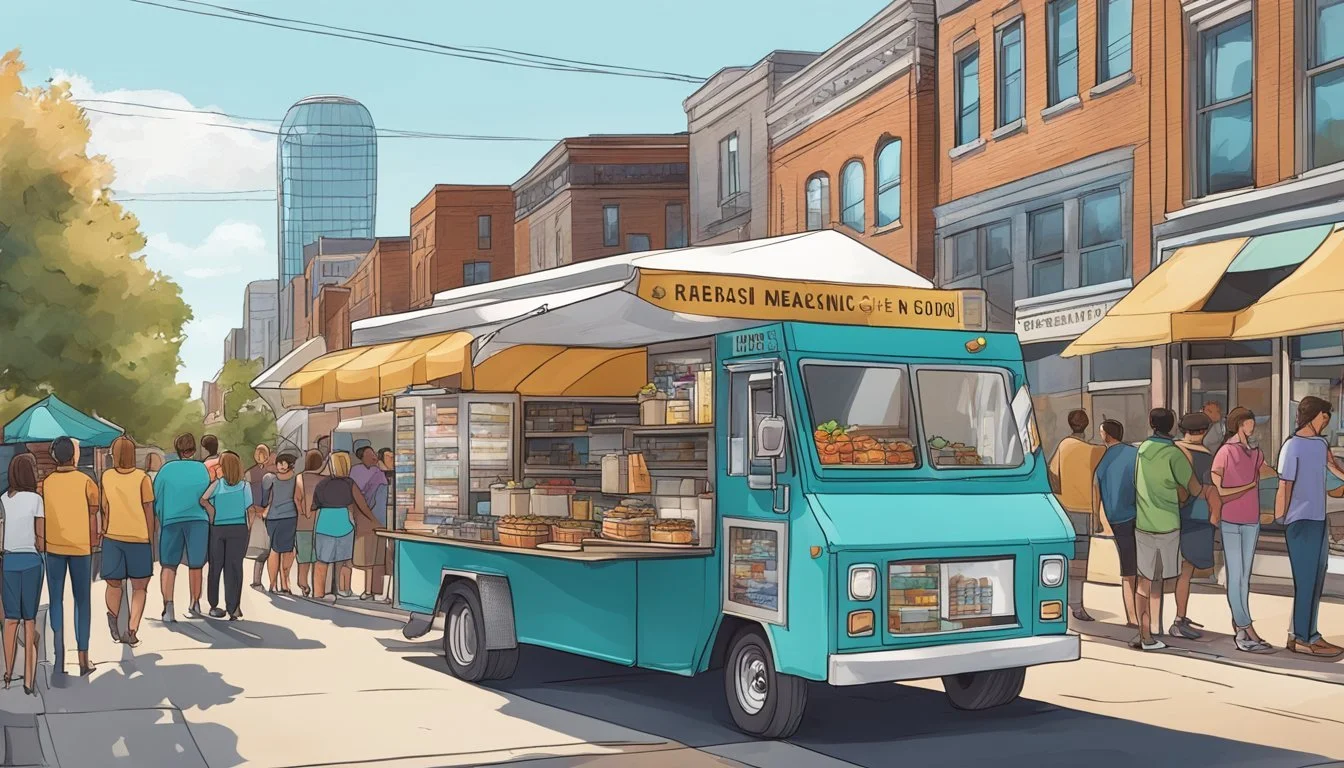
When operating a food truck in Lincoln, Nebraska, one must navigate the intricacies of zoning requirements, establish a strategic location and schedule, and maintain rigorous standards of cleanliness.
Dealing with Zoning and Parking
Food truck operators in Lincoln must adhere to amended city ordinances that permit operation within designated B-3 and B-4 zoning districts, including specific areas of downtown. Such trucks are allowed at certain parallel-metered parking stalls. This eases the process of finding suitable locations to serve the bustling downtown crowd, especially during the thriving summer lunch hours. Information about the permitted zones and regulations can be found on the City of Lincoln’s Food Truck Program webpage.
Schedule and Location Strategy
Food truck owners should craft a schedule that capitalizes on foot traffic in areas like the University of Nebraska-Lincoln, which experiences a high concentration of potential customers. It is crucial to determine a routine that aligns with peak meal times and special events to optimize sales. Food trucks benefit from the flexibility to move between different zones, allowing them to tap into various markets throughout the city.
Food Truck Maintenance and Cleanliness
Maintaining a pristine food truck is not only a matter of professionalism but also a requirement under Nebraska's food safety regulations. The food contact surfaces must be regularly sanitized to protect public health. Food truck owners must ensure maintenance protocols for both the mechanical operations of the vehicle and the cleanliness of the food preparation areas, adhering to guidelines stipulated by the Nebraska Department of Agriculture. A consistent cleaning schedule prevents potential health code violations and ensures the longevity of the food truck.
Business Expansion and Diversification
Food truck entrepreneurs in Lincoln, Nebraska, are finding vibrant opportunities for growth and diversification in the local culinary scene. Through strategic evolution from mobile-only operations to brick-and-mortar establishments and catering services, they capitalize on their mobility and adaptability to meet a wide variety of customer needs.
From Food Truck to Brick-and-Mortar
The transition from operating a food truck to opening a brick-and-mortar restaurant represents a significant step in a business's life cycle. This growth is not just about establishing a physical presence; it's about creating a stable foundation in a community known for its support of local businesses. In Lincoln, food truck operators can explore new opportunities for expanded customer reach and increased brand presence.
Variety in Cuisine: Offering a wide array of cuisines attracts diverse customer bases, fostering a loyal following that can support a physical restaurant.
Location: Finding the right location within Lincoln's zoning districts, such as the B-3 and B-4 zones, is pivotal to a successful transition.
Catering Services and Event Participation
Expansion into catering and event participation allows food truck businesses to diversify their revenue streams beyond the streets. This includes catering for private events and participating in local festivals and gatherings, which can significantly boost a brand's visibility.
Catering Opportunities: Food trucks in Lincoln can tap into a variety of events, offering their unique flavors for weddings, corporate events, and more.
Event Participation: Active engagement in community events not only fosters growth but also cements the food truck's role as a vital part of local culture.
By leveraging mobility and flexible service models, these entrepreneurial ventures in Lincoln, Nebraska, can transform from trendy food trucks into multifaceted culinary institutions.
Industry Trends and Community Engagement
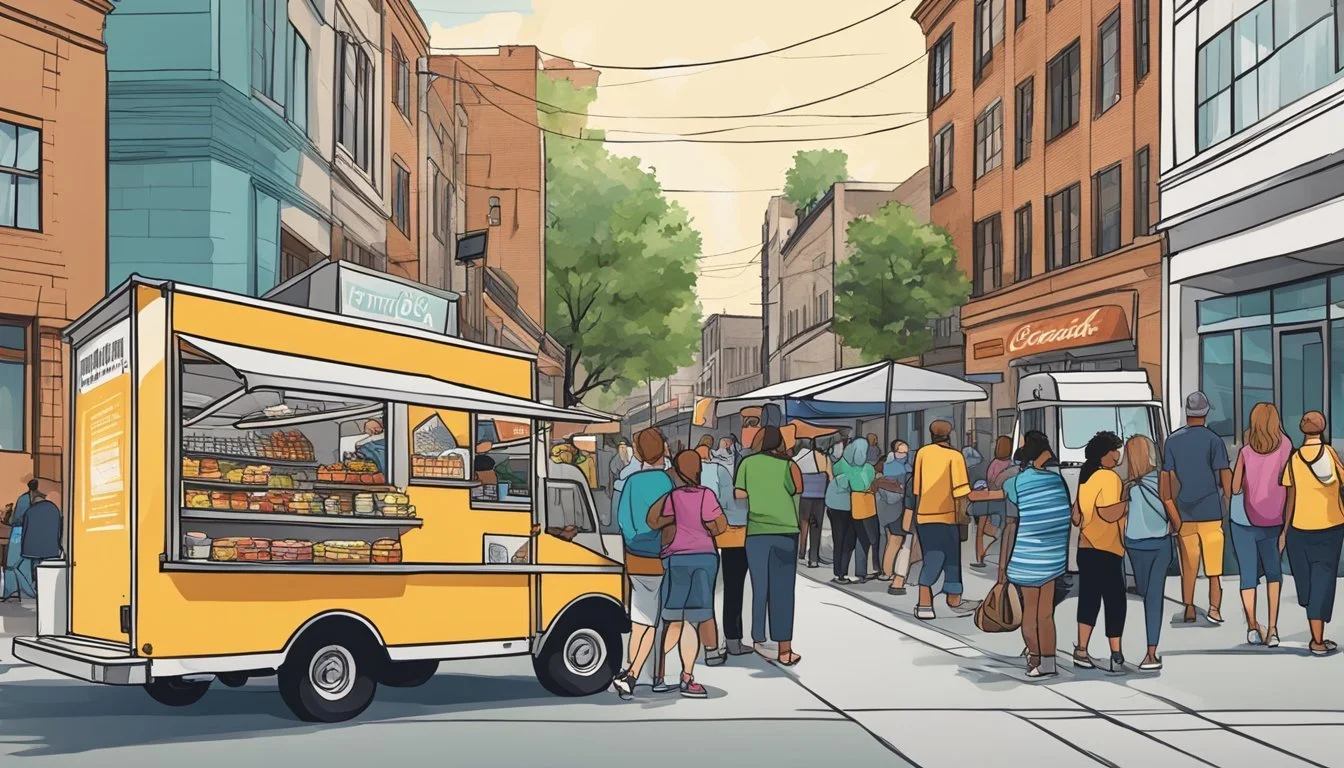
The food truck scene in Lincoln, Nebraska, has become a vibrant part of the city's culture, reflecting broader industry trends and a strong sense of community engagement. Lancaster County's mobile culinary landscape is not only shaped by regulatory adjustments but also by cultural influences and an evolving relationship with local residents and organizations, such as the Center for Rural Affairs.
Cultural Impact and Seasonal Variations
The arrival of food trucks in Lincoln has significantly diversified the gastronomic options available to residents, introducing a range of multicultural flavors and dining experiences. Food trucks have benefitted from Nebraska's rich agricultural resources, often incorporating locally sourced ingredients into their offerings. This has fostered a culture where food trucks are seen as a celebration of local produce married with global cuisine.
Seasonally, summer stands out as the peak period for food truck operations. During these warmer months, an increase in street festivals, farmers' markets, and outdoor events contributes to the food trucks' visibility and viability. Food trucks have adeptly adjusted to seasonal variations, sometimes altering their menu to reflect the availability of summer produce or participating in community events that attract large crowds.
Engaging with Local Communities
Food truck owners in Lincoln are increasingly focusing on engaging with local communities. Collaborative efforts have led to the conceptualization of designated food truck zones in areas such as the B-3 and B-4 zoning districts, sparking a synergy between mobile eateries and local businesses. The food truck program amendments have allowed for improved access to diverse dining options within the community and have encouraged food trucks to be more integrated into neighborhood events.
Through partnerships, food truck operators also support local initiatives, often participating in charity events and local celebrations. This engagement has cultivated a sense of support and loyalty among community members, contributing to the food trucks’ sustainable growth. The consistent community engagement practices imply that food trucks in Lincoln are not just transient eateries but are becoming rooted in the community's social fabric.
Compliance and Legal Updates
In Lincoln, Nebraska, food truck operators must navigate recent legal changes and adhere to health and safety regulations while responding to customer feedback to remain compliant.
Recent Legislation Impact
The Nebraska Legislature has implemented significant updates to food truck regulations in an effort to simplify permitting processes. This legislation, supported by Sen. Tony Vargas, was designed to encourage entrepreneurship in the food truck sector and reduce burdens on these small businesses. Specifically, amendments were made to an existing bill that allows for easier operation of food trucks in various zoning districts.
Health and Safety Briefs
Food trucks in Lincoln must comply with stringent health and safety guidelines. It is imperative for food truck operators to stay abreast of the latest health codes to ensure consumer protection and avoid potential complaints. Regulations include maintaining proper food temperature, ensuring cleanliness, and running water availability. These measures are enforced to prevent foodborne illnesses and guarantee safe dining options for consumers.
Responding to Consumer Concerns
The city of Lincoln actively works on consumer protection by addressing consumer concerns and complaints. Food trucks must not only comply with health and safety policies but also respond to the needs of their customers to maintain a positive reputation. Updates to city policies reflect an ongoing dialogue between food truck owners, customers, and local government, ensuring that concerns are heard and appropriately actioned.
Challenges and Support
Food truck owners in Lincoln, Nebraska, face a complex array of challenges, including navigating a varied regulatory landscape, seeking support networks, and managing operational hurdles. Strategic efforts are required to successfully operate in this dynamic industry.
Navigating the Regulatory Landscape
In Lincoln, food truck owners must deal with a patchwork of regulations that can vary widely by location. The City of Lincoln has made changes to its Vendor Truck Ordinance to allow operation in more areas, including certain residential zones. However, staying compliant involves understanding and adhering to zoning laws in the B-3 and B-4 districts, often requiring operators to be well-informed about Downtown parking regulations and residential permits.
Resource and Support Networks
Support comes in various forms for Lincoln's food truck entrepreneurs, from governmental guidance to community-based assistance. The Center for Rural Affairs is one notable organization providing resources to food truck owners, applauding regulatory reform efforts aimed at fostering entrepreneurship. A policy director or similar role within these organizations acts as a point of contact for owners seeking advice and resources.
Overcoming Operational Hurdles
Operating a food truck is not without its operational challenges, which can range from equipment maintenance to weather-related disruptions. Food truck operators seek to balance the need for mobility with the consistency of service. Challenges such as ensuring food safety, managing inventory, and dealing with the unpredictability of locations are common. Adaptability and resourcefulness are crucial traits for overcoming these hurdles, as emphasized by legislative efforts like LB 740, aimed at reducing red tape for food truck owners.
Case Studies and Success Stories

The following cases exemplify the thriving food truck scene in Lincoln, Nebraska, with both local successes and statewide impacts that have reshaped dining experiences across the community.
Nitro Burger: A Local Success
Nitro Burger, a celebrated food truck in Lincoln, emerged as a paragon in the mobile dining scene. This business capitalized on the city's evolving food truck laws, successfully navigating regulatory landscapes to become a beloved staple among locals. Their story isn't just one of success but also of cultural influence, contributing to Lincoln's reputation for innovative street food.
Impact of Food Trucks in Nebraska
The proliferation of food trucks across Nebraska has not only diversified dining options but also spurred legislative changes. Entrepreneurs like those behind Muchachos Food Truck and Restaurant have propelled a movement that necessitated streamlined rules and facilitating growth within the sector. These food trucks have become more than eateries—they're a testament to adaptability and culinary creativity within the regulatory frameworks of the state.
Additional Resources and Contacts
This section provides essential contacts and resources for individuals interested in the food truck industry within Lincoln, Nebraska, ensuring they have access to local government offices, health departments, and professional associations.
Local Government and Health Contacts
The City Clerk's Office is a primary point of contact for food truck operators in Lincoln. One can obtain information regarding permits and local ordinances that govern the operation of food trucks in the area. The Food Truck Program page on the City of Lincoln's official website provides specific details on the amended Vendor Truck Ordinance and other related matters.
The Lincoln-Lancaster County Health Department plays a crucial role in ensuring food safety and public health. Food truck operators must comply with the health codes and regulations enforced by this department.
Nebraska Department of Agriculture Resources
The Nebraska Department of Agriculture offers resources and guidance for food truck operators regarding food safety and inspection. The Mobile Food Establisment Registry provides a list of necessary forms and ordinances, including the Food Truck License and other requirements for operating within the state.
Professional Food Truck Associations
Engagement with professional associations can provide food truck operators with networking opportunities, industry best practices, and advocacy. These associations are resourceful in staying informed on the latest changes in food truck laws and regulations.
Access to Up-to-date Information
For updates on the food truck industry regulations in Lincoln and statewide, regularly visiting the official City of Lincoln and Nebraska Department of Agriculture websites is encouraged. They provide the most current information on laws, requirements, and any changes that may affect the operation of food trucks.
Regular engagement with these entities will ensure food truck operators are informed and compliant, facilitating a favorable business environment within Lincoln and across Nebraska.