Food Truck Laws Mesa, Arizona
Key Regulations for Mobile Vendors

The landscape of mobile food services in Mesa, Arizona, has been shaped by both local governance and the entrepreneurial spirit of food truck owners. Mesa, as part of Maricopa County and one of the larger cities within the state, reflects the wider changes happening across Arizona’s mobile vending community. The city's regulations aim to create a balance that allows food trucks and other mobile food units to flourish while maintaining public health and safety standards.
Recent amendments to Mesa's Food Truck Ordinance demonstrate the City Council's commitment to supporting this vibrant sector of the local economy. By streamlining processes and reducing barriers to entry, Mesa now offers a more hospitable environment for mobile food vendors. These regulatory adjustments also bring Mesa's provisions in line with state laws, fostering a sense of continuity in mobile food vending operations across Arizona. This harmonized approach aids food truck owners in navigating the regulatory framework, ultimately benefiting patrons with a diverse array of food options.
Mobile Food Establishments in Mesa are subject to various stipulations that govern operation times, location, food safety, and permits required to serve the community. For potential operators and customers alike, understanding these laws and regulations is pivotal to ensuring that food trucks can continue to be a draw for residents and visitors, emphasizing Mesa’s growing food scene. With the city's adjustments, there is an anticipation for an increase in the number and variety of food trucks seen on Mesa's streets, enriching the city's gastronomic tapestry.
Overview of Food Truck Regulations in Mesa

Recent regulatory shifts have seen the City of Mesa strive for a more streamlined approach in its food truck regulations. These changes aim to foster a supportive environment for mobile food vendors, while ensuring public safety and compliance with state and local laws.
Understanding City Ordinances
The City Council has proactively modified the Mesa Food Truck Ordinance, creating a more accommodating landscape for these businesses. By removing certain barriers, food truck operators in Mesa can now experience reduced bureaucracy and a more straightforward process. The adjustments to the city's Mobile Food Vendor Code demonstrate Mesa's commitment to aligning local provisions with the practical needs of food truck owners.
Compliance with State Laws
Mesa's local ordinances now better reflect Arizona's state law. This ensures that food trucks in Mesa are not only adhering to city regulations but are also in compliance with the overarching state policies. The update has simplified operations for food vendors by mitigating the redundancy of meeting varied city requirements versus the state, as confirmed by the City of Mesa's alignment with statewide licensing requirements, making it cost-effective and efficient for food truck businesses.
Local Municipalities and Zoning Districts
Mesa acknowledges the diversity of its zoning districts, guiding food trucks to operate within the specified areas legally zoned for their use. Each municipality may have additional by-laws specific to mobile food establishments. Food truck operators are encouraged to understand the zoning laws to prevent conflicts and ensure their operation aligns with the local business landscape. The revisions to food truck regulations also promote a uniform application of rules across the various municipalities within Maricopa County.
Licensing Requirements
In Mesa, Arizona, operating a food truck requires adherence to local regulations and obtaining the appropriate credentials. Businesses must secure a Mobile Food Vendor License and may need Special Event Permits depending on the nature of their operations.
Securing a Mobile Food Vendor License
To operate a food truck in Mesa, the primary legal requirement is obtaining a Mobile Food Vendor License. The process involves submitting an application to the City of Mesa's licensing office, which includes providing details about the food truck and the nature of the business.
Application Submission: Must include accurate details about the food truck.
Inspections: Your vehicle may be subject to health and safety inspections to ensure compliance with local food safety ordinances.
Special Event Permits
For attendance at festivals, fairs, or other gatherings, food truck operators may need to acquire a Special Event Permit. This permit ensures that vendors meet the specific requirements for temporary food service at events.
Timely Applications: Submit permit applications well in advance of the event date.
Compliance: Ensure adherence to Mesa's specific health and safety regulations for event food service.
Operators should consult the City of Mesa Licensing page for detailed application procedures and the Mesa Mobile Food Vendor Code adjustments for recent regulatory updates.
Health and Safety Standards
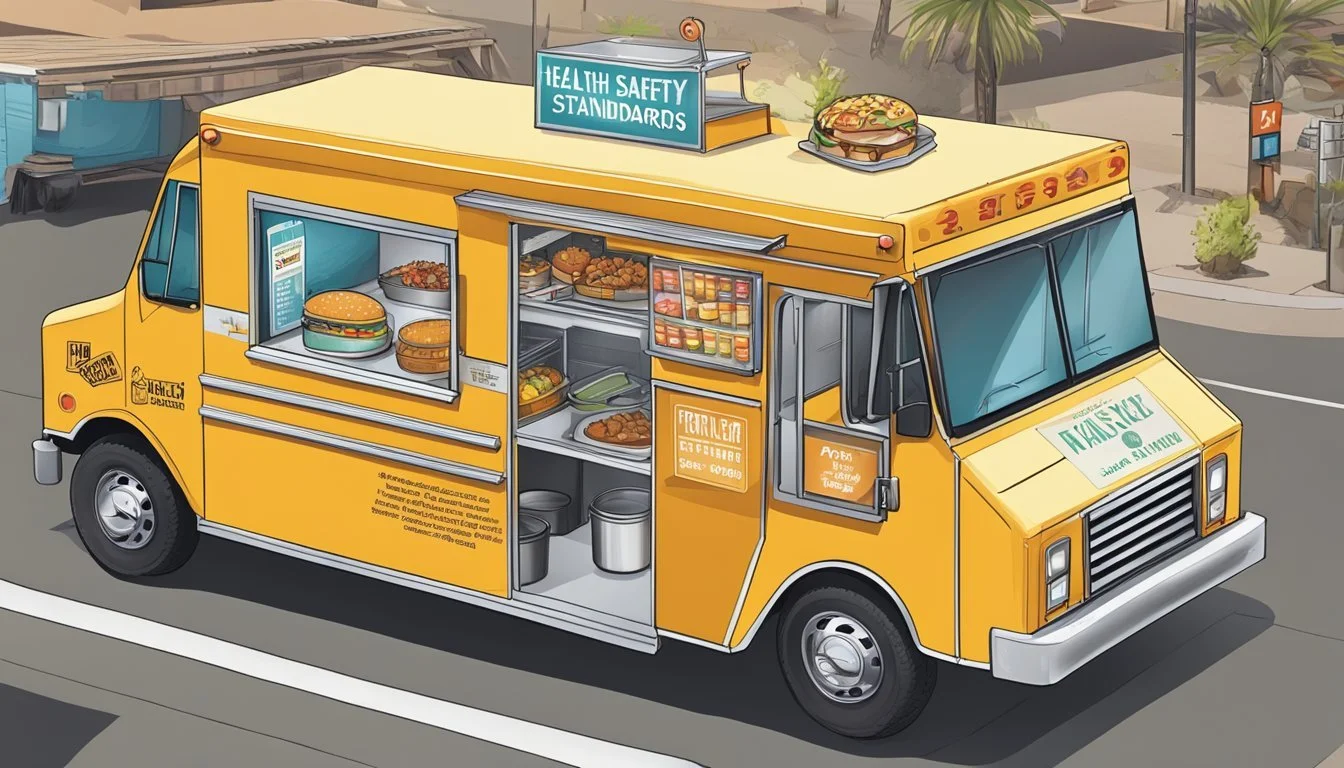
Maintaining high health and safety standards is paramount for food trucks operating in Mesa, Arizona. These mobile food establishments are subject to strict inspection compliance and health requirements to ensure public safety and adherence to regulations.
Food Truck Inspection Compliance
All food trucks in Mesa must pass a fire inspection to ensure they meet the necessary fire safety standards. Compliance is checked regularly, and a food truck cannot operate without a valid inspection certification. This thorough review encompasses the evaluation of cooking appliances, fire suppression systems, and the proper storage of flammable materials.
Maricopa County Health Requirements
Maricopa County imposes stringent health requirements on mobile food units. They must be in compliance with local health codes that include food handling, sanitation, and cleanliness standards. Regular health inspections are conducted to ensure food trucks are providing safe and hygienic food to customers. Food truck operators must be able to provide proof of compliance with the Maricopa County health requirements at all times.
Operational Guidelines for Food Trucks
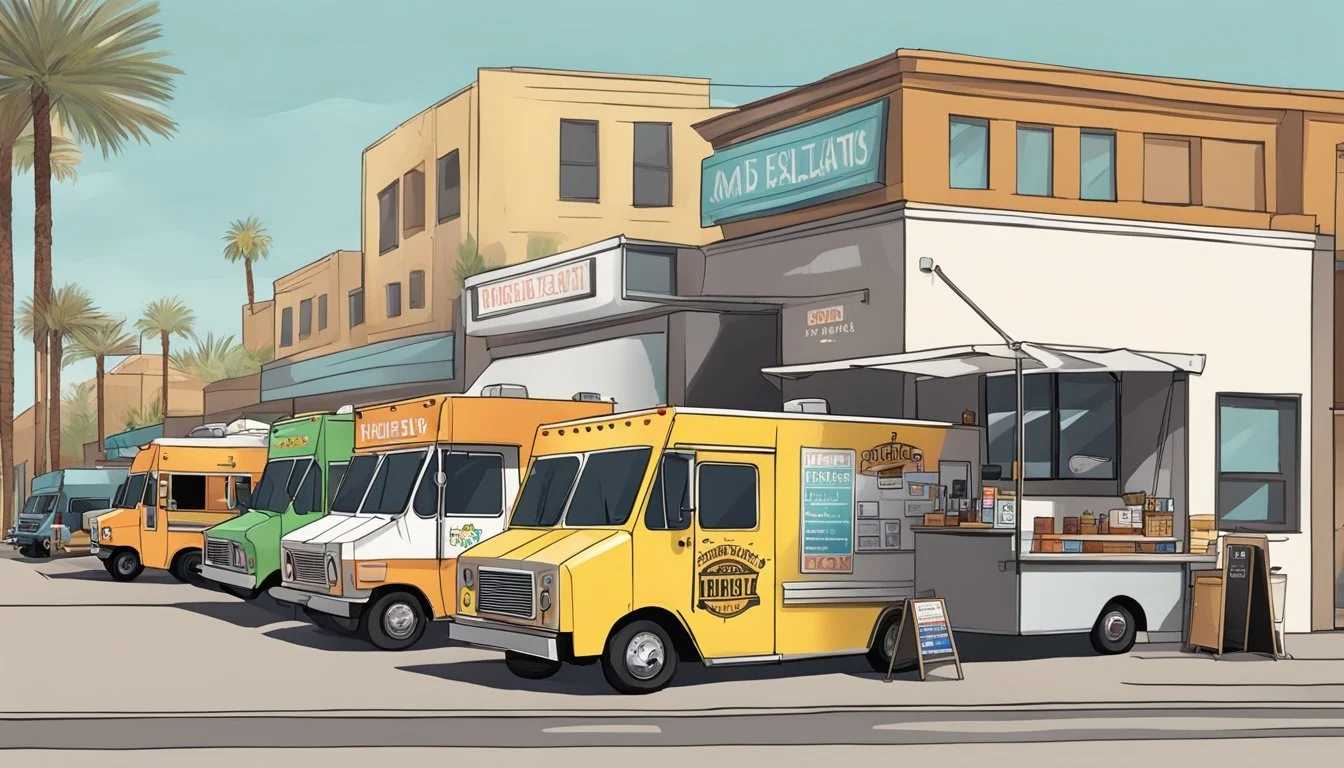
Food truck operators in Mesa, Arizona need to pay careful attention to the local laws that govern where and how they can do business. These regulations are designed to ensure a balance between the thriving mobile food industry and community standards.
Distance and Location Restrictions
Mesa has implemented specific distance requirements that food trucks must adhere to, particularly around sensitive areas like schools and hospitals. For instance, City of Mesa experts have worked to ensure that mobile food vendors maintain an appropriate separation from established businesses to avoid conflicts.
Residential Area Operating Guidelines
Operating within residential areas in Mesa is subject to stricter guidelines. Food trucks must respect the quiet and low-traffic nature of these neighborhoods. They are typically not allowed to operate within 250 feet of single-family homes, except during certain city-approved events or as specified by Maricopa County regulations.
Exceptions and Exemptions
Despite the strict regulations, there are certain exceptions and exemptions that allow food trucks to operate closer to restricted areas or within residential neighborhoods during special events. These exemptions are outlined under Mesa's food truck ordinance amendments, indicating scenarios where food trucks can be closer to prohibited zones if they acquire special permits or during city-sanctioned events.
City Council and Governance
In Mesa, Arizona, the governance of mobile food operations is under the purview of the Mesa City Council, and their decisions are significantly influenced by the leadership of Mayor John Giles.
Role of Mesa City Council
The Mesa City Council holds the authority to enact and enforce ordinances relevant to mobile food vending within the city limits. It is their role to review and modify these regulations to align with both local businesses' needs and state laws. An example of their action in this area can be found in the recent changes they made to the Food Truck Ordinance, which were designed to remove unnecessary barriers for mobile food vendors.
Influence of Mayor John Giles
Mayor John Giles plays a pivotal role in the Mesa City Council's governance and decision-making process concerning food trucks and other mobile food services. His support for changes in the Mobile Food Vendor Code has been instrumental in making the regulations more conducive for food trucks to operate successfully in Mesa. The mayor's position often shapes the council's approach to adapting regulations, aiming to boost local economic development.
Economic Impact on Community
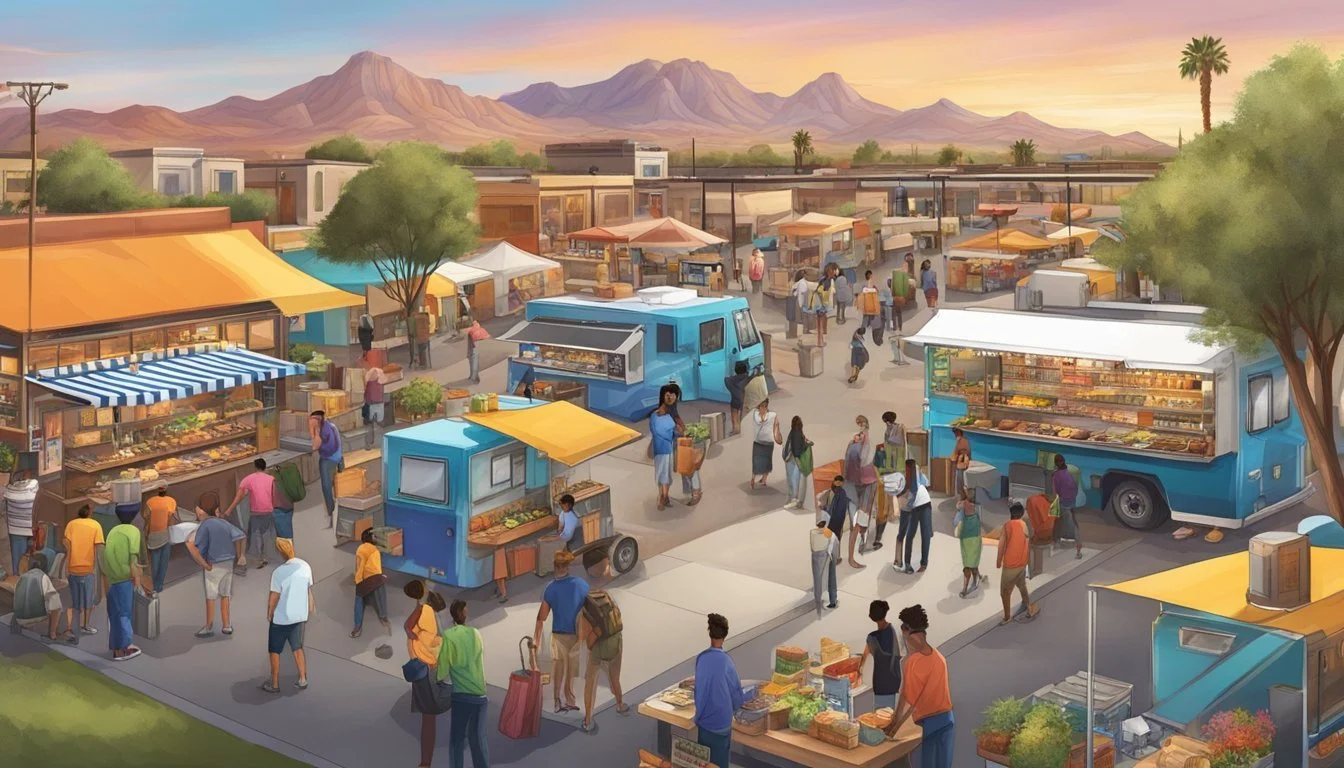
Mesa's adjustment of food truck laws has had a significant economic impact on the local community. These changes are particularly pivotal for small business growth and regulatory landscape.
Supporting Small Businesses
New policies initiated by the City of Mesa have facilitated a friendlier environment for entrepreneurs to operate mobile food services. By amending its Mobile Food Vendor Code, the city has removed previous operational barriers, encouraging small business success and fostering community growth. The thriving food truck scene not only provides diverse culinary options but also supports local economies by increasing employment opportunities.
Mobile Food Vendor Code and its Effects
The Mesa City Council's decision to align the Mobile Food Vendor Code more closely with state law has been pivotal. Regulations, such as creating a larger distance between homes and food trucks, have reshaped the mobile food business landscape. While some residents have expressed concerns, these regulations aim to balance community needs with the potential for small businesses to thrive under clearer, more consistent rules.
Incentives and Support Programs
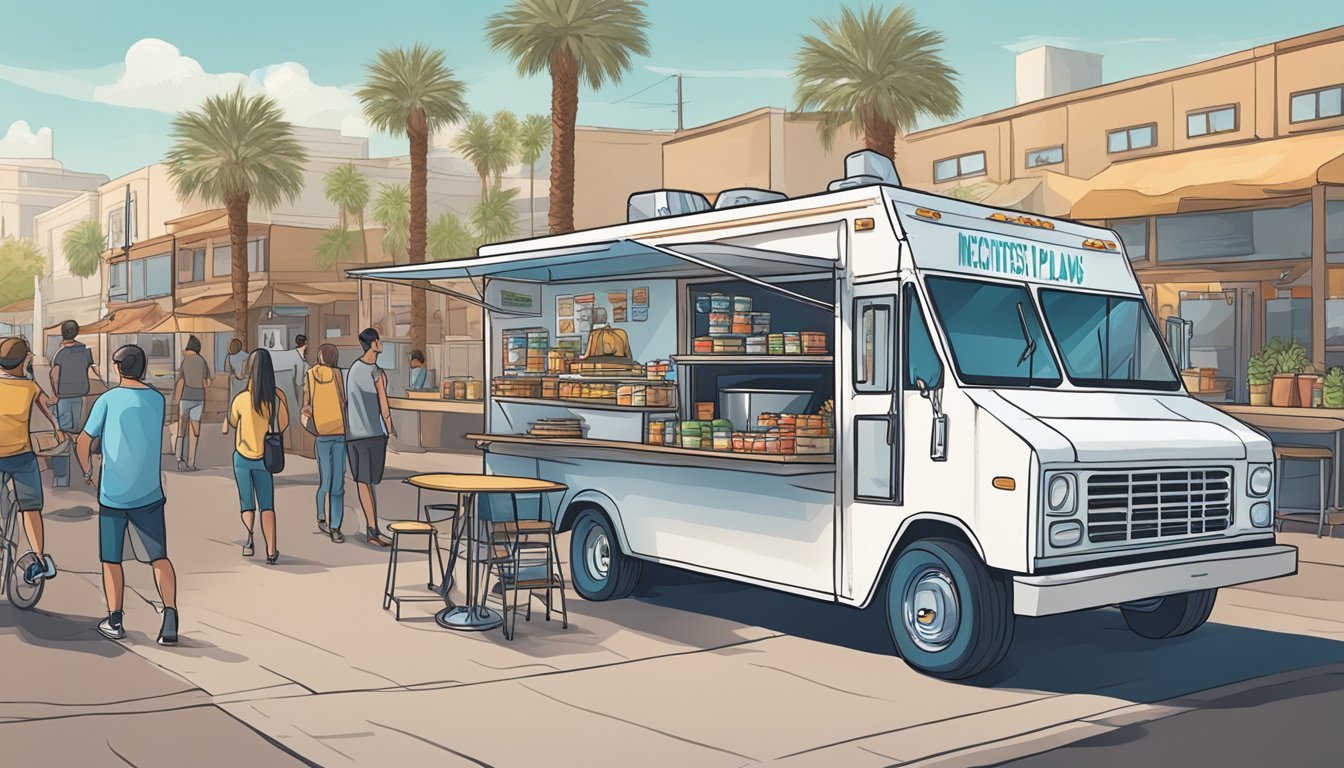
The City of Mesa offers a progressive approach to support and incentivize mobile food businesses, including unique incubator programs and streamlined rezoning processes. These initiatives are designed to encourage ownership and successful operation within the flourishing food industry of the city.
Innovative Incubator Programs
Mesa is committed to fostering a nurturing environment for food entrepreneurs through incubator programs. Specifically, these programs focus on lowering barriers to entry for new businesses, providing assistance that ranges from administrative guidance to marketing. An example of this includes efforts by the Mayor and the City Council to create a conducive ecosystem that assists mobile food businesses in thriving, as elucidated on the City of Mesa News page. Through these incubator initiatives, prospective owners receive the tools and support necessary to navigate the complexities of the food industry.
Rezoning Requests for Mobile Food Businesses
Mesa has simplified the rezoning request process, enabling mobile food businesses to operate more flexibly across the city. By approving changes to the food truck ordinance, Mesa aligns with regional standards, as noted in the MesaNow article. This procedural simplification contributes to a consistent environment where food trucks can travel and conduct business with fewer bureaucratic hurdles, directly impacting their ability to reach diverse markets and a wider customer base.
Challenges Facing Mobile Vendors

Mobile vendors in Mesa, Arizona are often confronted with the twin challenges of minimizing bureaucratic burden and navigating changing regulations. These hurdles can significantly impact their daily operations and long-term viability.
Minimizing Bureaucratic Burden
Mobile vending businesses thrive on efficiency and agility. However, the bureaucratic burden associated with obtaining and maintaining the required licenses and permits can be cumbersome. Vendors need a streamlined process that allows them to focus on their culinary offerings rather than paperwork. The City of Mesa has initiated steps to reduce these barriers, such as amending its Mobile Food Vendor Code Mesa Approves Changes to Food Truck Ordinance, which aims to simplify the process for mobile food vendors.
Navigating Changing Regulations
Staying abreast of new rules and adapting to them is crucial for food truck operators. Regulatory changes, such as those aimed at increasing flexibility in vendor operations while aligning with state laws, require vendors to continually adjust their business practices. For instance, recent modifications in Mesa have altered the distance food trucks may operate from residential properties, increasing it to 250 feet News | City of Mesa. Such changes, while potentially beneficial in the long run, can pose immediate logistical challenges for mobile vendors.
Power Road Food Truck Park

The Power Road Food Truck Park, known as Power Food Park, became a notable destination in Mesa for diverse dining experiences offered by a variety of food trucks.
The Rise of Power Food Park
Power Food Park emerged in 2020 along Power Road, enhancing the culinary landscape of Mesa, Arizona. It quickly transformed from a modest collection of food vendors into a thriving community hotspot where people gathered to indulge in an array of foods served at the mobile restaurants. Offering convenience and variety, the park turned into an attractive dining option for residents and visitors alike.
Zoning and Use Regulations for Food Parks
Mesa's zoning and use regulations became a challenge for the continuation of Power Food Park. In January 2022, the city of Mesa passed an ordinance that had significant implications for food truck operations. The stringent rules included restrictions on the operational hours and locations where food trucks could serve, directly affecting Power Food Park's business model and its array of on-site restaurants. The new city ordinance prompted the closure of Power Food Park as it could no longer operate under the revised food truck regulations.