Food Truck Laws Nashville, Tennessee
Essential Regulations for Mobile Food Vendors
In Nashville, Tennessee, the flourishing food truck scene calls for a clear understanding of the local regulations that govern these mobile food establishments. The city outlines specific requirements to ensure food trucks operate within the confines of public health and safety standards. Operators must navigate a variety of laws ranging from food safety to parking and zoning ordinances.
For mobile food vendors, Nashville mandates a framework that includes obtaining necessary permits and adhering to codes related to the preparation and sale of food items. These regulations are set forth by both the Tennessee Department of Health and the Nashville Department of Transportation and Multimodal Infrastructure. Compliance with such rules helps to maintain a structured environment for vendors and protect the interests of consumers.
Additionally, food truck entrepreneurs in Nashville are expected to comply with fire prevention standards, waste disposal practices, and other operational guidelines that impact their day-to-day functions. The absence of customer seating is one such stipulation aimed at defining the scope of service for mobile units. Overall, these regulations help in sustaining the integrity of Nashville's food truck industry while fostering culinary innovation and convenience for residents and visitors alike.
Food Truck Business Essentials
Successfully launching a food truck in Nashville requires thorough preparation and compliance with specific regional regulations. Entrepreneurs embarking on this venture need to understand the nuances of obtaining the necessary permits, meeting insurance standards, and adhering to vehicle requirements.
Starting Your Food Truck Business
Before setting the wheels in motion, entrepreneurs must conduct a comprehensive analysis and create a solid business plan. This plan should factor in the local market, menu selection, and the investment of time and resources needed. A detailed site plan layout is often required, as well as understanding the zoning and parking restrictions outlined by the Nashville authorities. Interested parties can review the Mobile Food Vendor Pilot Program for more insights on Nashville-specific obligations.
Acquiring a Business License
To operate legally in Nashville, food truck owners must acquire a mobile food vendor permit. The process includes submitting documentation to the Tennessee Department of Agriculture and securing a permit from the Nashville Department of Transportation and Multimodal Infrastructure. Business licenses are crucial for food trucks to operate within the law, and small businesses can obtain these permits to park in designated food truck zones in the city. The detailed requirements for these permits can be found in documents such as the REQUIREMENTS FOR MOBILE FOOD SERVICE ESTABLISHMENTS.
Insurance and Vehicle Requirements
Food trucks are required to maintain liability insurance and ensure that their vehicle is up to state-mandated standards. This includes a permanently enclosed unit with a service window and meeting health and safety codes. They may also need to present evidence of clearance to structures and conform to waste-water disposal regulations. Specific information regarding vehicle requirements and associated health standards can be referenced through the Tennessee State Government's guidelines for Mobile Food Establishments.
Permitting and Regulations
The key to launching and operating a food truck in Nashville, Tennessee, centers on thorough compliance with local and state-level permitting and regulations. This ensures safety and public health standards are met, as consumer and industry services are properly regulated.
Understanding Local Regulations
Local regulations in Nashville require mobile food vendors to obtain specific permits before starting operation. These regulations include zoning laws and restrictions on where and how long a food truck can park. For example, the Mobile Food Vendor Pilot Program mandates that mobile food units be permanently enclosed and have a service window for transactions.
State Permit Requirements
State permit requirements are put forth by the Tennessee Department of Agriculture's Consumer and Industry Services. Food trucks are also subject to statewide regulations which entail obtaining a mobile food unit permit as stipulated under HB 814. This includes adherence to the food safety guidelines set by Gov. Bill Lee and the Tennessee Department of Health.
Health Department Inspections
Regular health department inspections are crucial for food trucks in Nashville, ensuring that food safety and public health are not compromised. As per the requirements for mobile food service establishments, every food truck must have at least two 2A40BC rated portable fire extinguishers as part of their fire prevention measures, showcasing the emphasis on safety within the mobile food industry.
Operational Guidelines
In Nashville, Tennessee, food truck operations are subject to specific guidelines to ensure food safety, fire safety, and proper product management. These regulations safeguard both the vendor’s interests and public health.
Food Handling and Safety Standards
Food trucks in Nashville must adhere to stringent food safety standards set by the Tennessee Department of Health. This involves maintaining the right temperature control for food storage to prevent spoilage and contamination. Vendors are required to:
Store hot foods at 140°F or above
Keep cold foods at 40°F or below
Operators must ensure all employees follow hand-washing and food handling protocols strictly.
Fire Safety and Inspections
The state fire permit and local fire inspection are mandatory for operating food trucks. Each mobile unit must be equipped with at least two 2A40BC rated portable fire extinguishers. Trucks should undergo regular fire safety inspections to check for:
Proper function and accessibility of fire extinguishers
Compliance with fire safety standards
These measures are critical for preventing fire hazards in mobile cooking operations.
Menu and Product Management
Vendors must manage their menu and products within the set guidelines. They are not allowed to provide seating for customers, waitresses, or carhops. The menu should be consistent with the permits granted for mobile food operations and must not mimic a full-service restaurant. Products they sell need to be:
Listed and described accurately on the menu
Checked for quality and safety regularly
By following these directives, food trucks in Nashville ensure a safe and legal trading environment.
Strategic Operations
The food truck industry in Nashville operates under stringent regulations designed to safeguard public health and ensure fair competition. Strategic planning is crucial for food truck owners to successfully navigate the legal landscape, participate in events, build customer relationships, and adopt efficient business practices for sustained growth.
Event Participation and Catering
Food truck operators are often called upon to serve at various events, and it's essential that they are aware of the specific requirements and regulations that apply. They must acquire the proper permits and adhere to the rules set forth by the Nashville Department of Health. Event participation can significantly increase visibility and profits, so it's beneficial to maintain an active calendar of local events such as festivals and fairs.
Events to target:
Dancin'-in-the-District
Centennial Park’s Craft Fair
Operators should establish a streamlined process for event booking, including a dedicated email or call system to handle inquiries and manage scheduling.
Marketing and Customer Relations
Building a strong brand and maintaining positive customer relations are fundamental for the growth of any mobile food service. Food truck owners must utilize strategic marketing efforts to connect with their customer base. Regular updates via email or social media can keep customers informed about their location, menu offerings, and participation in upcoming events.
Communications should include:
Schedules and locations
Special promotions
Customer shout-outs
A commitment to excellent customer service, with prompt responses to calls or emails, is intrinsic to a positive reputation in the mobile food community.
Efficient Business Practices
Efficiency in operations is vital for the long-term success of food trucks in Nashville. Owners must streamline every aspect of their business, from food preparation to point-of-sale transactions. Embracing modern technology solutions can aid in inventory management, scheduling, and even line management during peak service times.
Key practices include:
Regular analysis of sales data to adjust inventory and menu offerings.
Use of mobile POS systems to expedite customer transactions.
By focusing on these business practices, food truck owners can maximize their resources, increase efficiency, and create potential for further growth.
Legal Considerations and Advocacy
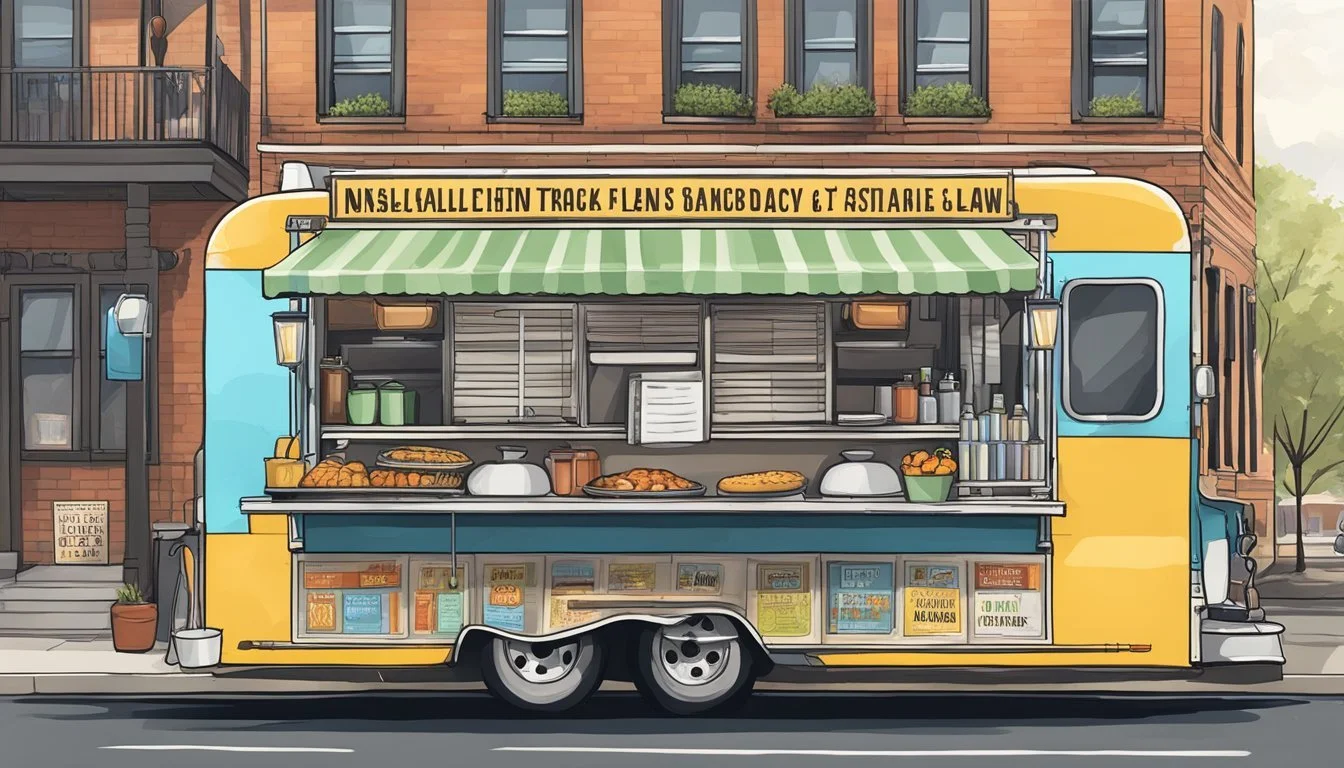
In Nashville, food truck operators navigate a complex web of regulations that affect their economic opportunity. Specific legal challenges and concerted advocacy efforts are pivotal in shaping a conducive business environment for mobile food vendors.
Navigating Legal Challenges
Food truck owners in Nashville often confront legal hurdles that can range from acquiring various permits to adhering to health department standards. Jami Daniels Joe of the Tennessee Cobbler Company, for instance, deals with a myriad of logistical burdens in maintaining compliance. Recognizing this, the Institute for Justice, a nonprofit law firm, assists food truck entrepreneurs in understanding regulatory intricacies. The firm's advocacy has resulted in tangible changes; Meagan Forbes, the Director of Legislation and Legislative Counsel at the Institute, continues to work towards simplifying legal processes for food trucks, aiming for a single, "gold standard" certification that would alleviate the compliance load on operators.
Lobbying for Better Food Truck Laws
Legislation in Tennessee has seen positive shifts thanks to concerted lobbying efforts by food truck owners and supporting organizations. Recently, Tennessee legislators signed a bill into law allowing food trucks to acquire a single state-wide fire inspection permit, creating a gold standard that represents a significant easing of the administrative burden. This change exemplifies how advocacy can lead to enhanced economic opportunity for small businesses. Such efforts are demonstrative of the potential impact that strong lobbying can have in promoting an environment where food trucks can thrive without undue legal entanglements.