Food Truck Laws New Orleans, Louisiana
Key Regulations for Mobile Vendors
Operating a food truck in New Orleans, Louisiana, comes with specific legal requirements and regulations to ensure the safety and organization of mobile food services in the city. These regulations cover a wide range of aspects, from the size of the food trucks to health and safety standards. The city mandates that food trucks do not exceed 26 feet in length or 8 feet in width, ensuring the vehicles fit within the urban environment without causing obstructions or hazards.
Compliance with local ordinances and obtaining the necessary inspections and certificates is crucial for all food truck operators. This includes meeting fire safety protocols as defined by the New Orleans Fire Department—part of the fundamental approvals needed to legally operate a mobile food service. Adhering to the appropriate food safety ordinances and regulations about temperature control for food are equally important.
Alongside meeting health and safety regulations, food truck owners must navigate the legal landscape encompassing business permits, tax laws, and driving regulations. These extensive rules ensure that food trucks are not only serving food safely but are also operating as legitimate businesses contributing to the cultural and economic fabric of New Orleans. The local government provides a roadmap for the application process, aiming to support entrepreneurs while maintaining community standards.
Legal Foundations of Food Truck Operations
In New Orleans, food trucks must navigate a complex set of laws to operate legally. These entail adherence to city-specific legislation, location constraints, mandatory permits and licenses, and health regulations.
City Ordinances and Legislation
The City Council of New Orleans has a direct influence on food truck operations through the implementation of city ordinances. Food trucks in the city must comply with legislation that has been a subject of extensive debate and refinement. After rigorous discussion, the New Orleans City Council approved a set of new food-truck laws, including a yearlong pilot program to study the effects of these regulations on local businesses.
Zoning and Location Restrictions
Location restrictions are vitally important for food truck operators in New Orleans. Specific city zoning laws prevent food trucks from operating within 600 feet of an existing restaurant and certain areas like the French Quarter, Rampart Street, Esplanade Avenue, Howard Avenue, and Frenchmen Street. Adhering to these zoning constraints is crucial for maintaining a compliant mobile food business.
Permit and License Requirements
Operating a food truck in New Orleans involves obtaining various permits and licenses. Requirements include obtaining approvals from the New Orleans Fire Department and providing a photo of the truck with its dimensions; a vehicle cannot exceed 26 feet in length or 8 feet in width. To apply or renew permits, operators must also possess a valid Louisiana driver’s license. Compliance with these permit and license requirements is closely monitored by the city.
Safety and Health Regulations
Safety and health regulations are enforced by the New Orleans Health Department to ensure food truck quality and safety. This includes the compliance with food safety ordinances, waste disposal regulations, temperature control for food, and OSHA regulations. Additionally, food trucks are required to carry liability insurance as a safeguard. Adherence to these health standards is paramount for the longevity and reputation of food truck establishments.
Food Truck Business Insights
In New Orleans, the food truck industry not only contributes to the city's vibrant culinary scene but also plays a significant role in its economic development. This sector confronts unique challenges while presenting considerable opportunities for local entrepreneurs.
Economic Impact and Development
The food truck industry in New Orleans has become an integral part of the city’s economic development. These mobile eateries create jobs and introduce a dynamic component to the local industry. According to a report by the Louisiana Restaurant Association, the presence of food trucks can enliven underutilized areas and contribute to the growth of related businesses.
Challenges and Opportunities
Food truck operators in New Orleans encounter various challenges, such as navigating the city's restrictions and ensuring compliance with health codes and parking regulations. On the flip side, businesses like 'Taceaux Loceaux' capitalize on opportunities by engaging with food lovers through diverse and inventive culinary offerings, forging a unique identity in the food truck industry.
Interactions with Local Restaurants
Interactions between food trucks and local restaurants can range from competition to collaboration. In some cases, food trucks like 'Foodie Call' have been known to complement brick-and-mortar restaurants, offering diversity that benefits the overall food landscape and provides more choices for consumers.
Insurances and Liability
Food trucks must navigate the complexities of insurances and liability, with most operators holding liability insurance as a safeguard against unforeseen incidents. This is crucial for maintaining the integrity of the business and ensuring compliance with both local regulations and best industry practices. The right insurance portfolio can protect against risks associated with the mobile nature of food truck operations.
Food Truck Advocacy and Community
This section discusses the collective efforts of various organizations and individuals to create a supportive environment for food truck operations in New Orleans, including legal assistance, public events, and community-building strategies.
The Role of Food Truck Coalitions
Food truck coalitions, such as the New Orleans Food Truck Coalition, play a crucial part in advocating for fair regulations. They work to ensure that food truck laws reflect the needs of mobile food vendors, striving to strike a balance between entrepreneurial freedom and public safety. The coalition's active participation has been pivotal in revising food truck ordinances to foster a more vibrant street food culture in the city.
Legal Support and Resources
Legal support for food trucks in New Orleans is significantly bolstered by entities like the Institute for Justice. This organization assists food truck owners in navigating the complex web of local regulations, ensuring they have access to necessary permits and licenses. They also help challenge any legal impediments that might stifle the growth of the food truck industry.
Public Events and Symposiums
Public events and symposiums are integral to promoting food trucks in New Orleans. The Southern Food and Beverage Museum and Neighborland have partnered with the local food truck community to host events such as "Let the Food Trucks Roll," a symposium that advocates for food truck vendor rights and celebrates the culinary diversity they bring to the city. These events are designed to engage the public and policymakers alike.
Community Engagement and Platforms
Community engagement is at the heart of food truck advocacy in New Orleans. Platforms such as Neighborland provide a space for residents to voice their support and suggest locations for food trucks, thereby enhancing the integration of food trucks into community life. Champions of the movement, like Rachel Billow, have been instrumental in mobilizing local food truck owners and enthusiasts to collaborate and ensure the community's needs and desires are met.
Operational Logistics for Food Trucks
Food truck operators in New Orleans must navigate a set of specific requirements to ensure their mobile vending business runs smoothly and in compliance with local laws.
Mobile Vending and Parking
In New Orleans, food trucks must follow designated guidelines for mobile vending and parking. According to the City of New Orleans, food trucks are restricted in size, with regulations stating that no mobile food truck can exceed 26 feet in length or 8 feet in width. All mobile food vendors, including those selling ice cream or operating carts, must adhere to these dimensions and obtain the necessary approvals, including a valid Louisiana Driver’s license, to operate within the city.
City-Sponsored Pilot Programs
A significant part of operational logistics is understanding and participating in city-sponsored pilot programs. For example, council president Stacy Head has been instrumental in approving laws that introduce a pilot program designed to regulate food trucks in new ways. These programs can offer a lottery for parking spots in high-demand areas and provide opportunities for mobile vendors to operate in selected zones.
Franchise and Chain Considerations
Food trucks that are part of a franchise or chain must be particularly vigilant about the local operational logistics. The city requires mobile food vendors to carry insurance and may have additional requirements for franchises to ensure compliance with local food safety and vending laws. While applying for permits through city hall, operators must confirm whether additional steps are necessary for franchise-owned vehicles. The permits and licenses required may differ from those for independent food truck operators.
Cultural and Regional Specifics
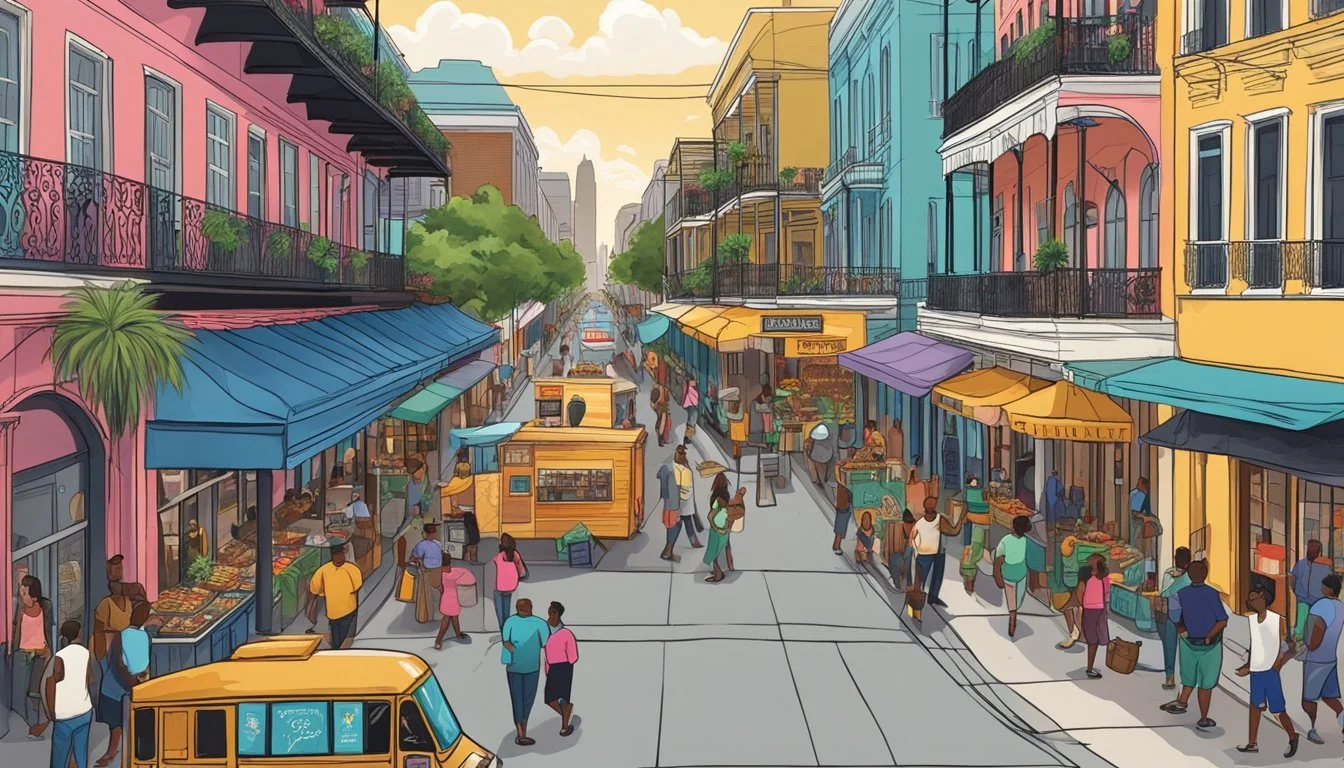
New Orleans' vibrant culture and unique history are reflected in its food truck scene, which plays a significant role in the city's culinary landscape. The region's culinary traditions and diverse influences are evident in the variety of food served from mobile kitchens.
New Orleans' Food Truck Scene
New Orleans is a city known for its rich food culture, and food trucks have become an integral part of this scene. They are celebrated for bringing gourmet, high-quality food to the streets, convenient for both residents and tourists. The New Orleans Food Truck Coalition advocates for this industry, illustrating the community and collaborative spirit that defines the food truck environment in the city.
Historical Context
Post-Hurricane Katrina, food trucks were a means of providing sustenance and reviving the local food industry. As the city rebuilt, food trucks offered both a practical solution to food service challenges and a symbol of resilience. Over time, they've become embedded in New Orleans' culinary history, serving as a testament to the city's ability to adapt and innovate.
Food Diversity Representation
The food truck menus in New Orleans are as diverse as the city itself, showcasing local favorites such as po-boys and beignets alongside international cuisine. Trucks like La Cocinita offer Latin American flavors, reflecting New Orleans' melting pot of cultures.
Geographic Influence
Positioned by the Mississippi River, New Orleans food trucks take advantage of local seafood and riverine bounty. Areas such as the Central Business District (CBD) have become hotspots for food trucks, catering to the busy lunchtime crowds seeking a quick and delicious meal.
The geographic layout of the city influences where food trucks can operate due to Food Truck Laws, which include restrictions and designated areas for vendors. These laws ensure that while the food truck scene continues to thrive, it does so in harmony with the city's structure and regulations.
Enforcement and Compliance
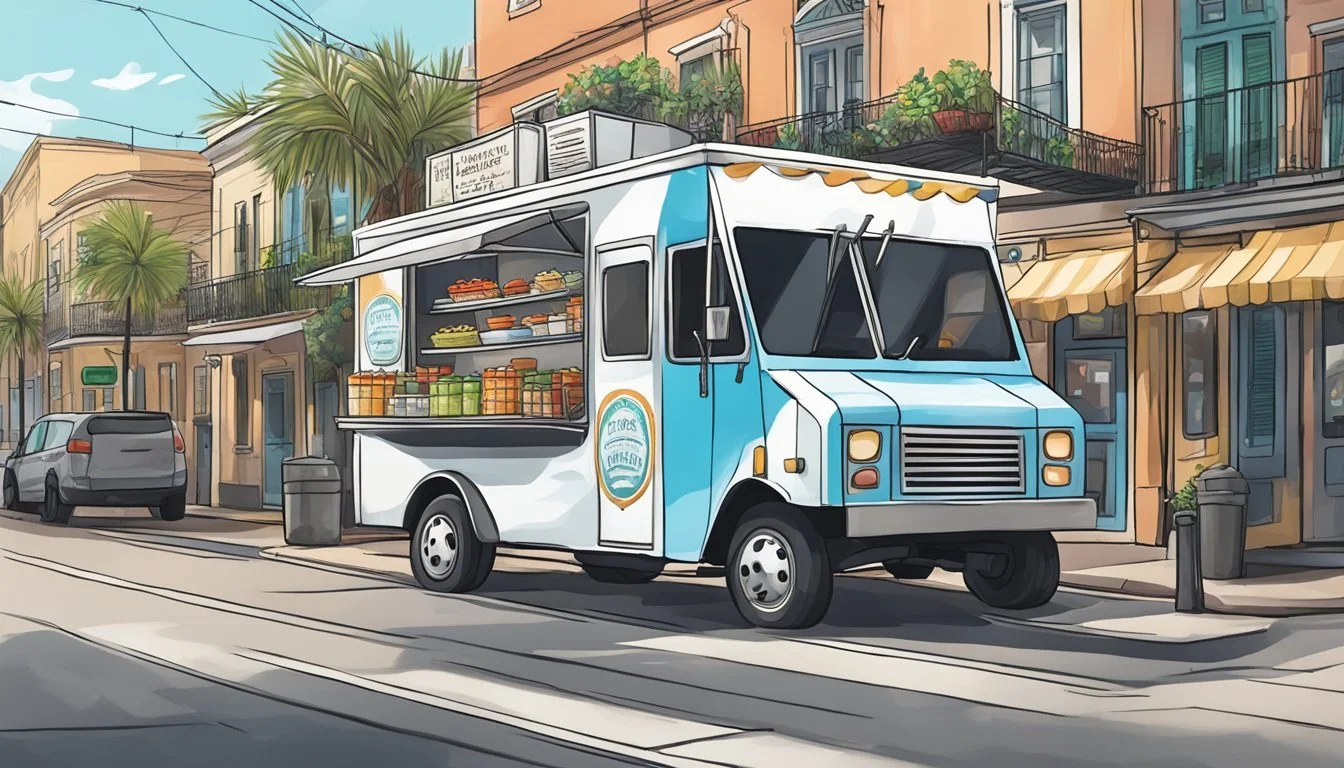
The City of New Orleans enforces food truck laws decisively, ensuring that all vendors adhere to health and safety regulations. Compliance is critical to operate within the legal frameworks set by City Hall and the Health Department.
Monitoring and Compliance Measures
The City of New Orleans has structured monitoring processes in place to ensure that food trucks meet the standards as per the city code. Spot checks and inspections are carried out by city officials and the Health Department to maintain food safety standards. Compliance with the fire safety regulations set by the New Orleans Fire Department is also strictly monitored. Food trucks are required to provide a photo indicating their dimensions, ensuring they do not exceed 26 feet in length or 8 feet in width.
Penalties and Legal Repercussions
Non-compliance with the food truck laws can lead to significant penalties. Food trucks found violating city regulations may face fines, permit suspension, or revocation. Repeated or serious infractions can escalate to legal action. The City of New Orleans mandates adherence to public health laws, tax laws, and OSHA regulations, and breaches of these can lead to stringent legal repercussions.
Buffer Zones and Proximity Regulations
The city has established buffer zones to avoid over-concentration of food trucks in certain areas. Mobile food vendors must respect a 50-foot distance from any stationary food business, unless they have explicit consent. Proximity regulations also govern where a food truck can operate, explicitly during events, to prevent interference with local businesses and traffic. These buffer zones ensure a fair competitive environment and help mitigate potential conflicts with brick-and-mortar establishments.
Updates and Future Directions

The food truck scene in New Orleans has undergone significant regulatory changes with more anticipated on the horizon. The interplay between municipal governance and mobile culinary services promises ongoing evolution.
Recent Amendments to City Laws
The New Orleans City Council has enacted new ordinances affecting the food truck industry. These regulations address operational constraints such as size dimensions, with trucks not exceeding 26 feet in length or 8 feet in width, and necessitate specific approvals and inspections by the New Orleans Fire Department.
Forecasted Legislative Changes
There is a concerted effort underway to align local ordinances with the dynamic nature of the food truck industry. Experts predict that the City Council will continue to reassess and adapt regulations, potentially influencing everything from zoning to health and safety measures. The goal is a responsive legislation that encourages growth while ensuring public welfare.
Advancements in Food Truck Innovation
The future for New Orleans food trucks looks bright, with technological innovations set to enhance operations. From improved payment systems to advances in food safety, industry technologies aim to streamline the customer experience and compliance with health regulations. The embrace of these advancements by the city's food truck entrepreneurs could set a precedent for other cities to follow.
Appendix and Additional Resources
This section provides essential contact details, application information, and resources for food truck operators in New Orleans, Louisiana. It aims to assist in navigating through the process of obtaining and renewing necessary permits, complying with city regulations, and accessing industry support.
Contact Information for New Orleans City Hall
For inquiries related to food truck permits, city code, and health department regulations, food truck operators should contact New Orleans City Hall. The main contact number is:
Phone: 504-658-4000
For specific issues regarding approvals and inspections required by the New Orleans Fire Department:
Fire Requirements Inquiries: 504-658-4770
Food Truck Application and Renewal Forms
Food truck operators must apply for the necessary permits before commencing operations. Forms are available at the City of New Orleans website. The permits and licenses expire on December 31, and renewals are required by January 31 each year.
Application Process: Food Truck Permit Guide
Renewal Information: Mobile Food Vendors and Pop-Ups
Helpful Links and Industry Contacts
For further assistance and guidance, operators can access a range of resources and industry contacts:
Food Truck Laws and Requirements: Food Truck Licenses in Louisiana
Economic Development: Business - Food Truck Permit
Food Truck Coalition: Operators seeking support from the local food truck community can get in touch with the relevant organizations to network with other operators and receive updates on industry practices.
These resources are designed to facilitate food truck operators in understanding and fulfilling the requirements to operate a food truck in New Orleans, ensuring they remain in compliance with all relevant city and health regulations.