Food Truck Laws Pittsburgh, Pennsylvania
Regulations & Permits Essentials

Food trucks in Pittsburgh operate under a specific set of regulations that ensure safety and fairness for customers and local businesses. With the appeal of mobile cuisine growing, it's crucial for vendors to understand the legal framework that governs their operations within the city. They are required to obtain a Mobile Vehicle Vendor License, which permits the preparation and sale of food in individual portions from a vehicle-based establishment. This is a primary step in ensuring that food trucks meet the city’s standards for food safety and quality.
The Pittsburgh laws also outline where food trucks may park and conduct business. Operators are prohibited from parking in metered spaces and must maintain a distance of at least 500 feet from any brick-and-mortar restaurant. These zoning restrictions are designed to balance the interests of traditional restaurants with those of mobile vendors, ensuring that competition is healthy and that traffic flows smoothly in areas with high pedestrian activity.
Compliance with food safety practices is another imperative aspect for food truck operators. They must adhere to guidelines similar to those of permanent food establishments, focusing on eliminating risks of foodborne illnesses. Each food truck must pass inspections and maintain a standard of sanitation to protect the health of its customers. For prospective vendors, familiarizing themselves with Pittsburgh's food truck laws is a fundamental step towards a successful and lawful food truck venture.
Starting Your Food Truck Business
Starting a food truck business in Pittsburgh requires careful planning and attention to detail. Entrepreneurs must navigate a series of steps to ensure their mobile culinary venture is a success.
Business Planning
A thorough business plan is critical for any new food truck venture. This document outlines the roadmap for the food truck, detailing startup costs, projected revenue, and the business model. Key components include market analysis, a marketing strategy, and a financial plan.
Choosing a Food Truck
Selecting the right vehicle is vital as it affects not only the cost but also the operational efficiency of the food truck. Entrepreneurs need to consider the balance between a new, reliable model and a used vehicle that may require additional equipment investments.
Naming and Branding
The business name and brand will set the tone for the customer experience. It should be memorable, reflect the cuisine style, and resonate with the target market. Naming should be coupled with a strong branding strategy, as this is critical for marketing purposes.
Forming Your Business
Entrepreneurs must choose a legal structure that best suits their business needs, whether it’s an LLC, corporation, sole proprietorship, or partnership. This decision will affect taxes, liability, and business operations. They must also obtain a business license and an Employer Identification Number (EIN) from the IRS.
Securing Financing
Obtaining the necessary investment to cover startup costs can involve several options: personal savings, small business loans, or seeking investors. A well-documented financial plan increases an entrepreneur's chance of securing the required financing to launch their business successfully.
Licenses and Permits
In Pittsburgh, Pennsylvania, food trucks are subject to a variety of licenses and permits to ensure compliance with local regulations. Securing the proper documentation is critical for legal operation, encompassing food safety, business registration, and adherence to zoning laws.
Obtaining a Food Truck License
To operate a food truck in Pittsburgh, one must acquire a Mobile Vehicle Vendor License. This license is applicable to vehicles where food or beverages are prepared and served for individual portions. The application for a Mobile Vehicle Vendor License includes an application fee and requires the food truck to meet specific safety requirements.
Business Licensing and Registration
Every food truck operating within Pittsburgh must have a valid business license. Operators need to register their business with the state and obtain an Employer Identification Number (EIN) from the IRS. They must also ensure compliance with the regulations set by the Department of Agriculture, as it oversees retail food services.
Health and Safety Regulations
The Allegheny County Health Department plays a crucial role in enforcing health and safety regulations for food trucks. Before issuance of a permit, a comprehensive inspection focusing on food handling, storage, and preparation is mandatory. Food trucks need to follow state-mandated food safety protocols to ensure public health is not compromised.
Parking and Zoning Permits
Food trucks in Pittsburgh must abide by specific parking and zoning regulations when choosing their location. Operating on city streets may require additional permits, especially for metered spaces. The food establishment's parking location must conform to the city’s zoning laws, avoiding any unauthorized areas or potential conflicts with local businesses.
Operating in Pittsburgh
Before setting up a food truck in Pittsburgh, entrepreneurs must navigate a complex landscape of regulations while finding prime locations to serve their culinary creations. Maintaining a good standing with food and labor management is as crucial as understanding and integrating into Pittsburgh's vibrant food scene.
Understanding Local Food Truck Laws
Pittsburgh requires mobile food vendors to obtain a Mobile Vehicle Vendor License to operate within the city. The city council has set forth regulations that impact where and how food trucks can operate. Noteworthy is that food trucks are prohibited from parking in metered spots and must maintain a distance from brick-and-mortar restaurants. Adherence to these laws is overseen by city officials, and failure to comply can result in fines or revocation of the license.
Choosing Your Locations
Selecting the right location is essential for the success of a food truck in Pittsburgh. The city's food trucks are forbidden to operate within 500 feet of an existing restaurant, leading owners to be strategic in choosing profitable spots without violating regulations. High-foot-traffic areas that comply with these restrictions tend to be the most desirable. Food truck operators often need to scout locations in advance and possibly coordinate with event organizers and private property owners.
Managing Food and Labor
Food safety is paramount, and the Pennsylvania Department of Agriculture provides a comprehensive Mobile Food Facility Operational Guide that covers the essentials of setting up and operating a mobile food outlet. Labor management is also critical, as employees must be trained on health practices and customer service. Ensuring a team is well-versed in operational procedures can safeguard the business against violations and improve customer experience.
Working with Pittsburgh's Food Scene
Integration into Pittsburgh's food scene is pivotal for food truck owners. With a variety of cuisines from tacos to gourmet hot dogs, like those from Franktuary, food trucks contribute to the city's culinary diversity. Offering vegetarian options or local ingredients can appeal to a broader audience. Networking with other food vendors and participating in food truck roundups can aid in gaining visibility and becoming an established figure within Pittsburgh's food culture.
Health and Safety Compliance
Health and safety compliance is critical for food trucks operating in Pittsburgh, Pennsylvania. These regulations are designed to protect public health and ensure that food provided to consumers is safe, minimizing the risk of foodborne illnesses.
Food Safety Protocols
Food trucks in Pennsylvania are subject to food safety regulations that are enforced by entities such as the Pennsylvania Department of Agriculture and the Allegheny County Health Department. It is imperative that food truck operators maintain the highest level of sanitary conditions in food handling and preparation. All equipment must be up to health codes and capable of keeping foods at required temperatures to prevent bacterial growth.
Hot foods should be kept at 135°F or above
Cold foods should be held at 41°F or below
Cross-contamination must be avoided at all stages of food preparation
Employee Health Training
The Pennsylvania Department of Agriculture mandates that food trucks have at least one food employee certification holder on site during operations. Trainings focus on:
Hygiene practices: regular handwashing and the use of gloves
Illness reporting: employees must understand the importance of not working when sick to prevent the spread of illness
Inspection Readiness
Food trucks must be ready for periodic inspections by the Allegheny County Health Department to ensure ongoing compliance with health and safety standards. Inspections assess several factors:
Food storage and temperature control
Cleanliness of the environment and equipment
Properly functioning equipment: refrigerators, hot holds, and utensils
To operate a food truck within the City of Pittsburgh, owners must acquire a Mobile Vehicle Vendor License. Compliance with the set forth standards is not optional but a fundamental aspect of the operational food service to secure public health and trust.
Financial Management
Managing finances effectively is crucial for food truck owners in Pittsburgh, as it encompasses tax obligations, insurance matters, and revenue strategies. These financial aspects play a pivotal role in ensuring a food truck operates within legal parameters and achieves financial success.
Handling Taxes
Food truck owners must navigate several tax responsibilities, including sales tax, which hinges on the food truck's generated sales. Pennsylvania’s taxation authorities mandate the regular collection and remittance of sales tax. It's imperative that owners maintain diligent records, as even temporary establishments like food trucks are held to strict compliance standards. For instance, Pittsburgh requires every mobile vehicle vendor, such as food trucks, to adhere to tax regulations set by the city and state.
Insuring Your Business
Acquiring comprehensive insurance is non-negotiable to safeguard against liability and unexpected occurrences. Types of insurance required can include vehicle, property, and general business insurance. While specific coverage might vary, these policies protect a food truck business’s financial interests in case of accidents, damages, or legal challenges. The importance of this protection cannot be understated, especially given the unique risks present in the mobile food industry.
Maximizing Revenue
To secure maximum revenue, food truck proprietors should scrutinize their hours of operation and customer engagement strategies. Operating during peak hours and at high-traffic events can lead to increased sales. Food truck owners also benefit from understanding their customer base and adjusting the menu, pricing, and serving locations accordingly. Moreover, they should employ practical financial management practices to optimize profit margins while delivering quality food services to their Pittsburgh customers.
Marketing and Customer Relations
In Pittsburgh's competitive food truck market, effective marketing and savvy customer relations are integral to a food truck's success. Food trucks must create a distinctive brand and interactive experience to stand out among tacos and ice cream vendors, focusing on the unique offerings on their menus.
Building Brand Awareness
To establish a strong presence in Pittsburgh, food trucks need to highlight their unique selling points, such as an innovative tacos menu or an exclusive ice cream flavor. Brand awareness is more than just a logo; it's about creating a memorable experience that resonates with customers. For instance, partnering with local events or utilizing high-traffic locations can serve as powerful methods to increase visibility. A strategic social media campaign that showcases mouth-watering imagery and patron testimonials can build a food truck's reputation and draw in a crowd.
Customer Engagement Strategies
Engaging with customers goes beyond serving food; it's about nurturing relationships and encouraging repeat business. Successful food trucks implement tactics such as:
Loyalty programs: Rewarding repeat customers with incentives for purchasing similar items.
Interactive social media presence: Encouraging customers to share their experience with the truck's menu offerings.
Prompt and friendly service: Ensuring every interaction with customers reflects the food truck's commitment to excellence.
By implementing these strategies, food trucks in Pittsburgh can foster strong customer relations, leading to sustained business growth and a robust position in a bustling market.
Growth and Expansion
The Pittsburgh food truck scene is poised for expansion, with clear pathways for operators to explore new markets and scale up operations. Adherence to the Allegheny County Health Department regulations ensures a foundation for sustained growth, and tapping into festivals and private events can significantly boost revenue and brand visibility.
Exploring Catering and Events
Food truck operators in Pittsburgh can capitalize on growth by catering to a range of events and festivals. These events not only serve as an additional revenue stream but also enhance marketing efforts through exposure to diverse crowds. Establishing relationships with event organizers and ensuring compliance with local regulations is crucial for consistently booking such engagements.
Scaling Your Food Truck Business
Scaling a food truck business requires careful planning. Operators should assess progress and expansion opportunities by considering new locations within Allegheny County and beyond. Effective marketing strategies and customer relationship management can lead to increased brand loyalty and, consequently, revenue growth. Diversifying menu offerings can attract a broader customer base and meet the demand at various events.
Legal and Regulatory Challenges
In Pittsburgh, food truck operators face a complex web of legal and regulatory challenges. These challenges arise from city-specific ordinances that govern where and how food trucks can operate within city limits.
Navigating Pittsburgh Regulations
Finding a legal parking spot poses one of the primary regulatory challenges for food truck operators in Pittsburgh. City ordinances prohibit food trucks from parking in metered spaces, creating a significant limitation on potential locations. Furthermore, food trucks are not allowed to park within 500 feet of any brick-and-mortar restaurant to avoid direct competition, as detailed in reports on Pittsburgh food truck laws. This distance restriction is one the city council has examined closely, seeking balance between the interests of traditional restaurants and the burgeoning mobile food scene.
Dealing with Legal Obstacles
Permit acquisition presents another legal hurdle. Every food truck operating in Pittsburgh is required to possess a Mobile Food Facility Permit alongside other necessary licenses, like Public Health and Employee Health Permits. The bureaucratic process to obtain these permits can often be cumbersome. Food truck entrepreneurs must navigate the potential legal challenges, including adherence to specific food safety regulations and zoning laws. Additionally, evolving city council perspectives regarding food truck regulations can present legal unpredictability. Councilman Dan Gilman, for example, has pushed for legislation that would ease existing restrictions to establish a fairer landscape for these mobile eateries.
Comparison to Other Cities
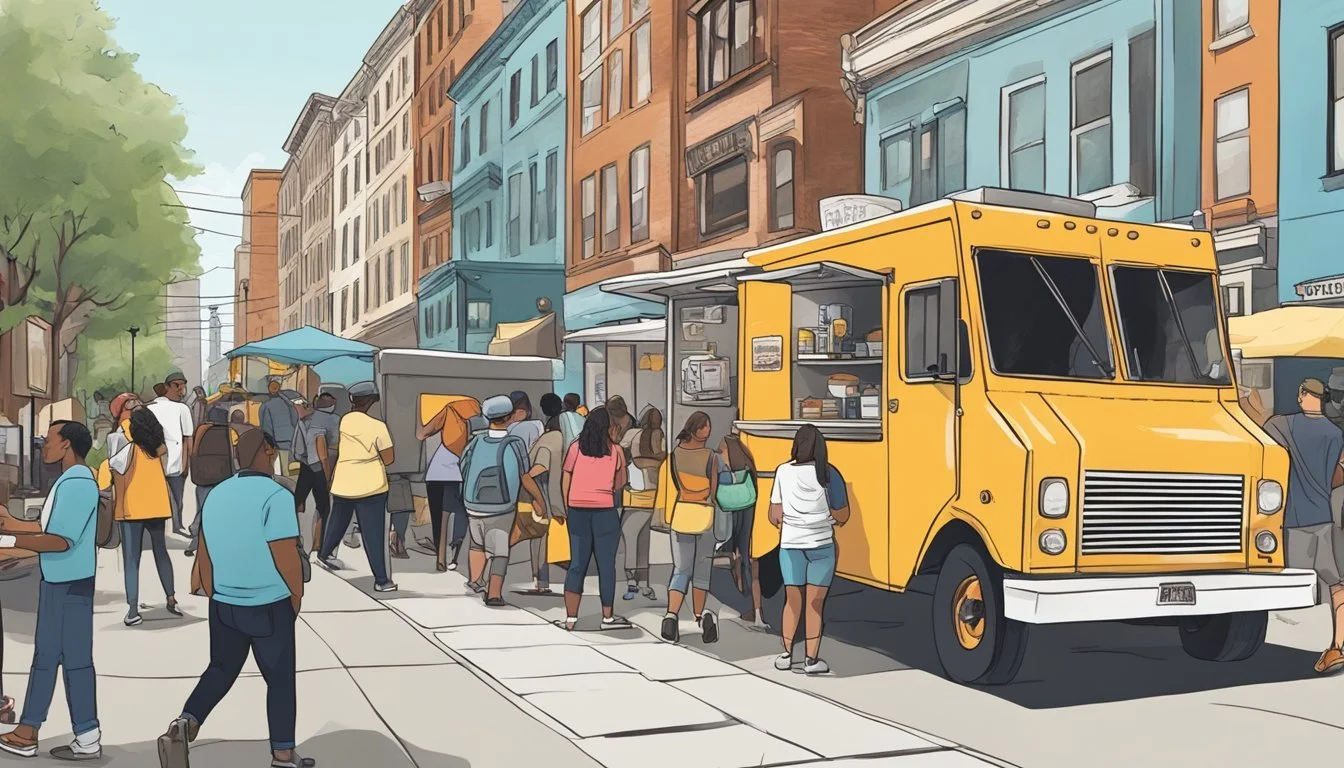
Pittsburgh's mobile food landscape is evolving, reflecting a broader movement in urban food policy that balances entrepreneurial spirit with community needs. As Pittsburgh continues to update its regulations, a comparison with other cities can provide insight into this progress.
Pittsburgh vs. Other Food Truck Scenes
Pittsburgh's food truck scene is gaining ground, especially as the city council actively works to update city ordinances governing food trucks.
Pittsburgh
Initially lagged behind other cities in food truck innovation
Recent ordinance changes show commitment to growth in this sector
Los Angeles
Often seen as the pioneer of the food truck movement
Boasts a highly diverse and established food truck ecosystem
In comparison, cities like Los Angeles have long been renowned for their thriving and diverse food truck culture. Los Angeles' regulations have been adapted over time to foster the growth of mobile food vendors, making it a benchmark for cities like Pittsburgh.
As Pittsburgh moves forward, it draws lessons from these established scenes, crafting legislation that might one day place it on par with the mobile food progress seen in older, more seasoned markets like those in Los Angeles.
Conclusion

Food truck entrepreneurs in Pittsburgh are bound by a set of regulations that aim to balance their operation needs with the city's urban planning and public safety concerns. They must obtain a Mobile Vehicle Vendor License and comply with specific restrictions, which include avoiding metered spots and maintaining distance from restaurants.
Recent legislative changes show a recognition of the food truck industry's contribution to the city's economy and culture. Pittsburgh's food truck scene, known for its variety and creativity, illustrates the city's welcoming attitude towards innovative culinary experiences.
To continue thriving, food truck owners should stay informed about current and evolving regulations. Abiding by these rules not only enhances public safety and fairness among businesses but also fosters community support for these mobile food establishments. With the cooperation between the city council and food truck operators, both groups can work towards a lively and robust street food scene in Pittsburgh.
Key Points:
Food trucks must adhere to specific parking and operational guidelines.
Entrepreneurs should secure the necessary licenses and stay up-to-date with any legislative changes.
Collaboration between lawmakers and food truck operators can benefit both the industry and the wider community.
These efforts ensure that food trucks remain an integral and well-regarded part of Pittsburgh's food landscape.