Hunting for Dummies
A Beginner's Guide to Getting Started
Discover > Hunting for Dummies > Hunting for Dummies
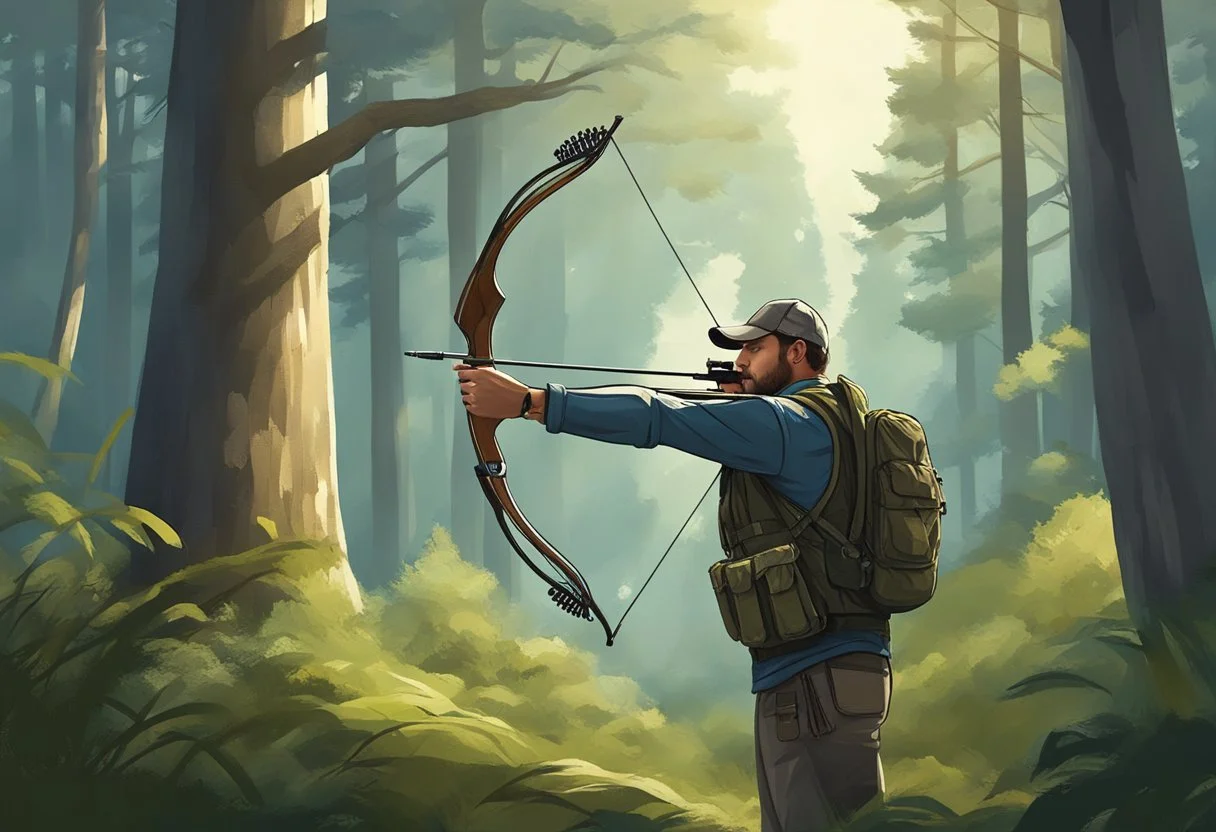
Hunting is an outdoor activity that has been practiced for centuries, not only as a means of survival but also as a sport and way of engaging with nature. For beginners, the world of deer hunting and waterfowl hunting can be both exciting and daunting. Hunting for beginners usually involves learning about local regulations, acquiring the proper equipment, and understanding the ethical considerations behind the sport. Hunter safety and responsibly hunting requires preparation and respect for the wildlife and habitats involved.
Before you start hunting on a trip, novices need to familiarize themselves with the various types of hunting, whether it's big game, wild game, small game, bird, or waterfowl. Each type demands a unique set of skills, knowledge, and equipment. In addition, new hunters should take the time to understand the hunting laws in their area, which are designed to promote conservation efforts and ensure that wildlife populations are sustainable. Hunter education courses are easy to find and widely recommended, including a hunter safety course, hunting techniques, and conservation information. They have a steep learning curve, but the knowledge is vital.
Getting started with hunting also means choosing the right hunting gear, which can range from firearms and bows to appropriate clothing and safety equipment. New hunters should seek out someone experienced from the hunting community or a hunting buddy who can offer guidance on everything from cooking wild game and selecting the right camouflage and scent control to tracking animals and making a clean shot. As they gain experience, hunters learn the importance of patience, persistence, and respect for nature, which are all crucial components for a successful and ethical hunting experience as they become a successful hunter.
Understanding Hunting
Hunting encompasses a range of activities and wildlife, from wild game to big game, that require appropriate knowledge and respect for wildlife. This section discusses ethical practices, regulatory frameworks, and the diverse methods that define the sport.
Hunting Ethics and Conservation
Hunting must be conducted ethically to support wildlife conservation efforts. Ethical hunters focus on hunting strategies such as fair chase principles and strive for a swift, humane kill, known as an ethical shot, to minimize animal suffering. Conservation measures involve hunters actively participating in the preservation of ecosystems, often through financial contributions from the purchase of hunting licenses and equipment taxes.
Hunting Regulations and Licensing
To start hunting, a hunter must adhere to strict regulations designed to manage wildlife populations sustainably. Laws vary by region but typically require a hunting license to legally hunt. Prospective hunters generally need to complete hunter education courses, which include a hunter safety course, to become licensed. Regulations govern the hunting season, whether public hunting land or private land is used, and what species can be hunted, ensuring that no hunting activity poses a significant threat to wildlife conservation.
Types of Hunting
Different hunting methods cater to specific species and hunter preferences:
Big Game Hunting: Involves pursuing a big game animal, like a deer, requiring patience and skill. Big game hunting usually involves stalking, ambush, driving, trapping or a combination.
Small Game Hunting: Targets small game wildlife and demands a quick response and accuracy.
Bird Hunting: Often requires hunters to shoot quickly and accurately in the air.
Bowhunting: Utilizes archery equipment and demands close-range proficiency.
Rifle Hunting: Rifle hunting employs firearms, often engaging targets at longer distances. With regular practice, anybody can make a 300-yard shot on a rifle hunt, although longer distances require advanced shooting skills, and practice.
Each method demands distinct skills and equipment, reflecting the diversity within the sport of hunting.
Planning Your Hunt
Successful hunting excursions are all about preparation. Identifying the optimal location, understanding the behavior of various game species, and choosing the right time to hunt are the cornerstones of a well-planned hunting trip.
Selecting a Location
When choosing a hunting spot, consider both public land and private land. Public land is widely accessible, but it often experiences more hunting pressure. This is where game on public land have become so used to other hunters that their natural behavior changes. Private lands may offer more seclusion, but require explicit permission to hunt.
Scouting: Essential for both types of land to locate game trails, feeding, and bedding areas. Use maps and scouting apps to understand the terrain and proximity to water sources.
Terrain Consideration: Look for areas with a mix of rugged terrain and open spaces.
Understanding Game Species
Different animals have unique habits and habitats that hunters must understand.
Whitetail Deer: Often found in mixed hardwood forests, near feeding areas in the early morning and late evening. The rut, or mating season, is a prime time to hunt.
Bear: Prefers dense forested areas with nearby water sources.
Elk: Chasing elk which roams in herds and favors rugged mountainsides, often at higher elevations.
Small game - Coyote: Adaptable but often found in open fields and meadows for ease of hunting prey.
Bird Species:
Pheasant: Prefers open fields with tall grass.
Duck (What wine goes well with duck?) and other waterfowl hunting: Located near water bodies like lakes and marshes.
When to Hunt
The seasons greatly affect wildlife patterns and hunting efficacy.
Seasons and Weather: Game movement can be influenced by the weather. Cold fronts can increase activity while hot spells can result in more nocturnal behaviors.
Regulations: Always check local regulations for season dates as they can vary by state and region.
Basic Hunting Gear
In the realm of hunting, having the appropriate hunting gear is essential for a successful and safe experience. The following items comprise the core equipment necessary for any hunting trip.
Choosing the Right Weapon
Firearms: To be successful hunter, a stalker must select a weapon that is suitable for their game of choice. For larger game, a rifle is typically preferred due to its power and range. Common calibers include .30-06, .308 Winchester, and .270 Winchester. Small game hunters often choose a shotgun as it is versatile and provides a broader shot pattern, making it easier to hit moving targets. A muzzleloader is another option for those interested in a more traditional hunting experience.
Archery: For those who prefer a more challenging and quiet approach, a bow may be the weapon of choice. Archery requires practice and skill for effective results.
Hunting Apparel
Camouflage: Clothing plays a crucial role in remaining undetected. Camouflage patterns should match the environment for effective concealment.
Boots: Durable and waterproof boots are vital for comfort and protection as hunters navigate various terrains.
Hunter Safety: Wear blaze orange to increase visibility to other hunters. The amount required can vary by location and should be checked prior to hunting.
List of Essential Clothing:
Camouflage jacket and pants
Blaze orange vest and cap
Weather-appropriate base layers
Sturdy hunting boots
Accessories and Equipment
Optics: A quality pair of binoculars aids in spotting game from a distance. Scopes attached to firearms provide precise aim, while a rangefinder can help determine accurate shooting distance. A spotting scope is useful for surveilling distant areas.
Support: A hunter's seat or portable stand can increase comfort during long waits.
Must-Have Accessories:
Binoculars
Firearm scopes
Rangefinder
Spotting scope
Ammunition (specific to chosen firearm)
Hunter's seat
Hunters should ensure that all gear is checked for functionality and hunter safety before venturing into the field to hunt deer again. Properly selected equipment not only increases the odds of a successful hunt but also ensures the well-being of the hunter and the sustainability of the wildlife populations.
Hunting Techniques
Successful hunting relies on mastering several techniques, from locating game to effectively retrieving it. This section breaks down these essential skills into clear, actionable steps.
Stalking and Positioning
When stalking prey, movement is crucial—hunters must be silent and unseen. Key tactics include using natural cover and understanding the importance of the wind direction to remain undetected. For stationary positioning, options like a tree stand or ground blind elevate or conceal the hunter, increasing the chances of going unnoticed by game. Seasoned hunters search for telltale signs of animals such as scat or scrapes to position themselves effectively.
Aiming and Shooting
Accurate shooting starts with a steady stance and a proper draw of the bow or raising of the firearm. When using a bow, knowing your draw weight and release mechanics is vital for accuracy. In contrast, firearm hunters focus on breath control and trigger discipline. During the aim, one must account for distance, wind, and the animal's movement to ensure a clean and ethical shot.
Tracking and Retrieval
After a shot, observing the animal's reaction and marking where it was hit can inform the hunter on how to proceed. Tracking involves looking for signs such as blood trails, while field dressing is the process of preserving the game post-retrieval. Effective tracking requires interpreting signs and observing the environment to lead the hunter to the downed game. Retrieval is the final step, requiring physical preparedness and knowledge of game handling.
Skills Development
Developing hunting skills involves consistent practice and understanding the tools and techniques crucial for a successful hunt. The hunter must attain proficiency with their chosen weapon, learn to use calls and decoys effectively, and master the art of scouting and interpreting wildlife signs.
Practice and Proficiency
Achieving accuracy with rifles or bows requires regular practice. Beginners should visit a shooting range frequently to work on their marksmanship. For bowhunters, it is important to practice shooting with various arrows to find the ones that best suit their draw length and strength. Continuous shooting practice improves muscle memory and shooting technique, leading to increased chances of a successful and ethical hunt.
Frequency of Practice: Weekly sessions at minimum
Focus Areas: Stance, aiming, trigger control (rifles) or draw technique (bows)
Using Hunting Calls and Decoys
Utilizing deer calls and decoys can significantly enhance a hunter's ability to attract game. It is critical to learn the proper use of a deer call—when to use it and how to mimic authentic sounds. A beginner should start with basic calls and practice until they can replicate the desired sounds reliably.
Deer Calls: Grunt call, Doe Bleat, Snort-Wheeze
Decoy Placement: Visible, but with natural cover
Preparation: Listen to recordings of real deer sounds for comparison
Scouting and Reading Signs
Scouting the hunting area with tools such as binoculars and a spotting scope is vital for understanding animal movement patterns. Mobile apps like onX Hunt provide detailed topographic maps and tracking features that aid in planning. Reading signs involves looking for tracks, droppings, and feeding sites, which provides the hunter with valuable information about the quarry’s habits and favorite locations.
Technology: Use of onX Hunt for mapping trails and water sources
Physical Signs: Track size and droppings can indicate species and size
Observation: Regular scouting trips to the area before the hunting season begins
Preparing for the Hunt
Before embarking on a hunting trip, ensuring proper preparation in both physical and mental aspects is crucial, as is adherence to safety protocols to prevent accidents and enhance the hunting experience.
Physical and Mental Preparation
Hunters must approach their preparation with discipline, focusing on both their physical fitness and mental readiness. Adequate physical fitness impacts a hunter's ability to trek through various terrains and endure longer hunts. Mental preparation involves understanding the game being hunted, studying their habits, and practicing patience and calmness essential for a successful hunt.
Physical Tips:
Engage in regular cardiovascular exercise.
Perform strength training and flexibility exercises.
Acclimatize to outdoor conditions if hunting in unfamiliar climates.
Mental Tips:
Research the target species’ patterns and behavior.
Practice with your equipment, familiarizing yourself with its use.
Develop a hunting plan, including logistics and time management.
Safety Measures
Safety is paramount when hunting. This involves taking measures to ensure one's well-being and that of fellow hunters. Hunters should complete a hunter education firearms safety course, reinforcing their knowledge of firearm safety and ethical hunting practices. It is critical that a hunter wears the appropriate safety gear and follows best practices in treestand usage to prevent falls.
Key Safety Practices:
Additional Precautions:
Wear blaze orange to increase visibility to other hunters.
Inform someone of your hunting plan, location, and expected return time.
Check the weather forecast and be prepared for changes.
By covering these bases, a hunter increases their odds of not only learning to hunt not only a successful but also a safe hunting trip.
After the Hunt
The completion of a hunt marks the transition from harvesting meat, to processing and honoring the game. Proper game processing ensures the quality of the meat, while mounting trophies pays homage to the hunting experience. Respect for the harvest reinforces ethical hunting practices and community connection.
Processing Game
Once an animal is harvested, immediate and proper field dressing is crucial. This step involves removing the internal organs to prevent spoilage, which is essential for preserving meat quality. Aging the meat is the next phase—hunters often hang the carcass in a cool, dry place to tenderize the meat and enhance its flavor. Hunters typically cut the meat into sections such as steaks, roasts, and ground meat. The type of game, whether venison (What wine goes well with venison?) or beef, influences specific recipes and preservation methods.
Field Dressing
Remove organs
Prevent spoilage
Aging Meat
Hang carcass
Enhance flavor
Meat Care
Section meat
Tenderize, freeze, or cook
Trophy Mounting
Trophy mounting is the art of preserving the hunt's success through taxidermy. By displaying antlers or mounting the entire head, hunters commemorate their skill and the animal's life. Quality taxidermy captures the essence of the hunt, providing a visual storytelling element to the hunter's collection. It is essential to choose a skilled taxidermist to ensure the longevity and appearance of the trophy.
Taxidermy
Employ skilled taxidermist
Preserve appearance and essence
Respecting the Harvest
Sharing game with family, friends, or the community is a profound expression of respecting the harvest. It involves not only the sharing of meat but also the stories and experiences of the hunt. This enriches community support and perpetuates hunting traditions. Responsible hunters also ensure that none of own meat or the game is wasted, demonstrating respect for the animal and the sport of hunting.
Sharing Game
Share meat and stories
Strengthen community bonds
Community Support
Waste nothing
Honor hunting tradition
Hunting Mentorship and Community
Embarking on the hunting journey can be overwhelming for beginners. A mentor can provide invaluable guidance, while joining communities allows for knowledge-sharing and support for new hunter.
Finding a Mentor
Individuals new to hunting can greatly benefit from finding a seasoned mentor to become a part of the hunting family. Mentors often offer practical advice on various aspects of hunting, including safety techniques, local regulations, and ethical practices. To find a mentor:
Ask at Local Hunting Stores: Staff may know experienced hunters willing to mentor newcomers.
Contact State Wildlife Agency: They often have programs to connect novices with experienced hunters.
Joining Hunting Communities
Hunting forums and clubs are excellent resources for both beginners and veteran hunters to share experiences and information. To get involved in hunting communities:
Online Forums: Places like HuntTalk or ArcheryTalk where one can interact with other hunters, ask questions, and seek advice.
Local Hunting Clubs: Membership can provide:
Opportunity for learning from collective experiences of members.
Access to club-exclusive hunting lands.
Participation in conservation efforts.
Joining these groups can help a novice hunter build a network, furthering their education and involvement in hunting activities.
Staying Informed and Updated

An essential part of responsible hunting is keeping abreast of regulations and season dates. Regulatory bodies typically update these to reflect changes in wildlife populations and ecological studies. Hunters should regularly consult their local wildlife agency's website or contact them directly for the latest information.
Regulations: Each state or region will have its own set of hunting laws. These may include licensing requirements, legal hunting times, and bag limits. Ignorance of the law is not an excuse, so it is crucial to read and understand current regulations before heading out.
Season Dates: Hunting seasons are determined based on species and often vary by region to help maintain healthy wildlife populations. These dates can be found on wildlife agency websites or in their published materials.
Conservation News
Staying informed about conservation initiatives is not only beneficial for the environment but also ensures that hunting practices contribute to the sustainability of wildlife. Conservation news often includes information on habitat preservation, wildlife population studies, and any changes that may affect hunting practices.
Gear Innovations: Advancements in gear can improve safety, effectiveness, and the overall hunting experience. Magazines, online forums, and trade shows can be valuable resources for learning about the latest innovations.
Table 1: Key Resources for Hunters
Hunters should establish a routine to review these resources periodically, ensuring that they remain well-informed and compliant with all regulations and ethical considerations. By doing so, hunters contribute to the sustainability of the sport and the protection of natural resources.