Keto Diet and Rosacea
Exploring the Connection and Outcomes

Rosacea is a chronic skin condition characterized by facial redness, swelling, and small, red, pus-filled bumps. The causes of rosacea are not entirely understood, and while there is no cure, management strategies often involve avoiding known triggers. Diet plays a significant role in the maintenance of this condition, and many individuals with rosacea report that certain foods can exacerbate their symptoms.
The ketogenic diet, commonly referred to as keto, is a high-fat, low-carbohydrate diet that has become increasingly popular for weight loss and health improvement. It induces a state of ketosis, where the body burns fat for fuel instead of carbohydrates. The relationship between the keto diet and rosacea has become a topic of interest due to the diet's potential anti-inflammatory effects, which may influence skin health.
Because inflammation is a central component of rosacea, dietary interventions that aim to reduce inflammation could be beneficial for those with the condition. The keto diet's restriction of high-carbohydrate and sugar-laden foods might lower inflammation and thus has the potential to mitigate the symptoms of rosacea. However, individual responses to dietary changes vary, and what benefits one person's skin condition might not have the same impact on another's.
Understanding Rosacea
Rosacea is a chronic skin condition primarily characterized by episodes of facial flushing, persistent redness, and inflammatory skin lesions. Management and recognition of triggers are pivotal for those affected.
Characteristics of Rosacea
Rosacea typically affects the central face, involving the chin, nose, and cheeks. It presents with flushing, lasting redness, and may also include papules and pustules similar to acne, a condition commonly referred to as acne rosacea. Patients often report skin sensitivity and may experience skin inflammation.
Types of Rosacea
There are several recognized types of rosacea, which include:
Erythematotelangiectatic rosacea: Visible blood vessels coupled with persistent redness and flushing.
Papulopustular rosacea: Resembling acne, this type involves redness with papules and pustules.
Ocular rosacea: Affecting the eyes, it can cause dryness, irritation, and reddened eyelids.
Common Rosacea Triggers
Identifying and avoiding triggers is a key component in managing rosacea. Common triggers include:
Environmental: Exposure to the sun, extreme heat, or wind.
Lifestyle: Emotional stress, alcohol consumption, and smoking.
Dietary factors:
Hot drinks and caffeine
Spicy foods
Foods high in histamines like aged cheeses and processed meats.
It is essential for individuals to track and understand their own condition to effectively manage symptoms and triggers.
The Keto Diet Overview
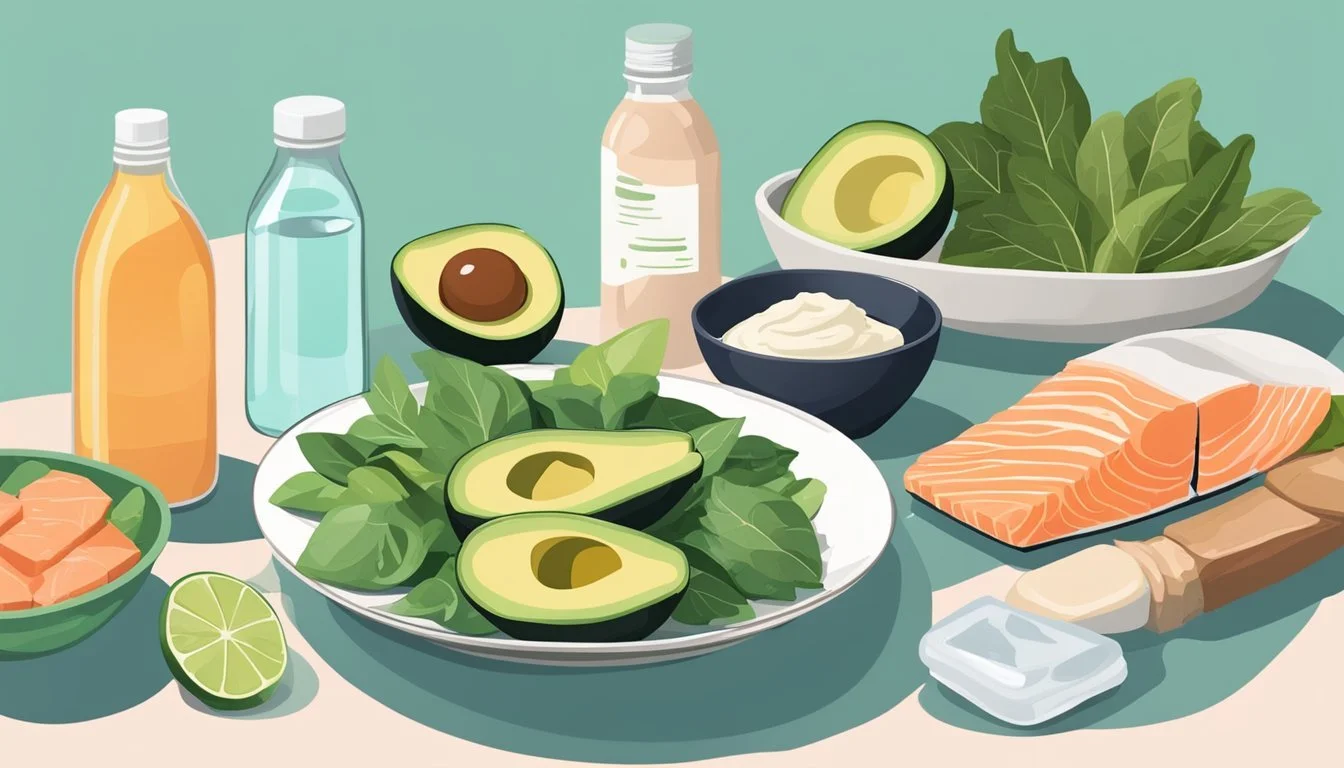
The ketogenic diet is a high-fat, adequate-protein, low-carbohydrate diet designed to induce ketosis, which has specific benefits for overall health.
Principles of the Keto Diet
The ketogenic, or "keto," diet operates on the principle of drastically reducing the intake of carbohydrates while increasing the consumption of fats and proteins. This macronutrient shift pushes the body to convert fat into ketones in the liver, which the body then uses for energy in a state referred to as ketosis. Typical macronutrient ratios for the keto diet involve around 70% to 80% calories from fat, 10% to 20% from protein, and 5% to 10% from carbs.
Benefits of a Keto Diet
Adhering to the ketogenic diet can result in a variety of health benefits. Aside from weight loss, due to the body's increased efficiency in burning fat, many individuals report improved mental clarity and energy. Anti-inflammatory effects are another cited benefit, largely attributed to the reduction in carbohydrate intake and the inclusion of omega-3 fatty acids found in keto-friendly foods like fish and nuts. Healthy fats are emphasized on the keto diet as they contribute to satiety and provide sustained energy.
Keto Foods to Consider
The foundation of the keto diet is built upon a specific selection of foods. Quality fats like avocado, coconut oil, and butter are staples. Low-carb vegetables such as spinach, kale, and broccoli find their place alongside meats, fish, and dairy like cheese and full-fat yogurt. Nuts and seeds are incorporated for their high fat and low carb content. Unlike many diets, the keto diet limits the inclusion of whole grains and fruits because of their higher carbohydrate content.
Keto Diet and Skin Health
The ketogenic diet's impact on skin health, particularly concerning inflammation and specific skin conditions like acne and rosacea, has gained attention in recent years. This section explores these specific outcomes.
Effects of Keto on Inflammation
The ketogenic diet, often high in fats and low in carbohydrates, can influence the body's inflammatory processes. Ketones, produced during ketosis, are suggested to hold anti-inflammatory properties. They may dampen the inflammatory response, potentially leading to an improvement in inflammatory skin conditions like eczema or psoriasis. However, individual responses can vary, and the diet's long-term effects on inflammation are not yet fully understood.
Keto and Skin Conditions
Adherence to a ketogenic diet may result in changes in skin health:
Acne: A low-carb, high-fat diet might affect acne positively by reducing insulin levels and altering the skin's sebum production—both factors in acne development.
Rosacea: Changes in the gut microbiome, possibly influenced by keto dietary patterns, could affect rosacea flare-ups. There is a complex interplay between diet, gut health, and skin inflammation.
Eczema and Psoriasis: While the effect of a ketogenic diet on eczema and psoriasis is less documented, the potential anti-inflammatory impact of ketosis might offer benefits.
It's important to approach diet changes with caution and consider the skin's reaction on an individual basis, as dietary impacts can vary greatly from person to person.
Keto Diet as a Potential Rosacea Trigger
The keto diet, marked by high-fat and low-carbohydrate intake, could potentially act as a trigger for rosacea flare-ups. The state of ketosis and certain foods commonly consumed in a ketogenic diet may exacerbate the symptoms of rosacea.
Ketosis and Rosacea Flare-Ups
The ketogenic diet puts the body into a state of ketosis, where it burns fat for fuel instead of carbohydrates. Ketosis itself has been suggested to influence skin conditions due to changes in the body's metabolic state. Although a direct causative link is not established, some individuals with rosacea report experiencing heightened flushing and increased flare-ups while in ketosis. This could potentially be a result of the body's adaptation to fat burning, or a reaction to increased levels of certain ketones in the body.
Problematic Keto Foods for Rosacea
While the ketogenic diet emphasizes high-fat intake, certain foods included may act as rosacea triggers. Here's a brief overview of potentially problematic foods:
Dairy products: Some individuals find that dairy products worsen their rosacea symptoms.
Processed meats: Foods rich in histamine, like processed meats, can lead to flushing and flare-ups.
Eggs: For a subset of rosacea sufferers, eggs might contribute to skin inflammation.
Nuts: Nuts are keto-friendly but can be problematic for those with rosacea.
It is essential for individuals with rosacea to monitor their response to these foods and consider an elimination diet approach to determine their specific triggers.
Anti-inflammatory Foods and Rosacea
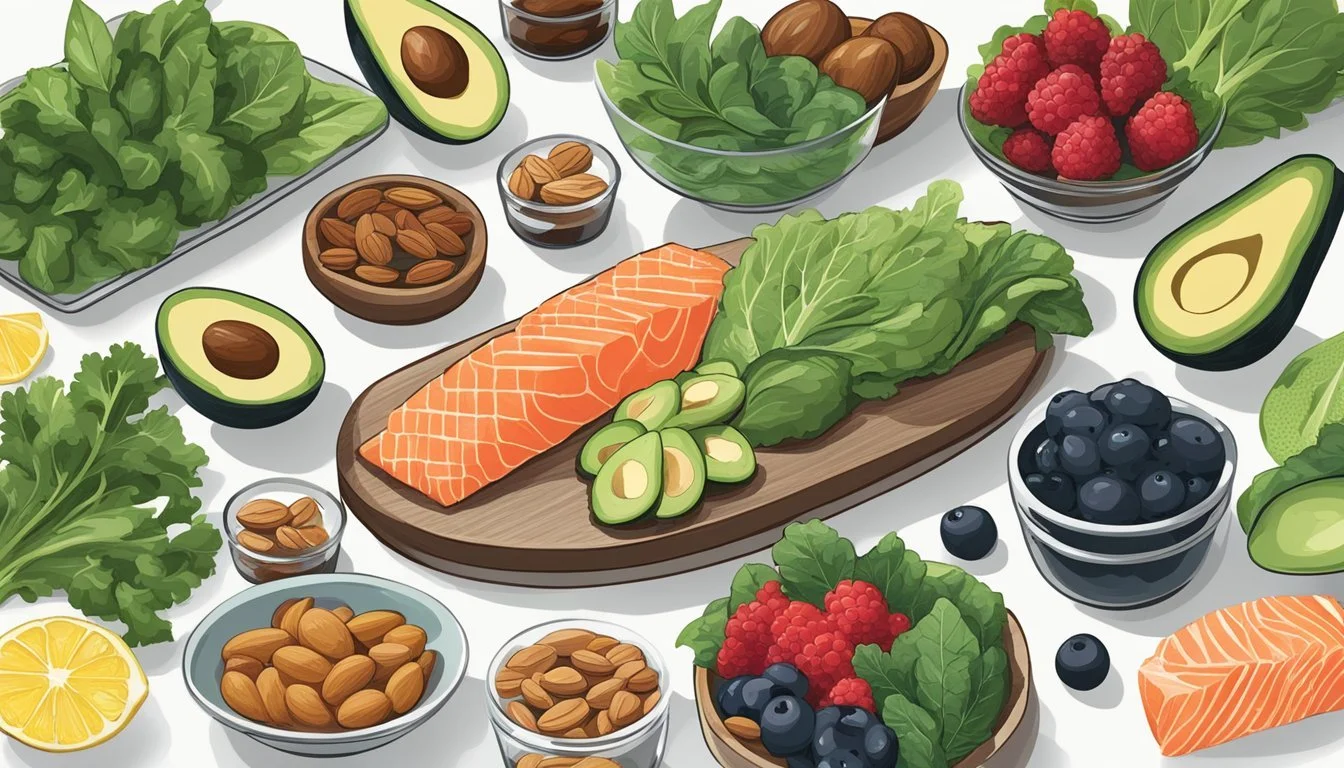
Managing rosacea often involves identifying and avoiding dietary triggers that can provoke inflammation. Certain anti-inflammatory foods may help reduce rosacea symptoms by minimizing flare-ups.
Recommended Anti-Inflammatory Foods
Omega-3 fatty acids are known for their anti-inflammatory properties. Individuals with rosacea might see improvements in their skin condition by incorporating foods rich in omega-3s such as:
Fatty fish: Salmon, mackerel, and sardines
Nuts and seeds: Flaxseeds, chia seeds, and walnuts
Including a variety of vegetables is also beneficial for their anti-inflammatory effects, particularly:
Green leafy vegetables like spinach and kale
Cruciferous vegetables such as broccoli and cauliflower
Fiber-rich foods can also reduce inflammation. These include:
Legumes: Beans, lentils, and chickpeas
Whole grains: Brown rice, quinoa, and whole-wheat products
Foods to Avoid and Why
Certain foods have been associated with increasing the likelihood of rosacea flare-ups due to their potential to cause inflammation. It is recommended to limit or avoid the following:
Spicy foods and hot sauce: Can trigger redness and flushing
Chocolate: Contains compounds that may dilate blood vessels
Tomatoes and citrus fruits: Their acidity can irritate the skin
High-fat dairy products: Might exacerbate symptoms for some individuals
Caffeine: Can stimulate blood flow to the skin, leading to flushing
By carefully selecting their diet, those affected by rosacea can potentially reduce the incidence of inflammation and manage their symptoms more effectively.
Managing Rosacea With Lifestyle Changes
The management of rosacea can often be approached through careful lifestyle modification, focusing particularly on identifying triggers and making beneficial adjustments. This strategic approach aims to reduce flare-ups and maintain clearer and calmer skin over time.
Identifying Personal Triggers
Every individual with rosacea may react differently to various triggers, prompting the necessity to monitor for patterns correlating with flare-ups. Common triggers include:
Sun Exposure: Protect skin with broad-spectrum sunscreen and hats.
Stress: Employ stress-reduction techniques such as yoga or meditation.
Alcoholic Beverages: Limit intake, particularly red wine known to provoke rosacea.
Hot Beverages: Opt for cooler temperature drinks to avoid triggering symptoms.
Keeping a detailed diary of diet, stress levels, and environmental factors can provide insights into personal triggers and guide individuals on which lifestyle aspects to alter.
Beneficial Lifestyle Adjustments
After identifying triggers, implementing the following lifestyle changes can prove advantageous:
Skin Care: Implement a gentle skin care routine with products specifically formulated for sensitive skin to minimize irritation.
Diet: Consider a diet that reduces inflammatory foods and possibly integrates a ketogenic approach under a doctor's supervision.
Medication Compliance: Regularly take any prescribed medication to prevent exacerbation of symptoms.
Consultation: Regularly visit a dermatologist to fine-tune lifestyle adjustments and treatment approaches.
In adopting these strategies, individuals may notice a decrease in the frequency and severity of their rosacea symptoms, leading to improved skin health and wellbeing.
Treatment Options Beyond Diet
While dietary adjustments can play a role in managing rosacea, other treatment options should be considered to achieve optimal skin health. Healthcare providers may recommend a combination of medical treatments and natural remedies tailored to an individual's specific symptoms and severity.
Medical Treatments
Topical Medications:
Ivermectin: A cream that can reduce inflammatory lesions of rosacea.
Metronidazole: Available as a gel or cream, it offers anti-inflammatory properties.
Oral Antibiotics:
Doxycycline: Often used in low doses to reduce inflammation without its antibiotic effect.
Tetracycline: An antibiotic that helps to improve bumps and pimples associated with rosacea.
Laser and Light Therapies:
Pulsed dye laser (PDL): Targets visible blood vessels, reducing redness.
Intense pulsed light (IPL): Treats redness and flushing by addressing the blood vessels beneath the skin's surface.
Natural and Alternative Remedies
Supplements:
Omega-3 fatty acids: Found in fish oil; can have anti-inflammatory effects.
Vitamins A, C, and E: Antioxidant properties that may aid skin health.
Probiotics and Prebiotics:
Supplemental forms: May help balance gut microbiome, which could be connected to skin health.
Fermented foods: Such as kefir, sauerkraut, and kimchi; natural sources of probiotics.
It is imperative to consult with a healthcare professional before starting any treatments to ensure they are appropriate for the individual's condition and to avoid potential interactions with other therapies or medications.
Conclusion
Research suggests a possible link between the ketogenic (keto) diet and the management of rosacea, a chronic inflammatory skin condition. The keto diet, high in fats and low in carbohydrates, may influence inflammation levels in the body, a factor closely associated with rosacea symptoms.
Dietary Influences on Rosacea:
Participants following the keto diet have sometimes noted a reduction in rosacea flare-ups. This diet results in the production of ketones, which could help regulate the body's inflammatory pathways.
Lifestyle Adjustments:
Patients with rosacea are often advised to monitor their lifestyle choices, as several factors can exacerbate symptoms. A personalized approach to diet, including the potential incorporation of a keto diet, can be part of an effective treatment strategy.
Summary of Treatment Considerations:
Anti-inflammatory Foods: The keto diet's anti-inflammatory potential may benefit rosacea sufferers.
Identifying Triggers: Individual responses vary, necessitating a tailored diet plan.
Supplemental Support: Some may find additional benefits from specific nutritional supplements.
It is imperative for patients to consult healthcare professionals before making significant dietary changes. While the keto diet may offer benefits for some, its suitability must be evaluated on an individual basis, ensuring comprehensive care in the management of rosacea.
Appendix

This Appendix section serves as a resource for references and recommended further reading, supporting the main content of the article on the Keto Diet and Rosacea. It provides sources and materials for readers who wish to delve deeper into the topic.
References
Rosacea and Diet: Significant triggers reportedly include alcohol, spicy food, and hot drinks. One must also monitor histamine-rich and cinnamaldehyde-containing foods.
Dietary Impact on Rosacea: Research suggests that high-fat diets might exacerbate rosacea symptoms due to chronic inflammation.
Further Reading
"Rosacea and Diet: What is New in 2021?": Essential reading for understanding the recent correlations between rosacea and dietary triggers.
"Diet and rosacea: the role of dietary change in the management of rosacea": An in-depth look at how diet modification can be a part of managing rosacea effectively.
References
Medical News Today
Article Title: Rosacea diet: Foods to eat and avoid
An overview of specific foods and beverages that can trigger rosacea symptoms, including alcohol, hot caffeinated beverages, and spicy foods.Dermatology Advisor
Article Title: Rosacea and Diet: What Do We Know?
Insights on substances rich in histamine and those that trigger its release, which are known to exacerbate rosacea symptoms.Healthline
Article Title: Rosacea Diet: Foods to Eat and Foods to Avoid for Calmer Skin
Discussion on foods that may reduce rosacea flare-ups, with an emphasis on the importance of fatty acids and nutrients.Dietary Study on Rosacea
Research regarding dietary change as a therapeutic approach to rosacea, highlighting the impact of heat-related, alcohol-related, capsaicin-related, and cinnamaldehyde-related foods and beverages.Vitamin D and Rosacea
Examination of vitamin D's influence on rosacea, presenting mixed results from case-control studies and exploring the significance of serum levels in affected individuals.
Further Reading
For individuals interested in exploring the relationship between a ketogenic diet and rosacea, several resources can offer more in-depth information:
Ketogenic Forums: Users share personal experiences on how a keto diet may have impacted their rosacea symptoms. Discussion includes varying responses and management strategies.
Reddit r/Rosacea: Community discussions reflect on the anti-inflammatory benefits of a low-carb ketogenic diet and its potential effects on rosacea improvement.
PMC - National Center for Biotechnology Information (NCBI): Research articles on NCBI delve into the complex ties between diet and rosacea, examining potential food triggers and the role of diet in symptom management.
Dermatology Advisor: A collection of studies consolidated in the Journal of Clinical and Aesthetic Dermatology is reviewed here, with a focus on dietary effects and supplemental benefits for rosacea patients.
Epidemiologic Studies: Scientific literature on the correlation between gastrointestinal diseases and rosacea suggests diet might influence rosacea symptoms. One such study highlighted improvement in rosacea with treatment of small intestinal bacterial overgrowth.
To further one's understanding, reading peer-reviewed articles and research papers can provide a scientific basis for the effects of diet changes on rosacea. However, it's important to note that individual experiences can vary and professional medical advice should always be sought before making significant dietary changes.