Keto Diet and Ulcers
Examining the Relationship

The relationship between diet and digestive health has long been a subject of interest. The ketogenic, or keto, diet is a high-fat, low-carbohydrate eating plan that has gained popularity for its potential benefits in weight loss, energy levels, and overall health. However, its impact on gut health, specifically in relation to ulcers, is an area that merits closer examination. Ulcers, particularly peptic ulcers, are open sores that develop on the lining of the stomach, upper small intestine, or esophagus, often causing pain and discomfort.
The keto diet's macronutrient distribution could influence the gut microbiome, the community of bacteria residing in the gastrointestinal tract. While a balanced gut microbiome supports digestive health, the keto diet's typical composition—low in fiber and high in fat—could disrupt this balance. Consequently, an altered microbiome may affect the protective lining of the stomach, possibly impacting ulcer development or exacerbation. It is important, however, to note that diet alone does not cause ulcers, which are primarily linked to the Helicobacter pylori bacteria and the use of certain medications.
Optimal dietary practices for those with ulcers aim to provide relief and prevent further irritation. This involves managing foods that could potentially increase stomach acid production, while incorporating foods that may bolster the body's natural defenses against irritants. Although the keto diet might be contraindicated for gut health due to possible alterations in the microbiome and increased inflammation, ongoing research continues to refine understanding of the interplay between such dietary patterns and their effects on ulcers and overall digestive wellness.
Understanding the Keto Diet
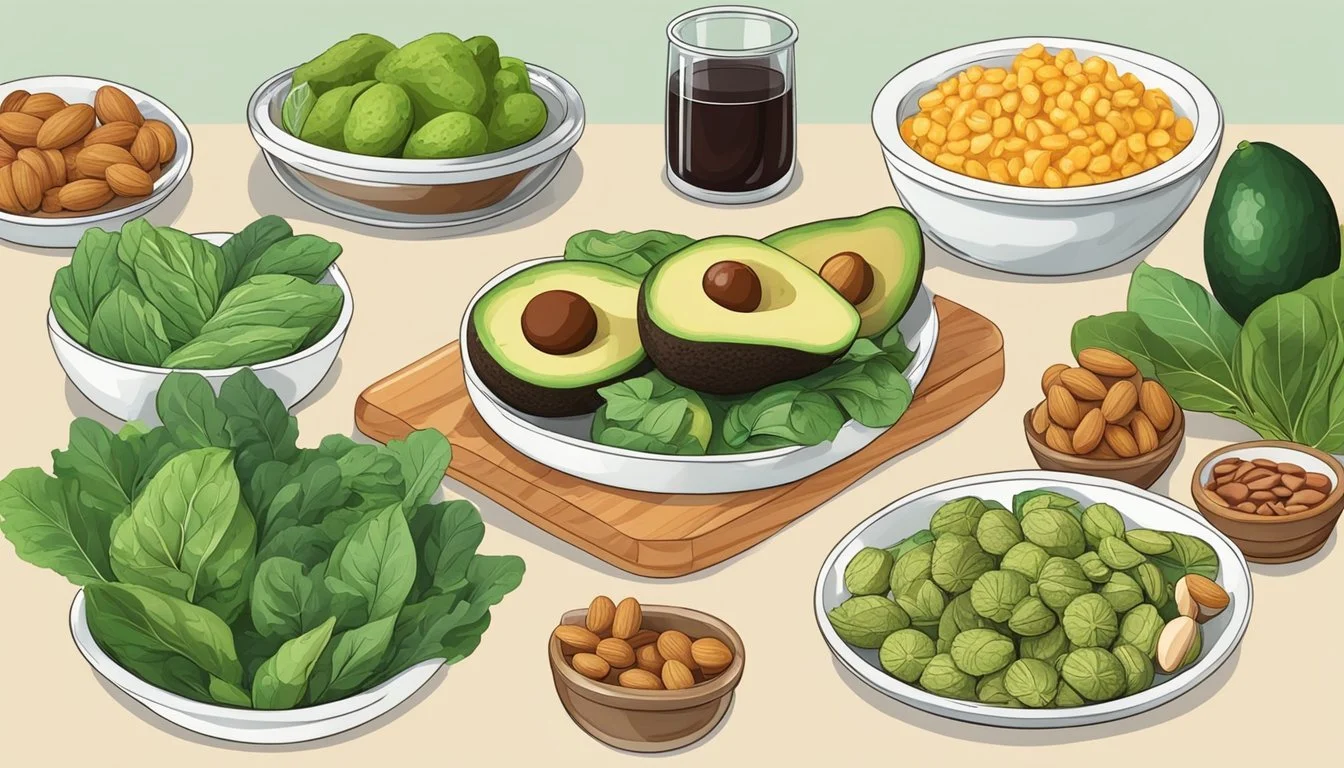
The ketogenic diet is a nutrition approach centered around high-fat, adequate-protein, and low-carbohydrate intake. Its primary aim is to shift the body's metabolism away from carbs and towards fats and ketones.
Principles and Macronutrient Ratios
The ketogenic diet operates on a principle where fats constitute the majority of daily calories, typically around 70% to 80%. Proteins are moderate, usually around 20% of the diet, while carbohydrates are significantly reduced to 5% to 10%. This distribution prompts the body to enter a state called ketosis, where it relies on burning fat for energy, producing ketones as byproducts.
Fats: Essential for this diet, they are the main source of energy.
Protein: Sufficient to maintain muscle mass without interrupting ketosis.
Carbs: Greatly limited, they are kept to a bare minimum to sustain ketosis.
Benefits of Ketosis
When the body is in ketosis, it becomes more efficient at burning fat for energy. This metabolic state has been linked to weight loss, improved blood sugar control, and a decrease in appetite. Some evidence suggests that it might also provide neuroprotective benefits. Dietitians sometimes recommend this diet for specific medical conditions, but always within a safe and monitored framework.
Risks and Considerations
Although the ketogenic diet may confer certain health benefits, it is not without risks. Individuals may experience side effects such as "keto flu," which includes symptoms like fatigue and headaches. Nutrient deficiencies may occur if the diet is not well planned. It is critical to consult with healthcare professionals, like a dietitian, before starting a ketogenic diet to ensure it's a safe dietary approach for one's individual health needs.
The Role of Diet in Ulcer Formation

Diet can influence the health of the gastrointestinal tract and may play a role in the risk and management of stomach ulcers.
Causes of Stomach Ulcers
Stomach ulcers, also known as peptic ulcers, are often caused by an infection with Helicobacter pylori (H. pylori) bacteria or by the prolonged use of nonsteroidal anti-inflammatory drugs (NSAIDs). They are characterized by sores in the lining of the stomach or the small intestine. Less commonly, excessive secretion of stomach acid or a weakened stomach lining can contribute to ulcer formation.
Impact of Diet on Ulcer Risk
Dietary habits do not cause ulcers directly but can influence ulcer risk and healing. High calorie intake and low fiber consumption can affect the body's inflammatory response, potentially impacting ulcer risk.
Calories: Overconsumption may increase the production of stomach acid, possibly leading to irritation of the gastrointestinal lining.
Fiber: A diet rich in fiber, typically from fruits and vegetables, can help buffer stomach acids and promote gastrointestinal health.
Proteins: Adequate proteins are crucial for tissue repair, including the healing of ulcerated areas in the stomach lining.
While no specific diet is recommended for the prevention of ulcers, eating a balanced diet with sufficient fiber and avoiding known irritants like NSAIDs when possible can help maintain stomach health and mitigate risks related to ulcer development.
Health Benefits and Risks of Keto Diet

The ketogenic diet is lauded for its weight loss effectiveness and potential metabolic benefits, but it also comes with risks and side effects worth considering, especially concerning chronic diseases.
Weight Loss and Metabolic Advantages
Weight Loss: Individuals often turn to the ketogenic diet for its ability to promote weight loss. By reducing carbohydrate intake, the body enters a state called ketosis, burning fat for energy instead of glucose, which can lead to significant weight reduction.
Obesity: The ketogenic diet may help reduce obesity, a significant risk factor for various chronic diseases.
Blood Sugar and Type 2 Diabetes: Keto diets can lower blood sugar levels and improve insulin sensitivity, potentially benefiting those with type 2 diabetes.
Potential Risks and Side Effects
Short-Term Side Effects:
The transition to ketosis can result in the "keto flu," a temporary feeling of fatigue, headaches, and nausea.
Lack of fiber may lead to constipation.
Long-Term Health Risks:
Increased risk of kidney stones and liver disease.
Possible micronutrient deficiencies due to a restrictive diet.
Concerns for cardiovascular health due to high-fat intake.
Keto and Chronic Diseases
Heart Disease: The ketogenic diet's impact on cholesterol levels is complex; it generally increases HDL (good) cholesterol but can also elevate LDL (bad) cholesterol.
Diabetes: While it can assist in controlling blood sugar, a medical professional should monitor the dietary approach for people with diabetes due to risks associated with low blood sugar (hypoglycemia).
Cancer: Research is evolving, but some studies suggest that the ketogenic diet may exert a protective role against certain types of cancer by reducing overall caloric intake and affecting tumor metabolism. However, more robust clinical trials are needed to substantiate these claims.
Optimizing the Keto Diet for Ulcer Prevention
When tailoring a ketogenic diet to help prevent ulcers, it's crucial to focus on including beneficial foods that support gut health while limiting those that may irritate the stomach lining or contribute to acidity.
Foods to Emphasize
Leafy Greens: Rich in vitamins and minerals, leafy greens such as spinach and kale should be a staple in the diet. They contain important nutrients that can help maintain a healthy stomach lining.
Olive Oil: A source of monounsaturated fats, olive oil can be beneficial for reducing inflammation in the digestive tract.
Healthy Fats: Avocados and seeds are key sources of healthy fats that support overall well-being and are suitable for a ketogenic diet.
Cauliflower: This versatile vegetable is low in carbs and can be used in a variety of dishes. Being high in fiber, it can support digestive health.
Foods to Avoid or Limit
Dairy: While some dairy products are keto-friendly, individuals should observe how their bodies respond to dairy, since it can potentially exacerbate ulcer symptoms for some people.
Alcohol: It's advisable to limit or eliminate alcohol consumption, as it can increase stomach acidity and irritate the stomach lining.
Caffeine: Beverages high in caffeine may irritate the digestive tract, so moderation is key.
Chocolate: Often high in both caffeine and sugar, chocolate should be consumed in moderation or opted for in its dark variety with lower sugar content.
Sugar: Known to cause inflammation, sugar should be minimized in a ketogenic diet, particularly for those focusing on ulcer prevention.
Grains and Whole Grains: Since the keto diet requires low carbohydrate intake, it naturally limits grains, which is beneficial as they can be problematic for some people with ulcers.
Starchy Vegetables: Limiting starchy vegetables like potatoes can help maintain ketosis and reduce potential irritation in the stomach.
Practical Guidelines for Keto Dieting
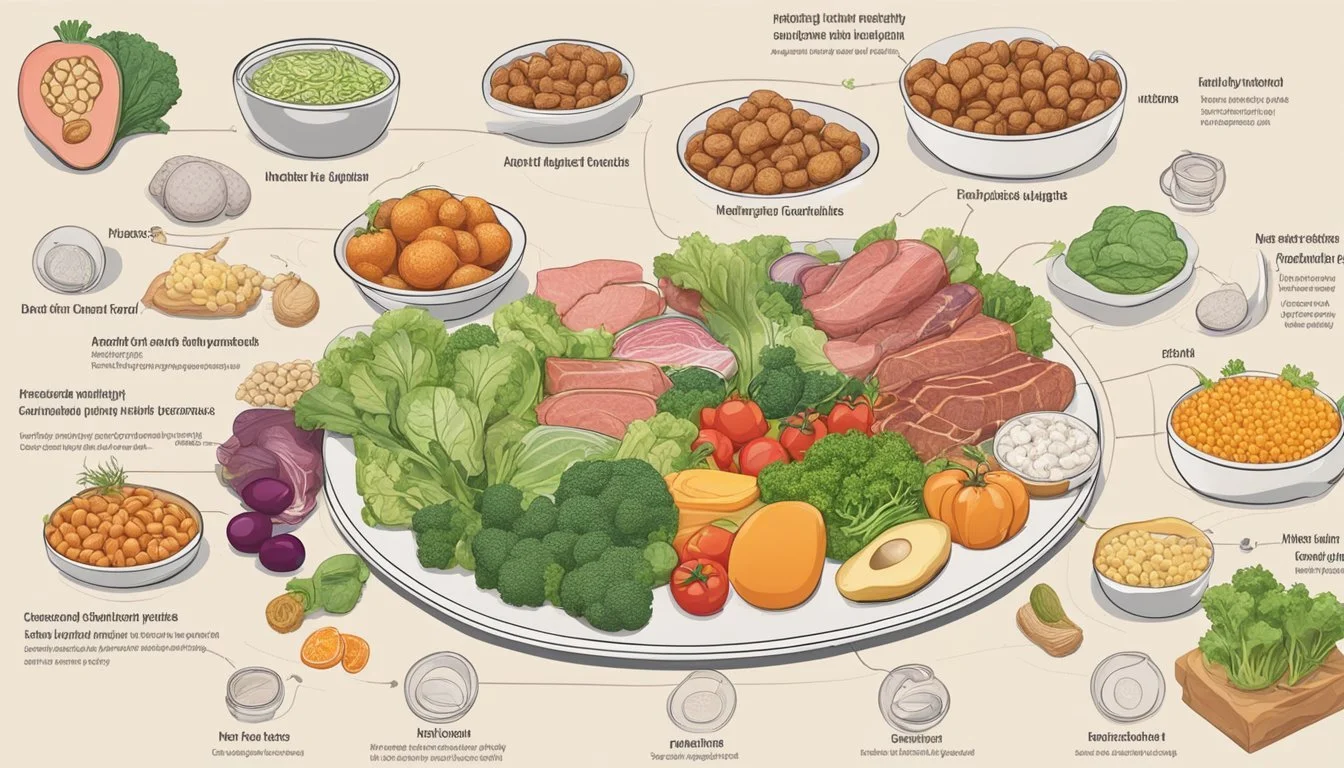
In embarking on a ketogenic diet, individuals must consider practical guidelines that support effective meal planning, navigate initial physical responses such as the keto flu, and ensure the longevity of the diet's adherence with a focus on nutrition and sustainability.
Meal Planning and Preparation
A ketogenic diet calls for careful meal planning and preparation to meet its high fat, moderate protein, and low carbohydrate requirements. Meals typically revolve around key ingredients such as meats, high-fat dairy, oils, nuts, and green leafy vegetables, all while keeping carbohydrate intake between 20 to 50 grams per day.
Meats: Beef, pork, lamb, poultry, and fish
High-fat dairy: Cream, butter, and hard cheeses
Oils: Coconut oil, olive oil, avocado oil
Nuts and seeds: Almonds, walnuts, flaxseeds, pumpkin seeds
Vegetables: Spinach, kale, broccoli, and other low-carb options
Meal planning should involve a diverse selection of these foods to maintain nutritional balance and prevent monotony. For ease of preparation, individuals may choose one day per week to cook in bulk, portioning out meals that can easily be reheated.
Dealing with the Keto Flu
The transition into a state of ketosis often brings about the keto flu, a term used to describe flu-like symptoms that can occur as the body adapts. To mitigate these effects, individuals should:
Stay hydrated with water and electrolyte-rich beverages
Increase salt intake to combat lowered insulin levels and potential electrolyte imbalances
Consume bone broth, which provides fluids and electrolytes
Gradually reduce carbohydrate intake rather than an abrupt cut-off
It's crucial for individuals to listen to their bodies and make adjustments as needed, ensuring that enough nutrients are consumed to support overall health.
Long-term Sustainability
For the ketogenic diet to be long-term sustainable, a focus on overall nutrition and sustainability is key. Dieters should:
Prioritize unsaturated fats from sources like fish, nuts, and seeds, while limiting saturated fats
Include a variety of low-carbohydrate vegetables to provide fiber and essential nutrients
Choose lean proteins to balance meals
Regularly assess the diet's impact on their health with a professional if possible
It is important they find a balance that allows for adherence without feeling deprived, ensuring the keto lifestyle can be maintained over time without adversely affecting their health.
Scientific Research and Evidence

The ketogenic diet's impact on ulcer treatment and gut health is an evolving area of study. Scientific inquiries delve into its efficacy and aim to understand the underlying mechanisms at play.
Studies on Keto and Ulcer Treatment
Researchers have been examining the role of the ketogenic diet as a potential adjunctive treatment for ulcers. Studies suggest that the high-fat, low-carbohydrate profile of the diet could influence gut healing, but evidence remains inconclusive. They have observed cases where a reduction in carbohydrate intake led to symptomatic relief in patients with carbohydrate intolerance. These observations warrant further clinical trials to establish a direct relationship between the ketogenic diet and ulcer healing.
Keto Diet and Gut Health Research
The focus on gut health is central to understanding how the ketogenic diet might influence the treatment of ulcers. Some research suggests that a ketogenic diet can alter the gut microbiome, potentially leading to improvements in the gut barrier function. The relationship between a ketogenic diet and inflammation is also under investigation, as reduced inflammation could positively affect ulcer healing. Doctors continue to explore this area, noting changes in biochemical pathways that could be beneficial.
Emerging Data and Future Research Directions
As the body of evidence grows, so too does the understanding of the ketogenic diet's mechanisms and effects on ulcers and gut health. The data gathered from various studies will inform future research directions. New clinical trials and more extensive population studies are necessary to verify preliminary findings and guide medical advice. The scientific community is carefully compiling data to draw more robust conclusions about the ketogenic diet's role in ulcer treatment and overall gut health.
Handling Keto Diet Concerns with Expert Advice
When an individual embarks on a ketogenic diet, they might encounter challenges such as managing ulcers or other digestive issues. It's imperative to know when to seek professional guidance and understand the vital role nutrition experts play in this process.
When to Consult a Healthcare Professional
One should consult a doctor if they experience signs of ulcers, such as abdominal pain, nausea, or unexplained weight loss, while following a keto diet. A healthcare professional can conduct necessary tests to diagnose ulcers and can offer advice on diet modifications to prevent aggravation. Prompt medical attention ensures that more serious complications are avoided, and an effective treatment plan is established.
See a doctor if you have:
Severe abdominal pain
Persistent nausea or vomiting
Significant weight loss without trying
Before making diet changes:
Verify ulcer diagnosis with a healthcare provider
Assess any potential risks associated with a high-fat, low-carbohydrate diet
The Role of Dietitians and Nutritionists
Dietitians and nutritionists are experts in nutrition science who can provide personalized advice for managing health through diet, including when following a keto diet with ulcers. They aid in creating a balanced eating plan that alleviates symptoms, optimizes nutrient intake, and minimizes the risk of ulcer complications. Their expertise is crucial for ensuring that the dietary pattern is healthy, sustainable, and aligned with the individual's health goals.
Expert nutrition services include:
Analyzing the current diet for sufficient nutrient intake
Recommending alternatives to reduce the risk of ulcers
Designing a comprehensive plan with appropriate fiber content to prevent gastrointestinal issues