Keto Diet with Ayurveda
Integrating Traditional Wisdom for Modern Health Benefits

The ketogenic diet, often known simply as keto, is characterized by its high-fat and low-carbohydrate approach to nutrition, prompting the body to enter a state of ketosis where it burns fat for energy. This diet has been recognized not only for its potential to aid in weight loss but also for its ability to stabilize blood sugar levels. In recent times, the keto diet has been examined through the lens of Ayurveda, the ancient Indian system of medicine which emphasizes balance and holistic wellness.
Ayurveda assesses an individual's unique constitution and suggests dietary and lifestyle modifications to maintain equilibrium within the body and mind. When considering Ayurveda and the keto diet together, it becomes important to tailor the high-fat, low-carb regimen to align with an individual's doshic balance — the unique mix of Vata, Pitta, and Kapha within their constitution. The Ayurvedic perspective suggests that while some may benefit from the natural fats emphasized in the ketogenic diet, others must be cautious to maintain their inherent doshic balance.
Incorporating the principles of Ayurveda into a ketogenic diet involves a thoughtful selection of foods and understanding their effects on the body. For example, grounding and nourishing foods may be recommended for Vata types, while Pitta types might require cooling foods to offset the heat generated by a high-fat diet. This integrative approach aims to harness the health benefits of a keto diet while ensuring it is sustainable and aligned with Ayurvedic practices for overall well-being and nutrition.
Fundamentals of the Keto Diet

The Keto Diet revolves around inducing a state of ketosis in the body, primarily through a diet high in fats and low in carbohydrates. It aims to shift the primary source of energy from carbohydrates to fats, which can lead to weight loss and other health benefits.
Defining Ketosis
Ketosis is a metabolic state where the body, due to the low availability of carbohydrates, switches to burning fat for energy instead of glucose, the body's usual energy source. During this process, the liver converts fat into fatty acids and ketone bodies, the latter becoming the main energy source for the brain and body.
Macro Breakdown: Fats, Proteins, and Carbohydrates
The ketogenic diet is characterized by its macronutrient ratio, which typically consists of:
Fats: 70-80% of daily caloric intake
Proteins: 20-25%
Carbohydrates: 5-10%
This distribution encourages the body to enter and maintain ketosis. Fats should be primarily sourced from healthy options like avocados, nuts, seeds, and olive oil.
Benefits and Side Effects
Individuals following the Keto Diet may experience a number of health benefits, such as:
Weight Loss: The use of fat as a primary energy source can lead to weight loss, as the body taps into stored fat for energy.
Improved Blood Sugar Control: Reduced carbohydrate intake can lead to lower and more stable blood glucose levels.
However, potential side effects can include:
Short-term effects such as the "keto flu," characterized by symptoms like headache, fatigue, and irritability.
Nutrient deficiencies if the diet is not well-planned.
Long-term effects on heart health due to high saturated fat intake without careful selection of fat sources.
Core Principles of Ayurveda

Ayurveda, an ancient medical system from India, centers on achieving balance within the body and mind through various principles and practices. Central to its philosophy are the three doshas, nutritional guidance, and the importance of digestion.
Understanding the Doshas: Vata, Pitta, Kapha
The three doshas — Vata, Pitta, and Kapha — represent unique combinations of the five elements (space, air, fire, water, and earth) that manifest as patterns of physical and mental characteristics.
Vata (Space & Air): Qualities of movement and change, controls functions related to motion including circulation, breathing, and blinking.
Pitta (Fire & Water): Governs metabolism and transformation in the body, including digestion and temperature regulation.
Kapha (Water & Earth): Embodies structure and fluidity, maintaining strength, immunity, and growth.
Each individual has a unique constitution of these doshas, guiding Ayurvedic dietary and lifestyle recommendations.
Ayurvedic Perspective on Nutrition
Ayurveda holds that food and eating habits are critical for health. Nutrition is personalized, taking into account an individual's dosha balance:
Vata: Suggests nourishing, grounding foods like grains, nuts, and dairy.
Pitta: Favors cooling foods such as fruits and vegetables to counterbalance heat.
Kapha: Recommends stimulating and invigorating foods with emphasis on leafy greens and legumes to enhance metabolism.
Consuming seasonally appropriate and locally available foods is also emphasized to align with natural rhythms.
The Concept of Ama in Digestion
Ama, in Ayurveda, signifies toxins or undigested matter that accumulate in the body, impeding function and leading to disease. Efficient digestion is considered the cornerstone for health, aiming to minimize ama formation.
Signs of ama: Fatigue, sluggishness, and a coated tongue.
Prevention: Tailoring diet to the doshas, consuming warm and cooked foods, and including digestive spices like ginger and turmeric.
The goal is a balanced state of digestion where nutrients are assimilated effectively, and ama is not produced.
Integrating Keto with Ayurvedic Practices
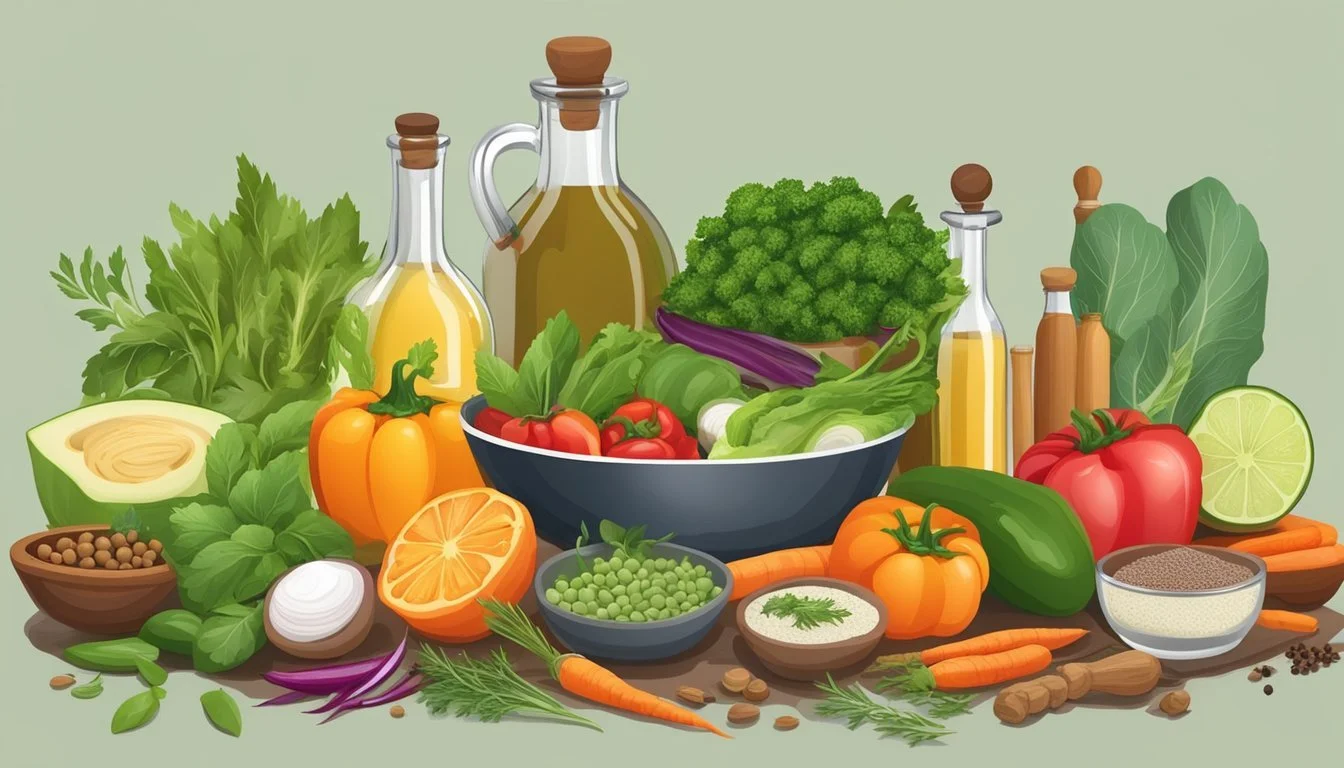
Integrating the ketogenic diet with Ayurvedic practices involves an understanding of the nutritional principles within each system and how they can be adapted to benefit an individual's health. Careful consideration of dosha types, inclusion of sattvic foods, and the implementation of fasting are crucial aspects of this integration.
Ayurvedic Foods to Include and Avoid
When adopting a ketogenic diet within an Ayurvedic framework, it's essential to consider the qualities of foods that support dosha balance. A focus on high-fat, low-carbohydrate foods that align with Ayurveda's sattvic principles is recommended.
Foods to Include:
Nuts: Almonds (preferentially soaked), walnuts
Seeds: Pumpkin seeds, flaxseeds
Fats: Ghee, coconut oil
Foods to Avoid:
High-carbohydrate fruits and vegetables
Processed foods and sugars
Legumes, as they can be high in carbohydrates
Tailoring Keto for Different Dosha Types
Each dosha has unique dietary needs that should be considered when integrating keto with Ayurveda:
Vata Dosha: Emphasizes warm and grounding foods like cooked vegetables, nuts, and seeds, and includes healthy fats such as ghee and olive oil to balance dryness and coldness.
Pitta Dosha: Focuses on cool and hydrating foods, and should prefer coconut oil and moderate-protein nuts and seeds to mitigate heat.
Kapha Dosha: Benefits from stimulating and astringent foods, with an emphasis on leafy greens and low-carbohydrate vegetables to counteract heaviness and sluggishness.
Role of Fasting and Sattvic Foods
Fasting is a supportive Ayurvedic practice that aligns well with the ketogenic diet to reset digestive fire (agni) and promote detoxification. Periods of fasting should be adapted to individual tolerance and constitutional type.
Sattvic foods, which are pure, clean, and harmonious, should be a cornerstone of an Ayurvedically-informed keto diet. They enhance clarity and balance in the mind and body without being overly stimulating. This includes fresh and easily digestible vegetables, nuts, and seeds that support ketosis while also fostering a sattvic state.
By understanding individual dosha requirements and incorporating sattvic principles, one can tailor the keto diet to align with Ayurvedic practices, potentially enhancing overall well-being.
Everyday Eating Habits

When integrating a ketogenic diet with Ayurvedic practices, one must carefully consider meal composition and the quality of food ingested daily. The right balance between the guidelines of a ketogenic diet and the holistic approach of Ayurveda is pivotal for nurturing wellbeing.
Planning Keto-Ayurvedic Meals
In planning Keto-Ayurvedic meals, one prioritizes a low-carbohydrate and high-fat diet consistent with ketogenic principles, while also considering the energetic qualities of food that Ayurveda emphasizes. The meals typically include:
Proteins: Grass-fed meat, wild-caught fish, and free-range eggs
Fats: Ghee, coconut oil, olive oil, and other healthy fats
Vegetables: Leafy greens and above-ground vegetables, favoring those that are seasonal and local
In Ayurveda, compatibility and balance are key. Individuals should adjust their diet according to their Dosha or body type. For example, Vata types might need more grounding foods, while Pitta types require cooling ingredients, and Kapha types should opt for lighter fare.
Organic and Whole Foods
In line with Ayurvedic principles, one chooses organic and whole foods to ensure the highest quality of nourishment and to avoid chemicals that can disrupt the body's natural processes. Considerations include:
Seasonality: Favoring fruits and vegetables that are in season assists in aligning the body with nature's rhythms.
Dairy: Opting for organic and raw dairy products when included, as they are less processed and more aligned with Ayurvedic practices.
Purity: Choosing foods that are free from additives, preservatives, and artificial flavorings supports both the ketogenic and Ayurvedic dietary framework.
Consuming organic and whole foods supports the body's health on a ketogenic diet, while at the same time, adhering to Ayurvedic values of purity and natural living.
Health Impact and Long-term Sustainability

The ketogenic diet and Ayurvedic principles both offer perspectives on health and diet, each emphasizing the significance of dietary choices on long-term well-being and disease management.
Weight Management and Obesity
Weight Loss: The ketogenic diet is often sought for its rapid weight-loss capabilities due to its high-fat, low-carbohydrate regimen, which shifts the body into a state of ketosis. This state facilitates weight loss by burning fat for energy.
Obesity: Studies have demonstrated the efficacy of ketogenic diets in reducing weight in obese individuals. However, questions remain about the viability of maintaining such a restrictive diet over time and the potential for weight regain upon returning to a standard diet.
Preventing and Managing Diseases
Diabetes: A ketogenic diet can improve insulin sensitivity and help manage blood sugar levels, making it a potential dietary approach for individuals with type 2 diabetes.
Heart Disease and Inflammation: Some research suggests ketogenic diets may lower risk factors for heart disease, such as high blood pressure. However, its long-term impact on heart health is debated due to the high intake of fats.
Neurological Disorders: There is evidence supporting the neuroprotective benefits of a ketogenic diet, which may help in conditions like Alzheimer's and Parkinson's disease by reducing inflammation and oxidative stress.
Ethical and Environmental Considerations
Ethical Choices: Individuals who align their eating habits with ethical and environmental considerations might find challenges with typical ketogenic diets, which often rely on high animal fat and protein intake.
Vegetarian and Vegan Adaptations: Adaptable versions of the ketogenic diet can cater to those following vegetarian or vegan lifestyles, balancing ethical considerations while attempting to reap the diet's health benefits.
This section reflects that both the ketogenic diet and Ayurveda offer insights into managing health through diet, with a focus on the interplay of weight management, disease prevention, and ethical considerations.
Challenges and Adjustments

In integrating Ayurveda with the ketogenic diet, one encounters unique challenges that require thoughtful adjustments. These challenges can relate to the body's health concerns under a new diet and finding a balance in macronutrient intake to comply with Ayurvedic principles.
Dealing with Common Health Concerns
When adopting a ketogenic diet, individuals may face gastrointestinal disturbances such as constipation or dehydration due to reduced carbohydrate intake and a lack of fiber. Ayurvedically speaking, this can aggravate Vata dosha, leading to dryness and irregular digestion. To mitigate these effects, one should:
Incorporate Vata-pacifying foods that are high in fiber yet low in carbohydrates, e.g., leafy greens and cruciferous vegetables.
Stay well-hydrated, aiming to consume at least 8 glasses of water daily.
Keto-related dehydration and constipation can also be addressed by including hydrating foods with a higher water content and making sure to maintain electrolyte balance through foods or supplements that provide sodium, potassium, and magnesium.
Adjusting Macronutrients for Balance
The ketogenic diet involves high fat intake and low carbohydrate consumption, which should be carefully adjusted within an Ayurvedic framework. Balancing fats and proteins should reflect an individual's doshic constitution and current health status.
Fats: One should opt for good quality fats that are aligned with Ayurvedic guidelines. Examples are ghee for internal lubrication and olive oil for nourishing tissues without overwhelming the digestive fire (agni).
Proteins: The quality and quantity of protein must be curated based on one’s dosha and the digestive capability. Moderate amounts of plant-based proteins can be suitable for those with a higher Pitta, whereas Kapha types may benefit from lighter proteins like legumes.
An individual should also ensure that macronutrient sources are organic and free from chemicals and additives, as purity of food is a core Ayurvedic tenet.
Supplements and Additional Nutrients
When integrating the ketogenic diet with Ayurvedic principles, it is essential to consider the role of supplements and additional nutrients. These can ensure that one's nutritional needs are met, particularly those which may not be sufficiently provided by the diet alone.
Vitamins and Minerals
The ketogenic diet, being restrictive in carbohydrates, can sometimes lead to deficiencies in certain vitamins and minerals. Individuals should focus on incorporating supplements that include:
Magnesium: Critical for energy production and muscle function.
Potassium: Helps in regulating fluid balance and blood pressure, found in leafy greens, nuts, and avocados.
Sodium: Those on a ketogenic diet may require additional sodium. Bone broth or quality sea salt can be good sources.
Calcium: While dairy is a component of the keto diet, other sources include green leafy vegetables.
It's also pertinent to ensure adequate B vitamins, especially B7 (biotin), which assists in metabolizing fats and proteins.
Herbal Supplements in Ayurveda
Ayurveda recommends a variety of herbal supplements that align with ketogenic principles, focusing on supporting digestion and overall well-being:
Ashwagandha: Known to enhance energy levels and combat stress.
Triphala: A blend of three fruits supporting digestion and nutrient absorption.
One should consider high-quality fat sources, such as Ghee, for their content of fat-soluble vitamins A, D, E, and K, as well as their alignment with both keto and Ayurvedic practices.
Lifestyle Factors Influencing Diet Outcomes

The ketogenic diet, when integrated with Ayurvedic principles, achieves its full potential when aspects such as sleep and stress management, along with exercise, are optimized. These elements play crucial roles in determining the effectiveness of the diet on an individual's health and well-being.
Importance of Sleep and Stress Management
Adequate sleep is instrumental in regulating the body's metabolic processes, which can be critically important when adapting to the high-fat, low-carbohydrate ketogenic regimen. Proper sleep patterns enhance metabolism and support efficient energy use, key to the success of the ketogenic diet.
In parallel, effective stress management is essential as stress can disrupt digestive functions and impede the metabolic shift needed for the ketogenic diet to succeed. Techniques such as mindfulness, yoga, and meditation, often advocated in Ayurveda, can assist in managing stress levels, thereby indirectly contributing to the diet's outcomes.
Exercise and Physical Activity
Exercise is another pillar supporting the ketogenic diet, with its influence on enhancing metabolic flexibility -- the body's ability to switch between different sources of energy. Regular physical activity, as recommended in Ayurveda, boosts the metabolism and helps in utilizing ketones efficiently as a fuel source.
The type and intensity of exercise should be tailored to the individual's constitution, taking into account their unique balance of doshas, or life energies, as per Ayurvedic tradition. Engaging in consistent physical activity not only complements the ketogenic process but also aids in maintaining overall health and vitality.
Conclusion

In balancing the principles of Ayurveda with the ketogenic diet, one finds an approach to nutrition that emphasizes individualized wellness and health optimization. Ayurveda advocates for a tailored diet based on an individual's constitution (Prakriti), while the ketogenic diet focuses on a high-fat, low-carbohydrate regimen to induce ketosis and promote fat metabolism.
Sustainable Diet: A harmonious integration requires thoughtful consideration for long-term sustainability. A diet that marries Ayurvedic principles with ketogenic elements should be adaptable, ensuring it is practical for daily adherence and beneficial in maintaining overall health.
Health Optimization: The potential neuroprotective and anti-inflammatory benefits of a ketogenic diet may align with Ayurvedic goals of balance and purity in the body. This conjunction seeks to boost cognitive function, memory, and energy levels.
Individualized Nutrition: Central to the fusion of these dietary systems is the personalized approach to nutrition. The recognition of unique dietary needs respects Ayurvedic wisdom while utilizing ketogenic methods to tailor nutritional plans that support individual health objectives.
Transitioning to a keto-Ayurvedic hybrid diet should be done under professional guidance to align with one's health conditions and goals. It is paramount that individuals listen to their bodies and adjust dietary practices for optimal wellbeing, steering clear of any one-size-fits-all solution.