German Texan Food and Culture Tours
Exploring Culinary Heritage
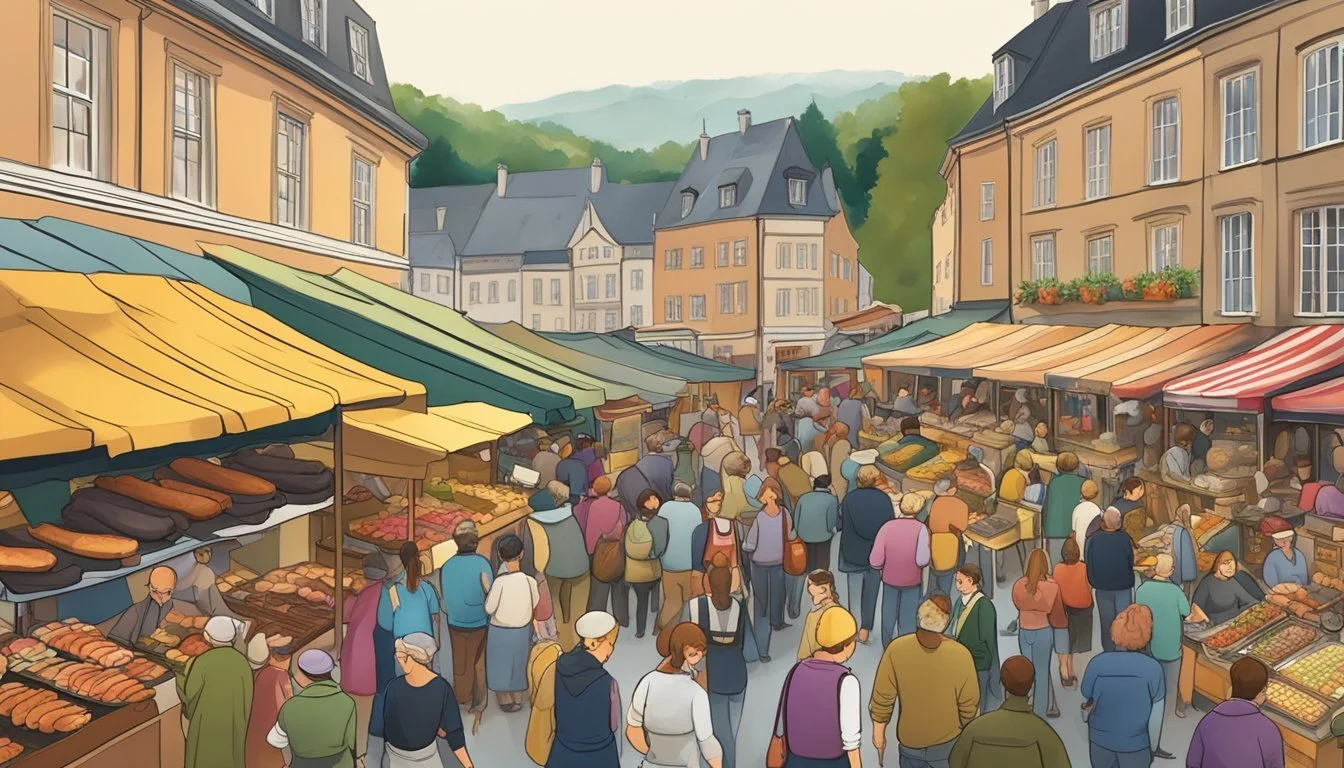
The fusion of German and Texan influences has fostered a unique cultural landscape in the heart of Texas. German immigrants began settling in Texas during the mid-19th century, profoundly shaping the cultural identity of regions such as the Texas Hill Country. Today, German Texan communities celebrate their heritage through food, a cornerstone of their legacy, and through spirited festivals that uphold time-honored traditions.
Texas boasts a myriad of cultural tours that invite visitors to explore the rich German heritage embedded within the state's larger tapestry. These tours provide a sensory exploration of German Texan culture, showcasing the intricate blend of cuisines and traditions that have been preserved and adapted over generations. From hearty sausages and baked goods to festive beer gardens, the gastronomic offerings reflect a commitment to culinary authenticity and a celebration of communal heritage.
The influence of German culture on Texan communities has carried forward into modern times, maintaining its vibrancy through annual festivals, architectural landmarks, and daily life. A legacy of German settlers, such as those who founded towns like Fredericksburg and New Braunfels, is evident in the region's physical landscape and in the cultural identity that locals embrace with pride. Visitors on these cultural tours not only get a taste of German Texan cuisine but also gain an appreciation for the enduring connection between past and present within these storied communities.
Historical Overview of German Influence in Texas
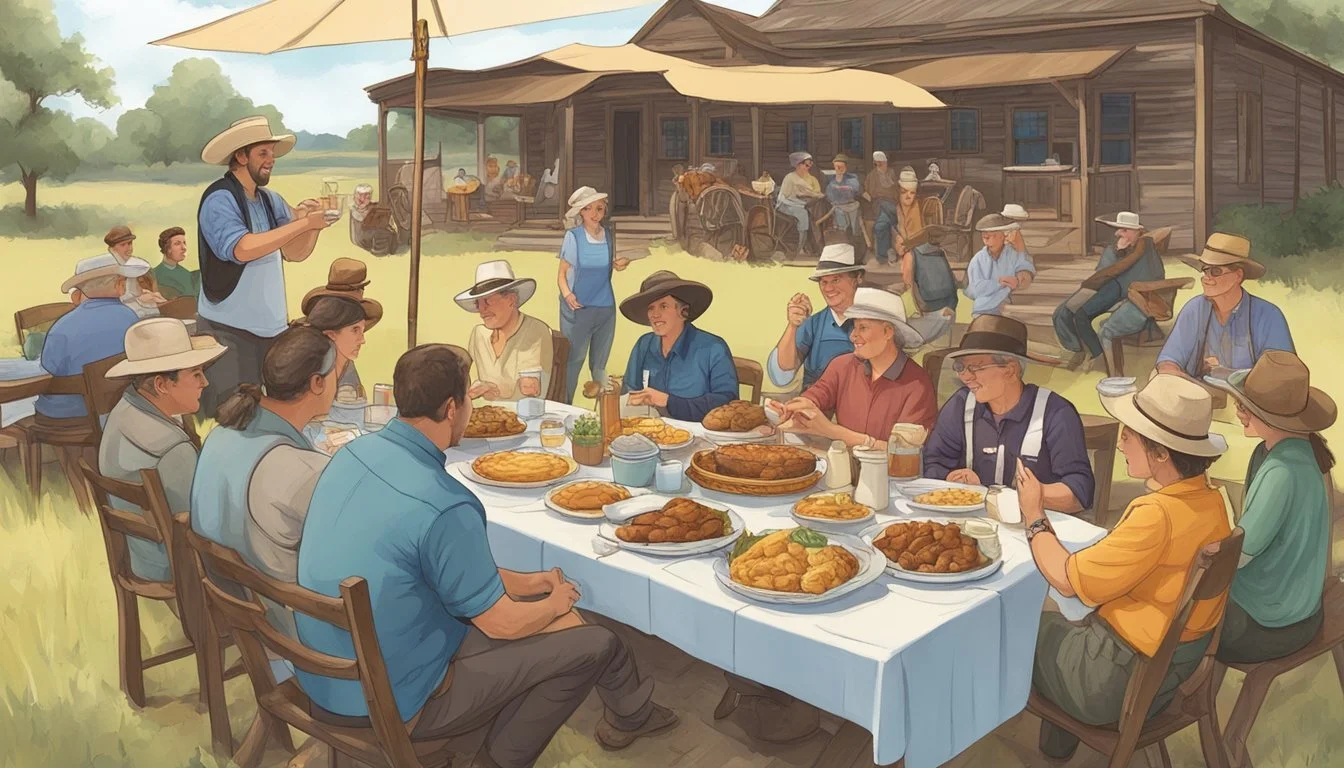
The arrival of German immigrants in Texas marked a substantial influence on the state’s development, shaping its towns, culture, architecture, and society from the 19th century onward.
History of German Immigration
German migration to Texas began in earnest in the 1830s, with a significant wave occurring in the early 19th century. These migrants sought economic opportunities and the promise of land in the United States. Many settled in the Texas Hill Country, contributing to the state's agriculture and industry.
Key Figures: Prince Carl of Solms-Braunfels and John O. Meusebach
Prince Carl of Solms-Braunfels, a key figure, led German settlers to found New Braunfels in 1845, establishing a cornerstone of German Texan heritage. John O. Meusebach, succeeding Prince Carl, negotiated a peace treaty with the Comanche tribe, permitting safe settlement in Central Texas.
Adelsverein and the Fisher-Miller Land Grant
The Adelsverein, also known as the Society for the Protection of German Immigrants in Texas, orchestrated a significant portion of the immigration, aiming to establish a new Germany within Texas. The Fisher-Miller Land Grant allowed the society to settle thousands of Germans across a large swath of Central Texas.
Settlement Patterns and the Development of German Towns in Texas
German settlers left a lasting legacy, establishing towns such as Fredericksburg and New Braunfels with distinct German architectural styles. These towns retained German customs and educational practices, significantly influencing the culture and development of the Texas Hill Country.
Cultural Heritage and Traditions
German-Texan heritage has deeply influenced local traditions and cultural festivities. This section delves into the unique blend of cultures, from time-honored celebrations to the preservation and expression of German identity throughout Texas.

Prominent German-Texan Traditions
German-Texan traditions are embedded in everyday life, impacting food, family customs, and community interactions. Sunday dinners often feature German dishes such as sauerbraten or schnitzel, reflecting a continuation of culinary heritage. Handcrafting, like woodworking and quilting, persists as a cherished pastime, uniting communities with a sense of shared craftsmanship.
Celebrations and Festivals: Oktoberfest to Wurstfest
Texas hosts an array of festivals celebrating German culture, the most notable being Oktoberfest and Wurstfest. Oktoberfest, a jovial event with beer, lederhosen, and bratwurst, can be found in multiple Texan cities, incorporating local flair. Wurstfest, particularly in New Braunfels, attracts over 100,000 guests annually, honoring German traditions with a 10-day salute to sausages, beer, and communal merrymaking.
Music and Dance: From Polka to Waltz
Music and dance are central to German-Texan heritage, with polka and waltz being integral to community festivities. Music ensembles often feature the accordion, with bands performing at social gatherings and festivals. Dance groups keep folk dancing alive, teaching steps and patterns that have crossed oceans and generations.
Language and Education: Preserving German Legacy
Efforts to maintain the German language highlight the commitment to cultural preservation. Bilingual education initiatives and language courses aim to sustain the German tongue for future generations. Academically, historical studies and cultural programs encourage exploration of German-Texan roots, reinforcing the importance of this heritage in Texas's tapestry.
Religious Influence and Church Architecture
Religion played a significant role in shaping the German-Texan community, with churches often being the nucleus of early settlements. Architecture reflects this influence, with many churches boasting features reminiscent of old-world German craftsmanship, such as intricate woodwork and stonework. These structures are both places of worship and monuments to the enduring German spirit in Texas.
Culinary Influence and Specialties
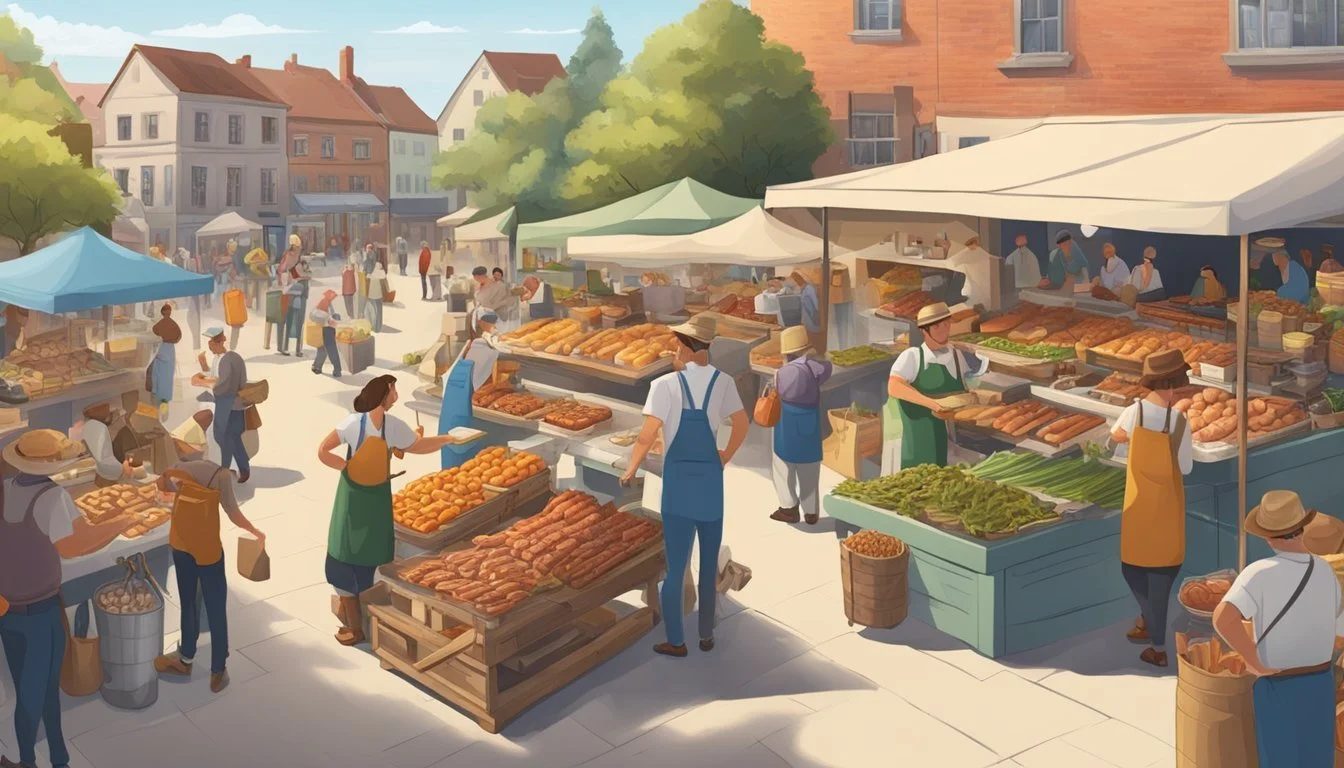
Exploring the culinary roads of German-Texan cuisine reveals a unique blend of flavors and cooking methods that profoundly reflect the migrant influence. This section will journey through the distinctive dishes and techniques marking the German-Texan food scene, and visit the storied wineries and breweries that have grown with the culture.
German-Texan Cuisine
German settlers brought with them a rich culinary heritage which, when combined with local Texan ingredients and traditions, birthed a unique cuisine. German-Texan food incorporates traditional German dishes, often adapted to utilize Texan produce. Sausages, like bratwurst, and sauerkraut are staple items, with pretzels and spaetzle reflecting the cross-cultural kitchen.
Iconic Dishes and Ingredients
Pork plays a central role in German-Texan cuisine, appearing in various forms from smoked sausages to succulent roasts. Pretzels, paired with bold mustards or creamy cheeses, and spaetzle, a German noodle delicacy, are indicative of the merge between German and Texan fare. Ingredients like chili peppers and pecans often find their way into dishes, enhancing the traditional flavors with local twists.
Sausage Varieties: Bratwurst, Knockwurst, Wiener
Pastries: Strudels, Kuchen (cakes)
Bread: Rye, Pumpernickel, Pretzels
Condiments: Mustard varietals, Apple butter
Food Preparation Techniques
German-Texan food preparation relies on time-honored techniques such as smoking and slow-cooking, which have been adapted from both German and Texan methodologies. Smoking, prevalent in Texas BBQ, is also found in the preparation of bratwurst and other meats, adding depth to the traditional German flavors. Slow-cooked pork roast continues as a beloved method, resulting in tender, flavorful entrees that are both comforting and satisfying.
Wineries and Breweries in German Texan Culture
The German influence extends to the realms of drink with a deep appreciation for finely crafted beer and wine. Texan breweries often nod to German styles with lagers, pilsners, and weissbiers. Furthermore, the state's wineries demonstrate German precision in viticulture and wine-making, offering Riesling and Gewürztraminer which reflect both German heritage and Texan terroir.
Breweries: Craft beer producers with German-style beers
Wineries: Vineyards specializing in German grape varietals
Popular Drinks:
Beers: Bock, Helles, Dunkel
Wines: Riesling, Gewürztraminer
Contemporary Scene and Tourism
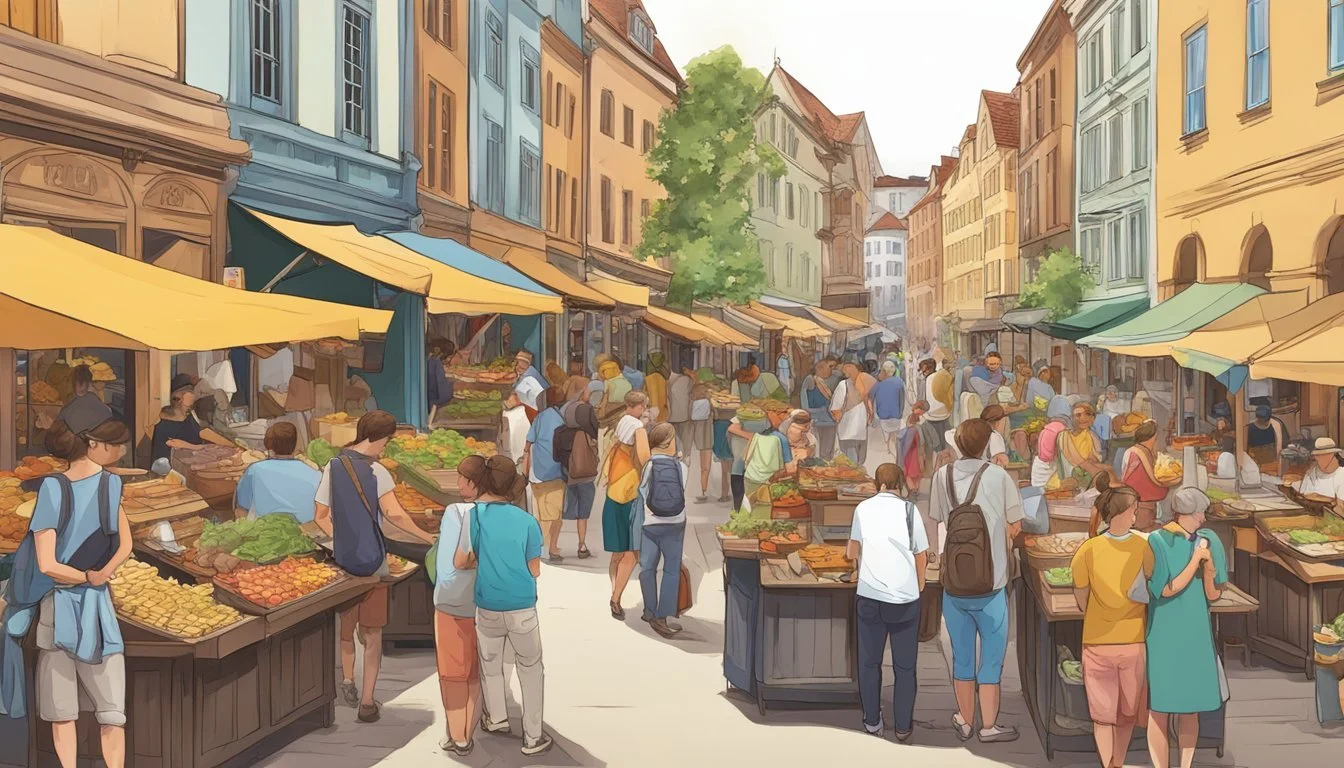
Texas Hill Country continues to celebrate its German heritage through a blend of historical preservation and modern-day festivities. Visitors can explore a rich tapestry of culture in German-Texan towns, engage in culinary experiences, visit historical sites, and attend vibrant festivals that uphold tradition and communal spirit.
German-Texan Communities Today
German-Texan communities like Fredericksburg and New Braunfels strive to maintain their cultural identity through architecture and local celebrations. Fredericksburg, for instance, showcases Fachwerk-style buildings, a testament to its German roots. The German-Texan Heritage Society operates in Austin, fostering cultural exchange and education through language classes and public access to Texan-German history.
Cultural and Food Tours in Texas Hill Country
Culinary day trips across Texas Hill Country offer an array of authentic German-Texan experiences. Tours typically feature traditional German cuisine (What Wine Pairs Perfectly With German Cuisine) such as frankfurters and local specialties like Texan smoked sausage. Visitors can experience German culture through food and drink, with opportunities to explore the area's ingrained German heritage.
Historical Landmarks and Museums
Texas Hill Country is home to numerous historical landmarks that highlight German influence. The Sauer-Beckmann Farm, located at the Lyndon B. Johnson State Park, operates as a living history farm recreating German farmer life in the early 1900s. Museums like the Pioneer Museum in Fredericksburg preserve the stories and artifacts of early settlers, providing insights into the lives that shaped the area's history.
Festivals and Events Today
Annual celebrations, such as Wurstfest in New Braunfels, pay homage to German culture with food, music, and dance. Smaller towns hold local events like Maifest, celebrating spring with traditional music and fare. These festivals cement the region's heritage and offer a lively representation of how historical customs merge with modern festivities.
Socio-economic Contributions
German settlers in Texas profoundly influenced the region's socio-economic landscape. They established agricultural practices, contributed to industry and labor, shaped political spheres, and nurtured educational and genealogical pursuits, leaving a lasting legacy.
German Impact on Texas Agriculture and Industry
German immigrants brought their extensive knowledge of farming and craftsmanship to Texas, leading to agricultural innovation and industrial growth. They introduced various crops and livestock management techniques. The community of New Braunfels, for instance, became a beacon of German industry, spearheading textile and milling operations that boosted the local economy. Their labor in these industries supported the burgeoning Texan market, enhancing trade and commerce.
Integration and Influence on Texan Politics and Society
The integration of Germans into Texan society had a significant effect on state politics. They championed the importance of community and public welfare, and many assumed vital roles within local government. The trades and expertise of German Texans, coupled with their societal contributions, paved the way for a community-centric political environment, emphasizing the common good and the value of diligent work.
Educational Programs and Genealogical Societies
Education was a cornerstone of German Texan heritage with the establishment of schools and the promotion of higher learning. Furthermore, these communities held their history in high esteem, founding genealogical societies to preserve their cultural identity. Such entities gave rise to a deeper understanding and appreciation of the contributions German immigrants made to Texan culture and propelled the continuation of these traditions through subsequent generations.
Preservation of Heritage
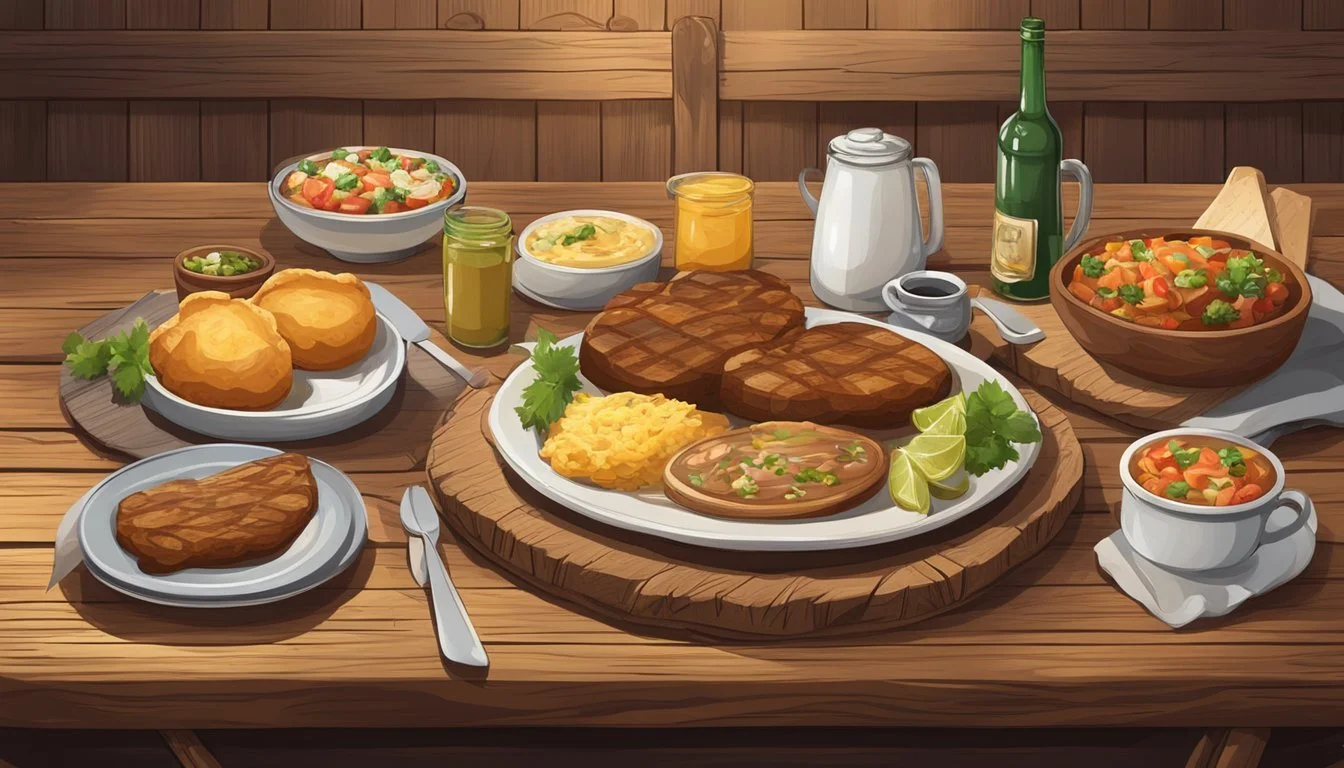
The meticulous preservation of German-Texan heritage is a testament to the enduring cultural impact and pride of the community. It encompasses the safeguarding of architecture, traditions, and German-Texan identity through festivals and dedicated programs.
Cultural Preservation Efforts
German-Texan heritage is celebrated and kept alive through various cultural preservation efforts. Key events include Maifest and Oktoberfest, which not only commemorate German traditions but also serve as a platform for expressing a unique blend of German-Texan culture. The architecture, too, stands as a prominent symbol of preservation, with towns maintaining the distinctive half-timbered buildings and Fachwerk houses that echo the German legacy.
German-Texan Heritage Society and Other Organizations
The German-Texan Heritage Society operates as a cornerstone in preserving the rich history of German-Texans. Positioned in a historical building—the first Texas Chartered School in Austin—this nonprofit organization hosts language classes and cultural celebrations. The society, alongside community-driven programs, promotes the understanding of the German-Texan story and its contributions to Texas’s cultural mosaic.
Impact of Preservation on Local and National Identity
Preservation efforts by German-Texans have a significant impact on both local and national levels. These activities not only reaffirm the community’s sense of identity but also contribute to a broader understanding of the American cultural landscape. By maintaining the German heritage through festivals and educational programs, a unique identity is fostered, which enriches the nation's diversity and the complexity of its history.
Influence Beyond Borders
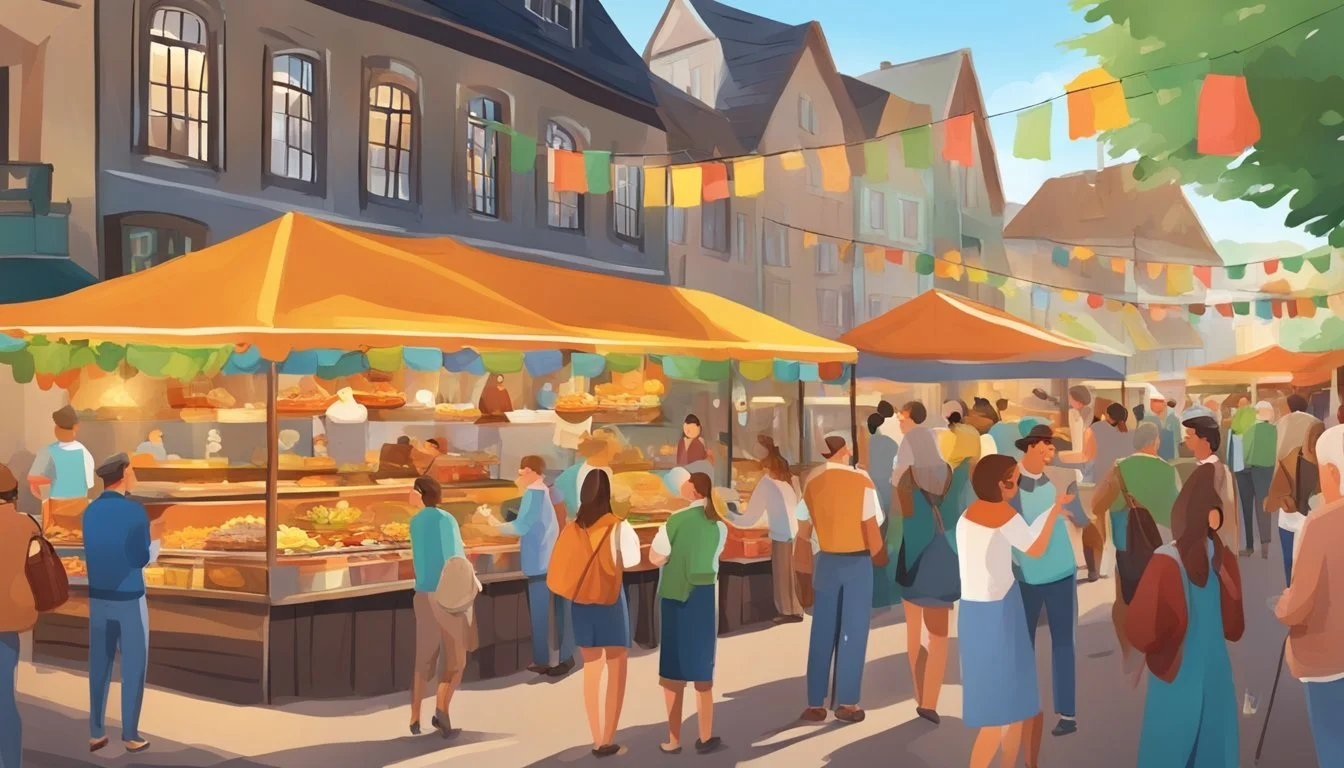
This section examines the permeating impact of German culture within Texas and its neighboring regions, alongside the intricate blend of Czech and Comanche influences shaping the local heritage and cuisine.
German Influence in Neighboring Regions and Towns
German impact on the culture and culinary scene is readily apparent in several Texas towns. New Braunfels, a town founded by German settlers, hosts the celebrated Wurstfest, drawing over 100,000 visitors to revel in German food and traditions each November. Meanwhile, Fredericksburg is renowned for its authentic German architecture and has maintained its European heritage with a blend of specialty shops, bakeries, and wineries. Beyond these towns, German cultural fingerprints can be seen in dance halls and food in regions such as Austin and San Antonio.
Boerne: Known for its distinct German character, evident in its architecture and local cuisine.
Texas Hill Country: A region where German cuisine heavily influences the local fare, seen in the prevalence of sausage and sauerkraut.
Accordion music and traditional dances also contribute to the regions' festive ambiance, ensuring the legacy of German culture remains vibrant in modern-day Texas.
Czech and Comanche Cultural Interactions
The Czech influence in Texas, while perhaps less renowned, is no less significant. Czech settlers brought their rich traditions of pastry-making and community-focused events to Texas, complementing the German influence with their own unique contributions. Areas around Texas Hill Country bear evidence of this Czech heritage, especially through baked goods and the community spirit at local gatherings.
The Comanche Nation's historical presence in Texas adds another layer of cultural interaction. Although different from the European influences, their impact on the state is reflected in the mosaic of Texan identity today. It's seen in the sharing of territorial lands, the amalgamation of customs, and the blending of cooking methods and ingredients that have influenced Texan cuisine.