German Texan Food Photography and Styling
Capturing Culinary Fusion
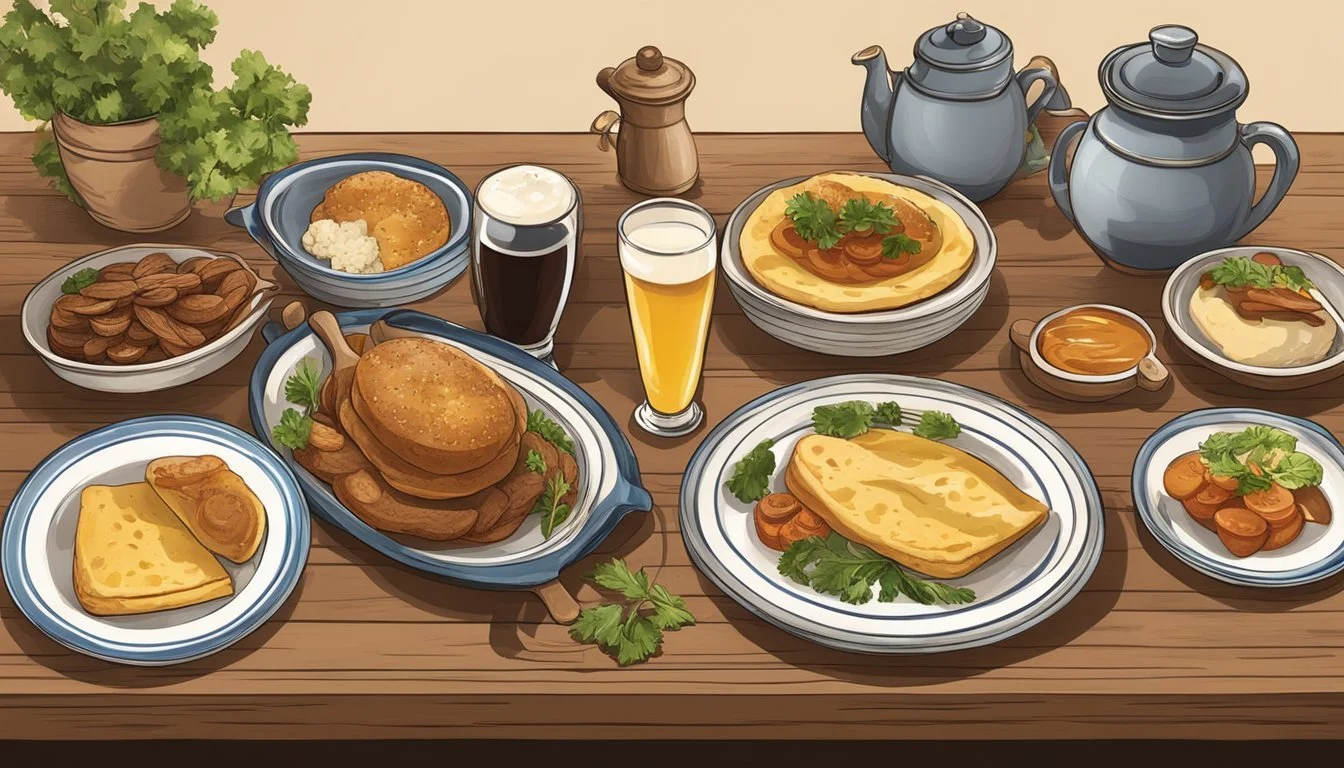
The fusion of German and Texan culinary traditions gives rise to a unique and flavorful blend underpinning German Texan cuisine. It traces back to the 19th century when German immigrants settled in Texas, bringing with them their cooking techniques and palate for heartier dishes. The incorporation of local Texan ingredients with traditional European methods birthed distinctive dishes, celebrated at annual festivals like the Wurstfest in New Braunfels, where the community indulges in authentic German-Texan flavors.
Food photography and styling play an essential role in presenting this cross-cultural culinary experience, as the visual aesthetic enhances the allure and tells the story of the cuisine's rich heritage. Stylists take great care to balance the rustic charm of Texan food with the homely allure of German cuisine (What Wine Pairs Perfectly With German Cuisine), ensuring that images captured not only tantalize the taste buds but also pay homage to the cultural fusion.
In capturing the essence of German Texan food, photographers and stylists work in tandem, considering factors like lighting, composition, and texture. The unique challenge lies in showcasing familiar dishes, such as smoked sausages and schnitzels, in new lights that emphasize their fusion roots. Through their lenses, the shared history and mutual influence between German and Texan culinary traditions are vividly brought to life.
Historical Context of German Texan Cuisine

This section carefully examines the journey and influence of German immigrants in shaping the culinary landscape of Texas, particularly focusing on the crossroads of tradition and adaptation within the Texan food scene.
German Immigration to Texas
German immigrants began arriving in Texas during the 19th century, with a significant number settling in Central Texas. Towns like Fredericksburg and New Braunfels were founded by these early pioneers, creating pockets of German heritage within the state. They brought with them a robust food culture that would intertwine with local ingredients and practices.
Culinary Influence of Early Settlers
The culinary imprint left by European settlers, notably Germans, manifested in various ways. They introduced methods of smoking and curing meats, which would eventually evolve into what is known today as Texas barbecue. Their penchant for smoked sausages became a staple feature in Texan cuisine, exhibiting a blend of European techniques and local flavors.
The Great Migration and Food Heritage
The large wave of migrants notably influenced Texas Hill Country, where the melding of cultural practices gave birth to unique food traditions. Celebrations like Oktoberfest in these regions honor the German influence, gathering people to enjoy food and beverages true to German roots while solidified in Texan culture. These events and the continuing practices of traditional recipes sustain the link between past and present in the state's diverse culinary heritage.
Main Ingredients and Dishes
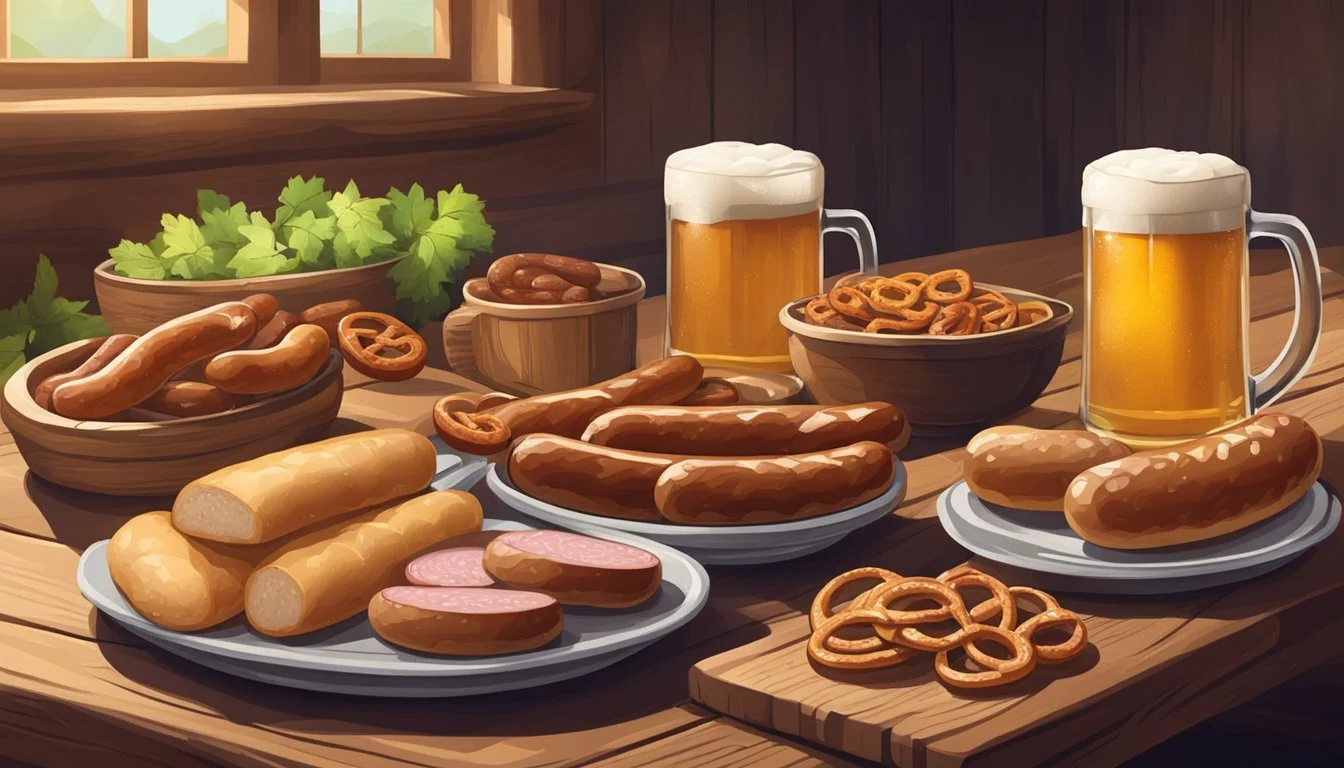
The fusion of German and Texan cuisines creates a distinctive dining experience, centering around robust flavors and hearty ingredients. In this exploration of culinary essentials, readers will learn about the foundational components and beloved dishes that define German Texan cuisine.
Popular Ingredients in German Texan Cuisine
Bold meats and pungent flavors characterize German Texan fare. Such ingredients are pivotal in the cuisine:
Meats: Sausages (bratwurst), beef, pork, and veal
Vegetables: Onions, sauerkraut (fermented cabbage), and potatoes
Spices: A varied selection including mustard seeds, with a focus on creating deep, rich tastes
These ingredients are cornerstones, often finding their way into the region's most iconic recipes.
Signature German Texan Recipes
In the realm of German Texan dishes, several stand out for their popularity and authenticity. They typically include:
Sausages and Meats:
Bratwurst: A traditional pork sausage seasoned with a blend of herbs and spices.
Schnitzel: Breaded and fried cutlets, commonly made from veal or pork.
Sides and Condiments:
Sauerkraut: Fermented cabbage that adds a tangy flavor to meats.
Potato Salad: A side dish often made with a vinegar or mustard dressing, contrasting with the creamy versions elsewhere.
This cuisine respects the simplicity of these ingredients while celebrating their robust flavors.
Food Preparation and Techniques
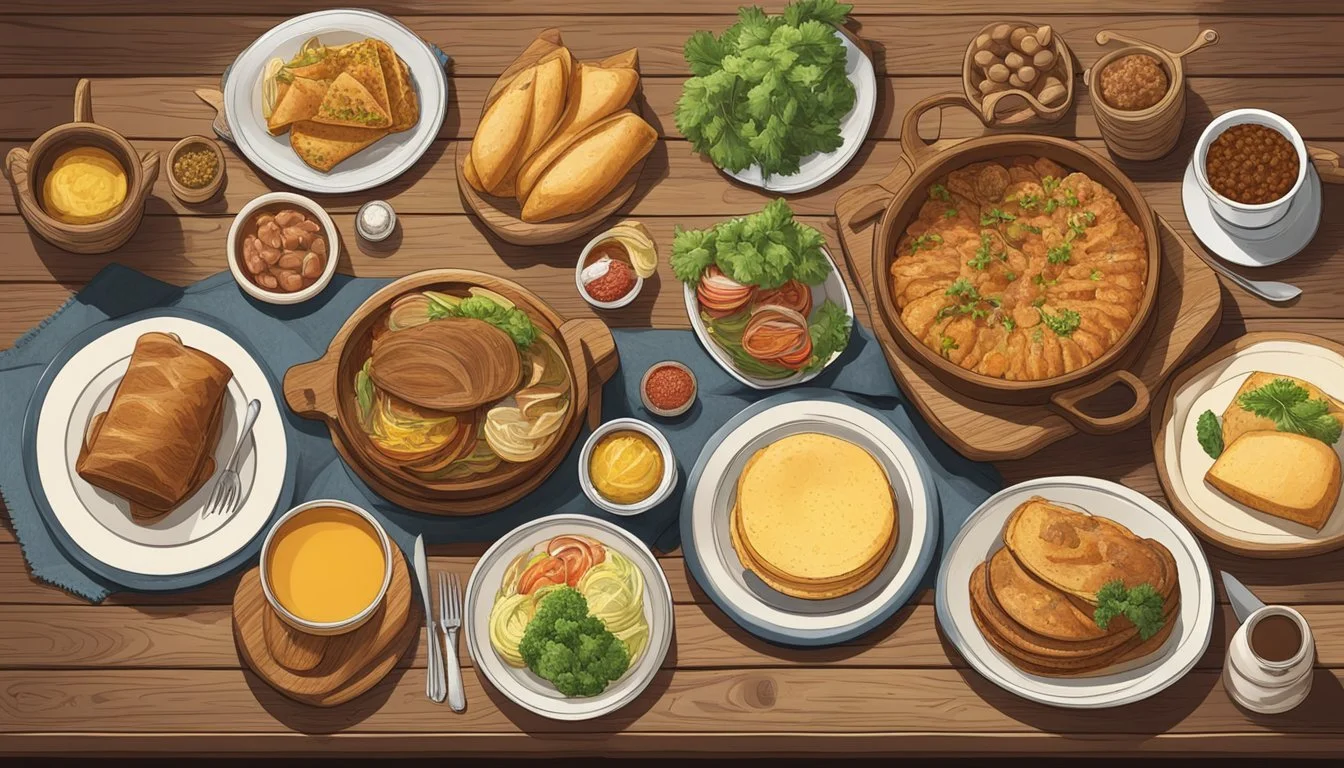
German Texan cuisine is a fusion of German culinary traditions with the hearty flavors of Texas, where smoking and grilling take center stage. The techniques applied not only preserve the food but also enhance its flavor.
Traditional Cooking Methods
German Texan food preparation relies heavily on wood and charcoal for cooking, particularly in methods like grilling and barbecuing. These methods impart a distinct smoky flavor to the dishes, which is a signature trait of the cuisine. Smoked meats (What wine goes well with smoked meats?) are a staple, with techniques passed down through generations.
Grilling: Meats are frequently cooked over an open flame, where the high heat sears the surface, locking in juices and creating a crusty exterior.
Barbecue: This slow-cooking method involves a lower temperature and a longer cooking time, allowing the flavor of the wood smoke to permeate the meat deeply.
Food Preservation and Flavoring
Preservation techniques in German Texan cuisine are closely intertwined with flavor enhancement. They often use a variety of seasonings, such as salt, paprika, and garlic, to both preserve and bring out the unique taste profiles in their food.
Salting: Kosher salt is commonly employed in curing meats, drawing out moisture to extend shelf life while also tenderizing and seasoning the meat.
Spice Blends: Paprika and garlic are incorporated to add depth and warmth to dishes, often complementing the natural flavors developed through smoking.
These techniques showcase a tradition-rich approach to food that stands at the heart of the German Texan culinary identity, where every step in the preparation process is thoughtfully crafted to contribute to the final, flavorful experience.
Food Photography and Styling Essentials
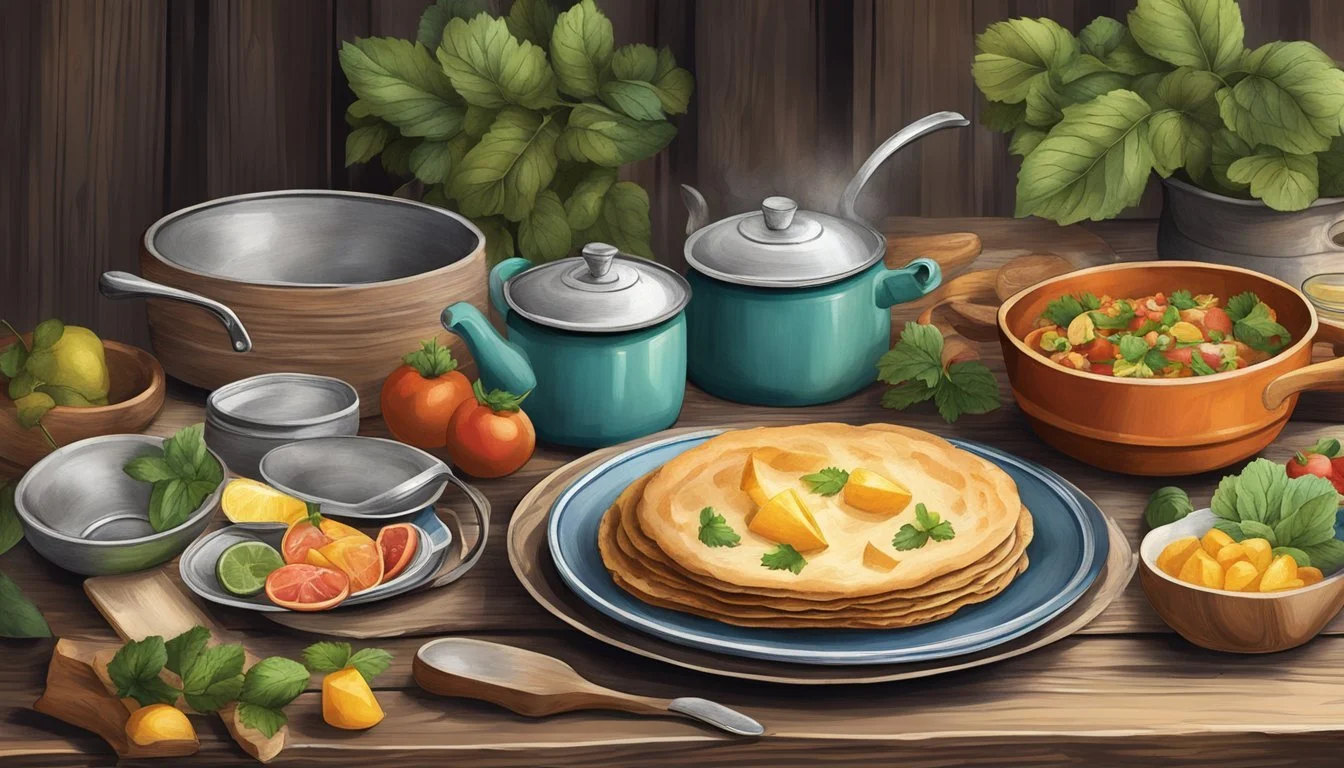
In crafting visually appealing images of German Texan cuisine, photographers must balance technical proficiency with creative food styling. The essentials of this craft revolve around a keen understanding of composition, lighting, and the thoughtful arrangement of food items.
Basics of Food Photography in Culinary Culture
Food photography transcends mere picture-taking to become an art that captures the essence of a culinary culture. Composition is crucial; it involves arranging elements within the frame to guide the viewer's eye to the focal point. Key considerations include balance and the use of lines and texture to add depth and interest. Expert food photographers leverage texture and color to bring dishes to life, with crisp linens or rustic backdrops complementing the rich, hearty features of German Texan fare.
In terms of lighting, diffused natural light tends to be the gold standard, as it evenly highlights the dishes' colors and details without creating harsh shadows. A food stylist often employs reflectors to bounce light, ensuring that each texture—from the crust of a schnitzel to the smoothness of sauces—is accentuated.
Advanced Food Styling for German Texan Dishes
Food styling for German Texan dishes requires a specialized touch that respects the traditions and unique flavors of the cuisine. A food stylist must consider balance in every aspect: the heft of meats against delicate herbs, the contrast of robust gravies against the gentle crumb of breaded coatings. They often experiment with different angles to showcase the dish's best features, possibly highlighting the interplay of smoked meats and vibrant sides.
Props also play a pivotal role. Simple, understated pottery or cutlery can frame the food without overshadowing it, allowing intricate details like grill marks or seasoning to stand out. Adding small elements such as flowers or regional spices can give a nod to the German Texan heritage, inviting viewers into the narrative behind the food.
In photographing these dishes, the stylist may employ a variety of focal lengths and angles to capture the meal's essence. A macro lens, for instance, brings the viewer up close to witness the textures that make the cuisine so inviting, while a wider lens can encompass the entire table setting, suggesting a communal dining experience emblematic of German Texan culture.
Modern German Texan Food Culture
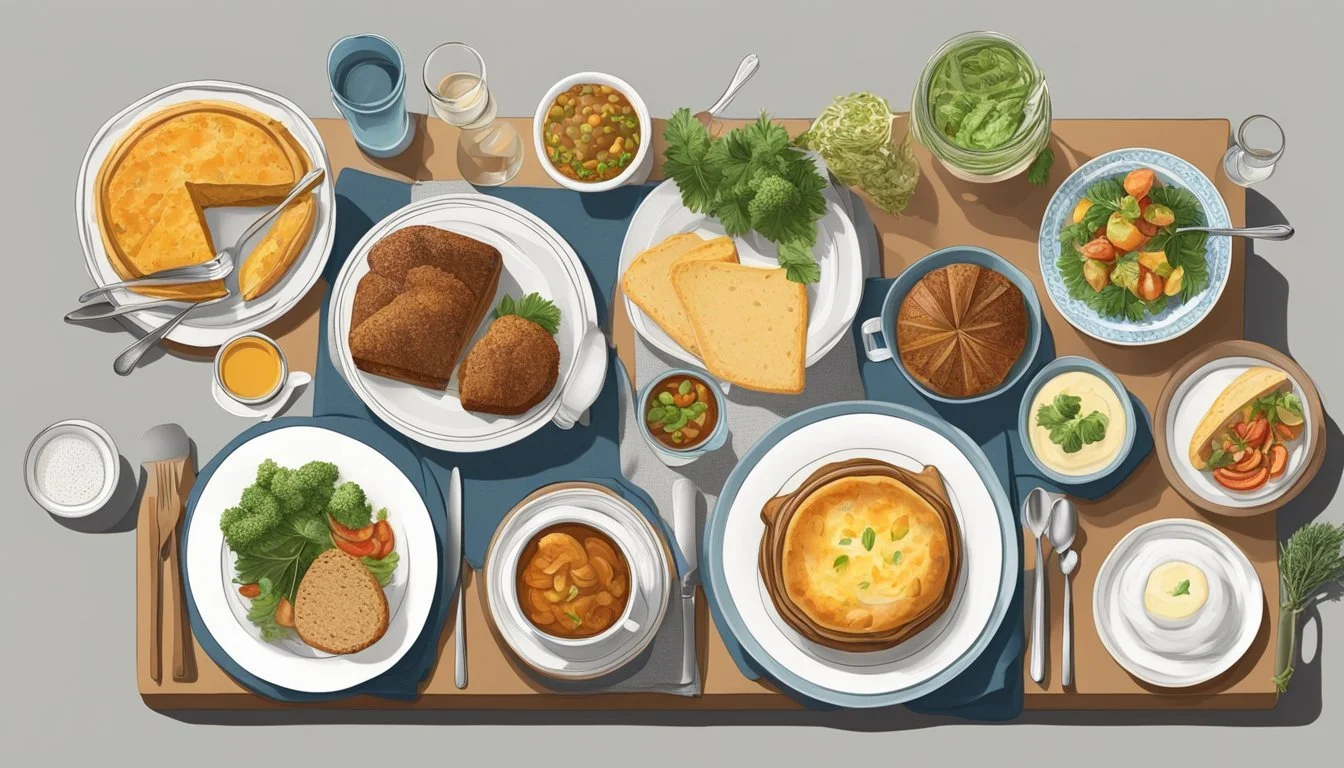
German Texan food culture represents a harmonious blend of traditional German cuisine and the robust flavors of Texas. This unique culinary heritage is visible in contemporary restaurants, celebrated through various food festivals, and influential in the wider scope of modern cuisine.
Contemporary Restaurants and Chefs
Restaurants across Texas, especially in areas rich in German heritage like Austin and the Hill Country, have reimagined authentic German meals with a Texan twist. Notable chefs have risen to prominence by respecting the roots of German cuisine while incorporating Texan ingredients. A prime example is Otto's Bistro in Fredericksburg, which serves classic dishes like schnitzel with a side of local, spicy sauces.
Austin: This city boasts chefs who skillfully fuse German culinary techniques with Texan flavors, creating unique dining experiences.
San Antonio: Here, German menus are crafted with regional ingredients, emphasizing the interplay between the two cultures.
Food Festivals and Celebrations
Throughout Texas, food festivals celebrate the cross-cultural culinary exchange. The most prominent of such events is the Wurstfest in New Braunfels, where over 100,000 visitors come together to enjoy traditional German fare, Texas-style sausages, and local craft beer.
November Festivals: A time when Texas beer and German traditions make a perfect pairing, bringing people together in a celebration of shared heritage and gastronomy.
Influence of German Texan Food on Modern Cuisine
The infusion of German techniques and Texan flavors has given rise to a unique addition to the Texas cuisine narrative. Smoked sausages, a staple in both cultures, have been particularly significant in this culinary melding.
Texas hot gut sausage: A meal indicative of the fusion that defines German Texan cuisine.
Cured meats: These showcase the adaptation of European smoking and curing traditions, perfected with Texan meats and spices.
In modern culinary scenes such as in Austin and the Hill Country, chefs continually draw inspiration from these traditional practices to create bold and innovative dishes that tell the story of two cultures united on a plate.
Artful Presentation of German Texan Dishes

The visual allure of German Texan cuisine is steeped in the traditional heartiness of German fare with the bold simplicity of Texan flavors. Mastering the artful presentation of these dishes requires attention to detail in both plating and the overall table setting.
Plating and Garnishing
German Texan dishes are typically robust and flavorful, offering the perfect canvas for artful plating. Arrangement is key; chefs often balance the plate by positioning the main element, such as schnitzel or sauerbraten, off-center and allow generous spaces between food elements to create visual appeal. When adding garnishes, the aim is to complement the dish’s flavors while also adding color. Sprigs of fresh herbs, such as thyme or parsley, not only add vibrancy but also hint at the herbal undertones of the traditional marinades.
Cutlery: Each dish is accompanied by the appropriate cutlery, with a keen eye for detail ensuring each piece is polished and placed with precision.
Napkins: Linen napkins may be artfully folded or rolled and often match the color scheme, enhancing the aesthetic while serving a practical purpose.
Table Setting and Food Serving
The table presents the backdrop for showcasing German Texan food photography and styling. A rustic theme with wooden tables or linen tablecloths reflects the authenticity of the culinary heritage. For props, elements such as a leather-bound cookbook or antique kitchenware are judiciously selected to evoke a sense of history and place.
Bowls and Plates: Earthenware or stoneware, chosen for their rustic charm, showcase hearty dishes like goulash or potato salad.
Paper Elements: Often, a piece of butcher paper beneath the dish adds a touch of rusticity and focuses the eye on the food.
By integrating these key elements, the photographer can capture and elevate the rich tapestry of German Texan cuisine through the lens, honoring both cultural legacies.
Cultural and Economic Impact
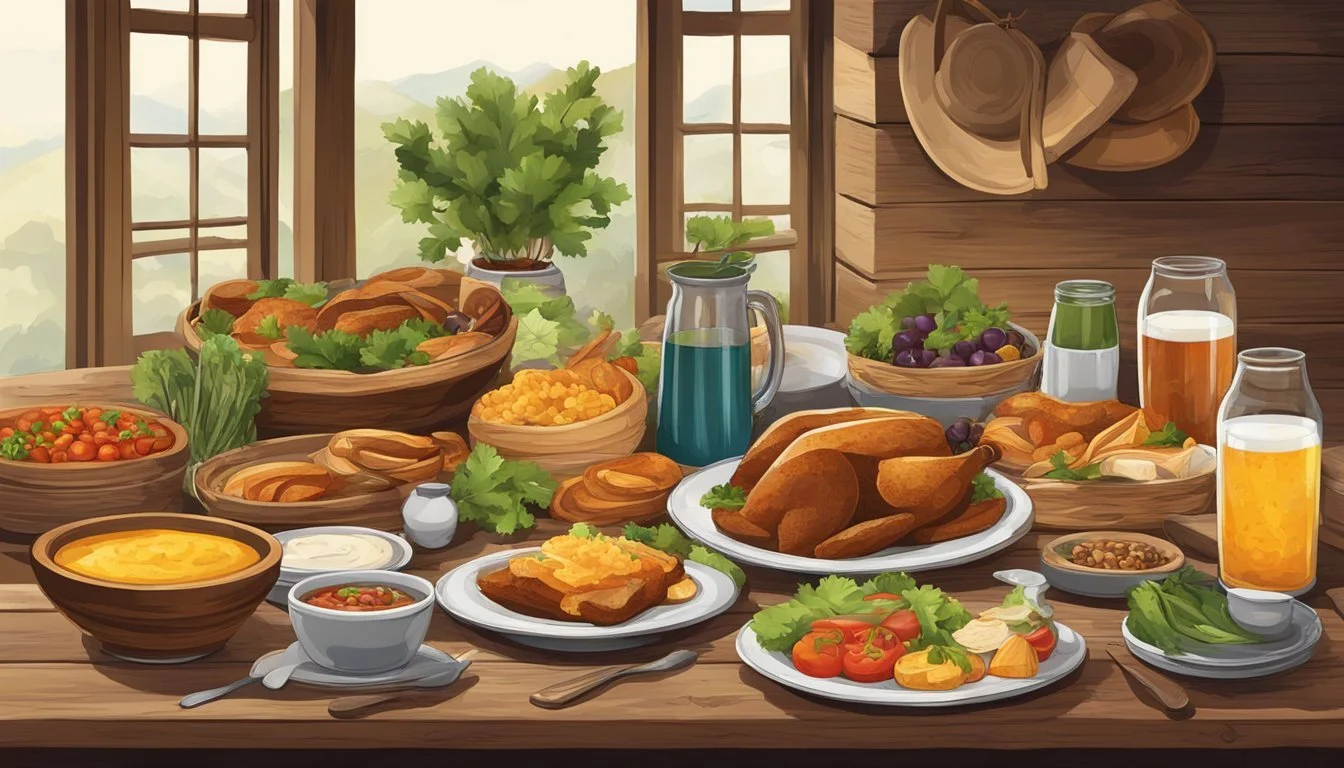
German-Texan food photography and styling reveal the profound cultural and economic influences that German immigrants have had on Texas. These impacts are especially visible in local economies and the melding of culinary traditions.
Contributions to Local Economies
German-Texan cuisine has had a marked impact on local economies through business creation. Restaurants and food businesses established by German-Texan families have become staples within communities, driving economic activity. Fredericksburg and Boerne are examples of towns where German culinary establishments play a significant role in the economy, attracting visitors with their authentic recipes and traditions.
Breweries: A surge in craft beer breweries upholds German beer-making customs, contributing to local and state economies.
Festivals: Events such as Wurstfest in New Braunfels celebrate German food, drawing over 100,000 visitors.
Restaurants: Numerous restaurants specializing in German cuisine serve dishes like schnitzel and bratwurst, adding diversity to Texas' food scene.
Cultural Integration and Food Exchanges
German immigrants have contributed substantially to the cultural tapestry of Texas, integrating their food traditions and recipes with local ingredients and influences.
Culinary Traditions: Breakfast, lunch, and supper menus now often include items like sausages with cream gravy, highlighting the German-Texan fusion.
Czech Influence: The Texas hot gut sausage is one example of a Czech-inspired German food that has become synonymous with Texas cuisine.
Cultural Heritage: Cities like New Braunfels maintain their German heritage with adherence to culinary traditions, enriching the cultural experience for residents and visitors alike.
Through careful preservation and adaptability, German immigrants created a rich culinary landscape in Texas. Their influence is not only a testament to their resilience and ingenuity but also an integral component of the state's economic vitality and cultural diversity.
Home Cooking and Recipe Development
The transition from traditional German Texan fare to modern adaptations reflects the vibrant culinary narrative within home kitchens. This section delves into how time-honored recipes have been curated for contemporary tastes and their documentation through cookbooks.
From Traditional to Modern Home Recipes
German Texan cuisine has evolved from its traditional roots to accommodate modern palates. The journey begins with water and basic ingredients, forming the backbone of any meal preparation. From the time when German immigrants settled in Texas, bringing their heritage recipes, modern home cooks have been adapting these staples, giving them a new lease of life. For instance, breakfast recipes that once heavily featured sausages have transitioned into lighter, yet fulfilling meals to start the day, with an emphasis on balancing flavors and nutrition.
At lunch, the hallmark of German Texan cuisine, smoked sausages have been modified to suit a wider range of dietary preferences, often incorporating locally sourced produce. The interplay of natural light and how it falls on meals has become an essential aspect of food photography, stressing the importance of presenting these dishes in their most appetizing form.
German Texan Food in Home Cooking Books
Cookbooks dedicated to German Texan cuisine have become the cornerstone for preserving and sharing the culinary heritage. They embody not only recipes but also the architecture of meals, showcasing how dishes are structured from appetizers to desserts. With a confident tone, these cookbooks provide clear, step-by-step instructions that are accessible to home cooks of any skill level.
They exhibit the robustness of German Texan cuisine through vivid photography, elevating the humble home-cooked meal to an art form. Cookbooks serve as a repository of knowledge, providing both historical context and practical guidance on how to recreate time-honored dishes with a modern touch. They act as a testament to the evolution of German Texan culinary arts, capturing the essence of meal preparation from the confines of home kitchens to the broader culinary world.
Concluding Thoughts
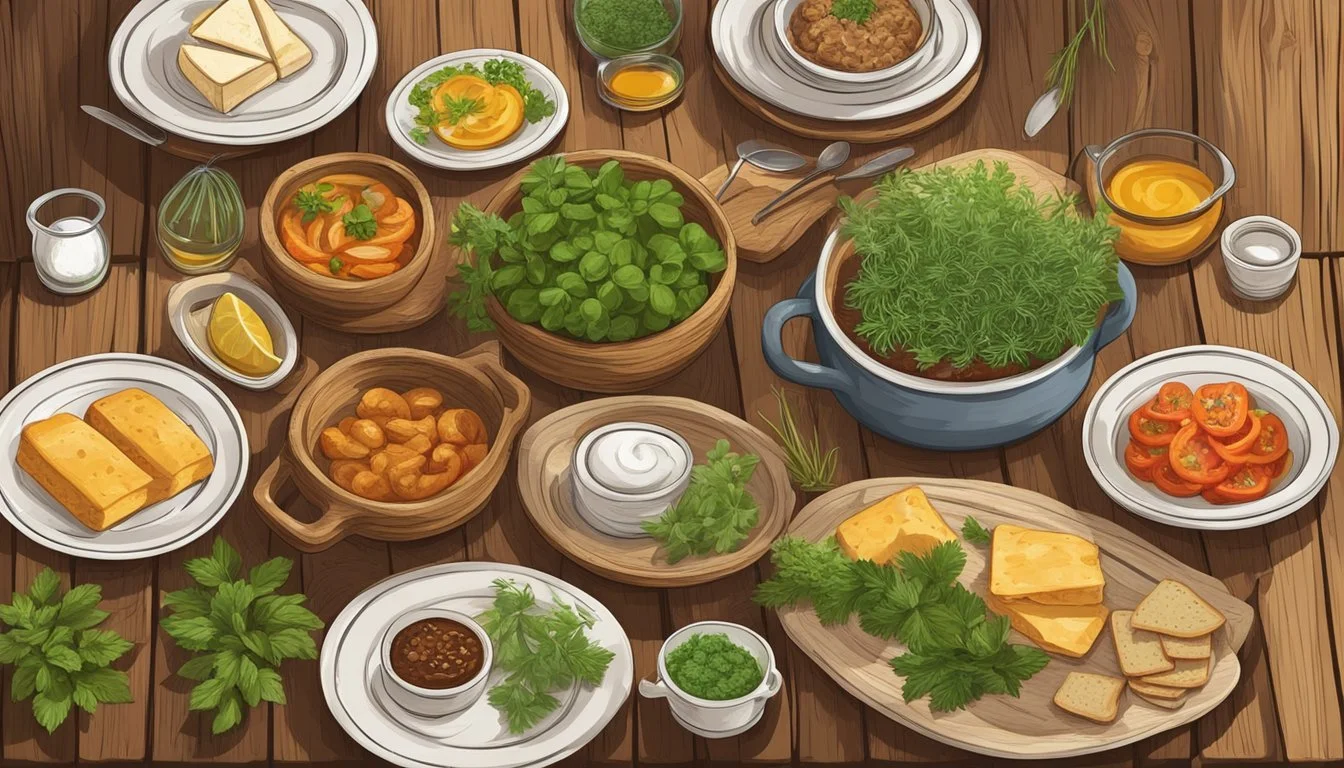
Photographing German Texan cuisine is to capture a narrative steeped in tradition and marked by a fusion of cultures. The visual storytelling entwined in every image highlights Texas's rich culinary heritage influenced by German settlers. When one styles and photographs dishes like schnitzel or bratwurst, they are not just taking pictures of food, but they are preserving a piece of history that Germans have contributed to Texan culture.
Key Elements Description Themes Robust, comforting, communal Colors Warm browns, deep reds, golden hues Textures Crisp breading, crunchy cabbage, smooth mustards
The lens through which these dishes are seen can transform simple ingredients into an evocative experience, conveying the essence of German Texan food. Professional food photographers understand the importance of back-lighting and side-lighting to accentuate the appealing gloss of a sausage or the steam rising off a fresh pretzel.
It is important for photographers to consider the stylistic choices that reflect the honest simplicity and hearty nature of the cuisine. Props like rustic cutlery or earthenware bring out the authenticity of the meal, enhancing the appeal.
They aim not for exaggeration but for a testament to the blend that is German Texan cuisine - a journey through taste and time. Whether it's a modern twist on a classic like potato salad or a beautifully arranged charcuterie board, the story told is one of cultural harmony and enduring legacy.