
5 Meal Prep Recipes Using Coconut Sugar
Healthy and Sweet Alternatives
Coconut sugar is gaining popularity as a natural sweetener among health-conscious individuals. In meal prepping, where convenience meets nutrition, using coconut sugar offers a healthier alternative to refined sugars. It complements a variety of dishes, imparting a subtle caramel-like sweetness without compromising taste. The versatility of coconut sugar allows it to easily integrate into a wide range of recipes, making it an excellent ingredient for those looking to maintain a balanced diet while enjoying their favorite flavors.
Integrating coconut sugar into meal prep recipes not only adds a nutritional edge but also simplifies the pursuit of a healthy lifestyle. The ease of preparing meals ahead of time aligns with the busy schedules of many individuals aiming to make wholesome choices. This ensures that they have access to nourishing meals throughout the week without the hassle of daily cooking. Coconut sugar's low glycemic index makes it a suitable option for those monitoring their sugar intake, and when used in meal prep, it helps create dishes that are as satisfying as they are healthful.
With an emphasis on healthy and easy meal preparation, coconut sugar presents an opportunity for home cooks to innovate in the kitchen. Whether it is used to sweeten a batch of banana bread or to balance the heat in a Sriracha shrimp dish, its adaptability makes it a staple ingredient in the pantry. Meal prepping with coconut sugar can transform the way individuals approach their weekly food planning, offering a delicious and responsible choice for various culinary creations.
Understanding Coconut Sugar
In this section, readers will learn about the nutritional aspects of coconut sugar and see how it stacks up against other popular sweeteners.
Nutritional Profile of Coconut Sugar
Coconut sugar, derived from the sap of the coconut palm, is a natural sweetener with a reputation for a slightly lower glycemic index than white sugar. It retains trace amounts of vitamins, minerals, and antioxidants due to minimal processing. Most notably, coconut sugar contains traces of iron, zinc, calcium, and potassium, as well as some short-chain fatty acids like polyphenols and antioxidants. It also has a fiber called inulin, which may help slow glucose absorption.
Nutrient Quantity per 100g Calories 375 Carbohydrates 100g Sodium 45mg Potassium 1030mg Iron 2.7mg
Comparison: Coconut Sugar vs. Other Sweeteners
When comparing coconut sugar to other sweeteners like white sugar, brown sugar, honey, and maple syrup, one should consider the glycemic index (GI), which measures how quickly foods raise blood sugar levels. Coconut sugar has a GI of around 54, which is lower than that of white sugar with a GI of about 60-65. This means coconut sugar causes a slightly slower rise in blood sugar levels. However, it's important to note that coconut sugar is similar in calorie content to regular granulated sugars.
On the other hand, brown sugar is essentially white sugar with added molasses and contains nearly the same caloric value. Honey, while higher in fructose and sweeter, contains small amounts of vitamins and antioxidants. Maple syrup, another natural sweetener, boasts minerals like manganese and zinc but is higher in sucrose.
Sweetener Glycemic Index Caloric Content Coconut Sugar 54 High White Sugar 60-65 High Brown Sugar 64-65 High Honey 58 High Maple Syrup 54 High
In moderation, coconut sugar can be a more natural alternative in meal prep recipes, contributing to flavor complexity and sweetness without a rapid spike in blood sugar.
Breakfast Recipes
Incorporating coconut sugar into breakfast recipes can create more health-conscious and indulgent morning meals. The natural sweetness of coconut sugar pairs well with breakfast staples like oatmeal, muffins, and cinnamon rolls, offering a less processed alternative to refined sugars.
Coconut Sugar Infused Oatmeal
One can elevate their morning oatmeal by infusing it with coconut sugar. The caramel-like flavor of coconut sugar adds a rich depth to the dish:
Ingredients:
Rolled oats: 1 cup
Coconut sugar: 2 tablespoons
Water or dairy-free milk: 2 cups
Pinch of salt
Optional toppings: Fresh fruit, nuts (What wine goes well with nuts?), cinnamon
Instructions:
Bring the water or dairy-free milk to a boil.
Stir in the rolled oats and coconut sugar.
Simmer until the oats are fully cooked and the mixture is creamy.
Serve with a sprinkle of cinnamon, fresh fruit, and nuts for added texture and flavor.
This simple recipe ensures a comforting and healthy breakfast option that’s easy to make vegan and gluten-free, depending on the oats used.
Banana and Nut Butter Muffins
Banana and nut butter muffins utilize coconut sugar and oat flour for a delicious gluten-free treat:
Ingredients:
Ripe bananas: 3 (mashed)
Coconut sugar: ½ cup
Nut butter: ¼ cup
Oat flour: 1 ¾ cups
Baking powder: 1 teaspoon
Baking soda: ½ teaspoon
Dairy-free milk: ¼ cup
Cinnamon: 1 teaspoon
Instructions:
Preheat the oven to 350°F (175°C) and line a muffin tin with paper liners.
Mix the mashed bananas with coconut sugar and nut butter.
In another bowl, whisk together the oat flour, baking powder, baking soda, and cinnamon.
Combine wet and dry ingredients; add dairy-free milk to adjust consistency.
Fill the muffin tins and bake for 20-25 minutes or until a toothpick inserted comes out clean.
These muffins are a superb, sweet start to the day, leveraging the natural sweetness of bananas and the creaminess of nut butter.
Vegan Cinnamon Rolls with Coconut Sugar Drizzle
For a more decadent breakfast, try vegan cinnamon rolls sweetened with coconut sugar and topped with a luscious drizzle:
Ingredients for the Rolls:
Flour: 2 ½ cups
Active dry yeast: 1 packet
Warm dairy-free milk: 1 cup
Coconut oil: ¼ cup
Coconut sugar (for dough): ¼ cup
Ingredients for Filling:
Coconut sugar: ½ cup
Ground cinnamon: 1 tablespoon
Vegan butter, melted: ¼ cup
Ingredients for Drizzle:
Coconut sugar: ½ cup (pulverized in a blender until fine)
Water or dairy-free milk: 2 tablespoons
Instructions:
Mix the yeast with warm dairy-free milk and let it activate for a few minutes.
Add the coconut oil and coconut sugar before gradually mixing in the flour to form a dough.
After the dough has risen, roll it out and spread the vegan butter, cinnamon, and coconut sugar for the filling.
Roll the dough into a log, cut into pieces, and let rise again in a baking dish.
Bake at 350°F (175°C) for 25-30 minutes.
Combine fine coconut sugar with liquid to create the drizzle. Pour over the warm cinnamon rolls.
The resulting vegan cinnamon rolls offer a guilt-free, dairy-free, and indulgent start to any morning.
Lunch Recipes
Lunchtime is the perfect opportunity to enjoy healthy, protein-rich meals that can be both satisfying and nutritious. Two standout recipes that make use of the natural sweetness of coconut sugar are Pumpkin Bread with a Coconut Sugar Twist and a Savory Veggie and Nuts Salad, both offering a healthy, flavorful choice for a midday meal.
Pumpkin Bread with a Coconut Sugar Twist
This gluten-free Pumpkin Bread substitutes traditional sweeteners with coconut sugar, adding a caramel-like flavor while keeping things healthier. Rich in protein and easy to make, it fits well within a paleo diet. Use almond or coconut flour to maintain the gluten-free aspect and add pumpkin seeds for an extra protein boost.
Ingredients:
1 cup pumpkin puree
2 cups almond/coconut flour
3/4 cup coconut sugar
1 tsp baking soda
1/2 tsp salt
4 eggs
1/4 cup olive oil/coconut oil
1 tsp vanilla extract
Optional: 1/2 cup pumpkin seeds for added protein
Instructions:
Preheat oven to 350°F (175°C) and grease a loaf pan.
In a bowl, combine the dry ingredients.
In another bowl, whisk together the eggs, pumpkin puree, oil, and vanilla extract.
Mix wet ingredients into the dry ingredients until well combined. Fold in pumpkin seeds if desired.
Pour the batter into the prepared loaf pan.
Bake for 50 minutes or until a toothpick comes out clean.
Savory Veggie and Nuts Salad
For a quick and healthy lunch option, a Savory Veggie and Nuts Salad is rich in essential nutrients and proteins. It combines the crunch of fresh veggies and the heart-healthy fats from nuts, all tied together with a sweet and tangy dressing that features coconut sugar.
Salad Ingredients:
2 cups mixed greens (spinach, arugula, kale)
1/2 cup cherry tomatoes, halved
1/2 cup cucumber, diced
1/4 cup red onion, thinly sliced
1/2 cup mixed nuts (walnuts, almonds, pecans)
Optional: grilled chicken breast or tofu for added protein
Dressing Ingredients:
3 tbsp olive oil
1 tbsp balsamic vinegar
1 tbsp coconut sugar
Salt and pepper to taste
Instructions:
In a large bowl, mix the greens, tomatoes, cucumber, and red onion.
Whisk together the dressing ingredients until the coconut sugar dissolves.
Pour the dressing over the salad and toss to coat evenly.
Top the salad with mixed nuts and optional protein choice.
Serve immediately or store in an airtight container for a grab-and-go lunch option.
Dinner Recipes
Incorporating coconut sugar into dinner recipes offers a healthier twist on sweetening savory dishes. It blends particularly well with proteins, complementing their flavors without overwhelming their natural taste.
Coconut Sugar Glazed Salmon
Salmon, (What wine goes well with salmon?) a robust source of protein, pairs exceptionally with the subtle sweetness of coconut sugar. A glaze can be created by whisking together coconut sugar, soy sauce, garlic, and a touch of lemon juice. This mixture is then brushed over the salmon fillets before they are baked or grilled to perfection.
Ingredients:
4 salmon fillets
2 tbsp coconut sugar
3 tbsp soy sauce
2 cloves of garlic, minced
1 tbsp lemon juice
Instructions:
Preheat the oven to 375°F (190°C).
Combine the coconut sugar, soy sauce, garlic, and lemon juice in a bowl.
Place salmon on a baking sheet and brush with glaze.
Bake for 15-20 minutes or until salmon flakes easily.
The result is a healthy, paleo-friendly dish, rich in flavor and perfectly complemented by the caramel notes of coconut sugar.
Paleo Broccoli and Beef Stir Fry
A paleo dinner option, this stir fry is as nutrient-dense as it is delicious. Slices of beef are quickly seared and tossed with broccoli in a savory sauce sweetened slightly with coconut sugar, making it a filling, gluten-free meal.
Ingredients:
1 lb beef, thinly sliced
2 cups broccoli florets
1 tbsp coconut sugar
2 tbsp coconut aminos or soy sauce
1 tbsp olive oil
Salt and pepper to taste
Instructions:
In a large pan, heat olive oil over medium-high heat.
Season beef with salt and pepper and cook until browned.
Add broccoli and cook until tender.
Stir in coconut sugar and coconut aminos and cook for an additional 2 minutes.
This dish emphasizes the sweetness of coconut sugar balanced with the savory taste of beef, delivering a satisfying paleo and gluten-free dinner.
Snack and Dessert Ideas
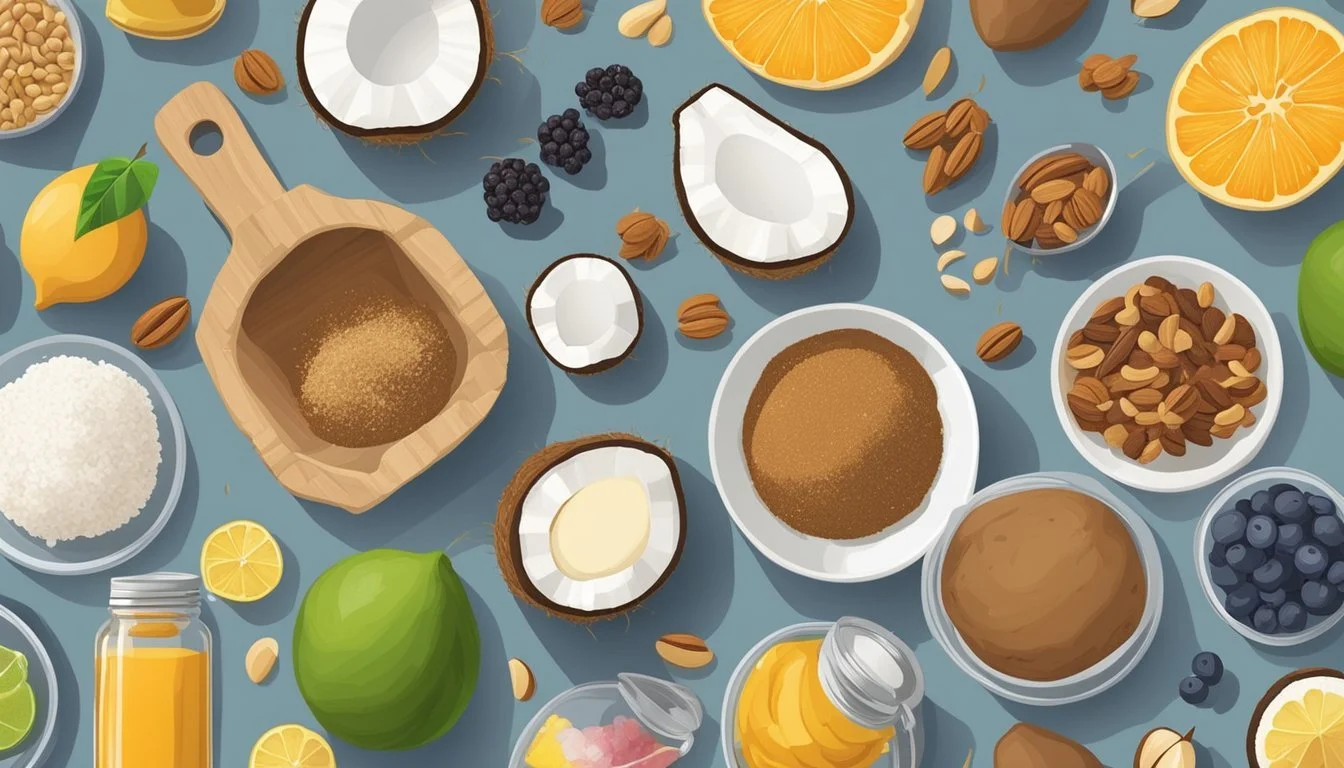
Selecting the right ingredients like coconut sugar can transform snacks and desserts into healthier options without compromising on taste. Each recipe provides a nutritious way to satisfy cravings, offering a perfect balance of flavor and health benefits.
Nutty No-Bake Energy Balls
No-bake energy balls offer a convenient and healthy snack option, packed with wholesome nuts and sweetened naturally with coconut sugar. They generally contain a mix of rolled oats, nuts such as almonds or walnuts, and sometimes include additional superfoods like chia seeds.
Ingredients:
Rolled oats
Coconut sugar
Mixed nuts (e.g., almonds, walnuts)
Chia seeds (optional)
Instructions:
Combine all ingredients in a food processor until a sticky mixture forms.
Roll the mixture into bite-sized balls.
Chill in the refrigerator to set.
Blueberry and Raspberry Coconut Sugar Crisp
A delightful dessert, the blueberry and raspberry coconut sugar crisp, is a colorful treat that pairs the tartness of the berries with the caramel-like sweetness of coconut sugar. Ideal for baking, coconut sugar offers a lower glycemic index without sacrificing flavor.
Ingredients:
Blueberries and raspberries
Coconut sugar
Crisp topping (oats, almond flour, coconut oil)
Instructions:
Mix berries with coconut sugar and place in a baking dish.
Combine crisp topping and sprinkle over the berries.
Bake until golden and the fruit is bubbling.
Chewy Almond Flour Cookies
Almond flour cookies sweetened with coconut sugar are a chewy delight that provides a gluten-free dessert option. They are perfect for individuals looking for a tasty treat that caters to different dietary needs.
Ingredients:
Almond flour
Coconut sugar
Other cookie ingredients (e.g., eggs, vanilla extract)
Instructions:
Cream the coconut sugar with wet ingredients until smooth.
Incorporate almond flour to form a cookie dough.
Portion onto a baking sheet and bake until lightly browned.
Meal Prep Tips and Storage
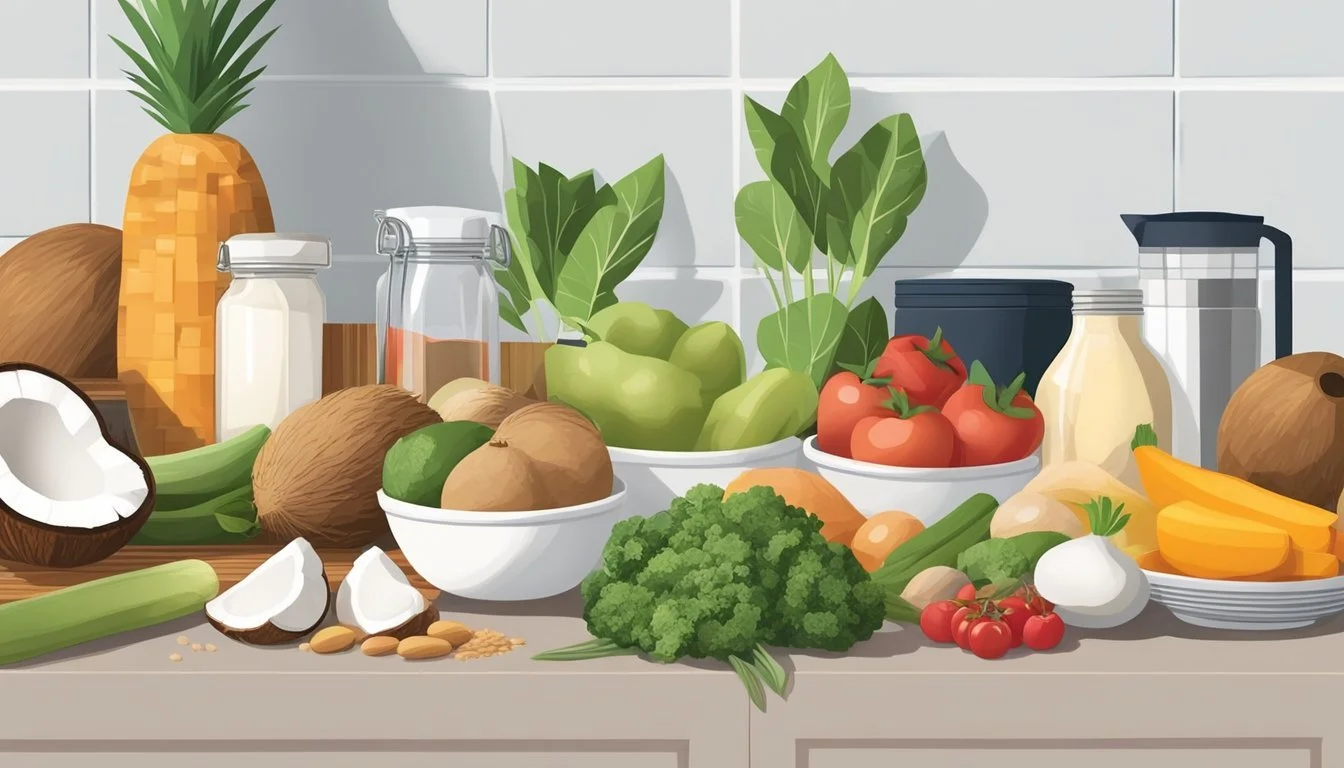
Good meal prep begins with choosing the right containers and knowing how to store your meals to maintain freshness. It also includes understanding the do's and don'ts that can make or break the meal prepping experience.
Choosing the Right Meal Prep Containers
For successful meal prepping, one must invest in quality containers. Airtight containers are essential as they help in keeping the food fresh, preventing spillage, and maintaining flavor. Glass containers are preferred for their durability and safety in reheating. Mason jars are also ideal, especially for layered salads or overnight oats, as their tight seal preserves the contents effectively. For those preferring plastic, opt for BPA-free meal prep containers that can withstand temperature changes without releasing harmful chemicals.
Storing Meals for Optimal Freshness
To maximize freshness, it's crucial to store meals at the correct temperature in the refrigerator. Most prepped meals should be consumed within 3–4 days, while some, like shrimp, have a shorter fridge life. Use clear containers to easily identify contents and remember to cool dishes to room temperature before refrigerating to prevent bacteria growth. Stackable containers can save space and keep your fridge organized. Airtight containers can also prevent the transfer of flavors between different meals.
Meal Prepping Do's and Don'ts
When it comes to meal prepping, a little foresight can go a long way. Do wash and chop ingredients in advance for easier assembly throughout the week. Do not dress salads or cut fruits until just before serving, as they can become soggy or browned. Do rotate your meal choices to avoid flavor fatigue. Do not forget to label your containers with the content and prep date to ensure you are tracking freshness efficiently. Lastly, when healthy meal prep is the goal, focus on incorporating a balance of protein, carbs, and healthy fats to ensure nutritional adequacy.

