
Simple and Savory Options
Liquid aminos have become a staple in the pantries of health enthusiasts and culinary experimenters alike. They bring not only a savory richness to dishes but also boast a nutritional profile that supports a balanced diet. As a soy sauce alternative, liquid aminos contain a spectrum of amino acids, the building blocks of proteins, which are essential for repairing tissues and supporting various body functions. This makes them an excellent ingredient for meal prep recipes that aim to be both healthy and flavorful.
In the realm of meal prepping, the convenience of having nutritious meals ready to go cannot be overstated. Integrating liquid aminos into meal prep recipes can enhance the taste without relying on excessive sodium, making dishes more diet-friendly. These recipes are designed to be simple yet versatile, accommodating a variety of dietary needs while minimizing kitchen time. From a vibrant veggie stir-fry that highlights the light umami touch of liquid aminos to a clean-eating chicken recipe that transforms a simple marinade into a delectable meal, the following meal prep ideas are curated to enrich weekly dining routines with both nutrition and taste.
Exploring Liquid Aminos
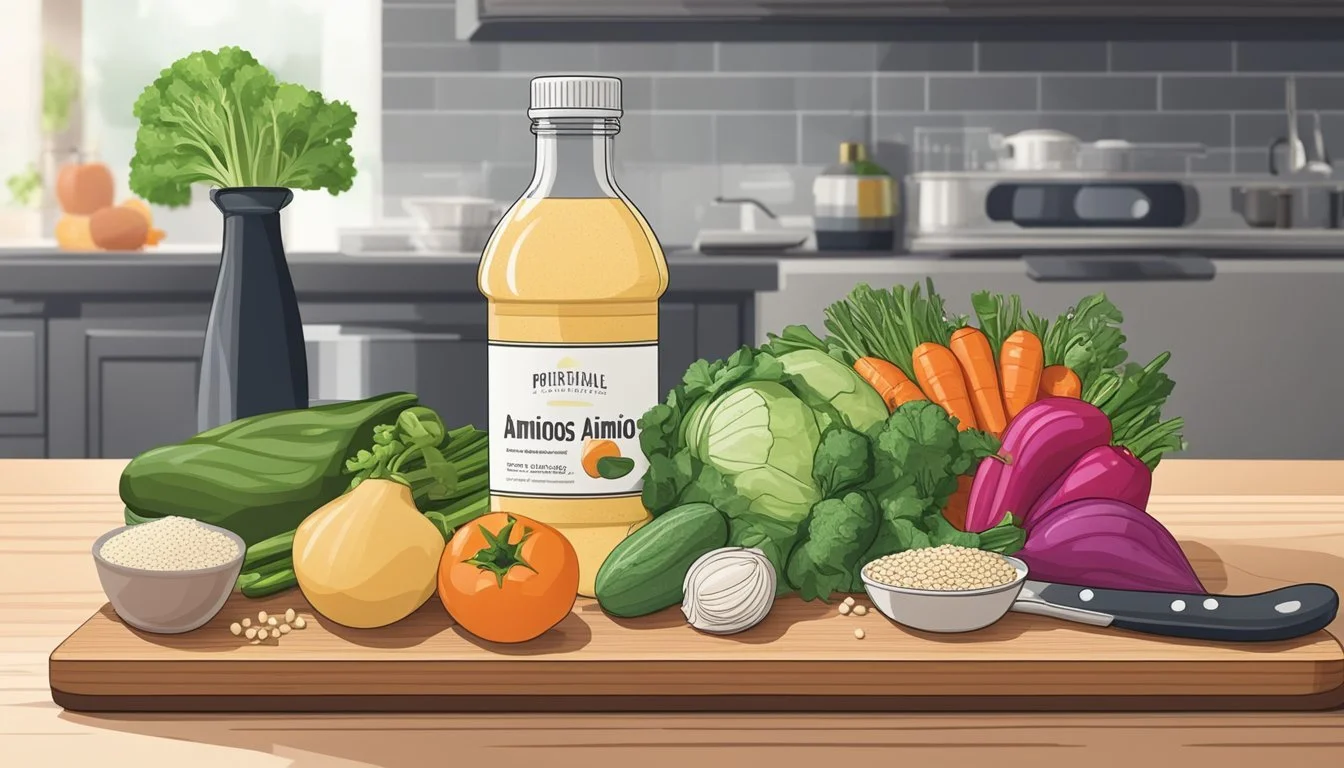
Liquid Aminos have gained popularity in kitchens for their nutritional value and versatility in recipes. This section will provide insights into what they are, their benefits, how they compare to soy sauce, and tips for selecting the right type for your meals.
What Are Liquid Aminos
Liquid Aminos are a condiment made from non-GMO soybeans and purified water. They are a gluten-free liquid seasoning that provides a similar taste to soy sauce. Bragg Liquid Aminos is a well-known brand that offers this product, often chosen by those looking for a health-conscious alternative in meal preparations.
Benefits of Liquid Aminos
Liquid Aminos present several benefits:
They contain essential and non-essential amino acids, which are the building blocks of protein.
A lower sodium content in comparison to traditional soy sauce makes them a sensible choice for those monitoring sodium intake.
The gluten-free nature of liquid aminos also accommodates those with gluten sensitivities or celiac disease.
Liquid Aminos vs. Soy Sauce
When comparing Liquid Aminos and Soy Sauce, there are key differences to consider:
Sodium Levels: Liquid aminos typically have less sodium than soy sauce, although lower sodium soy sauce options exist.
Wheat Content: Soy sauce often contains wheat, while liquid aminos are gluten-free.
Flavor Profile: Some individuals may find liquid aminos to have a milder, less harsh taste than soy sauce.
Choosing the Right Liquid Aminos
In selecting the right Liquid Aminos, consider the following:
Bragg Liquid Aminos is a pioneering brand, but options like coconut aminos could be an alternative for those seeking a soy-free version.
Look at the ingredient list to ensure the product meets your dietary preferences, such as non-GMO or organic certification.
Compare sodium levels if salt intake is a concern, as levels can vary between brands and types.
Essential Ingredients for Meal Prepping
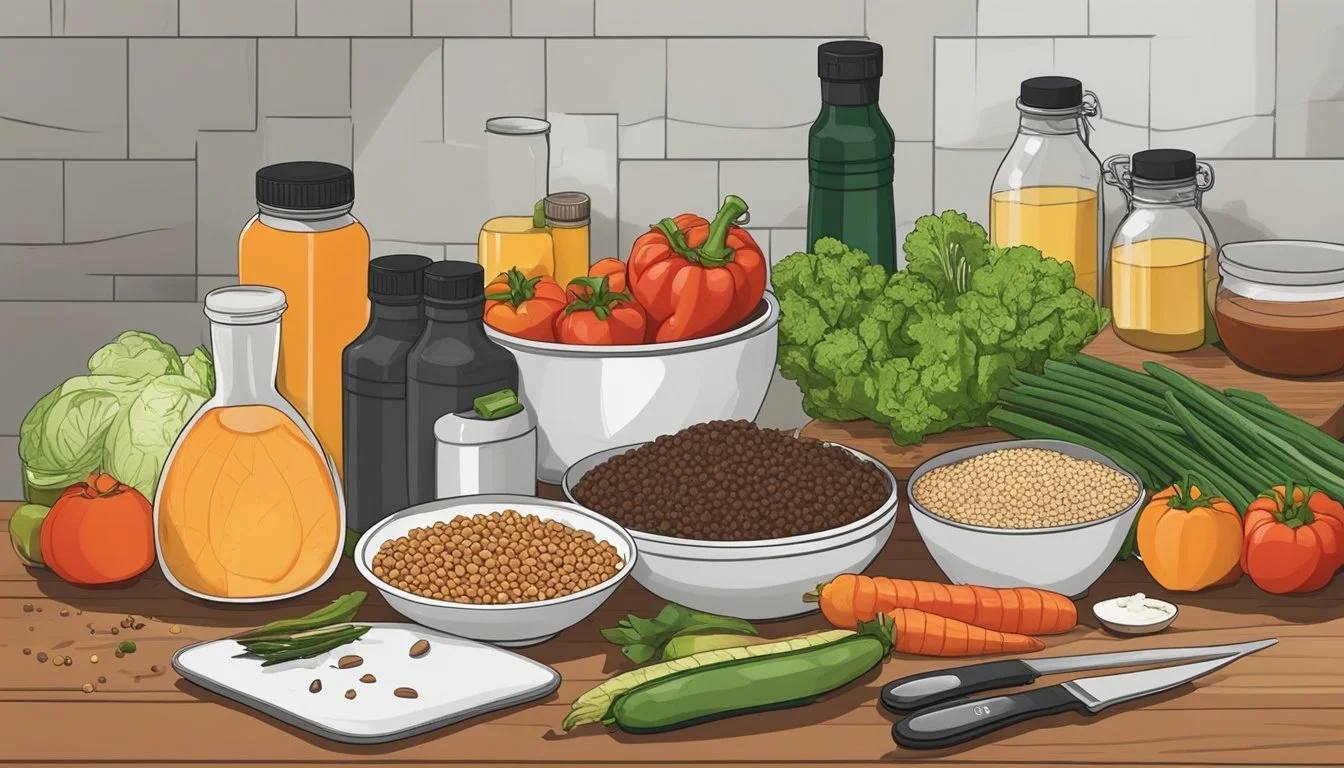
Successful meal prep relies on a diverse selection of ingredients that can be combined in various ways to create nutritious and satisfying meals. Here, we break down the essentials into categories, making it easy to stock your pantry for meal prepping.
Protein Sources
Proteins are crucial for repairing tissues and maintaining muscle mass.
Animal-based: Chicken, eggs, fish, and lean beef
Plant-based: Tofu, tempeh, lentils, chickpeas
Carbohydrates: Rice and Quinoa
These grains serve as energy-rich foods that also provide fiber and essential nutrients.
Rice: A versatile staple that pairs well with almost any dish
Quinoa: (What wine goes well with quinoa?) A complete protein and gluten-free option rich in amino acids
Healthy Fats
Incorporating healthy fats is essential for nutrient absorption and satiety.
Oils: Olive oil for dressings, sesame oil for stir-fries
Nuts & Seeds: Almonds, flaxseeds, chia seeds
Vegetables
Veggies offer fiber, vitamins, and minerals with low caloric content, making them a cornerstone of meal prep.
Leafy Greens: Spinach, kale
Crunchy Veggies: Bell peppers (What wine goes well with bell peppers?), carrots, broccoli
Flavor Enhancers
A wide range of condiments and spices can transform simple dishes into flavorful feasts without adding unwanted calories.
Condiments: Liquid aminos as a soy sauce substitute, apple cider vinegar for tanginess
Spices: Garlic powder, onion powder, pepper, sea salt for seasoning
Herbs: Fresh or dried like parsley, cilantro, and green onions for added depth
5 Delicious Meal Prep Recipes
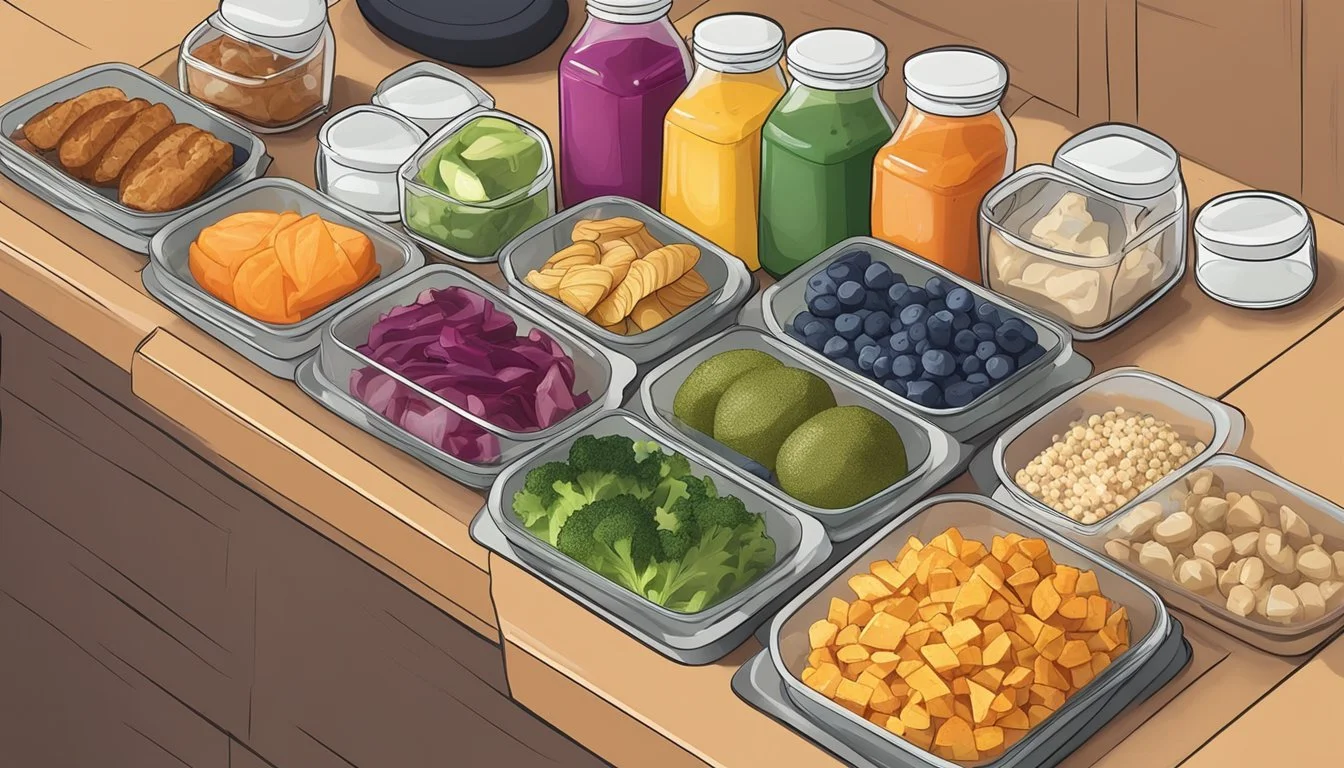
Each recipe is designed for efficiency and flavor, utilizing the savory taste of liquid aminos to enhance wholesome ingredients such as tofu, chicken, and a range of nutritious vegetables.
Recipe 1: Vegan Quinoa and Black Bean Bowl
Quinoa and black beans serve as the protein-packed base for this lunch prep, brought to life with a hint of lime juice and cilantro. For added texture, top with diced avocado and a sprinkle of paprika.
Recipe 2: Teriyaki Chicken with Broccoli and Brown Rice
Marinate tender chicken breasts (What wine goes well with chicken breast?) in a homemade teriyaki sauce featuring liquid aminos and maple syrup. Serve with firm broccoli and nourishing brown rice for a filling and delicious meal.
Recipe 3: Cauliflower Rice Stir-Fry with Vegetables
Cauliflower rice creates a low-carb foundation for this stir-fry. Toss with a mix of colorful vegetables like carrot and cauliflower, with liquid aminos providing the depth of flavor.
Recipe 4: Asian-Inspired Tofu Salad
Cubes of firm tofu, marinated in a blend of liquid aminos, garlic, and sesame oil, are the stars of this refreshing salad. A tangy dressing and crisp vegetables make this dish a lunchtime favorite.
Recipe 5: Lemon Garlic Chicken with Asparagus
Lean chicken breasts absorb the zesty taste of lemon and garlic in this simple prep. Served with steamed asparagus, this meal promises a refreshing flavor and satisfying protein.
Cooking Techniques and Tips
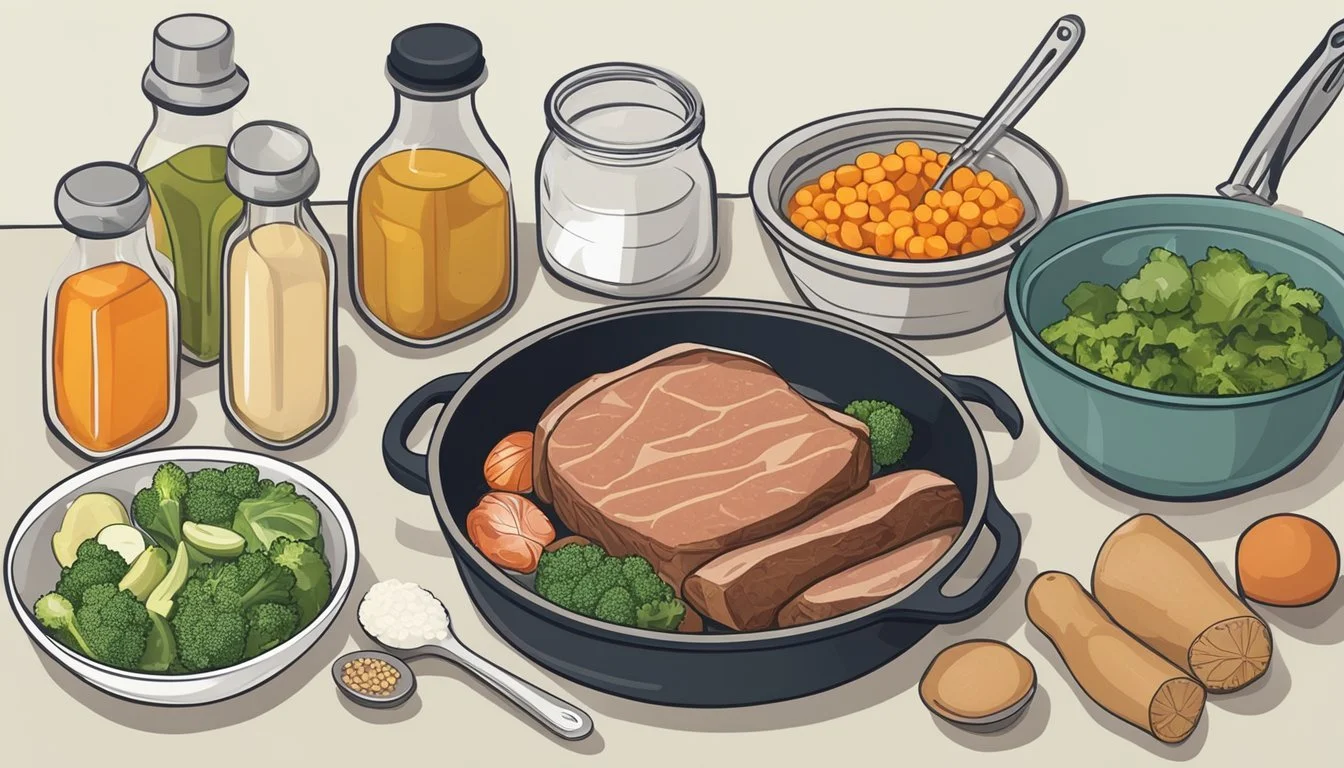
Incorporating liquid aminos into meal prep recipes enhances flavors and supports healthier cooking practices. This section provides techniques and tips using different cooking methods.
Using an Air Fryer for Healthier Cooking
An air fryer offers a healthier way to cook meals, reducing the need for excess oils. When using liquid aminos, they can spray them directly onto food before air frying, ensuring an even distribution of flavor. Air frying can bring out the savory taste of the aminos while keeping food like chicken or vegetables tender and moist. It’s recommended to cook at a moderate temperature to prevent the aminos from burning, given they contain sugars which may caramelize quickly.
Perfecting the Marinade
Marinades utilizing liquid aminos can transform proteins and vegetables into deeply flavorful components of any meal prep. For an effective marinade:
Time: Allow ingredients to marinade for at least 30 minutes; proteins can benefit from several hours for deeper flavor infusion.
Temperature: Both hot and cold techniques work; cold marinating in the refrigerator suits most proteins, while a quick, hot marinade can be applied to vegetables just prior to cooking.
One can use liquid aminos to create both bold and subtle flavors, considering its lower sodium content compared to traditional soy sauce. Always taste and adjust the concentration of liquid aminos in a marinade to prevent overpowering dishes.
Meal Prepping with a Pressure Cooker
Utilizing a pressure cooker for meal prep can save substantial time while retaining the nutritional value and flavors of ingredients. When one adds liquid aminos to the pressure cooker, they imbue meals with umami richness without excess sodium. To ensure an even distribution of flavor:
Add liquid aminos during the initial setup of the recipe.
Review instructions for specific pressure cooker models, as cook times may vary.
Pressure cooking with liquid aminos can help keep dishes like stews and meats moist and tender while infusing them with savory notes.
Storing and Reheating Prepped Meals

When meal prepping, the fridge is an essential tool for keeping meals fresh until ready to eat. It’s important to first ensure that there is ample space in the refrigerator to allow for proper air circulation around the containers. Meal preps with liquid aminos should be stored carefully as this ingredient can impact flavor over time.
A person should organize their fridge by placing the most recently prepared meals towards the back, ensuring older meals are consumed first. Last updated meal labels are highly beneficial to track preparation dates and maintain a rotation system.
Reheating should be done with care to preserve moisture and flavor, especially in dishes where liquid aminos play a crucial role. Here are steps for effective reheating:
Initial Reheat: Start by heating the meal for a minute.
Stirring Technique: After the initial minute, stir the food, checking for moisture. If dry, add a small amount (1-2 teaspoons) of water or a preferred liquid to rehydrate.
Final Heat: Continue heating in short increments until the desired temperature is reached.
An alternative to microwave reheating can be an air fryer or conventional oven, where meals can be covered with foil to prevent drying. Here is a simple table guide for reheating in the microwave:
Food Item Power Level Time Vegetables Medium 2-3 min Proteins High 2-3 min Rice/Grains Medium 3-4 min
Lastly, when meal prepping, it is crucial to cool down cooked meals before refrigeration to prevent the increase of the fridge's internal temperature, which could affect food safety and overall freshness.
Customizing Your Meal Prep
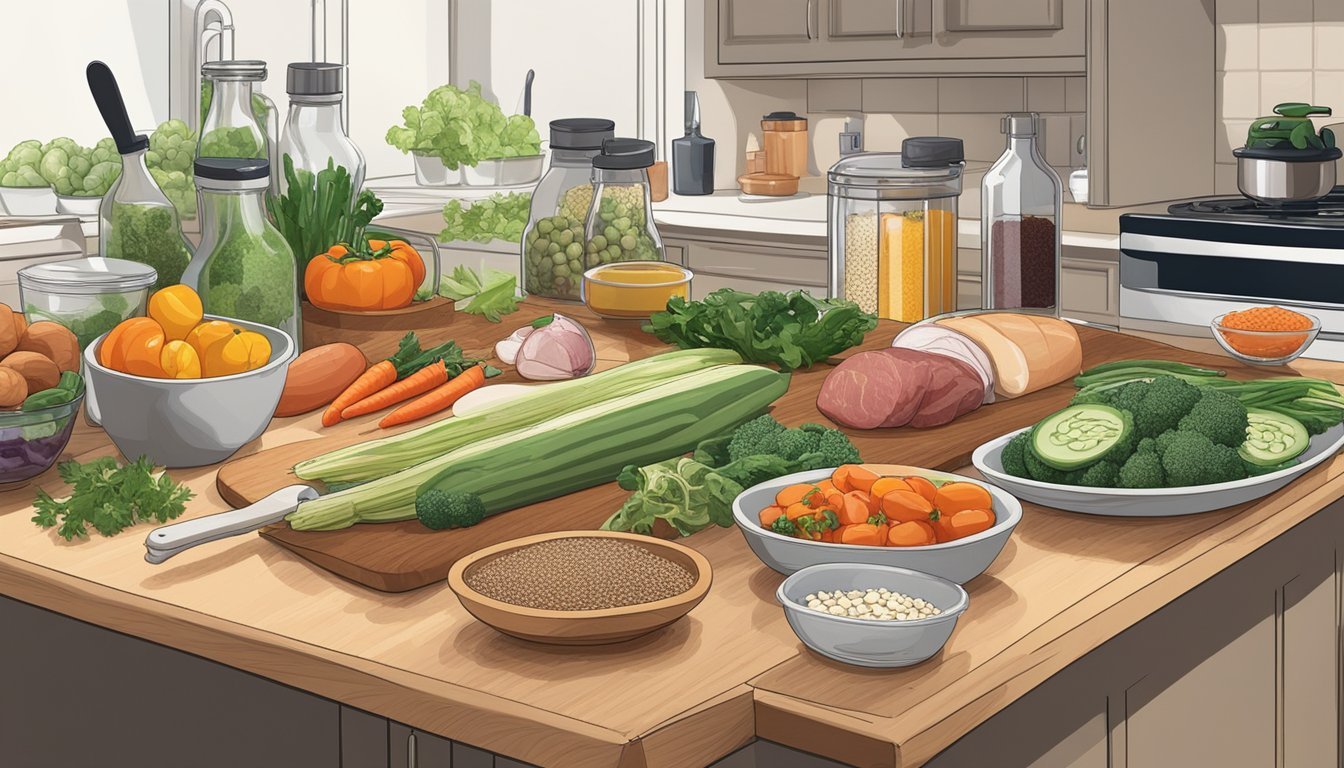
When preparing meal prep recipes using liquid aminos, one can easily tailor dishes to meet individual dietary needs and preferences, ensuring nutritious and varied meals throughout the week.
Adapting Recipes for Dietary Restrictions
For individuals following a gluten-free diet, liquid aminos are an excellent alternative to soy sauce, as they do not contain wheat. Meals can be further customized by substituting common allergens with suitable alternatives, such as using coconut aminos for a soy-free option. Paleo dieters can incorporate a range of superfoods like kale and sweet potatoes, while ensuring all ingredients are free of dairy, grains, and processed foods. Those practicing a Whole30 diet should focus on whole, unprocessed ingredients and avoid sweeteners, making liquid aminos ideal for adding flavor without sugar.
For vegans, meal preps can be abundant in nutrition by including diverse produce like spinach, bell peppers, and mushrooms enhanced with liquid aminos. Selecting dairy-free alternatives like nutritional yeast will not only enrich flavor profiles but also contribute additional protein and vitamins.
Adding Variety to Your Weekly Meals
To maintain excitement in meal prep, variety is key. Here's a simple framework to diversify your meals:
Protein Rotation: Modify your protein choices weekly. Switch between tofu, tempeh (What wine goes well with tempeh?), seitan (What wine goes well with seitan?) for vegan options, and chicken, beef, or fish for omnivores.
Veggie Selection: Seasonal produce can transform a recipe. Create a color palette in your meal with a mix of vegetables—think red bell peppers, green zucchini, and purple eggplant.
Grain Switch: Alternate your base grains. Quinoa, brown rice, or cauliflower rice cater to both gluten-free and Whole30 preferences.
Sauce Swaps: While keeping liquid aminos as the base, add different herbs and spices each week to craft unique flavors.
Texture Play: Incorporate nuts, seeds, or sprouts to add a satisfying crunch and boost the nutrition of your meals.
By applying these strategies, your meal preps will not only adhere to your dietary guidelines but also provide a delightful experience with every dish.
Conclusion
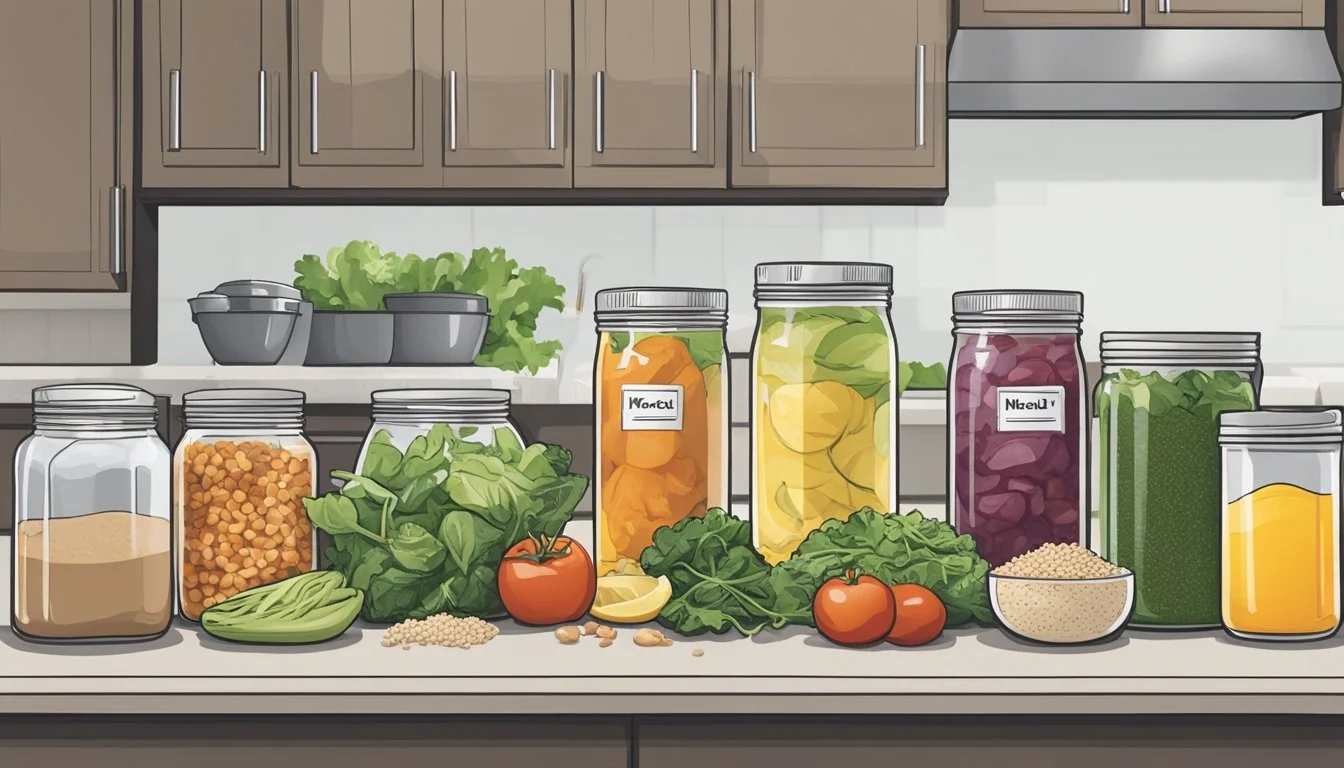
Incorporating liquid aminos into meal prep recipes offers a wholesome twist to everyday cooking. These recipes have demonstrated versatility, imparting a rich, savory flavor to a variety of dishes while being a healthier alternative due to lower sodium content compared to traditional soy sauce.
Protein-packed dishes like tofu stir fry benefit from the umami depth that liquid aminos provide. Similarly, vegetable-centric meals glean a satisfying complexity when infused with this condiment. Each recipe shared here harnesses the flavor-enhancing properties of liquid aminos to elevate simple ingredients to new heights.
Meal preppers can find solace in the nutritional profile of liquid aminos, which serve as a source of essential amino acids. As each recipe reflects, they can conveniently integrate this ingredient into their diet. Whether seeking to add a punch to vegan and vegetarian recipes or to reduce gluten intake, liquid aminos are a valuable kitchen staple.
Here's a brief recap of what they bring to the table:
A rich, savory taste
Reduced sodium content
Gluten-free option for those with dietary restrictions
Essential amino acids for well-rounded nutrition
By embracing these recipes, one can not only nourish their body but also ensure meals are never lacking in flavor. The adaptation of such recipes encourages a mindful approach to cooking, wherein taste and health go hand in hand.

