
How to Meal Prep for a Pescatarian Diet
Efficient Strategies and Recipes
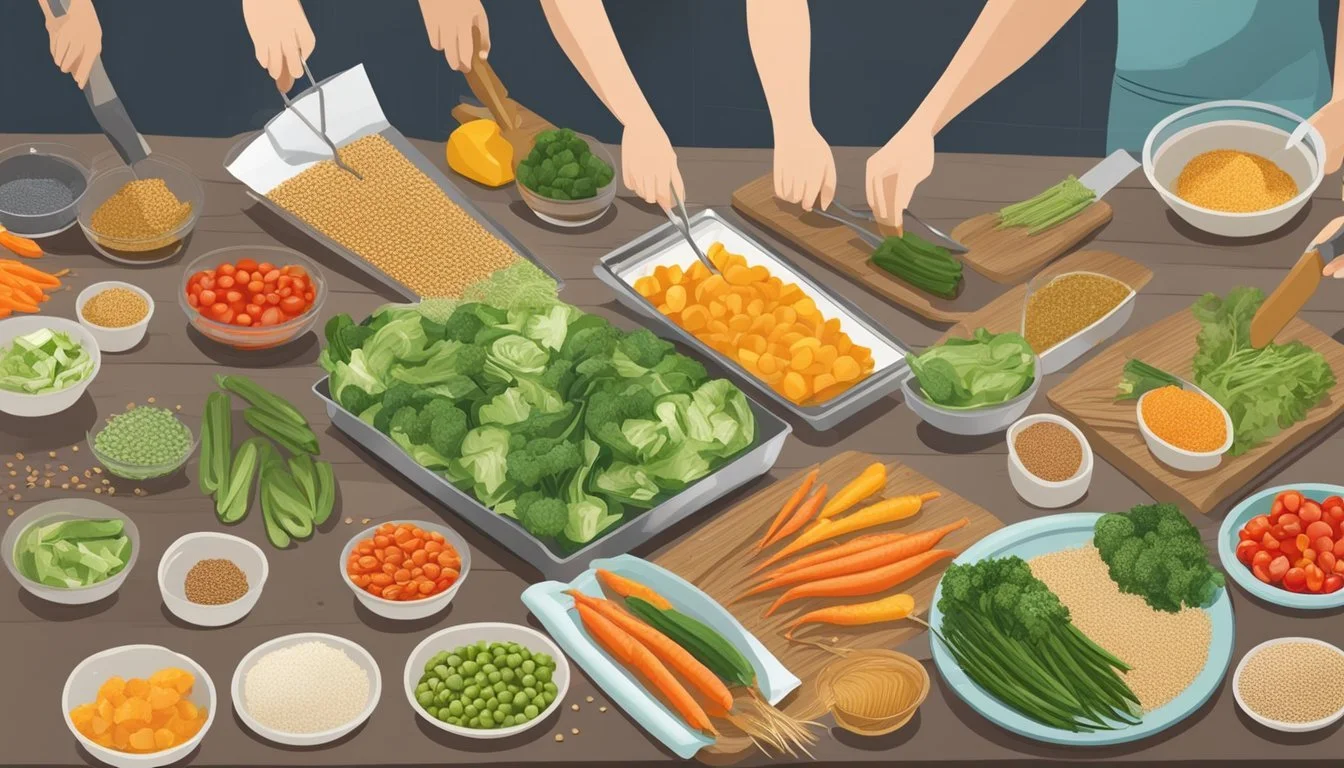
A pescatarian diet combines vegetarian and seafood (What wine goes well with seafood?) dietary patterns, focusing heavily on plant-based foods while incorporating seafood as the primary source of animal protein. This approach to eating is not only refreshing and varied but can also contribute to heart health and weight loss. By infusing the diet with nutrients from fish, such as omega-3 fatty acids, alongside a rich assortment of whole grains, nuts, legumes, fruits, and vegetables, individuals can enjoy meals that are both flavorful and nutritious.
Meal prep for the pescatarian diet requires careful planning to ensure diversity in nutrition and taste. Preparing meals in advance helps maintain a healthy eating schedule and prevents the common pitfall of resorting to less healthy options when hunger strikes. Adopting meal prep strategies makes it easier for those following a pescatarian diet to balance their intake of protein from seafood with the wide variety of plant-based foods that form the foundation of their diet.
The key to successful meal prep on a pescatarian diet lies in selecting a range of seafood, from fatty fish rich in omega-3s to lighter white fish, to pair with an assortment of vegetarian staples. Planning meals around seasonal produce and sales on seafood can add an affordable aspect to the diet while also ensuring meals are varied and enjoyable. With thoughtful preparation, individuals can create a pescatarian meal plan that supports their health goals, including heart health optimization and potential weight loss, without sacrificing taste or dietary satisfaction.
Understanding the Pescatarian Diet
Adopting a pescatarian diet involves consuming plant-based foods supplemented with seafood as the main source of animal protein. This lifestyle choice provides a variety of health benefits, particularly for heart health, due to the inclusion of omega-3 fatty acids found in fish.
Key Principles of a Pescatarian Diet
The pescatarian diet emphasizes the importance of:
Seafood: Including a variety of fish and other seafood, which are vital as the primary sources of protein and are rich in omega-3 fatty acids.
Vegetarian Components: A large part of this diet consists of plant-based foods such as vegetables, fruits, legumes, nuts, and seeds, along with whole grains.
One should strive for balance and diversity within these food groups to maintain a nutritionally sound diet.
Benefits of Pescatarianism
Individuals who follow a pescatarian diet can expect numerous health benefits:
Heart Health: The diet is associated with a lower risk of heart disease, thanks to the fatty acids in fish that may reduce inflammation.
Brain Function and Inflammation: Seafood consumption supports brain health and may help lower inflammation levels in the body.
Prevention of Chronic Diseases: There's evidence to suggest that a pescatarian diet could play a role in reducing the risk of type 2 diabetes and other chronic conditions, likely due to the combination of nutrient-rich plant-based foods and omega-3s from seafood.
It is important for those considering this diet to ensure they are obtaining all the necessary nutrients and to consult with healthcare professionals if they have any dietary restrictions or health concerns.
Planning Your Pescatarian Meal Prep
Embarking on a pescatarian meal prep journey requires clear objectives, a nutritionally balanced plan, and a detailed grocery list. This section will guide readers through these essential steps.
Setting Your Goals
Before one begins meal prepping, defining clear goals is crucial. Whether the individual is aiming for weight loss, improving overall health benefits, or simply aiming for convenience, these goals will direct the course of meal planning. Calorie targets and nutrient intake requirements should align with these objectives.
Creating a Balanced Meal Plan
A pescatarian meal plan should include a wide variety of foods to ensure all nutritional needs are met. It's important to incorporate:
Vegetables: Rich in fiber and vitamins.
Grains: Whole grains provide energy-boosting carbohydrates and additional fiber.
Legumes: Beans and lentils are excellent protein sources and are great for heart health due to their omega-3 fatty acids content.
Seafood: Options like tuna (What wine goes well with tuna?), salmon, (What wine goes well with salmon?) and shrimp (What wine goes well with shrimp?) not only offer omega-3s but also serve as the primary protein sources.
Dairy: For those who include it, provides calcium and protein.
In meal planning, careful portion control ensures that calorie intake remains in check while still providing the body with all essential nutrients.
Building a Comprehensive Grocery List
A well-thought-out grocery list is key for efficient meal prep. To avoid missing items and ensure a balanced diet, categorizing the list can be helpful. Here is an example:
Seafood: Tuna, salmon, shrimp
Vegetables: A mix of leafy greens and colorful vegetables
Whole Grains: Brown rice, quinoa, whole grain bread
Legumes: Beans, chickpeas, lentils
Nuts and Seeds: Almonds, chia seeds, flaxseeds
Dairy or Alternatives: Milk, yogurt, or plant-based substitutes
Extra Items: Tofu, eggs, herbs, and spices for added flavor
Preparation and foresight in grocery shopping set the stage for successful meal prep, allowing individuals to enjoy the variety and health benefits that a pescatarian diet has to offer.
Essential Ingredients for Pescatarian Prep
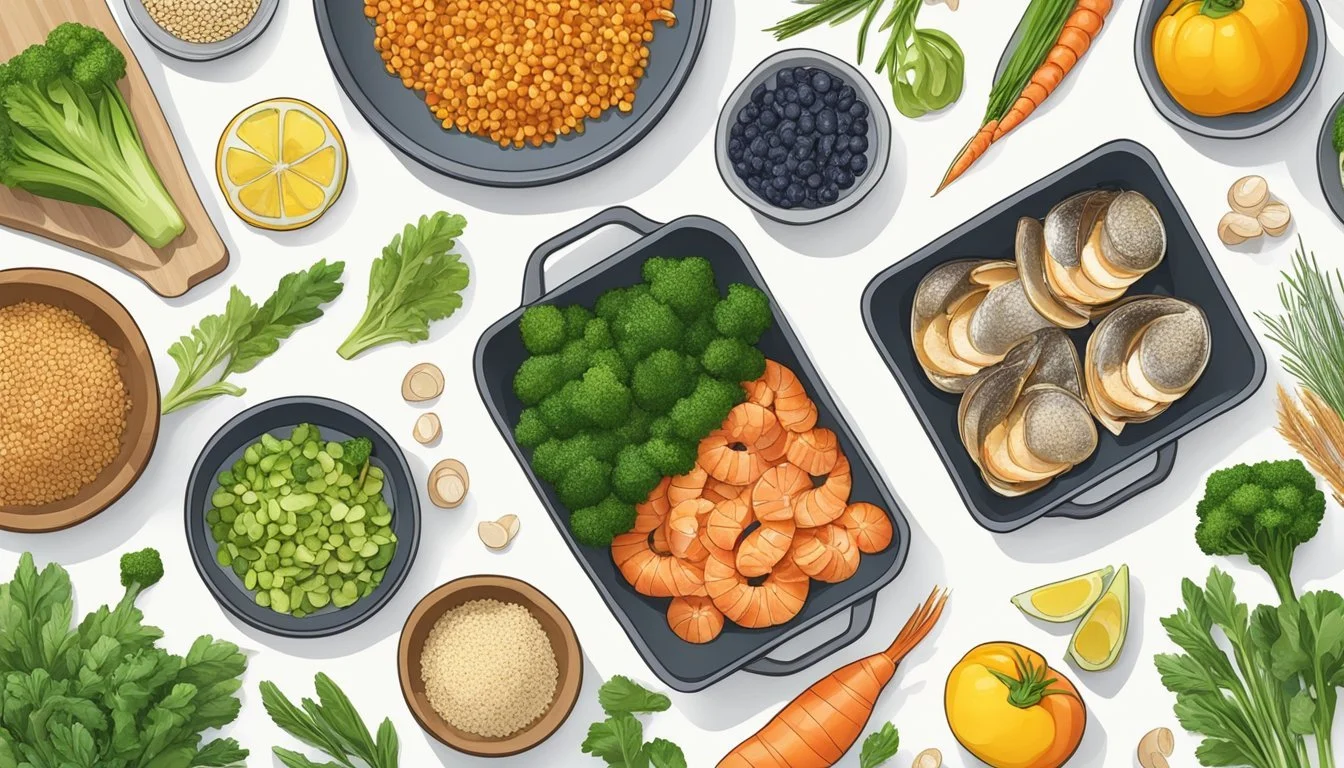
Crafting a well-rounded pescatarian meal prep starts with a diverse selection of ingredients. Prioritizing fresh seafood, an assortment of fruits and vegetables, plant-based proteins, and healthy fats ensures nutritional balance and variety.
Required Seafood Varieties
Fish: A pescatarian diet often features a range of fish such as:
Salmon: Rich in omega-3 fatty acids
Tuna: Ideal for salads and sandwiches
Cod: A versatile whitefish for baking and sautéing
Halibut: Firm texture, suitable for grilling
Mackerel: Flavorful option for omega-3s
Shellfish:
Shrimp: Quick to cook, great for stir-fries and pastas
Include these seafood options to cover both taste preferences and nutritional needs.
Vegetables and Fruits
Vegetables: Incorporate a variety of colors and textures for balanced nutrients.
Asparagus: Excellent for roasting or steaming
Cauliflower Rice: Low-carb alternative to grains
Onion: Flavor base for multiple cuisines
Fruits:
Avocado: Source of healthy fats
Mixed Berries: Ideal for snacks and breakfast toppings
Vegetables should form the cornerstone of your pescatarian meal prep, while fruits add natural sweetness and antioxidants.
Protein Alternatives and Additions
Even as a pescatarian, it's important to include an array of protein sources.
Legumes and Beans:
Lentils: Hearty and can be spiced in various ways
Chickpeas: Perfect for salads and homemade hummus
Plant-based Proteins:
Tofu: Absorbs flavors well, fits in many recipes
Eggs: High in protein, versatile for any meal
Combined with seafood, these proteins contribute to a satisfying pescatarian diet.
Healthy Fats and Seeds
Healthy Fats:
Olive Oil: For cooking and dressings
Avocado: Can be used in savory and sweet dishes alike
Seeds and Nuts:
Chia Seeds: High in fiber and omega-3s
Almonds: Nutritious snack, rich in healthy fats
Incorporate these fats and seeds into meals for their nutrient properties and to promote satiety.
Pescatarian Breakfast Ideas
A pescatarian diet incorporates the nutritional benefits of seafood while excluding meat and poultry, thus breakfast options are abundant and varied. Understanding how to combine seafood with plant-based ingredients can result in a fulfilling start to one's day.
Quick and Nutritious Starts
For a swift but nutrient-rich breakfast, chia seed pudding can be prepared in minutes, offering a good source of omega-3s when combined with a topping of fresh fruits like berries or sliced mango. It is easy to adapt the pudding to personal taste preferences and dietary needs.
Overnight oats provide a hassle-free option that’s ready to consume the next morning. Simply mix rolled oats with your choice of dairy or plant-based milk, and layer with chia seeds and fruit. For an extra boost of omega-3s, add a teaspoon of flaxseed or hemp seed oil.
Baked oatmeal cups are convenient for meal prep and can be tailor-made with various ingredients. Incorporating eggs and whole grains makes them a fulfilling choice that's also portable. They can be baked in advance and stored for quick grab-and-go mornings.
Smoothies present an opportunity for a liquid breakfast that combines fruits like bananas, kiwi, or berries with vegetables such as spinach or kale. To enhance the nutrition profile, consider adding protein-rich eggs, chia seeds, or a scoop of high-quality protein powder.
When creating pescatarian breakfast ideas, the inclusion of whole grains and eggs provides complex carbohydrates and high-quality protein, respectively. Each meal can be optimized for nutrition, flavor, and satiety, ensuring a strong start to the day.
Lunch Recipes and Preparation Tips
Preparing lunch on a pescatarian diet involves focusing on nutrient-dense ingredients like vegetables, whole grains, beans, and seafood. These elements are vital for creating satisfying and energizing midday meals.
Hearty Bowls and Salads
For a Hearty Bowl, one could start with a base of whole grains such as quinoa or brown rice. Top this with a combination of vegetables — both raw and roasted options work well. Adding chickpeas or black beans gives a protein boost along with the essential fiber. Seafood, like grilled salmon (What wine goes well with grilled salmon?) or shrimp, completes the bowl, supplying omega-3 fatty acids and additional protein.
Quinoa and Mediterranean Roasted Vegetables (What wine goes well with roasted vegetables?) Bowl
Base: 1 cup cooked quinoa
Vegetables: 1/2 cup each of roasted zucchini, red peppers, and cherry tomatoes
Protein: 3 ounces of grilled shrimp
Dressing: A drizzle of olive oil and lemon juice
Salads can be equally substantial. A Tuna Salad made with white beans, slices of cucumber, cherry tomatoes, and mixed greens offers a balance of proteins and greens. A light dressing made from olive oil and vinegar can enhance the flavors without adding unnecessary calories.
Tuna and White Bean Salad
Greens: 2 cups of mixed salad greens
Vegetables: 1/2 cup cherry tomatoes, 1/2 sliced cucumber
Protein: 3 ounces of canned tuna in water, 1/2 cup of canned white beans
Dressing: 1 tablespoon olive oil, 2 teaspoons balsamic vinegar
Sandwiches and Wraps
A Fish Taco utilizing flaky pieces of grilled fish like tilapia, cabbage slaw, and a yogurt-based sauce within whole-grain tortillas is a twist on the traditional sandwich. It merges the zest of Mexican cuisine with the healthfulness of a pescatarian diet.
Fish Tacos
Whole-grain tortillas
Fish: 3 ounces of grilled tilapia
Toppings: 1/2 cup cabbage slaw, diced tomatoes
Sauce: Greek yogurt mixed with lime juice and cilantro
A Vegetable Wrap is a portable and light option. Spread hummus on a whole-grain wrap and load it with sliced vegetables like bell peppers (What wine goes well with bell peppers?), spinach, and carrots. Add flakes of baked salmon or chunks of crabmeat for a luxurious touch that ups the protein content.
Salmon Vegetable Wrap
Whole-grain wrap
Spread: 2 tablespoons of hummus
Vegetables: Spinach leaves, sliced bell peppers, grated carrots
Protein: 3 ounces of baked salmon
Both these lunch options are not only packed with essential nutrients but also align with a pescatarian's dietary preferences, proving that one doesn't have to sacrifice flavor for health.
Dinner Solutions for the Pescatarian
Preparing dinner (What wine goes well with dinner?) on a pescatarian diet involves combining nutrient-dense vegetables and grains with a variety of seafood options. These meals can be both simple to prepare and rich in flavors, aiming to satisfy the appetite while delivering essential nutrients.
Simple and Flavorful Grilled Options
One can’t go wrong with grilled salmon as a pescatarian staple for dinner. When grilled, salmon offers a rich, smoky flavor and is a great source of omega-3 fatty acids. A simple marinade of lemon juice, garlic, and herbs can elevate the taste. Pairing it with grilled asparagus (What wine goes well with grilled asparagus?) and a side of quinoa complements the meal with fiber and protein.
Grilled Tilapia: A leaner option, tilapia can be seasoned with paprika and grilled for a light, flaky texture.
Shrimp Skewers: They are quick to cook and can be marinated in a mix of olive oil, chili flakes, and fresh cilantro for zest.
Seafood Seasoning Accompaniment Grilled Salmon Lemon, garlic, dill Quinoa Tilapia Paprika, lemon zest Stir-fry vegetables Shrimp Skewers Olive oil, chili, cilantro Cauliflower rice
Wholesome Dinner Pescatarian Plates
Pescatarians have a wide array of options for creating a well-rounded dinner plate. One could choose mackerel, a flavorful and oily fish, served with a side of stir-fried vegetables, including bell peppers and broccoli, tossed over high heat with garlic and a hint of soy sauce.
Quinoa makes an excellent base for dinner plates due to its high protein content and versatility.
Cauliflower rice is a low-carb alternative that also boosts vegetable intake for the day.
Main Ingredient Grain/Grain Alternative Vegetables Preparation Mackerel Quinoa, cauliflower rice Stir-fry vegetables Serve grilled or baked mackerel with a side of grains and colorful, sautéed vegetables.
These dinner options showcase the versatility and nutritional benefits of a pescatarian diet, providing satisfying meals that are easy to prepare in advance.
Smart Snacking and Sides
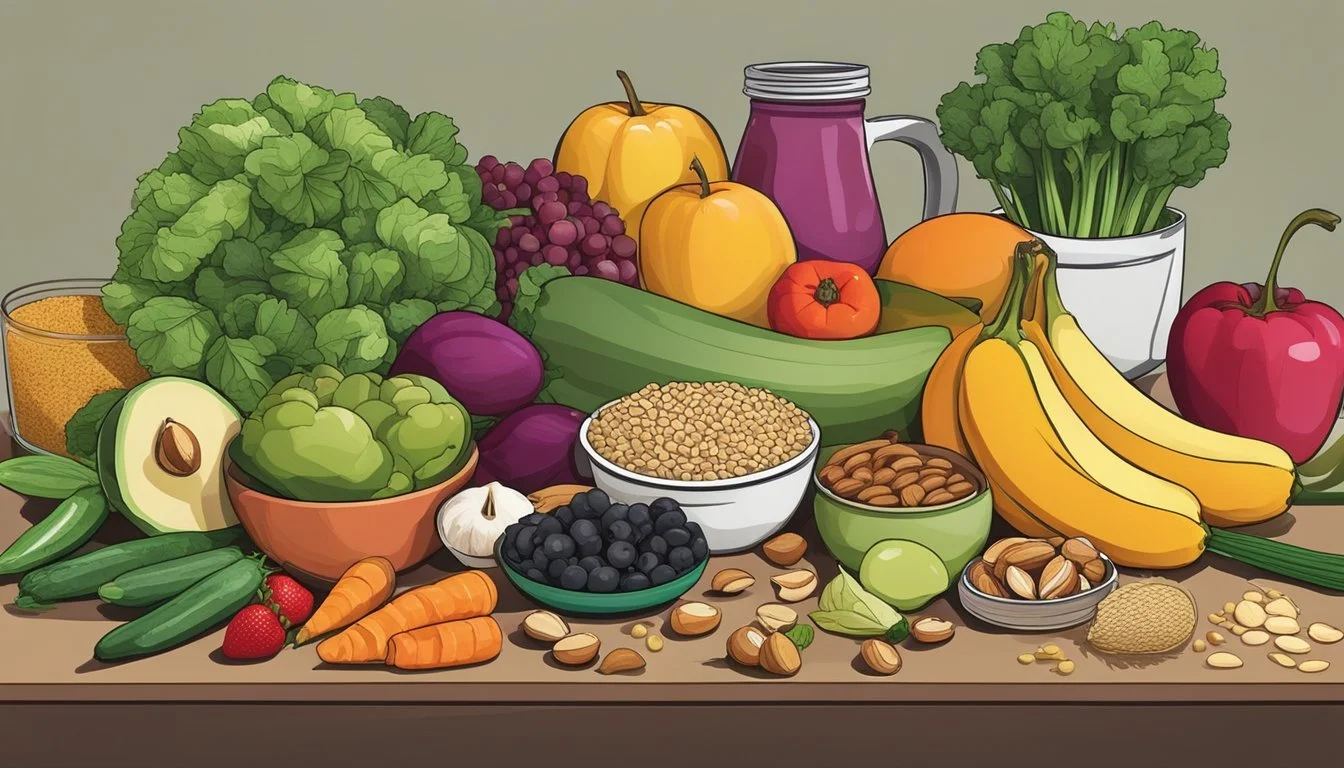
Smart snacking on a pescatarian diet means choosing foods that provide a mix of beneficial nutrients without excessive calories. For successful meal prepping, snacks and sides must be both nutritious and convenient.
Vegetable-Based Snacks
For vegetable-based snacks, pre-cut vegetable sticks such as carrots, cucumbers, and bell peppers are both refreshing and low in calories. These can be paired with a range of dips like hummus or yogurt-based dips that are prepared in advance for easy access. Additionally, one can consider small portions of salsa as a flavorful yet low-calorie option.
Vegetables:
Carrots: Serve with hummus
Cucumbers: Pair with yogurt dip
Bell Peppers: Offer with salsa
A variety of salads can also act as a snack or side, comprising mixed greens, cherry tomatoes, and a sprinkling of seeds for added crunch and nutrients.
Protein-Rich Choices
They should focus on protein-rich choices to maintain satiety. Snacks like hard-boiled eggs, cheese platters, and a selection of nuts and seeds are excellent pescatarian options. Fruits can be included for a balanced snack—pair apple slices with a small portion of cheese or a handful of almonds.
Protein Snacks:
Hard-boiled eggs
Cheese slices with apple
Nuts and seeds mix
It's beneficial to avoid high-calorie, processed snacks, which can derail nutritional goals, and instead favor whole foods that contribute valuable protein, fats, and fibers.
Pescatarian Diet and Health Concerns
When adopting a pescatarian diet, it is crucial to be aware of potential health concerns, including the management of dietary sodium and saturated fats, the importance of omega-3 fatty acids, and the diet's role in diabetes management.
Managing Sodium and Saturated Fats
Individuals should monitor their intake of sodium and saturated fats to maintain a healthy balance. Seafood, while a staple of the pescatarian diet, can vary in saturated fat content. Consuming seafood like salmon and trout which are lower in saturated fat is beneficial. It's also prudent to limit high-sodium processed seafood, such as smoked fish or canned products with added salt.
Sodium: Aim to keep sodium intake under 2,300 mg per day.
Saturated Fats: Reduce saturated fat intake by opting for lean fish and incorporating more plant-based sources of protein, such as legumes and nuts.
Understanding Omega-3 Fatty Acids
Omega-3 fatty acids, particularly EPA and DHA from fish, play a significant role in heart health and brain function. They are also known to help manage cholesterol levels. The pescatarian diet naturally includes these essential fats, but it's important to consume a variety of fish to avoid potential contaminants found in certain species.
Sources of Omega-3s: Fatty fish like mackerel, albacore tuna, and herring are excellent sources.
Cholesterol: Omega-3 fatty acids can help maintain healthy cholesterol levels when consumed in the right balance with omega-6 fatty acids.
Role of Diet in Managing Diabetes
For those managing diabetes, the pescatarian diet can help with blood sugar control due to its emphasis on lean proteins and low glycemic index foods. The diet encourages the consumption of high-fiber foods, which have a slower impact on blood glucose levels.
Blood Sugar Control: Integrating whole grains, legumes, and a variety of fruits and vegetables can help maintain consistent blood sugar levels.
Glycemic Index: Selecting foods with a low glycemic index, such as non-starchy vegetables and whole grains, can help prevent sharp spikes in blood sugar.
Focusing on these dietary aspects, individuals can benefit from the pescatarian diet while closely monitoring their nutritional intake to address and mitigate health concerns.
Meal Prep Strategies and Storage
Proper meal prepping strategies coupled with effective storage techniques can lead to healthier eating habits and cost savings, while ensuring food safety. Meal plans play a crucial role in organization, and using efficient cooking methods alongside optimal food preservation can vastly increase the practicality and enjoyment of a pescatarian diet.
Efficient Cooking Methods
Batch cooking is the cornerstone of an efficient meal prep routine. By cooking large quantities at once, individuals can save time and energy. Focusing on multi-use recipes enables one to repurpose components like grilled fish or roasted vegetables into different meals throughout the week. For example, they might use roasted vegetables in a wrap for lunch or as a side for a seared piece of fish at dinner. Embracing leftovers with a creative mindset not only maximizes resources but also diversifies one's diet.
Optimal Food Preservation
Refrigerator: Store prepared meals in air-tight containers in the refrigerator to maintain freshness; most will keep for 3-4 days. Proper segmentation of food in the fridge ensures not only longevity but also easier access.
Food Type Refrigerator Shelf Life Cooked Fish 3 days Salads 1-2 days Marinades 5 days
Freezing Tips: To extend the shelf life further, utilize the freezer. Place meals in freezer-safe containers, label with the date and the contents, and consume within 2-3 months for best quality.
By adhering to these methods, people on a pescatarian diet can streamline their cooking process, reduce food waste, and enjoy nutritious meals that are ready to eat. Whether individuals are looking to save money, or simply aiming for healthier eating habits, these meal prep strategies and effective storage options offer valuable assistance.
Shopping and Budgeting Tips
When embarking on a pescatarian diet, one's budget can be efficiently managed with mindful shopping habits. To save money, consumers should consider bulk purchases, especially for pantry staples and frozen seafood, which have longer shelf lives. Buying larger quantities can often reduce the cost per serving.
Seasonal produce is another important aspect. Individuals can capitalize on the lower prices of fruits and vegetables that are in season. Eating seasonally not only offers financial benefits but also ensures peak flavor and nutrition.
Here are some effective shopping and budgeting strategies:
Plan Ahead: Before shopping, they should create a meal plan and shopping list. This reduces the likelihood of impulse purchases and food waste.
Compare Prices: It's wise to compare prices from different stores and select the place that offers the best value. Looking out for sales and utilizing coupons can further lower expenses.
Buy Generic: Opting for store-brand or generic items can cut costs without sacrificing quality, especially on canned goods and dry staples.
Community Supported Agriculture (CSA): Joining a CSA can supply them with fresh, local produce at a reasonable price, fostering community support and adherence to a pescatarian diet.
Purchase Frozen Seafood: Frozen fish is often more affordable than fresh and can be just as nutritious. Consumers should look out for deals on frozen seafood, ensuring that they have quality protein available for their meals.
By adhering to these tips, individuals following a pescatarian diet can enjoy a diverse and nutritious menu that aligns with their financial goals.
Sustainability and Environmental Impact
When adopting a pescatarian diet, one must consider the sustainability of the seafood sourced, as well as the overall environmental impact of their dietary choices.
Choosing Sustainable Seafood
Sustainability in seafood sourcing is critical to maintaining marine ecosystems and preventing overfishing. Individuals can make informed decisions by:
Selecting local and seasonal seafood: This reduces the carbon footprint associated with transportation and supports local fishing communities.
Looking for eco-certifications: Labels such as Marine Stewardship Council (MSC) assure that seafood is sustainably caught.
Impact of Diet on the Environment
The environmental impact of a diet is measured by factors like the carbon footprint and resource consumption. Here's how a pescatarian diet stacks up:
Lower greenhouse gas emissions: Diets rich in seafood typically result in fewer emissions than those heavy in red meat, primarily due to the methane cattle produce.
Comparison with plant-based diets: While a completely plant-based diet has the least environmental impact, a pescatarian diet offers a practical compromise, still reducing reliance on animal farming.
Consulting with Nutrition Professionals
When embarking on a pescatarian diet, consulting with nutrition professionals such as registered dietitians can provide essential guidance. They evaluate individual health needs to ensure the diet is balanced and beneficial.
Individualized Approach: A dietitian tailors meal plans to accommodate personal dietary requirements and preferences. This personalized strategy enhances nutritional value and sustainability of the diet.
Macro and Micronutrient Balance:
Ensures adequate protein intake from fish and plant-based sources.
Balances carbohydrates for energy.
Adjusts fat content, focusing on healthy fats like omega-3 fatty acids.
Educational Resource: Dietitians educate on:
Portion sizes
Reading food labels
Identifying nutrient-dense foods
Long-term Health Goals: They assist in setting realistic goals, whether it's weight management, muscle gain, or overall well-being.
Support System: Dietitians often provide ongoing support and can adjust meal plans as needed to reflect changes in lifestyle or health status.
By leveraging their expertise, individuals can confidently navigate the pescatarian diet, making informed choices that align with their health objectives.
Conclusion
Adopting a pescatarian meal prep approach facilitates a healthier lifestyle that enfolds the diversity of vegetarian eating, with the benefits of fish and seafood. Meal prepping on a pescatarian diet ensures that individuals enjoy a wide range of plant-based foods paired with nutrient-rich seafood options.
They should ensure their weekly prep includes a balance of:
Whole grains
Legumes
Fresh produce
Healthy fats
A variety of fish and seafood
By doing so, individuals maintain a focus on mindful eating, acknowledging the nutritional value of each meal and its contribution to their body's needs.
Here are key takeaways for successful pescatarian meal prep:
Ample variety prevents dietary boredom.
Prepping in advance simplifies adherence to a healthy pescatarian diet.
Portion control is a natural aspect of meal prepping, vital for weight management.
Including omega-3 rich seafood like salmon or mackerel can reduce the need for supplements.
When effectively implemented, pescatarian meal prep supports a balanced diet that is not only packed with flavor but also considers the importance of sustainable and environmentally friendly eating habits.

