Community Supported Agriculture (CSA) in Chico, CA
A Guide to Local Farms and Fresh Produce

Community Supported Agriculture, or CSA, has taken root in Chico, CA, as a popular means of obtaining fresh, local produce directly from farmers. Rooted in a partnership between farmers and community members, CSA programs offer a subscription-based model where consumers pre-purchase a share of the harvest. This mutually beneficial arrangement supports Chico’s local agriculture by providing farmers with more financial security and enabling consumers to enjoy a regular supply of fresh, typically organic, farm-to-table vegetables and fruits.
In Chico, the CSA model thrives due to a strong community focus on sustainability, health, and support for local businesses. Farms like GRUB CSA Farm have found success in offering CSA memberships which allow members to receive weekly boxes of fresh produce. Moreover, many of these programs extend beyond the convenience of consistent produce; they foster a deeper connection between consumers and the origins of their food. Through CSA, members often gain insight into agricultural practices and become more engaged in the local food system.
As a college town with environmental consciousness, Chico’s marketplace for CSA programs is bolstered by the presence of educational institutions and a populace that values organic and responsibly-grown food. Chico State, for example, participates in agricultural education and offers a CSA program through its Organic Vegetable Project. This engagement not only promotes the CSA concept but also ensures that future generations understand the significance of community-supported agriculture in building a sustainable food economy.
The Basics of Community Supported Agriculture
Community Supported Agriculture represents a partnership between local farmers and community members, offering mutual benefits through farm shares. This section dives into the concept, history, and advantages of CSAs.
What is CSA?
Community Supported Agriculture (CSA) entails a system where individuals purchase shares in a farm's projected harvest. These shares are often paid for upfront, securing the individual a portion of fresh, locally-grown produce throughout the farming season. Traditionally, shares include a variety of vegetables, and some farms may offer other products such as fruits, eggs, and dairy.
History and Tradition of CSAs
Originating in the 1960s in Germany, Switzerland, and Japan, CSA began as a response to concerns about food safety and the urbanization of agricultural land. It reached the United States in the 1980s and has since gained popularity, reflecting an enduring tradition of community invested agriculture. It's rooted in direct relationships and trust between farmers and members, celebrating shared values of sustainability and food sovereignty.
Benefits of CSAs
Members benefit from CSAs by receiving weekly or bi-weekly deliveries of fresh produce, often at a lower cost than retail. Farmers gain financial security through pre-season payments, which assist with the farm's cash flow and planning. CSAs also foster a sense of community while supporting the local economy, and members develop a direct connection with their food source, often granted opportunities to participate in farm events and activities. The reduction in transportation and packaging through direct sales contributes positively to environmental sustainability.
CSA in Chico, CA
Community Supported Agriculture (CSA) thrives in Chico, CA, with numerous local farms adopting this sustainable farming model. Customers support local agriculture while enjoying fresh, seasonal produce through CSAs such as GRUB CSA Farm and Organic Vegetable Project.
Local CSAs Overview
Chico embraces a variety of Community Supported Agriculture programs, offering communities access to fresh, locally grown produce. CSAs in Chico empower consumers to form a direct partnership with local farms, ensuring a weekly supply of farm-fresh products. Often, these programs extend throughout seasonal cycles and include participation in local farmers markets.
Grub CSA Farm
Grub CSA Farm is a cornerstone in Chico's CSA landscape. Operating from 11630 Dairy Road, they offer an array of naturally grown foods. With a focus on sustainable agriculture, Grub CSA Farm distributes produce to its CSA members and also sells at the Chico Farmers’ Markets, available every Wednesday, Saturday morning, and Thursday evenings in the summer.
Organic Vegetable Project
Chico State University hosts the Organic Vegetable Project (OVP) as part of its agricultural initiative. The project promotes organic farming education while providing a CSA program for the local community. Members can get fresh organic vegetables weekly through enrollment in this program, which runs in tune with the growing seasons.
Pine Creek Flowers
For individuals seeking more than vegetables, Pine Creek Flowers offers an alternative CSA with a focus on floral arrangements. This farm brings a splash of color to CSA options in Chico, providing a unique twist by enabling the community to support local agriculture through a love for fresh blooms.
By participating in CSAs within Chico, CA, residents build relationships with farmers, learn more about where their food originates, and contribute to local economies. Whether it's vegetables, flowers, or educational agricultural experiences, the Chico CSA community is rich and diverse.
Membership and Participation
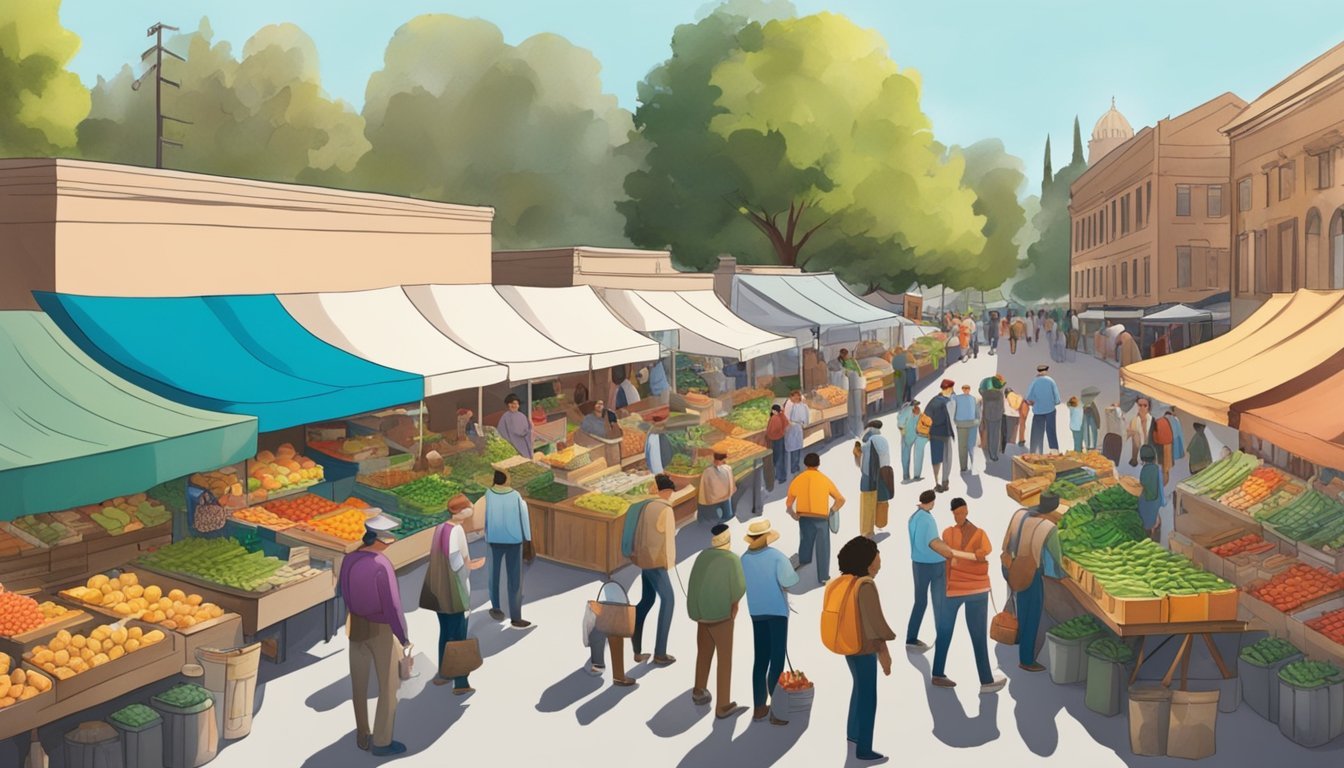
Community Supported Agriculture (CSA) in Chico, CA invites residents to become active members engaging in a synergistic partnership with local farms. These programs typically include seasonal shares of produce, contributing to the local economy, and a commitment throughout the growing season.
How to Join a CSA
Individuals interested in joining a CSA can initiate their membership by contacting the local farm directly. For example, GRUB CSA Farm allows potential members to contact them via email. The enrollment process often involves completing a membership form and paying an annual fee, establishing a mutual agreement for the season.
Membership Responsibilities
Members are typically responsible for picking up their weekly share of produce at designated times and locations. They should be aware that participation requires a level of commitment — the season can run from as early as mid-April until just before Christmas, with some farms offering an additional winter share.
Seasonality and Shares
CSA shares correspond with the agricultural calendar, indicating that produce will be fresh and seasonal. Shares usually consist of a box of various vegetables, with the quantity and assortment dependent on the farm's weekly harvest. Farms like GRUB CSA Farm offer pick-ups every Wednesday, ensuring members receive a consistent supply of fresh produce.
Supporting Local Farmers
Membership fees and participation in CSA programs directly support local farmers. This support enables farmers to invest in their operations, sustain environmentally conscious growing practices, and cultivate a wide array of vegetables. By participating in a CSA, members help reinforce the local food system and contribute to the economic vitality of their community.
CSA Produce and Products
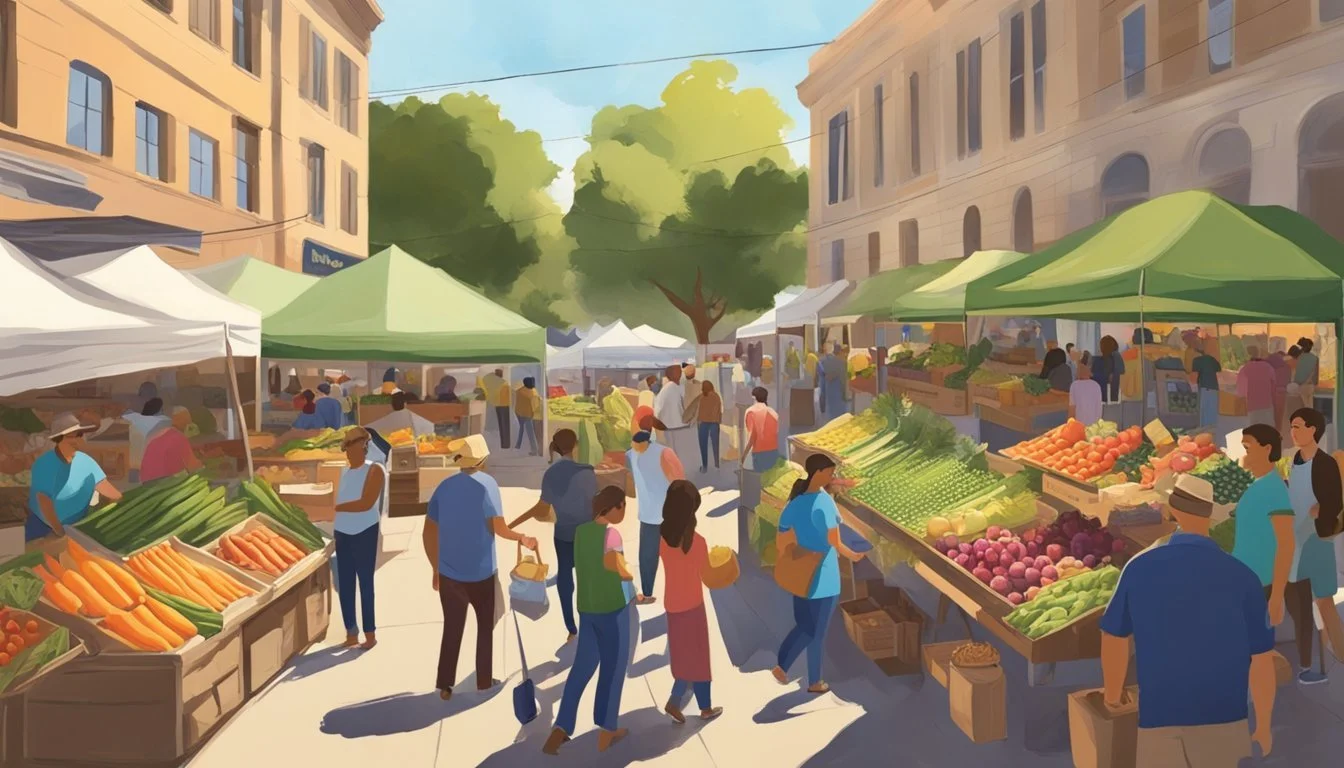
Community Supported Agriculture in Chico, CA offers a wide array of farm-fresh products. Members experience the benefits of having access to fresh, locally-grown produce and naturally reared meats.
Variety of Offerings
CSAs in Chico provide a cornucopia of options when it comes to produce and products. Members can expect to find:
Vegetables: A seasonal selection ranging from leafy greens to root vegetables.
Fruit: Freshly-picked fruits, including berries, apples, and citrus, depending on the season.
Herbs: Aromatic herbs to enhance culinary creations.
Flowers: Beautiful, fresh flowers that vary throughout the growing season.
In addition to plant-based options, some CSAs extend their offerings to include:
Meat: Locally raised meats such as chicken, lamb, and pork.
Eggs: Fresh eggs from chickens that are typically pasture-raised.
These items are subject to seasonal availability and CSA program specifics.
Organic and Natural Farming Practices
CSAs in Chico commit to sustainable agriculture, ensuring organic and natural farming practices. They boast:
Organic Produce: Many CSAs follow organic certification standards, eschewing synthetic pesticides and fertilizers.
Natural Food: A guarantee that food is grown or raised in ways that are environmentally conscious.
The emphasis on natural and organic practices not only supports the local ecosystem but also promotes healthier options for consumers.
Health and Environment

In Chico, CA, the embrace of Community Supported Agriculture (CSA) programs contributes to improved health outcomes for consumers and the sustainability of local ecosystems.
Benefits of Organic Produce
Organic produce from CSA programs is highly sought after for its health benefits, chief among them being the absence of synthetic pesticides. Consumers in Chico can enjoy the peace of mind that comes with consuming vegetables and fruits that have lower levels of such chemicals. Additionally, several studies suggest that organic produce may contain higher levels of certain nutrients compared to conventionally grown produce.
Lower pesticide exposure: Reduces the risk of health issues associated with pesticide ingestion.
Increased nutrient levels: Potentially higher in antioxidants and vitamins.
Healthy Soil and Ecosystem
Healthy Soil: CSA farms in Chico prioritize soil health, understanding that it is the cornerstone of environmental wellness and crop quality. By employing sustainable farming practices, like crop rotation and the use of compost instead of chemical fertilizers, these farms help maintain and foster a rich, biodiverse soil ecosystem.
Erosion reduction
Water retention improvement
Ecosystem Sustainability: Chico's CSA farms also play a pivotal role in sustaining the local ecosystem. By avoiding synthetic pesticides, these farms minimize harm to beneficial insects, birds, and other native wildlife, which in turn supports a balanced and healthy environment. This ecological mindfulness ensures that agricultural practices are in harmony with the natural world.
Conservation of local wildlife
Preservation of native plant species
The CSA Community and Education
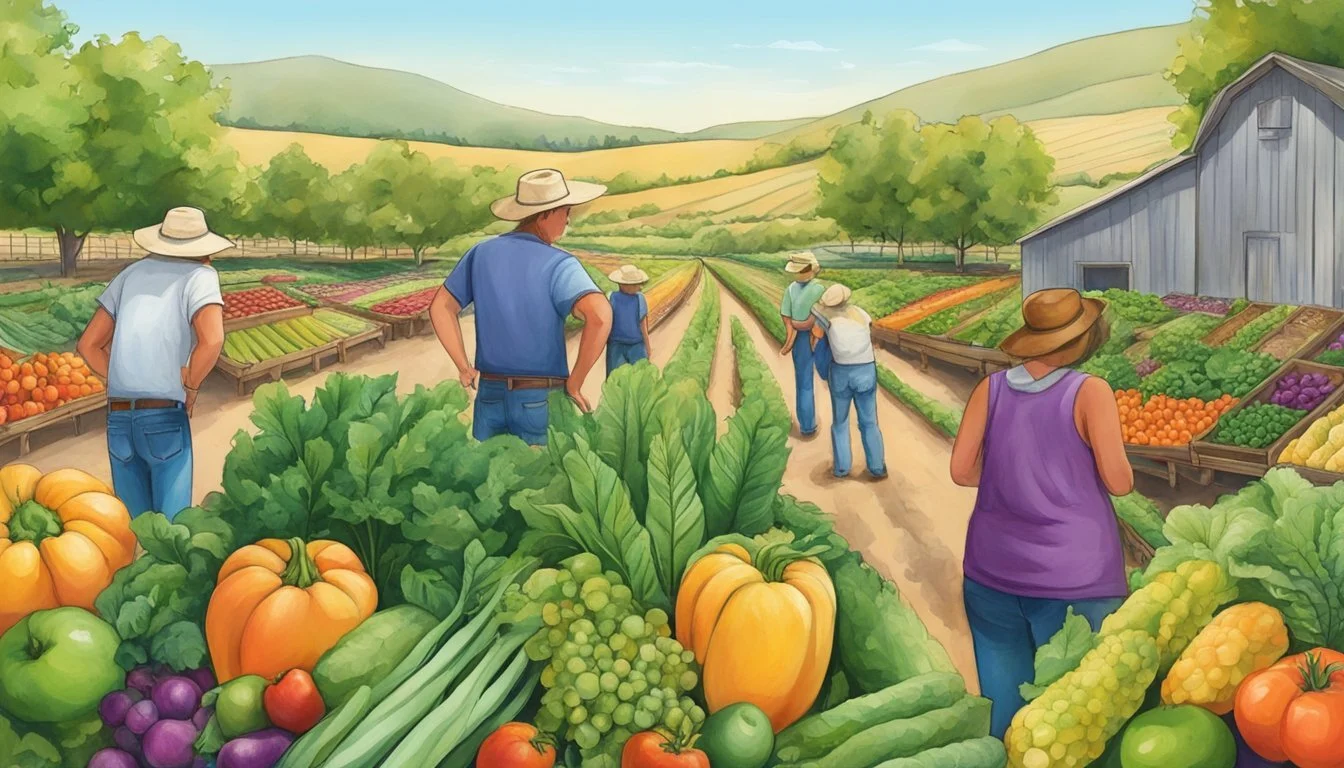
In Chico, CA, the CSA community actively contributes to agricultural education and research, while providing opportunities for the public to engage in learning about sustainable farming practices.
Workshops and Events
Chico's CSA farms often hold workshops and events aimed at educating members and the community about sustainable agriculture and food systems. These workshops provide hands on experience and teach skills ranging from organic farming methods to seasonal cooking techniques. They serve not only as educational tools but also as a means to strengthen the bond between consumers and their food sources.
CSU Agricultural Research Initiative
California State University, Chico operates an Organic Vegetable Project (OVP) that fulfills a dual role of providing CSA services and functioning as a research initiative. The OVP is certified by CCOF and focuses on organic produce, highlighting the sustainable practices of agriculture. Researchers and students at the university utilize this space for educational purposes, gaining valuable insights into the production of vegetables, fruits, herbs, and flowers in harmony with the ecosystem.
Community Engagement and Learning
The CSA model in Chico emphasizes the importance of community engagement and learning. CSA members often have the opportunity to visit the farms, participate in harvesting and gain a deeper understanding of where their food comes from. GRUB CSA Farm, for example, allows members to receive produce directly from their farm and engage with farmers at local farmer markets. This direct interaction fosters a knowledgeable community that is more invested in the principles of Community Supported Agriculture.
Economic and Social Impact
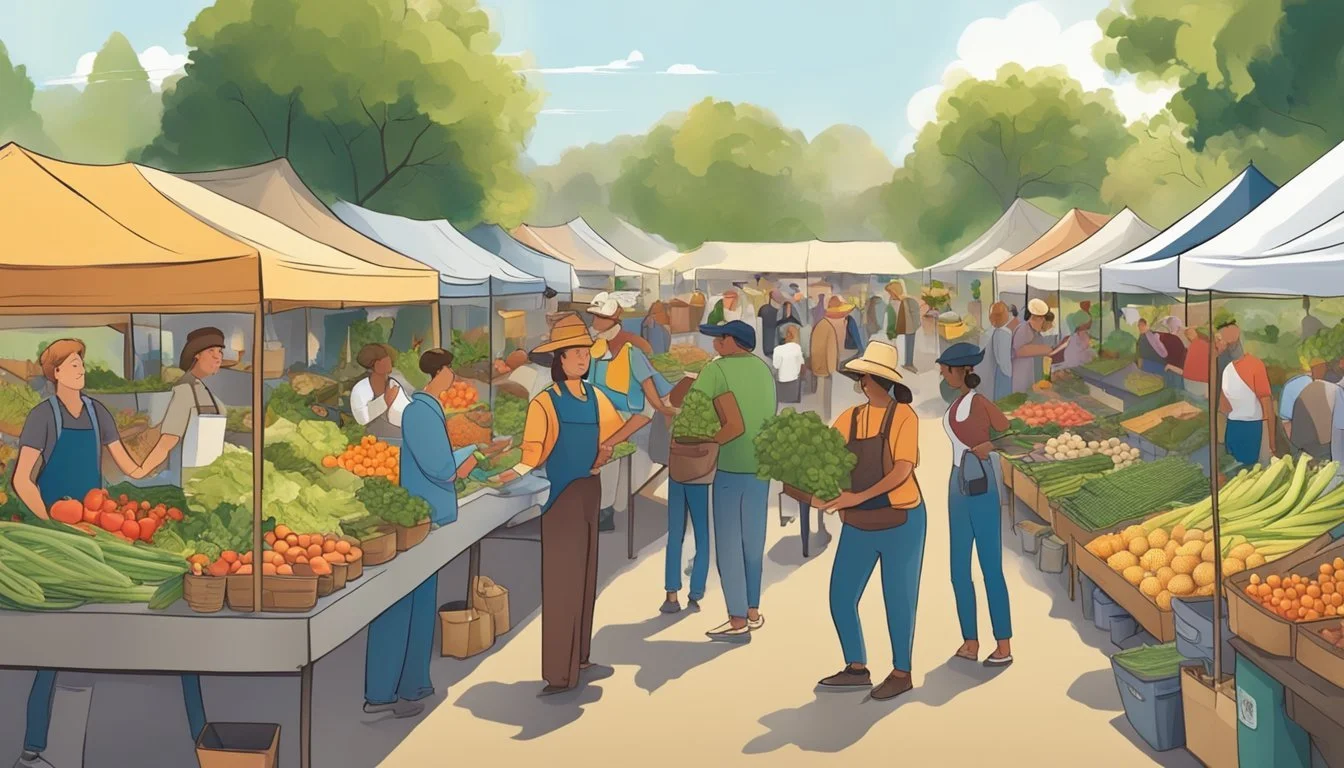
Community Supported Agriculture (CSA) programs in Chico, CA, have demonstrated significant economic and social impacts, from bolstering the viability of local family farms to fostering partnerships that support both community values and charitable activities.
Economic Benefits for Local Community
Local family farms benefit economically from the direct support of the community. CSA members contribute a monthly fee to receive a weekly box of fresh produce, which provides a consistent revenue stream for farmers. This model not only ensures farmers a return on their investment in growing crops, but also helps stabilize farm income, increasing the overall economic resilience of the local community. Additionally, the emphasis on local produce reduces transportation costs and keeps spending within the community, enhancing its economic health.
Social Responsibility and Charitable Work
CSA initiatives often extend their impact through social responsibility and charitable efforts. For instance, local CSAs have formed partnerships with organizations like the Jesus Center and the Earl Foor Foundation to aid in community healing and support for those in need. By collaborating with such entities, CSA farms not only contribute to food security but also uphold a philosophy of giving back to the community that supports them. These partnerships showcase the role of CSAs in weaving a tighter social fabric through their commitment to social sustainability and community values.
Local Food Systems and Restaurants
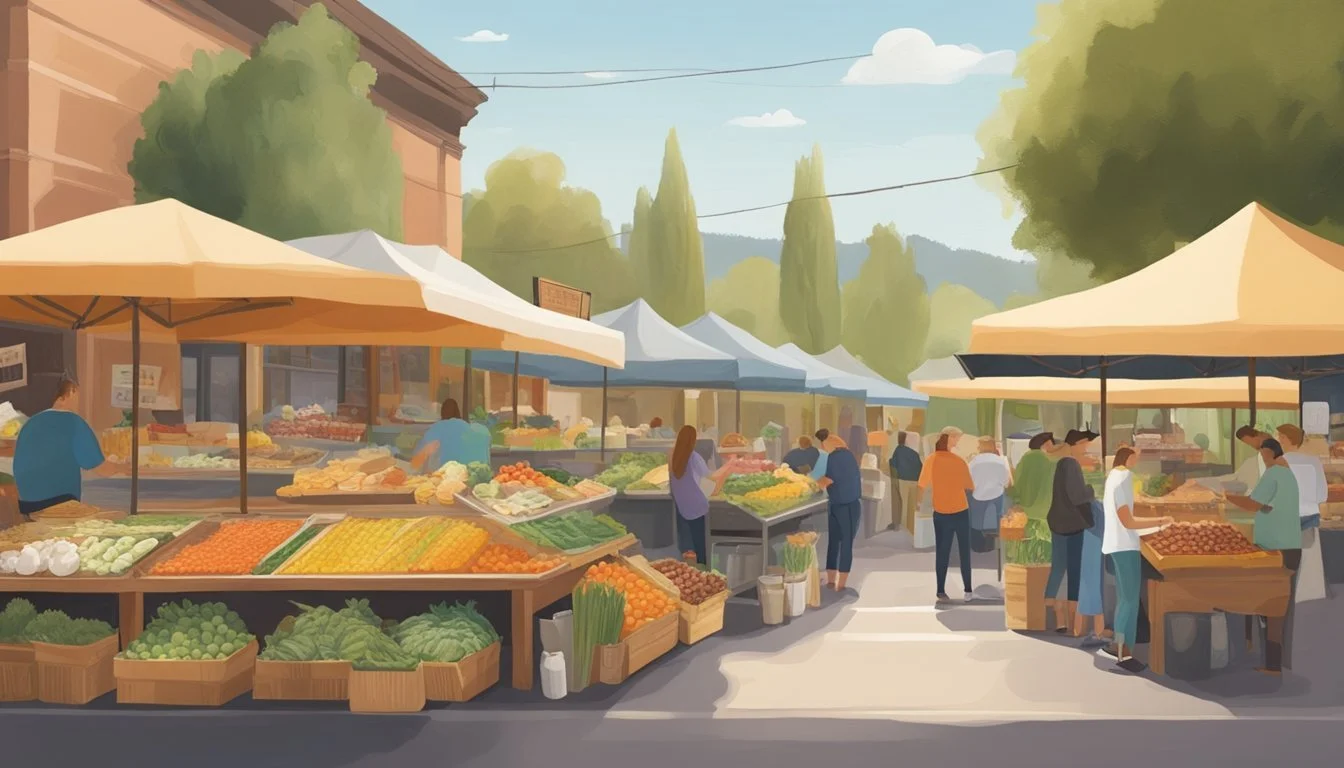
In Chico, CA, community-supported agriculture plays an integral role in bolstering local food systems, with an emphasis on partnerships between farms and restaurants that prioritize local produce.
LocalHarvest and CSA Boxes
LocalHarvest is a pivotal platform where individuals can locate sustainable produce from GRUB CSA Farm and other local farms. GRUB CSA Farm has established a reputation for supplying high-quality vegetables year-round, utilizing environmentally conscious farming techniques. Community members can support and directly benefit from these local agricultural efforts through CSA boxes, which typically contain a variety of fresh, seasonal, organic vegetables.
Restaurants Featuring Local Produce
Chico's restaurants are increasingly incorporating local farm produce into their menus, showcasing the region's agricultural richness. These establishments take pride in a farm-to-table approach, elevating the dining experience with fresh, flavorful ingredients. Patrons dining at such restaurants are actively participating in Chico's local food scene, contributing to the sustainability of the community's agriculture.
Innovations and Future of CSA
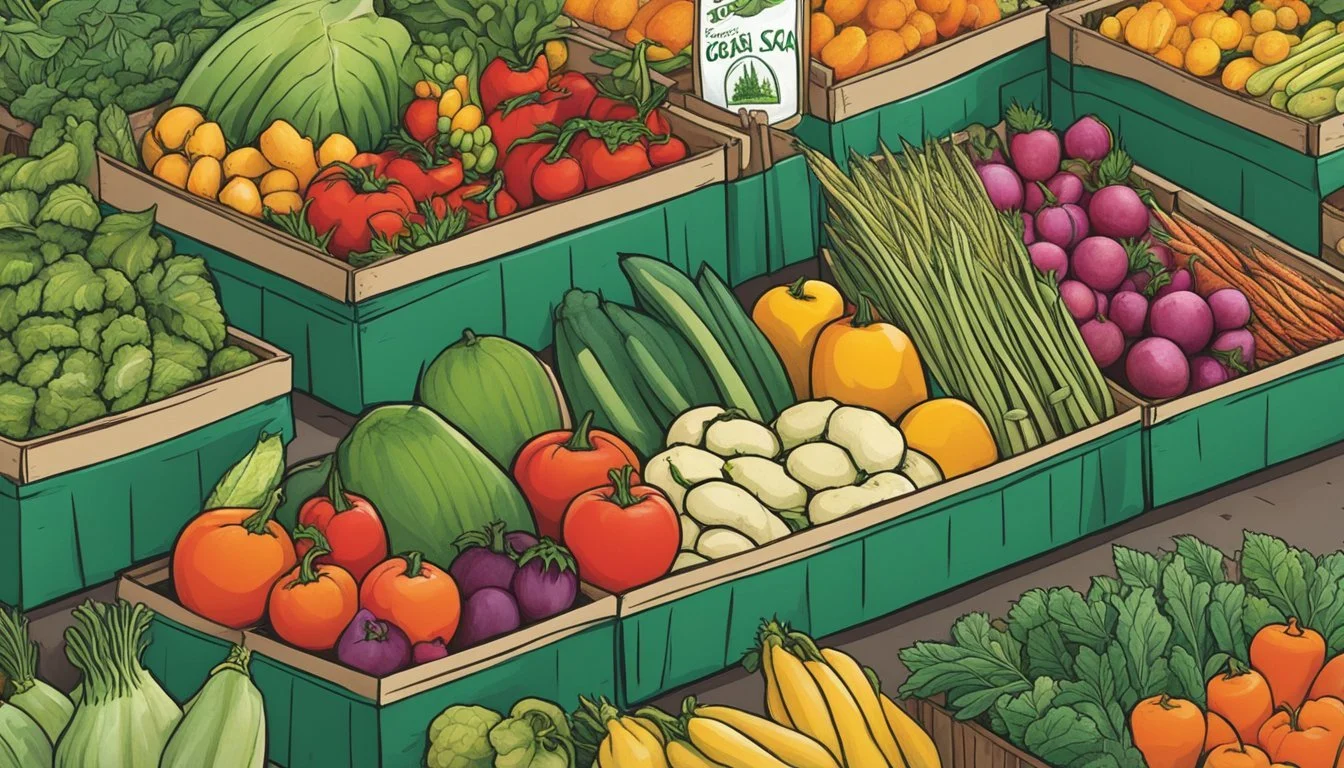
Community Supported Agriculture (CSA) in Chico continues to evolve, embracing innovative programs and technology to enhance food accessibility and streamline farm management.
CSA Programs for Low-Income Families
The initiative CSA Programs for Low-Income Families has been instrumental in providing nutritional benefits to those who might otherwise be unable to afford fresh produce. The Wildcat Food Pantry, for example, partners with local CSAs to offer a range of subscription options tailored for low-income individuals and families, ensuring consistent access to fresh, locally-grown vegetables. Specific programs facilitate payments through government assistance plans, making CSA shares more accessible.
Technology and CSA Management
Advancements in technology have significantly improved CSA management in Chico. Chico Institute for Sustainable Development (ISD) and the CSU Agricultural Research Initiative (ARI) jointly developed a suite of management tools tailored to CSA operations. Subscription logistics, inventory tracking, and the introduction of new vegetables into CSA offerings have been markedly optimized. These tools help in predicting crop yields, which in turn aids efficient distribution and minimizes waste, leading to a more resilient local food system.
Case Studies and Real-life Examples
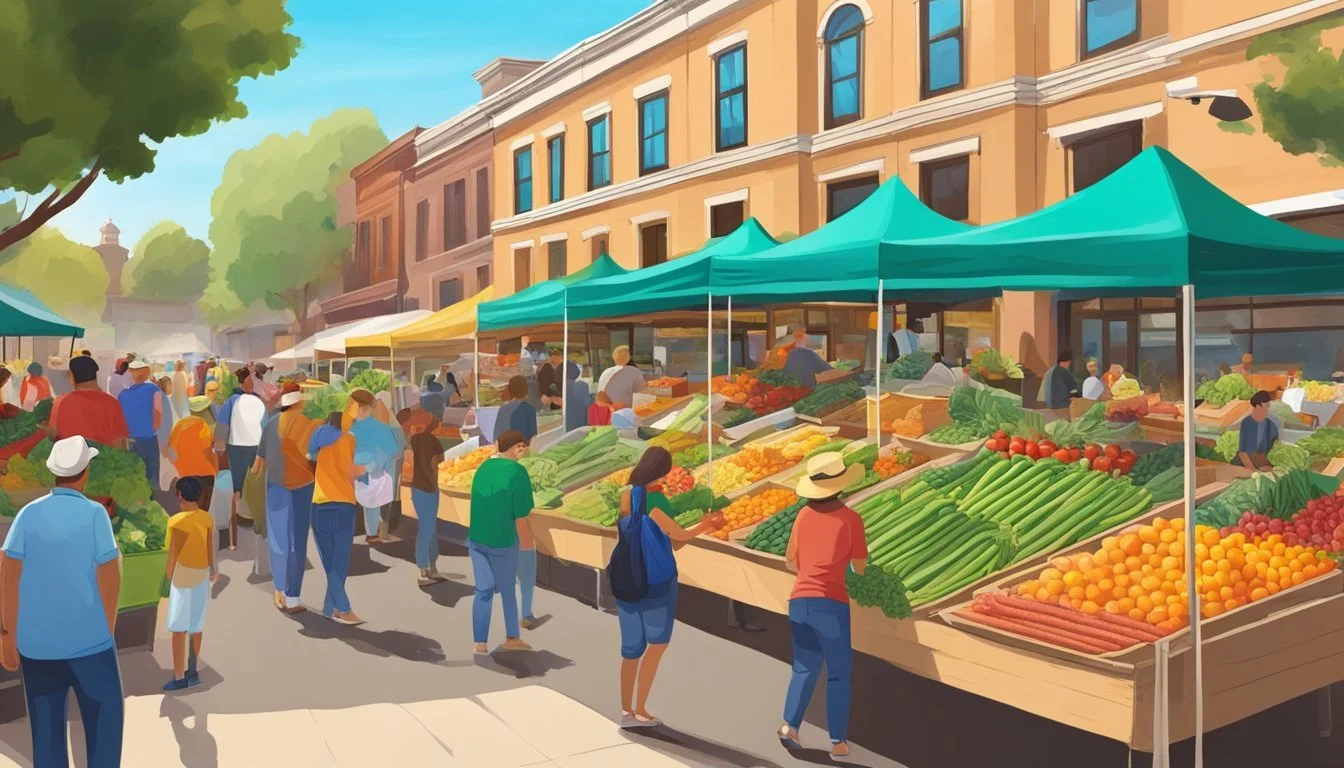
By examining specific instances of Community Supported Agriculture (CSA) in Chico, CA, the vitality and impact of local food initiatives become clear. These real-life examples showcase the commitment of Chico's communities to sustainability and local farming.
Harvesting Hope Community Farm
Harvesting Hope Community Farm exemplifies how a CSA can infuse a community with fresh produce while teaching practical skills. They operate on a small-scale, but their contribution to the local food system is substantial. This CSA allows members to receive a weekly share of fresh harvest during the growing season, focusing on a variety of fruits and vegetables.
Location: Chico, CA
Shares Offered: Weekly
Produce: Mixed fruits and vegetables
Special Programs: Educational workshops on sustainable agriculture
Blind Opossum Farm
At Blind Opossum Farm, sustainability is the cornerstone of their operations. They demonstrate a commitment to environmentally friendly farming practices on their small-scale plot. Blind Opossum Farm provides a model for other aspiring sustainable farms, showing that CSA can function effectively on limited land and resources.
Location: Near Chico, CA
Shares Offered: Bi-weekly
Produce: Seasonal selections, typically includes heirloom varieties
Sustainability: Emphasizes eco-friendly techniques
Both farms emphasize the importance of connecting people with the source of their food while operating transparently and sustainably.