Community Supported Agriculture (CSA) in Daly City, CA
A Guide to Local Farm Shares
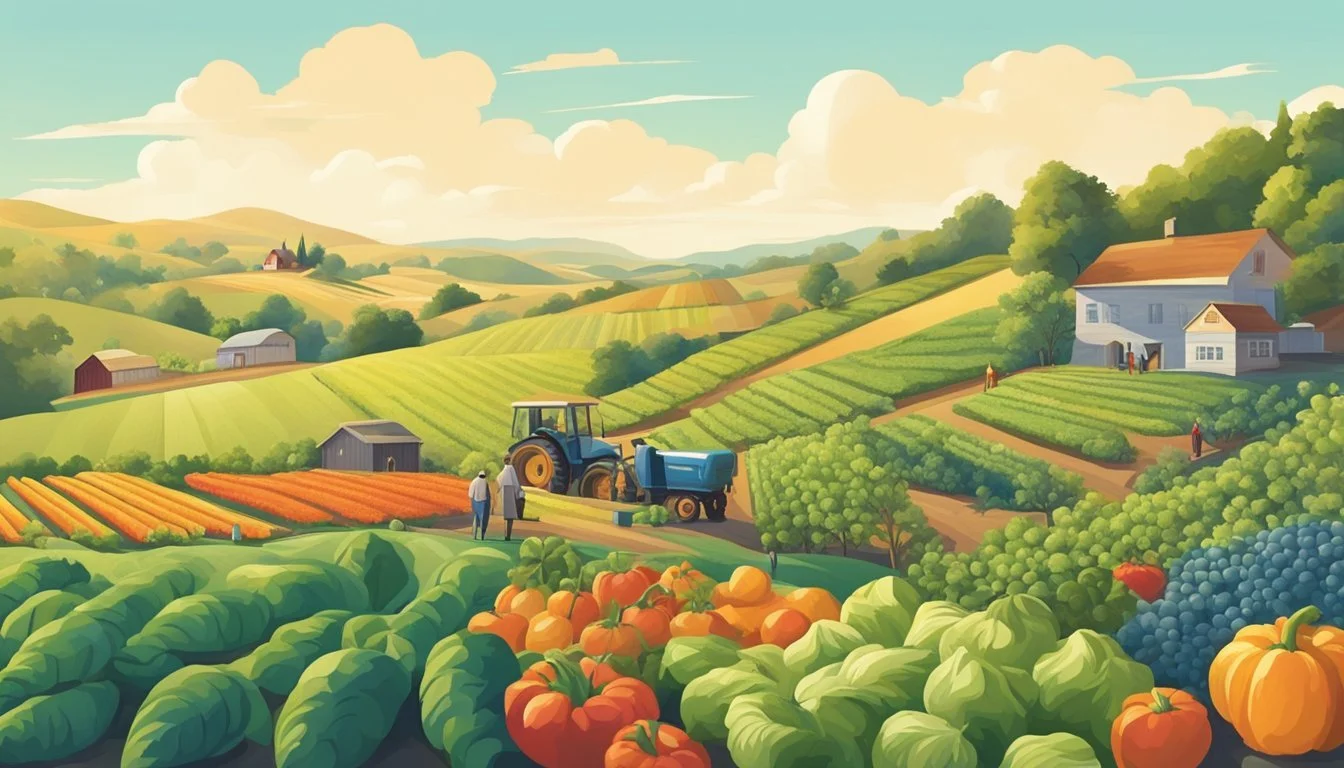
Community Supported Agriculture, commonly referred to as CSA, is a model of food production and distribution that directly connects farmers with consumers. In Daly City, California, this system has garnered attention for its role in supporting local agriculture and providing residents with fresh, seasonal produce. Through CSAs, residents purchase a "share" from local farms, which typically entitles them to a weekly or bi-weekly delivery of freshly harvested goods, fostering a closer relationship between consumers and the source of their food.
The concept of CSA is centered around community involvement and investment in local farms. Consumers in Daly City enjoy the benefits of knowing where their food comes from, while farmers gain financial security through the subscription-based model. By engaging with a CSA, members are not only guaranteed a regular supply of farm products, but they also contribute to the local economy and the environmental well-being of their area by reducing the food miles associated with long-distance transportation.
CSA programs in Daly City offer various options to suit different needs, such as box sizes and delivery frequencies. These programs go beyond just providing food; they represent a commitment to health, community, and sustainable practices. The exchange between farmers and consumers underscores a shared responsibility to uphold agricultural tradition and increase access to nutritious food within the locality.
Understanding CSA
Community Supported Agriculture (CSA) offers a direct bridge between local farmers and the community, effectively reducing the distance food travels from farm to table. It's a practice that emphasizes the importance of local food systems and seasonality.
History of Community Supported Agriculture
CSA has its roots in the cooperative movements of the 1960s and 1970s in both Japan and Switzerland, with the concept later emerging in the United States in the 1980s. The idea was to form a collaboration where both the farmer and the community members could share the benefits and risks of food production. In Daly City, like many other places, CSA has seen a surge in popularity as more consumers seek out ways to support local agriculture and obtain fresh produce.
Key Principles of CSA Programs
Local Food Systems: CSA programs are designed to strengthen local food systems by providing farmers with a direct market for their produce and consumers with fresh, local options.
Shared Risk and Reward: Both the farmer and the shareholders (CSA members) accept the inherent risks of agriculture. In good years they share the bounty, while in difficult years, they share the shortages.
Seasonal Produce: Members typically receive a diverse selection of farm-fresh fruits and vegetables aligned with the regional growing season.
Community Engagement: CSA fosters a sense of community through regular interactions between members and the farmer.
Sustainability: Focus on sustainable farming practices reflects the eco-conscious values held by both farmers and members.
CSA Business Model
The CSA business model is based on a subscription or membership format where consumers pay in advance for a share of the upcoming harvest. This upfront capital allows the farmer to plan and cover the initial operational costs of the season.
Membership Sign-up: Consumers sign up and pay for a season's worth of produce, usually via a subscription.
Seasonal Shares: Members receive their shares regularly - weekly or bi-weekly - throughout the growing season.
Variety of Products: In addition to produce, some CSA programs may include other products like honey, meat, bread, and eggs.
Distribution: Shares are typically distributed at a central pickup location, or in some cases, delivered directly to the member's home.
By participating in a CSA program, a person not only receives fresh, locally-sourced fruits and vegetables, but they also contribute to a sustainable community-based business model. It is a commitment to support one's local farmer and to eat seasonally, promoting a healthier lifestyle and environment.
Benefits of Joining a CSA
Joining a Community Supported Agriculture (CSA) in Daly City offers tangible advantages to both consumers and local farmers. Members can enjoy the dividends of healthy, farm-fresh produce while supporting a sustainable regional food system.
Supporting Local Farmers
By opting for a CSA membership, members make a crucial commitment to local farmers. This model provides farmers with a stable income source and reduces their financial risks. Consumers become partners in the farming process, fostering food security for the community while ensuring that local farms remain operational and viable.
Fresh and Seasonal Produce
CSA members receive a bounty of fresh and seasonal produce. The vegetables and fruits provided through CSA are often harvested within a day of delivery, ensuring peak freshness. This direct farm-to-consumer approach eliminates lengthy supply chains, guaranteeing that members get the most flavorful and nutrient-dense produce available.
Vegetables: Varied seasonal selection, often including leafy greens, root vegetables, and heirloom varieties.
Fruits: Selection dependent on the season; could range from berries to citrus and stone fruits.
Health Benefits of CSA Produce
The produce from a CSA is typically grown using organic farming methods, which can result in fewer pesticides and a healthier option for consumers. Members often report that the availability of fresh produce encourages a healthier diet rich in vegetables and fruits, contributing to overall health benefits.
Organic farming: Practices emphasize soil health and biodiversity.
Seasonal produce: Aligns with natural growing cycles, potentially offering greater nutritional value.
How to Participate in CSA
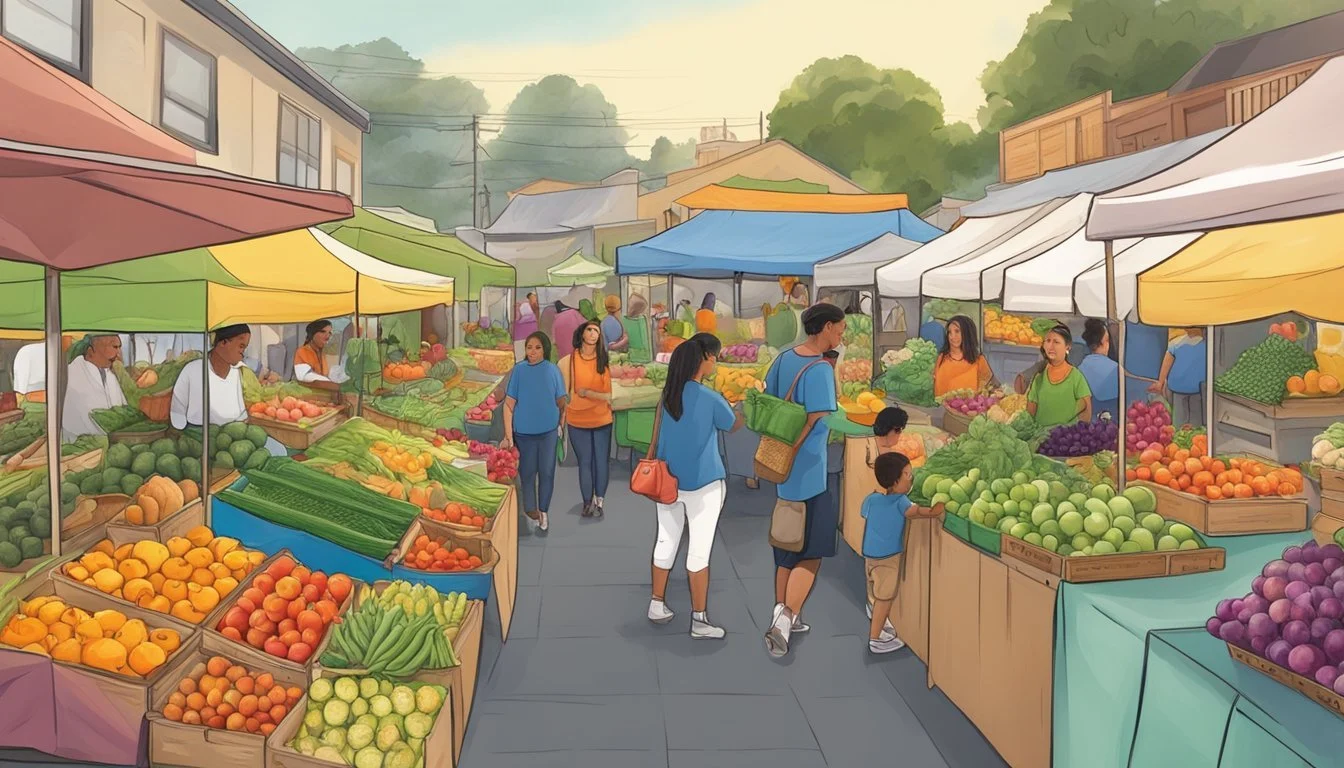
Participating in a CSA involves selecting a local farm, understanding the costs and membership details, and committing to the responsibilities of membership. This allows individuals in Daly City to directly support their community's agriculture and enjoy fresh, locally-grown produce.
Finding a CSA in Daly City
To find a CSA in Daly City, individuals can utilize local food directories or API applications designed to connect consumers to CSA programs. A straightforward approach is to search online for “CSA near Daly City” or check community bulletin boards for local farm advertisements.
Local Food Directories: Websites like LocalHarvest or the USDA's site can provide listings of CSA programs.
API Applications: Technology platforms that offer location-based search functionality can help pinpoint CSA programs in and near Daly City.
Understanding CSA Membership and Fees
Prospective members should be informed about the fees associated with joining a CSA. Membership fees are typically charged upfront to provide the farmer with the capital needed to plan and plant crops.
Membership Fee: This is usually a lump sum paid before the harvest season, which covers a share of the farm’s production.
Payment Options: Some CSAs may offer payment plans or sliding scale fees to accommodate different budgets.
Commitment and Responsibilities
Joining a CSA requires commitment to the farm's crop schedule and sometimes participation in farm events or volunteer activities.
Seasonal Commitment: Members commit to a season, usually lasting 20 to 22 weeks.
Community Connection: Members may be invited to participate in farm-related events, helping to strengthen the community bond with the farm.
Individuals can engage in a fulfilling experience knowing they are supporting local agriculture and receiving fresh seasonal produce through their CSA membership.
Challenges and Considerations
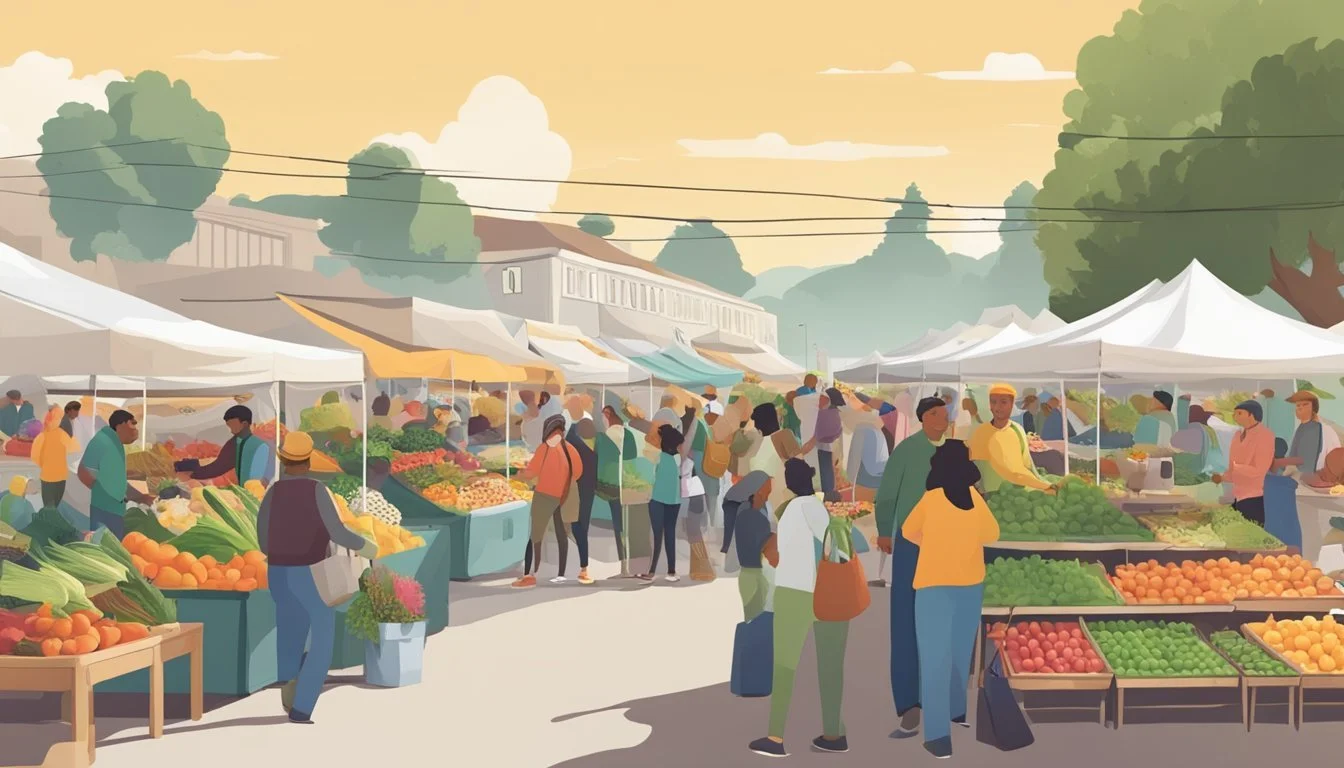
As a model of local, sustainable agriculture, Community Supported Agriculture (CSA) faces various challenges specific to Daly City, California. These include managing the innate unpredictability of weather and its impact on crop production, along with ensuring the economic viability of CSAs in fluctuating market conditions.
Weather and Crop Risks
In Daly City, the weather poses significant risks to CSA operations, with the coastal climate leading to foggy conditions that can affect sunlight exposure and crop yields. CSA members may share in the risk of farming by paying for their share of farm products up front, which provides the farm with a measure of security. Yet, they must also accept the possibility of crop failure due to adverse weather conditions.
Responsibility: Farmers commit to responsible stewardship of the land, despite the risks.
Economic Sustainability
The economic sustainability of CSA in Daly City hinges on balancing costs with the prices of shares offered to consumers. Farmers face the challenge of ensuring continual operation, even when facing increased investment for sustainable farming methods or when market prices for produce fluctuate.
Economy: Pricing of CSA shares must reflect the true costs of sustainable production.
Security: Consistent subscriber support provides a more secure income stream for farmers.
CSA Membership Experience
In Daly City, CA, a CSA membership provides individuals with opportunities for community involvement, culinary growth, and a reliable supply of fresh produce. Members receive numerous benefits, including product variety and enrichment through participation.
Community Engagement and Education
A CSA member often finds themselves embedded within a tight-knit group, fostering a sense of community. They participate in local events, workshops, and farming activities that educate on agricultural practices and the importance of sustainable food systems. Members share tips, recipes, and experiences which contribute to a collective understanding of food sourcing.
Receiving and Using CSA Shares
Every week or bi-weekly, depending on the CSA structure, members receive a box containing a medley of fresh produce, which may also include eggs and cheese. These shares are typically customizable and provide the essentials for home cooking. When faced with an abundance of perishables, members make use of preserving techniques such as freezing and canning, ensuring they can enjoy their share long after the initial distribution.
Culinary Exploration and Preservation
With each share, CSA members are often introduced to new and unique vegetables and fruit varieties, spurring culinary exploration. They experiment with different preparation methods, such as grilling, roasting, or raw preparations. To extend the lifespan of their goods, they utilise preservation methods, with some CSAs offering classes on effective freezing and canning techniques to avoid food waste.
Advancing CSA Initiatives
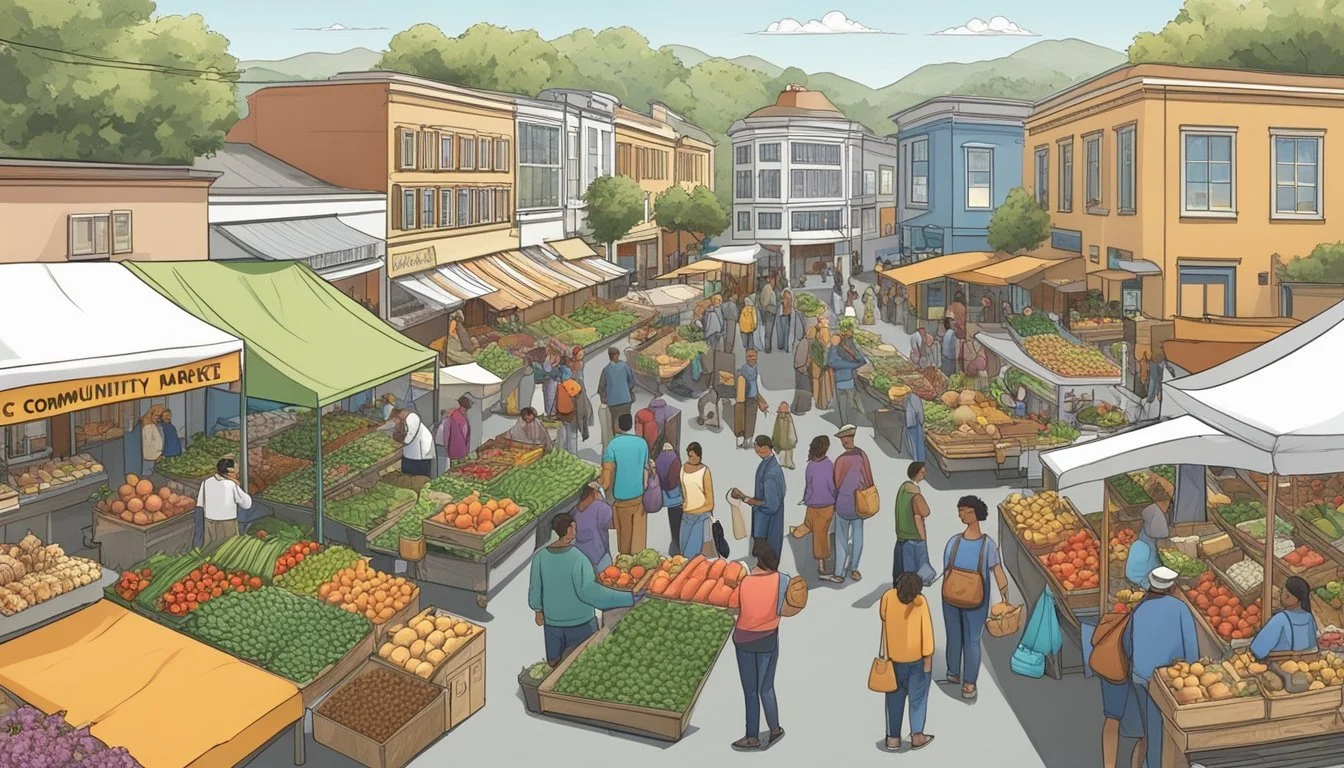
Community Supported Agriculture (CSA) in Daly City is seeing a shift towards innovative practices and stronger communal ties. These developments aim to fulfill the dual purpose of enhancing local food systems and strengthening relationships between consumers and growers.
Innovation and Diversification in CSA
Daly City CSA operators are adopting novel approaches to diversify their offerings and remain competitive. A primary tactic is incorporating a wider variety of produce and including value-added products such as jams, cheeses, and bread. Integrating technology is also a key aspect, with many CSAs launching user-friendly websites and mobile apps for easier order placement and customer engagement. Research and the use of resources provided by the CSA Innovation Network play a crucial role in facilitating these advancements, ensuring that CSAs stay well-informed about the latest marketing trends and agricultural practices.
Innovative Distribution Methods:
Subscription boxes with seasonal recipes
Online platforms for customizing produce orders
Product Diversification:
Introduction of organic and heirloom varieties
Expansion into non-produce items (e.g., honey, eggs)
Building a Strong CSA Network
In Daly City, CSA organizations are emphasizing the importance of creating a robust network that fosters partnerships between different CSAs, local businesses, and consumers. By doing so, they aim to build resilience in the local food ecosystem and craft marketing strategies that appeal to a diverse consumer base. Collaborations with local chefs, schools, and health institutions are examples of partnerships that amplify CSA outreach and cement its role in the community.
Networking Strategies:
Regular meetings and workshops for knowledge exchange
Unified branding efforts to elevate the CSA's presence in local markets
Strategic Partnerships:
Food education programs with schools and culinary institutes
Joint ventures with local businesses for cross-promotion
These initiatives equip Daly City's CSA operators with the tools to meet the evolving demands of their members while securing the future of local agriculture. Through innovation and a supportive network, CSAs continue to be a vital link in the region's food supply chain.
Local Impact of CSA in Daly City
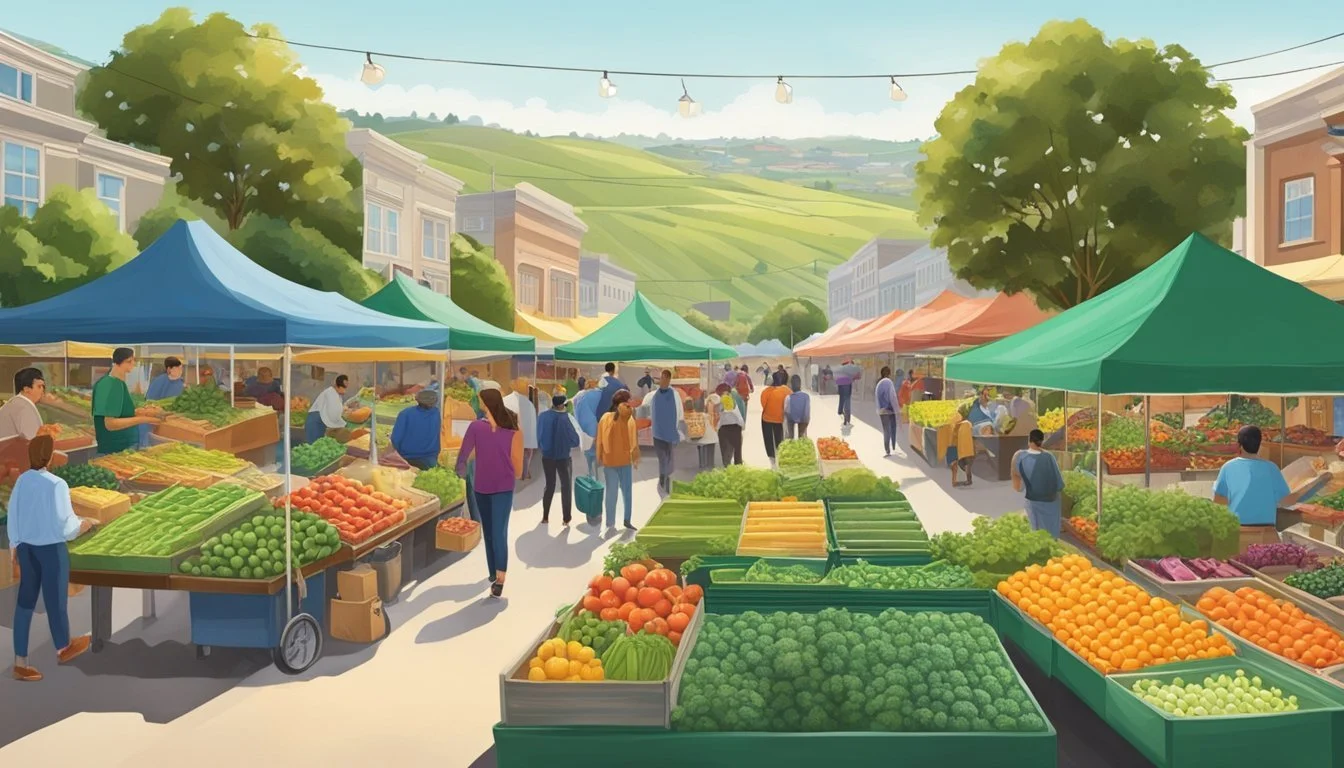
Community Supported Agriculture (CSA) has become a significant component of Daly City's local foodscapes, providing a bridge between residents and the agricultural community. These effects resonate through the local economy, support for area farmers, and the overall food system.
Contribution to the Local Economy
CSA initiatives in Daly City stimulate the local economy by channeling consumer dollars directly to farmers. This direct-to-consumer model ensures that more money stays within the community as opposed to being lost to outside entities or larger supermarket chains. In economic reports, CSAs have been shown to account for a substantial portion of the billions of dollars in direct-to-consumer sales nationwide, indicating that similar impacts are felt at the local level.
Local Spending: Money spent on CSA shares by Daly City residents circulates in the local economy, leading to a multiplier effect.
Job Creation: Operating CSAs often means local farms require more labor, leading to job opportunities for residents.
Promotion of Local Food and Farmers
By connecting Daly City residents with local farmers through CSA shares, the community benefits from fresher, more nutritious produce while fostering a deeper appreciation for the origin of their food. This model elevates the visibility of local farmers and champions the consumption of seasonal goods, enhancing overall satisfaction among community members with their food choices.
Awareness: CSA promotes awareness of seasonal foods and local growing conditions, fostering a connection with the land.
Support: Regular subscribers to CSA boxes provide a predictable income stream for farmers, enabling them to plan better and invest in their operations.
CSA's Role in the Broader Food System
CSAs play a critical role in Daly City's wider food system. Beyond nourishing the community with local food, they are integral to developing resilient and ecologically sound food networks. Through direct engagement, CSAs help inform and encourage more sustainable consumer habits and agricultural practices.
Sustainability: CSA's focus on local sourcing reduces transportation costs and associated emissions, contributing to a more sustainable food system.
Resiliency: By diversifying the market options for farmers and providing them with direct sales avenues, CSAs fortify the local food system against market disruptions.
Exploring CSA Farms Near Daly City
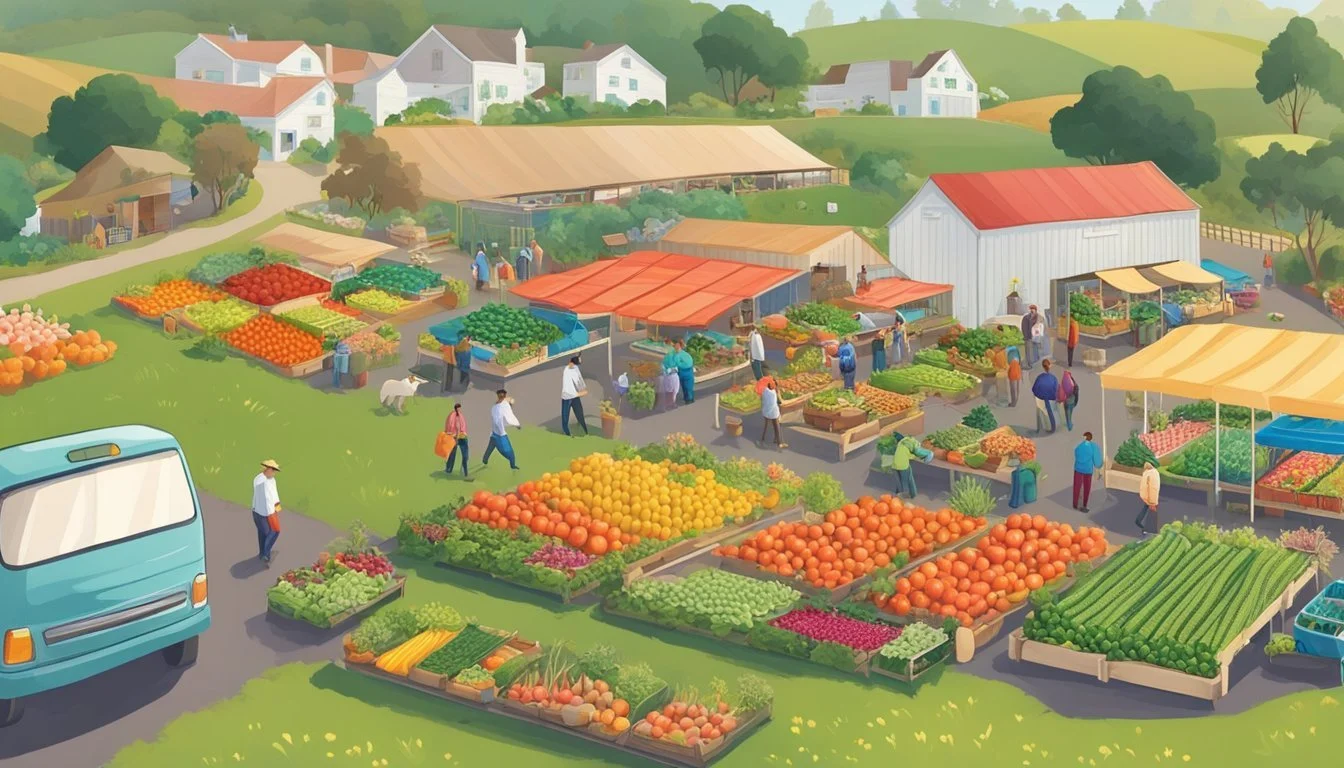
The vicinity of Daly City, California, benefits from a selection of Community Supported Agriculture (CSA) farms. Residents can enjoy access to fresh, locally-sourced produce while supporting sustainable agricultural practices.
Profile of Local CSA Farms
Daly City's local CSA farms employ organic farming methods to cultivate a range of produce. These farms typically offer subscription-based shares, where members receive seasonal vegetables and fruits. Farms in this region often focus on organic or sustainable farming practices, ensuring that the produce supplied to their members is grown without synthetic pesticides or genetically modified organisms.
Notable CSA Farms Near Daly City:
Farm Fresh to You: Offering diverse subscription options including organic fruits and vegetables.
Sea Breeze Farm: Known for providing a rich variety of produce along with farm-fresh eggs.
Greenhearts Family Farm: Emphasizes community connection with their vegetable and fruit offerings.
Discovering Seasonal Offerings
CSA farms near Daly City typically have a harvesting season that runs from spring through late fall. During this period, shareholders can expect a rotation of crops that generally includes staple vegetables such as broccoli, leafy greens, and root vegetables, as well as seasonal specialties.
Seasonal Availability:
Spring: Tender greens and nutrient-rich vegetables commence the growing season.
Summer: Peak time for colorful and juicy strawberries along with an array of stone fruits and tomatoes.
Fall: Hardy vegetables like pumpkins and squashes thrive, extending the bountiful offerings into the cooler months.
Members of CSA farms have the unique opportunity to directly engage with local food systems and often are introduced to diverse, unusual, or heirloom varieties which may not be available in mainstream markets.
Future Directions for CSA
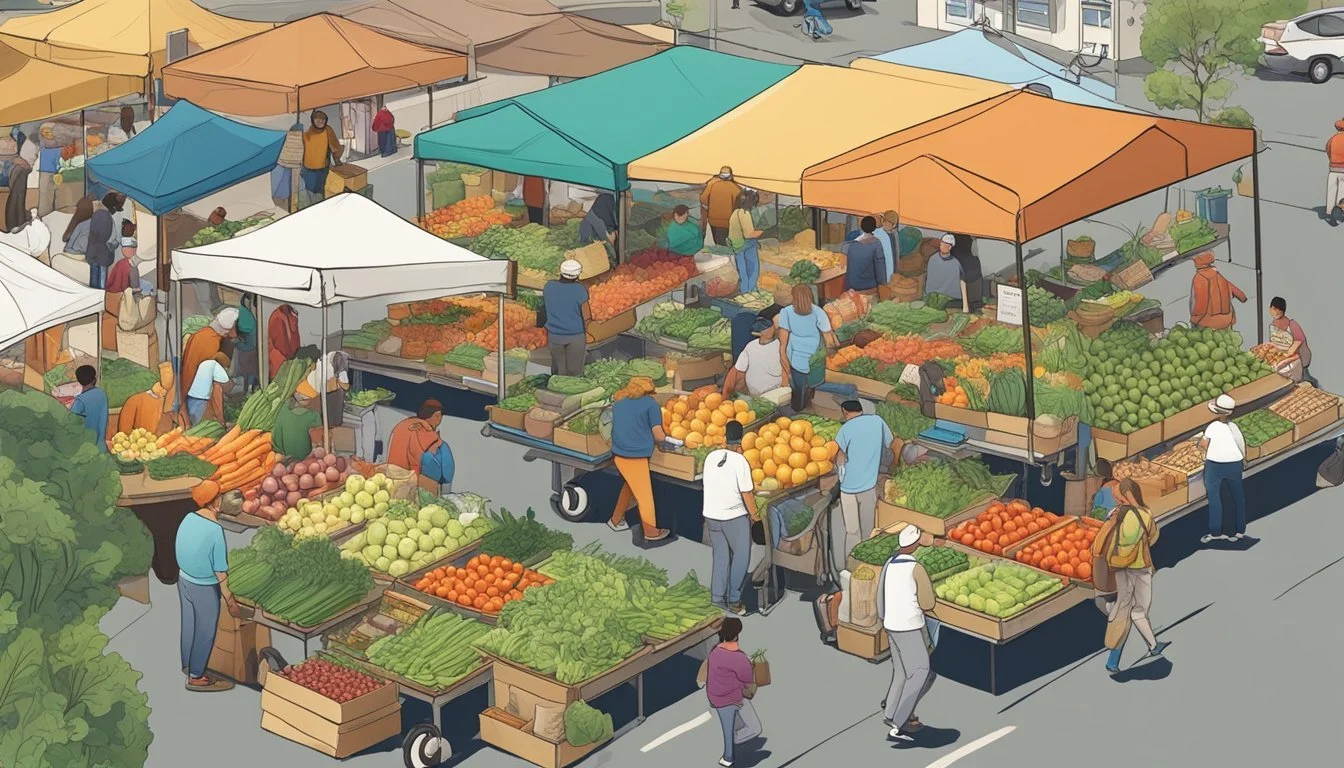
Community Supported Agriculture in Daly City, California, is evolving through research and improved partnerships between consumers and farmers. Enhanced data analysis and stronger relationships are pivotal to this progression.
Research and Data Utilization
Researchers are focusing on yielding actionable insights from the vast amounts of data accrued from CSA operations. Tracking consumer purchase patterns, crop yield success rates, and economic trends will enable CSA programs to adapt to changing market demands. This targeted approach to analyzing data can lead to more effective farming practices and crop selections tailored to community needs.
Enhancing Consumer-Farmer Partnership
The relationship between consumers and farmers is fundamental to the CSA model. Daly City's CSA programs are working on strategies to deepen this partnership, recognizing that the sustainability of CSA depends on a strong consumer base. Regular feedback mechanisms, such as surveys or community meetings, and increased transparency about farming practices can reinforce trust and investment in the CSA model. Through fortifying these relationships, both parties can work towards a resilient food system.
CSA Resources and Important Contacts
Community Supported Agriculture (CSA) programs in Daly City, CA, offer a sustainable approach to sourcing local food by connecting community members with local farms.
CSA Support Networks
In Daly City, individuals interested in participating in a CSA program can take advantage of various support networks designed to facilitate these partnerships. LocalHarvest is one such resource where community members can find information on multiple farms offering CSA shares. The Daly City CSA Coalition is another key organization that provides support and guidance to both new and existing CSA programs.
LocalHarvest
Website: LocalHarvest CSA
Contact: info@localharvest.org
Daly City CSA Coalition
Email: coalition@dalycitycsa.org
Phone: (650) 555-0123
Connecting with CSA Experts
To ensure the success and sustainability of a CSA program, connecting with seasoned experts is crucial. The San Mateo County Agriculture Extension Office offers advice on logistical and technical aspects of CSA. Additionally, UC Cooperative Extension provides support through training and workshops for both farmers and community participants.
San Mateo County Agriculture Extension Office
Phone: (650) 555-0247
UC Cooperative Extension
Website: UCCE San Mateo
Contact: (650) 555-0354
By utilizing the resources and contacts listed, those interested in community supported agriculture can gain valuable insights and form connections that ensure the prosperity and longevity of local CSAs.
Conclusion
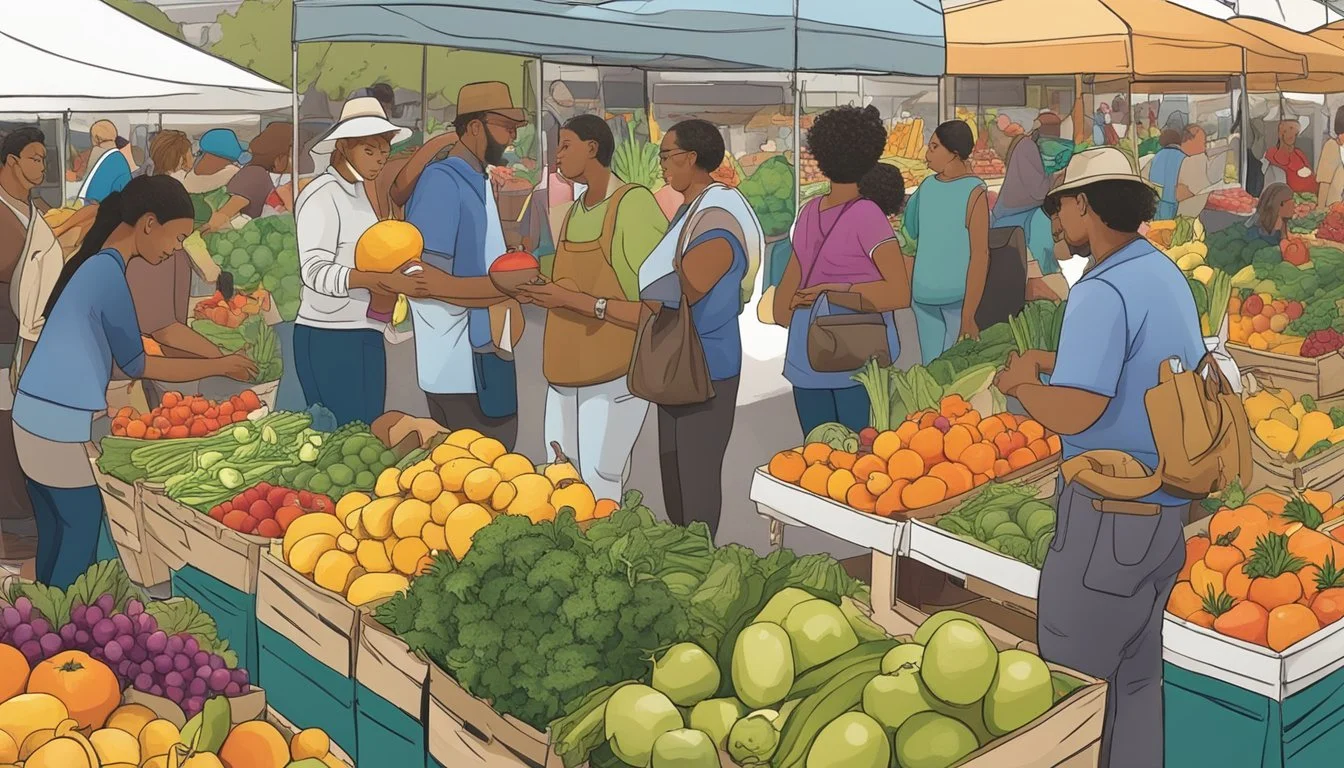
In Daly City, CA, Community Supported Agriculture (CSA) manifests as a robust model for sustainable food systems. It forges a meaningful connection between the community and local agriculture. CSA acts not just as a source of fresh produce but as an investment in the future of local farming and ecological stewardship.
The sustainability of CSA is evident in its support for small-scale farmers and its minimal carbon footprint. By focusing on local distribution channels, the CSA model in Daly City significantly reduces transportation emissions compared to conventional food systems. This is integral to the community's commitment to environmental health.
For Daly City residents, the benefits of CSA go beyond mere sustainability. Participating in a CSA program also nurtures a sense of belonging and community spirit. It reinforces the bond between consumers and growers, instilling a shared responsibility for food production and consumption.
Looking ahead, the CSA model is poised to play a pivotal role in Daly City's food landscape. Its adaptability to changing climates and markets ensures that it remains relevant and responsive to the community's needs. The scalability of CSA programs can further influence the wider region, setting a precedent for community-driven, sustainable agriculture.
In summary, Community Supported Agriculture in Daly City stands as a testament to the collaborative effort between farmers and consumers. It epitomizes a model distinctly aligned with community values, environmental health, and a dynamic, sustainable future.