Community Supported Agriculture (CSA) in Hesperia, CA
A Guide to Local Farm Partnerships
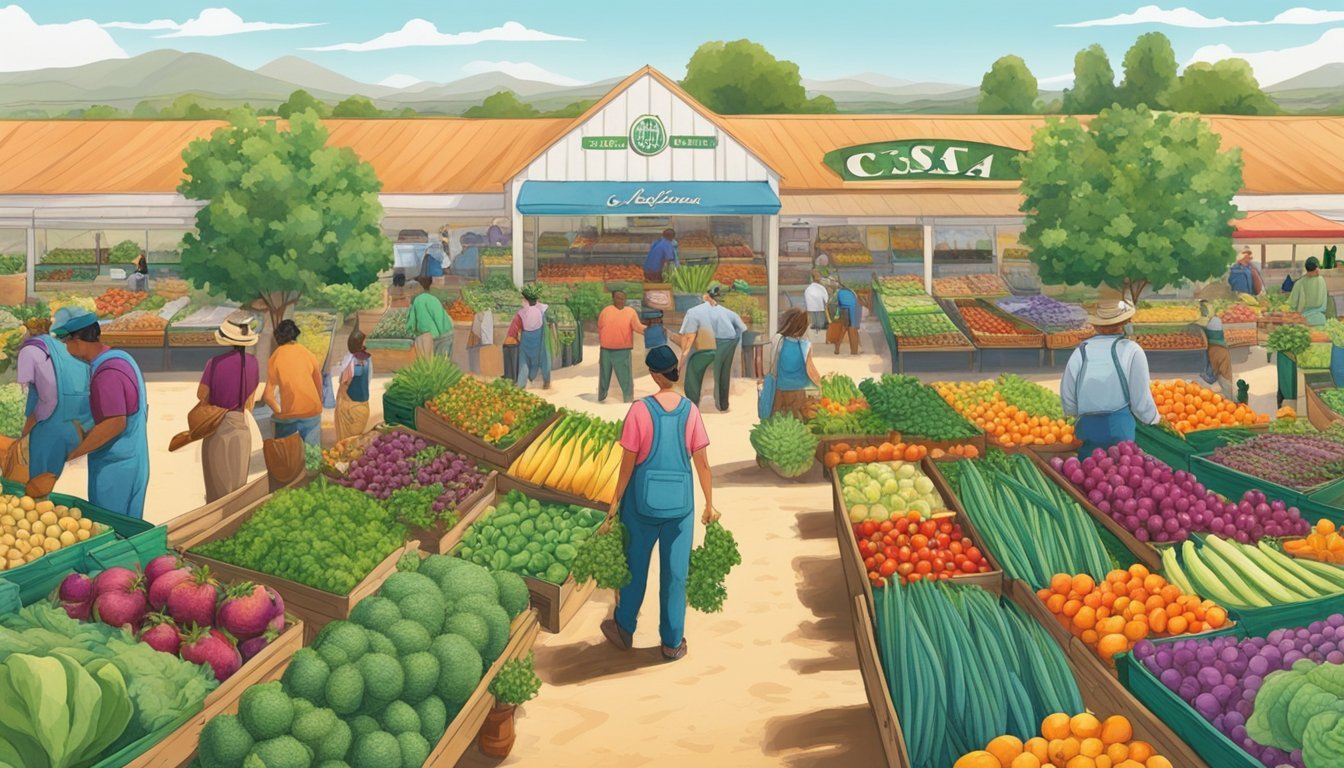
Community Supported Agriculture, commonly known as CSA, is a model of food production and distribution that directly connects farmers and consumers. In Hesperia, California, residents have the opportunity to participate in CSA programs where they can purchase "shares" of a local farmer's harvest. These shares often consist of a box of seasonal produce delivered regularly throughout the growing season. This system benefits both the local farmers, by providing them with predictable income and financial support upfront, and the consumers, by offering them fresh, locally-grown food.
The CSA model in Hesperia embraces the farm-to-table approach, encouraging healthier eating habits and fostering a sense of community around local agriculture. It also serves as an educational experience, where individuals learn about the seasonality of crops and the challenges associated with sustainable farming. Given Hesperia's proximity to diverse agricultural areas, CSAs can provide a wide variety of produce items, thereby enhancing the culinary experience of subscribers who get to enjoy the literal fruits and vegetables of their investment.
By supporting CSAs, Hesperia residents play an active role in sustaining local agriculture, reducing the carbon footprint associated with long-distance transportation of food, and strengthening their local economy. Consumers benefit from the transparency of knowing where their food comes from and how it's grown, while farmers are empowered to continue their craft with the direct support of their community.
Understanding CSA
Community Supported Agriculture (CSA) involves a synergistic relationship between farmers and community members, offering direct access to fresh, local produce while fostering a sustainable farming environment. CSA members purchase shares of a farm's harvest, promoting economic stability for farmers and affordability for consumers.
Principles of Community Supported Agriculture
CSA is built on the principles of support and shared responsibility among the community and farmers. Consumers invest directly in local farms, gaining a personal connection to their food sources.
Benefits of Joining a CSA
Members enjoy fresh, seasonal produce at a better value while supporting local farmers and sustainable food systems. This partnership also contributes to healthier lifestyles and environmental preservation.
CSA Membership and Shares
CSA memberships typically involve the purchase of a "share"—a portion of the farm's products. Members might choose a full or half share, depending on their needs, and receive a regular box of assorted produce.
Differences Between CSA and Traditional Farming
Traditional farming often focuses on mass production, while CSA prioritizes community engagement and sustainable practices. This approach can lead to better soil health and less environmental impact.
Types of Produce and Products Offered
CSAs provide a variety of organic farming products, including vegetables, fruit, eggs, meat, and even flowers. Offerings are based on seasonal availability and local growing conditions.
The Role of USDA in CSA
The USDA supports CSAs through research, certification programs for organic produce, and by providing resources on sustainable agriculture practices.
Challenges Faced by CSA Farms
CSA farms must navigate issues like soil preservation, unpredictable weather, and competition with larger agricultural entities.
CSA in Hesperia, CA
Hesperia, CA, embraces CSAs, enabling the local economy to benefit from fresh local food. CSAs here connect residents with a diversity of seasonal crops.
How to Start a CSA Farm
Starting a CSA requires understanding of farming, marketing, distribution, and creating a solid community relationship. The USDA offers resources to facilitate this process.
Community Engagement and CSA
A strong CSA fosters a sense of community, creating partnerships between farmers and community members and deeply integrating into the local economy and social fabric.
CSA and Local Economy
CSAs can stimulate the local economy, with money spent on shares circulating back through the community and helping to save money for both the consumers and the farmers.
Sustainability and Environmental Impact
Sustainable agriculture practices in CSA reduce the environmental impact, maintaining healthy soil and preserving the local ecosystem.
Consumer Education and CSA
CSA provides an avenue for education on the benefits of local, sustainable food and fosters informed consumers who understand their role in the agricultural community.
Marketing and Distribution of CSA Shares
Effective direct marketing strategies are essential for CSA success; this can include online platforms, farmers markets, and community events for distribution.
Choosing the Right CSA
Before choosing a CSA, consumers should consider factors such as share size, variety of produce, and the farm's commitment to sustainable practices.