Community Supported Agriculture (CSA) in Miramar, FL
Your Guide to Local Farm Shares
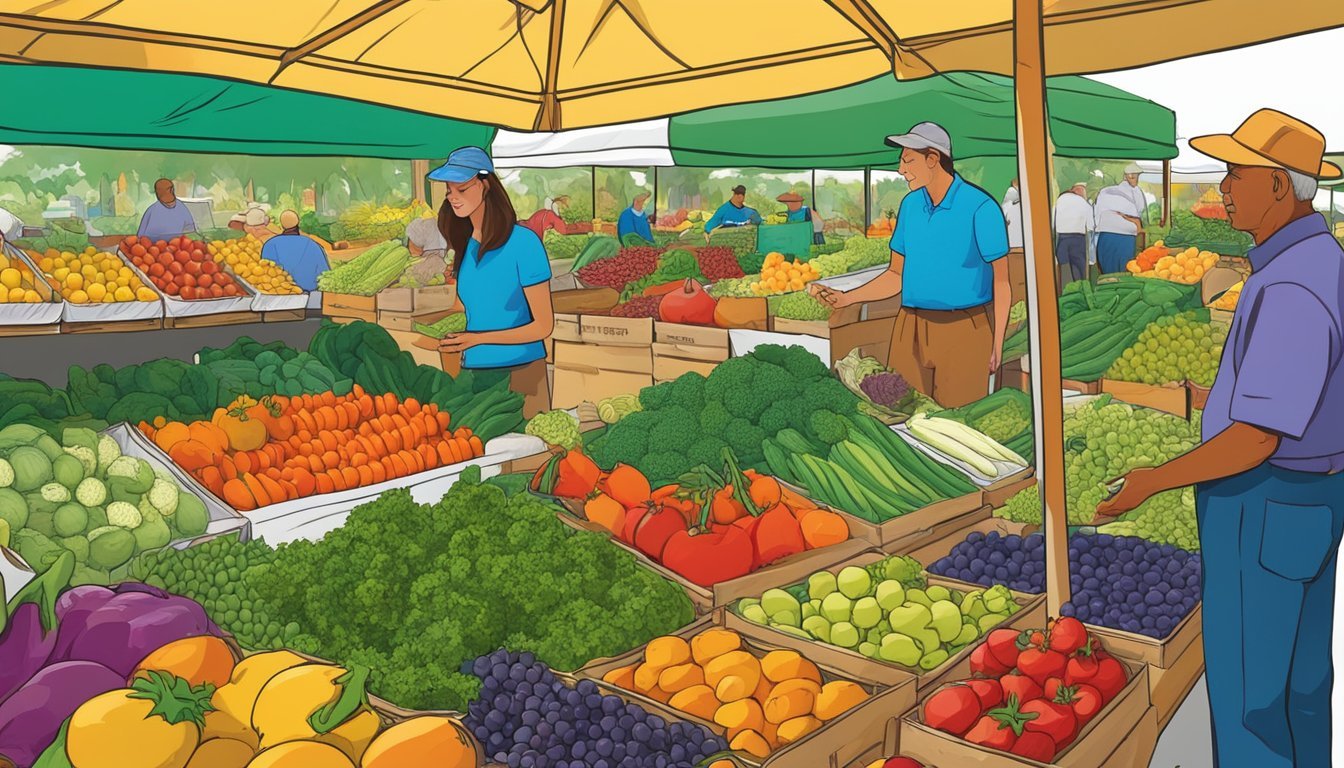
Community Supported Agriculture, or CSA, represents a model where consumers in Miramar, FL, can buy local, seasonal food directly from farmers. This approach not only supports the agricultural community but also ensures that residents have access to fresh produce. By purchasing a 'share', members receive regular deliveries of a farm's harvest, which often includes a variety of vegetables and fruits, and sometimes other farm products as well.
Agriculture plays a significant role in Miramar's local economy, with several farms surrounding the area engaging in the CSA model. Consumers who participate in CSA programs make a commitment to support their local farms, sharing both the benefits and risks of food production. This partnership creates a sense of community as members often have the opportunity to visit the farms and meet the farmers who grow their food.
The structure of CSA programs in Miramar varies, with some offering flexible sign-up periods, while others may have designated times during the summer months. Regardless of the model, the core idea is to foster a relationship between Miramar residents and local farmers, ensuring a sustainable source of healthy, farm-to-table food choices for the community.
Understanding CSA
Community Supported Agriculture, commonly known as CSA, is a key player in transforming the relationship between consumers and farmers, emphasizing mutual support and shared risks.
Concept and History
CSA is a model where consumers buy shares of a farm's harvest in advance, creating a structured partnership between local farmers and community members. This concept originated in Japan in the 1960s and migrated to the United States in the 1980s. In Miramar, FL, and surrounding South Florida regions, CSA programs typically offer seasonal memberships where consumers pay upfront to receive a weekly or bi-weekly allocation of the farm's produce.
Benefits for Consumers and Farmers
Consumers gain access to fresh, local produce, often at a lower cost due to pre-season funding. This system fosters an understanding and appreciation for seasonal eating and directly supports local agriculture. Additionally, members may experience:
Exposure to new types of produce
Opportunities to visit the farm and learn about food production
A stronger sense of community
For farmers, CSAs guarantee a stable market and upfront capital, which can alleviate financial uncertainty. Farmers benefit from:
Immediate season-start financial support
Reduced marketing and packaging costs
Enhanced customer loyalty and engagement
The ability to focus more on sustainable farming practices
Shared Risks and Rewards
The CSA model is built on the principle of shared risk between the consumer and the farmer. If crops are abundant, members receive more produce; conversely, if crops fail due to weather or pests, the share may be smaller. This shared risk encourages a community-based approach to farming and investing in local agriculture, which leads to:
Improved farm resilience through consumer-farmer solidarity
A deeper understanding for consumers of the challenges in farming
A more transparent food system where stakeholders share the outcomes
CSA Model Variations
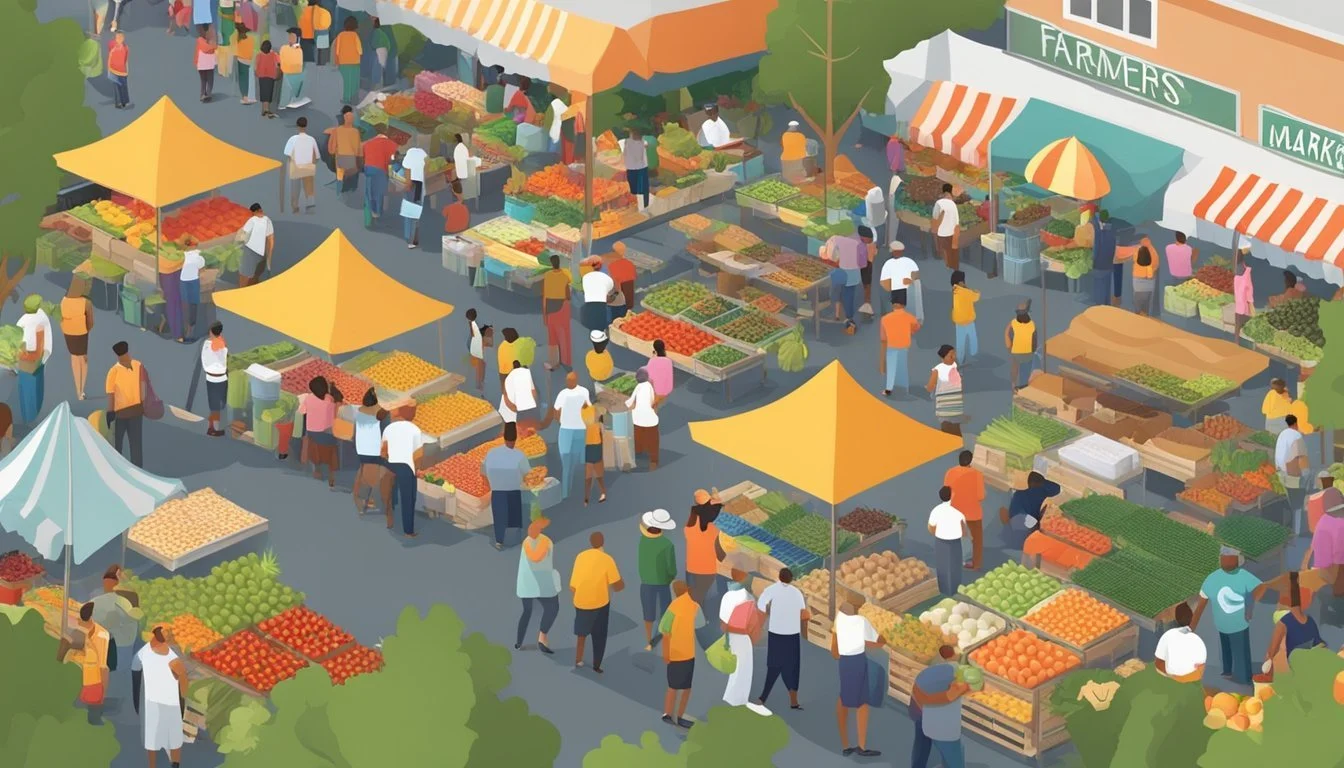
Community Supported Agriculture (CSA) models in Miramar, FL, encompass a range of structures from traditional subscription farming to more flexible programs, all designed to foster a relationship between consumers and their local farmers.
Subscription Farming
Subscription Farming is the cornerstone of CSA programs, where consumers pay a set fee upfront for a season's worth of produce. This classic approach allows for a direct connection between producers and members who receive periodic deliveries of farm goods, typically on a weekly basis.
Farm Shares
Under the Farm Shares model, individuals purchase a "share" of the harvest at the start of the growing season. Shares often include a variety of fruits and vegetables and can sometimes be customized to include other farm products like eggs and dairy.
Flexible CSA Programs
Flexible CSA Programs offer variations to the traditional model to increase accessibility and convenience for members. These can include:
Payment Plans: Allowing members to spread the cost over the season.
Market-Style Pickup: Where members select produce from a central location.
Choice of Share Size: Members can opt for smaller or larger shares based on their needs.
Each of these models is designed to accommodate different consumer needs while supporting local agriculture in Miramar, FL.
Joining a CSA
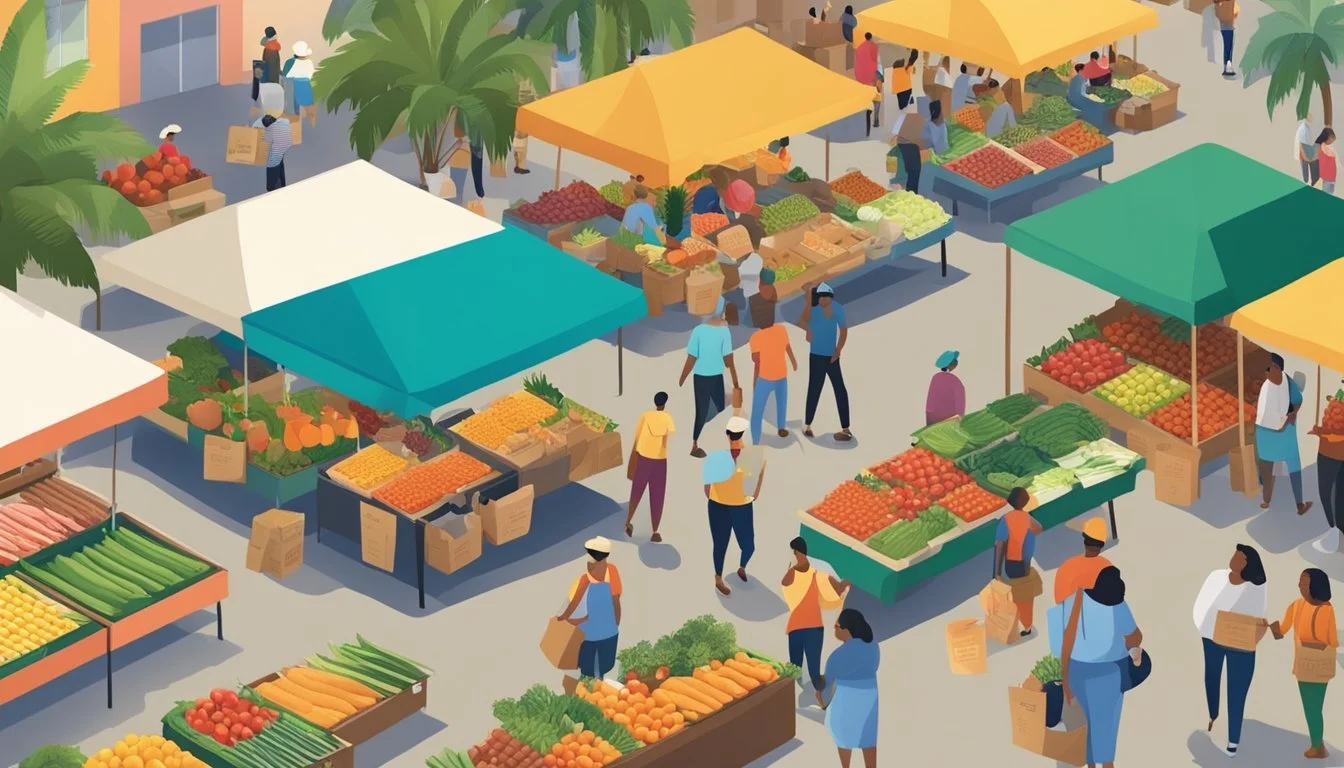
Community Supported Agriculture (CSA) programs are an excellent way for residents of Miramar, FL to connect with local farms and receive regular, fresh produce. By joining a CSA, they invest in their community and foster a relationship with local farmers.
How to Find Local CSAs
Residents looking for CSAs in Miramar can consult local directories or websites such as LocalHarvest, which provide listings and search functionality for nearby CSA programs. Additionally, they can inquire at farmers’ markets or consult community boards for recommendations on CSA options. Here are some concrete steps to find a CSA:
Perform an internet search for "CSA near Miramar, FL" to get a list of nearby options.
Visit local farmers' markets to ask vendors about CSA memberships.
Check out community social media groups or forums where local CSA members might share insights.
Tips for Choosing the Right CSA
Selecting the right CSA requires consideration of various factors to ensure it aligns with the individual's preferences and lifestyle. Below are tips for making an informed choice:
Variety of Produce: Confirm the types of produce offered to ensure they align with dietary preferences and cooking habits.
Pick-up Location and Time: Choose a CSA with convenient pick-up locations and times.
Payment Plan: Look into the payment plan options, ensuring they are suitable for your budget.
Farming Practices: Research the farming practices employed by the CSA to ensure they meet your standards for sustainability and ethical treatment.
By thoroughly researching local CSAs and considering these tips, individuals can thoughtfully choose a program that best fits their needs and effectively supports their local farming community.
CSA Offerings
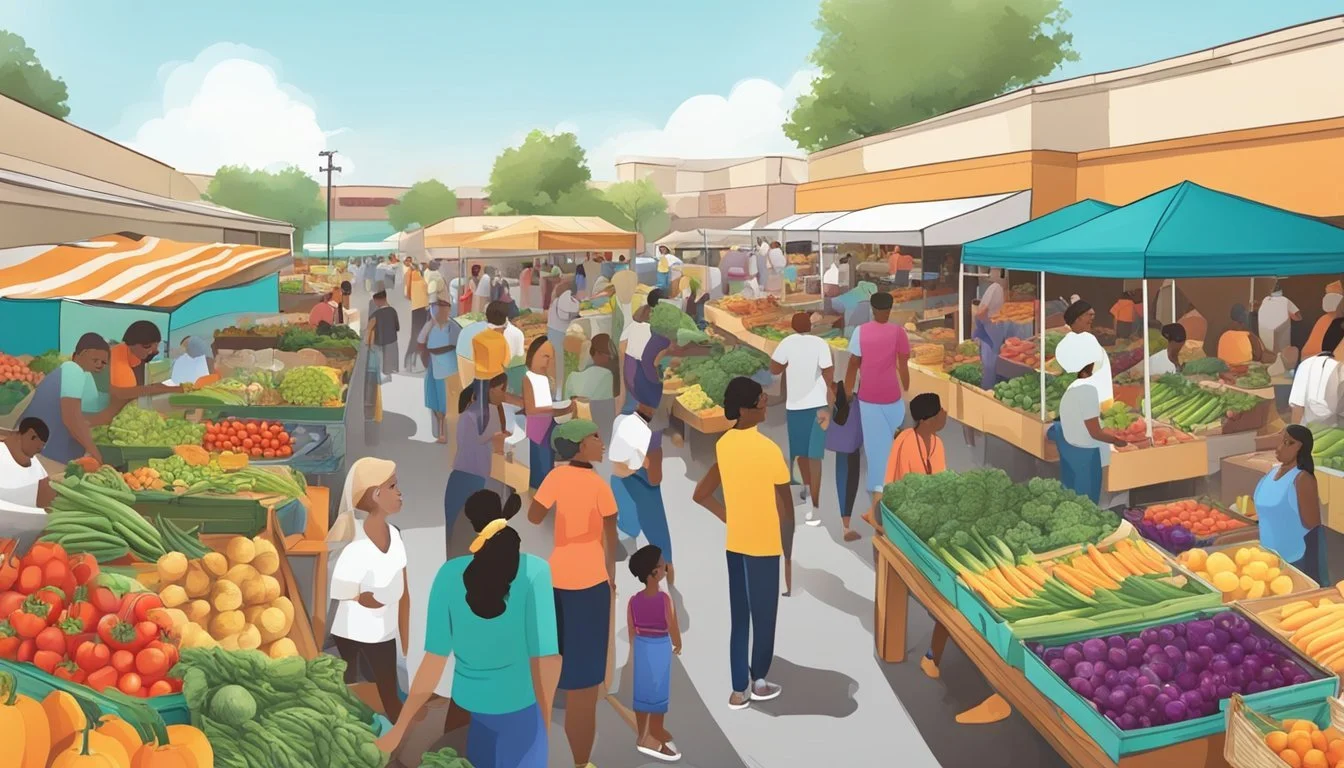
Community Supported Agriculture in Miramar, FL, provides a direct way for consumers to purchase a variety of fresh and locally-sourced products through a membership-based model.
Typical Products Included in CSA Shares
Community Supported Agriculture shares typically include a range of vegetables and fruits, with the selection varying depending on the local growing season. Members might also receive eggs, meat, dairy products, and honey. Some CSAs may offer bread and flowers as part of their share or as additional purchase options.
Vegetables: a variety of leafy greens, roots, and seasonal vegetables.
Fruits: commonly available fruits such as berries, citrus, and stone fruits in season.
Eggs: often from free-range chickens raised on the farm.
Meat: includes options like chicken, pork, and beef, depending on the farm's offerings.
Dairy Products: can range from milk to artisan cheeses.
Honey: local and raw, providing unique flavors from local flora.
Bread: sometimes sourced from local bakeries or made in-house.
Flowers: frequently offered as beautiful, farm-grown bouquets.
Seasonal Produce and Other Items
The CSA shares in Miramar respond to South Florida's specific growing seasons. Spring and summer offer a wealth of seasonal produce, including tropical fruits and typical warm-weather crops like tomatoes and corn. The diversity of produce changes with the seasons, ensuring members receive the freshest and ripest produce available. Outside of produce, other seasonal items like pumpkins in the fall or holiday wreaths in the winter may be available. Seasonality ensures a continual variation in the items received, reflecting the region's agricultural calendar and promoting a connection between the consumer and the rhythm of local farming.
Community and CSA
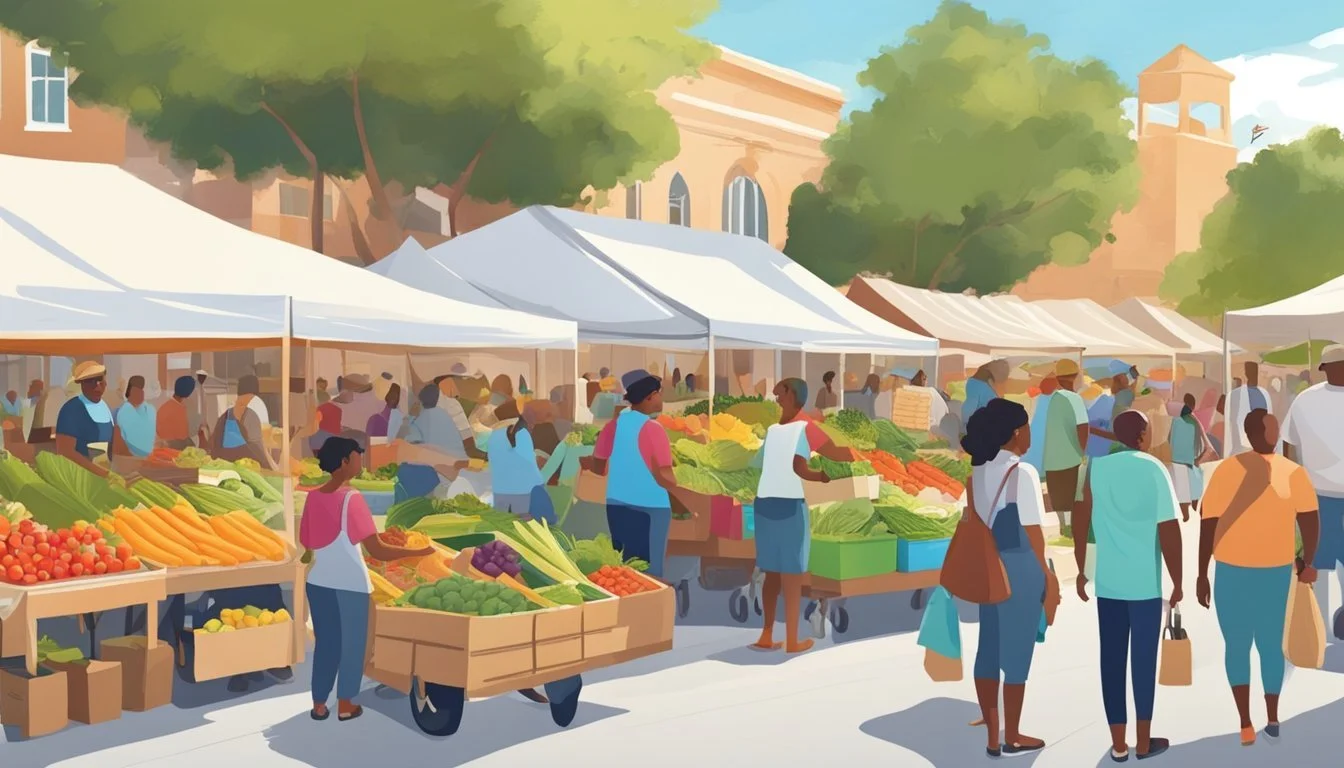
Community Supported Agriculture (CSA) in Miramar, FL fosters robust connections between residents and local farms, and encourages educational opportunities through various community events.
Building Relationships with Local Farmers
Through CSA programs, residents of Miramar have the opportunity to directly support local farmers, forging a symbiotic relationship that benefits both parties. By committing to purchase shares of a farm's harvest, community members can ensure a stable income for the farmers, while receiving fresh, seasonal produce in return. This direct line to local agriculture helps reinforce the economic backbone of the community by keeping money within the local ecosystem.
Direct Benefits: Consistent support for farmers.
Community Impact: Enhanced local economic stability.
Community Events and Education
CSA programs in Miramar often extend beyond just the exchange of produce to include events that serve as platforms for education and engagement within the community. Farmers markets can play a pivotal role in such events, offering opportunities for locals to learn about sustainable farming practices and food preparation directly from the growers.
Farmers Markets: Interactive learning and fresh product access points.
Educational Events: Local farms and CSAs often host workshops or farm tours, further deepening the community's understanding of the agricultural processes and the importance of local food systems. These events reinforce the community-farmer relationship and foster an environment of mutual learning and support.
CSA Farm Management
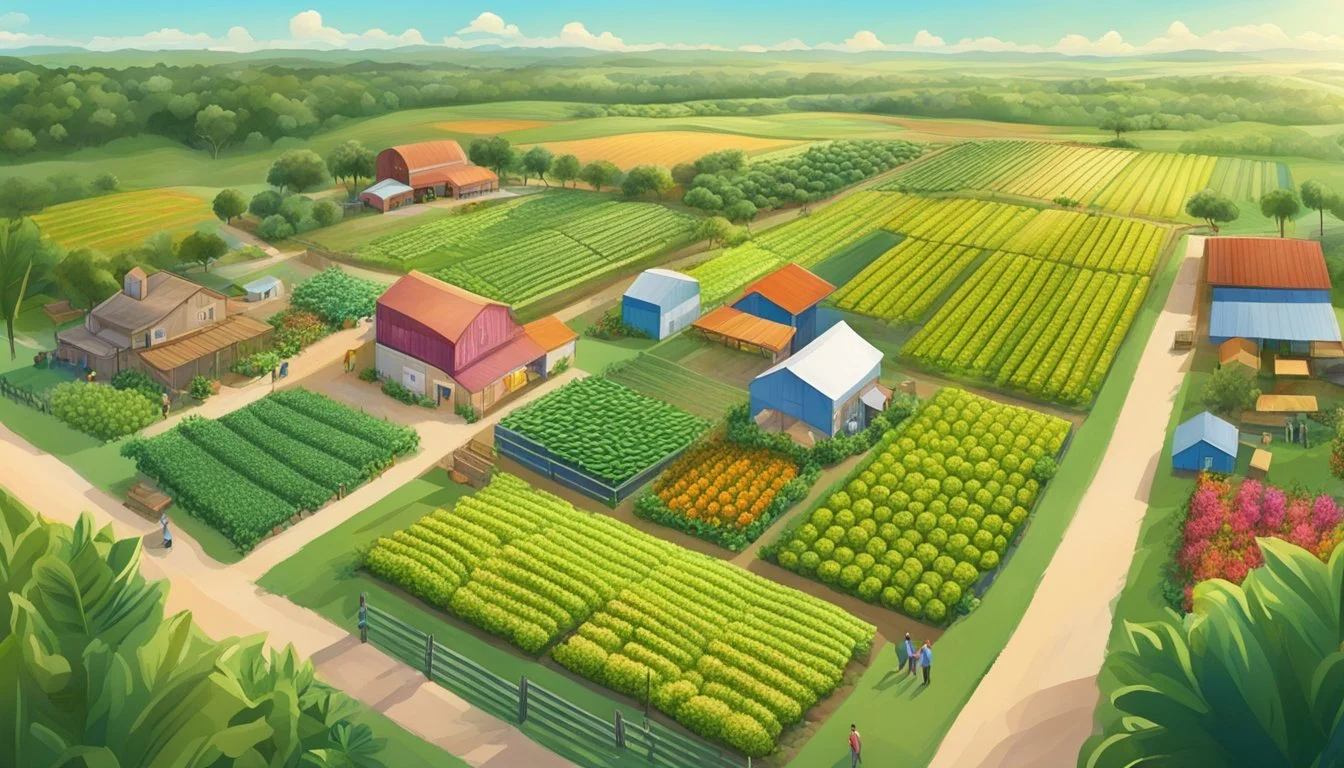
Community Supported Agriculture in Miramar, Florida, is characterized by a commitment to sustainable farm operations and active community participation, often involving a core group and land stewardship programs.
Sustainable Farming Practices
Growers in Miramar's CSAs adopt sustainable farming practices to ensure the long-term productivity and health of the land. This typically includes crop rotation, the use of natural pest control, and soil conservation techniques.
Crop Rotation: A system that alternates different crops in a specific order to maintain soil fertility and reduce pest and disease issues.
Natural Pest Control: Methods such as introducing beneficial insects or using environmentally-friendly sprays to manage pests while preserving biodiversity.
Land Stewardship
Land stewardship is central to CSA farm management, with an emphasis on responsible use and maintenance of the land. CSA farms in Miramar often:
Protect water resources through conservation measures, like optimized irrigation strategies.
Enhance soil health by incorporating organic matter through composting and cover cropping.
Core Group and Volunteer Opportunities
CSAs in Miramar rely on a core group that often involves community members in the planning and operation of the farm. Volunteer opportunities may include:
Special workdays, where members assist with tasks from planting to harvesting.
Distribution assistance, helping to organize and distribute weekly CSA boxes.
Community involvement in these roles not only supports the farm operation but also fosters a strong connection between the growers and the community.
CSA Logistics
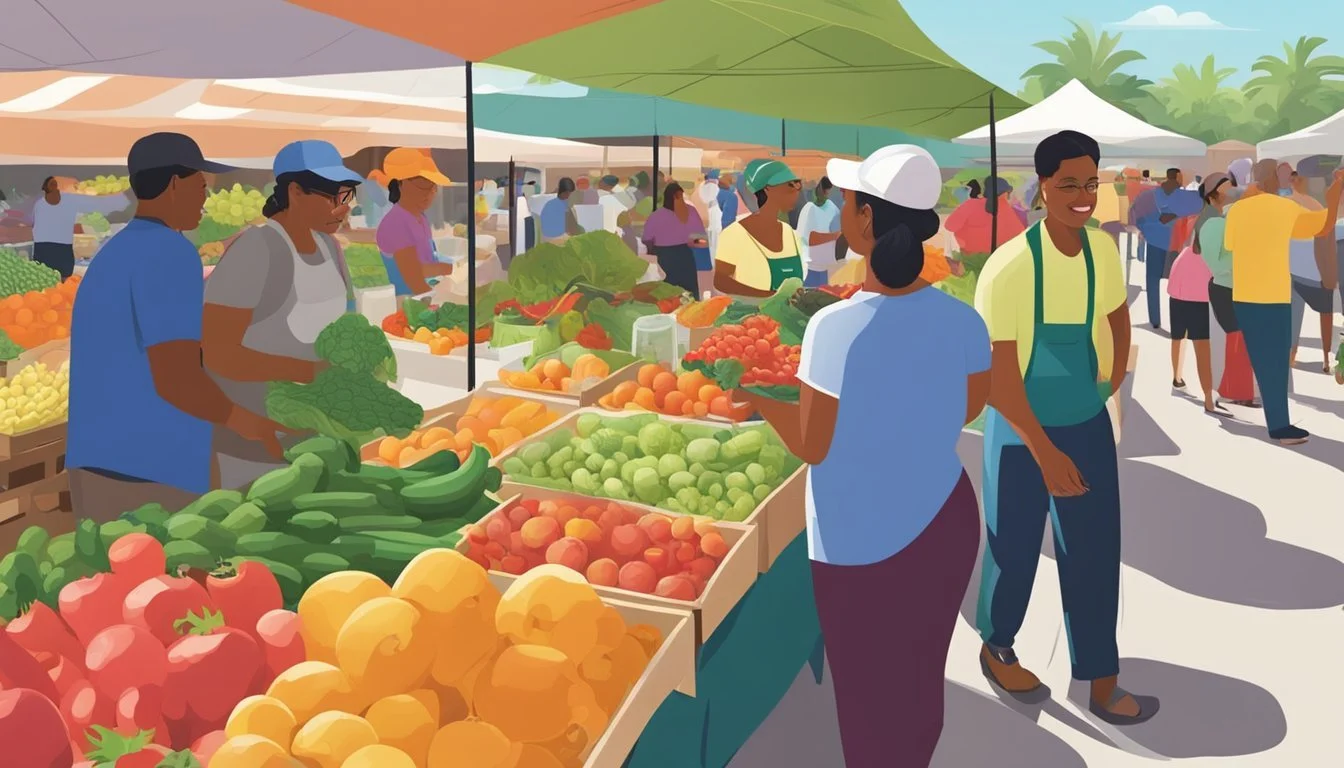
Community Supported Agriculture (CSA) in Miramar, FL, optimizes freshness and community engagement by efficiently managing the distribution of produce and employing strategic sales and marketing approaches.
Distribution of Shares
CSA programs in Miramar ensure that shareholders receive their portions of the harvest promptly and conveniently. Various distribution strategies are employed for optimal service:
Pick-up Locations: Designated local spots such as community centers or farmers markets act as collection points for CSA members to receive their shares.
Home Delivery: Some CSAs provide home delivery services, adding a convenience factor for shareholders and increasing the appeal of their CSA packages.
Distribution Schedule: Shares are typically distributed on a weekly basis, aligning with the harvest to guarantee the utmost freshness.
Sales and Marketing Strategies
Effective sales and marketing strategies are crucial for the success and sustainability of a CSA:
Direct Sales: Farmers often sell shares directly to the consumer, eliminating middlemen and fostering a closer connection between the farm and the shareholder.
Farmers Markets: Many farmers utilize local markets not only to distribute CSA shares but also to recruit new shareholders through in-person engagement.
Online Presence: A strong online presence through websites and social media platforms is essential to inform potential shareholders and market CSA subscriptions.
Community Outreach: Farmers may partner with local businesses and organizations to promote their CSA, offering mutually beneficial collaborations such as workplace CSAs.
These logistics components ensure that Miramar's CSA programs efficiently deliver fresh, local produce to their communities while maintaining a sustainable and profitable business model.
Cooking with CSA Produce
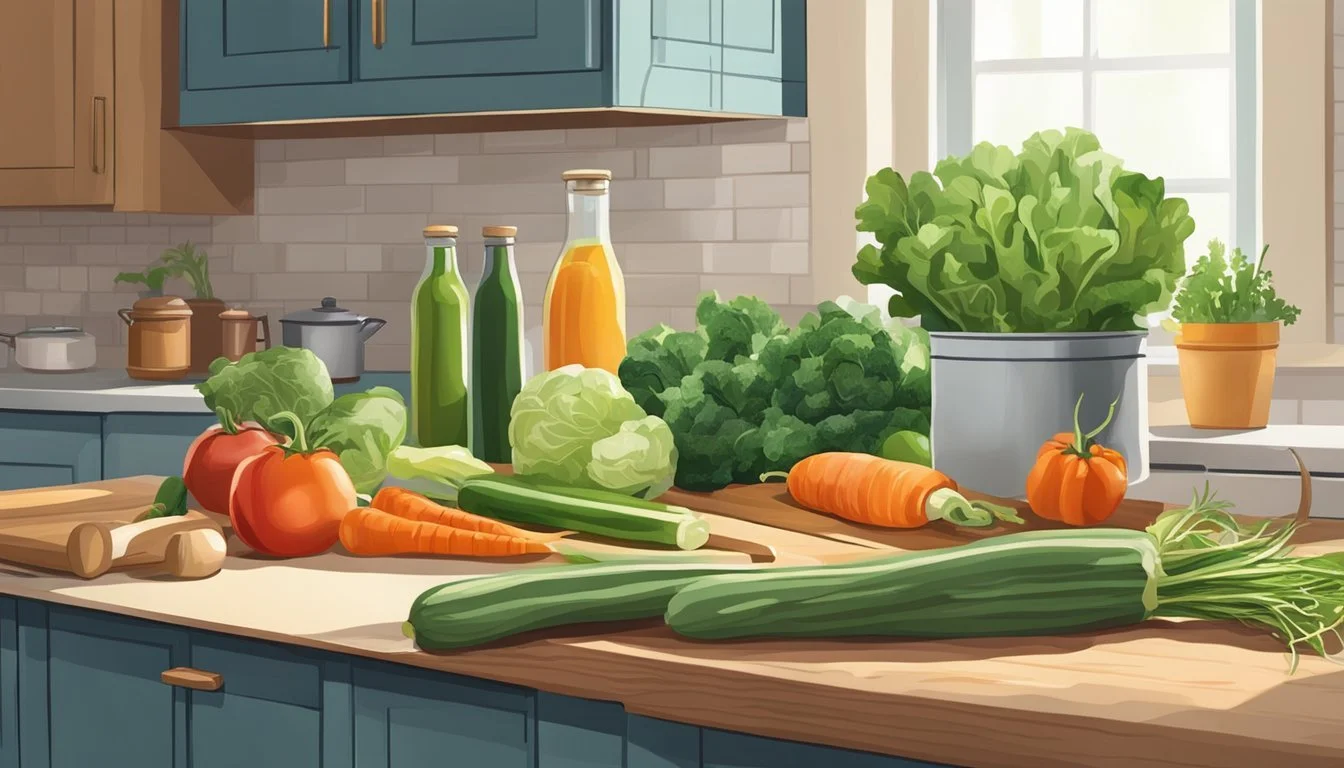
Community Supported Agriculture (CSA) in Miramar provides an excellent opportunity for enthusiasts and home cooks to explore an array of fresh produce for culinary creations. Cooking with vegetables from a local CSA ensures the ingredients are at their peak of freshness, which can significantly elevate the taste and nutritional value of any meal.
A popular item in many CSA boxes is peppers. They are versatile and can be used in a variety of dishes. Roasting peppers brings out their natural sweetness, making them a perfect addition to salads, sandwiches, and pasta dishes. They can also be stuffed with grains, meats, or cheeses for a flavorful entrée.
Broccoli, another CSA staple, can be steamed, sautéed, or roasted to complement main courses. Rich in vitamins and minerals, it's a nutritious choice for family dinners. A simple preparation might involve tossing it with olive oil, garlic, and a pinch of salt before roasting to create a delicious side dish.
Incorporating these vegetables into meals not only supports local farmers but also encourages a sustainable food culture. Below is a brief list of recipe ideas that home cooks can use to make the most out of their CSA produce:
Roasted Pepper Salad: Toss with mixed greens, a vinaigrette dressing, and feta cheese.
Stuffed Peppers: Fill with quinoa, black beans, corn, and top with melted cheese.
Broccoli Stir-Fry: Stir-fry with tofu, soy sauce, and ginger for a quick healthy dish.
Creamy Broccoli Soup: Blend with potatoes and vegetable stock for a comforting bowl.