Community Supported Agriculture (CSA) in Honolulu, HI
A Guide to Local Produce and Farm Shares

Community Supported Agriculture, widely known as CSA, is a flourishing model of farming and food distribution in Honolulu, Hawaii. It revolves around a partnership between local farmers and consumers, in which consumers receive regular deliveries of farm-fresh produce, thereby ensuring they have access to seasonal, locally grown fruits and vegetables. This system allows residents of Oahu to directly support their agricultural community, promoting sustainability, and often providing economic stability for the farmers.
Within Oahu's diverse agricultural landscape, CSAs serve as a means for consumers to contribute positively to the island's local economy while forging a closer connection with the source of their food. Participating farms in and around Honolulu offer a variety of subscription-based produce boxes, laden with fresh, organic selections that represent a commitment to environmentally friendly farming practices. These agricultural offerings not only cater to the commitment of the health-conscious consumers but also embrace the aloha spirit of caring for the land, or 'malama 'aina.
Honolulu's CSA programs often go beyond mere vegetable box deliveries. They create community impact by intertwining with local initiatives, ensuring food security, and sometimes even contributing to social services. This exemplifies a broader commitment to the well-being of both the land and its people, embodying the essence of what it means to be part of a community-supported agriculture program in Hawaii.
Understanding CSA
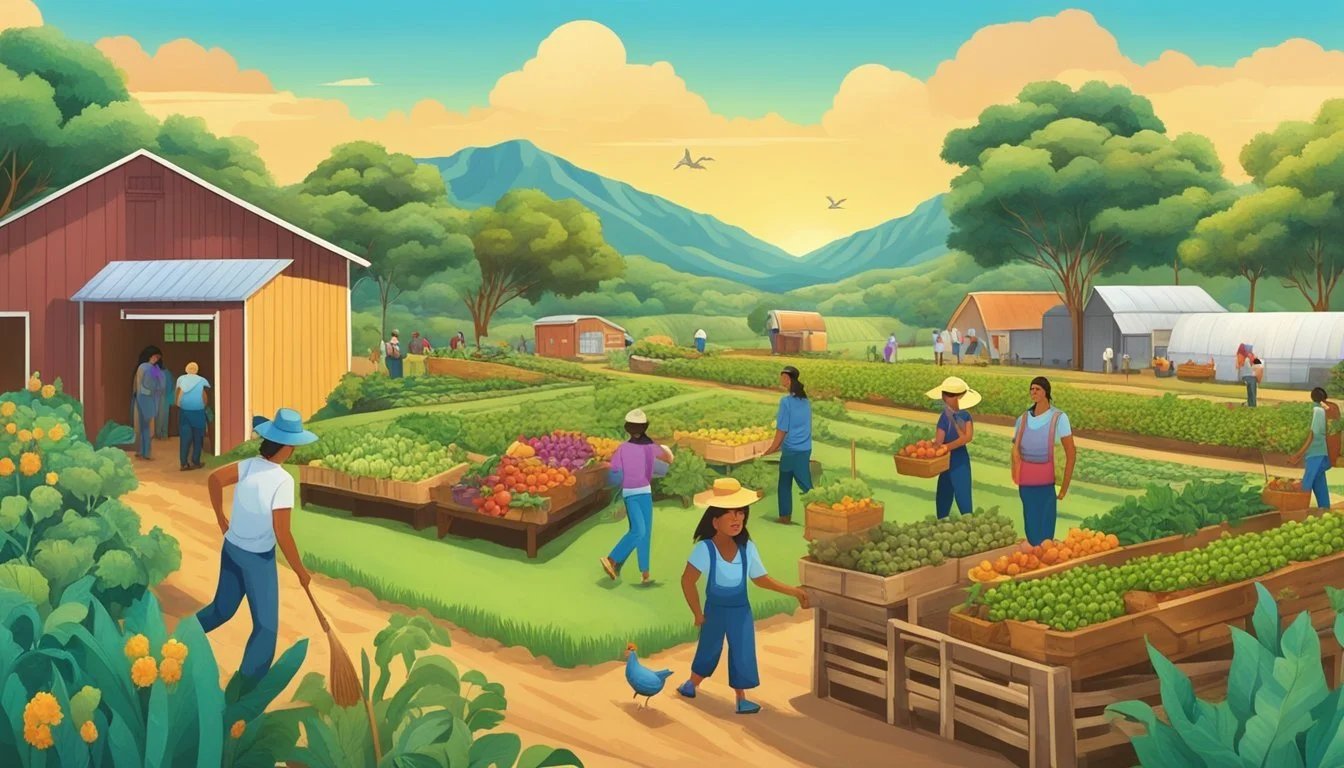
Community Supported Agriculture (CSA) represents an innovative food distribution model that directly connects consumers and producers, rooting its practices in organic and sustainable farming, and nurturing a sense of community through shared responsibility and malama aina (the Hawaiian concept of caring for the land).
Principles of CSA
At the heart of Community Supported Agriculture is the partnership between local farmers and community members who pay upfront for a share of the anticipated harvest, often weekly or bi-monthly. This upfront payment helps cover the initial annual costs of the farm's operation. CSAs prioritize organic and sustainable practices, striving to deliver fresh, locally-grown, and often chemical-free produce directly to their members. Respect for the land, or malama aina, and fostering a strong community bond are pivotal to CSA endeavors. This model ensures transparency in food sourcing and supports the local economy, enabling farmers to receive a fair price for their crops.
History of CSA in Honolulu
In Honolulu, the concept of CSA has taken hold, embracing island traditions of shared stewardship for the land. Over recent years, CSA programs have expanded significantly in response to a growing demand for locally-sourced, sustainable, and organic produce. Spearheaded by initiatives such as the Hawai'i Agricultural Foundation's Local Inside® CSA program, the movement towards Community Supported Agriculture in Honolulu reflects the city's commitment to sustainability and supporting local agriculture. This blossoming signifies a shift towards more conscientious consumption within the community, with Honolulu residents increasingly valuing the connection to their food and the hands that grow it.
Benefits of Joining a CSA
Joining a Community Supported Agriculture (CSA) program in Honolulu provides members with a host of advantages centered on obtaining high-quality produce, supporting the local economy, and enhancing one's overall health and well-being.
Fresh and Organic Produce
Members of a CSA in Honolulu benefit from regular access to fresh and often organic produce. CSAs are known to prioritize natural growing methods free from harmful pesticides, leading to safer and more sustainable food options. The vegetables and fruit supplied are harvested at their peak, ensuring that the community receives the freshest possible products.
Seasonal Variety: Participants can enjoy a range of produce that changes with the seasons, which introduces diversity into their diets.
Peak Freshness: The time from farm to table is minimal, ensuring maximum freshness and flavor.
Supporting Local Farmers
When individuals join a CSA, they invest directly in local farmers and the community. This partnership provides farmers with stable financial support, which allows them to focus on environmentally friendly farming practices and producing high-quality, healthy foods.
Economic Stability: Prepaid CSA memberships give farmers a reliable source of income at the start of the season.
Community Connection: Consumers become closely linked with the people who grow their food, fostering a sense of local solidarity.
Health and Wellness Advantages
CSA participants often report eating healthier due to having a steady supply of fresh vegetables and fruit. The convenience of receiving a box of healthy foods can contribute to better eating habits and a more balanced diet.
Nutritional Benefits: The organic and fresh produce from CSAs is typically higher in nutrients than produce that has been shipped long distances.
Healthy Lifestyle: Regularly consuming fresh, high-quality produce supports a healthy lifestyle and may encourage more home cooking and less reliance on processed foods.
How CSA Works in Honolulu
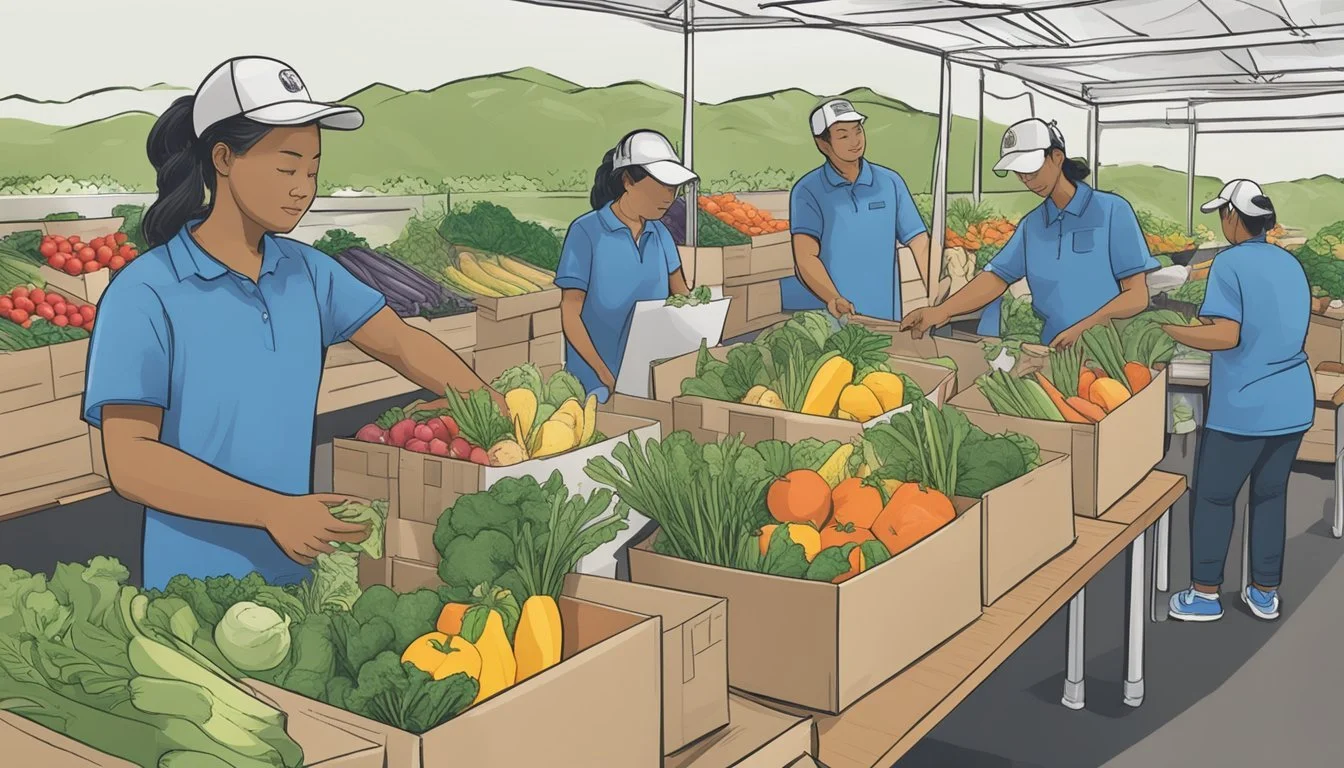
Community Supported Agriculture in Honolulu allows members to purchase subscriptions, where they receive a share of the local seasonal harvest. This model benefits both local farmers and community members with regular delivery or pick-up options.
Membership and Shares
Those interested in joining a CSA in Honolulu typically select a membership level corresponding to the size and frequency of the produce shares they wish to receive. Members commit to a season or multiple seasons upfront, fostering a direct connection with the area's agriculture. For example, Ohia Fields Farm offers an array of vegetables and herbs in their basic box, whereas Kahumana Organic Farms invites members to join their farm community by providing a selection of fresh local produce delivered to their doorstep or available at specified pick-up locations.
Purchase method: Subscription basis
Commitment: Season-long or year-round
Shares contents: Often 7-10 locally grown items
Share types: Often vary from basic to deluxe options
Cost range: Varies by farm and share size
Seasonal Harvest and Distribution
The harvest provided to members is contingent on the season, ensuring fresh, locally grown produce is at the heart of each share. Distribution is conducted through weekly deliveries or designated pick-up points at convenient locations across Honolulu. As seen with Kahumana Organic Farms, delivery fees within Honolulu are structured, while specific CSA programs may offer special discounts to foster accessibility, as with the "Double Up Food Bucks" program.
Weekly deliveries: Direct to homes or pick-up sites
Pick-up points: Often specified and convenient, such as restaurants or markets
Seasonal variety: Depending on local crops and growing conditions
Distribution schedule: Typically once per week, with order deadlines
Prices: Delivery fees may apply
The combination of membership flexibility and the assurance of fresh produce makes CSA programs a vital part of Honolulu's community and food system.
Key CSA Farms in Oahu
Oahu is home to a diverse array of Community Supported Agriculture (CSA) farms that provide fresh, organic produce to the community. These key players in local agriculture utilize sustainable farming practices, fostering a connection between residents and the source of their food.
Waihuena Farm
Waihuena Farm is situated on the North Shore, just across from the famous Pipeline surf break. It practices permaculture and offers a selection of organic produce. As part of its CSA program, shares can be picked up directly from the farm, emphasizing sustainability and community engagement.
HAF Ag Park
The HAF Ag Park, located in Kunia, is a collection of farms known for their commitment to local farming and community outreach. These farms participate in CSA programs that supply residents with a variety of fresh, locally-grown food, thereby supporting Oahu's agricultural landscape.
Other Notable CSA Farms
On the North Shore:
Kolea Farm: Specializes in organic permaculture farming.
Kahuku Farms: Offers farm-to-table tours and a café, alongside its CSA program.
In Waimea and the Kohala Coast:
MA'O Organic Farms: Known for its organic produce, available for CSA subscribers in the Wai'anae area.
In Kailua-Kona and Waikoloa:
Kailua-Kona farms: While more famous for coffee, these farms also offer rich CSA programs featuring a mix of local fruits, vegetables, and specialty products.
Waikoloa's agriculture: It’s an emerging spot for CSAs, with farms dedicated to sustainable methods and community enrichment.
Selecting Your CSA Program
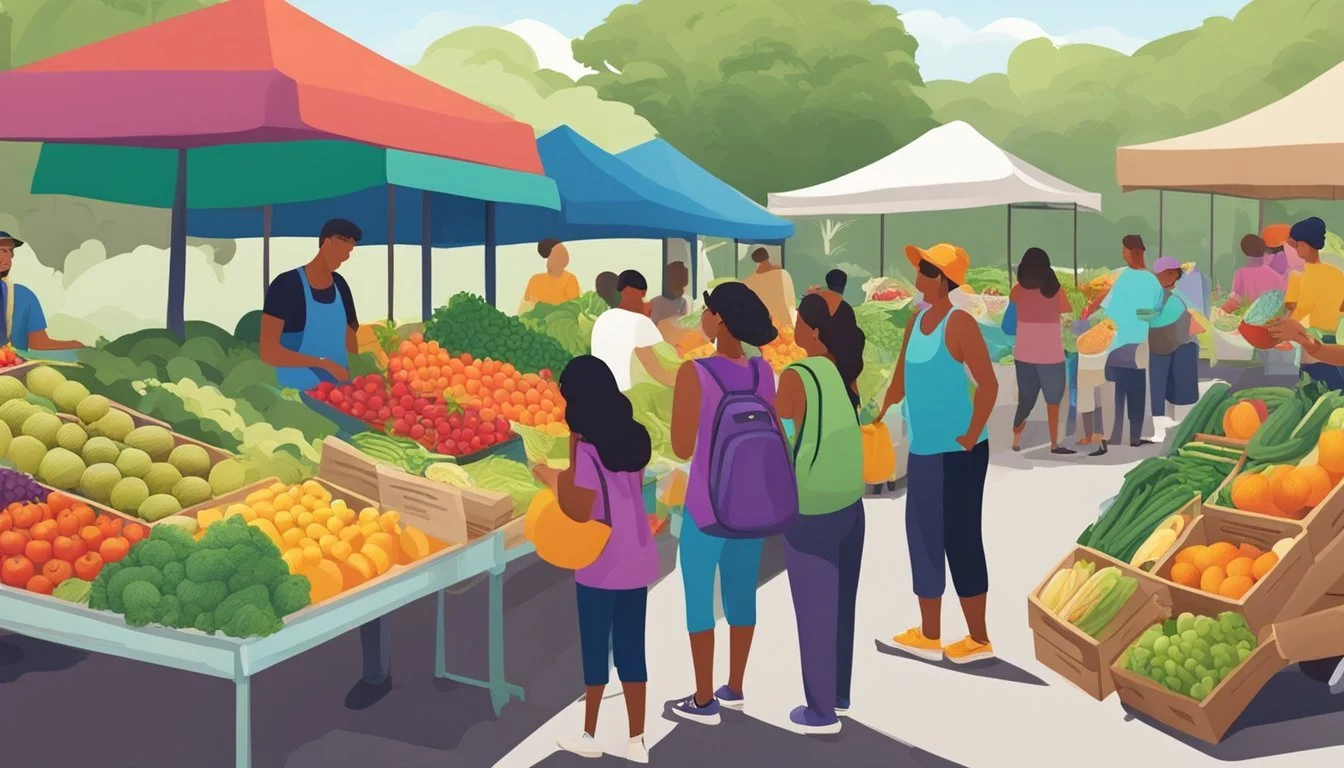
When selecting a Community Supported Agriculture (CSA) program in Honolulu, it's crucial to understand the types of shares available and the payment options offered. Each program may vary in what they provide to their members, as well as the flexibility in payment.
Understanding Different Types of Shares
CSAs often provide several types of shares. A basic box typically contains a fixed number of vegetables and herbs, and might include 7-10 different local, sustainably grown items. Some CSAs might offer a fresh feast share, which would be larger and could include additional items beyond just produce, such as eggs or dairy products. It's imperative for potential members to consider the diversity and volume of produce they require before choosing a share.
Here's a brief breakdown of CSA share types:
Basic Box: Contains 7-10 types of locally grown vegetables and herbs.
Fresh Feast: A larger assortment that may include extra farm products like eggs and dairy.
Payment Options and Flexibility
Payment methods for CSA programs may include upfront fees for an entire season or periodic payments throughout the season. Some CSAs may offer payment plans to accommodate different budget needs, while others might accept SNAP/EBT to ensure accessibility to fresh produce for all community members.
Upfront Season Fee: Pay once for an entire season of CSA shares.
Payment Plan: Flexible payments in installments throughout the season.
SNAP/EBT: Some CSAs allow members to pay using Supplemental Nutrition Assistance Program benefits.
Prospective CSA program participants should inquire about payment schedules and if there are any discounts or financial aid options available, ensuring that the chosen program aligns with their financial capabilities.
CSA and the Community
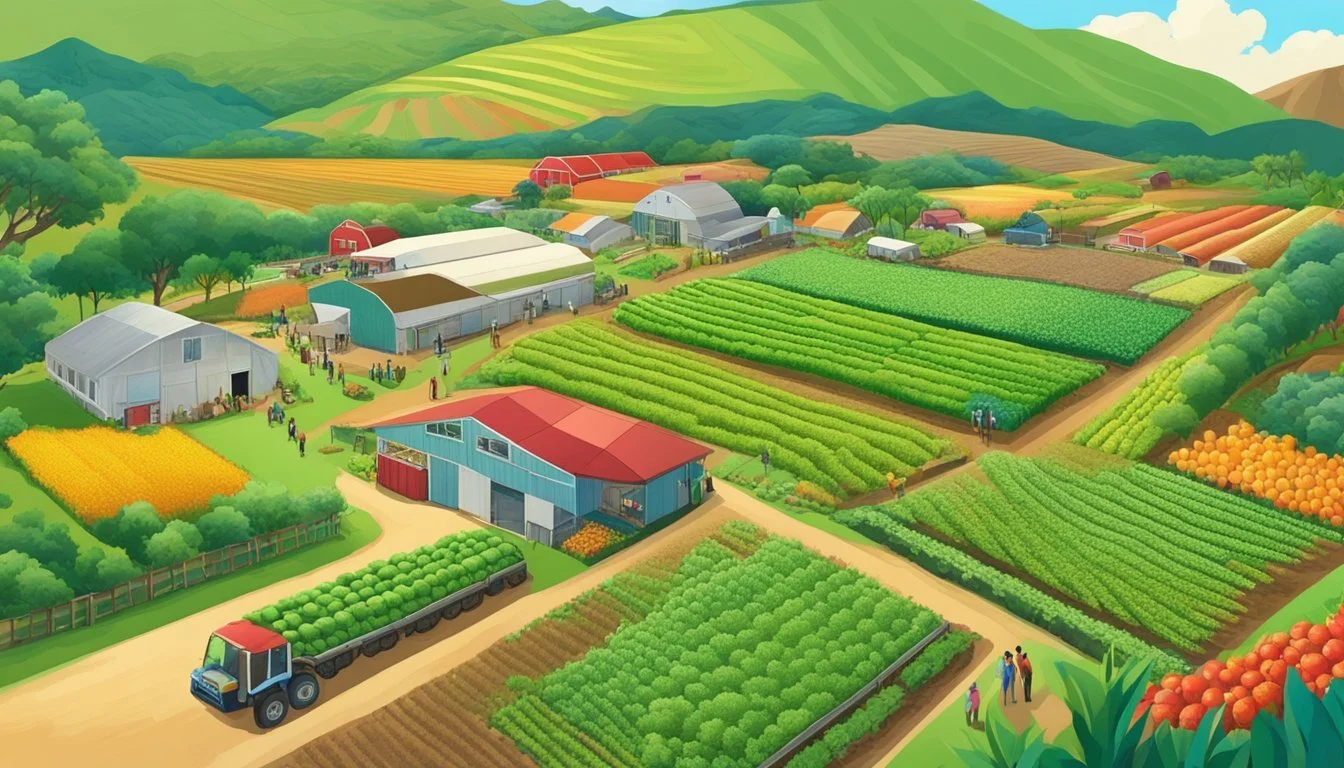
Community Supported Agriculture (CSA) programs in Honolulu, HI, serve as vibrant hubs where food, learning, and a spirit of aloha intertwine. These initiatives not only supply fresh local produce to residents but also foster a sense of unity and provide educational experiences.
Building Community Around Food
CSAs in Honolulu enable residents to build a community centered on the shared value of eating fresh and locally-grown foods. By subscribing to a CSA, members directly support farmers and contribute to the sustainability of local agriculture. This mutual commitment allows for a stable market for farmers and seasonal, farm-fresh products on the tables of community members. Furthermore, CSAs like Kahumana Organic Farms expand this relationship beyond transactions, inviting members to become part of their farm family.
Member Benefits:
Fresh, seasonal produce delivered weekly
A direct connection with the people who grow your food
Support for local agricultural sustainability
Key Locations for CSA distribution:
Honolulu: Ka Waiwai Collective, Kaka'ako Hub Coworking
West Oahu: Wai'anae (Lualualei Homestead Rd.)
Educational Tours and Events
CSAs also offer tours and events with educational objectives to increase knowledge about sustainable farming practices and to connect community members with their local food system. These activities provide hands-on learning experiences that enhance the understanding of where food comes from and the importance of supporting local farms. Hāmākua Ag Cooperative, for instance, is an example of an entity offering such educational opportunities, striving to grow its membership and share knowledge with a broader audience.
Educational Offerings:
Farm tours showcasing sustainable practices
Events promoting local agriculture awareness
Opportunities to engage with farmers and learn about food production
In summary, through initiatives like food shares, farm visits, and community-building events, CSAs in Honolulu are cultivating fertile grounds for both agriculture and camaraderie to flourish. Community members receive not just sustenance, but an education in the value of local produce and an invitation to be stewards of the land they call home.
Overcoming Challenges
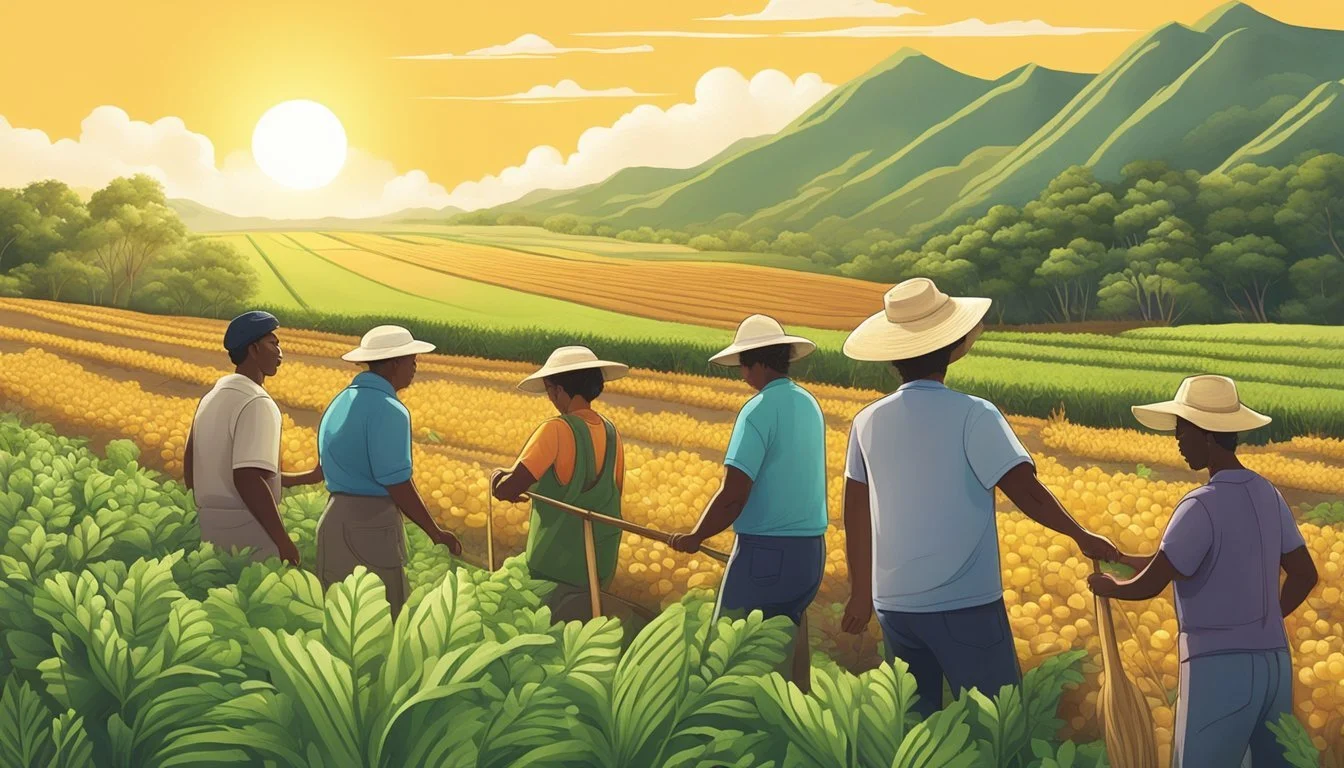
Community Supported Agriculture in Honolulu, HI faces unique hurdles, though innovative approaches in logistics and adapting to climatic variability are creating paths to sustainability and improved access to local, organic produce.
Logistical Considerations
Access and delivery are pivotal logistical aspects Community Supported Agriculture programs must navigate efficiently. Farmers aim to ensure consistent and timely delivery of produce boxes to members amidst the complexities of urban traffic and dispersed populations. Some farms leverage centralized pick-up points to manage access challenges, with locations such as Ka Waiwai Collective in Honolulu providing a middle ground for convenience. Moreover, the integration of online platforms assists in streamlining delivery systems and enhancing consumers' access to fresh, organic produce.
Weather and Crop Variability
The nature of Hawaiian weather contributes significantly to crop variability, thus impacting produce availability. CSA farmers in Honolulu implement sustainable practices to manage the issues presented by unpredictable weather patterns. They cultivate a diverse range of crops to ensure a bountiful selection despite individual crop failures. By respecting and understanding nature's influence, these farmers strategically plan and adjust their farming methods, investing in sustainable, resilient agricultural systems that maintain a reliable supply of produce to their members.
Future of CSA in Honolulu
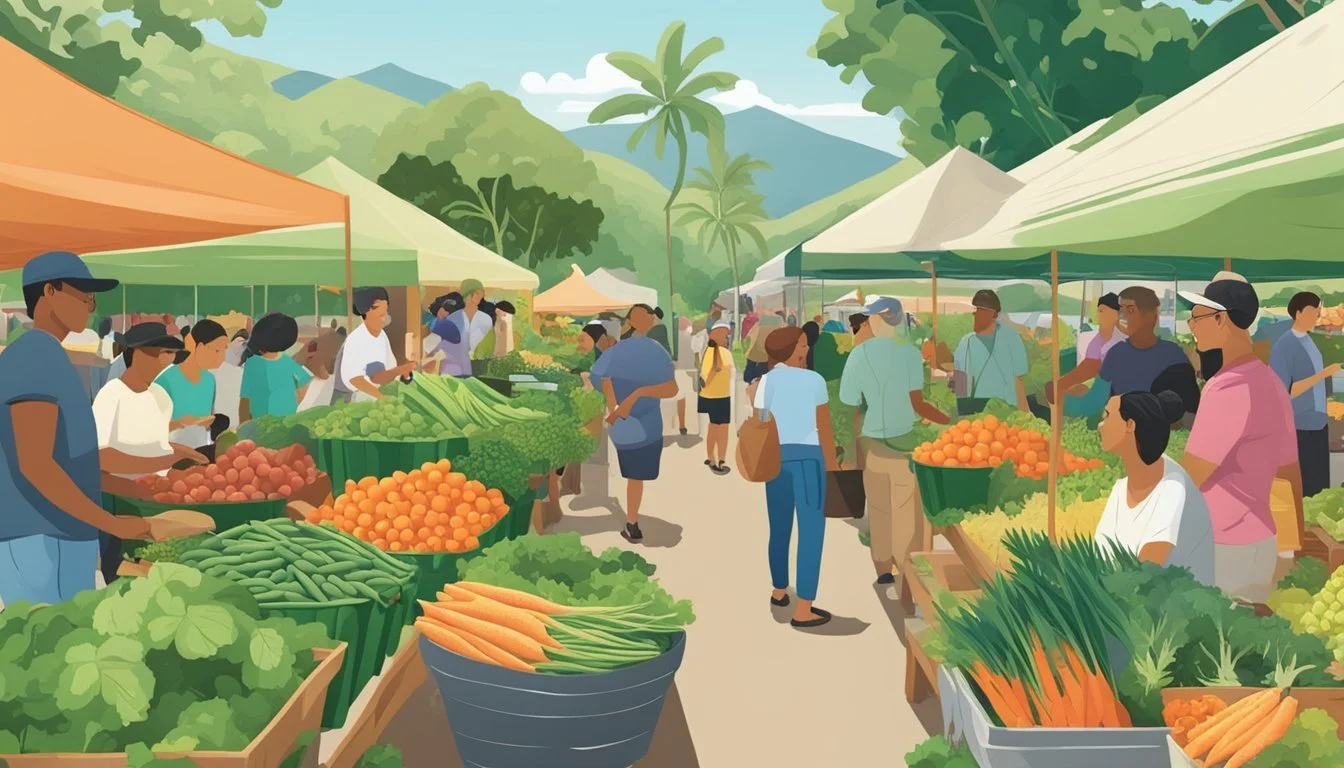
Community Supported Agriculture (CSA) in Honolulu is poised for expansion as consumer awareness and demand for sustainable, locally grown produce continue to rise. The success of CSA programs such as Kahumana Organic Farms and Ma'o Organic Farms indicates a growing community desire to connect with local food sources. These programs support not just the consumption of fresh products but also embody a commitment to sustainable farming practices.
Local farms on the Big Island and across Oahu are increasingly engaging in CSA models, which foster closer relationships between farmers and consumers. Memberships that allow community members to receive regular shipments of fresh produce directly from farms are becoming more prevalent. Such models are bolstering Honolulu's food security and providing residents with healthier lifestyle options.
Key Trends:
Increased Demand: Steady growth in CSA memberships as consumers seek healthier, locally sourced food.
Educational Outreach: CSA programs are likely to continue educating the public on the benefits of sustainable living.
Technology Integration: Online platforms for CSA management and delivery are expected to streamline operations.
Challenges & Opportunities:
Land Utilization: Maximizing limited agricultural land efficiently to fulfill CSA needs.
Collaboration: Potential partnerships with businesses and institutions, like the Hawaiian Electric Company, could leverage CSA reach and impact.
The future for CSA in Honolulu hinges on its adaptability to consumer needs and the enduring commitment to sustainability and community engagement. The rise in these programs exemplifies an investment in the region's agricultural prosperity and overall health of its residents.
Additional Resources and Information
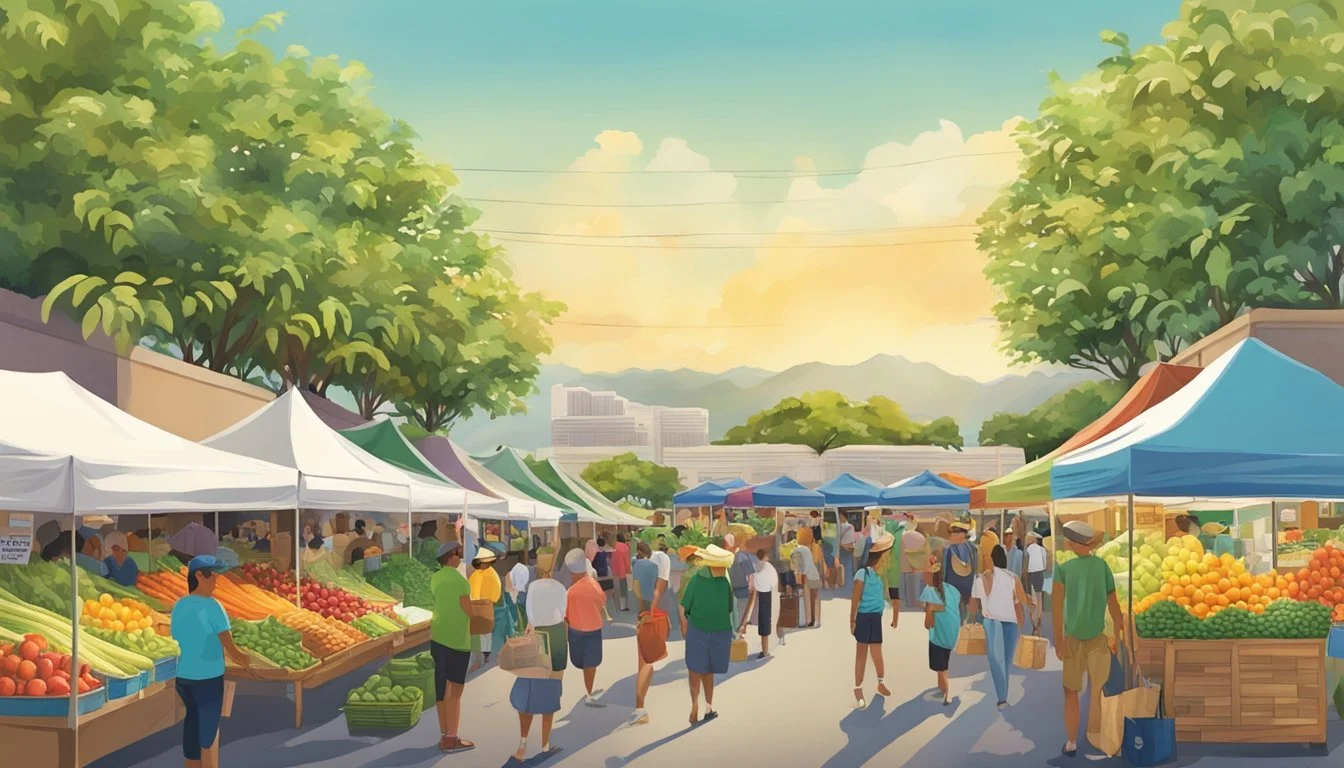
When seeking to support local agriculture and consume fresh, sustainable produce in Honolulu, HI, individuals have access to various resources that facilitate the purchase of goods directly from local farms. Programs and initiatives offer structured support for these transactions, with some leveraging government assistance for broader accessibility.
LocalHarvest and Food Hubs
LocalHarvest is a pivotal online resource where consumers in Honolulu can find information on CSA programs. LocalHarvest allows users to specifically locate nearby CSA farms such as Ohia Fields Farm and provides details about product offerings and delivery options. Food hubs also play a critical role in the ecosystem, aggregating produce from multiple local and backyard growers. This approach streamlines the purchasing process and provides a pseudo-supermarket experience, focusing solely on locally-sourced items. Subscribers to CSA programs like Local Inside gain both the freshness of farm-to-table goods and the convenience of widespread delivery locations.
Relevant LocalHarvest Example:
Ohia Fields Farm offers a basic box containing 7-10 local vegetables and herbs, delivered year-round.
Government Support and SNAP/EBT
Government programs have increasingly supported the integration of SNAP/EBT into CSA purchasing systems, helping to ensure that fresh, healthy food is accessible to a broader population. By accepting SNAP/EBT, farms make it possible for lower-income individuals to benefit from local produce that might otherwise be cost-prohibitive. Snap/EBT participants are encouraged to research which CSAs participate in such programs, thereby opening the door to nutritious options that support local agriculture. It's also a way for government and community to collaborate, reinforcing the local food ecosystem against the competition of larger supermarket chains.
SNAP/EBT Friendly CSA Examples:
Big Island Farm Fresh Foods: Accepts SNAP/EBT for their CSA boxes, which must be ordered weekly.
Kahumana Organic Farms: Invites members to join their CSA program, potentially supporting SNAP/EBT transactions.