Community Supported Agriculture (CSA) in Indianapolis, IN
A Guide to Local Farm Partnerships
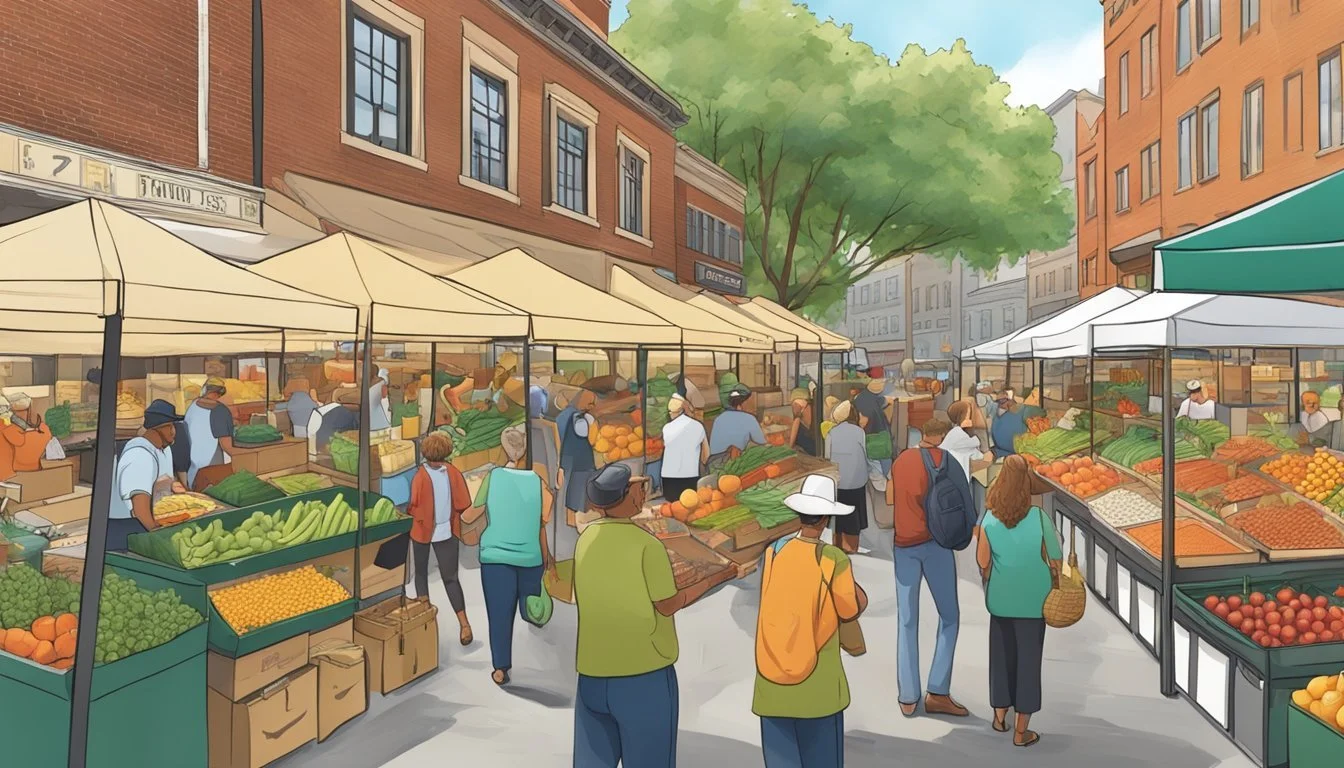
Community Supported Agriculture, commonly known as CSA, is a flourishing part of the Indianapolis landscape, offering residents the opportunity to directly support local agriculture. This model allows consumers to purchase subscriptions or shares from area farms. In return, they receive portions of the farms' harvests throughout the growing season. This practice not only bolsters the local economy but also encourages sustainable agricultural methods and the consumption of fresh, seasonal produce.
The CSA system in Indianapolis facilitates a deeper connection between the community and local farms. It has seen a steady increase in popularity as consumers become more health-conscious and environmentally aware. Participating households typically receive weekly deliveries or pick up fresh produce, which can often include a variety of vegetables, fruits, and sometimes other farm products like eggs and dairy.
Indianapolis residents can take part in this proactive approach to food consumption through various CSA programs. Each farm offers different options, such as full shares, half-shares, or bimonthly shares aligned with the city's growing season. Some farms provide the added experience of pick-your-own produce or hands-on participation in farm activities, further enriching the CSA experience and reinforcing the bonds within the local food community.
Understanding CSA
Community-Supported Agriculture (CSA) in Indianapolis connects consumers with local farms, offering shares of produce and fostering a sustainable agriculture system.
Principles of Community Supported Agriculture
The core concept behind Community Supported Agriculture is a partnership between farmers and consumers. Members, or "shareholders," provide financial support to a local farm at the start of the growing season, which in turn allows the farm to purchase seeds, equipment, and pay for labor. This model emphasizes mutual support and community engagement.
Shares: Typically, shareholders receive weekly or bi-monthly portions of the farm's harvest, which might include a variety of vegetables, fruits, and sometimes even options for meat CSA.
Local Food System: CSA strengthens local food systems by directly linking producers and consumers within the same geographical area, aiming to make fresh, high-quality food more accessible.
Sustainable Agriculture: Farms engaged in CSAs are often committed to organic or biodynamic farming practices, promoting biodiversity and soil health.
CSA Model Benefits
Community Supported Agriculture presents numerous advantages to both the farm and the consumer.
For the Farm:
Financial Stability: Prepaid CSA shares provide farmers with early-season capital, reducing the burden of loans and financial uncertainty.
Risk Sharing: Losses due to weather or pests are shared across the community, lessening the impact on the farm.
For the Consumer:
Fresh Produce: Shareholders receive regular allotments of fresh, often organically grown produce, which surpasses the typical grocery store in terms of flavor and nutritional value.
Connection to Farming: Consumers gain insight into the seasonality and challenges of farming, establishing a closer connection to their food source.
In summary, CSAs in Indianapolis contribute to a robust and ecologically responsible local food system, while offering tangible benefits to both producers and consumers in the region.
Local CSA Farms
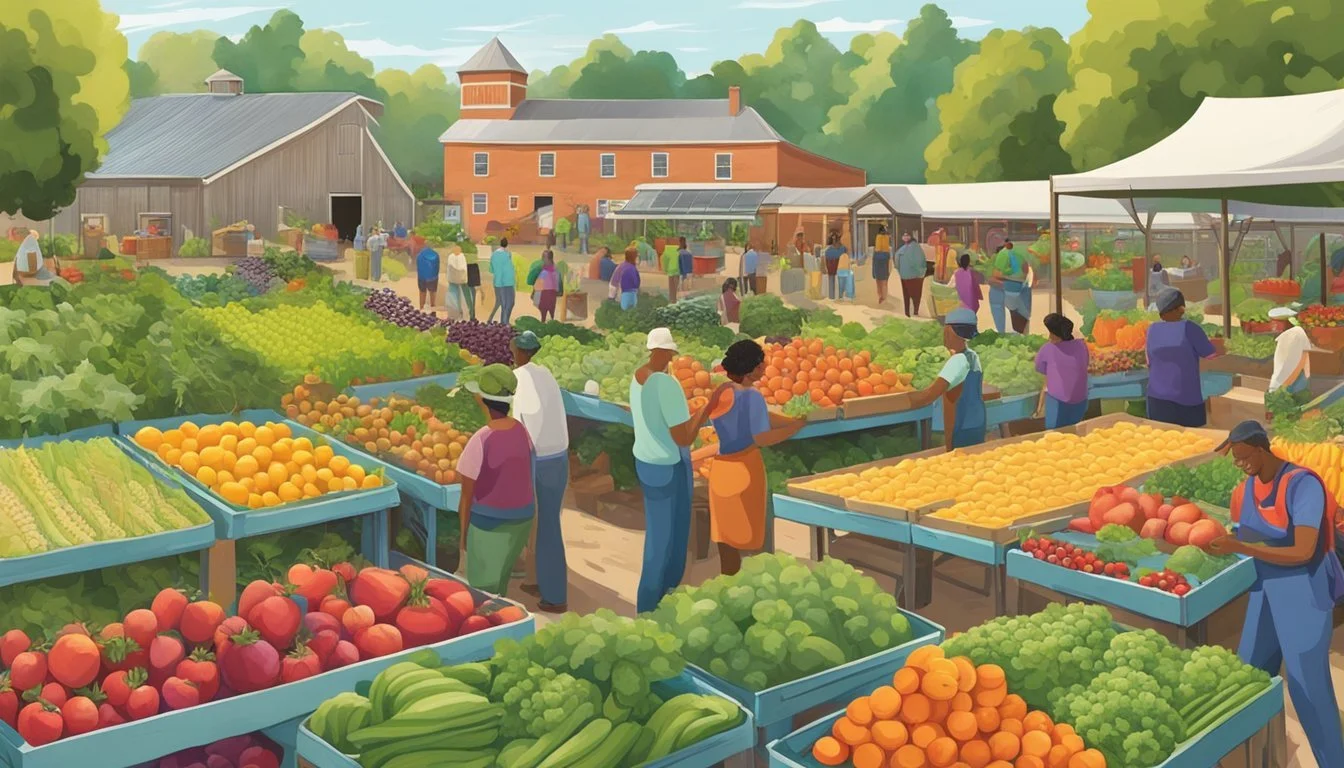
Community Supported Agriculture (CSA) programs in Indianapolis connect consumers directly with local farms, ensuring access to fresh, seasonal produce. This model supports both the local economy and sustainable agricultural practices.
Profiles of Indianapolis CSA Farms
Irvington CSA
Location: Indianapolis, IN
Season: Early May to late October
Pick-up: Fridays, 5:30–6:30 p.m. at an Irvington location
Note: Produce is harvested the morning of pick-up.
Hoosier Harvest Market
Type: Farmer-owned coop
Offerings: Multi-farm CSA
Ordering: Online subscription or weekly orders
Pick-up: Thursdays, 4–7 p.m.
Creme de la Crop Organic Farm
Contact: Leann Landgrebe Sego
Location: 208 North 250 West, Valparaiso, IN
Phone: 219.510.4547
Website: cremedelacrop.com
Details: Dedicated to economic support and sustainability in traditional family farming.
A master list of CSA farms in Indianapolis can provide more information on local options and specific offerings for those interested in supporting local, sustainable agriculture.
Organic and Sustainable Practices
Local Indianapolis farms are increasingly adopting organic and sustainable practices to cultivate their produce, reflecting a commitment to both environmental stewardship and community well-being. These methods reduce the carbon footprint and promote biodiversity, aligning with consumer values and health consciousness.
Eco-friendly cultivation: Farms limit the use of chemicals and pesticides, opting for natural alternatives.
Conservation of resources: Water-saving techniques and renewable energy sources are becoming standard.
Soil health: Emphasis on maintaining nutrient-rich soils through composting and crop rotation.
By supporting CSAs, Indianapolis residents contribute to the sustainability and resilience of their local agricultural community.
CSA Membership and Shares
In Indianapolis, Community Supported Agriculture (CSA) memberships offer households the opportunity to receive fresh, locally-grown produce and, in some cases, meat products. By purchasing a share, families commit to the health and vitality of their community and themselves.
Types of Shares and Options
Regular Produce Shares: Typically consists of a weekly box of seasonal vegetables. Options for full or half shares can accommodate different family sizes.
Specialty Shares: May include options such as Meat CSA, for consumers looking for locally-sourced meats.
Flexible Scheduling: Some CSAs offer alternate week shares or the ability to customize delivery schedules to meet members' needs.
Cost and Payment Plans
Price Range: Standard produce shares can range anywhere from $300.00 to $500.00 for a season.
Payment Options: CSAs frequently provide payment plans to distribute the cost over the season or offer discounts for upfront payments.
Health Investment: Investing in a CSA share represents a family's commitment to healthier eating habits through regular consumption of fresh foods.
Seasonal Produce and Products
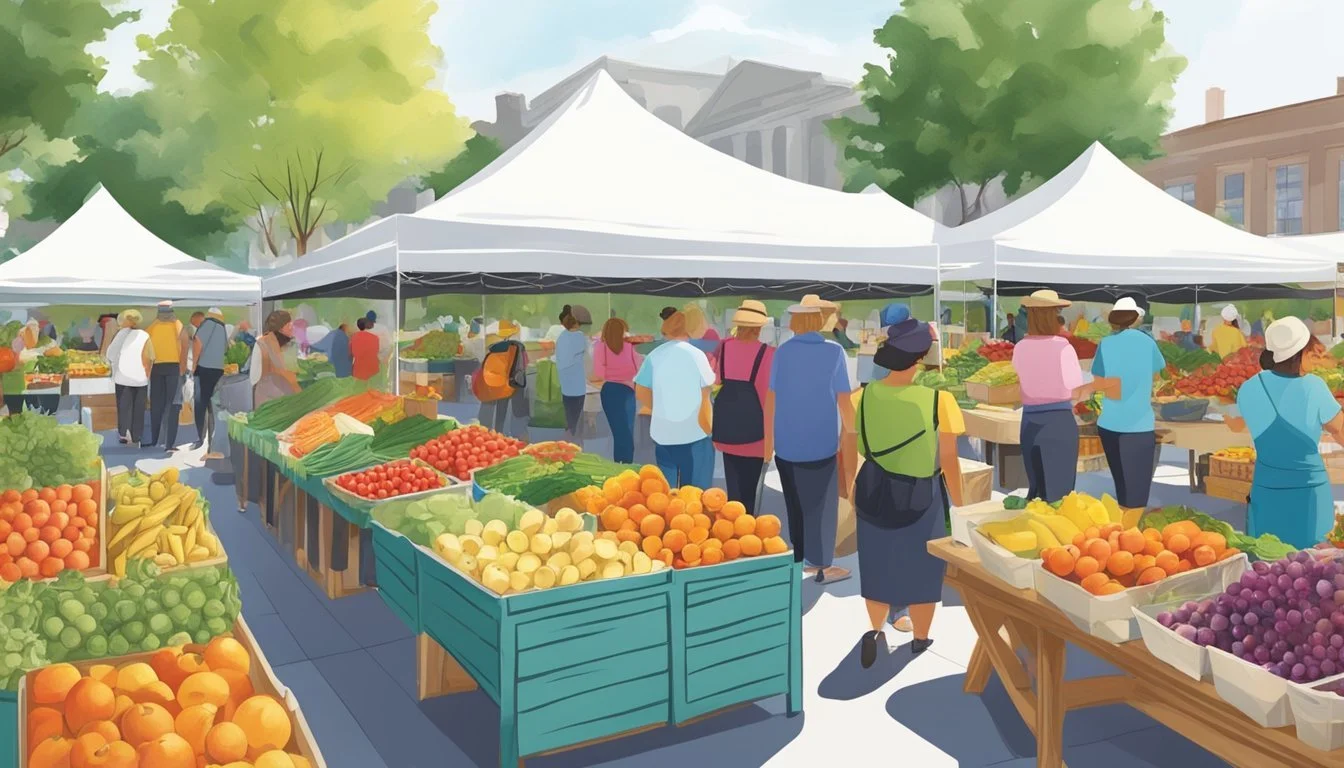
Indianapolis Community Supported Agriculture programs (CSAs) provide a symbiotic relationship between local farmers and consumers, offering an array of fresh, seasonal produce throughout the growing season. Consumers gain access to high-quality vegetables, culinary herbs, and occasionally heirloom varieties, ensuring a diverse selection of fresh products.
What to Expect Each Season
Spring: The growing season in Indianapolis usually commences in early to mid-May. CSAs typically begin offering:
Fresh greens such as lettuce, spinach, and kale
Earthy root vegetables like radishes and turnips
Aromatic culinary herbs including parsley and cilantro
Summer: As the season progresses into the warmer months, a wider variety of produce becomes available:
Tomatoes, both heirloom and standard varieties, alongside crisp cucumbers and peppers
Sweet berries and succulent stone fruits hit their peak
Herbs such as basil and dill are usually abundant, perfect for enhancing summer dishes
Fall: Harvest continues with robust produce into the cooler months:
Hardy vegetables like squashes and pumpkins make their appearance
Apples and late-season pears are ripe for picking
Hearty greens reemerge, such as arugula and swiss chard
Winter: While the growing season is typically dormant:
Some CSAs may offer storage vegetables or greenhouse-grown items
Winter markets or farm stores may provide preserved goods like pickles and jams
Variety and Selection of Produce
The selection at CSAs often extends beyond just vegetables. Participants can frequently enjoy:
A range of vegetables, from common staples to unique heirloom varieties
Fresh culinary herbs, both common and exotic, to elevate any dish
The option for fresh produce boxes, which can include fruits and vegetables
Indianapolis CSAs are committed to sustainable, fresh, and local produce ensuring a seasonal selection that supports both the health of its members and the local agricultural community.
Supporting Local Agriculture
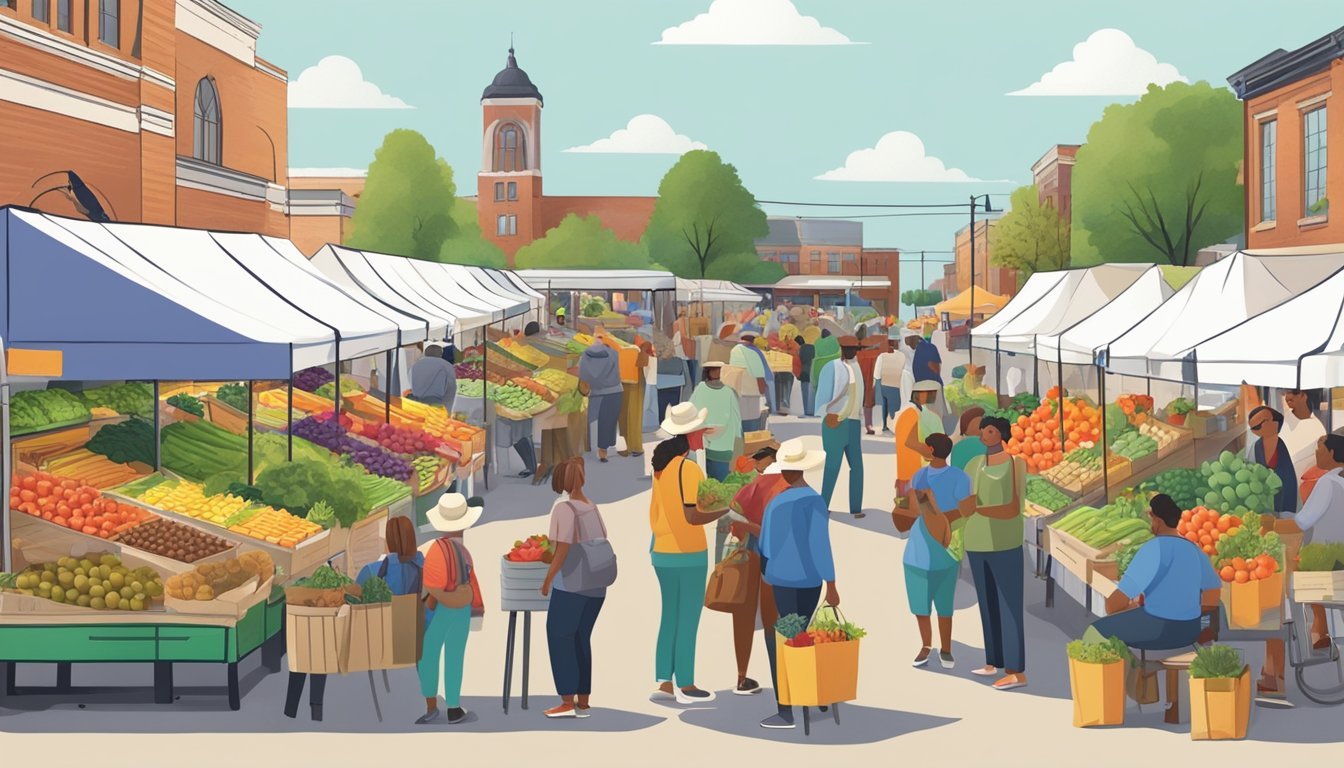
Community-supported agriculture in Indianapolis plays a crucial role in bolstering the local food economy and fostering community engagement through a variety of events.
Building the Local Food Economy
Indianapolis has seen a significant increase in the popularity of Community Supported Agriculture (CSA) programs, which contribute to the development of a robust local food economy. Families in Indiana can subscribe to receive a portion of the season's harvest from local farms. This arrangement not only ensures consumers get access to fresh, seasonal produce but also allows family-owned farms to gain a dependable source of income. A considerable number of Indianapolis families are now turning to CSAs as a means to not only eat healthier but also to invest in their community's economic well-being.
Engagement and Community Events
CSAs in Indianapolis are not just about the produce; they're also about bringing people together. Through various community events, local farms encourage members to become more involved, offering them a chance to better understand and appreciate where their food comes from. These events often include farm visits, harvest festivals, and cooking classes which provide families with the opportunity to connect with each other, while also deepening their connection to the Indiana local food system.
By participating in CSA programs and their associated events, community members are able to actively contribute to the sustainability of local agriculture and the availability of fresh, nutritious food options in their area.
Member Involvement and Education
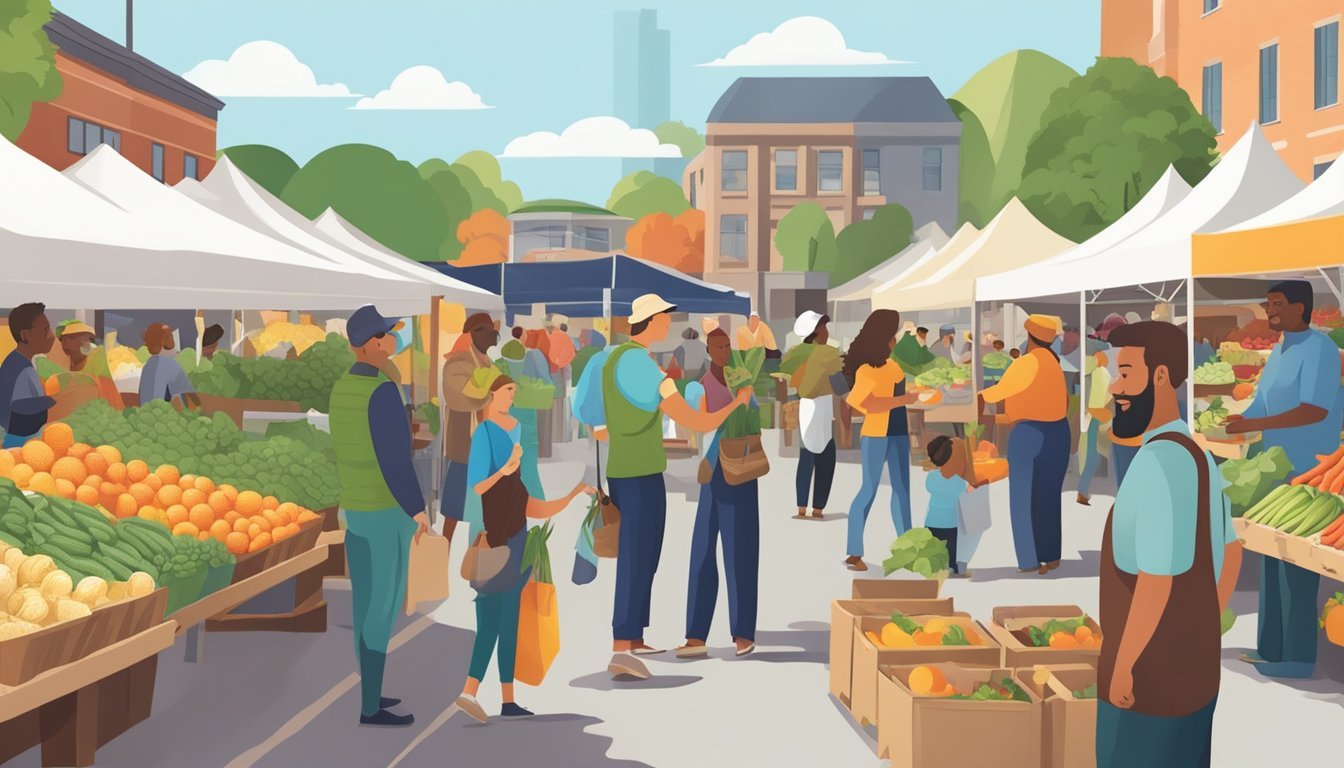
Community-Supported Agriculture (CSA) programs in Indianapolis not only provide members with fresh, locally-grown produce, but also offer avenues for personal involvement and educational growth. These programs foster a deeper connection between consumers and their food sources, and encourage community and knowledge sharing through various opportunities.
Volunteer Opportunities and Workshares
CSAs in Indianapolis often feature volunteer opportunities or workshare programs that allow members to contribute their time and effort in exchange for produce. This hands-on approach benefits both the farms and the members, promoting a shared sense of responsibility and investment in the local food system.
Workshare Details:
Time Commitment: Typically, a few hours per week
Activities: Planting, harvesting, packaging, and distribution
Benefits: Reduced cost on CSA shares or complimentary produce
Educational Resources and Workshops
Education is a key component of Indianapolis CSAs, with many offering workshops and resources aimed at enhancing members' understanding of sustainable agriculture and healthy eating.
Workshop Topics:
Sustainable farming techniques
Nutrition and cooking with seasonal produce
Food preservation methods
Contact for Educational Events:
Email: Usually provided on CSA's website or through their newsletter
Members are encouraged to attend these sessions to gain a more comprehensive view of food production and to develop skills that transcend the CSA experience. They serve to empower individuals to make informed decisions about their diet and lifestyle, and to contribute positively to their community.
Farm-to-Table Experience
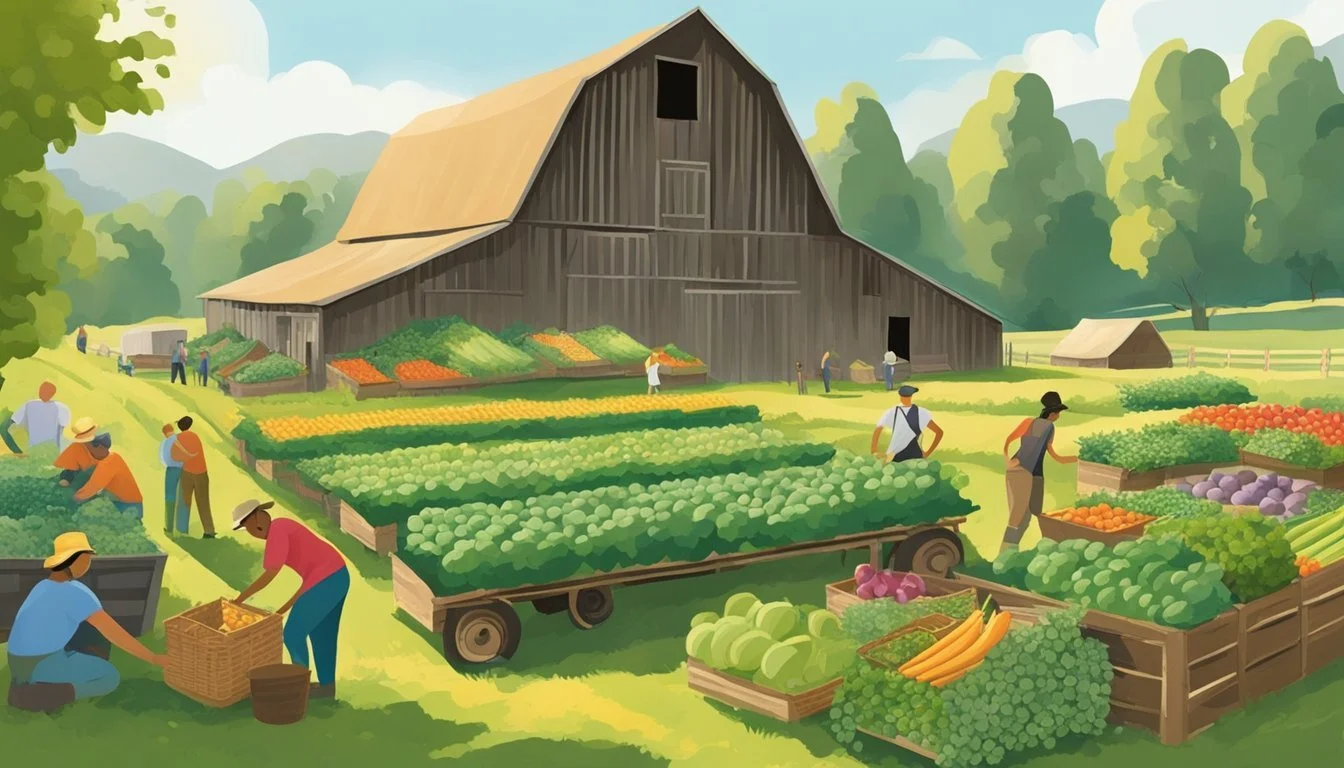
The farm-to-table experience in Indianapolis connects families with local agriculture, providing them with a hands-on approach to sourcing food. It emphasizes fresh, locally grown produce that members of the community can shop for, pick themselves, or receive through subscription services like CSAs.
Pick-Your-Own Opportunities
In Indianapolis, pick-your-own opportunities allow families to visit farms and select their own produce right from the field. This activity not only promotes farm-to-table principles but also educates participants on where their food originates. Through this direct interaction, they gain an appreciation for local food systems and the importance of fresh, sustainable agriculture.
Shop: Families can often purchase additional farm products during their visit.
Family: Such outings can be educational and enjoyable family activities.
Farm: Farms typically offer a variety of produce for picking, depending on the season.
Farm Events and U-Pick Days
Local farms in Indianapolis often host events and designated U-Pick days where the community is invited to harvest their own fruits and vegetables. These events provide a tangible connection between the field and the table, with the added benefit of supporting local agriculture.
Field-to-Table: Harvest events are the embodiment of the field-to-table concept.
Farm: These events serve as a showcase for the farm's practices and products.
Family: U-Pick days can become a family tradition, fostering community connection.
Leading CSAs in Indianapolis Area
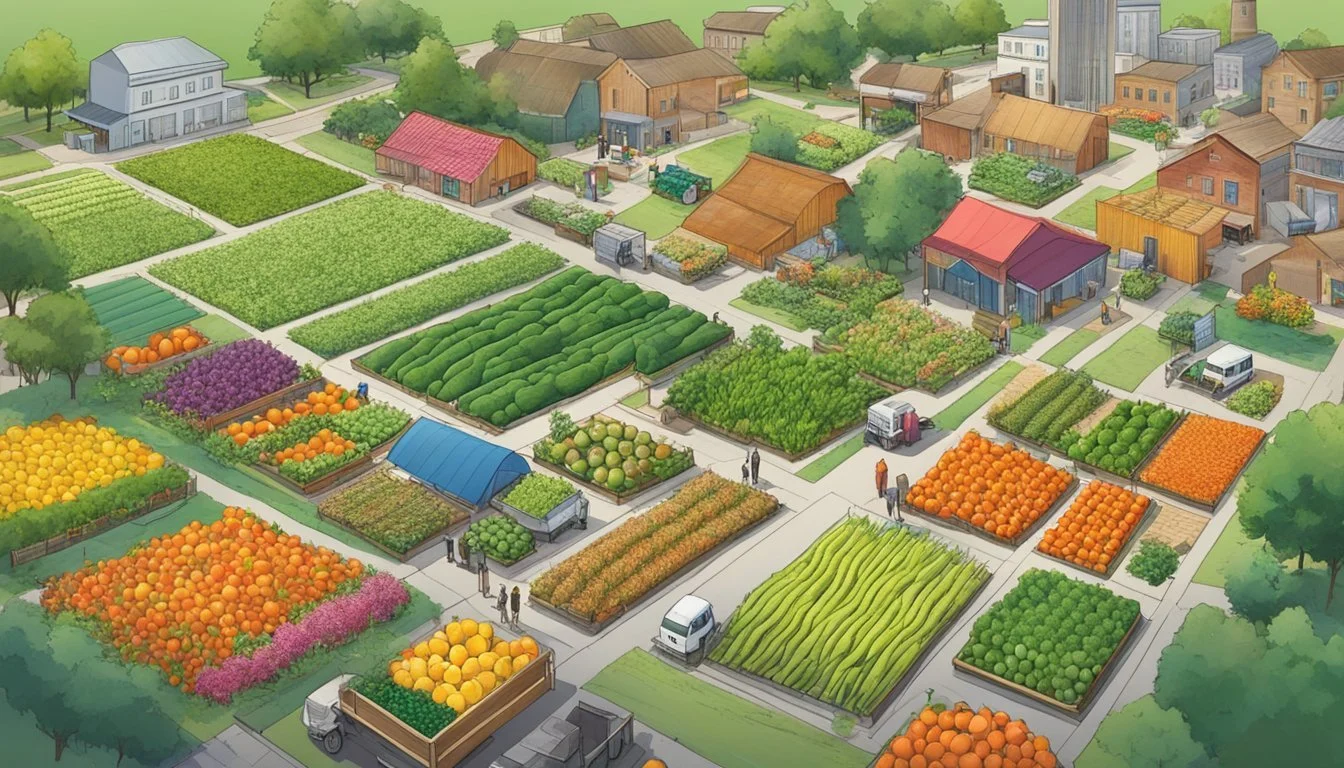
Community Supported Agriculture (CSA) programs in Indianapolis provide a direct link between local farms and the residents who consume their produce. This symbiotic relationship benefits both sides: it offers financial support to the farmers while providing consumers with fresh, seasonal produce throughout the growing season.
Featured Indianapolis CSAs
Irvington CSA in Indianapolis signals the start of its season in early to mid-May, extending over 25 weeks. Members collect their fresh produce on Friday evenings at a designated pickup location in Irvington.
Living Roots Farm Community Supported Agriculture (CSA) reaches out to multiple communities including Bloomington, Indianapolis, Bedford, and French Lick. Offering a standard produce share with an option to add eggs, Living Roots Farm runs their main season CSA for 24 weeks starting from mid-May to October.
Growing Places Indy allows community members to subscribe to weekly produce boxes, which become available starting mid-March 2024. The CSA from Growing Places Indy gives members the flexibility to pick up their shares on Wednesdays or Thursdays each week.
Farmers' Market Presence
CSAs often collaborate with or are featured at local farmers' markets, further connecting them with the Indianapolis community. This presence allows residents to meet the farmers and learn more about the CSA programs in a vibrant market atmosphere. These markets are essential in promoting the CSA model and making it accessible to a wider audience. Participation in these marketplaces underscores the CSA's dedication to fresh, sustainable agriculture and reinforces its role within the local food economy.
By maintaining a visibility at farmers markets, the CSAs in Indianapolis are not only able to distribute their produce but also engage directly with the consumers, thus strengthening the community's support for local agriculture.
Additional Offerings and Services
Community-Supported Agriculture in Indianapolis goes beyond the traditional model of vegetable subscriptions, incorporating meat shares and farm store offerings that add diversity and richness to the local food landscape.
Meat and Specialty Product CSAs
Meat CSA programs are a robust part of Indianapolis's CSA scene. These programs often offer a variety of meat options, such as Grass-Fed Beef and Pastured Pork, which subscribers can receive on a regular schedule. Participating in a Meat CSA is an excellent way to obtain high-quality, locally sourced meats. Farmers adhere to sustainable and ethical raising practices, ensuring that meat shares contribute to a healthier environment and community.
On-Farm Stores and Additional Products
Many farms in the area have on-site shops where customers can purchase additional products beyond their CSA shares. These shops often stock a variety of items, including meat, pumpkins, and other seasonal goods. Offering a range of products provides consumers with a one-stop-shop experience, making it easy to support local agriculture and enjoy fresh, seasonal products throughout the year.
How to Become a CSA Member
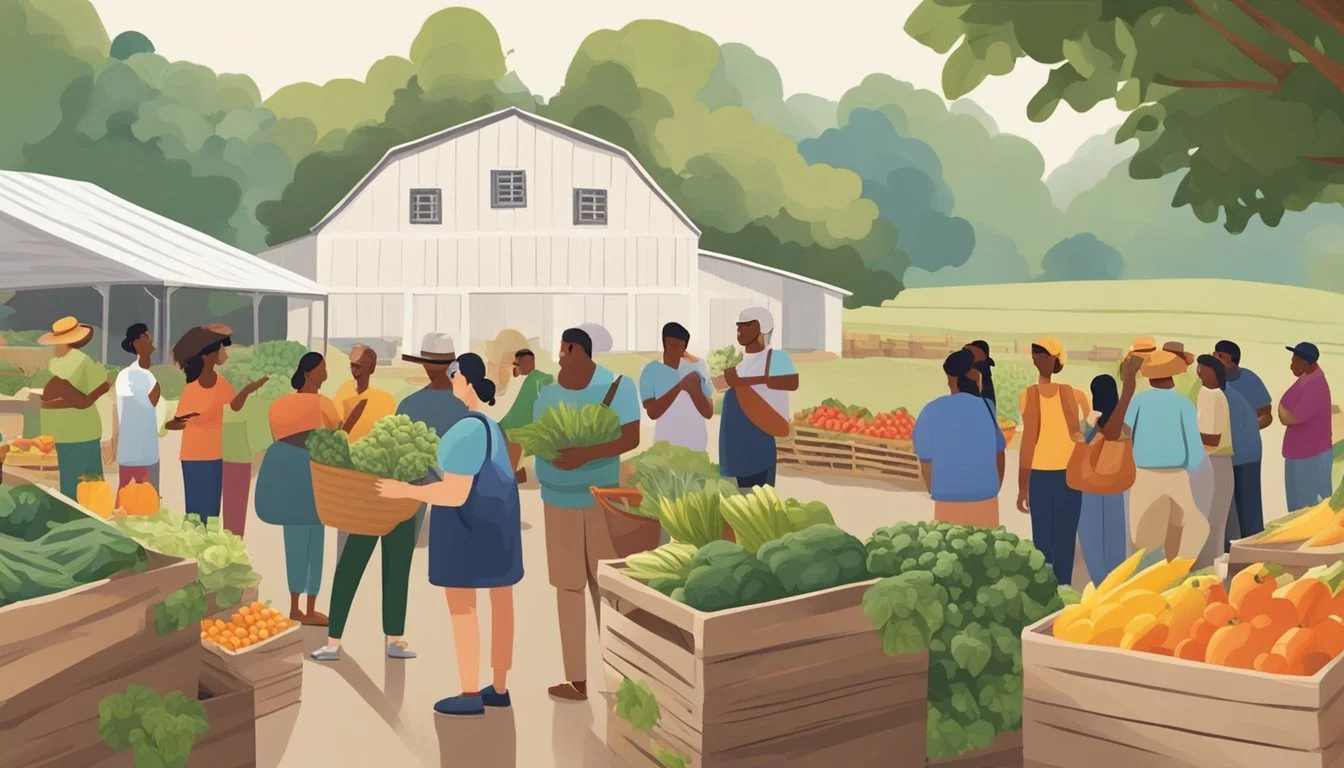
Joining a Community Supported Agriculture (CSA) program in Indianapolis connects individuals directly with local farms and provides a steady stream of fresh produce. This commitment to local agriculture benefits both the community and the consumer.
Membership Sign-Up Process
To become a member of a CSA in Indianapolis, one typically needs to complete a sign-up process. This can usually be done online through the CSA's website. Here, prospective members fill out a form providing their contact information and select their preferred subscription options. Most CSAs offer a variety of membership plans based on the size of the produce box and the frequency of delivery or pickup.
Select a subscription: Choose from various options, such as weekly or monthly.
Provide contact details: Fill in necessary information such as name, email, and address.
Payment: Pay the upfront fee to secure the share for the season.
Connecting with Local CSAs
Finding a CSA in Indianapolis can be done through several avenues:
Local directories or guides: They provide lists of CSAs and their offerings.
Farmers’ markets: Often, CSA providers have booths where they can provide information and sign-up details.
Online platforms: Some CSAs may use services that aggregate local food producers, allowing consumers to add themselves directly to a farm’s master list through their system.
Prospective members should use contact details, such as an email address, found on the CSA's website to reach out with questions or register their interest in joining. The relationship built between the consumer and the farm reinforces community ties and supports the local food system.
Sustainable Living and Practices
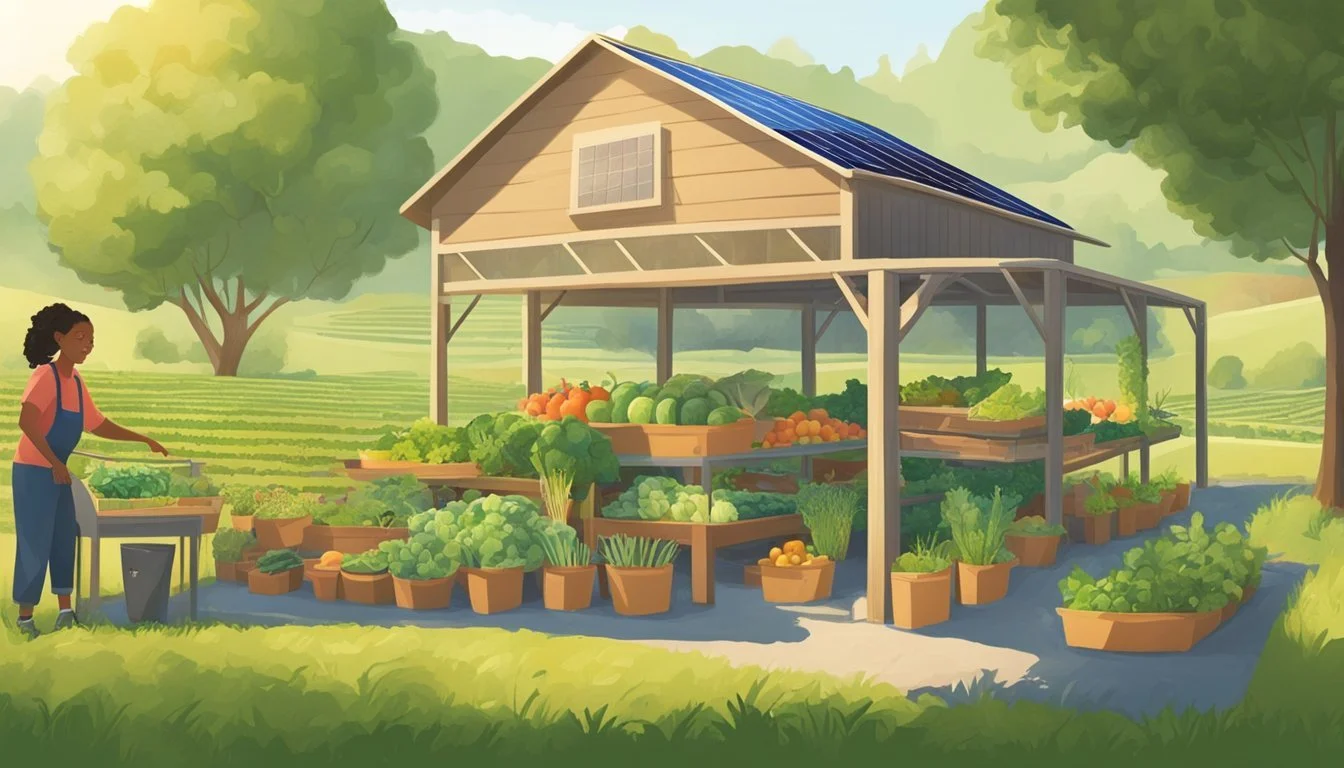
Community Supported Agriculture (CSA) in Indianapolis underscores a commitment to sustainable living by integrating practices that are mindful of environmental impact and deliberately minimizing the use of chemicals in farming.
Environmental Impact and Sustainability
CSAs in Indianapolis demonstrate a profound respect for the natural environment by adopting sustainable farming methods. These methods prioritize the health of the soil, water conservation, and encourage biodiversity. Pasture-based systems and crop rotation strategies employed by many CSA farms lead to healthier ecosystems and resilience against climate change. The farms utilize cover crops to improve soil fertility and structure, enhancing the capacity of the land to sequester carbon, mitigating greenhouse gas emissions.
Avoidance of Chemicals in CSA Farming
A significant number of CSAs in the Indianapolis area practice organic farming, which inherently means the avoidance of synthetic chemicals. These organic farmers rely on natural alternatives to fertilizers and pesticides, contributing to cleaner groundwater and healthier food for the community. Integrated pest management (IPM) is a common strategy, using beneficial insects and biological pest controls to maintain balance within their farm ecosystems.
By consciously choosing not to utilize harmful chemicals, CSA farms help ensure that the agricultural process is safer for both consumers and the environment.
The dedication to natural and organic methodologies underscores a collective effort to promote health and well-being throughout the region.
Cooking and Recipes
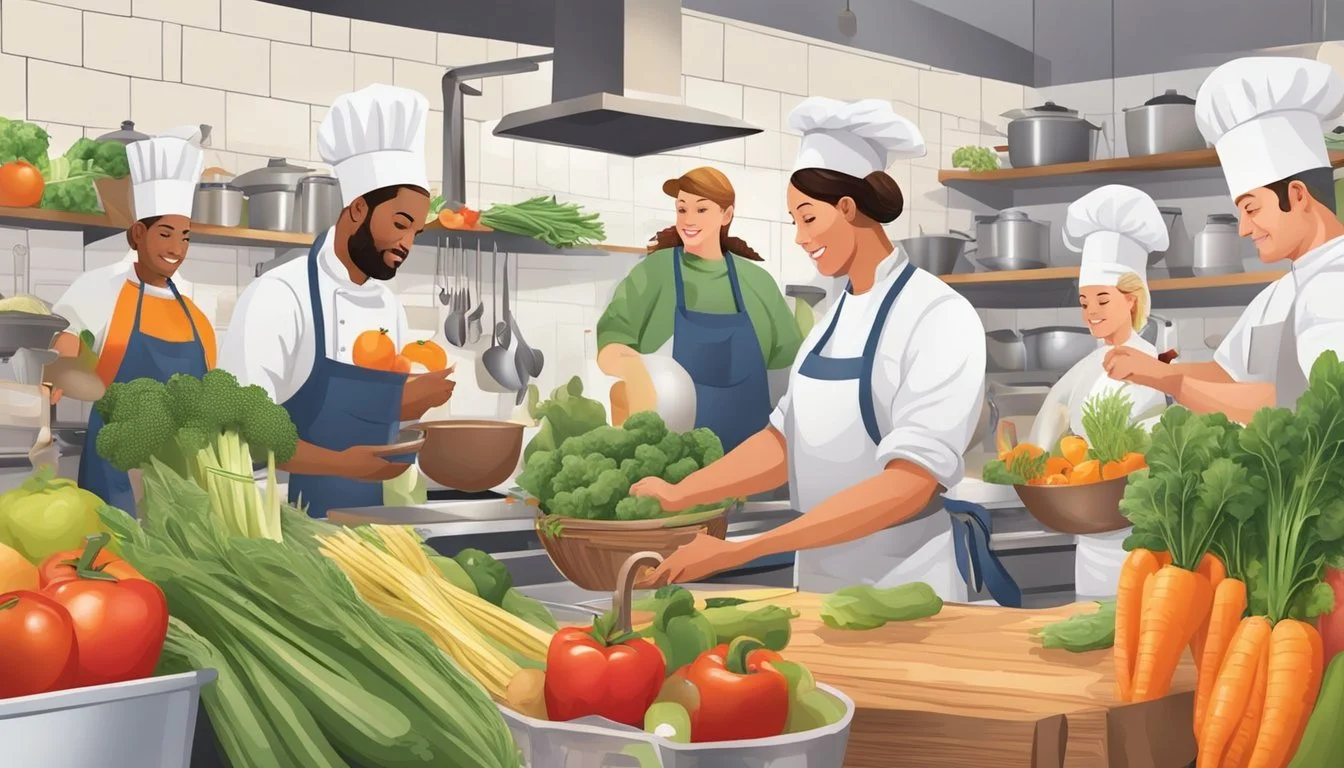
Participating in a CSA program in Indianapolis allows individuals and families access to a diverse range of fresh produce and herbs. These ingredients can elevate daily cooking and inspire a repertoire of seasonal recipes that align with a healthy lifestyle.
Using CSA Ingredients in Everyday Cooking
When it comes to incorporating CSA ingredients into day-to-day meals, one should think about versatility and freshness. Fresh produce from a CSA can be used in a variety of dishes, from quick salads to hearty casseroles. Culinary herbs, often included in CSA shares, are perfect for enhancing flavor profiles without the need for excess salt or fat, contributing to a healthy way to eat. Use the table below as a handy guide for integrating CSA produce into daily cooking:
Ingredient Usage Example Leafy Greens Stir into omelets or blend into smoothies. Root Vegetables Roast as a side or incorporate into stews. Seasonal Fruits Eat fresh or use in desserts and snacks. Culinary Herbs Add to dressings, sauces, or as garnishes.
Seasonal Recipes and Meal Planning
Creating a meal plan around seasonal CSA offerings can inspire healthier eating habits. For spring, an asparagus and radish salad makes a light, nutritious option, while autumn's bounty could be celebrated with a butternut squash soup. Here's a concise list of how to utilize seasonal produce in recipes:
Spring: Utilize fresh leafy greens in salads and add herbs like parsley and cilantro for a fresh touch.
Summer: Combine a variety of tomatoes, peppers, and cucumbers for a vibrant, refreshing gazpacho.
Fall: Use squash and root vegetables for warm, roasted dishes or seasonal pies.
Winter: Employ hardy greens and preserved harvest like pickles in stews and braises.
Planning meals around CSA ingredients not only supports local agriculture but also ensures that one is eating whole foods that are at their peak of freshness and nutritional content.
Planting and Agriculture Education
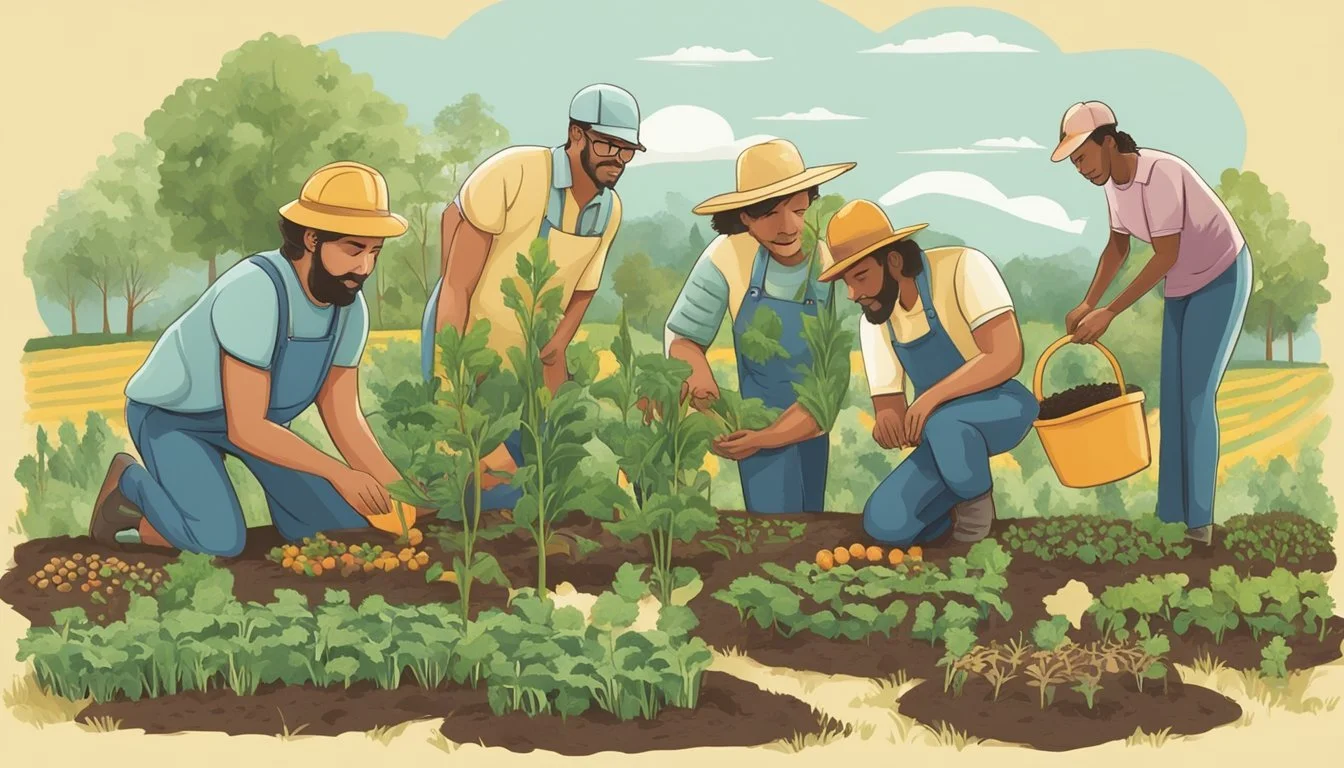
Community-Supported Agriculture (CSA) in Indianapolis offers unique opportunities for hands-on educational experiences in planting and sustainable farming techniques. Individuals can learn how to cultivate their own produce from plant starts and gain practical knowledge of farming during the growing season.
Growing Your Own Produce with CSA Plant Starts
Participation in a local CSA often begins with plant starts, which are young plants ready for transplantation. Indianapolis CSAs provide these starts to their members, giving them a head start for the growing season. By nurturing these fledgling plants, members not only contribute to their household's fresh produce but also receive educational benefits by learning about plant growth requirements and care.
Typically offered species might include:
Vegetables (tomatoes, peppers, lettuce)
Herbs (basil, mint, cilantro)
These plant starts are specifically chosen to thrive in the Indianapolis climate, thus maximizing the likelihood of a successful home garden.
Learning Farming Techniques
CSAs in Indianapolis do not just supply produce; they are a wealth of knowledge for aspiring farmers and gardeners. Many offer workshops or hands-on days where members can learn various farming techniques. These experiences can cover a range of activities, from soil preparation to effective water management.
Key areas of focus might include:
Composting: Turning organic waste into valuable fertilizer
Pest Management: Identifying and controlling pests naturally
Crop Rotation: Understanding the benefits for soil health and pest control
Education through CSAs empowers members with the skills needed to optimize their own gardening practices while adhering to sustainable, eco-friendly principles.