Community Supported Agriculture (CSA) in Charlotte, NC
A Guide to Local Farm Partnerships
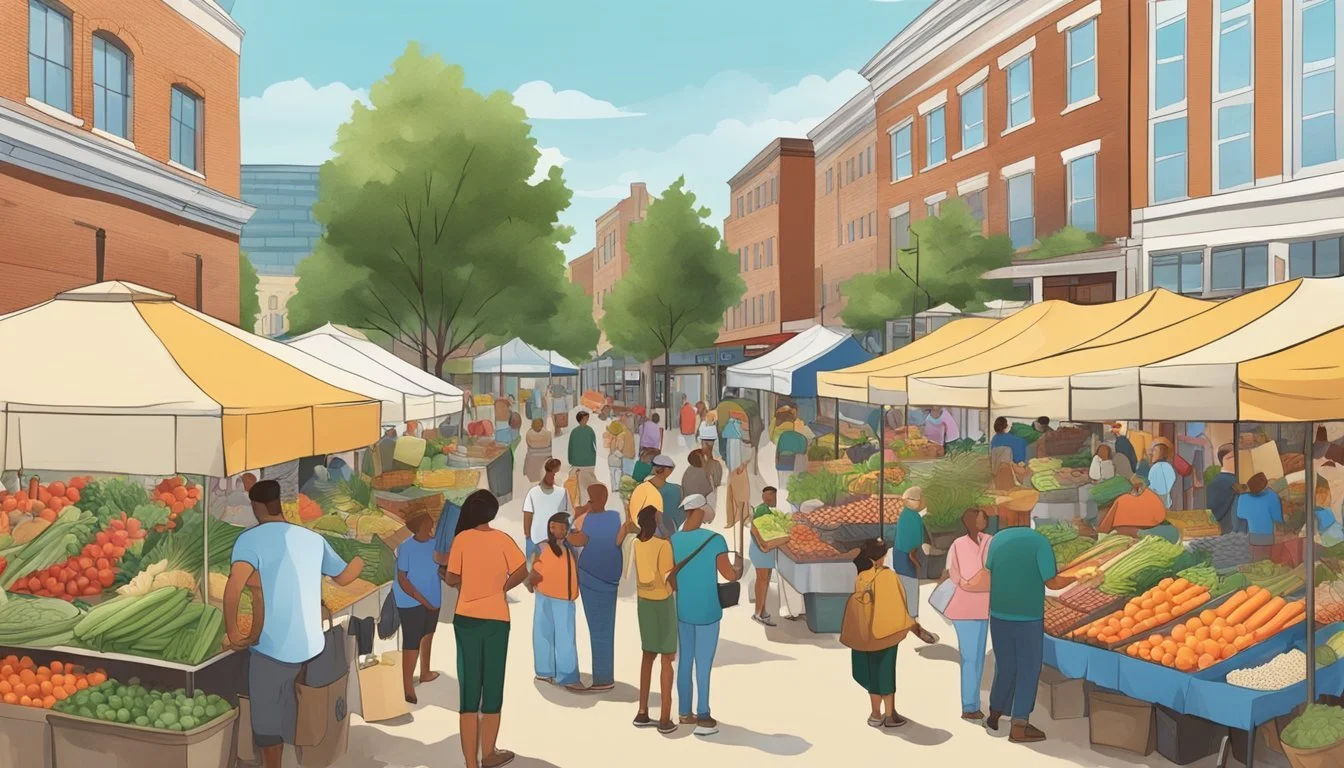
Community Supported Agriculture (CSA) represents a growing movement in Charlotte, North Carolina, fostering close ties between local farmers and consumers. The CSA model is innovative in its approach; it allows consumers to subscribe to the harvest of a certain farm or group of farms, often receiving weekly or monthly shares of fruits, vegetables, and other farm products. This system nurtures a trusting relationship between local producers and community members who invest in the agricultural process, sharing the risks and rewards of food production.
Charlotte's diverse agricultural offerings and commitment to sustainability have made it a thriving hub for CSAs. Such programs underscore a caring relationship with food sources and promote economic stability for farmers. Consumers in Charlotte gain access to fresh, seasonal produce directly from its source, often with the added benefits of organic certification and the reduction of carbon footprint associated with long-distance food transportation.
In embracing CSAs, Charlotte locals have a meaningful opportunity to contribute to their community's economy and wellbeing. They not only help preserve local farming operations but also encourage best practices in agriculture that benefit the environment and public health. This model extends beyond mere consumption, embodying a shared commitment to cultivating a more sustainable and locally-focused food system.
Understanding CSA
Community Supported Agriculture (CSA) represents an innovative food distribution model that weaves closer connections between local farmers and consumers within the community. It provides fresh and locally sourced products to members who financially support the farms upfront.
CSA Defined
A Community Supported Agriculture (CSA) program is essentially a partnership between local farmers and their community. Through a subscription-based model, members purchase shares of a farm's harvest in advance. These shares typically consist of a variety of locally grown fruits, vegetables, and often include other farm products such as fresh flowers, eggs, meats, and cheeses. CSA memberships often require payment at the beginning of the growing season, fostering a direct link between consumers and their food sources.
Benefits of Community Support
Community support through CSAs yields numerous benefits. For consumers, it ensures consistent access to fresh, seasonal produce directly from their local farms. From a farmer's perspective, the upfront financial support from CSA memberships helps with the farm's cash flow and planning. More broadly, such community support helps:
Strengthen the local economy
Promote sustainable farming practices
Enhance food education by connecting consumers to the source of their food
Shared Risk and Reward
The CSA model is founded on the principle of shared risk and shared reward between the farmer and the community. Members are made aware that they share in the bounty as well as the risks, including poor harvests due to adverse weather or pests. This approach encourages community members to be more understanding and engaged in the agricultural process, reinforcing the connection they have with their local food system. The essence of shared risk also helps build a resilient local food economy where both successes and challenges are collectively experienced.
Local CSA Farms
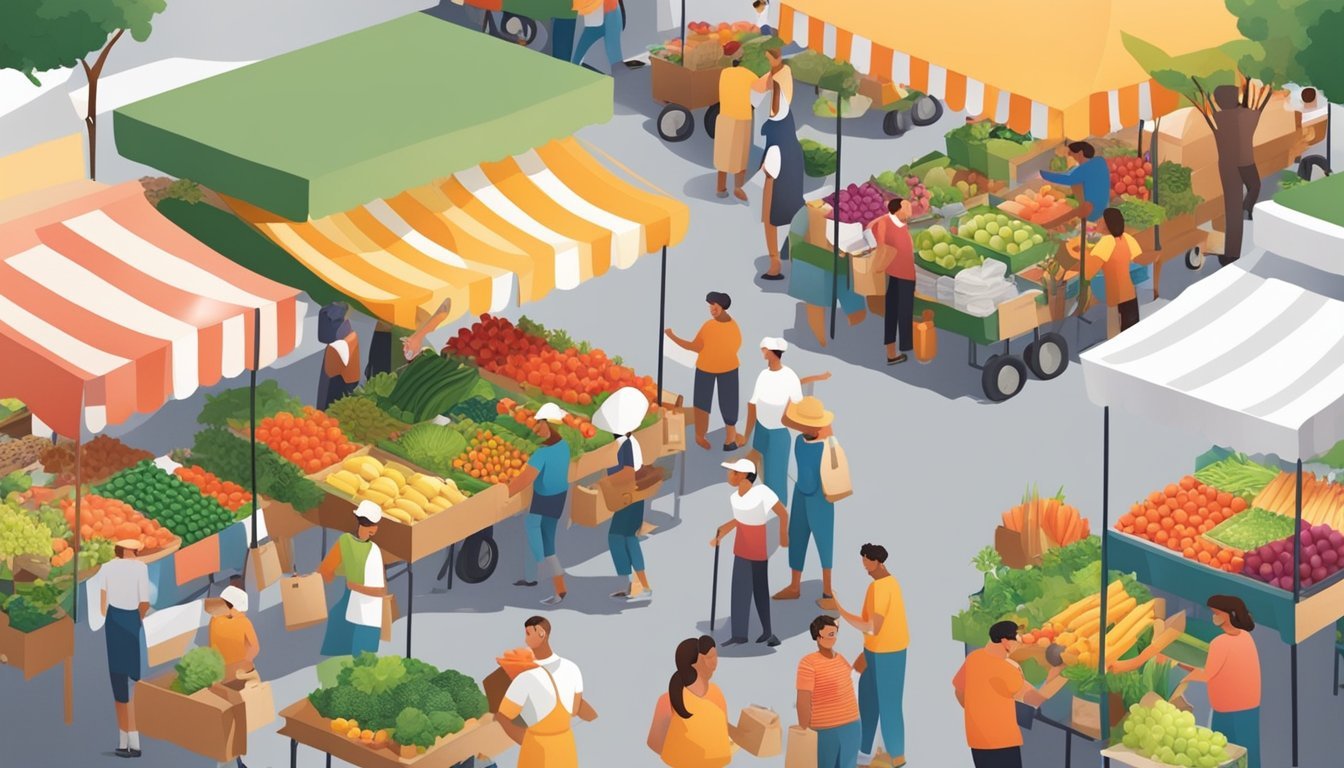
Charlotte, North Carolina, is surrounded by a thriving CSA community, where a variety of farms offer fresh, locally grown produce through seasonal subscriptions. These farms not only foster sustainable agriculture but also enhance the local food scene, providing residents with an opportunity to eat healthy and support local farmers.
Wild Hope Farm
Location: Chester, SC
Offerings: USDA Certified Organic produce and flower memberships, farm-to-table events
Contact: Information available on their website
Wild Hope Farm is celebrated for its commitment to sustainability and organic farming practices. Located in Chester, they provide a diversified assortment of organic produce to the Charlotte area through their CSA program. The farm is a beacon of ecological farming, attracting those keen on supporting environmentally responsible agriculture.
Bush-N-Vine Farm
Location: York, SC
Founded: 1979
Contact: (803) 684-2732 | [email protected]
Bush-N-Vine Farm has a rich history extending over 150 years and offers a bountiful CSA filled with fresh fruits and vegetables. Situated in York, the family-owned farm originally started as a peach orchard and now brings a variety of seasonal produce to its members, reinforcing the bridge between local farms and the community.
Tumbling Shoals Farm
Location: Information to be updated
Offerings: Seasonally diverse produce
Contact: Information available on their website
Tumbling Shoals Farm is a vital part of the Charlotte CSA landscape, known for its diverse seasonal offerings. Detailed information regarding location and contact should be acquired from their official channels. Patrons can expect a selection of farm-fresh vegetables and fruits, reflecting the farm's dedication to quality and community support.
Barbee Farms
Location: Information to be updated
Offerings: A variety of vegetables, fruits, and other farm products
Contact: Information available on their website
Barbee Farms provides a rich selection of produce through their CSA, contributing to the local food system. The farm's exact location and further details should be sourced directly to ensure accuracy. They offer a cornucopia of freshly-harvested goods, resonating with those who prioritize eating locally and seasonally.
CSA Shares in Charlotte
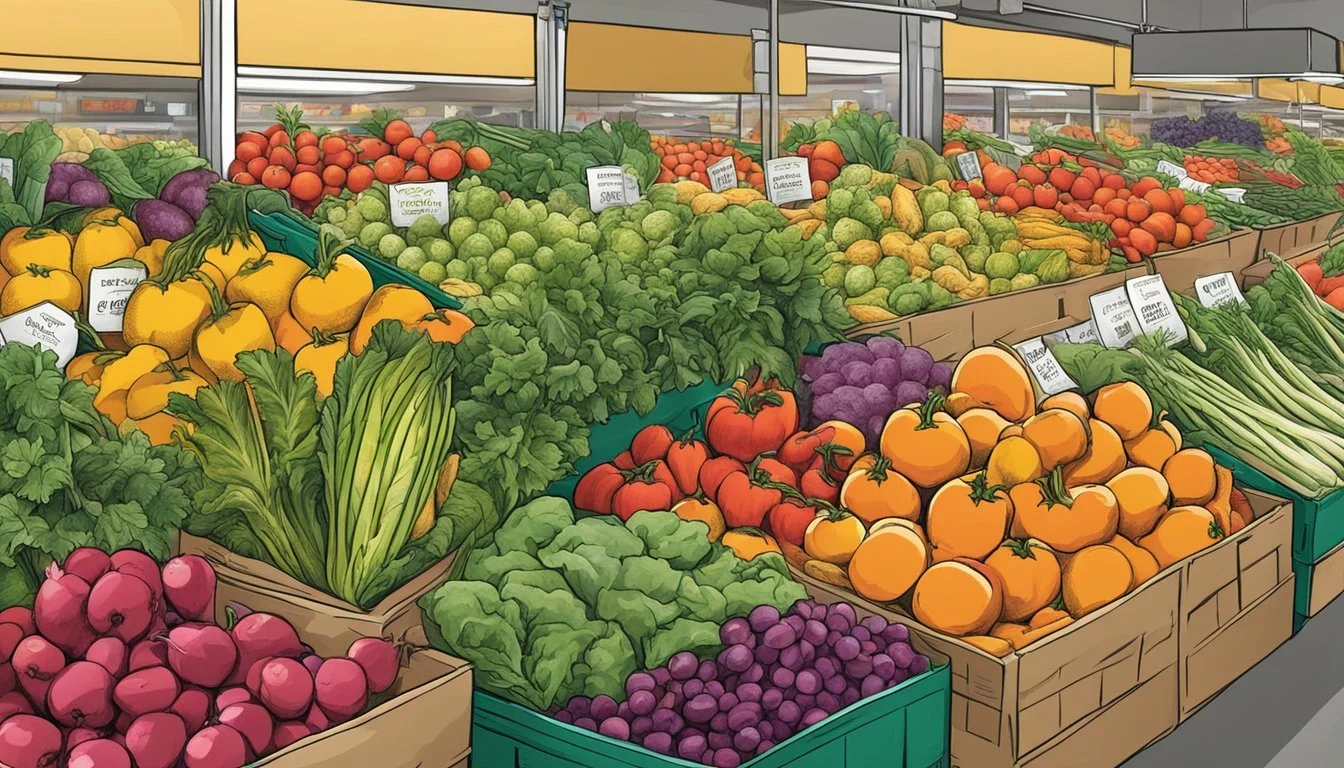
The CSA scene in Charlotte provides residents with a variety of fresh produce and farm products through various share options. These shares are a commitment to local agriculture, supporting both the Charlotte community's health and its farmers.
What Do Shares Include?
Shares typically consist of a box containing a selection of seasonal fruits and vegetables. Some CSA programs offer additional products such as eggs, meats, cheeses, or freshly milled cornmeal and grits. For instance, Bush-N-Vine Farm, which has been in operation since 1979, has expanded beyond its original peach orchard to provide a wide array of fresh produce.
Cost and Payment Options
The cost of a CSA share in Charlotte can vary. Seasonal shares may range from $450 to $600, while full-year shares can cost between $875 and $1150. Payment is usually required at the beginning of the subscription period, though some farms offer installment plans. Consumers should consider these options carefully to align with their household budget.
Choosing the Right Share for You
Selecting a share depends on household size and consumption. Smaller households or those new to CSAs might opt for a half share, while larger families or seasoned CSA members may prefer a full share. In the Charlotte area, CSAs such as the ones described by "Unpretentious Palate" guide provide tailored offerings for different needs, ensuring that individuals can find a suitable option for their dietary preferences and cooking habits.
The Produce and Products
Community Supported Agriculture (CSA) in Charlotte, NC provides a diverse array of farm-fresh products, ranging from seasonal fruits and vegetables to organic farm offerings, and extends to various animal products like eggs, meat, and cheese.
Seasonal Fruits and Vegetables
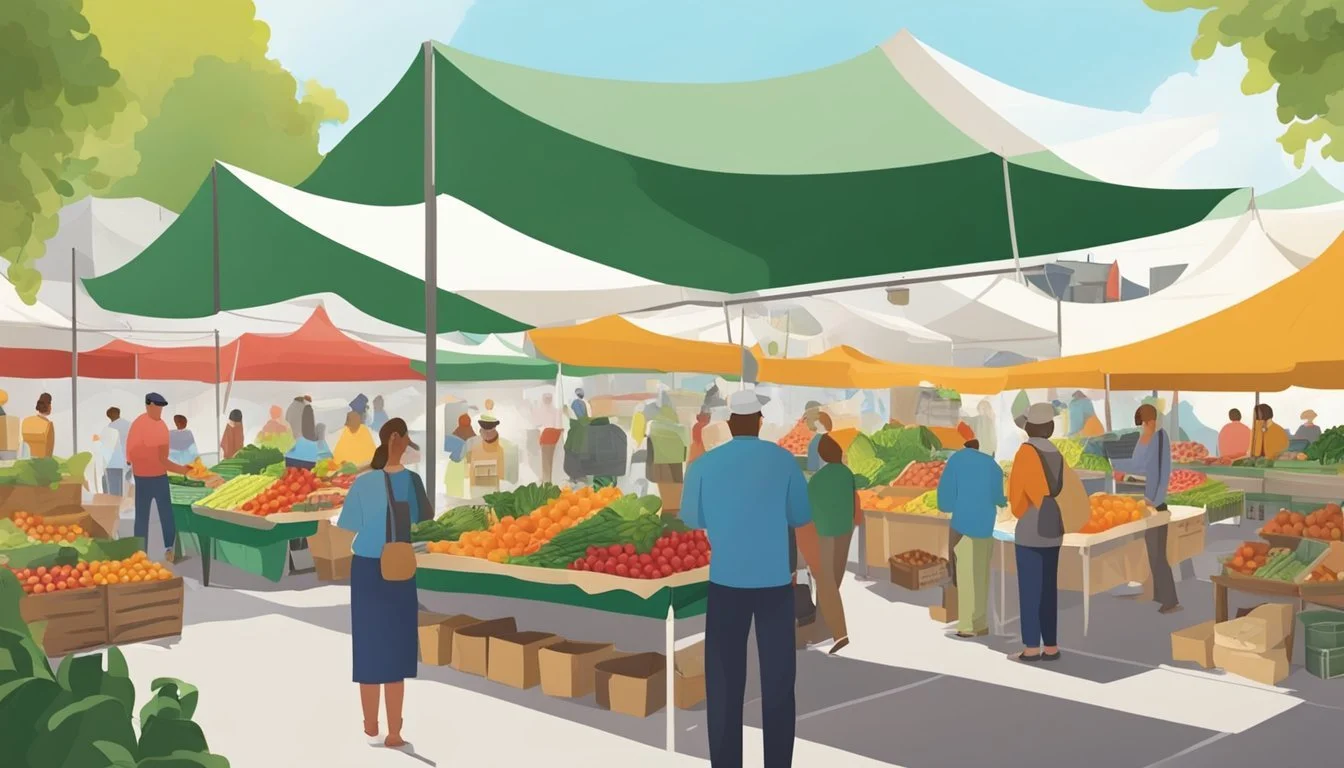
Throughout the year, CSA subscribers in Charlotte can enjoy seasonal fruits and vegetables that are locally grown. For example, a CSA like Wild Hope Farm provides members with a weekly or monthly supply of farm products that change with the seasons, ensuring the produce is at its peak of freshness and flavor.
Organic vs. Conventional Farming
Many CSAs in the area offer organic vegetables and fruits. CSAs such as Wild Hope Farm follow USDA Certified Organic practices, meaning their produce is grown without synthetic pesticides or fertilizers, fostering sustainable farming methods that are better for the environment. On the other hand, conventional farming practices may still be used by some farms, offering consumers a choice based on their preferences and values.
Beyond Produce: Eggs, Meat, and Cheese
Eggs, meat, and cheese from CSAs come with the promise of being sourced from animals that are commonly free-range and raised without hormones or unnecessary antibiotics. These animal products are fresher and considered by many to be more flavorful and nutritious than those from conventional sources.
Culinary Diversity and Heritage Varieties
Charlotte’s CSAs also place an emphasis on culinary diversity and offering heritage varieties of produce. For instance, a CSA could provide not only standard farm products but also milled cornmeal, grits, and even whole wheat flour which might be ground from heirloom grain varieties. This diversity allows members to explore a richer array of tastes and recipes. Additionally, fresh flowers and herbs often accompany CSA boxes, contributing to the culinary palette of local households.
Business and Economic Aspects
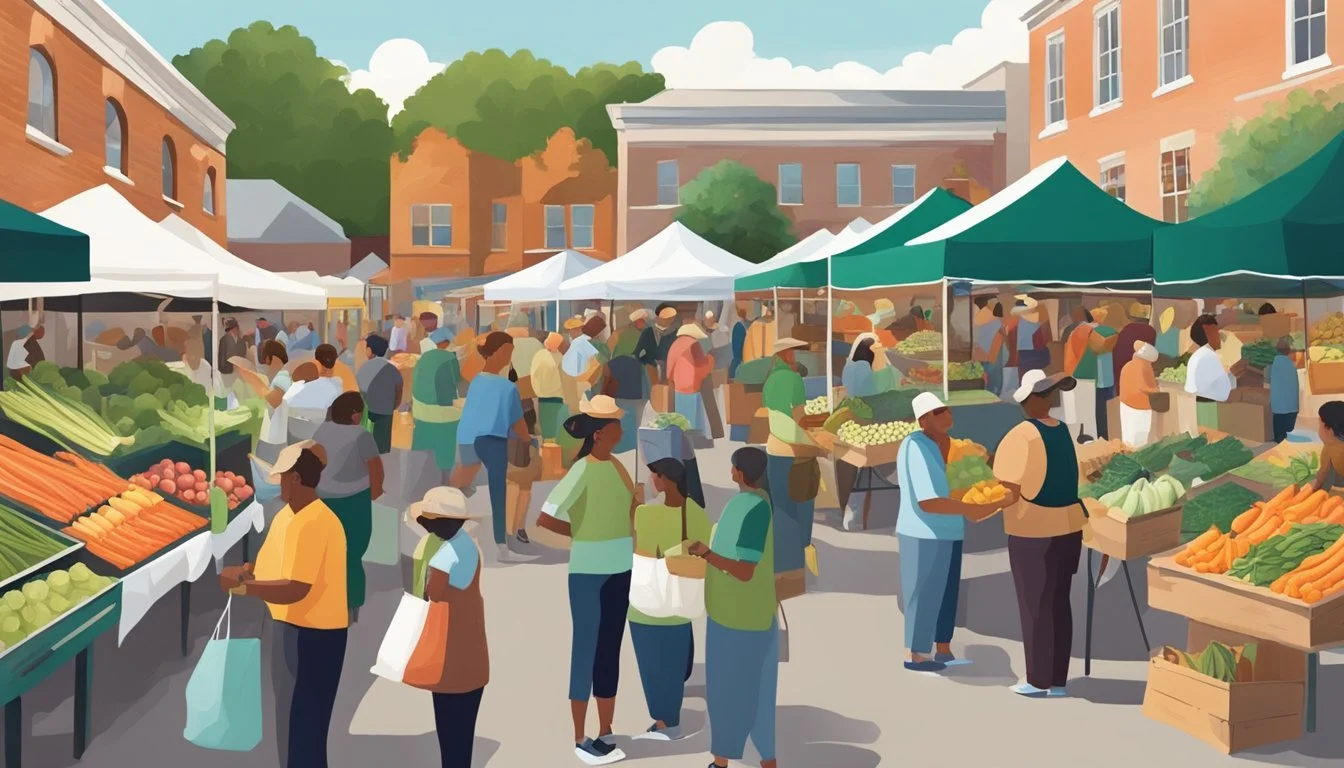
In Charlotte, NC, community-supported agriculture (CSA) models are reshaping the local food landscape. Successful CSA operations are marked by meticulous planning and direct economic ties with the local community.
Developing a CSA Business Plan
Creating a CSA business plan involves assessing market demand, identifying the range of products to include, like fresh fruits, vegetables, and local dairy or meats, and setting a structure for subscription services. Business plans are essential for local farmers to secure funding, forecast profits, and strategize for growth. For example, the business plan should define the income goals and anticipated expenses of running the CSA, highlighting the education needed to manage farm operations effectively.
Understanding CSA Income and Expenses
The financial health of a CSA is based on a balance between income and expenses. Income typically comes from members who purchase shares of the harvest in advance, providing upfront capital to cover early season costs. Expenses range from seeds to labor and distribution. Farmers must price their shares to cover these costs and also ensure profitability. Payment structures vary, with some CSAs allowing for installment payments, while others may require a lump sum.
Economic Impact on Local Community
CSAs have a significant economic impact on the local community. They keep food dollars within the region, support local employment, and often lead to the revitalization of local agriculture. By buying directly from local farmers, consumers help to sustain farming operations and contribute to the economic vitality of the area. Additionally, CSAs often foster community engagement and education around food systems and sustainable practices.
Connecting with Local CSAs

Community Supported Agriculture (CSA) in Charlotte, NC, integrates local farming with community members through a model that encourages direct support and distribution of farm produce. Members subscribe to the harvest of the local farms, establishing a unique relationship with the farmers.
Membership and Subscription Process
Prospective members subscribe to a CSA by purchasing shares of the farm's produce in advance. This subscription is typically for a weekly or monthly box of farm products which may include fruits, vegetables, eggs, and other local farm products. Subscription fees can range from $400 to $700 annually but may vary based on the CSA. Bush-N-Vine Farm, for example, uses a family farm that has been operating for over 150 years, offering a tangible connection with their agricultural heritage.
Recruiting Members and Marketing
To recruit members, CSAs often rely on various marketing strategies such as participating in local events, leveraging social media, and word-of-mouth recommendations. They also highlight the benefits of fresh, seasonal produce and the ability to support local agriculture. Creating a caring relationship is emphasized, as seen with farms like NC State Extension, where they aim to connect the community and farmers through CSA models.
Distribution Models and Pickup Locations
The distribution of farm produce can follow different models. Most CSAs provide a central pickup location where members can collect their boxes. For instance, a guide by Unpretentious Palate indicates seasonal and full-year shares with distribution points spread across set intervals. Some farms have innovative distribution through farm-to-table weekly produce, enhancing the connection between consumers and farming operations.
Sustainability and Education
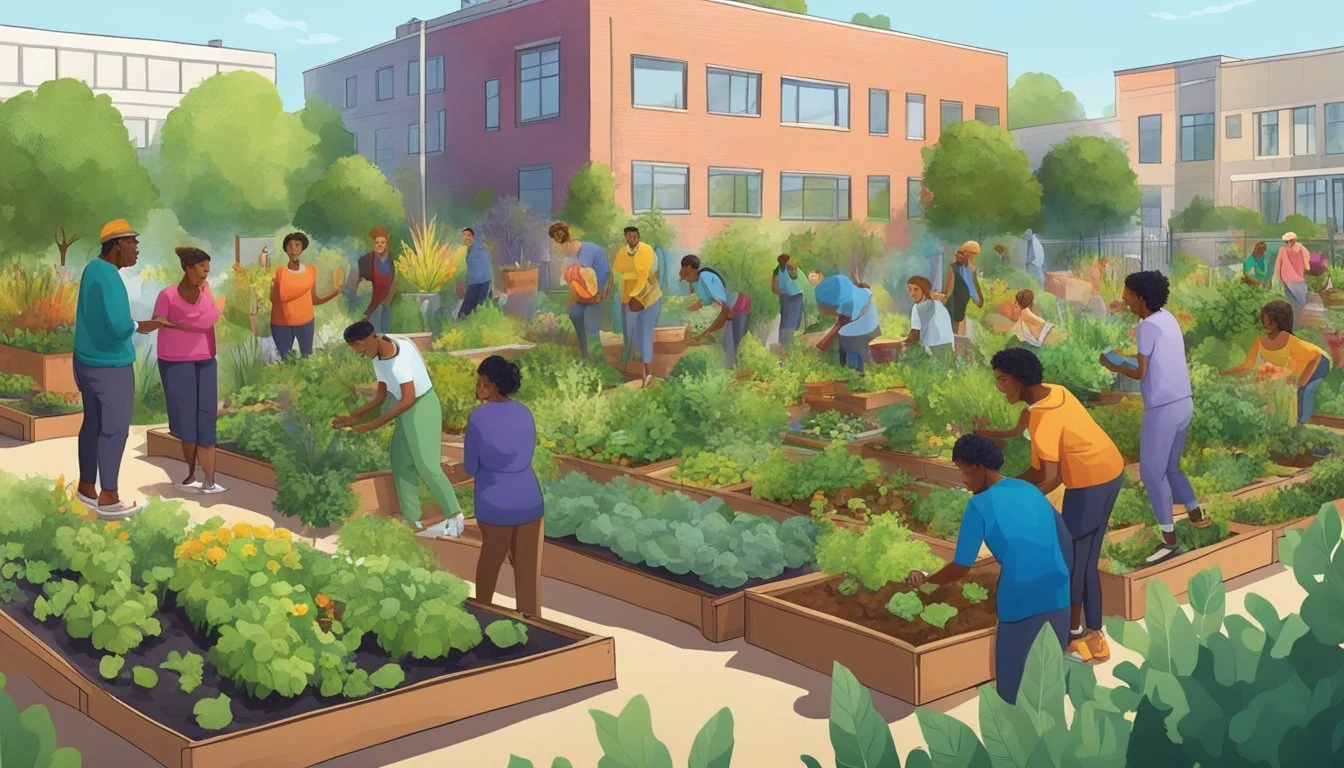
Charlotte's Community Supported Agriculture (CSA) programs not only deliver fresh produce but also play a critical role in fostering sustainable agriculture practices and enhancing community education.
Promoting Sustainable Agriculture
CSAs such as Wild Hope Farm implement USDA Certified Organic farming techniques, ensuring consumers have access to produce grown through environmentally conscious methods. The core focus is on minimizing chemical inputs and sustaining the soil's health for future generations. Their commitment includes:
Soil Health: Maintaining nutrient-rich soil through natural composting and crop rotation.
Water Conservation: Efficient water use practices such as drip irrigation to reduce waste.
Community Education and Outreach
Local CSAs in Charlotte extend beyond merely selling produce; they engage in substantial outreach by inviting community members to participate in educational programs. For instance:
Educational Tours: Offering guided farm visits to explain the benefits of organic farming.
Workshops: Conducting sessions on topics like sustainable farming techniques and healthy eating.
Charlotte-area CSAs are instrumental in building a bridge between agriculture and urban communities, highlighting the impact of food choices on the environment and personal health.
CSA Seasonal Planning
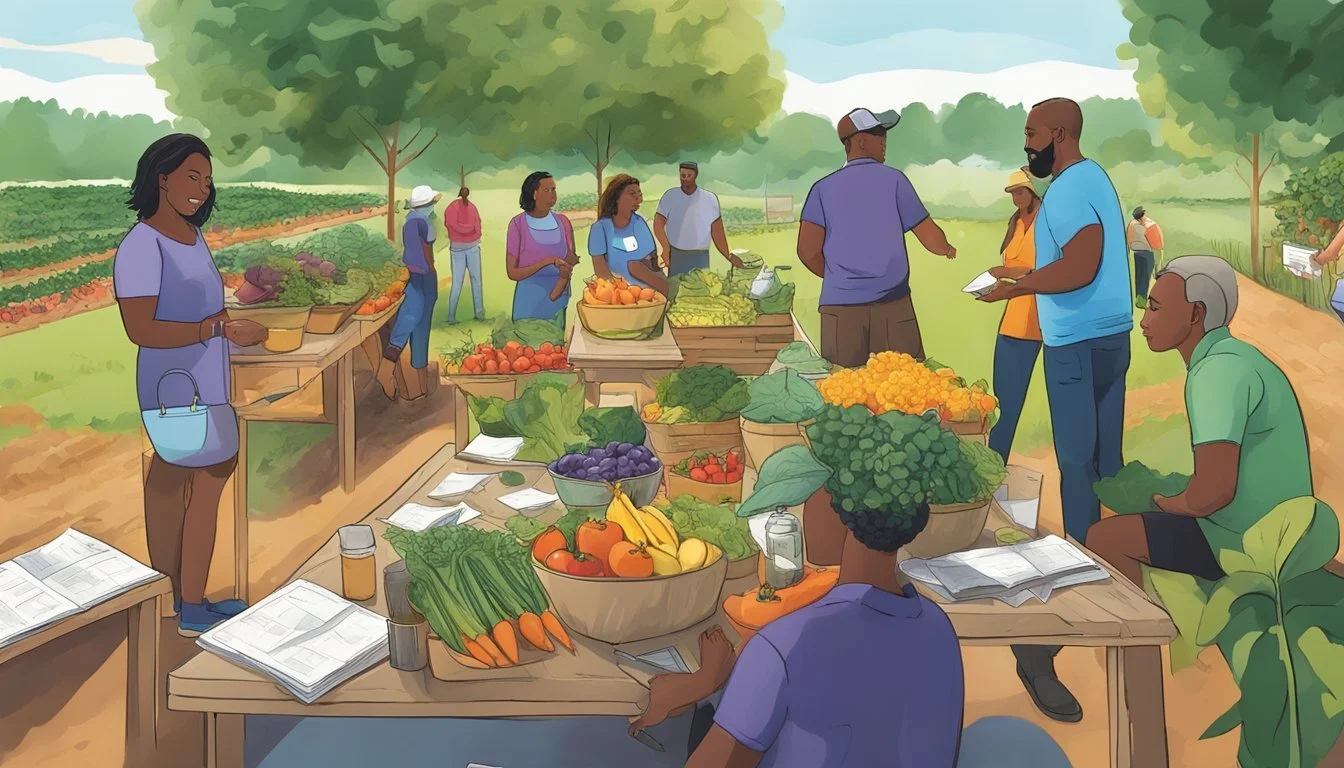
Community Supported Agriculture (CSA) in Charlotte, NC, involves meticulous planning to ensure a successful harvest throughout the growing season. Farmers must strategically arrange their planting schedules and maximize crop yields within the local climate constraints.
Planting and Harvesting Guide
CSA farmers in the Charlotte area start their planting calendar by considering the region's last frost date which typically falls in early April. They then decide on the specific varieties of fruits and vegetables for their subscribers. A typical seasonal guide may look like:
Early spring (April-May): Planting of cool-weather crops like lettuce, kale, and peas.
Summer (June-August): Transition to warm-weather crops such as tomatoes, cucumbers, and peppers.
Fall (September-November): Sow late-season varieties like squash and root vegetables.
Harvest times are carefully scheduled to align with the crops' peak maturity, ensuring shareholders receive the freshest produce weekly or bi-weekly.
Optimizing the Growing Season
To optimize the growing season, farmers implement strategies like succession planting and crop rotation. Succession planting ensures that as one crop finishes, another begins, providing continuous yield. For example:
Succession Planting Table:
Crop: Lettuce
Planting 1: Early April
Planting 2: Late April
Planting 3: Early May and so on.
Rotation of crops is crucial to maintaining soil health and preventing disease. A CSA farmer might plant legumes after harvesting leafy greens, as legumes can replenish nitrogen in the soil. Efficient use of greenhouses and row covers can also extend the growing season and protect against unpredictable weather.
Challenges and Considerations
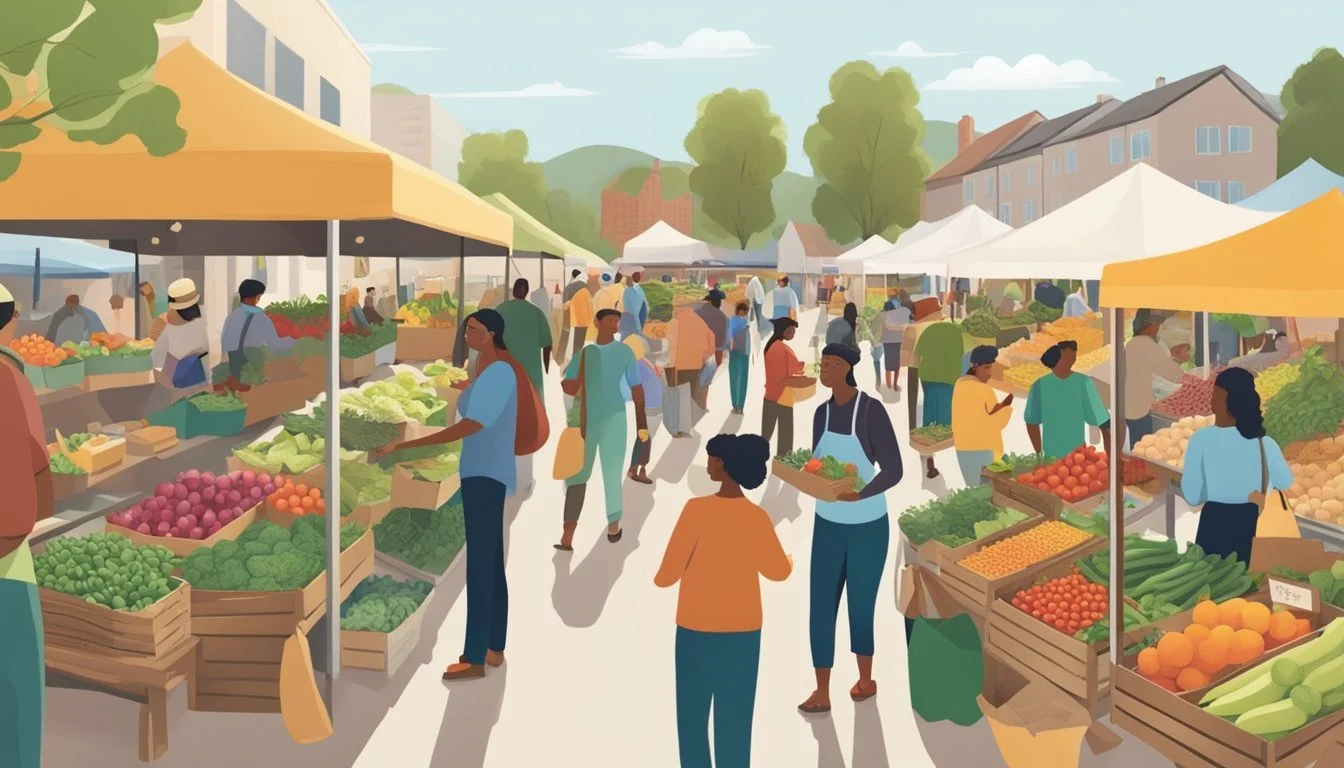
Community Supported Agriculture (CSA) programs in Charlotte, NC face several challenges that affect their operations and customer satisfaction. Key considerations include the unpredictability of weather, the necessity of managing customer expectations, and the imperative to maintain the quality and flavor of farm produce throughout the season.
Weather and Environmental Factors
Weather plays a significant role in farming, and CSA providers in Charlotte must contend with the area's variable climate. Unpredictable weather patterns such as excessive rainfall or drought can impact crop yields and harvest times. These environmental factors may necessitate adjustments to planting schedules and can lead to fluctuations in the quantity and types of produce available.
Managing Customer Expectations
Subscribers to a CSA hold specific expectations not only regarding the variety and volume of produce but also its delivery schedule. Farmers must communicate effectively about the natural variability in agriculture to ensure subscribers have realistic expectations. Challenges arise when unforeseen events, such as poor weather or pest infestations, alter what was promised at the season's start.
Quality and Flavor Conservation
The quality and flavor of produce are central to the success of a CSA. Farmers must employ diligent practices to ensure that produce remains fresh from the field to the consumer. Challenges in this area include the timing of harvests, the handling of delicate items, and the transportation of goods in a way that preserves their just-harvested taste and nutritional value.
Resources and Further Information
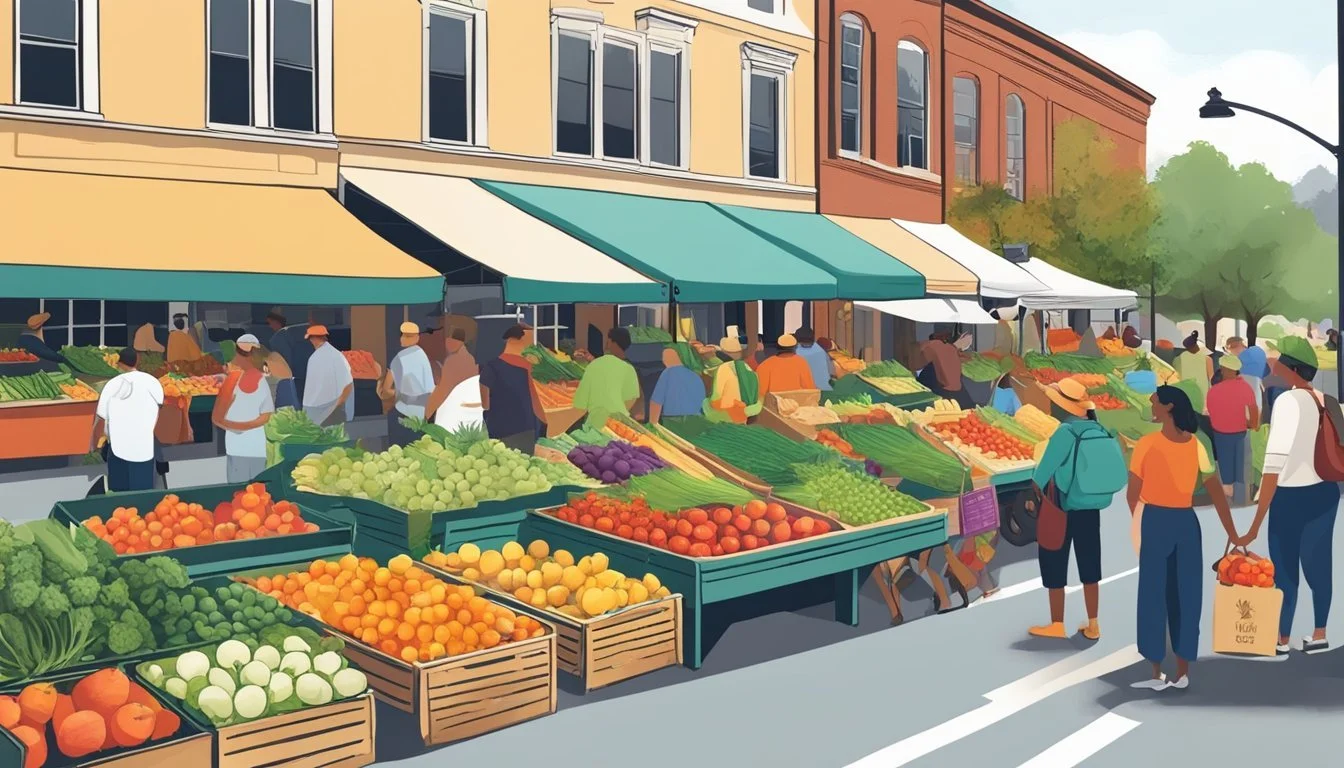
Those interested in participating in Community Supported Agriculture (CSA) within Charlotte, NC have various resources and educational opportunities at their disposal. The following subsections provide a concisely curated list of materials and avenues for prospective CSA members and those wishing to deepen their understanding of local agriculture.
Resource List for New Participants
To aid potential CSA members in Charlotte, a compiled list of starting resources includes:
LocalHarvest offers a comprehensive directory of CSAs in Charlotte, NC, allowing users to find and connect with local farms.
NC State Extension provides a detailed explanation of the CSA model, benefits, and how it supports local farmers and communities.
Questions to Ask Your Farmer
When considering CSA membership, it's crucial to communicate with your farmer. Key questions include:
Share Inclusions: Ask what products are included in weekly or monthly boxes.
Farming Practices: Inquire about organic certification and low-till methods to understand the environmental impact.
Educational Workshops and Events
Charlotte offers various educational workshops and events for those interested in learning more about sustainable agriculture:
Wild Hope Farm: They provide insights into organic, low-till farming through farm-to-table events.
Charlotte-area CSAs: They offer full-year experiences, sharing knowledge about farm operations and sustainable farming techniques.
Engaging with these resources ensures that CSA participants are well-informed and have a genuine connection with where their food comes from.